In-depth guides for VM directors, retail designers and brand teams on display prop materials, surface finishes, production methods, and sourcing decisions.
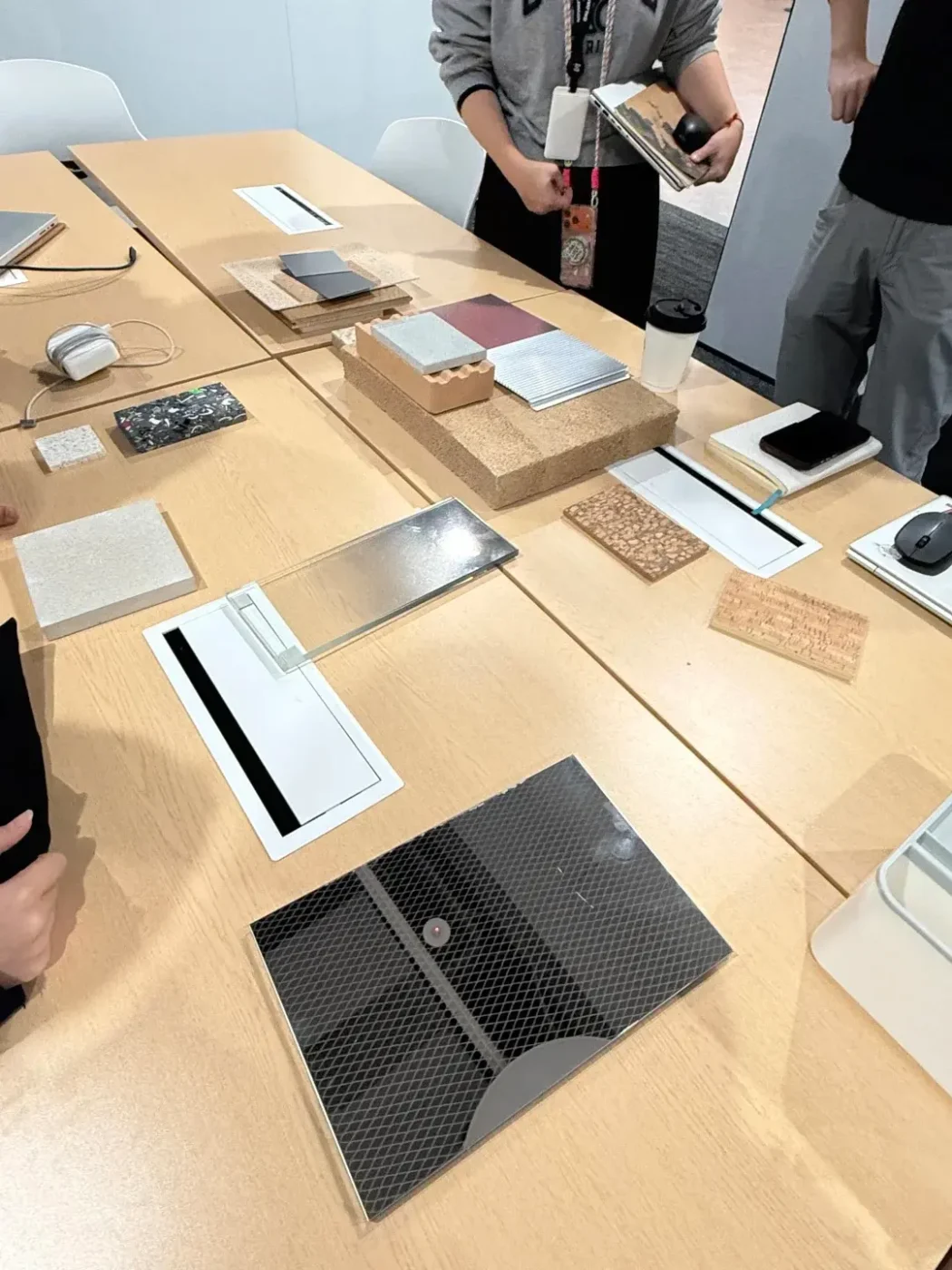
A practical checklist for verifying a shortlisted supplier — from engineering and sample control to finishes, packing and design confidentiality.
Oct 18, 2026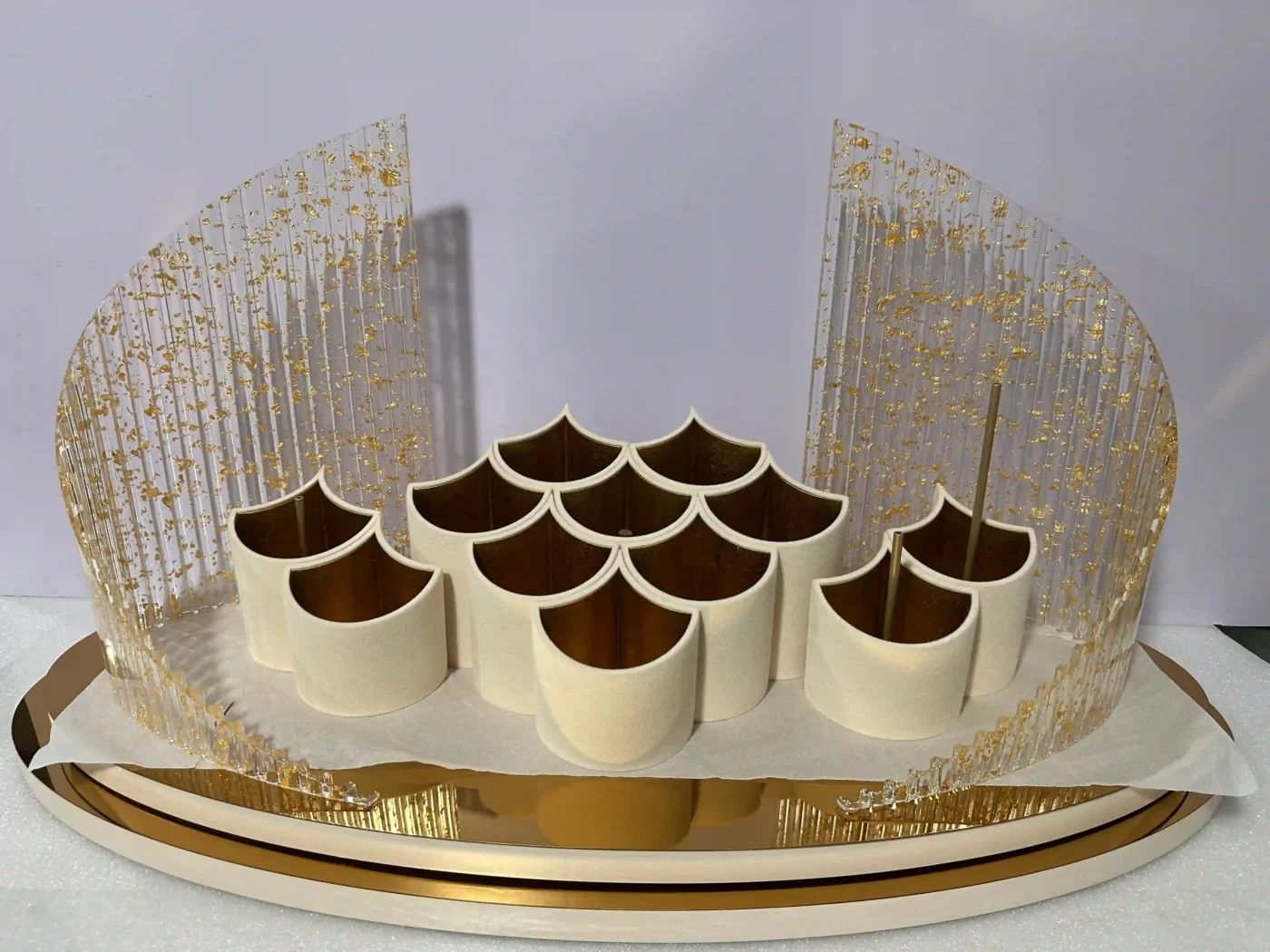
A prop sample proves one object can be made — a full-size prototype proves the whole window works, before it is repeated in every store.
Oct 16, 2026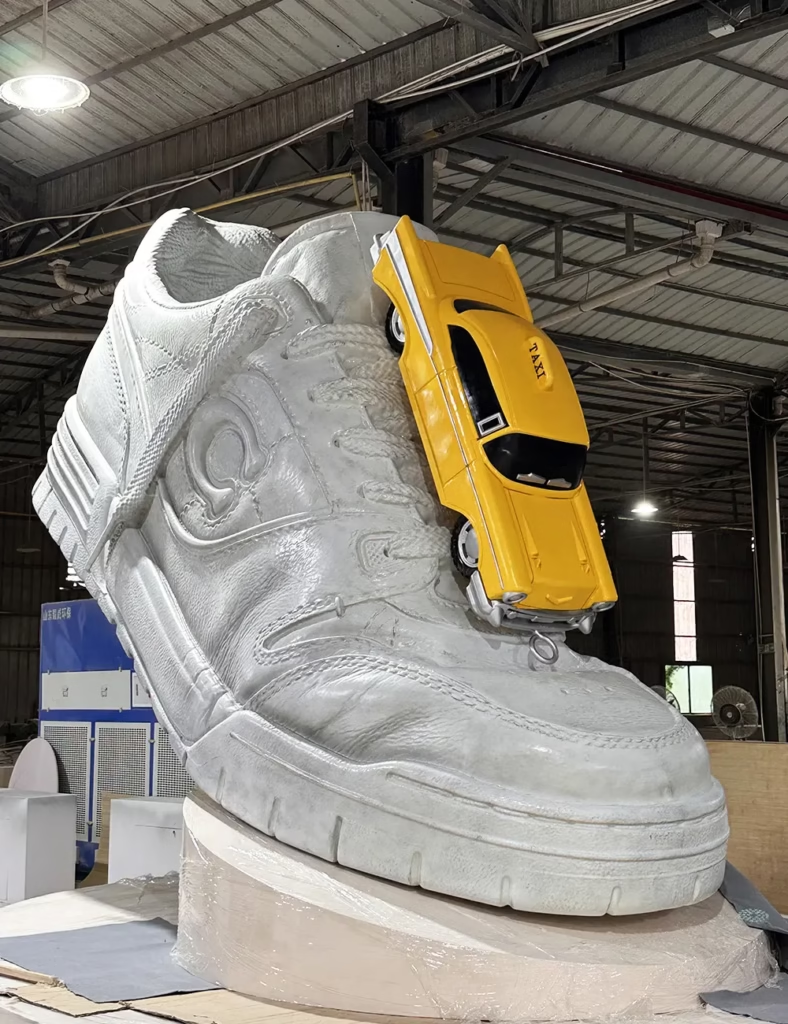
A render shows what the window should look like — production drawings decide how every part is built, finished, wired, packed and installed.
Oct 11, 2026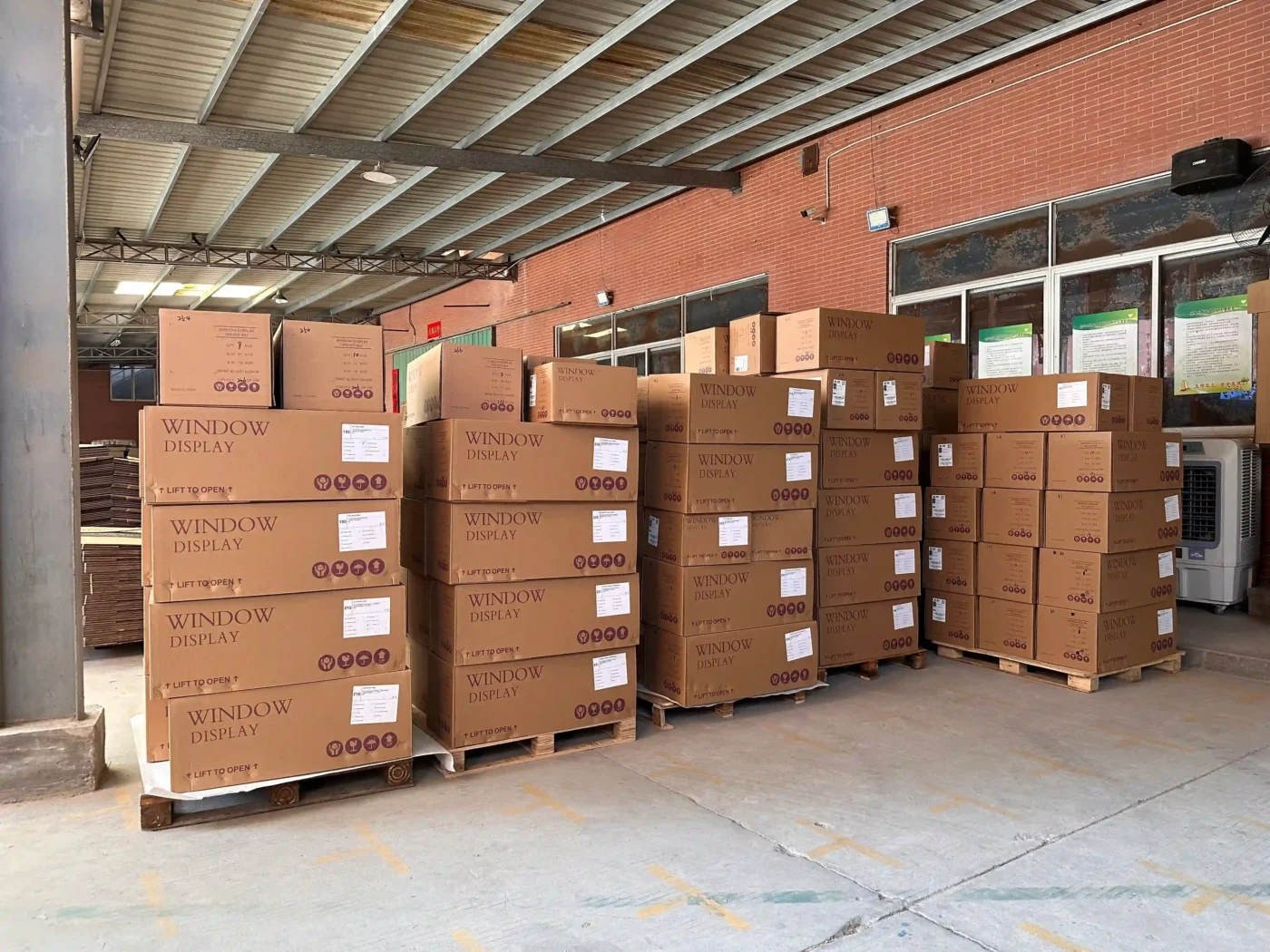
One concept, many windows — how store data, golden samples, set-level QC and store-by-store packing keep a multi-store rollout consistent.
Oct 10, 2026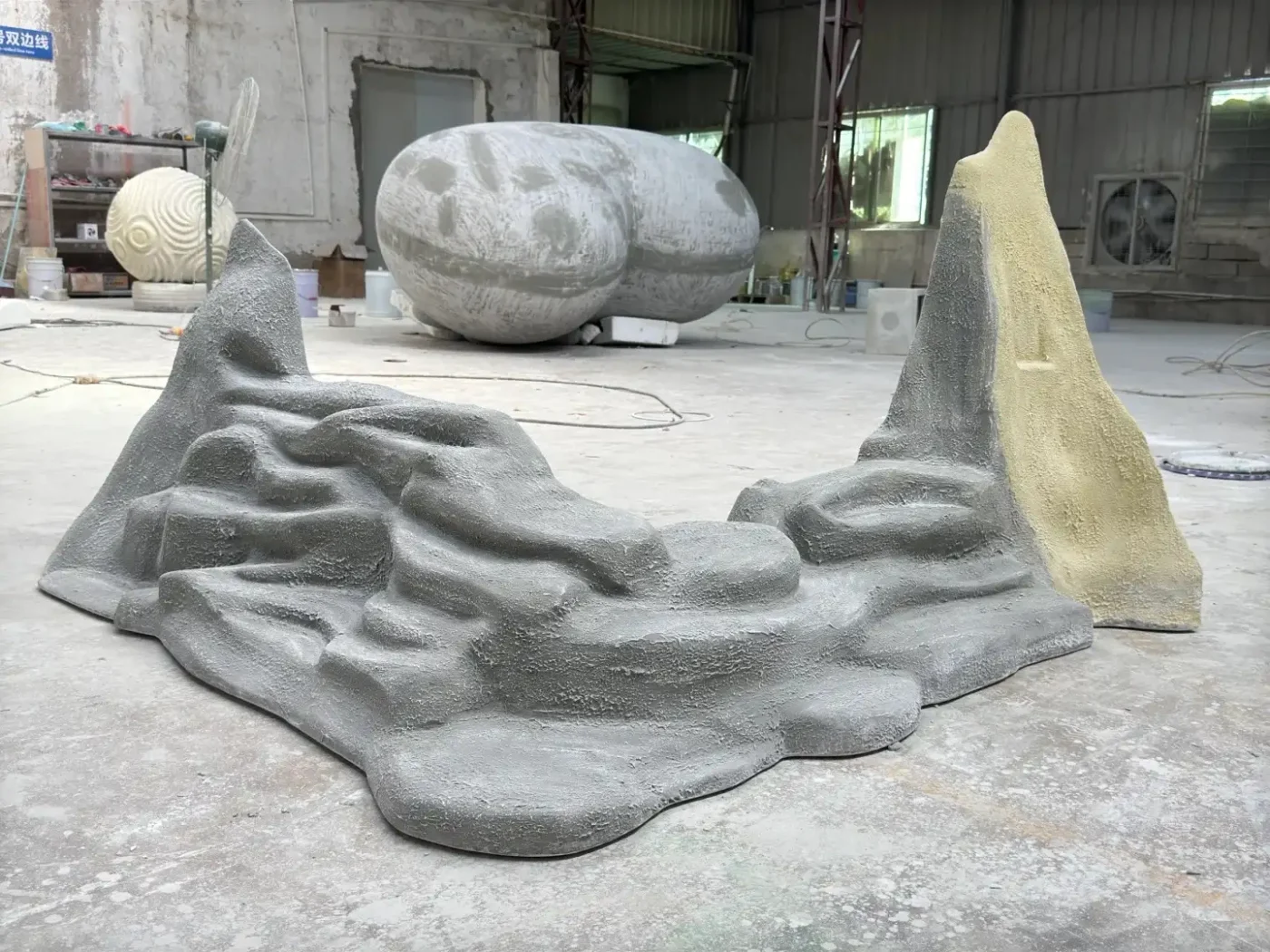
How material, finish, structure, quantity, timeline and shipping decisions shape the price of a custom retail window display
Sep 28, 2026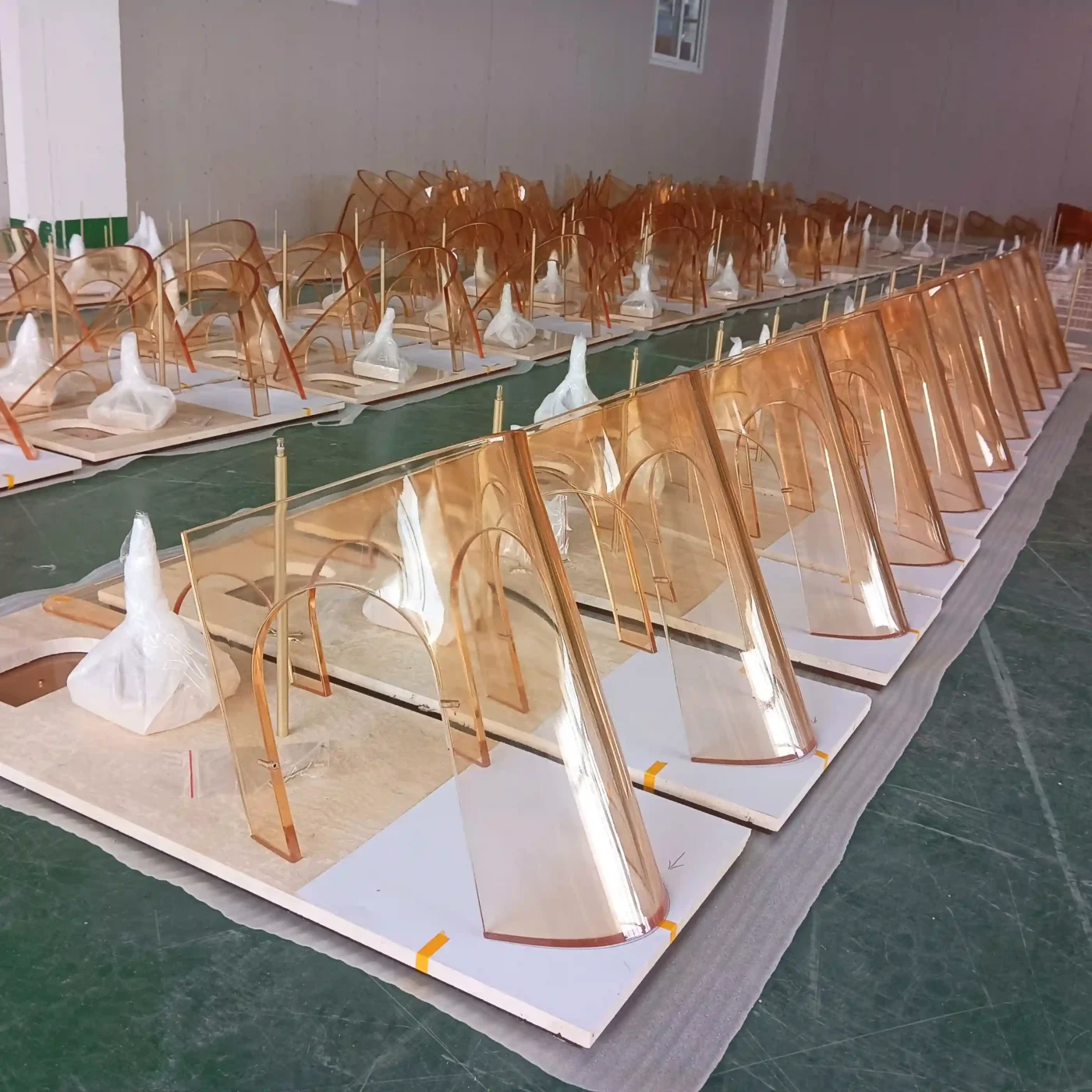
From design approval to storefront installation — what brands, VM teams and retail designers need to resolve before store window displays reach the factory floor
Sep 21, 2026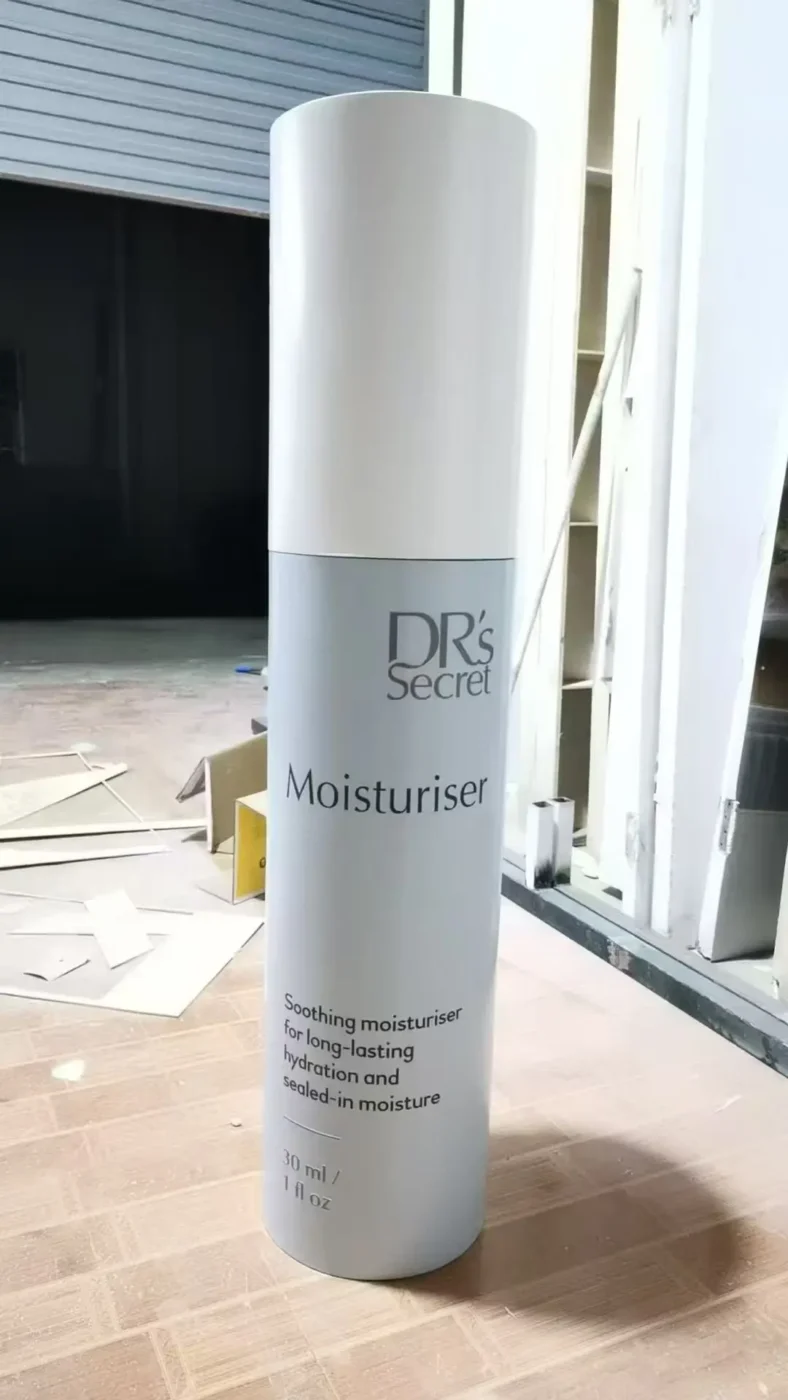
Material decisions, production planning and campaign execution — a manufacturing guide for retail VM teams
Sep 14, 2026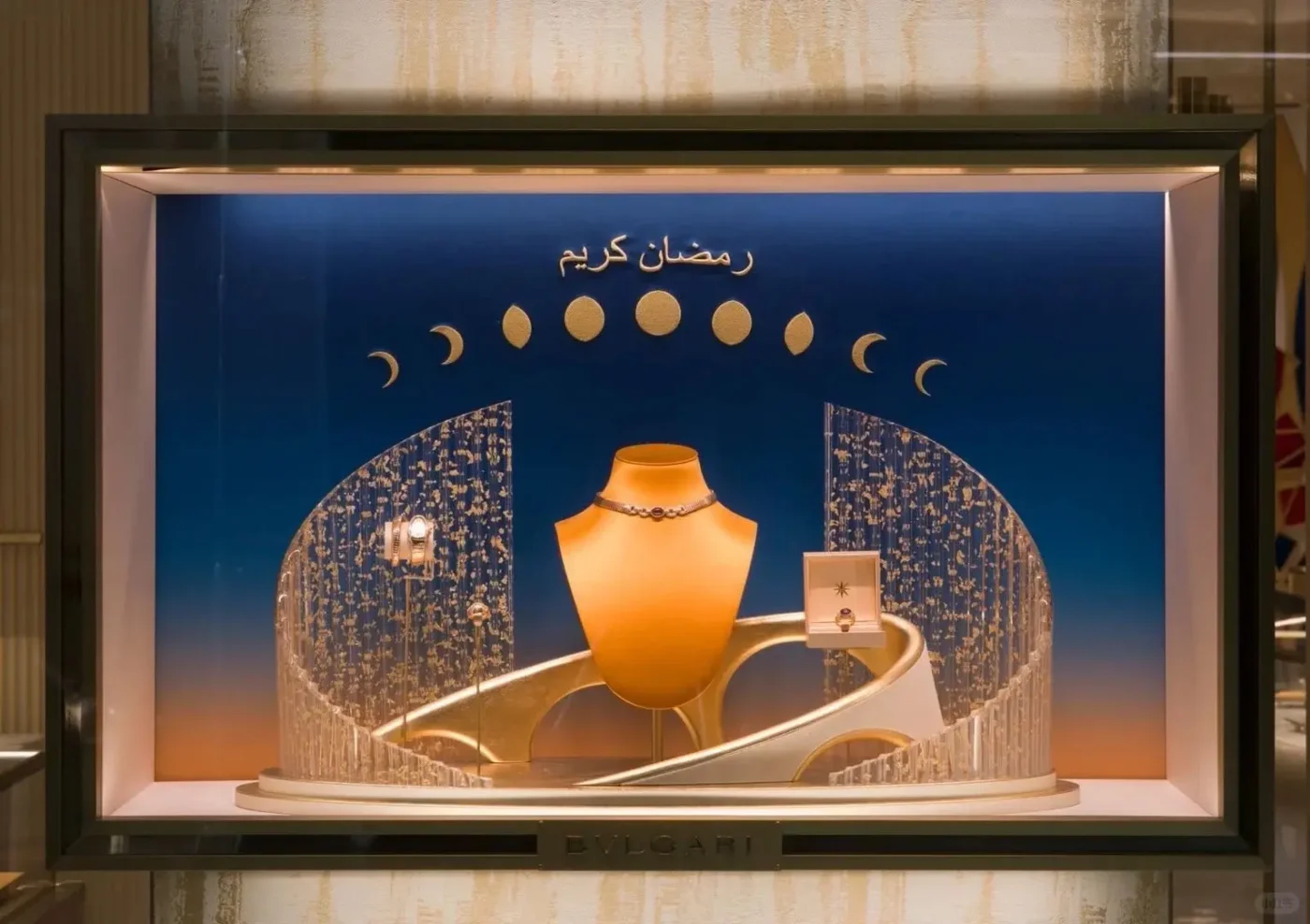
Custom props, real timelines and production decisions — a manufacturer's guide to planning seasonal retail windows for fashion, beauty and jewelry brands
Sep 9, 2026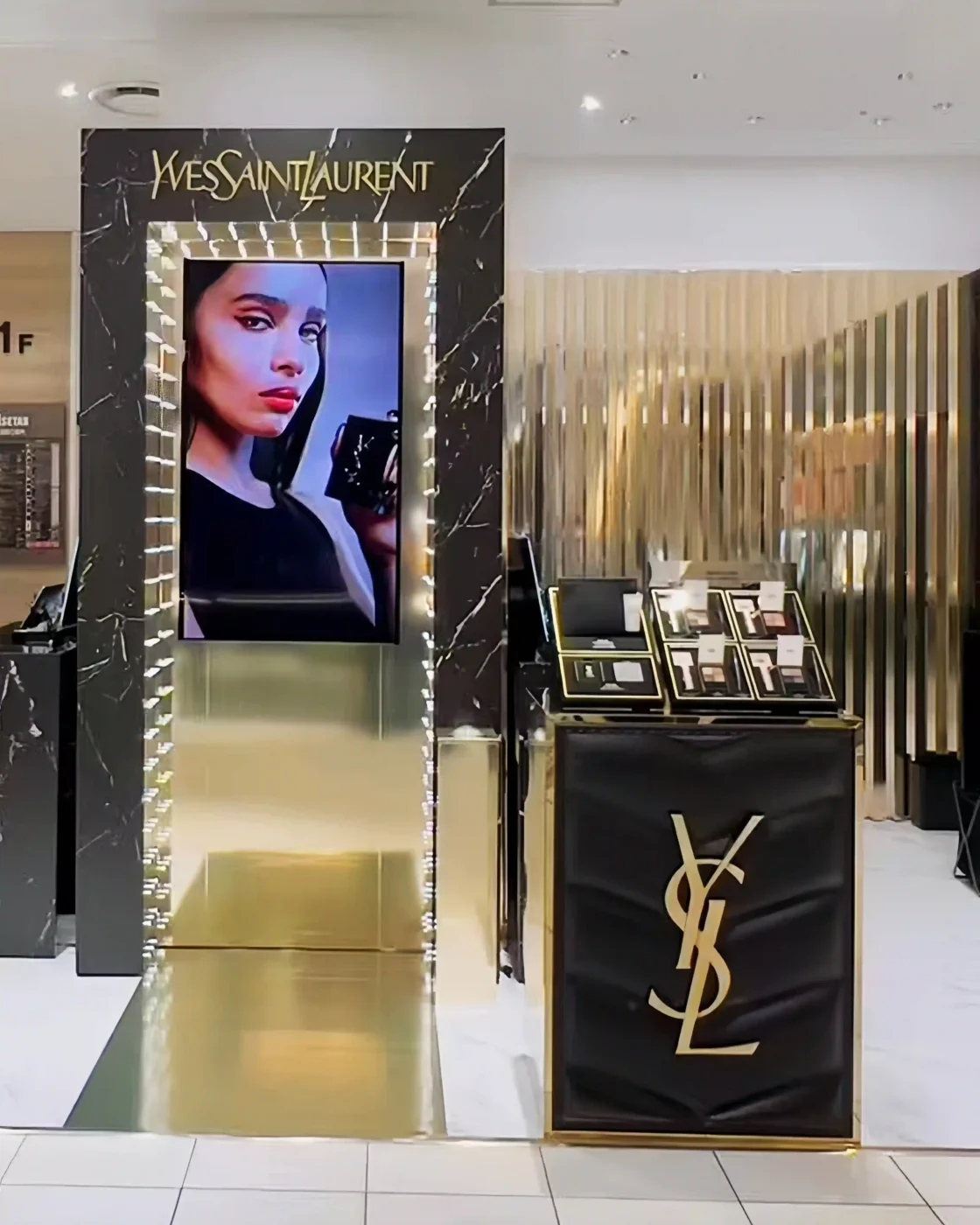
When a retail brand adds an LED screen to a display — the structure that holds it determines whether it looks integrated or improvised
Sep 6, 2026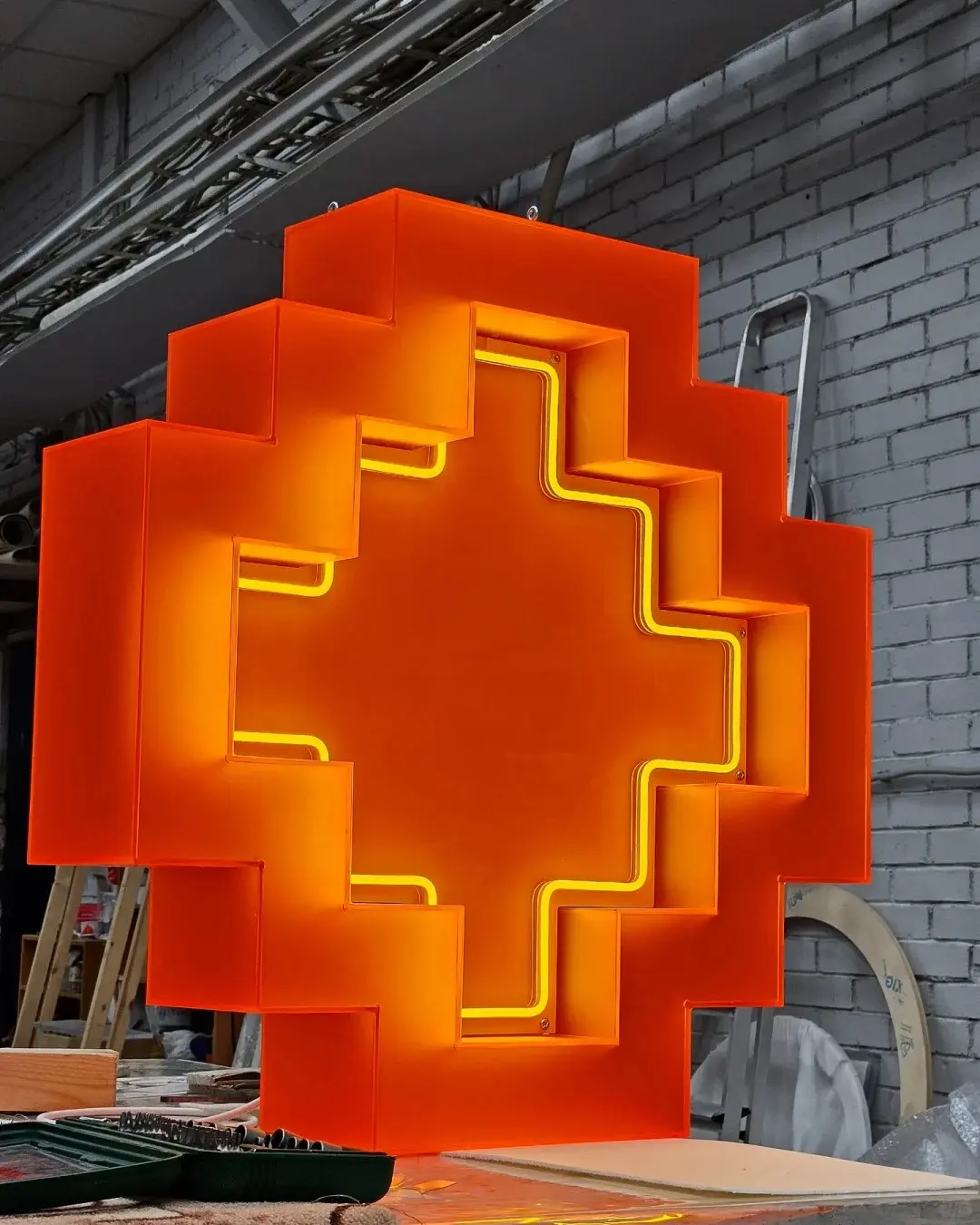
Material decisions that separate a premium acrylic light box from a cheap one — a production-side guide for retail display teams
Aug 29, 2026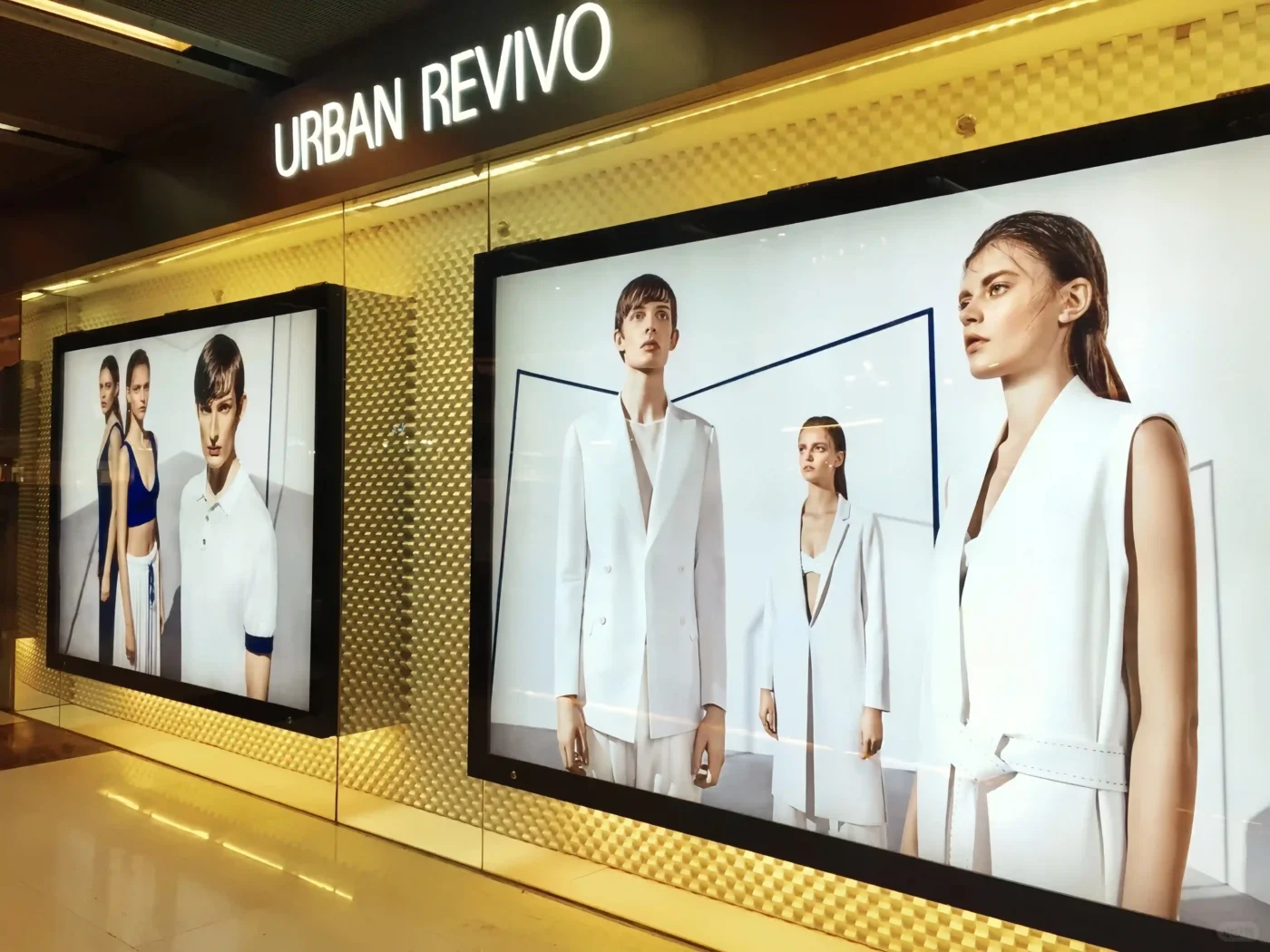
Frame depth, LED configuration, acrylic diffusion and graphic method — the specification decisions that shape a retail light box project
Aug 25, 2026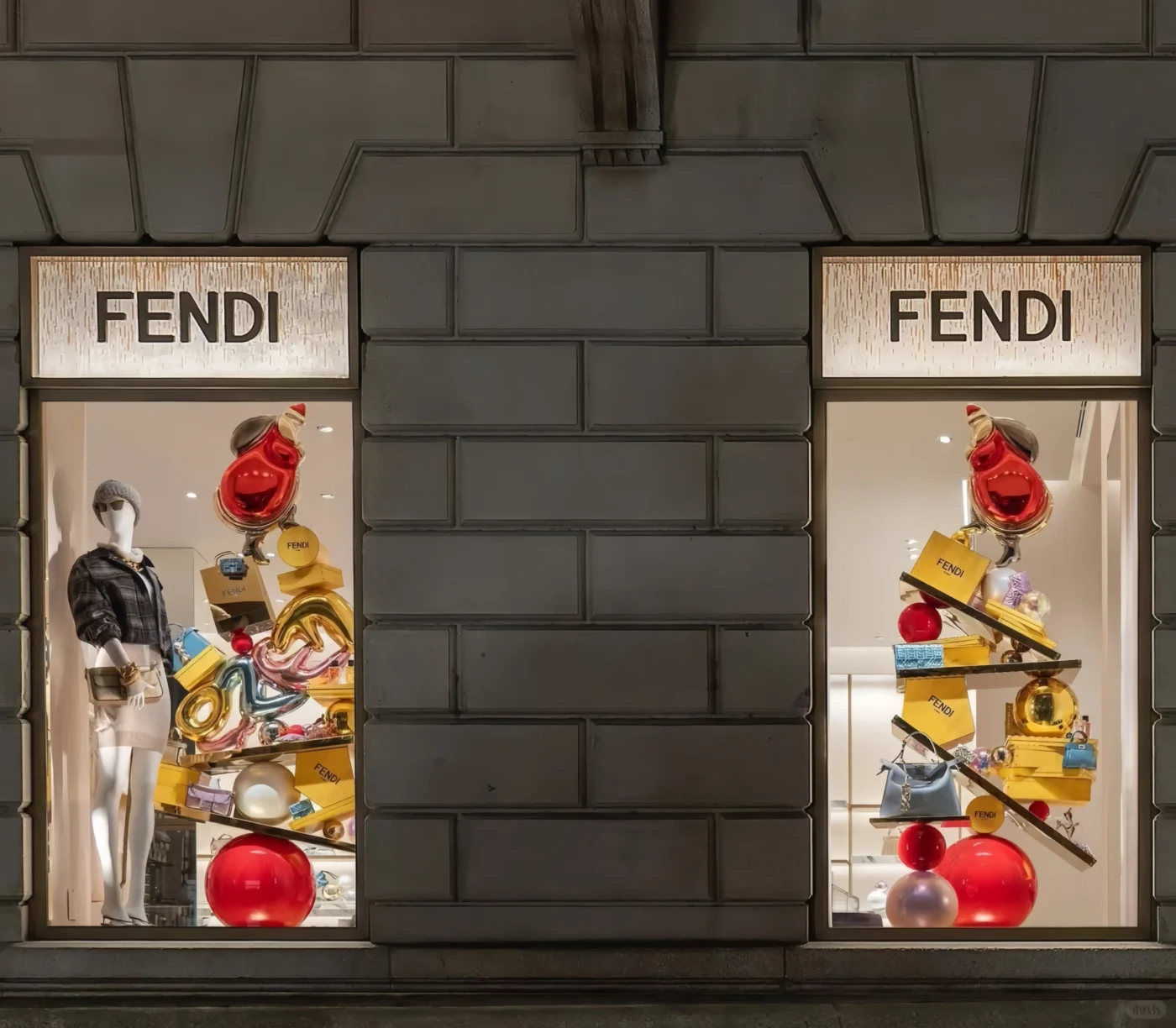
From sampling timelines to packing logic — a manufacturer's guide to producing festive display props that arrive ready for every store
Aug 3, 2026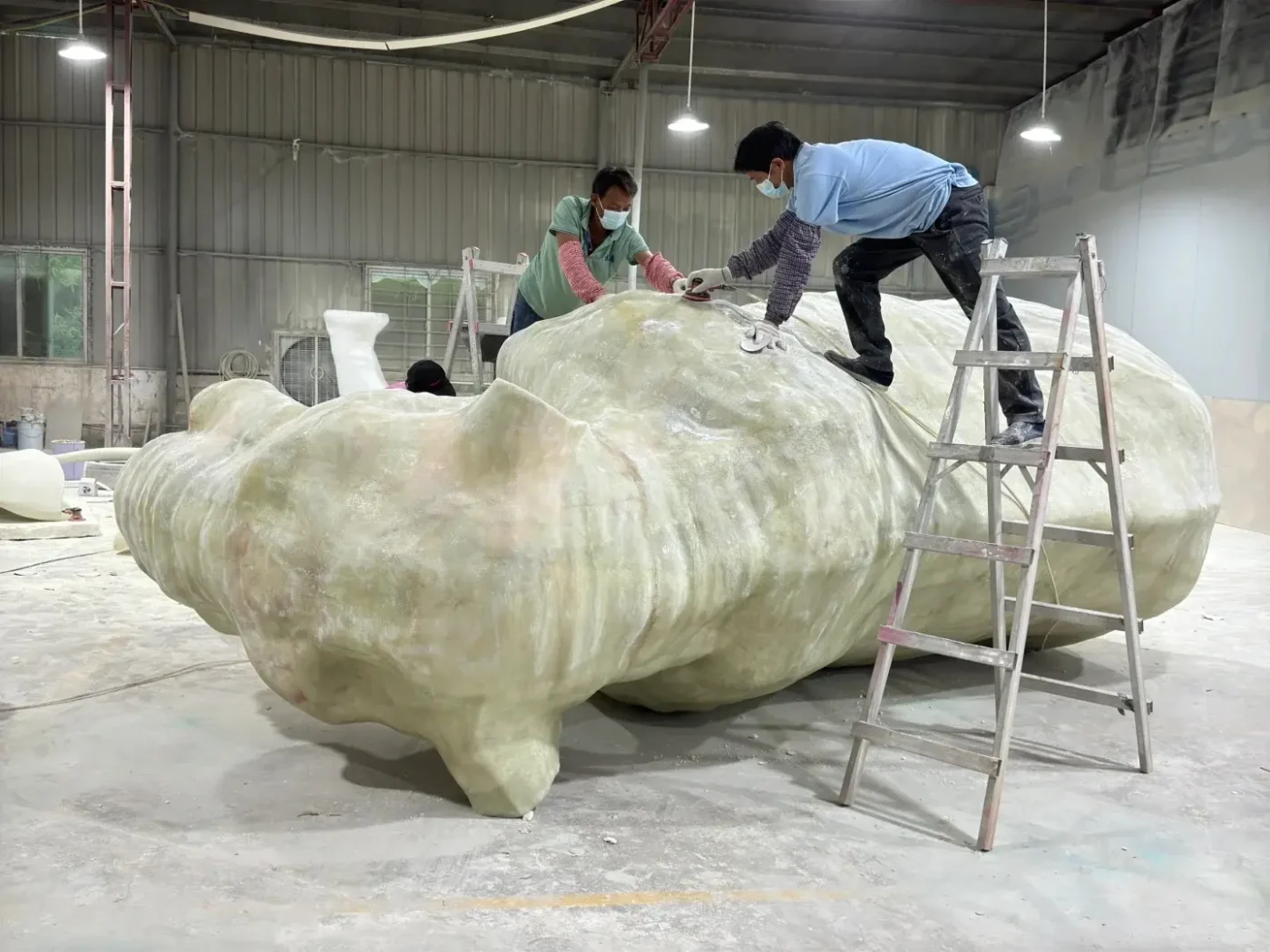
From material decisions to packing design — what brands need to understand before a window display prop reaches the factory floor
Aug 2, 2026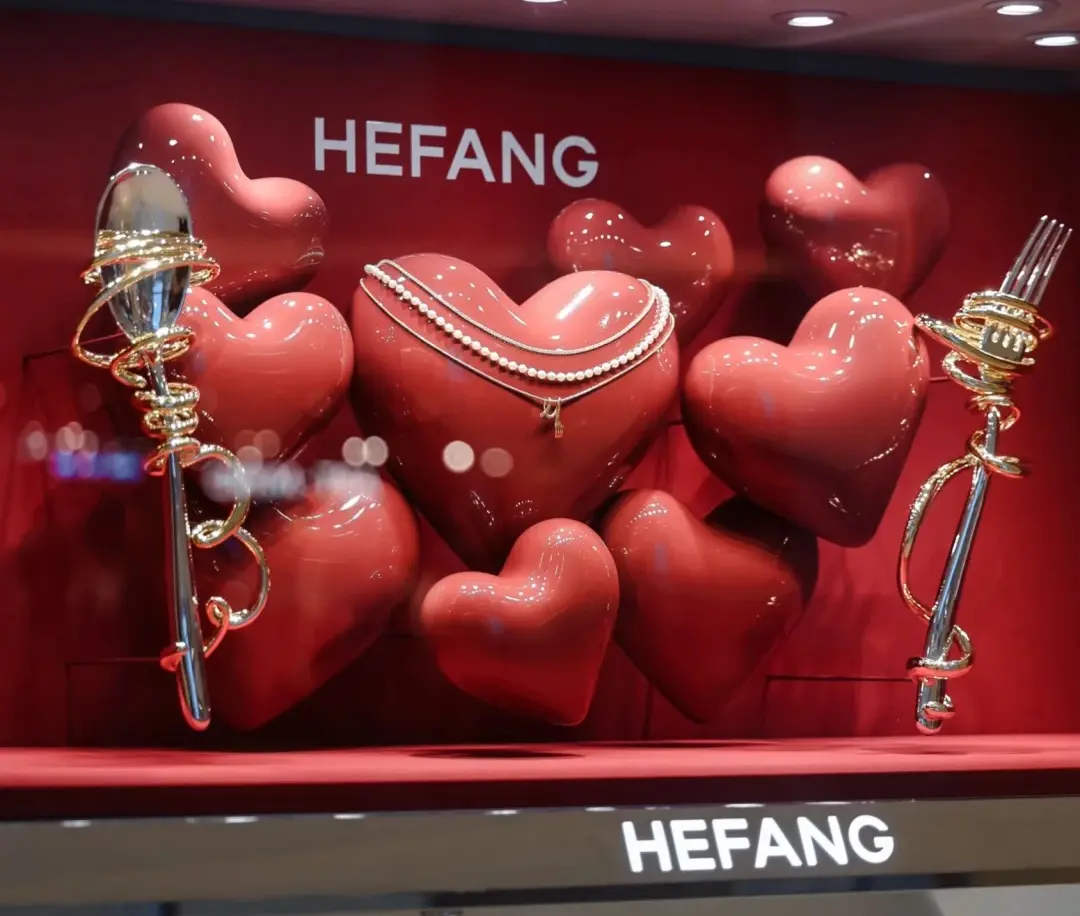
From product hierarchy to material selection — what brands, VM teams, and agencies should resolve before a store window display reaches the factory floor
Jul 31, 2026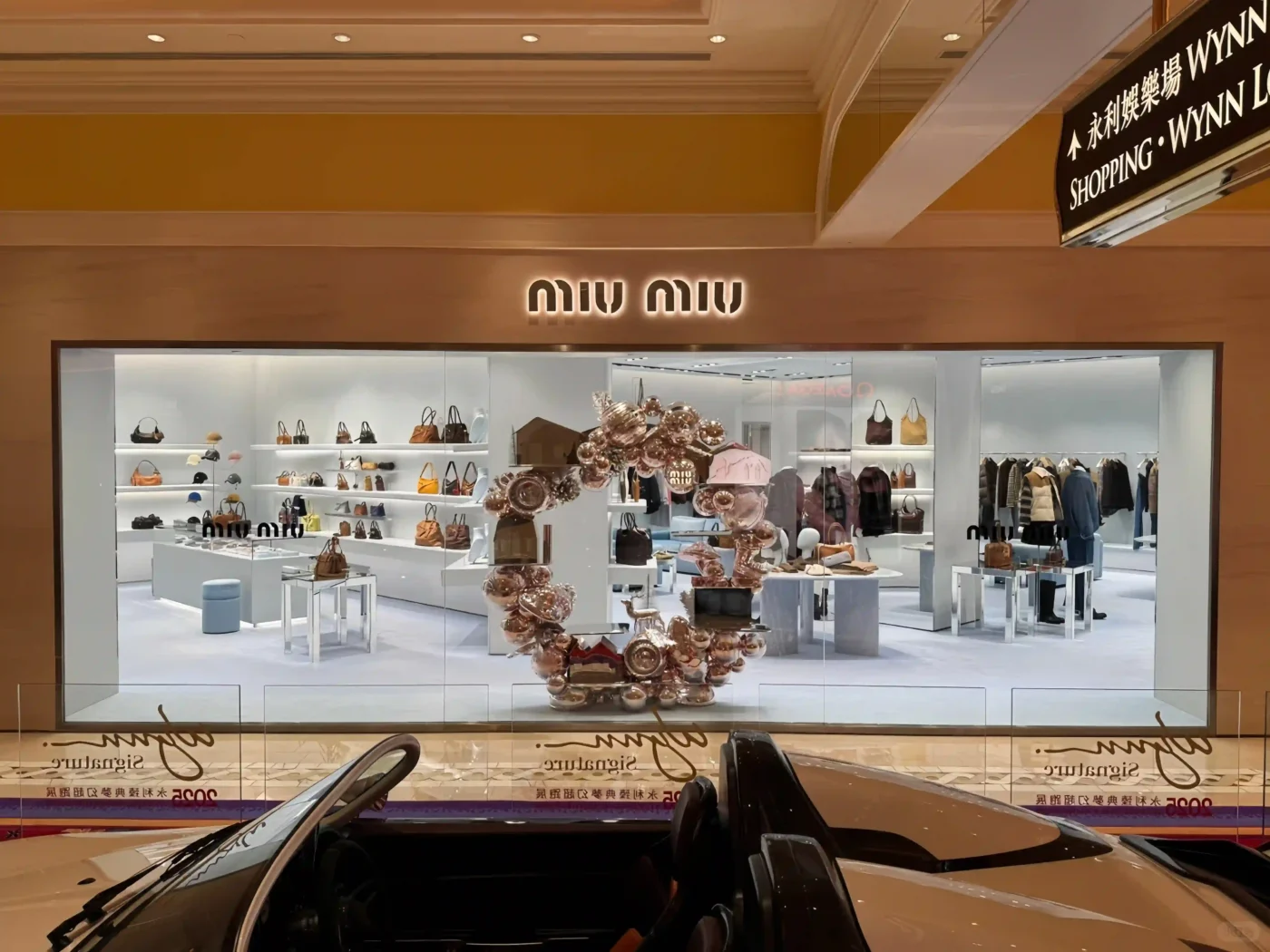
From window types and materials to production workflow — what retail visual merchandising teams need to know before building their next storefront display
Jul 29, 2026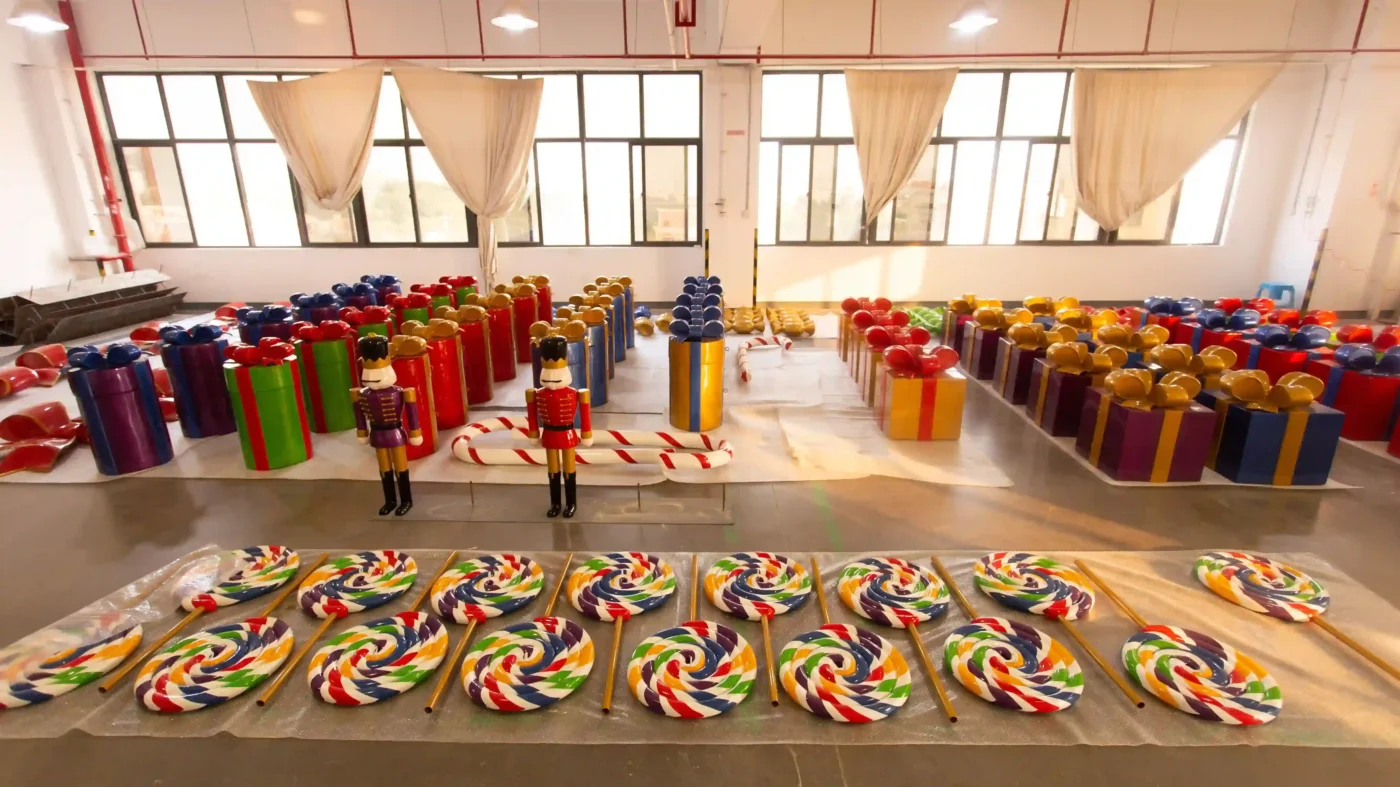
The real backward schedule for Christmas retail displays — sampling, production, freight, and the one week in October that closes the window.
Jul 22, 2026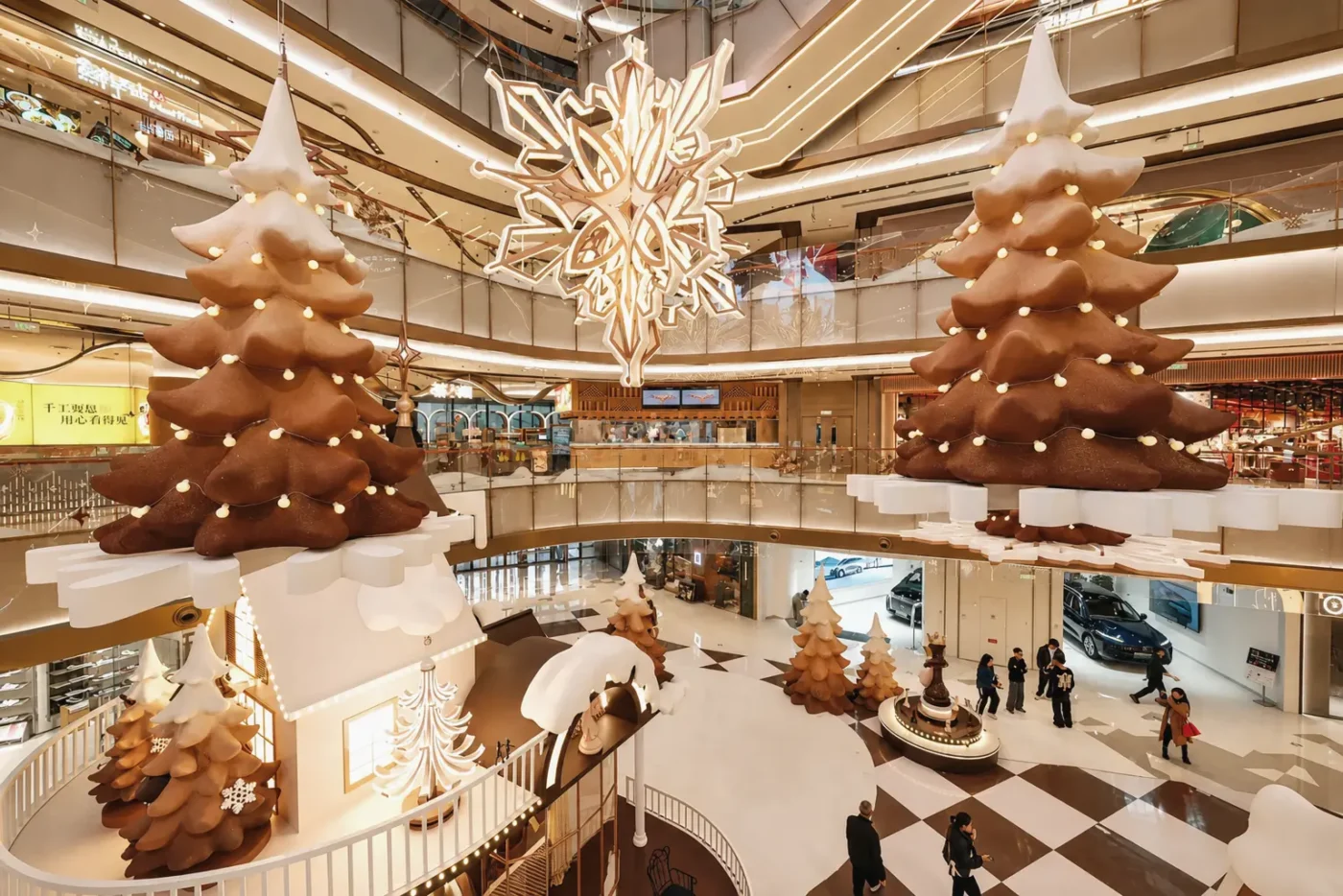
A practical, month-by-month guide to producing Christmas window displays for global retail — from brief and sampling through freight and store installation.
Jul 22, 2026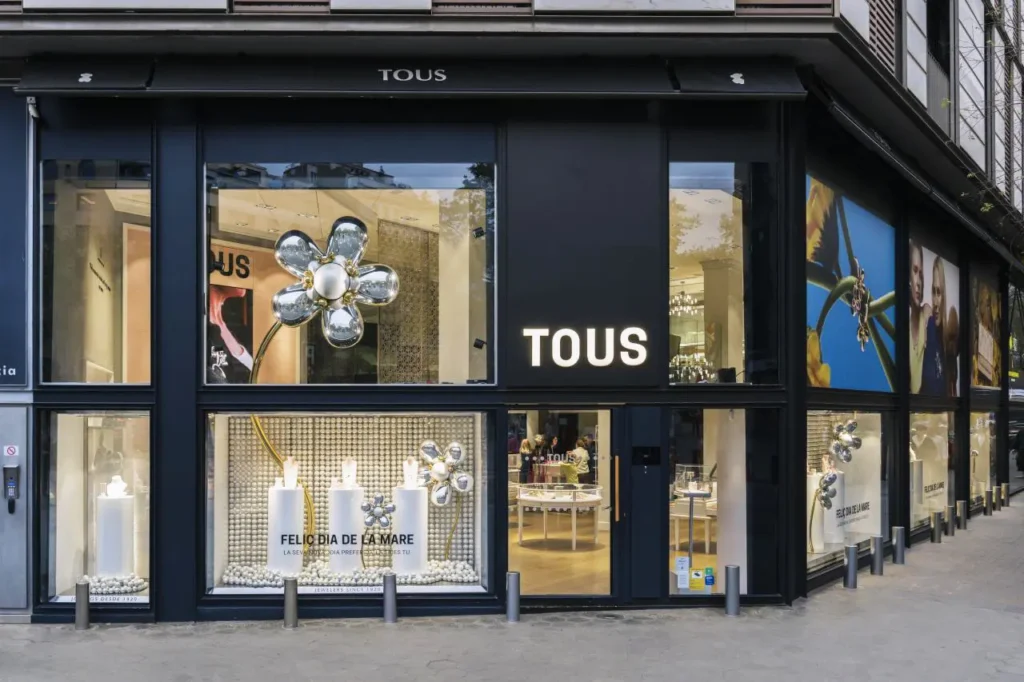
Five months of workshop time for four weeks in the window — the real production calendar behind a spring retail campaign.
Jul 22, 2026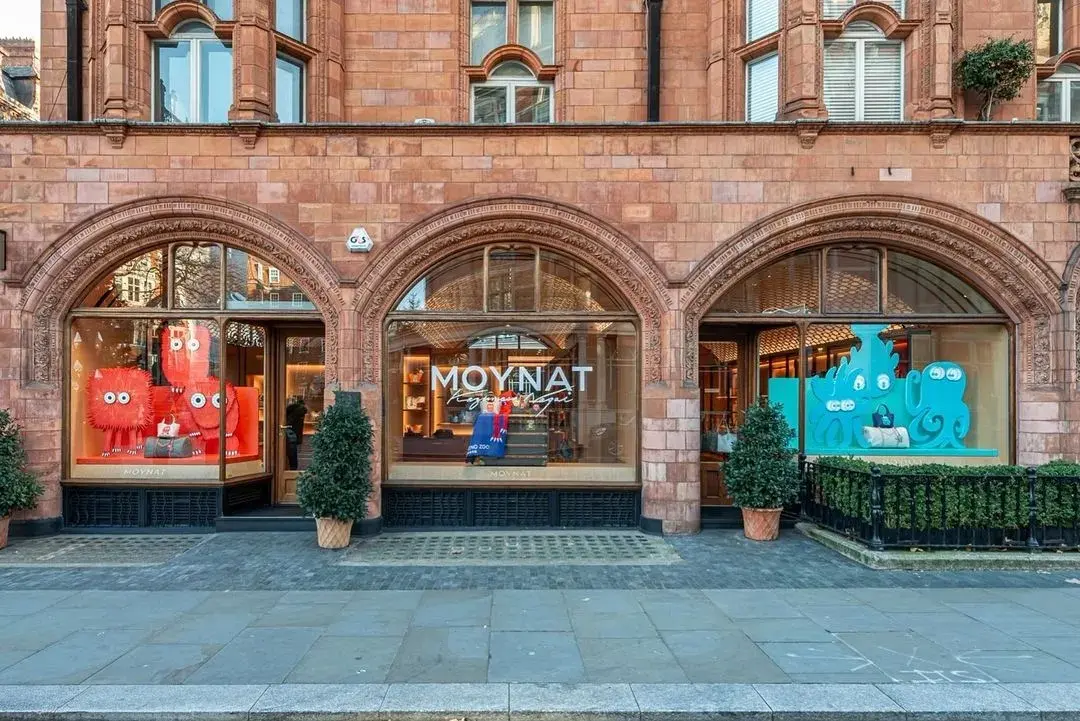
Chelsea in Bloom turns London storefronts into floral stages — a manufacturer's notes on the hidden structure, materials and planning behind the petals.
Jul 9, 2026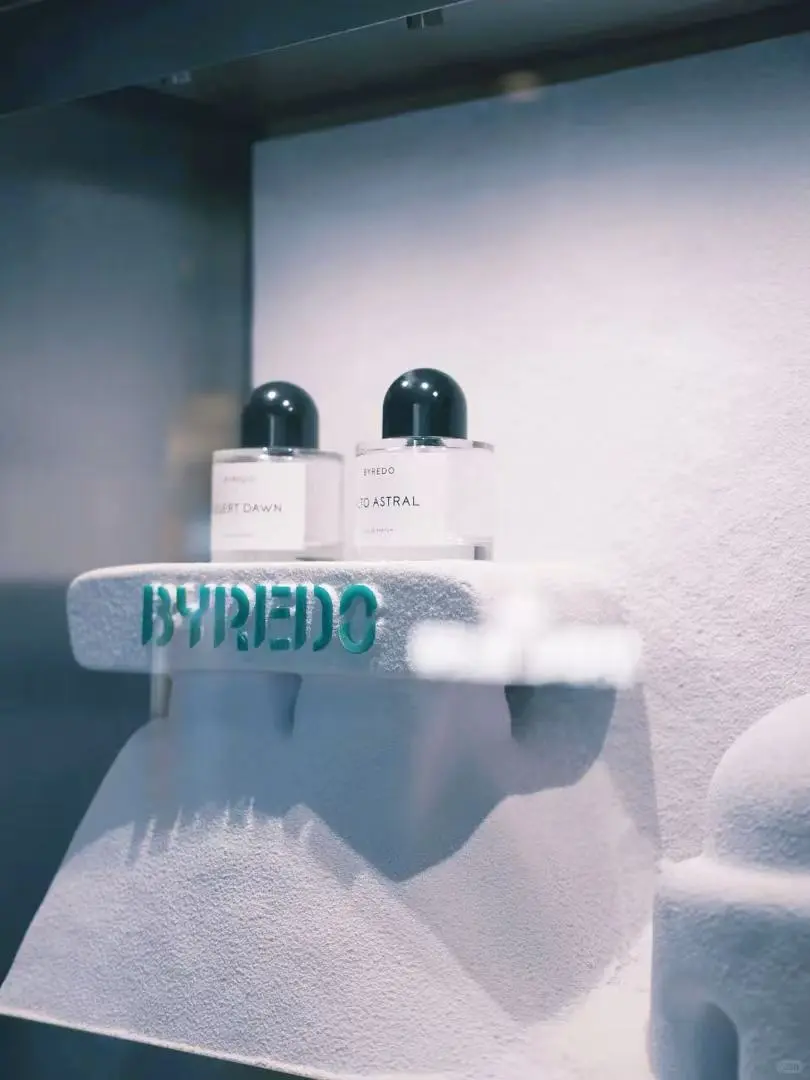
Propability is a useful service provider to study because its public website presents a wide range of retail and event display work: store development, pop-up shops, immersive experiential spaces and window displays. The company describes its work as designing, manufacturing and installing visual display solutions for clients in the retail and events industry. For a […]
Jul 9, 2026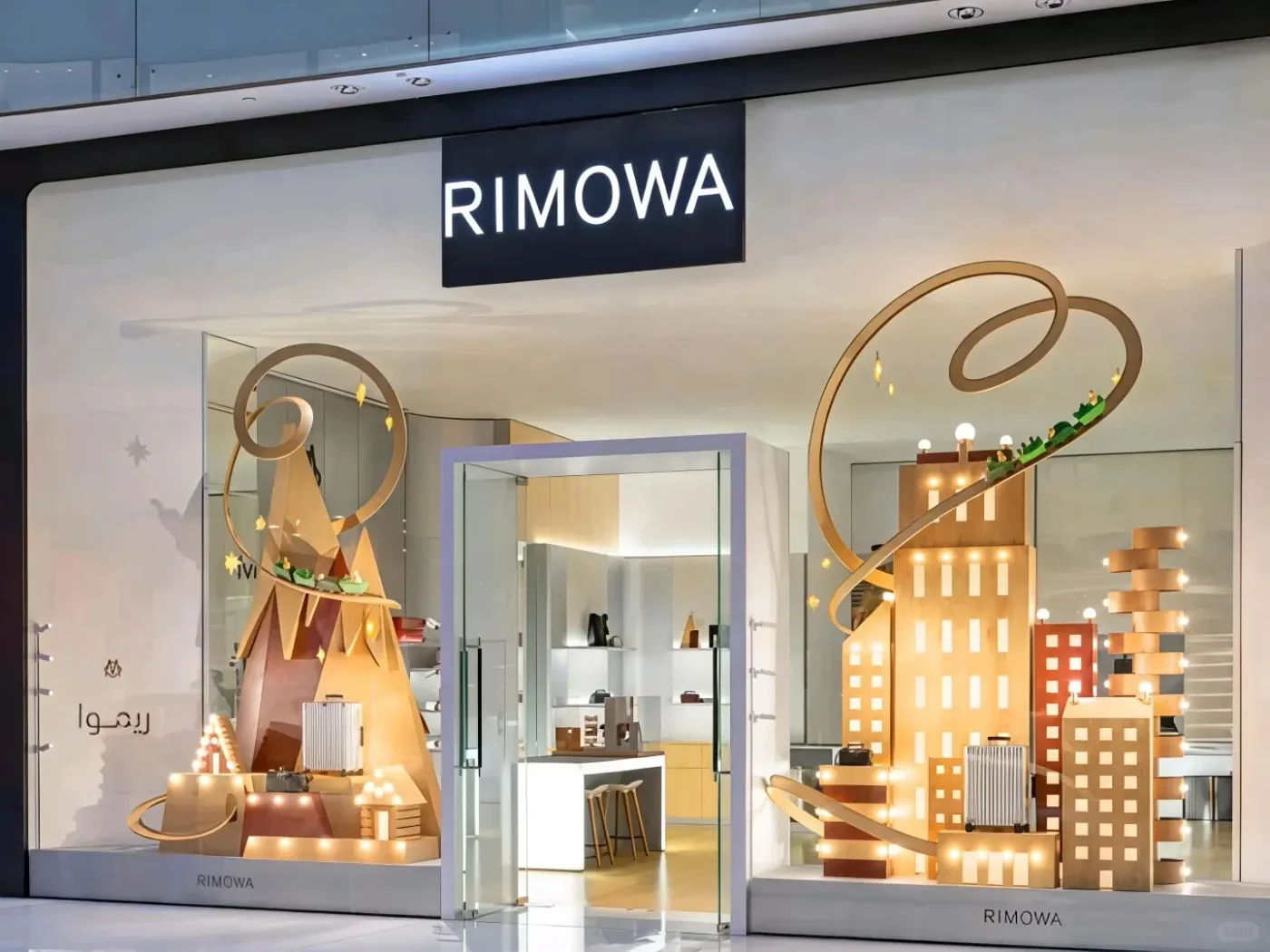
What retail display manufacturers think about when agencies like Harlequin Design set the creative bar — material choices, surface finishing and installation logistics
Jul 7, 2026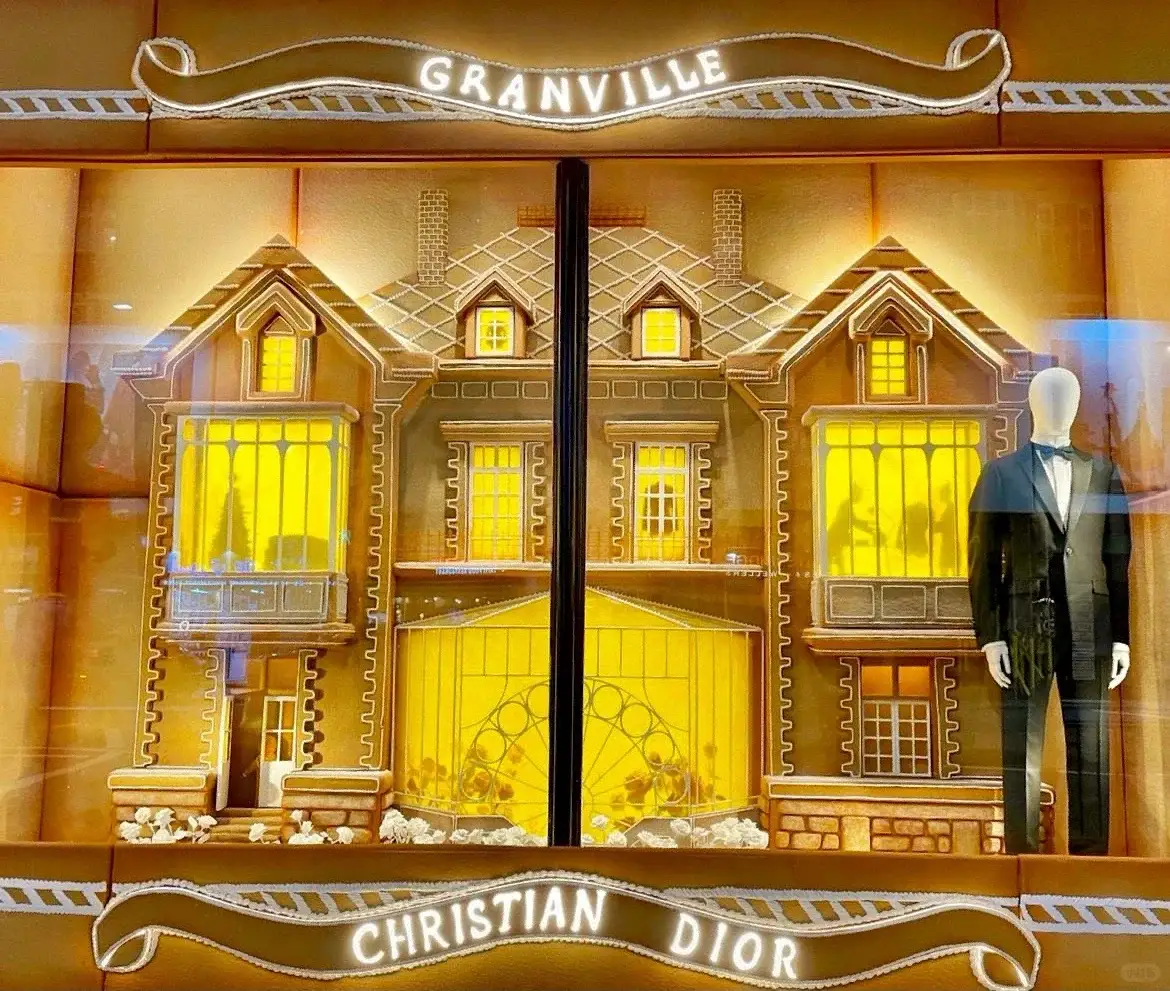
Ten production qualities behind award-winning window displays — from hand-laid FRP shells to ±1 mm luxury tolerances — seen from the factory floor, not the jury table.
Jul 5, 2026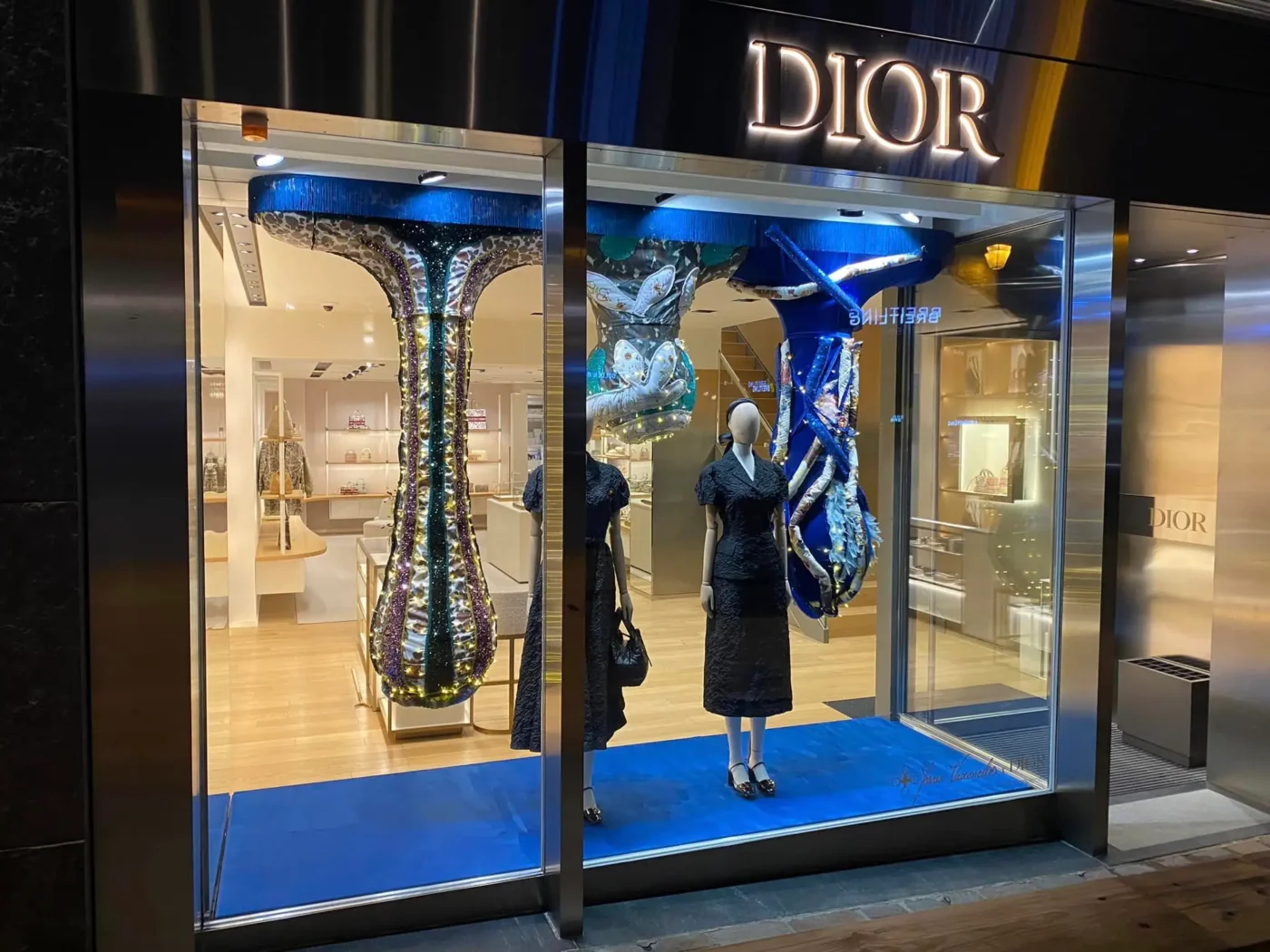
In this article, we study the public positioning of RC Group, a French premium merchandising specialist, and explain from our own factory floor what that positioning means in production terms. RC Group is a French high-end merchandising group focused on point-of-sale communication, luxury retail display and multi-material brand presentation. Based on RC Group’s official website, […]
Jul 4, 2026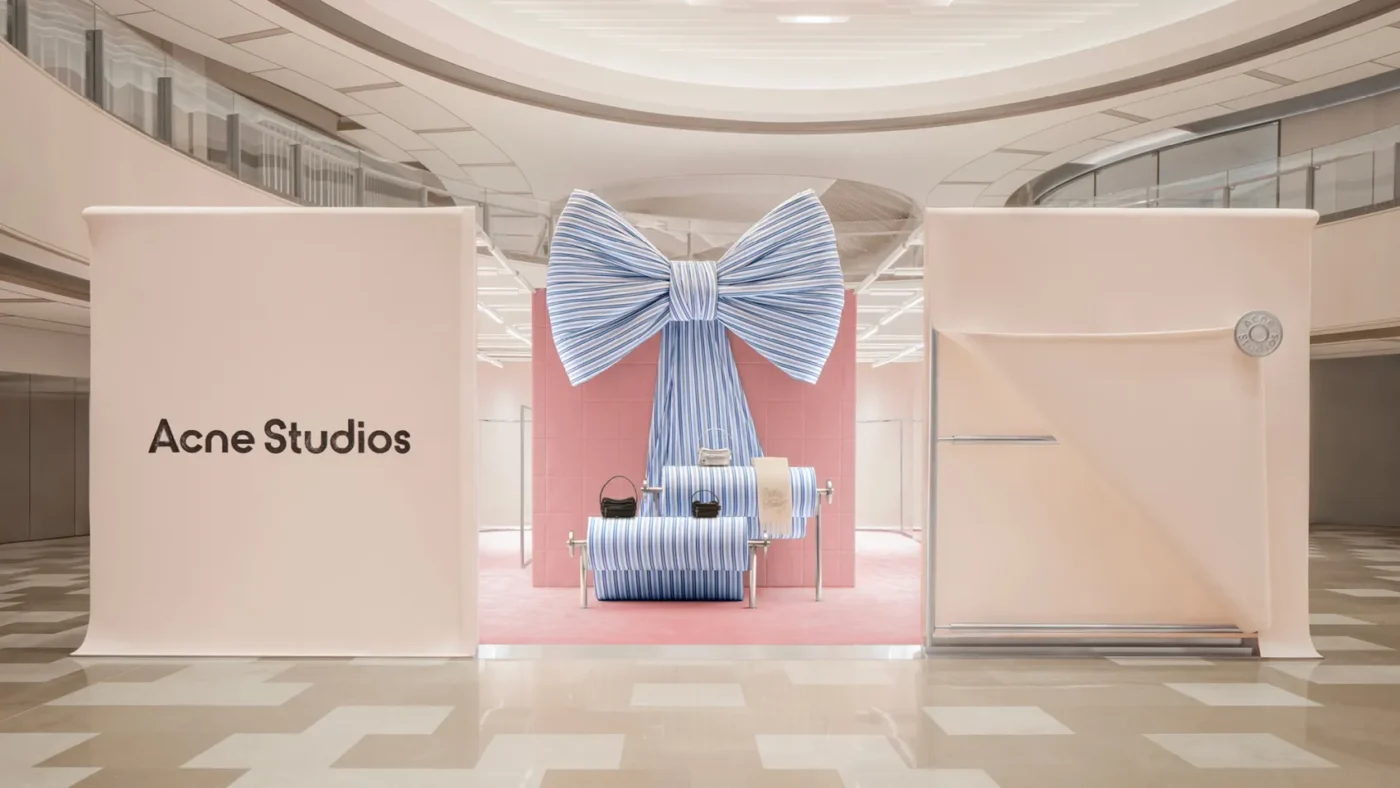
Reading StudioXAG's public windows and pop-ups through a factory lens — where creative ambition meets structure, finish and installation reality.
Jul 2, 2026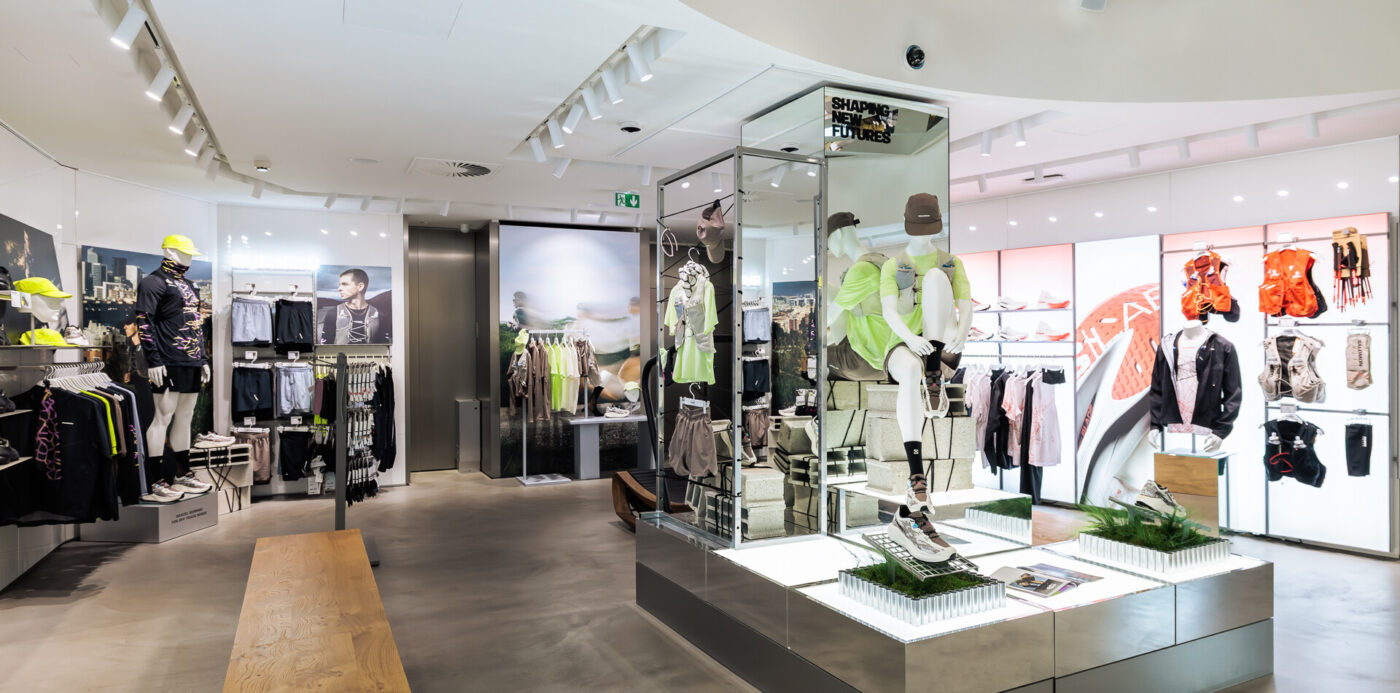
What pop-up shops and window displays reveal about production — from a UK agency's public portfolio to the manufacturing decisions behind every prop.
Jul 1, 2026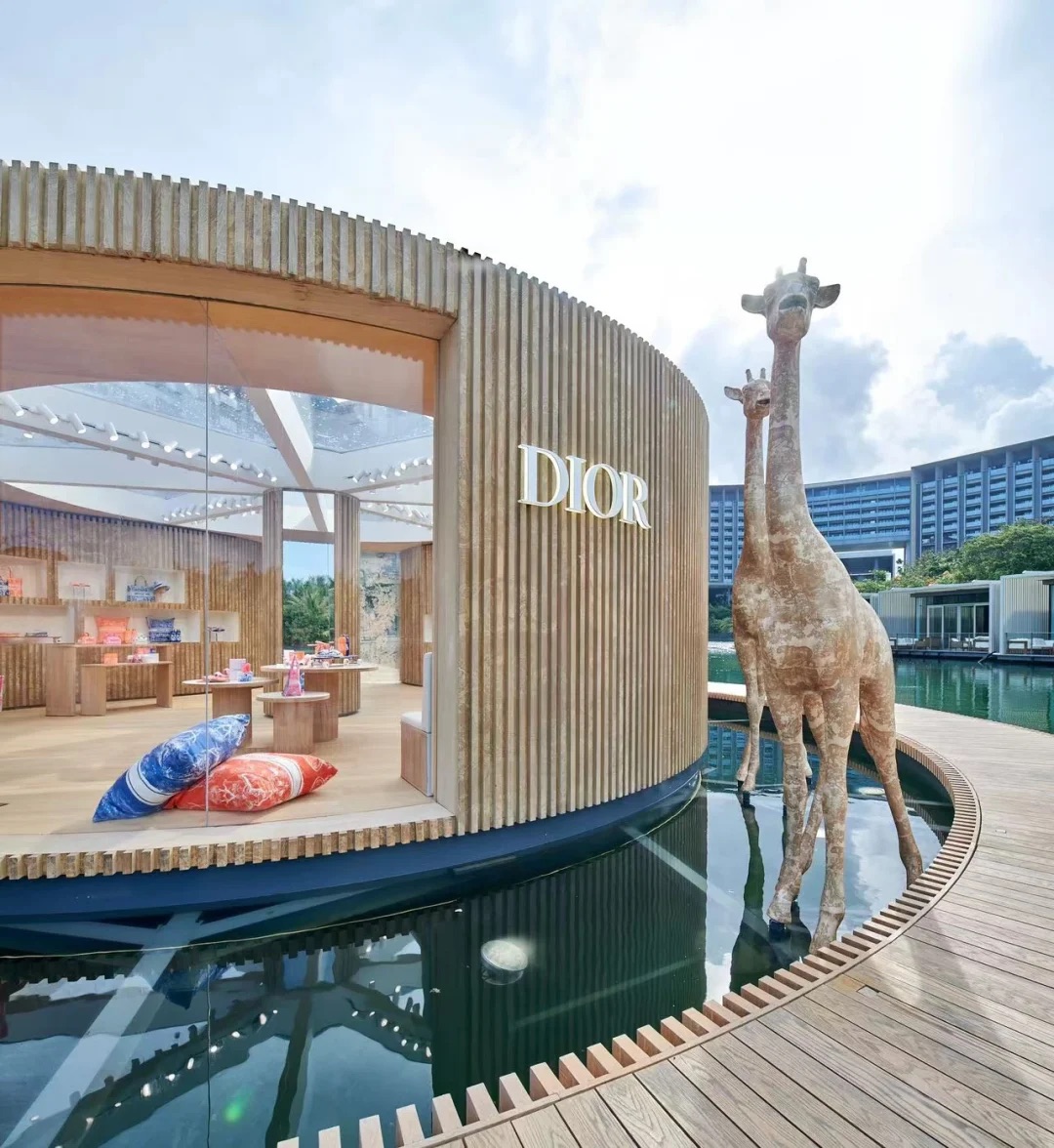
Resort pop-ups, modular props, logistics and multi-location rollout — what Euro Summer 2026 reveals about the production side of seasonal luxury retail.
Jun 28, 2026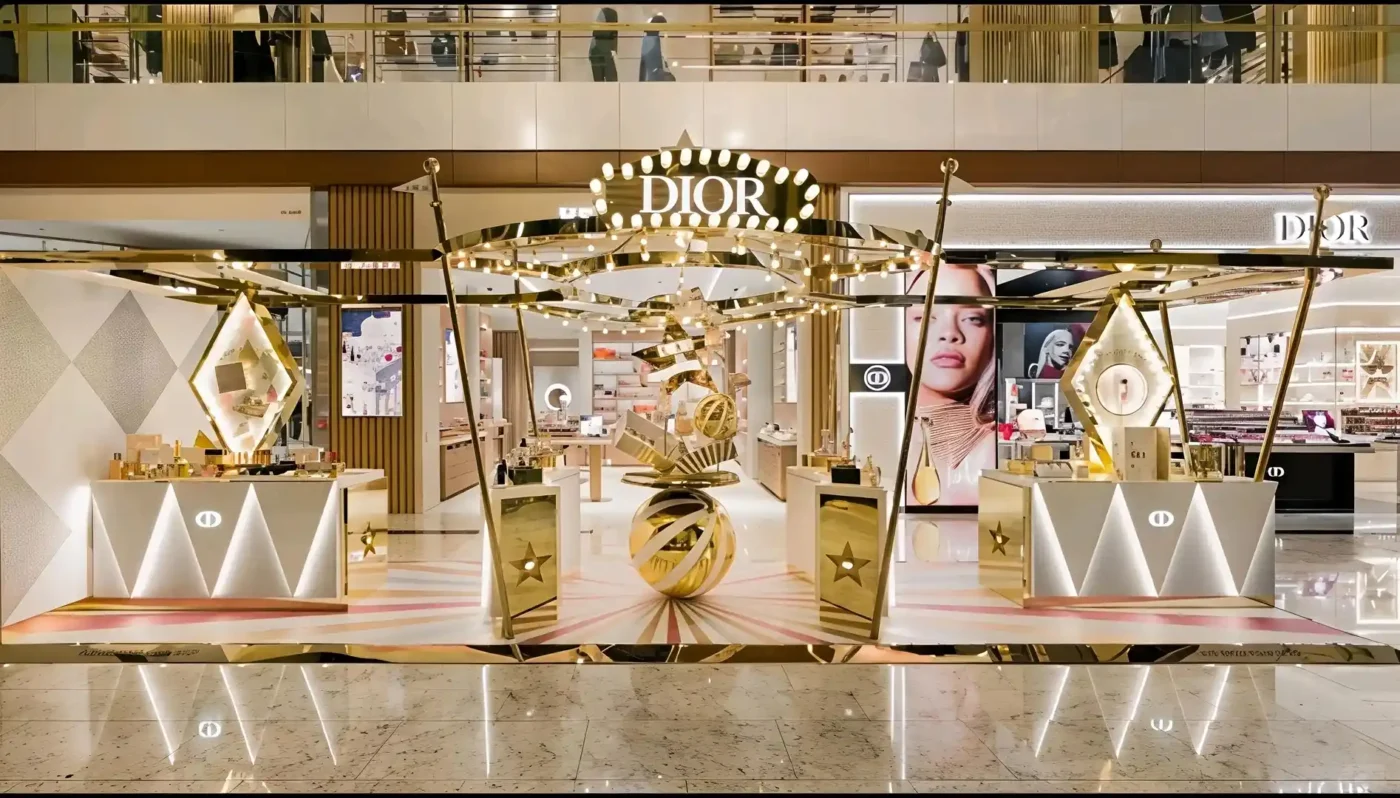
What beauty display manufacturers can learn from DIAM's system-level approach to retail merchandising — from POS counter units to multi-store rollout logistics.
Jun 25, 2026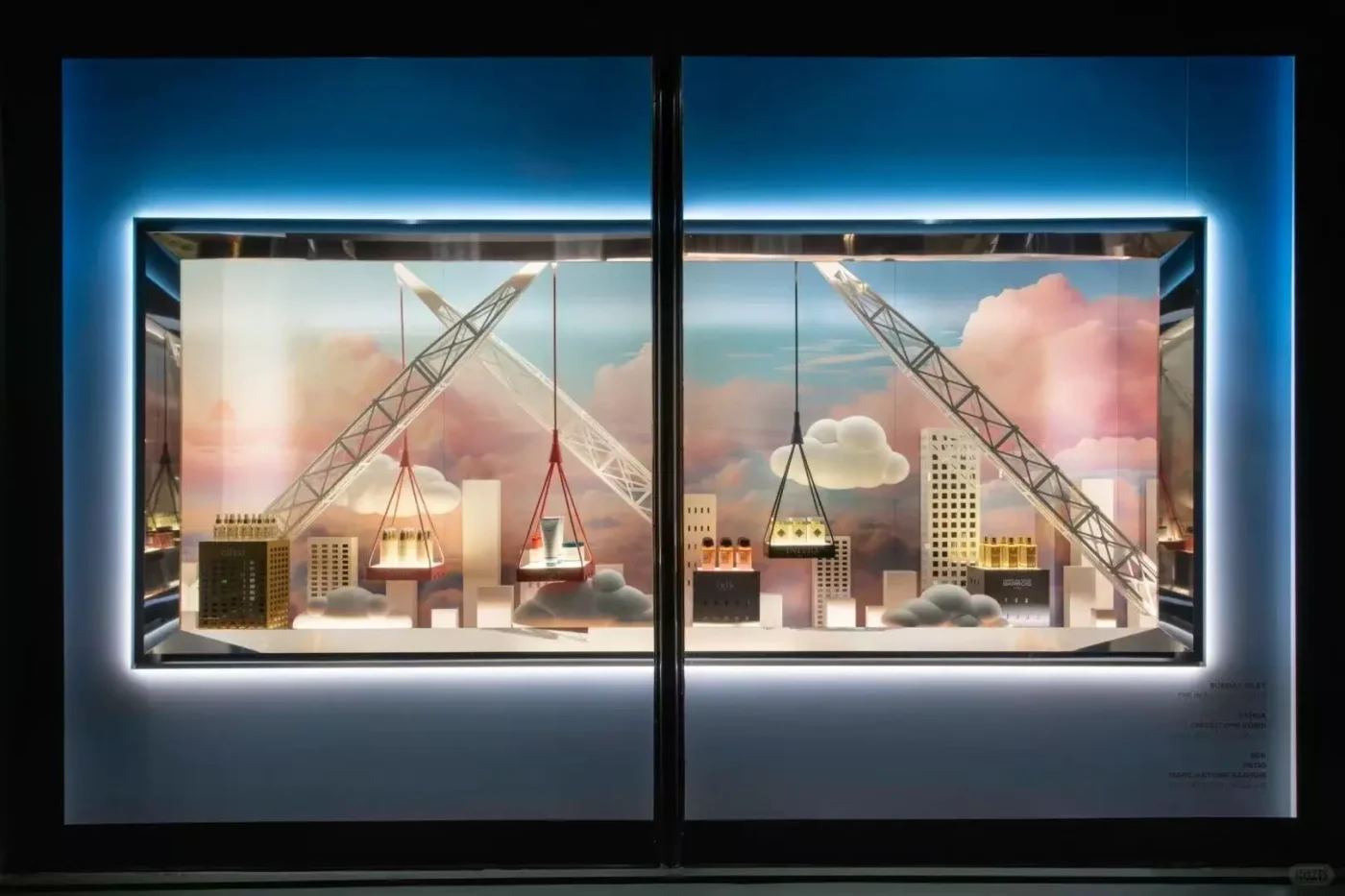
From retail design references to manufacturable POS fixtures — what Kesslers London's public projects reveal about the engineering behind luxury beauty displays.
Jun 24, 2026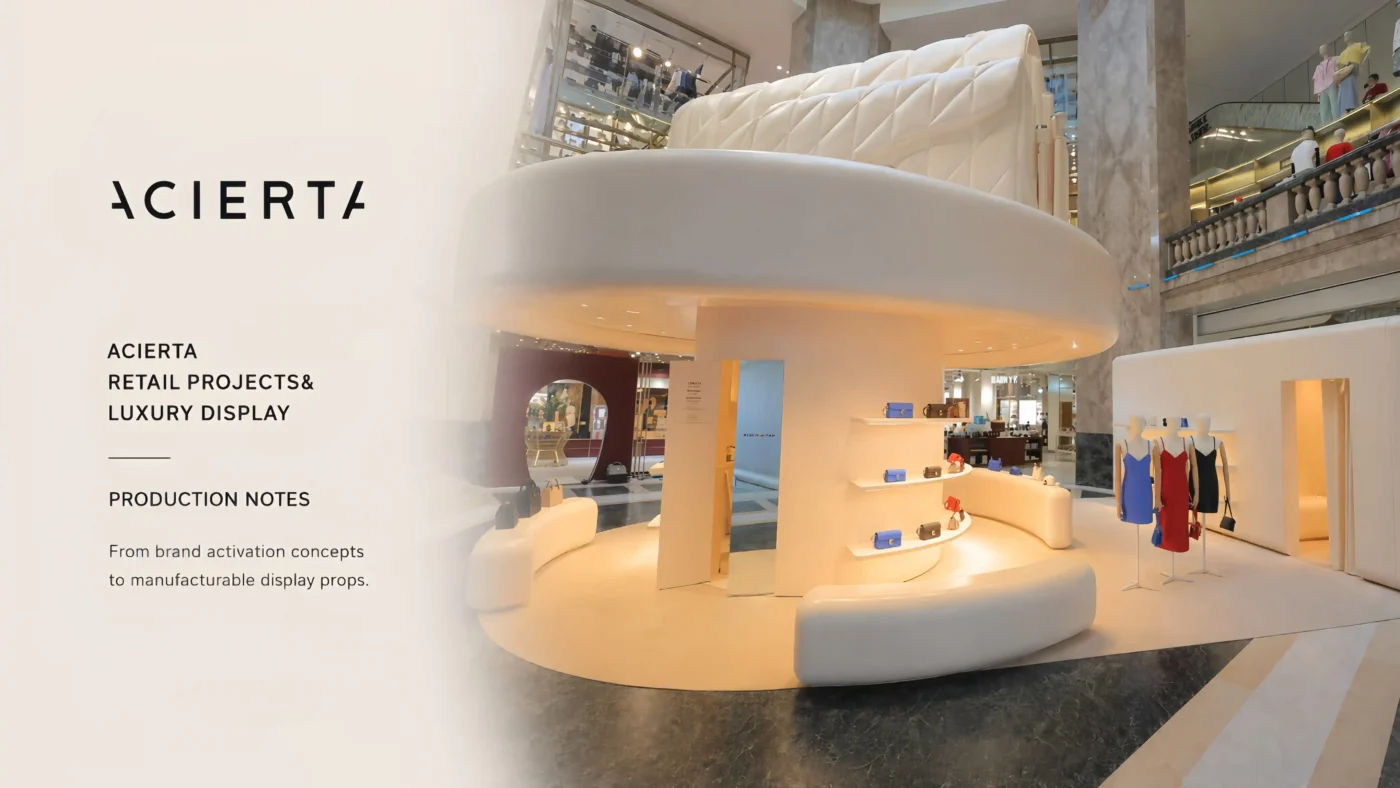
From brand activation concepts to manufacturable display props — a production-side reading of agency-led retail projects
Jun 23, 2026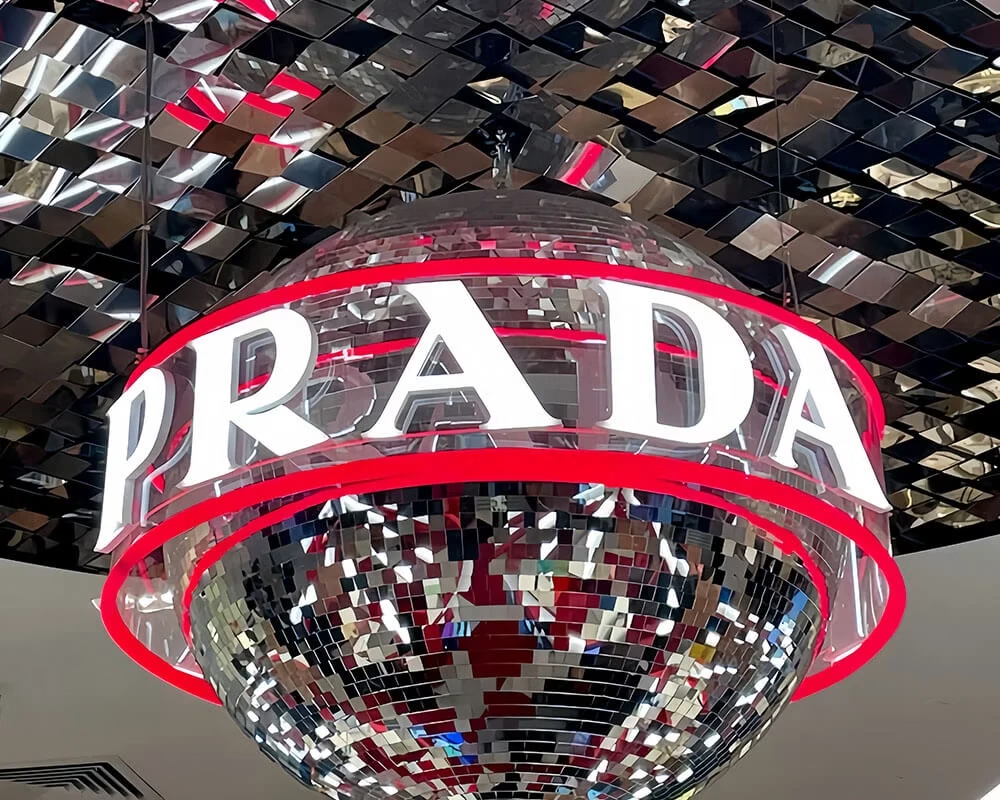
EPS foam core with hand-applied mirror tiles — how lightweight mirror ball display props are manufactured for luxury retail window installations
Jun 13, 2026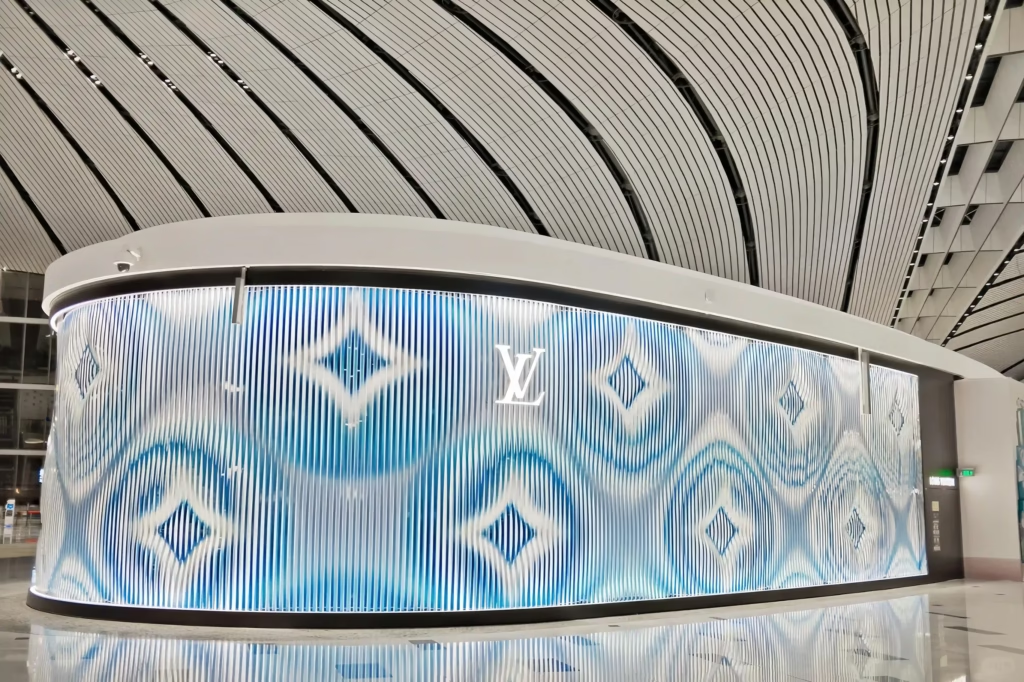
Five-axis CNC at ±0.01mm accuracy, temperature-controlled machining, and three-stage polishing — how thick acrylic maintains optical clarity for luxury retail
Jun 13, 2026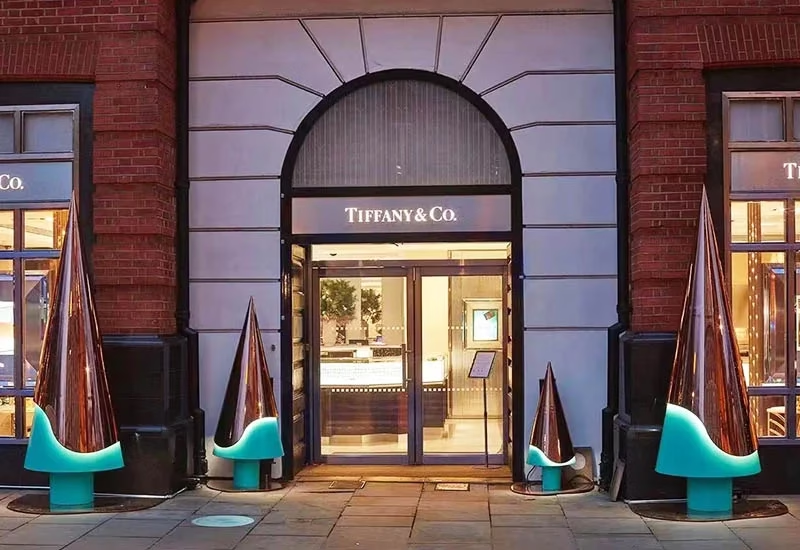
Stainless steel, iron, and aluminum in retail display — cutting, forming, welding, and surface finishing decisions that affect the final result
Jun 13, 2026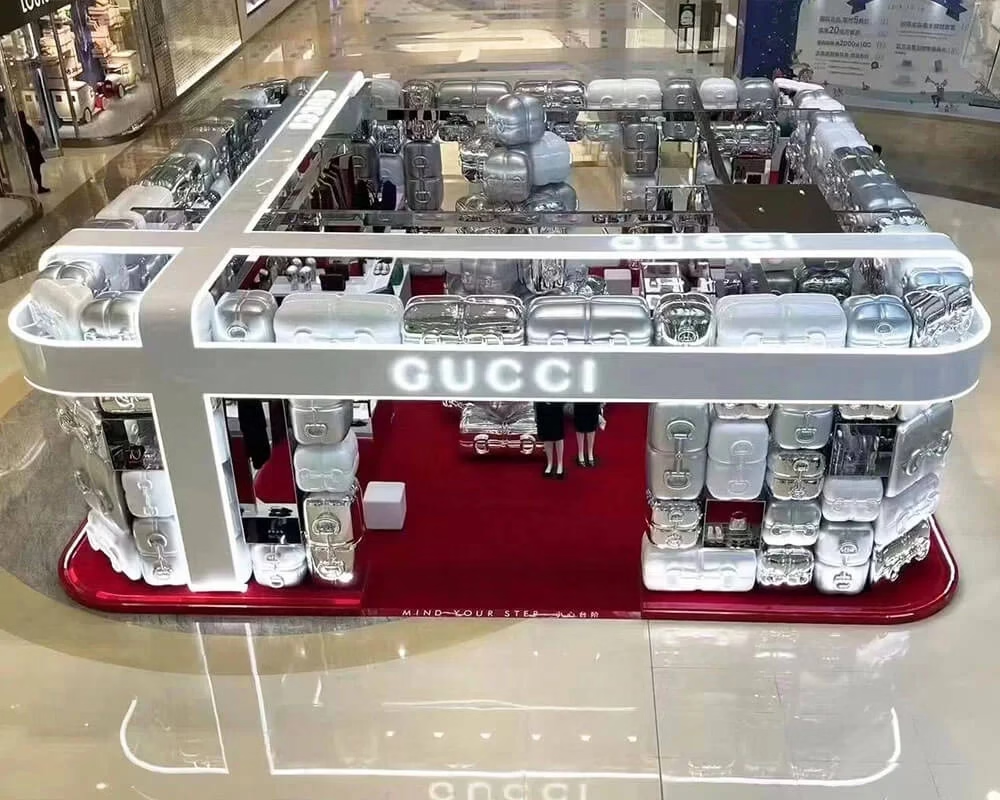
Vacuum chrome sputtering on FRP substrates — process stages, color options, durability data, and when to choose alternatives
Jun 13, 2026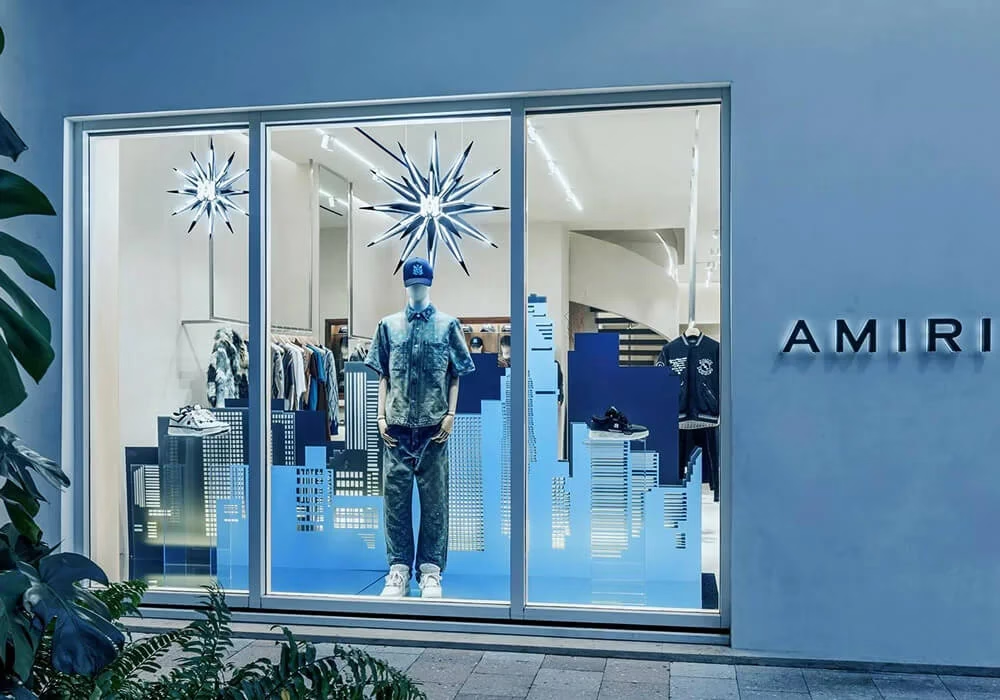
CNC-cut acrylic panels with UV-printed gradients and integrated LED lighting — manufactured for AMIRI's retail window display
Jun 13, 2026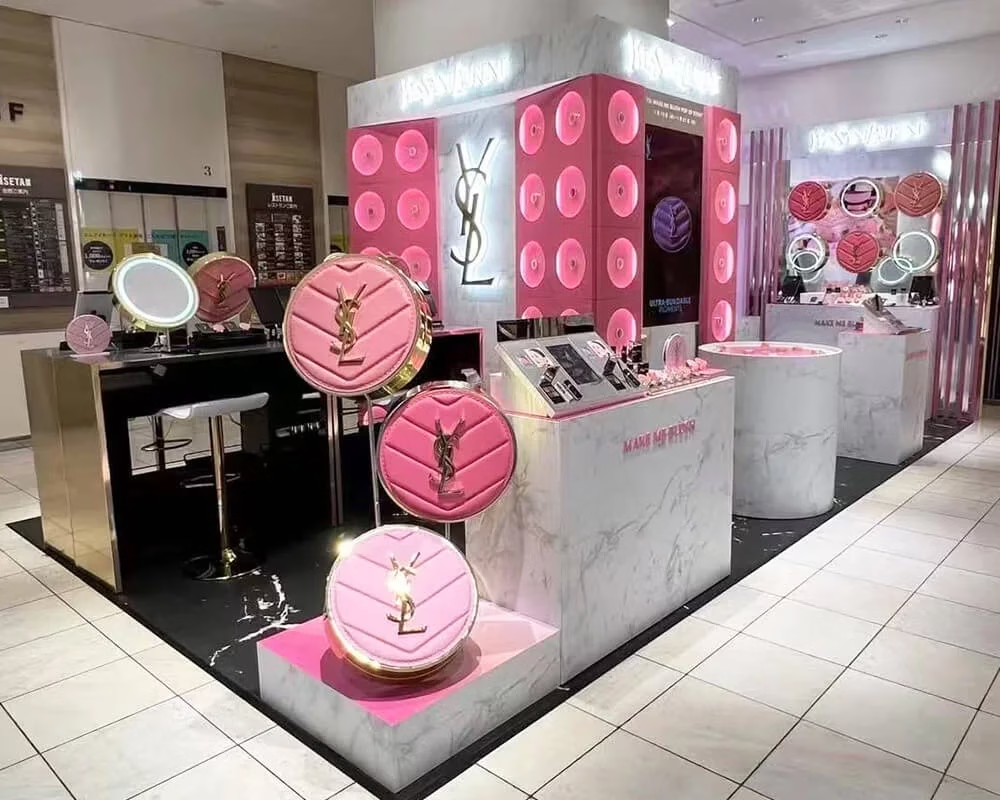
Behind the build — oversized cosmetic props with electroplated gold logos and replicated leather textures for a luxury pop-up activation
Jun 13, 2026
Five materials, five different realities at production scale — a manufacturer's framework for matching FRP, acrylic, metal, resin, and wood to the brief.
Jun 10, 2026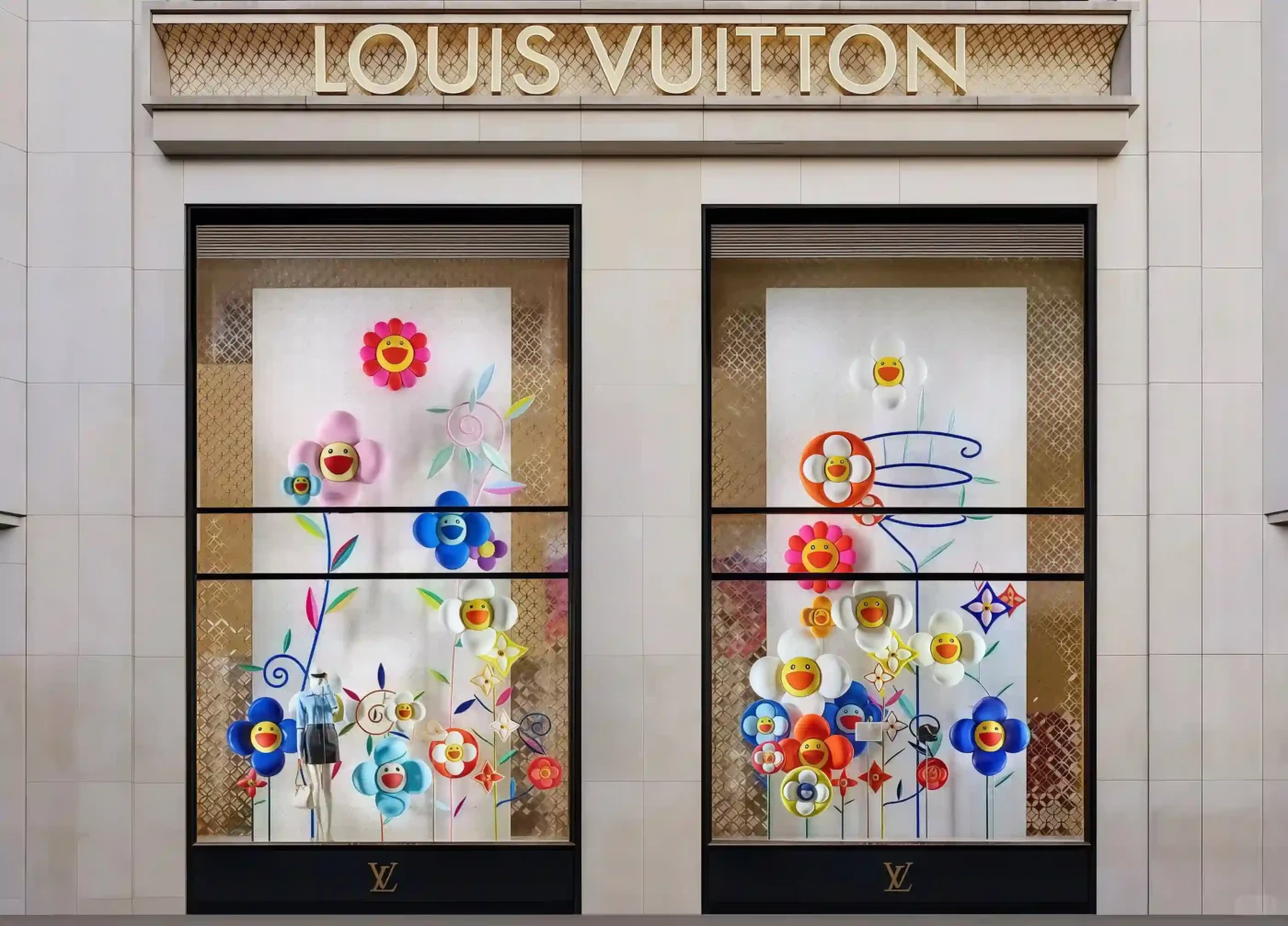
Six window formats, six different engineering problems — what each display type demands from the props inside it.
Jun 10, 2026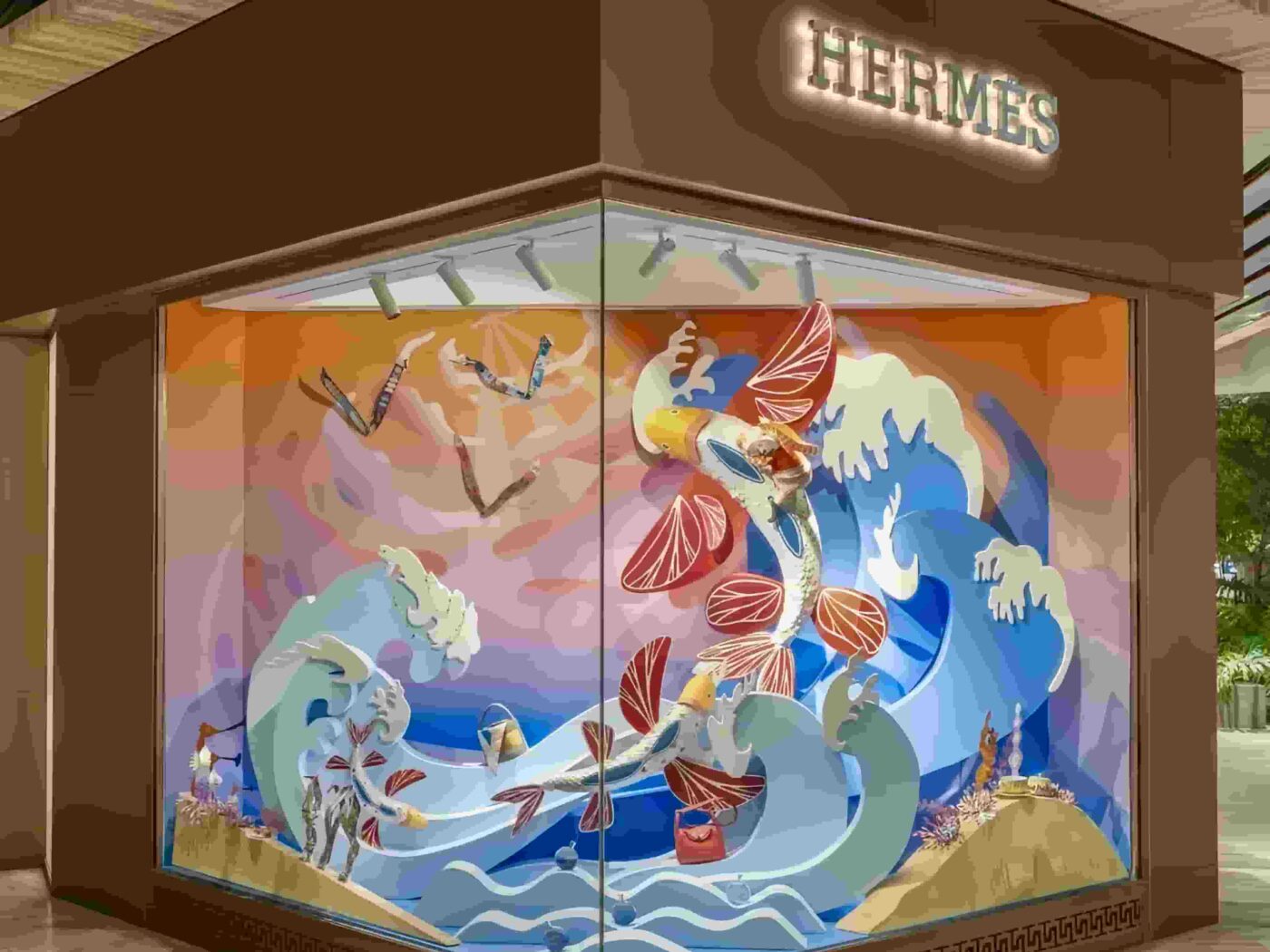
From concept to custom fabrication — 20 proven display strategies and the manufacturing decisions behind them.
Jun 9, 2026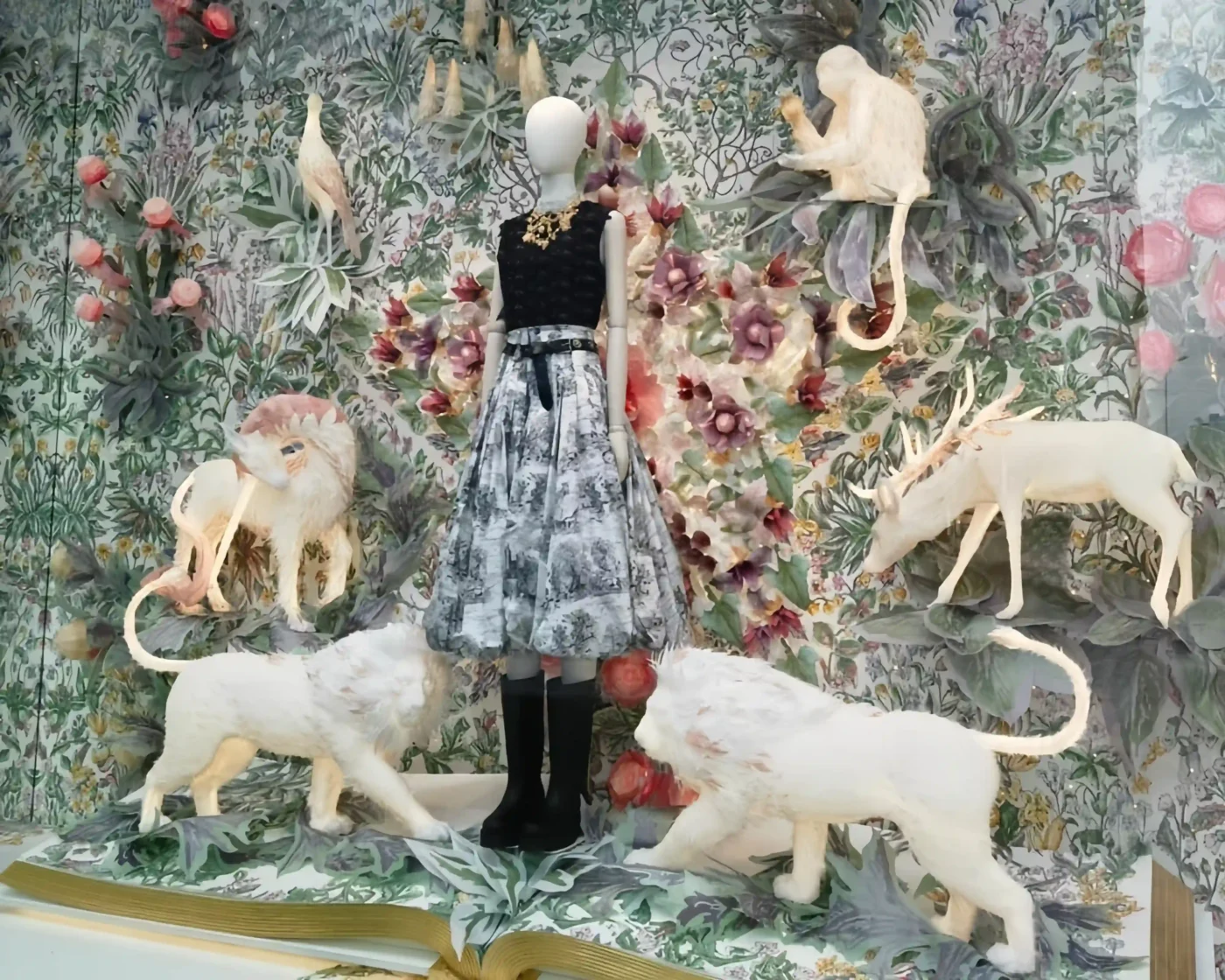
How Dior's 2024 window programme combined eco-friendly paper sculpture with LED lighting to create a dreamlike retail environment — and what it means for luxury VM.
Jun 7, 2026No articles found
Try a different category or search term.