Why We Studied Design4Retail’s Public Portfolio
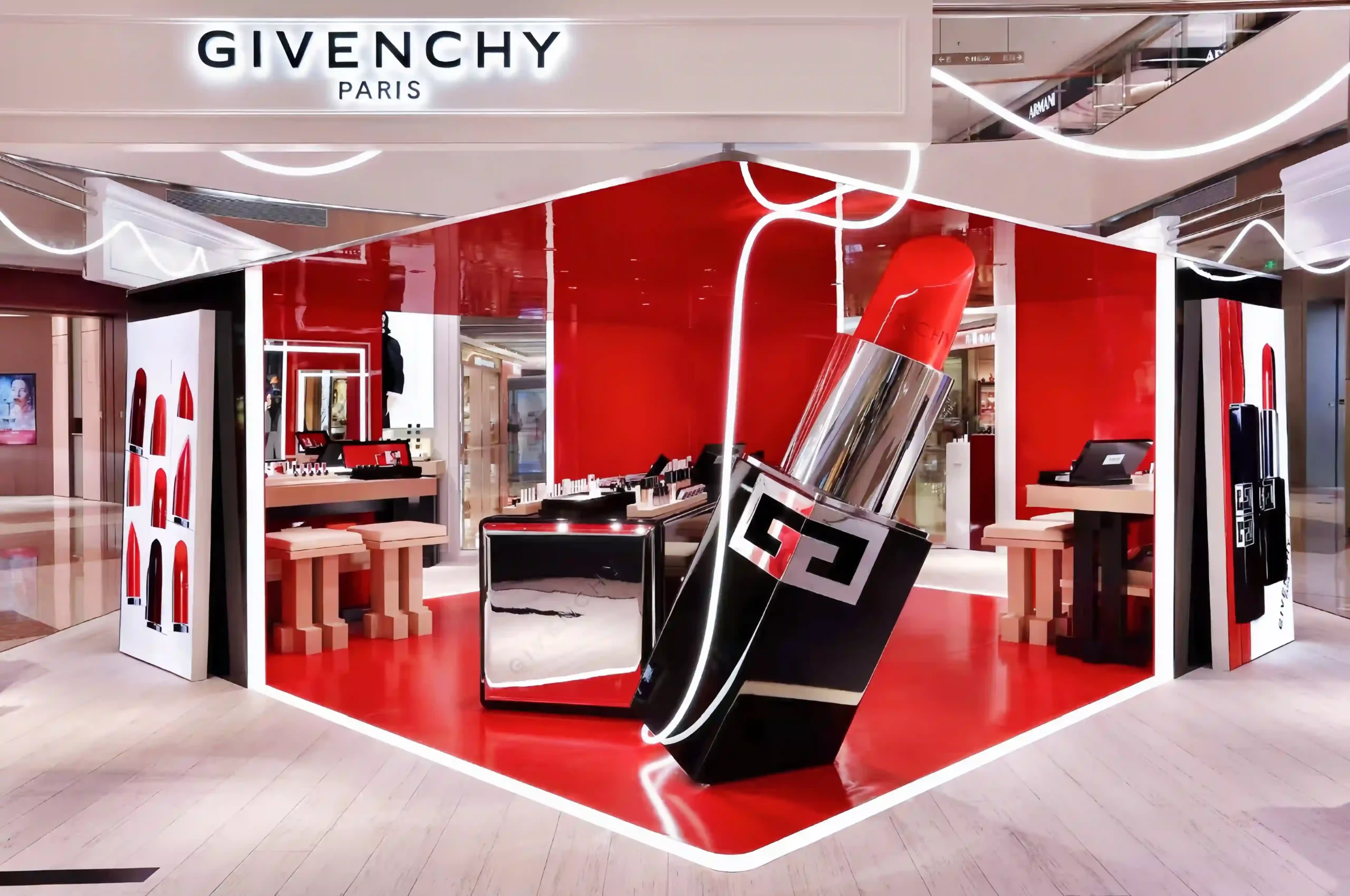
Design4Retail, often shortened as D4R, is a UK-based retail design and realisation agency with a visible public portfolio across pop-up shops, retail campaigns, store design, shop-in-shops, window display design and brand activations. Based on Design4Retail’s public work archive, the company’s projects show how retail has moved far beyond static product presentation. Today, a retail display often needs to work as a campaign stage, customer journey, photo moment and operational installation at the same time.
From our perspective as a custom display props manufacturer, Design4Retail’s public work is useful to study because it reveals how creative retail concepts eventually depend on materials, structure, production timing and installation feasibility.
Design4Retail’s service pages also separate pop-up shops and window display design as dedicated retail formats. Their pop-up shop page describes temporary retail as a way to create impact, brand activation, social buzz and shopper experience, while their window display design page highlights the importance of visual attention and storefront storytelling.
For brands and VM teams planning custom visual merchandising services, this distinction matters. A pop-up shop and a window display may share the same campaign identity, but the production logic can be very different.
Pop-Up Shop Props: Speed, Durability and Flexibility
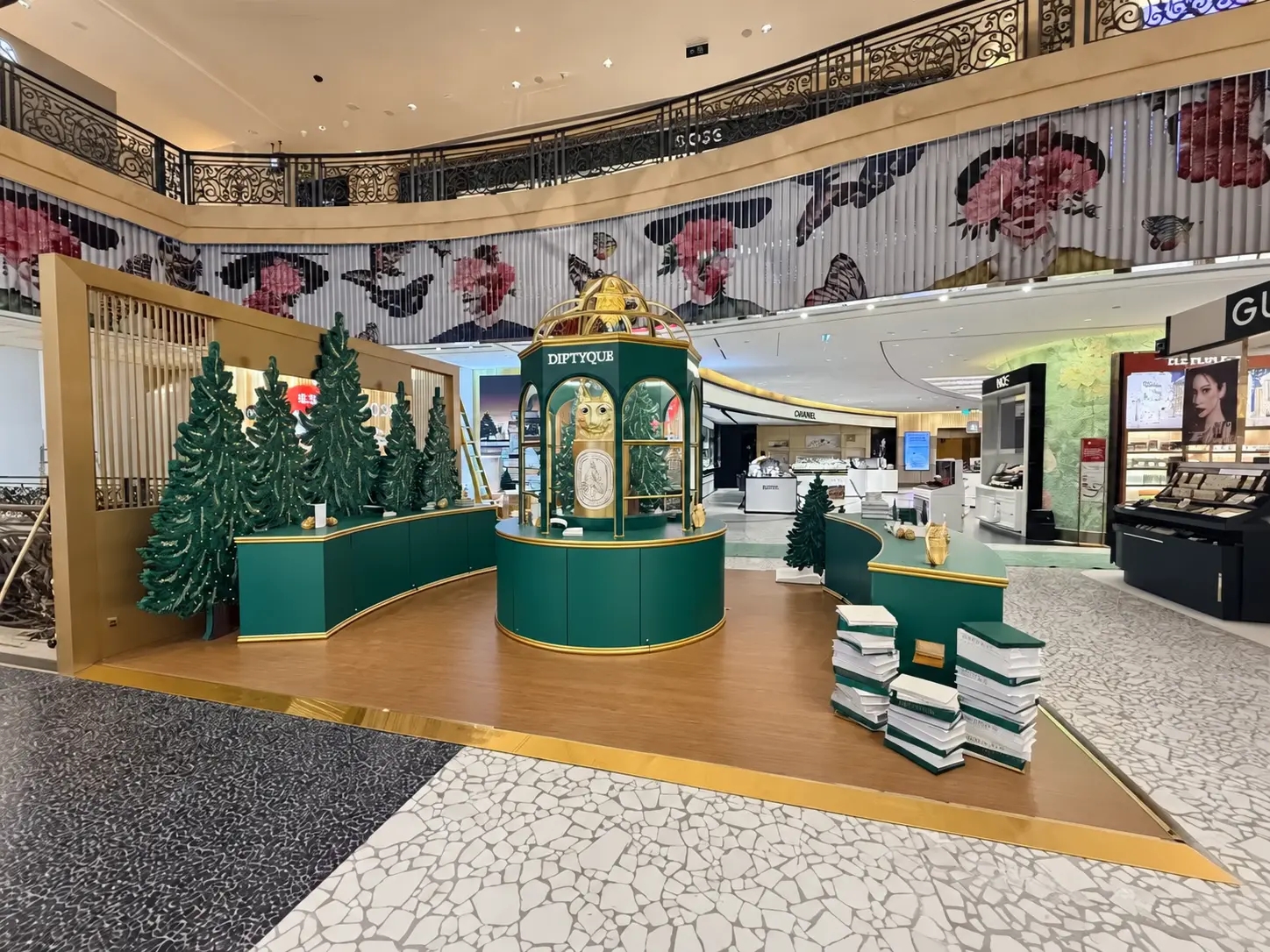
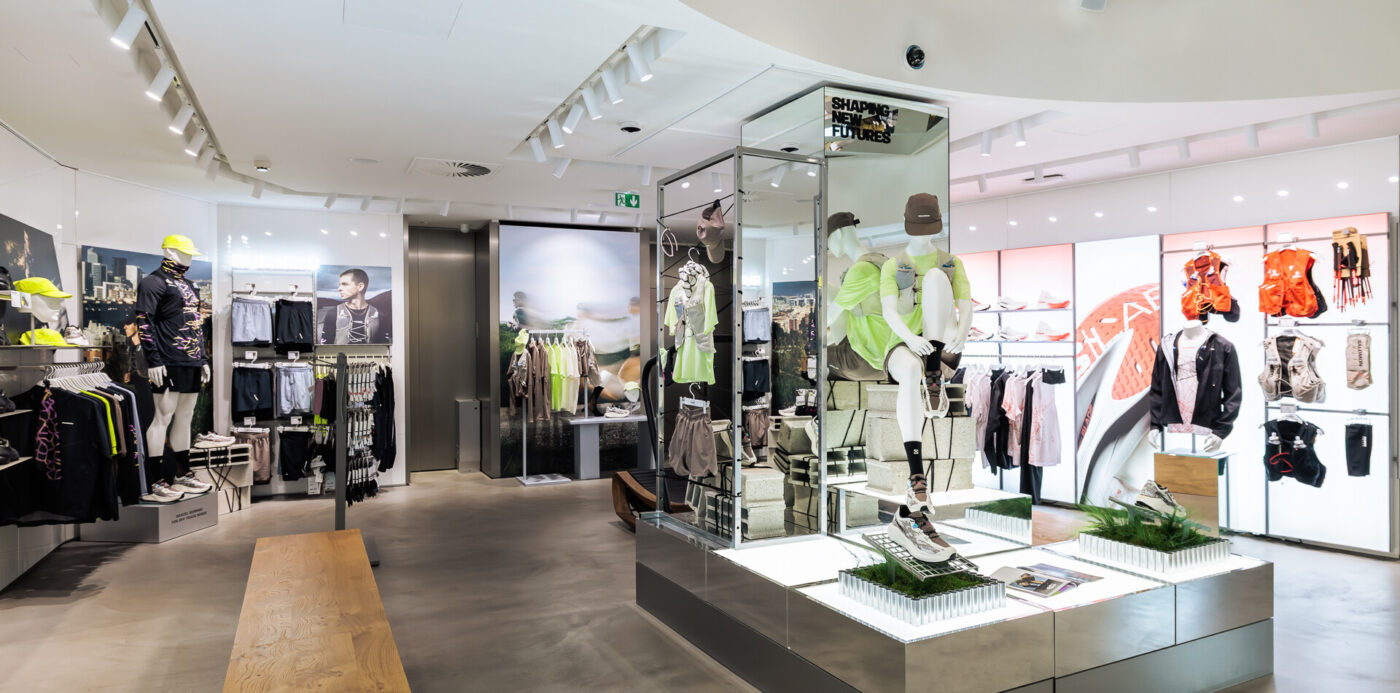
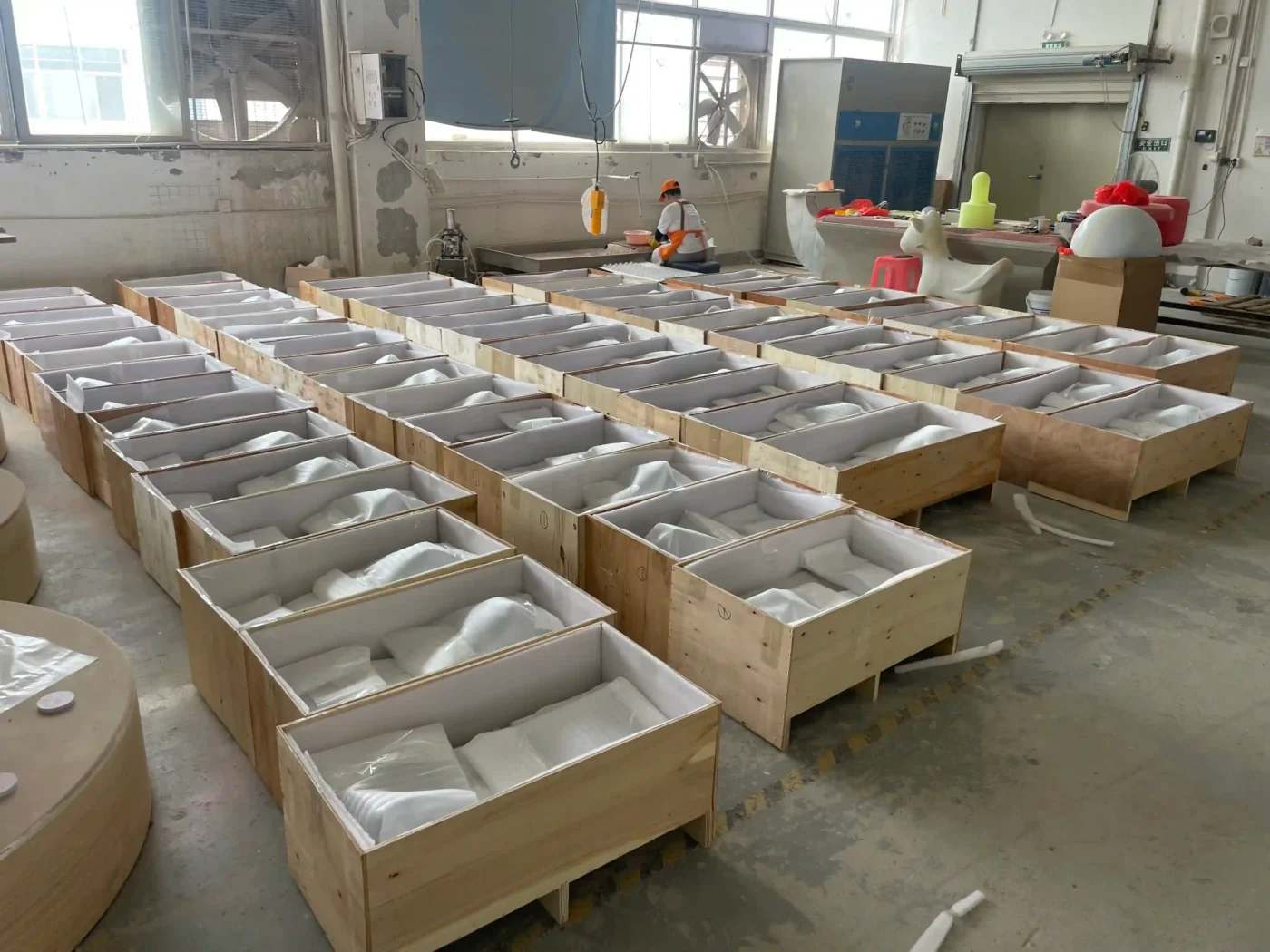
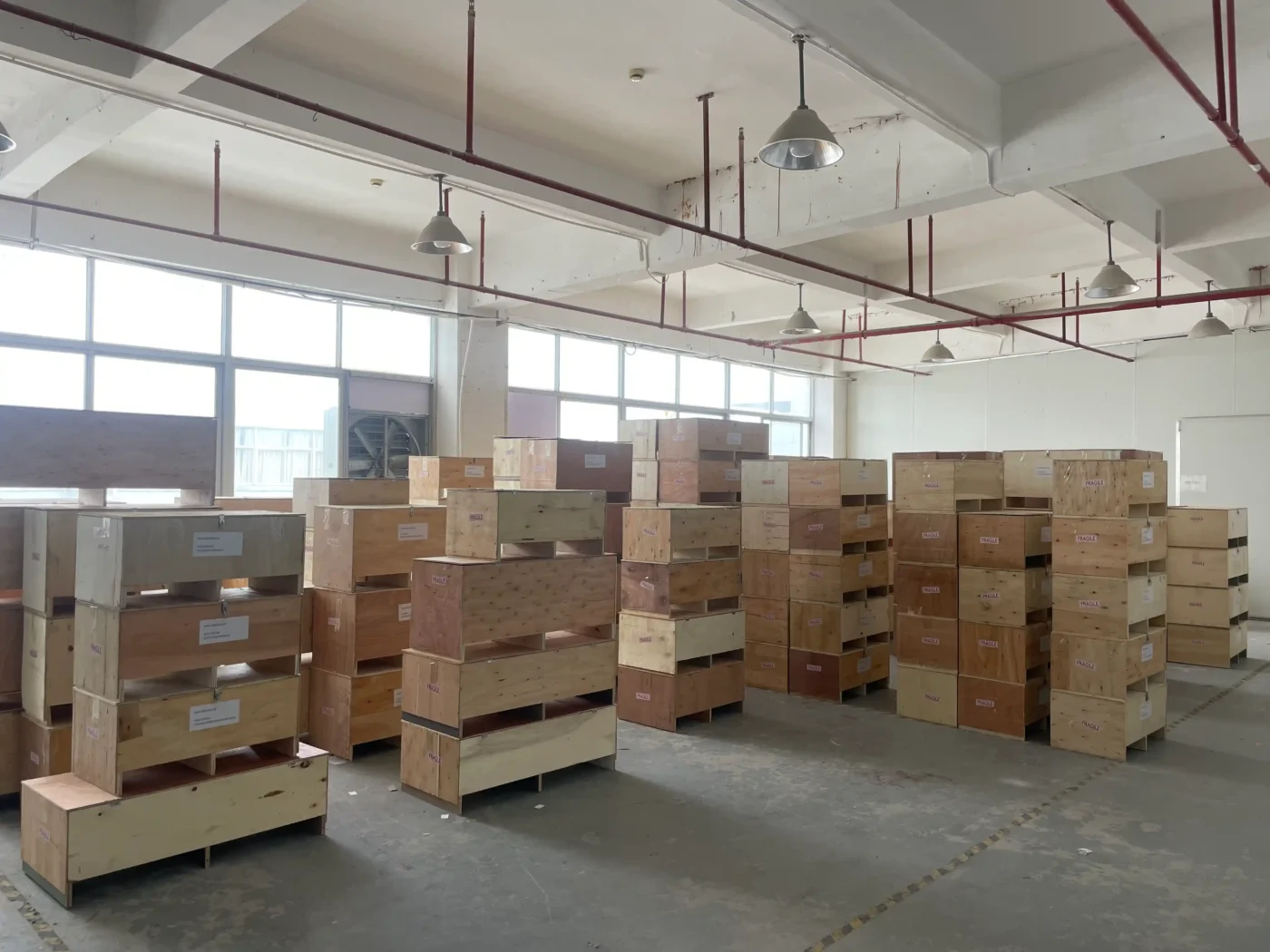
From our manufacturing side, pop-up shop display props usually need to solve three practical problems: speed, durability and flexibility. A temporary retail space may only be open for a few weeks, but the props still need to arrive undamaged, install quickly, support products safely and photograph well.
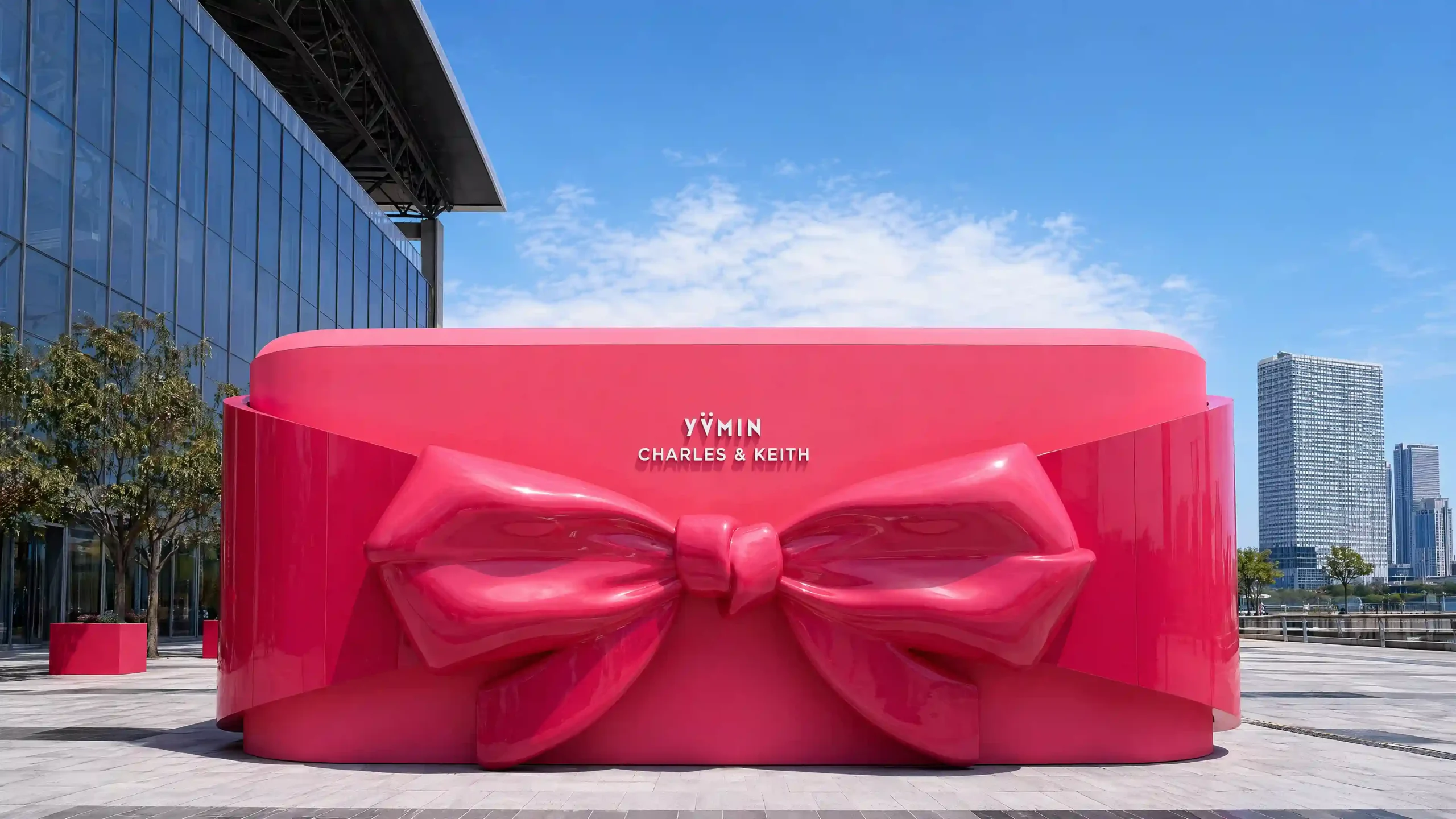
Design4Retail’s public examples, including sports, beauty, wellness and lifestyle retail projects, show how many campaign environments now combine fixtures, branded walls, product tables, signage, lighting and interactive areas. For a retail display manufacturer, that means the design must be broken down into buildable, packable and repeatable parts.
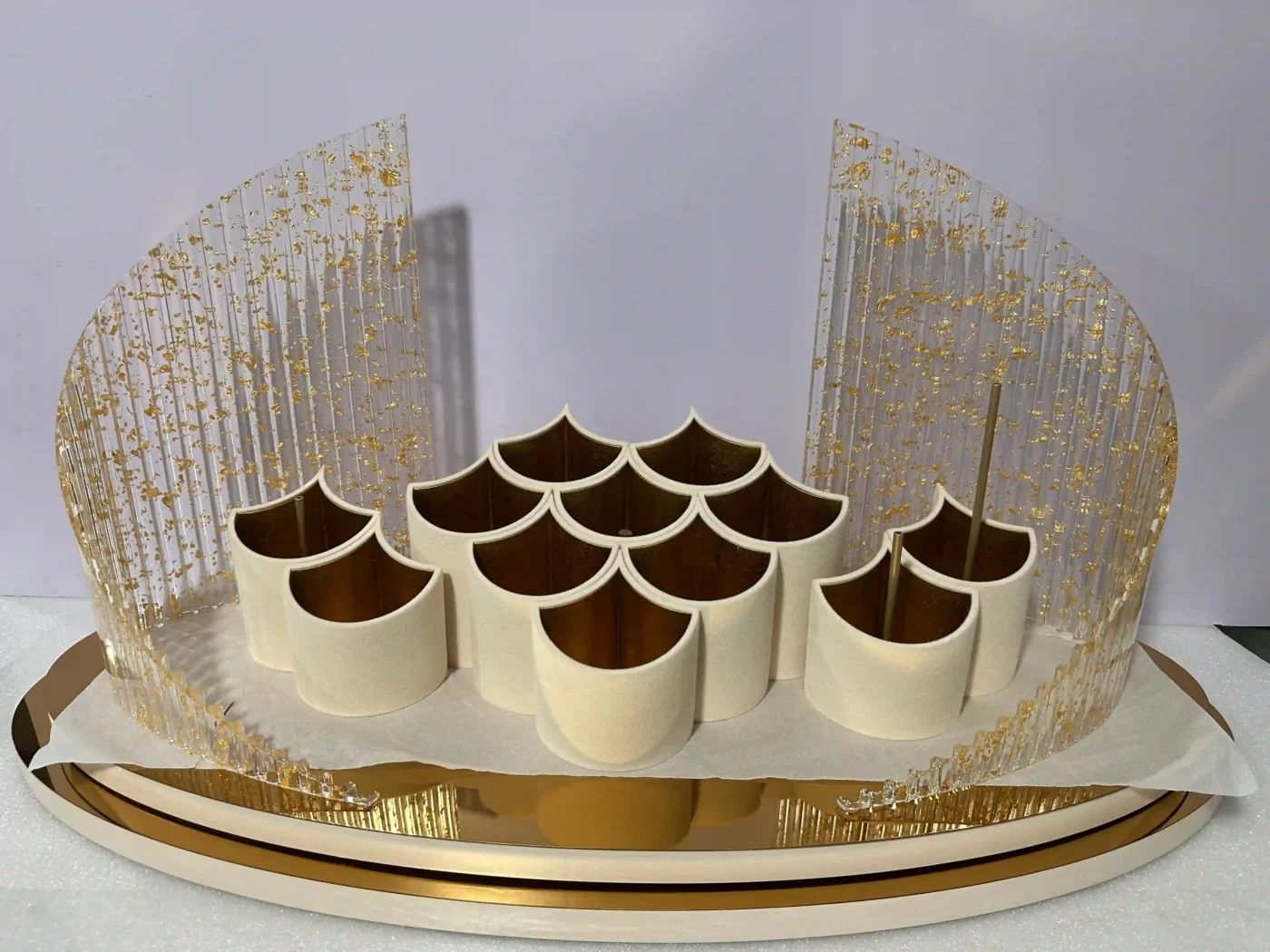
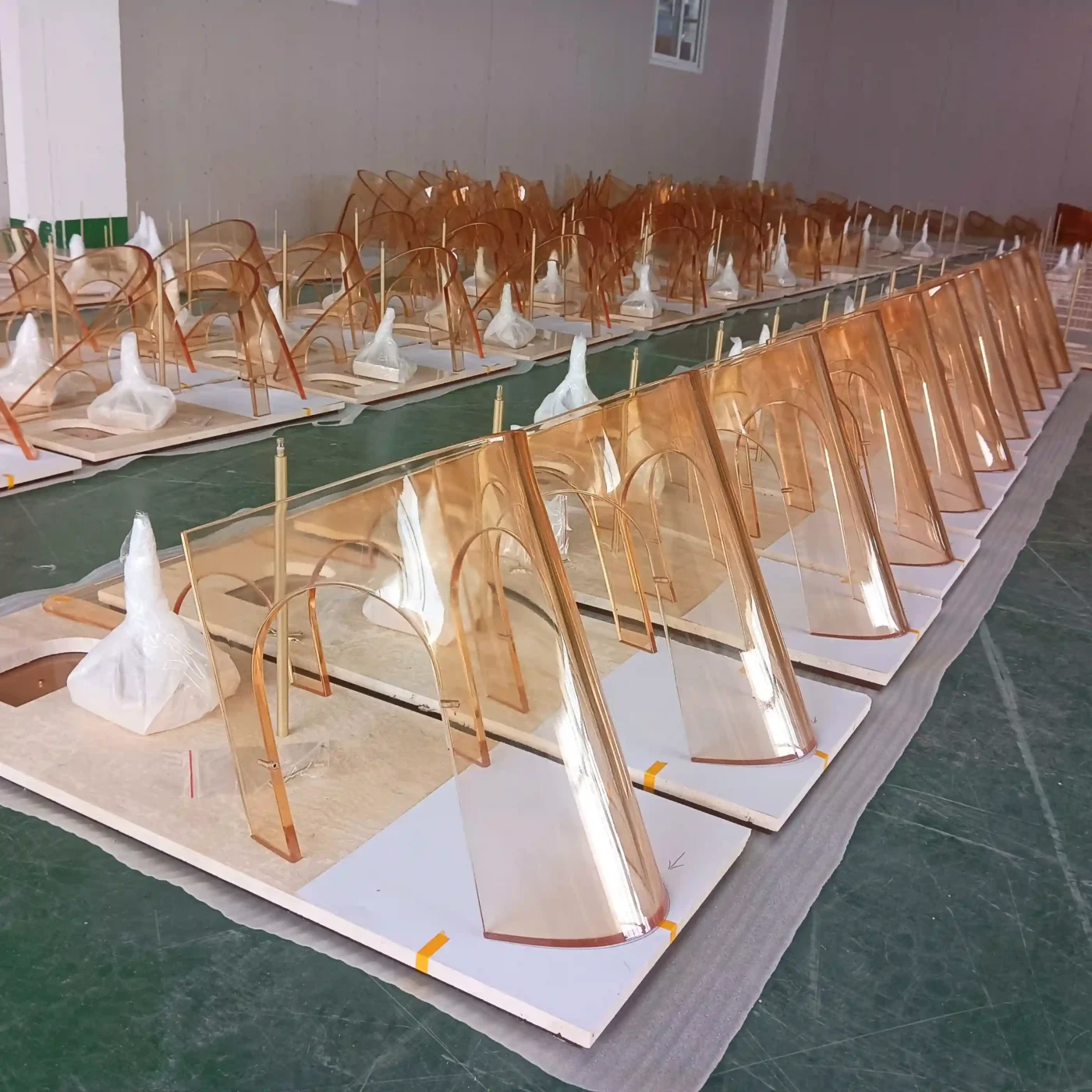
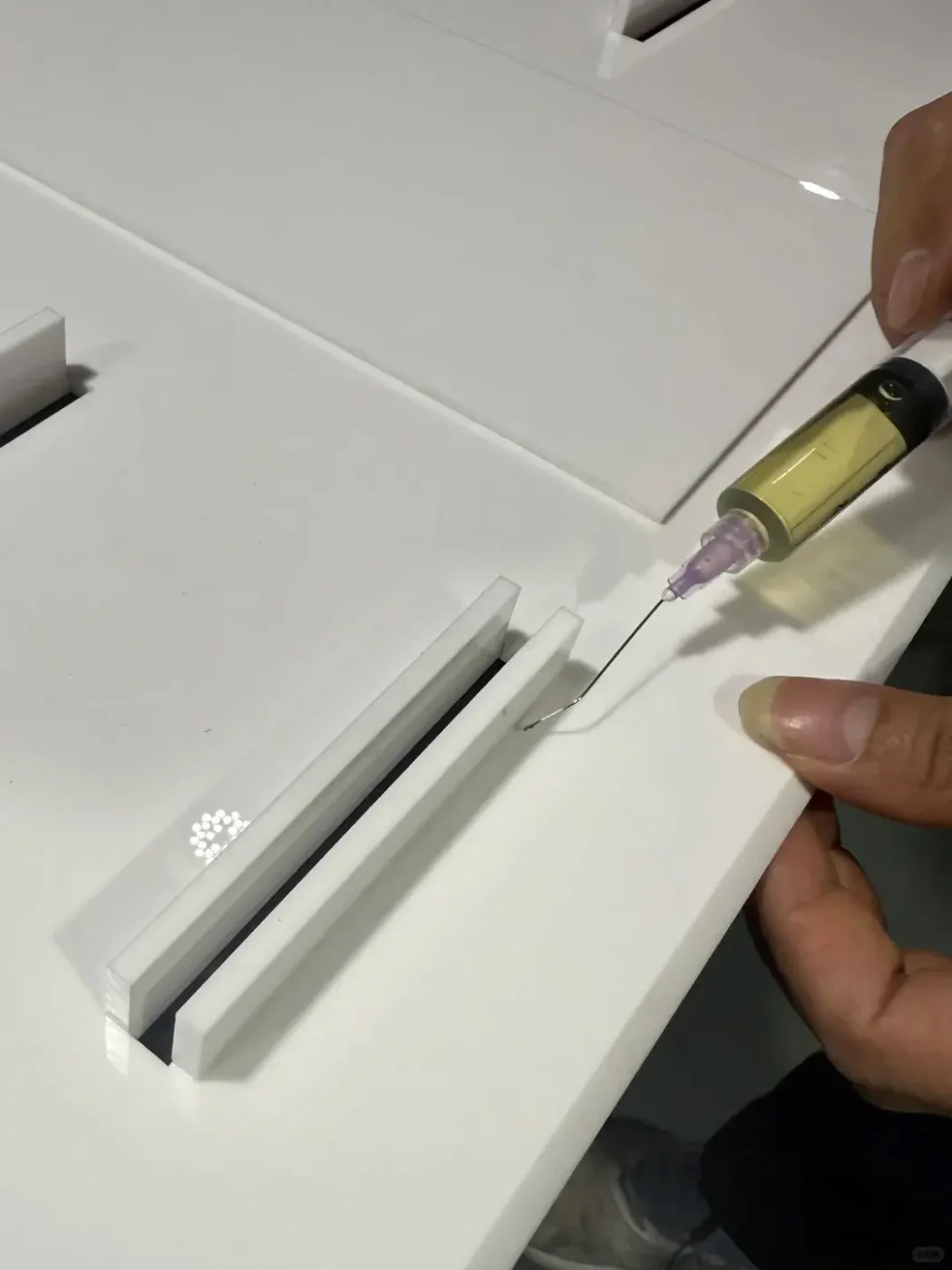
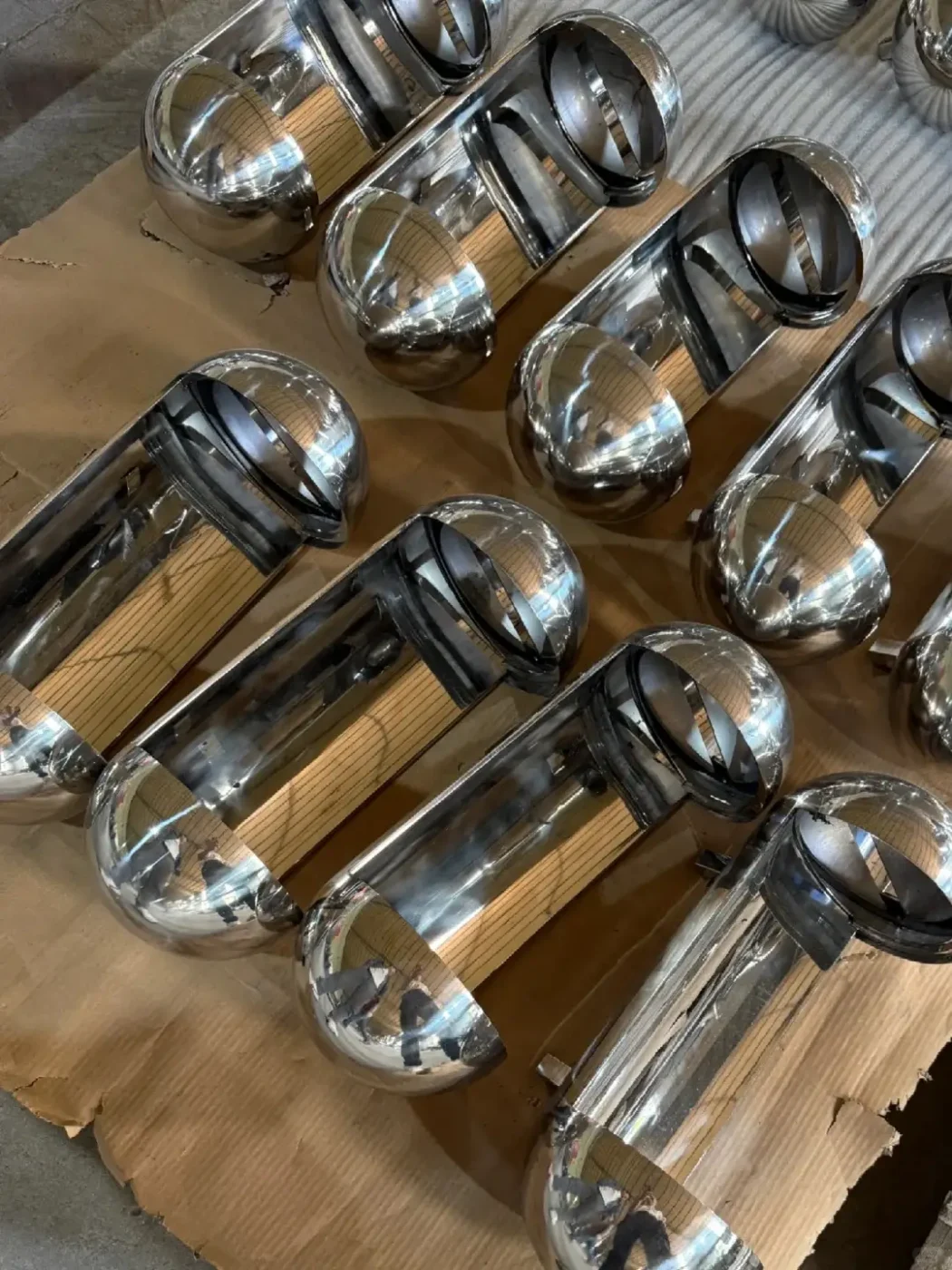
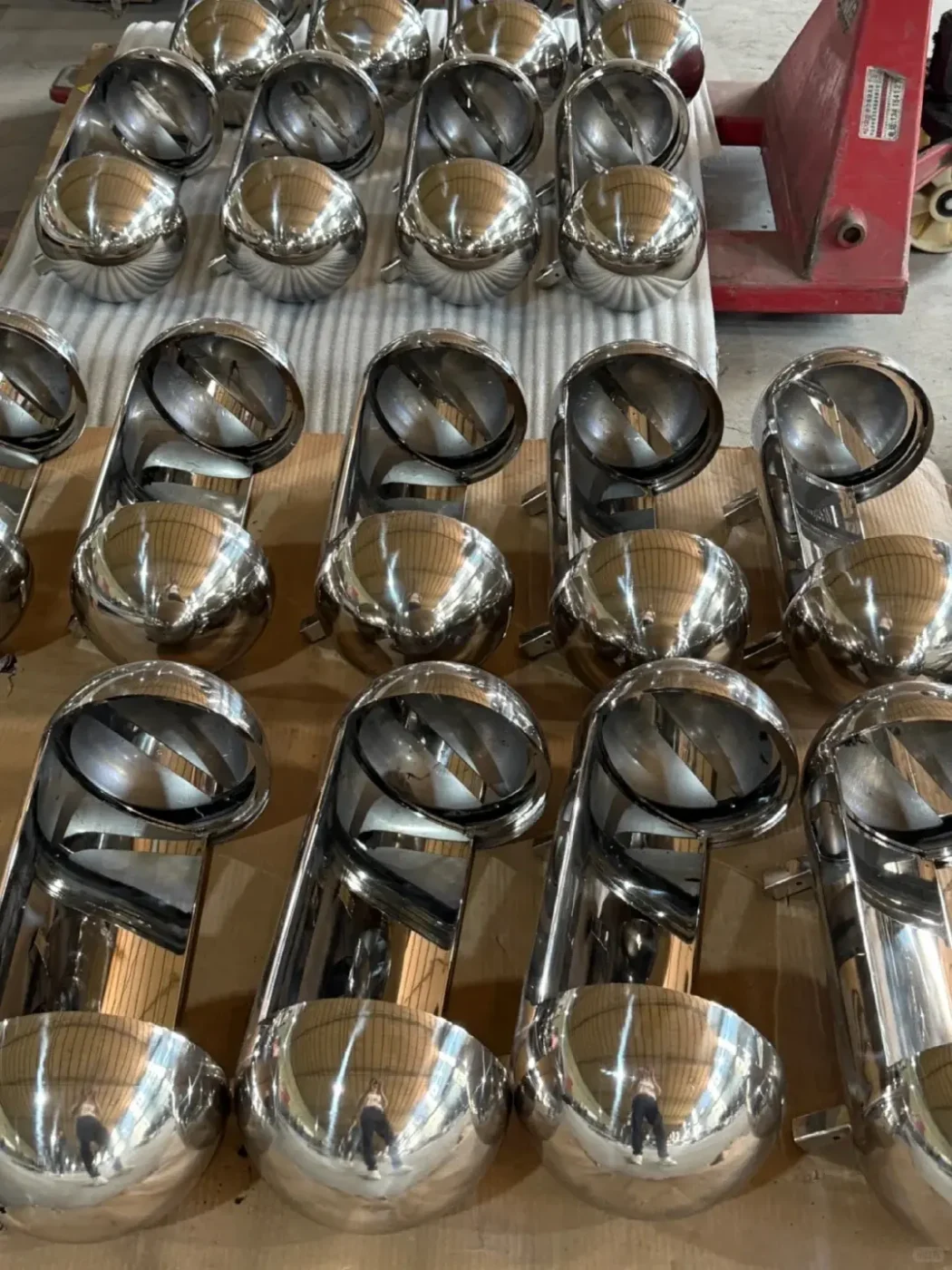
One useful public example is Design4Retail’s GHD Duet Style Launch case study, which presents a beauty pop-up environment with strong visual identity and product storytelling. For manufacturers, beauty pop-ups are especially sensitive because surfaces, lighting and finish quality are viewed at close range. Acrylic, metal, high-gloss paint, mirrored details and LED lighting all need careful control. When we develop custom acrylic display props, we look closely at edge polishing, color matching, logo placement, glue marks, light diffusion and protective packaging.
Window Display Props: Impact, Precision and Survivability
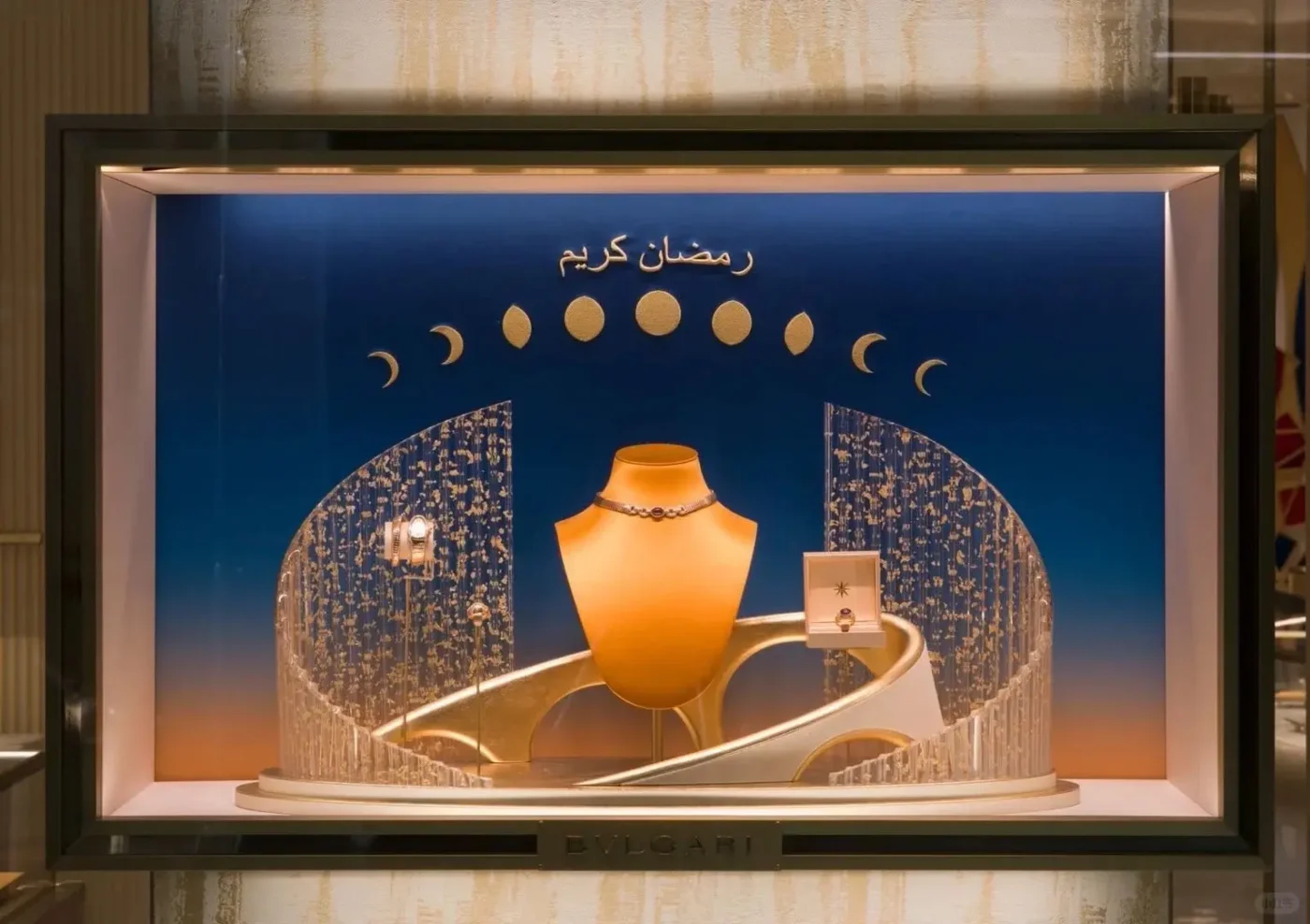
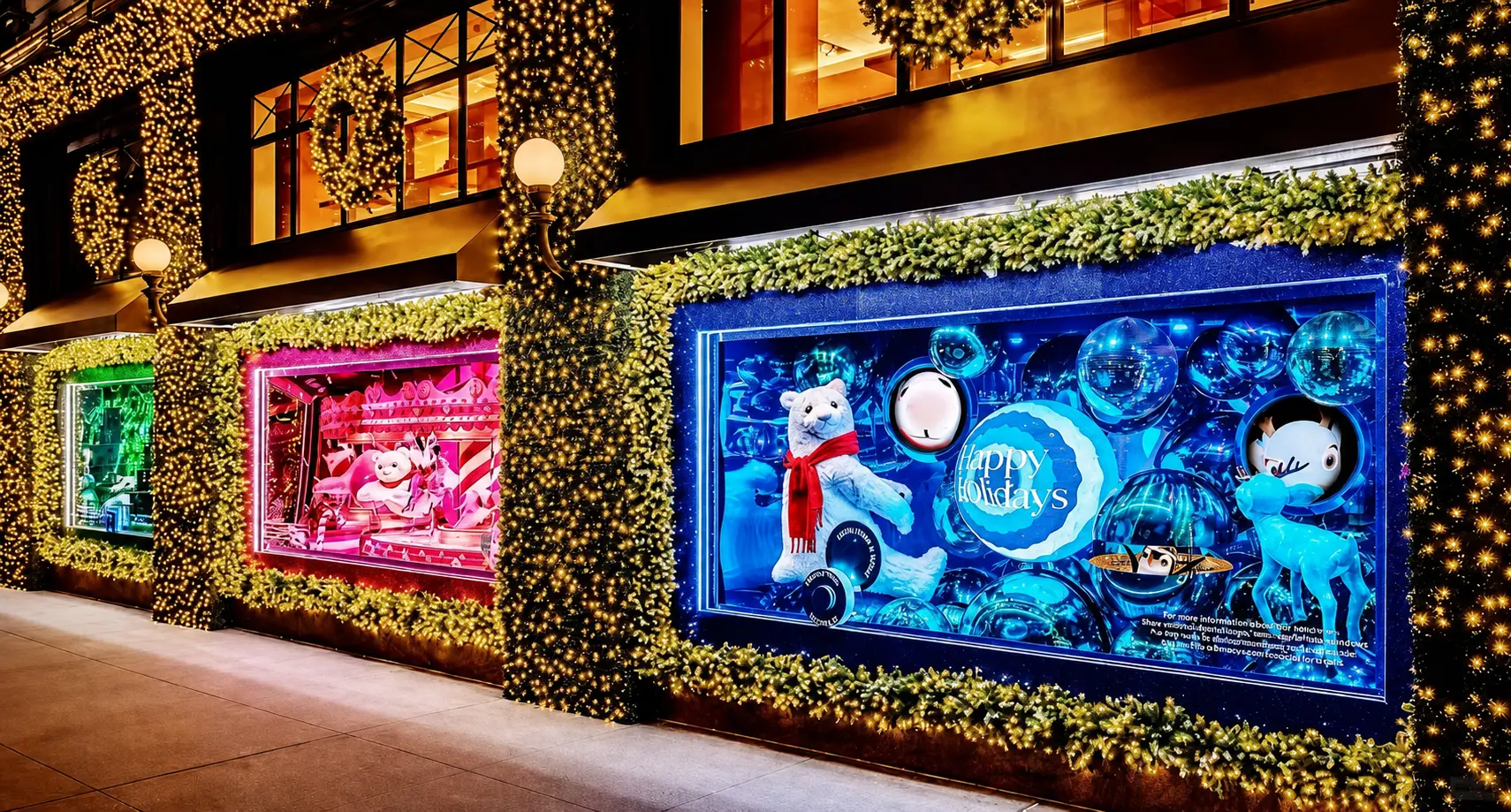
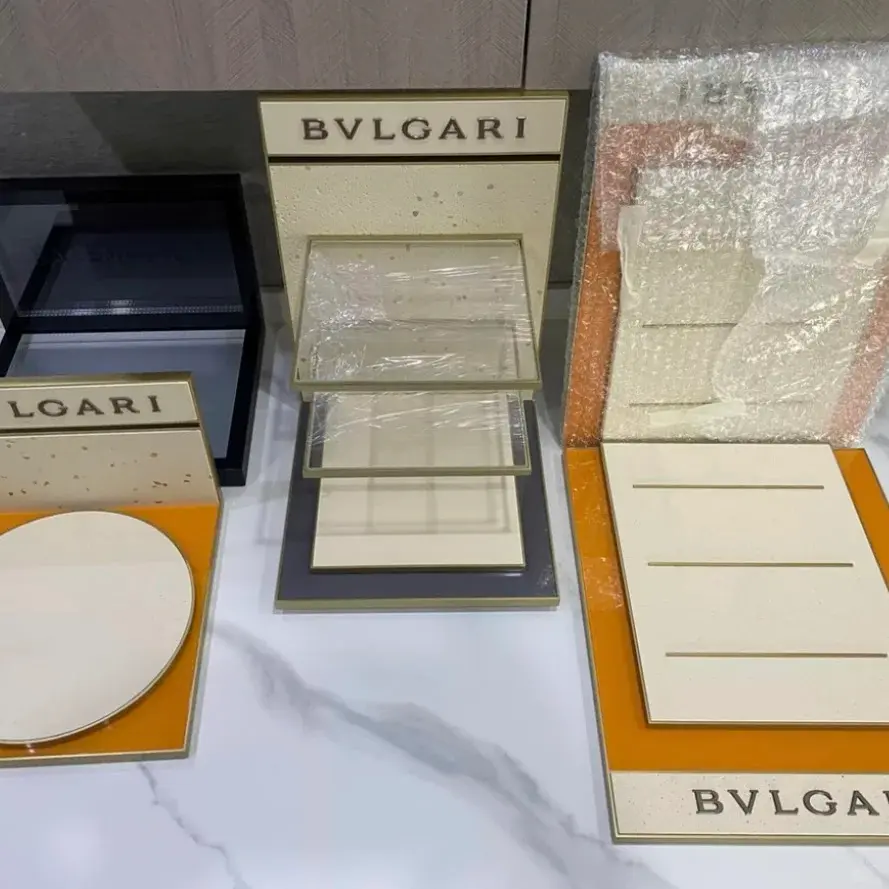
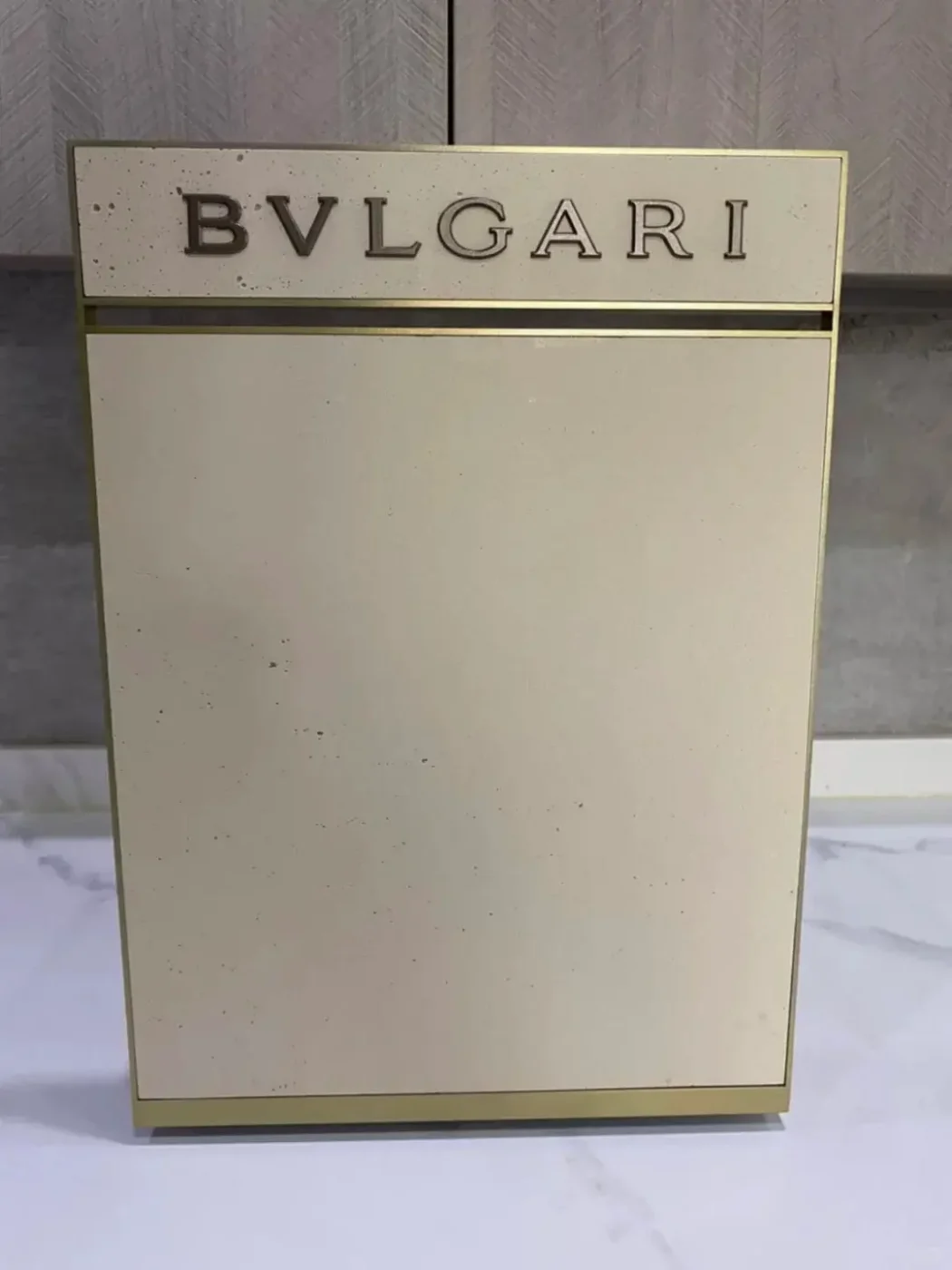
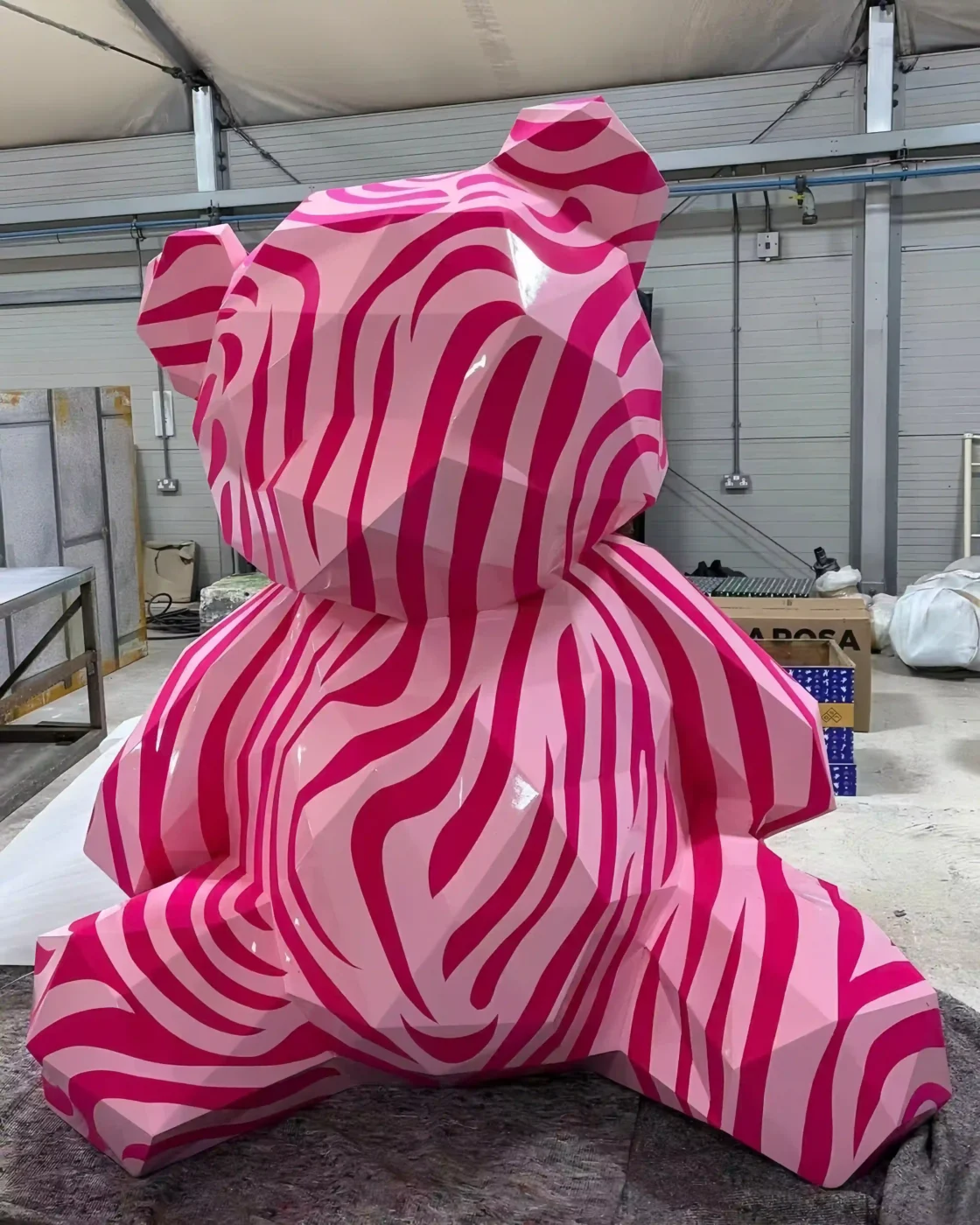
Another example is Design4Retail’s MAC Macximal Window project, which shows how beauty window displays often rely on oversized visuals, bold color, product symbolism and strong storefront impact. A window display has only a few seconds to stop a passerby, so scale and contrast become important.
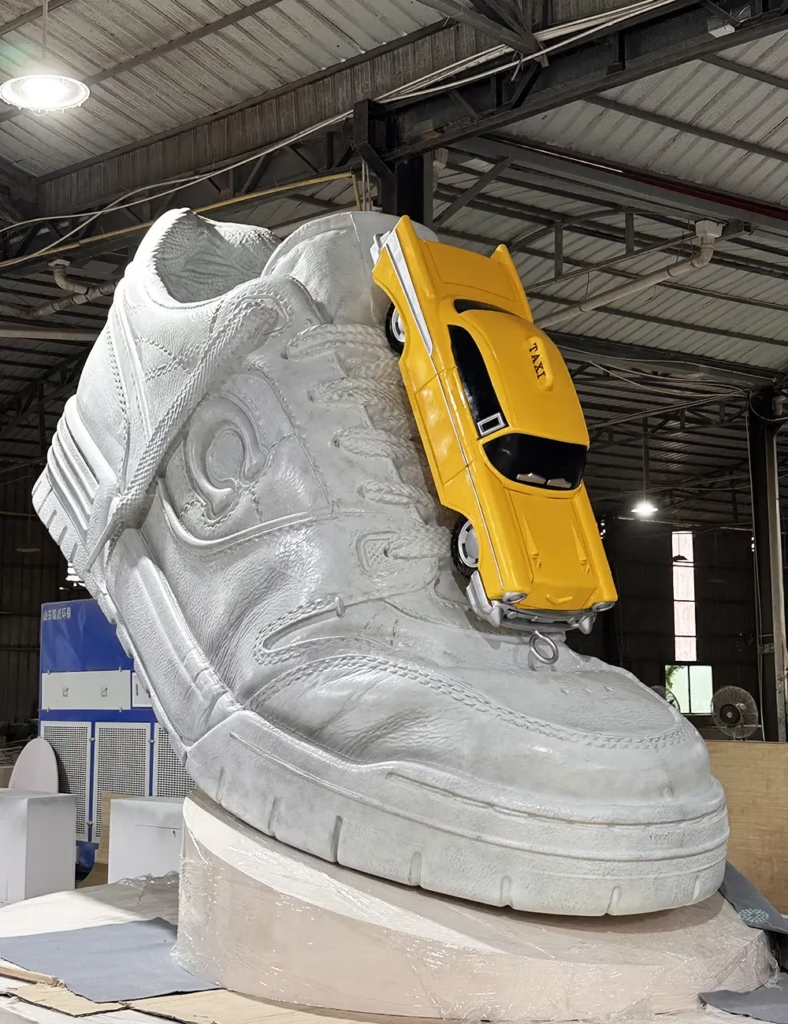
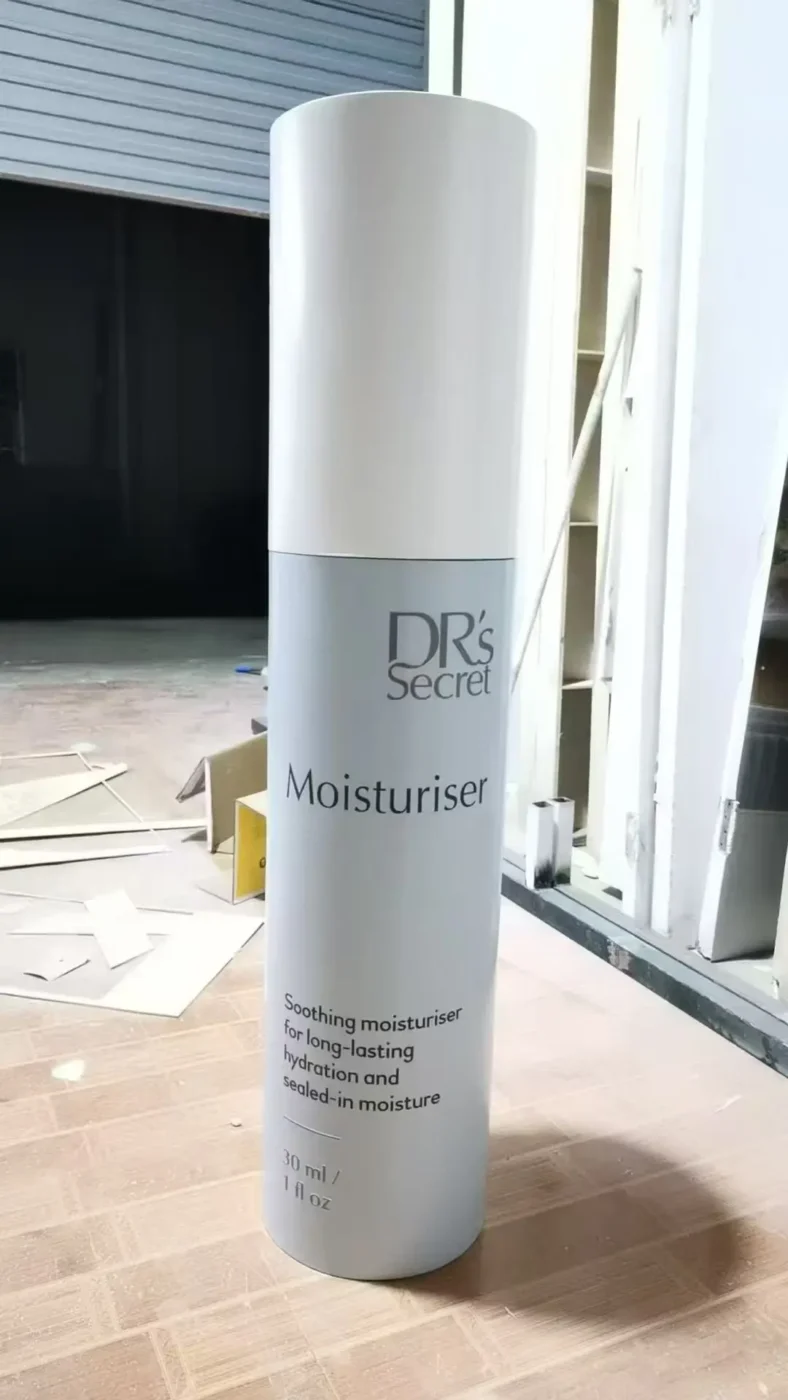
From our own experience producing custom window display props, the biggest challenge is not only making the prop look dramatic. It must also fit the window depth, pass safety checks, allow lighting access and survive the full campaign period.
Pop-up shops and window displays also have different structural risks. A window prop may be suspended, fixed to a wall, placed behind glass or lit from multiple directions. A pop-up fixture may be touched by customers, moved by staff or installed on uneven retail flooring. That is why display props manufacturing should begin with technical questions: How heavy is the object? Who installs it? Can it be dismantled? Does it need a crate? Is the finish scratch-resistant? Can the logo or graphics be replaced?
Why Retail Categories Need Different Production Languages
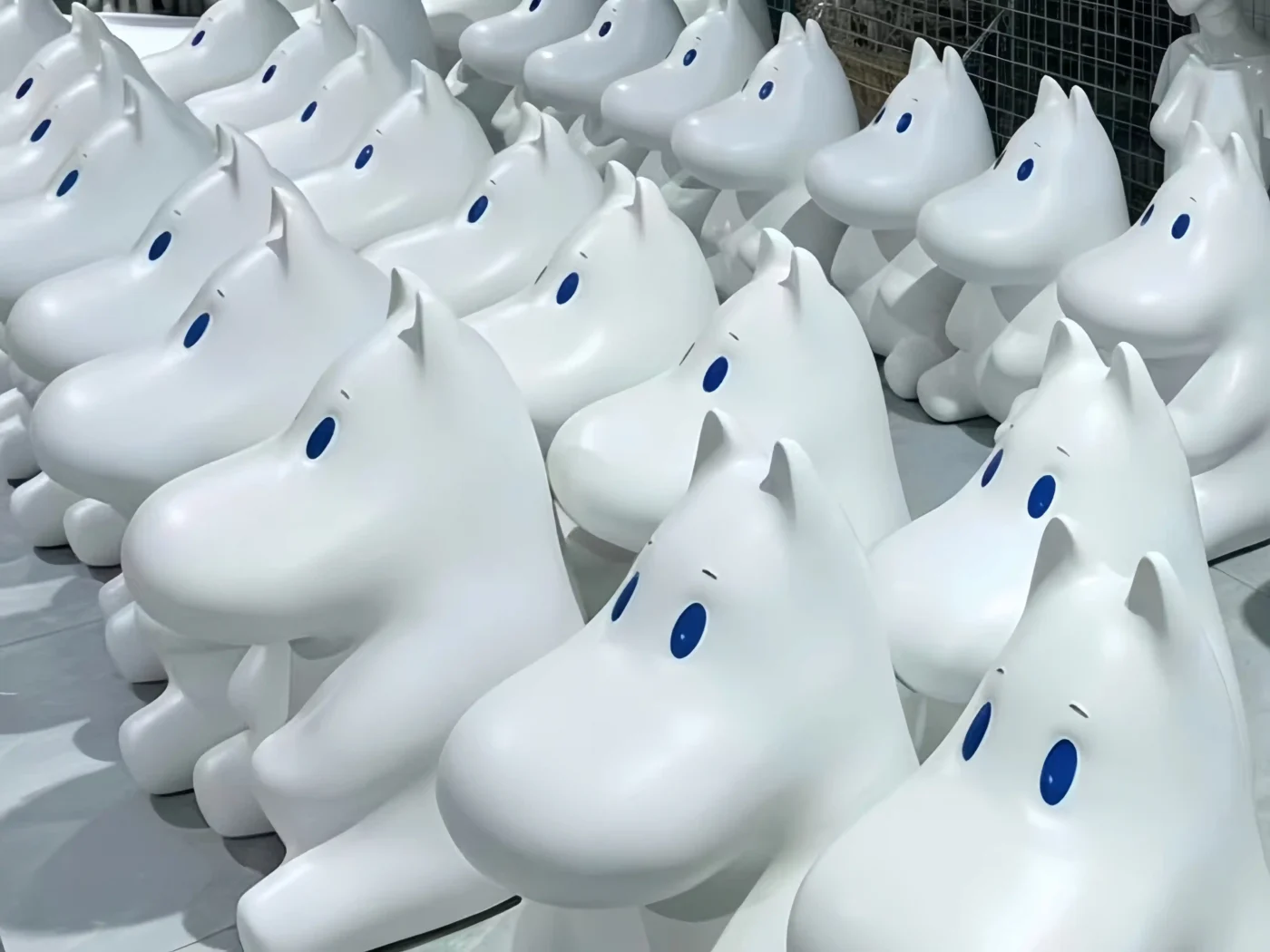
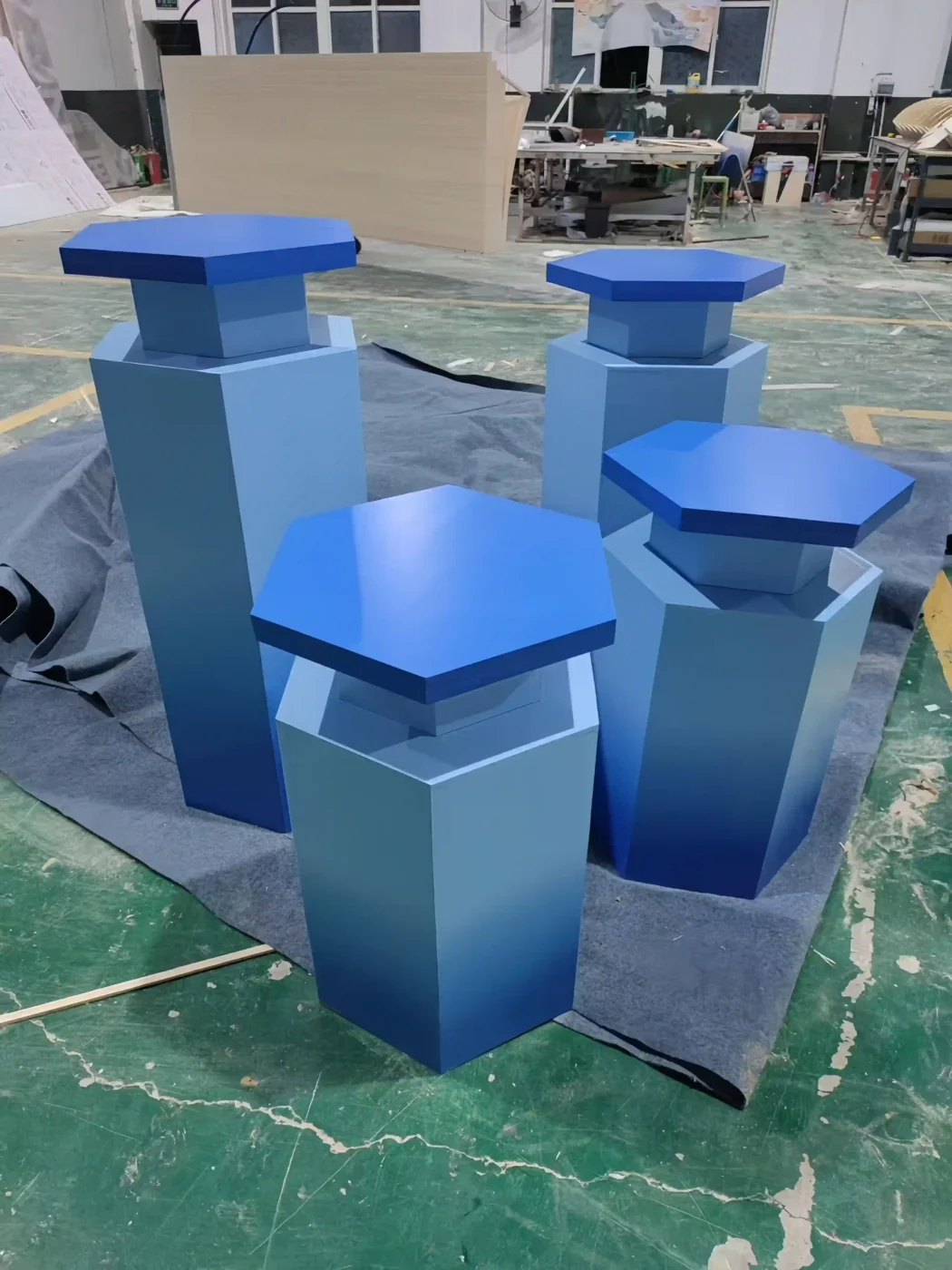
Design4Retail’s broader public portfolio includes projects for categories such as beauty, sports, wellness, footwear, nutrition and travel retail. That category spread is important because every retail sector has a different production language:
- A sports activation may need durable, high-traffic surfaces.
- A beauty counter needs perfect finish quality.
- A food or wellness pop-up may need warmer materials and clear product education.
- A fashion window often needs sculptural drama.
For VM Display, this is why custom retail display props cannot be treated as one standard product category.
The Four Layers of Our Production Process
In our production process, we usually divide a retail display brief into four layers:
- Visual storytelling — the campaign idea, color, shape and mood.
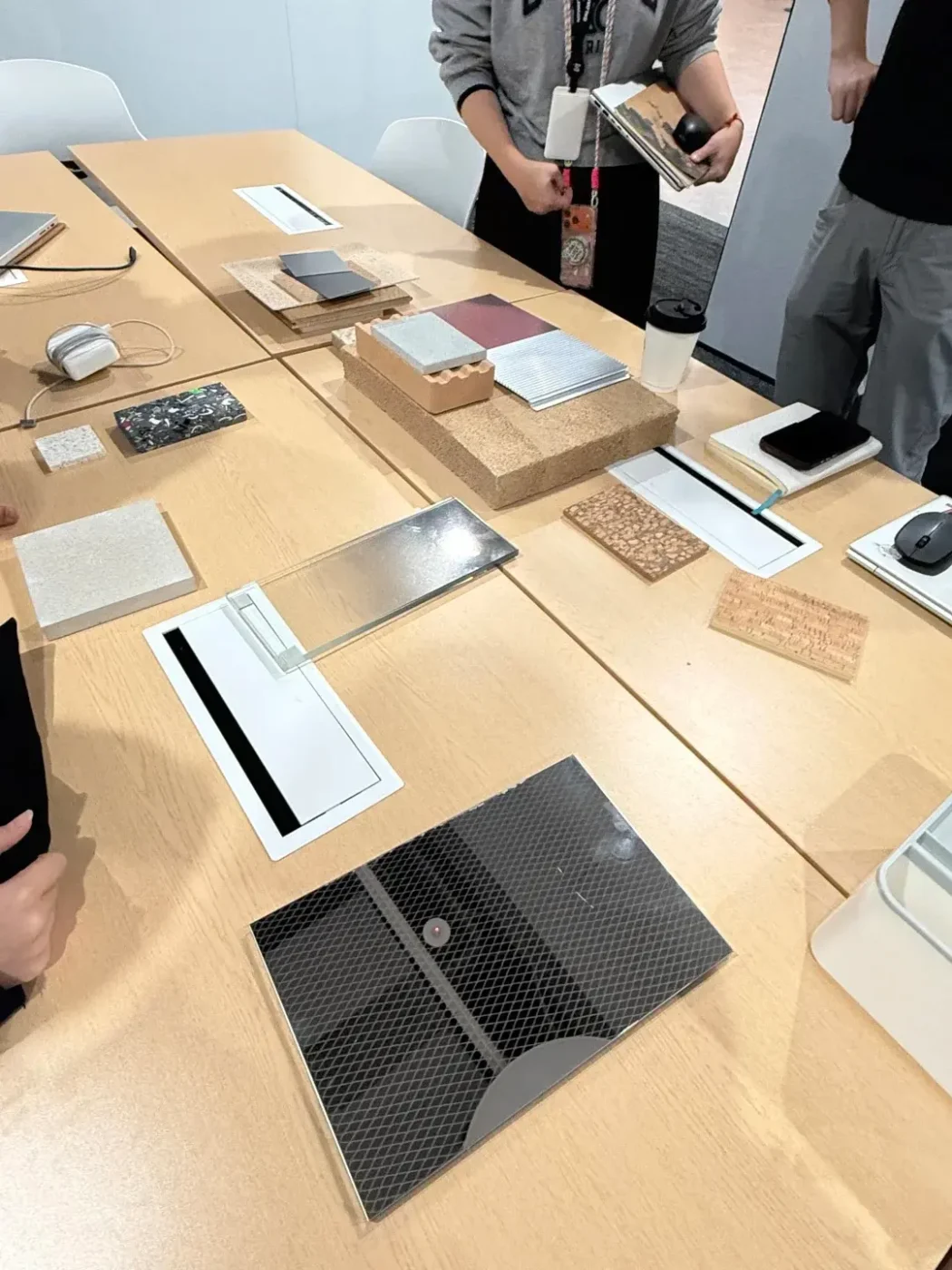
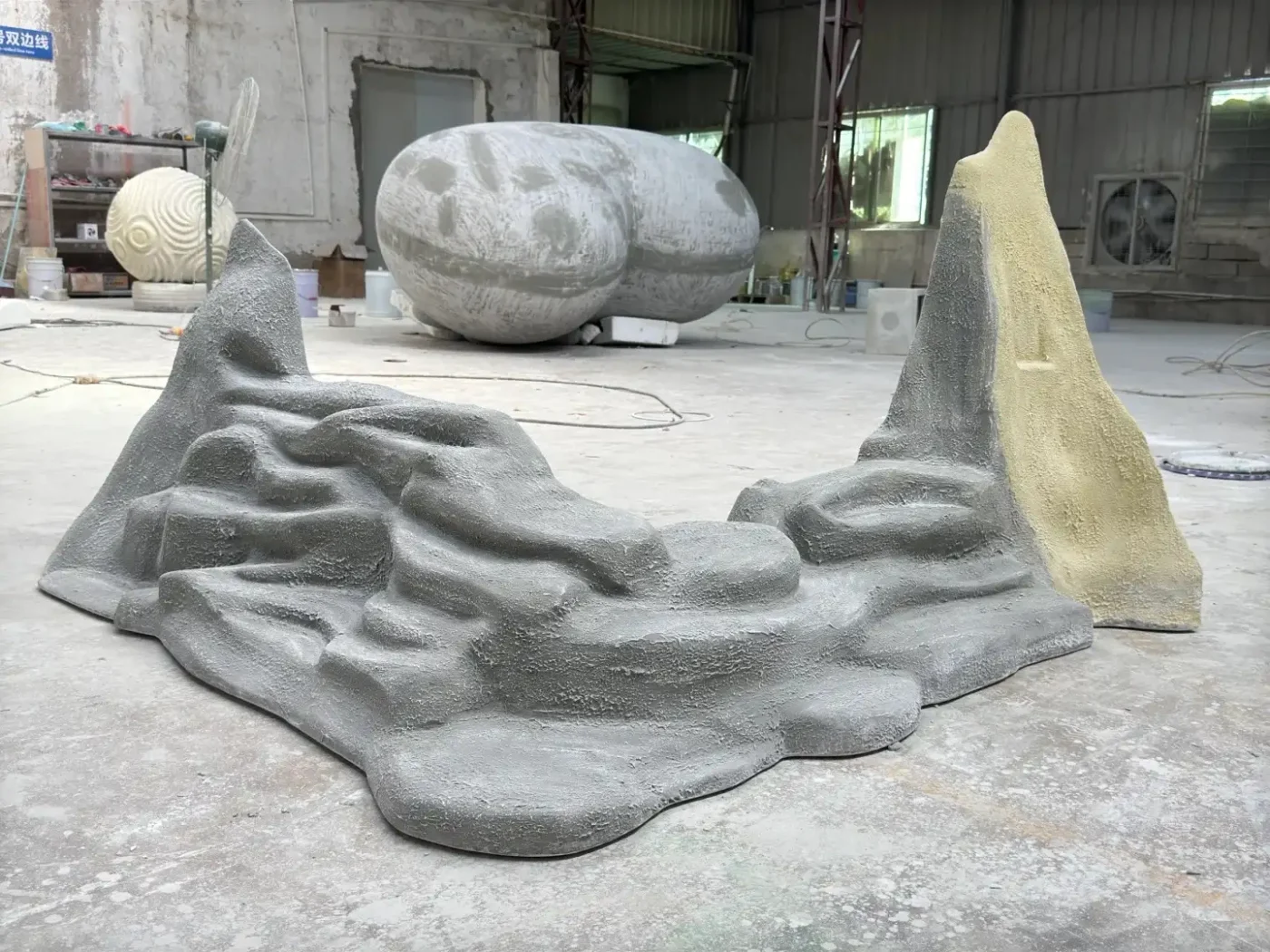
- Material strategy — FRP, acrylic, metal, wood, textile, resin, paint or lighting.
- Engineering — base structure, wall thickness, joining method, hanging points and hidden supports.
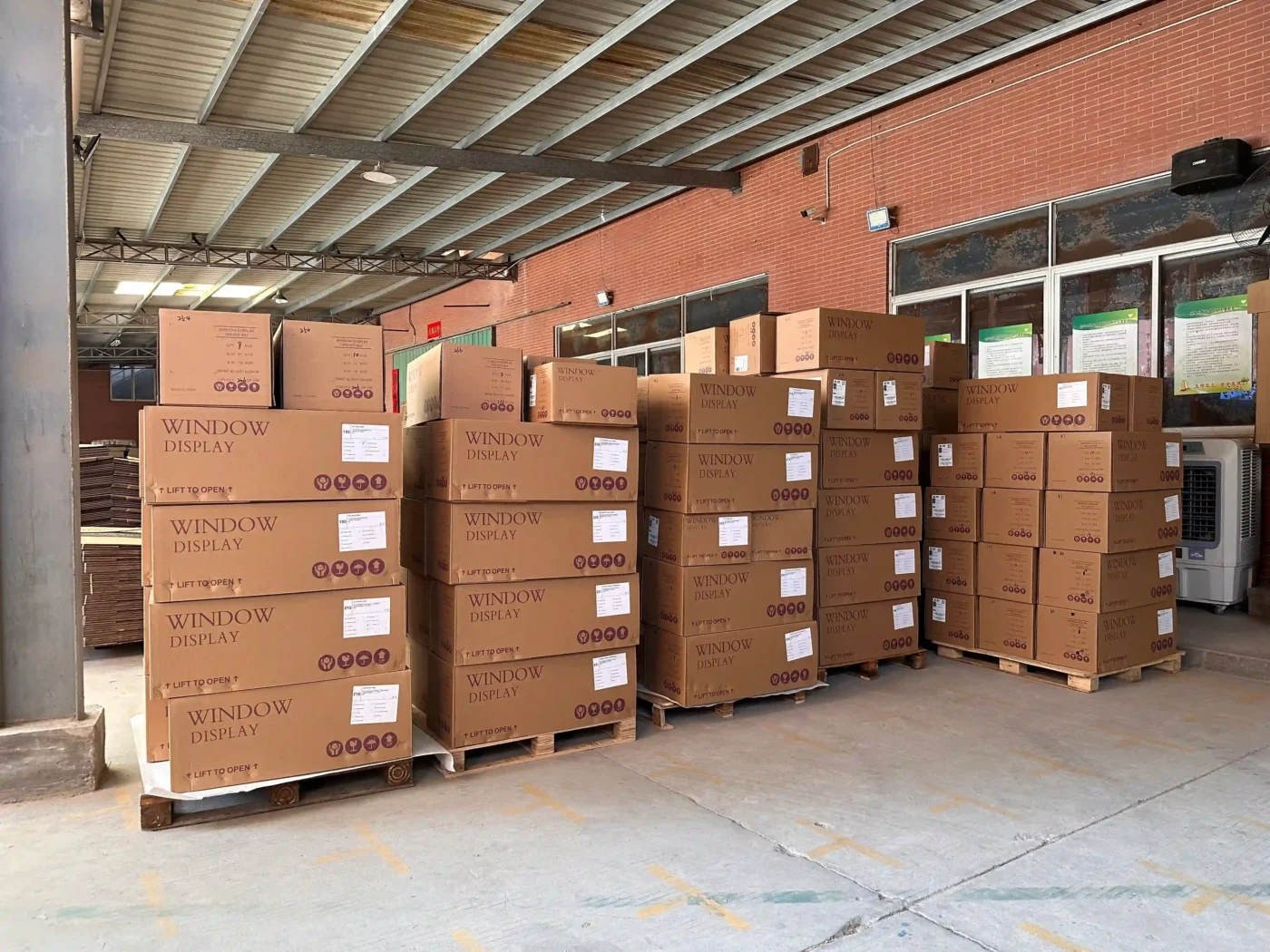
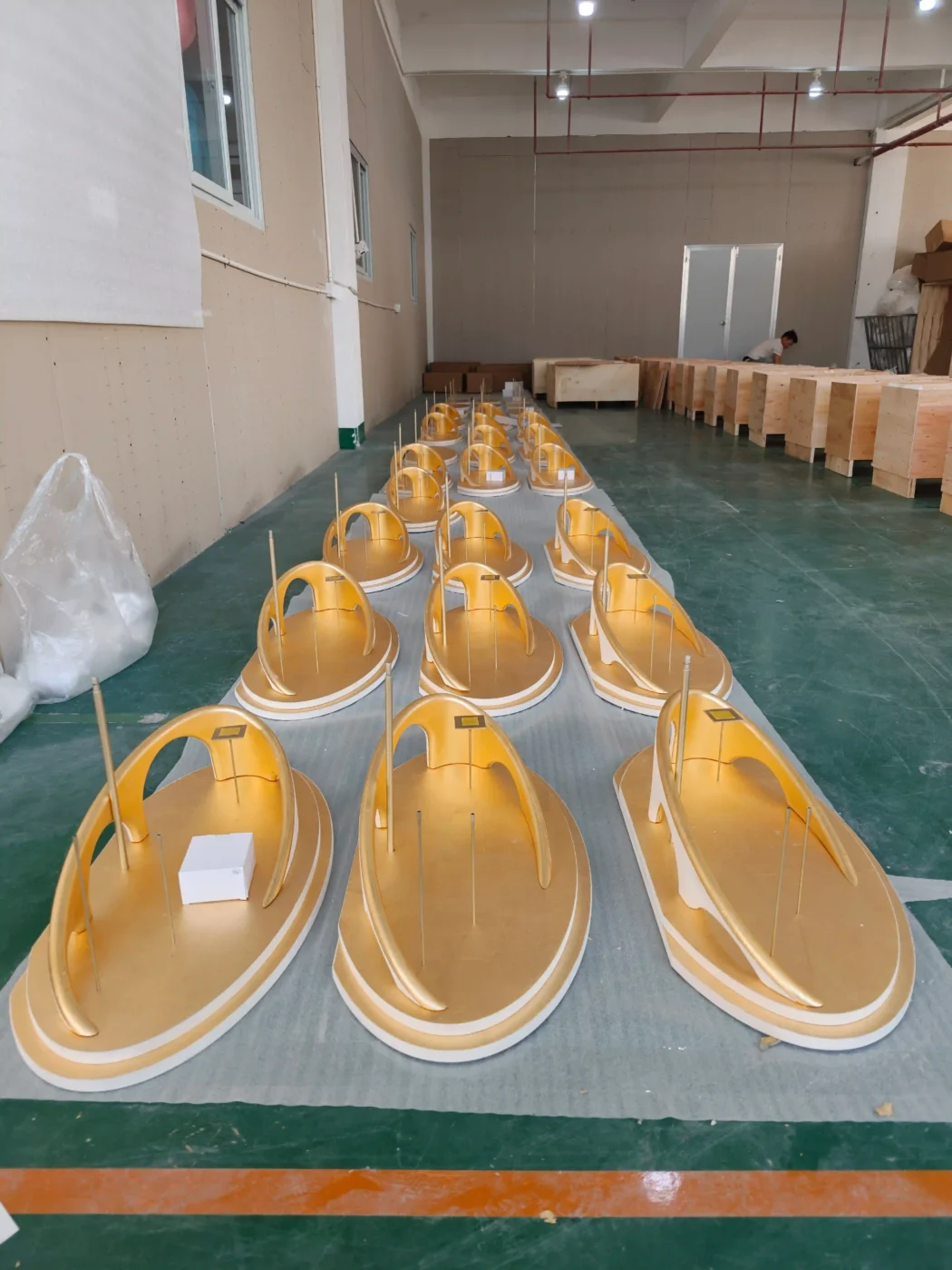
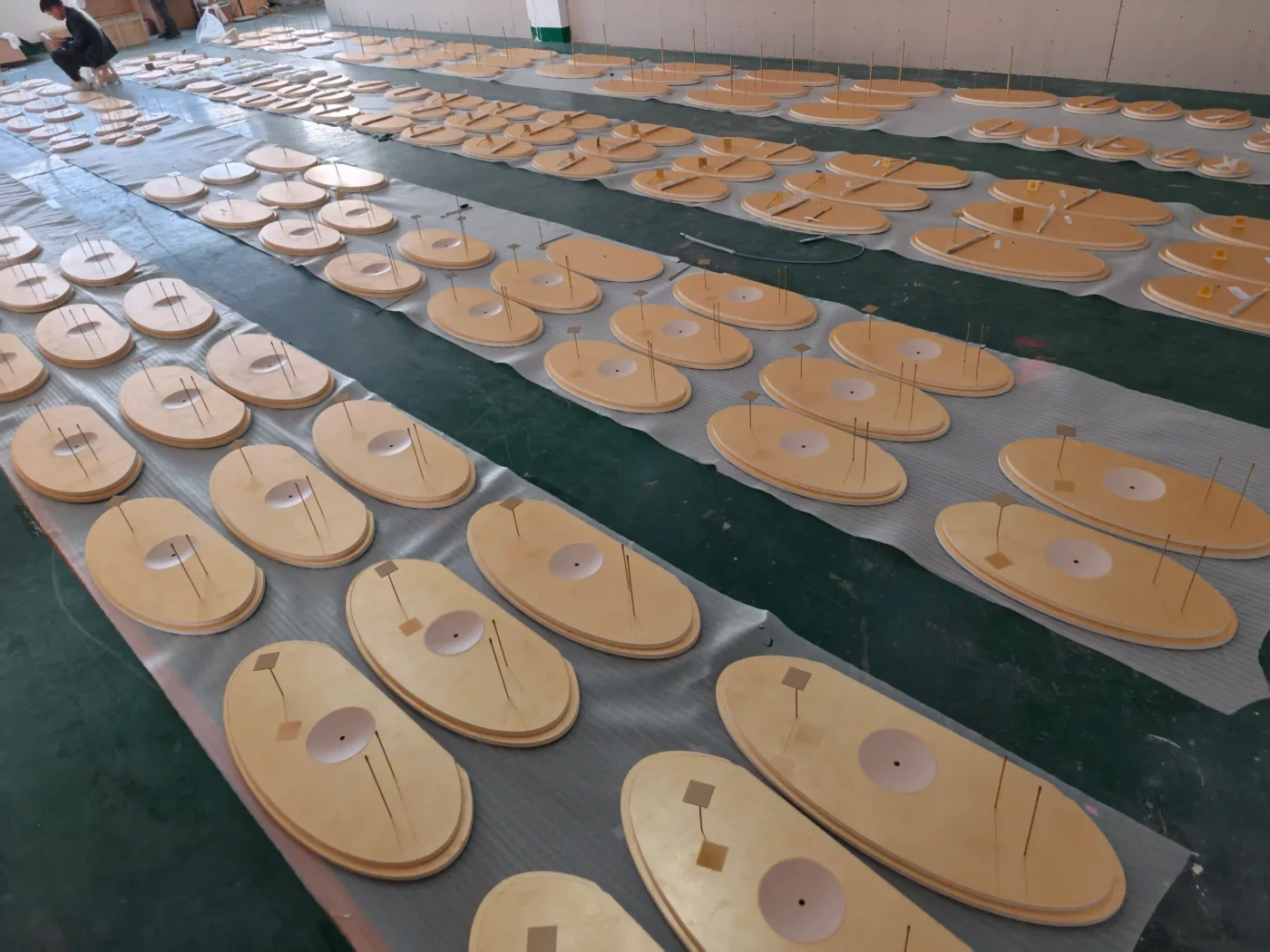
- Delivery — packing, labels, installation sequence and quality control.
This is especially important for pop-up store display props, because temporary projects often have less time for on-site correction.
The Wider Retail Trend: Experiential, Camera-Ready Retail
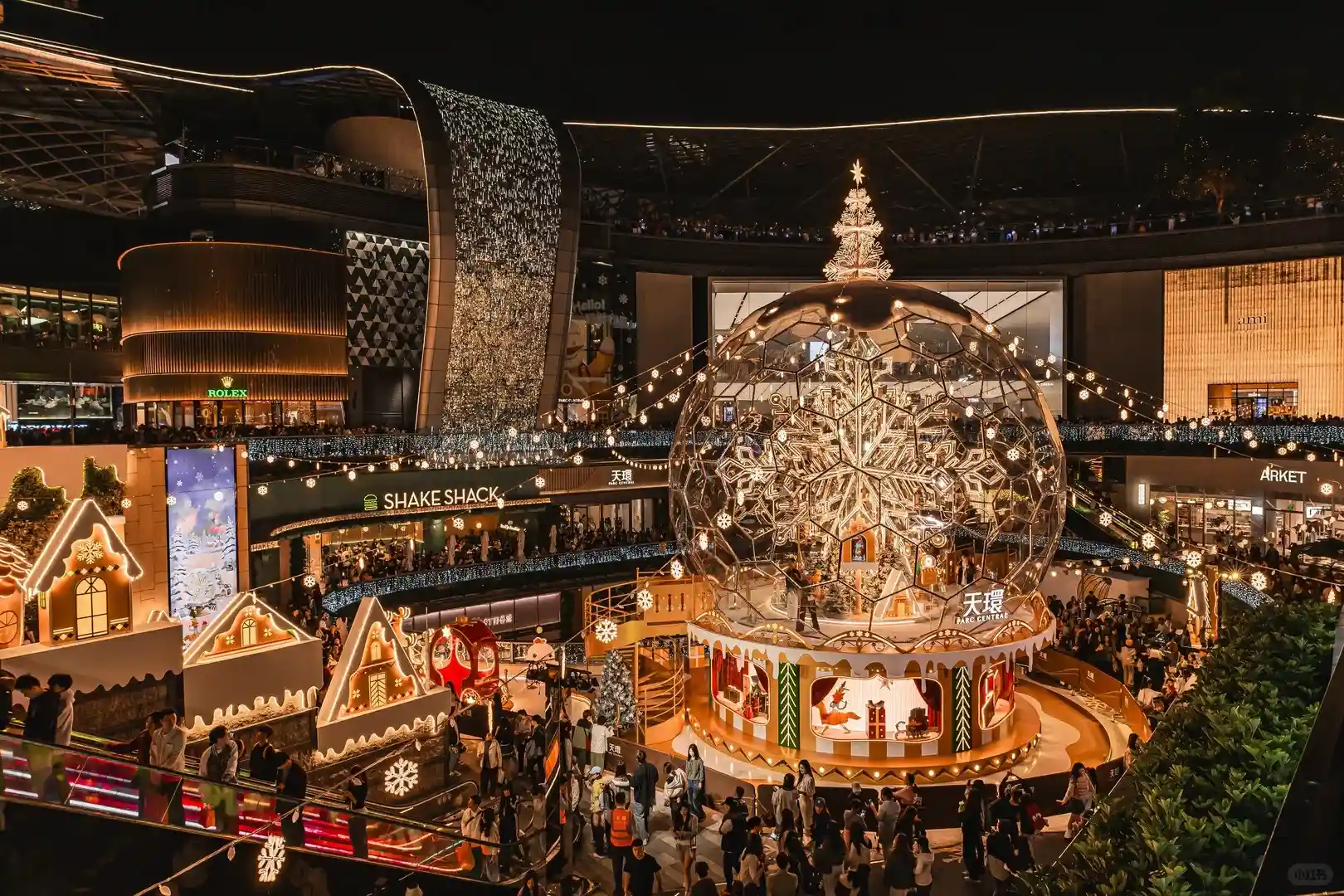
Design4Retail’s work also reflects a wider retail trend: physical stores are becoming more experiential and content-friendly. Vogue Business has discussed how modern retail strategies increasingly depend on service, experience and differentiation. Architectural Digest has also reported on retail design moving toward emotional, sensory and camera-ready environments.
For manufacturers, that means shop front display props need to look good both in-store and online.
However, a visually exciting display can still fail if production is not planned early. A beautiful render may hide problems such as fragile edges, unstable bases, visible seams, poor light access, oversized packing volume or difficult installation. This is where we believe a custom display props manufacturer adds real value. We are not replacing the creative agency’s role. Instead, we help protect the creative idea by turning it into a reliable physical object that can be sampled, approved, produced and delivered.
Key Takeaways for Brands, Agencies and VM Directors
For brands, agencies and VM directors, the main lesson from Design4Retail’s public work is that retail experience requires both creative imagination and production discipline. Pop-up shops need speed and flexibility. Window displays need impact and precision. Shop-in-shops need consistency and durability.
If your campaign includes custom shapes, lighting, oversized props, branded fixtures or multi-store delivery, early manufacturing input can reduce risk before production begins. VM Display can review your concept, materials, size, structure and packing method before you request a custom display props quote.
FAQ
What can manufacturers learn from Design4Retail-style pop-up shops?
They show how temporary retail spaces require more than visual design. Pop-up shops need modular structures, strong packing, fast installation and durable finishes.
What is the difference between pop-up shop props and window display props?
Pop-up shop props are often touched, moved and assembled in open retail spaces, while window display props are designed mainly for visual impact, controlled lighting and storefront viewing.
Which materials are commonly used for custom retail display props?
FRP, acrylic, metal, wood, resin, fabric, printed graphics and LED lighting are commonly used depending on size, finish, installation and campaign duration.
When should a manufacturer join a retail design project?
A manufacturer should join before the design is fully fixed, especially when the project involves custom shapes, lighting, hanging structures, large props or multi-location rollout.
Disclaimer
This article is based on publicly available project and industry information. VM Display is not claiming partnership, sponsorship, endorsement, or direct involvement with Design4Retail or any brands mentioned.