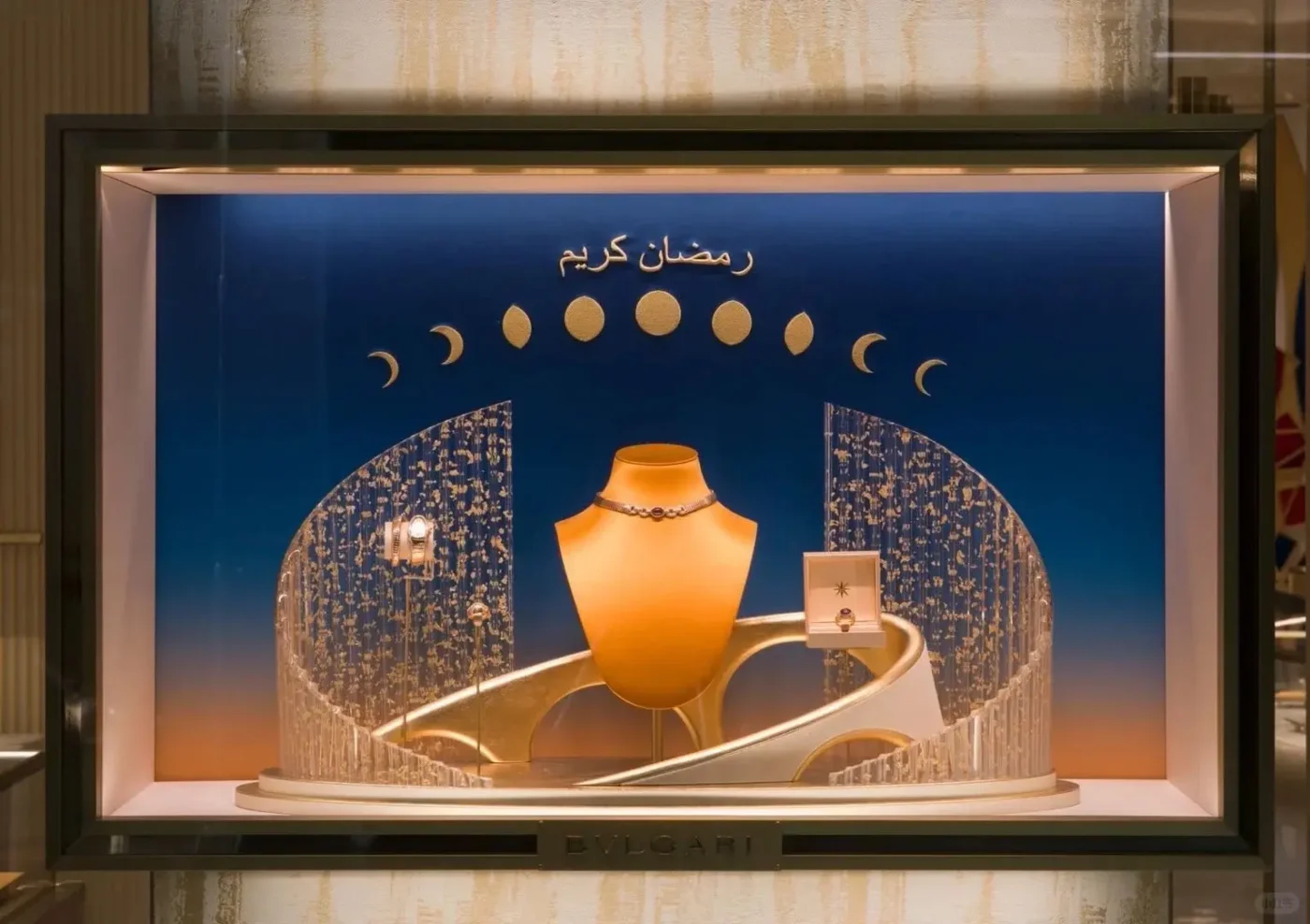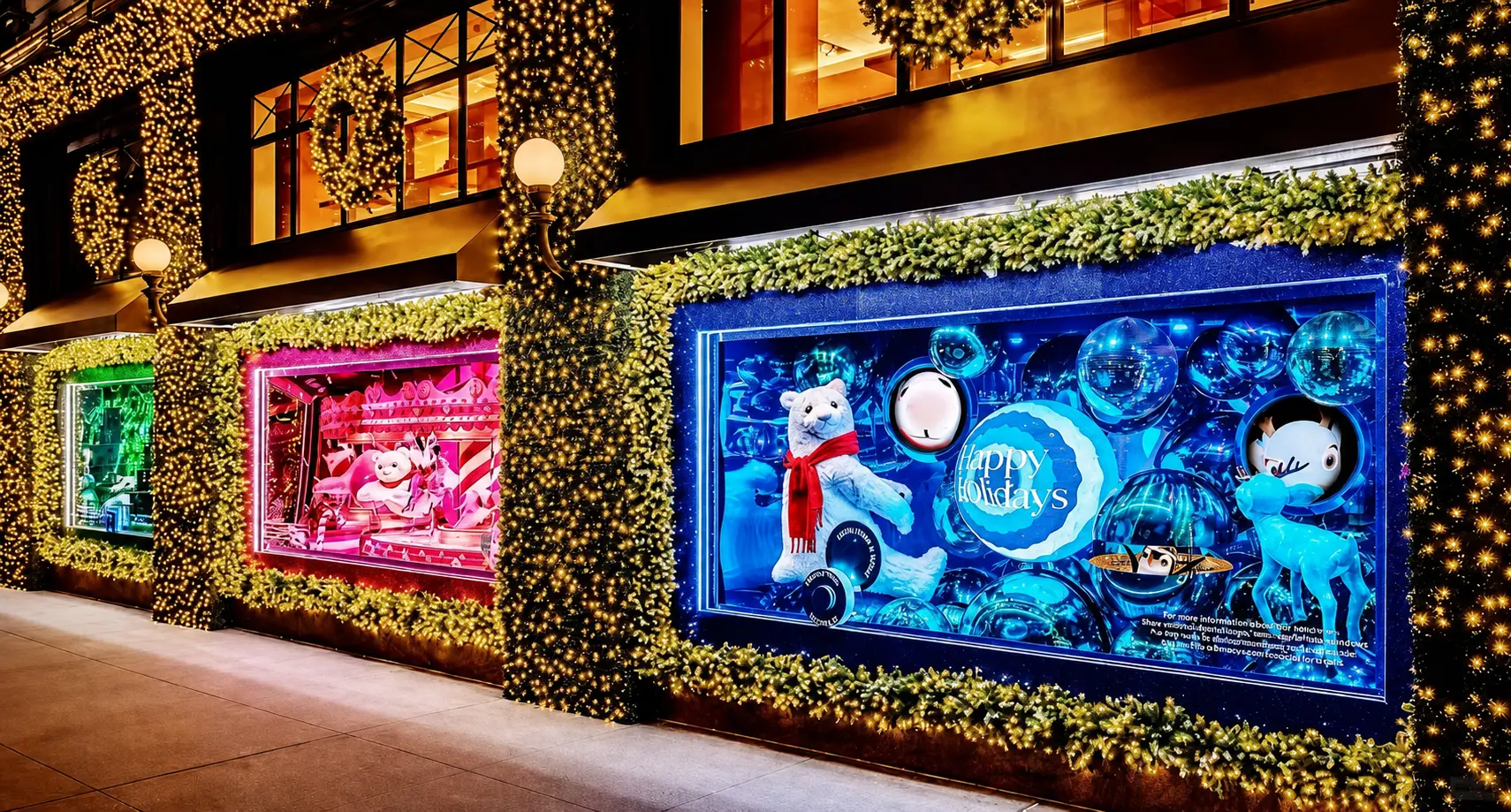
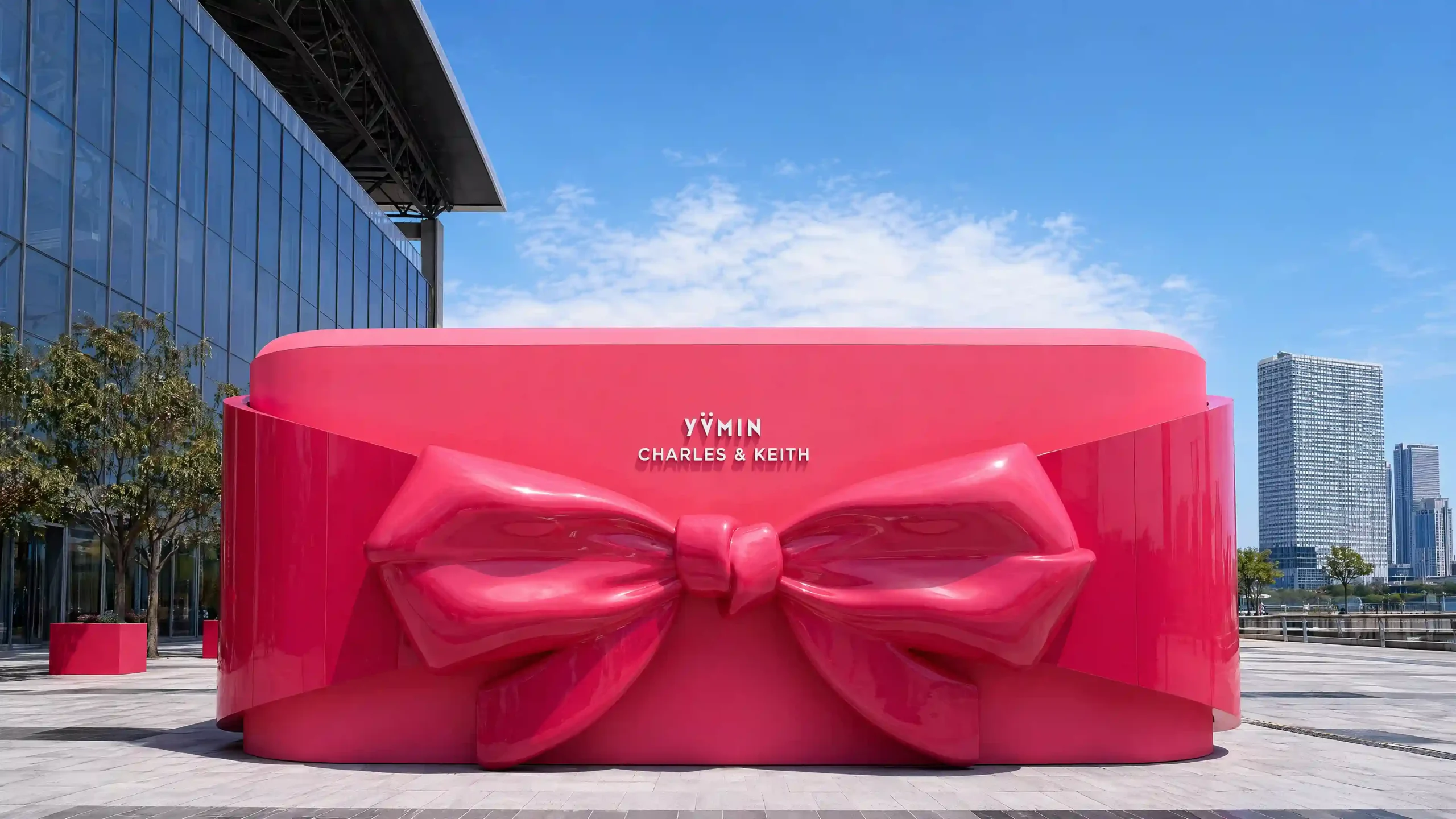
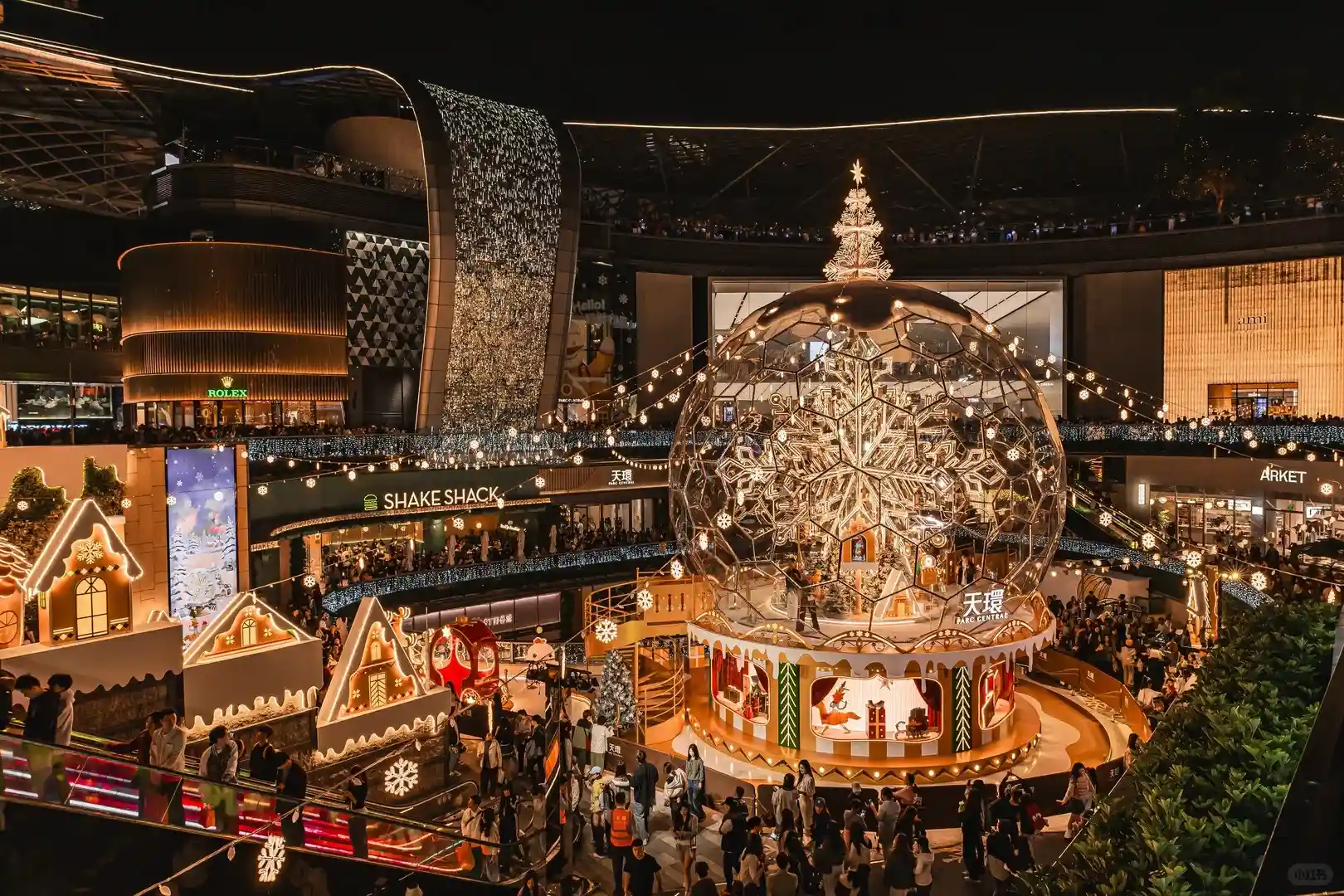
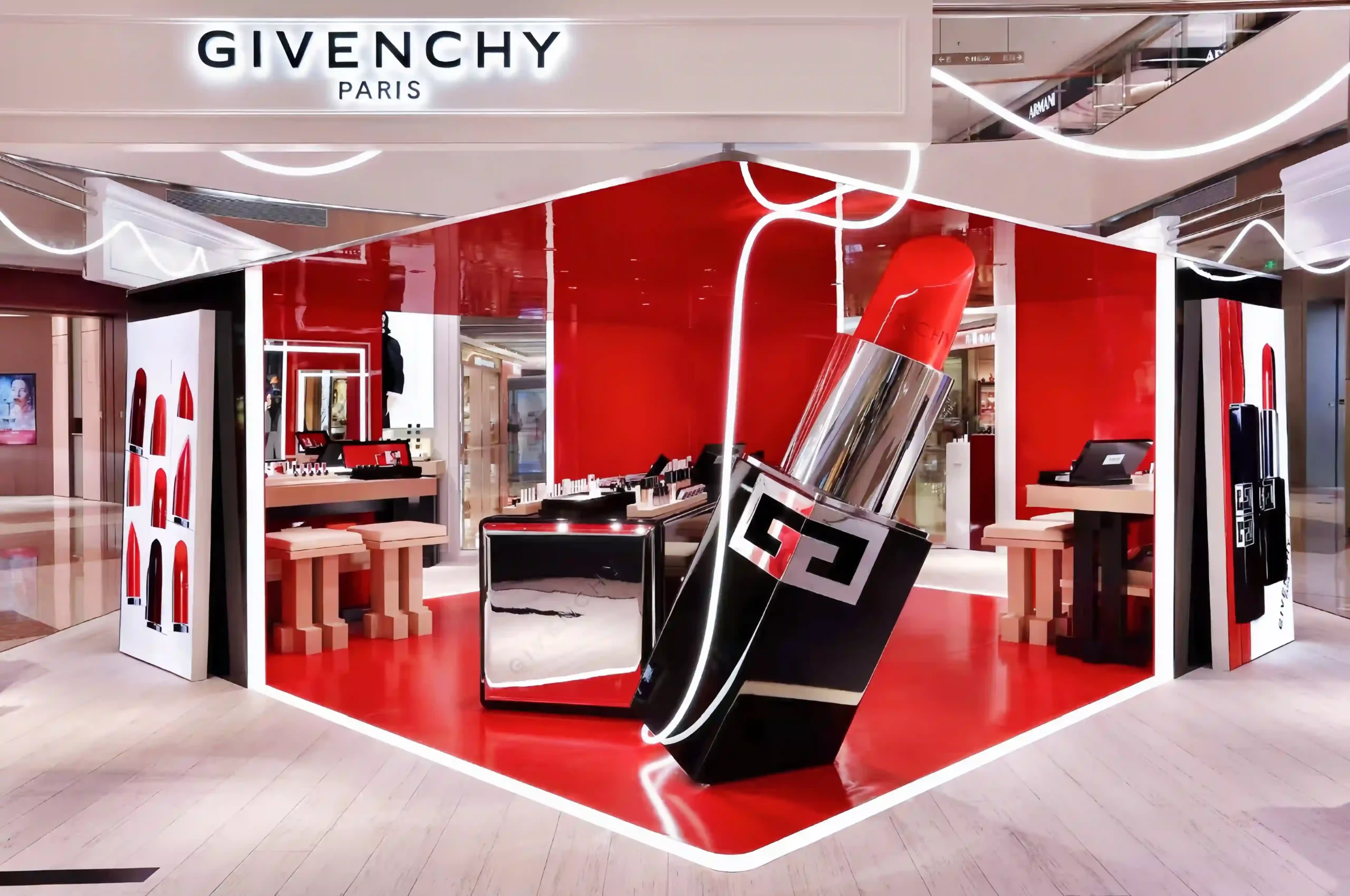
Pop-up design refers to the visual and spatial planning behind temporary retail environments — from short-term brand activations and seasonal shop-in-shops to standalone street-level stores that operate for days or weeks. In visual merchandising, the term covers everything that shapes how a customer sees, enters and moves through a temporary space: the brand wall, the product displays, the lighting, the counters, the props and the overall atmosphere.
Unlike permanent retail fitouts, pop-up design works within tight timelines, fixed budgets and spaces that vary from project to project. That constraint makes early production planning essential — especially when custom display props, lightboxes, pedestals and branded backdrops need to be manufactured, shipped and installed before the opening date.
This guide explains what pop-up design involves, how it differs from broader pop-up store planning, what types of setups exist, which materials and display props are commonly used, and how production timelines work from sampling to installation.
Pop-Up Design vs. Pop-Up Store Design — What’s the Difference?
The two terms overlap in practice, but they come from different angles.
Pop-up design focuses on the visual merchandising layer: how a temporary space looks and feels through display props, materials, lighting, colour palettes and branded elements. It is the discipline that turns an empty shell into a brand environment a customer can read in seconds.
Pop-up store design sits one level broader. It includes the commercial and operational side — site selection, lease negotiation, customer flow modelling, staffing layout, POS placement and regulatory compliance — alongside the visual layer.
For brands working with a design agency and a display props manufacturer, the split often falls along these lines: the agency leads the spatial concept and brand narrative; the manufacturer advises on material feasibility, structural engineering, weight limits, packing dimensions and production lead times. When those conversations happen early, the visual concept and the production reality stay aligned — which matters when the opening date is fixed and there is no room for structural redesign mid-production.
Throughout this article, pop-up design is used in the visual merchandising sense: the display props, materials, finishes and spatial elements that a production partner needs to plan, manufacture and deliver.
Why Retail Brands Use Pop-Up Stores
Temporary retail is not new, but the reasons brands invest in it have shifted. A pop-up today is less about clearing stock and more about creating a controlled brand moment — one that generates social content, tests a new market or supports a product launch with a physical experience that digital channels cannot replicate.
Common reasons include:
- Market testing. Opening a short-term location in a new city or neighbourhood before committing to a permanent lease.
- Product launches and capsule collections. Creating a dedicated physical environment that matches the campaign’s visual identity.
- Seasonal and holiday activations. Christmas, Lunar New Year and back-to-school campaigns that require temporary in-store or mall-based installations.
- Brand storytelling. Immersive, photogenic spaces designed to drive earned media and social sharing.
Regardless of the strategic objective, every pop-up eventually becomes a production question: what display props are needed, what materials suit the space and timeline, how will everything be packed, shipped and installed — and can the opening date still be met? That production layer is where visual merchandising planning meets manufacturing reality, and where early coordination with a display props manufacturer saves the most time.
Types of Pop-Up Display Setups
Not all pop-ups share the same spatial constraints. The type of venue shapes what display props are feasible, how they are transported and whether they can be reused.
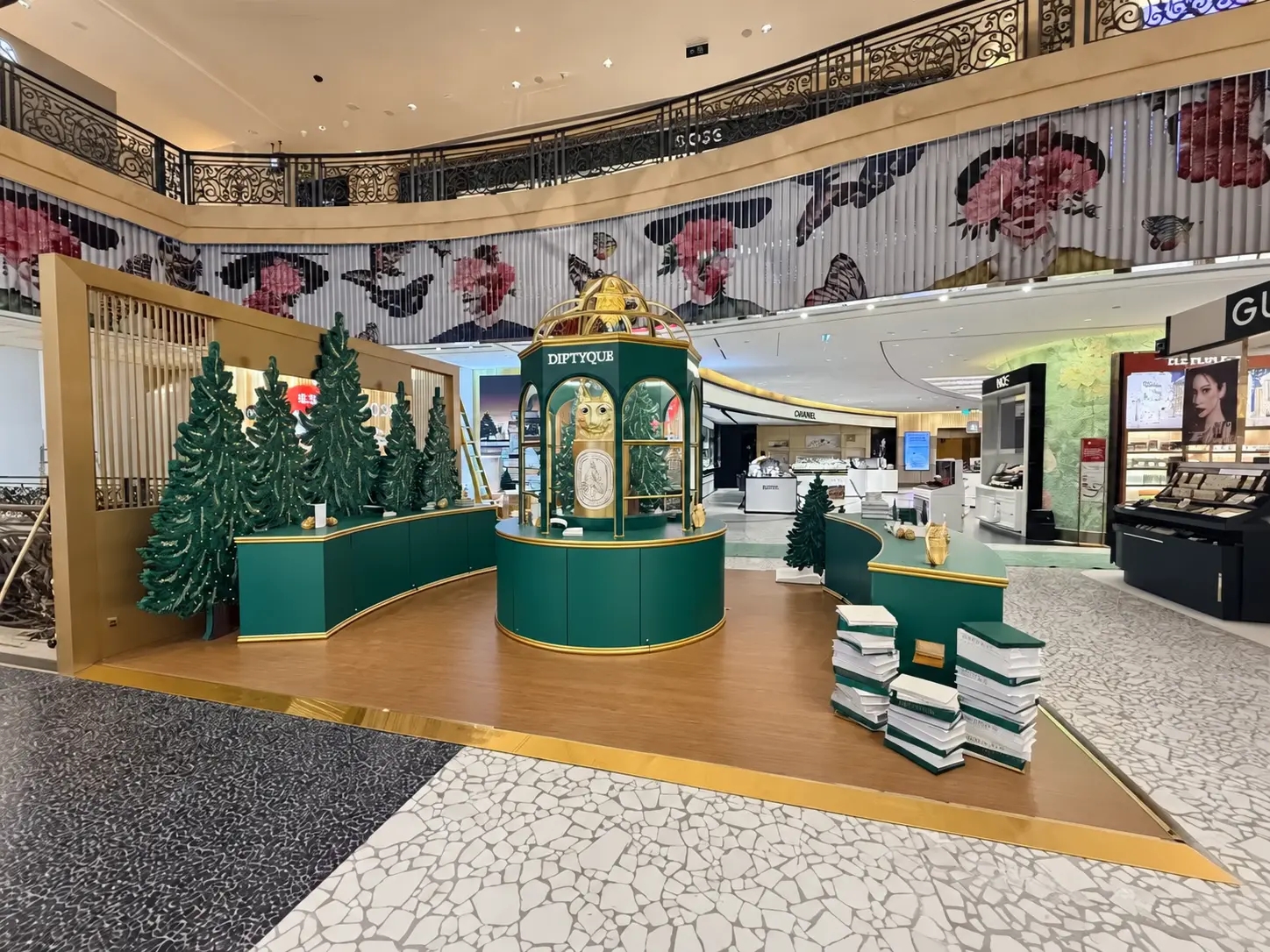
Shopping mall inline or island pop-ups occupy allocated floor space inside a mall atrium or corridor. Ceiling height, floor load limits and mall regulations on fixtures often dictate the maximum prop dimensions and installation methods. Display props here need clean, self-contained edges — freestanding counters, modular lightboxes and backdrops that do not require wall-mounting.
Standalone street-level pop-ups offer more freedom. Brands can control the full interior, including walls, windows and flooring. Larger sculptural props, ceiling-hung installations and full-perimeter branding become possible, but the space usually requires more structural preparation and longer installation windows.
Store-within-a-store and concession counters are compact formats placed inside an existing retail environment. Display props must integrate with the host store’s aesthetic while still reading as a distinct brand zone. Size and weight constraints are strict, and installation typically happens overnight or within a few hours.
Event-based and exhibition pop-ups — at trade fairs, brand summits or cultural events — prioritise fast setup and teardown. Props are often designed for tool-free assembly, nested packing and repeat use across multiple activations.
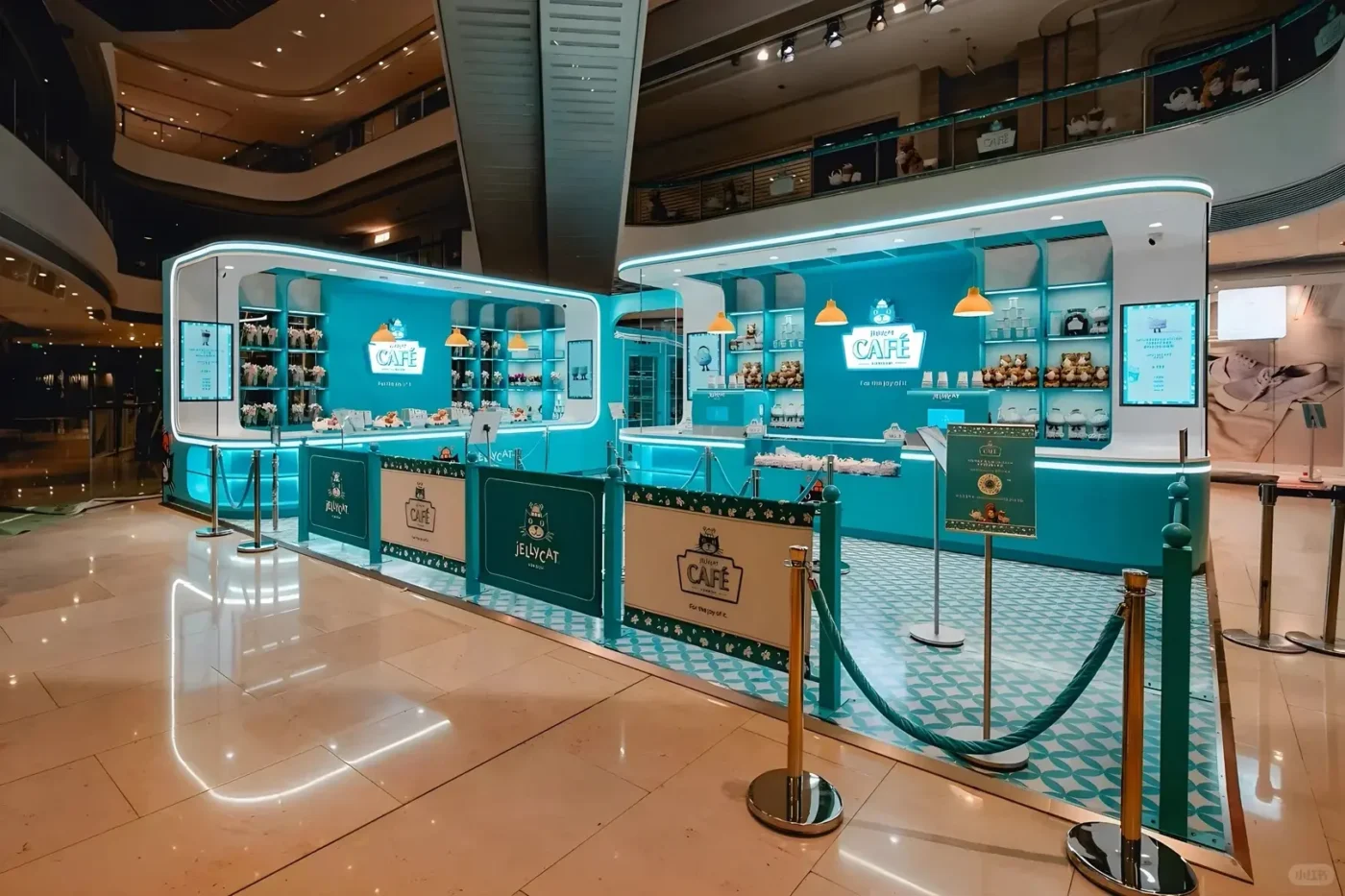
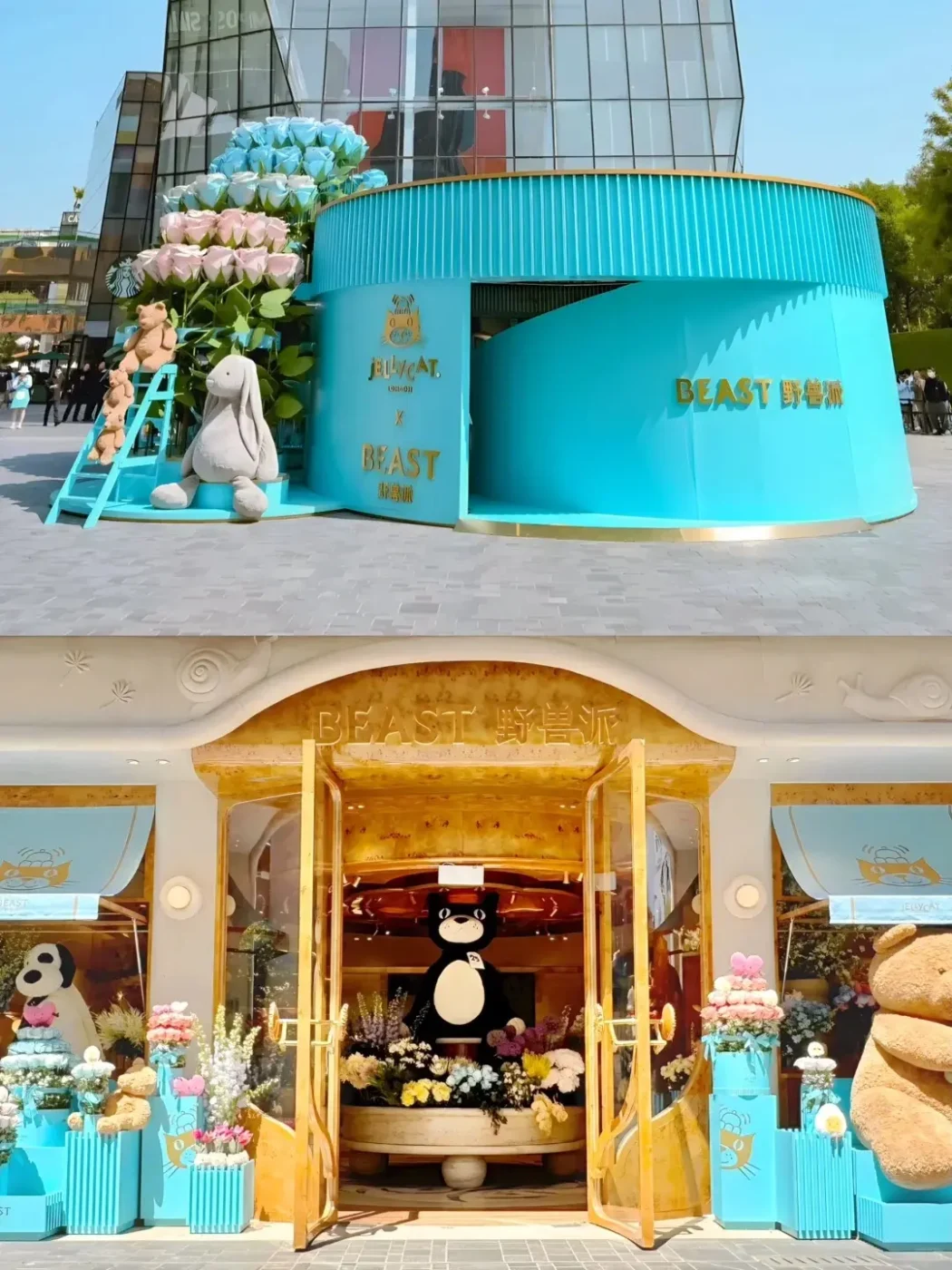
Across all four types, a shared requirement stands out: display props for temporary spaces must be designed for disassembly, efficient packing and transport from the start — not retrofitted after production.
For projects that involve custom display props across any of these formats, the Pop-Up Display service page outlines how production support is structured from concept through delivery.
Key Elements of a Pop-Up Design
A pop-up design is built from a set of visual and functional elements that together define the customer’s experience of the space. Each element also represents a production decision — material, finish, dimension and installation method.
Brand wall or feature backdrop. Usually the first thing a visitor sees. It carries the campaign’s logo, key visual or hero image and sets the colour and finish palette for the entire space. Typical constructions include printed panels on MDF or acrylic substrates, backlit lightbox walls and sculpted FRP surfaces with metallic or painted finishes.
Counters and display tables. These hold product and anchor the customer journey. Materials range from lacquered MDF and solid-surface composites to stainless steel frames with acrylic or glass tops. For temporary use, modular counter systems that break down into flat-pack components simplify logistics.
Pedestals and plinths. Used for hero products, limited editions or sculptural moments. Pedestal height, surface finish and internal lighting all affect how the product reads at eye level.
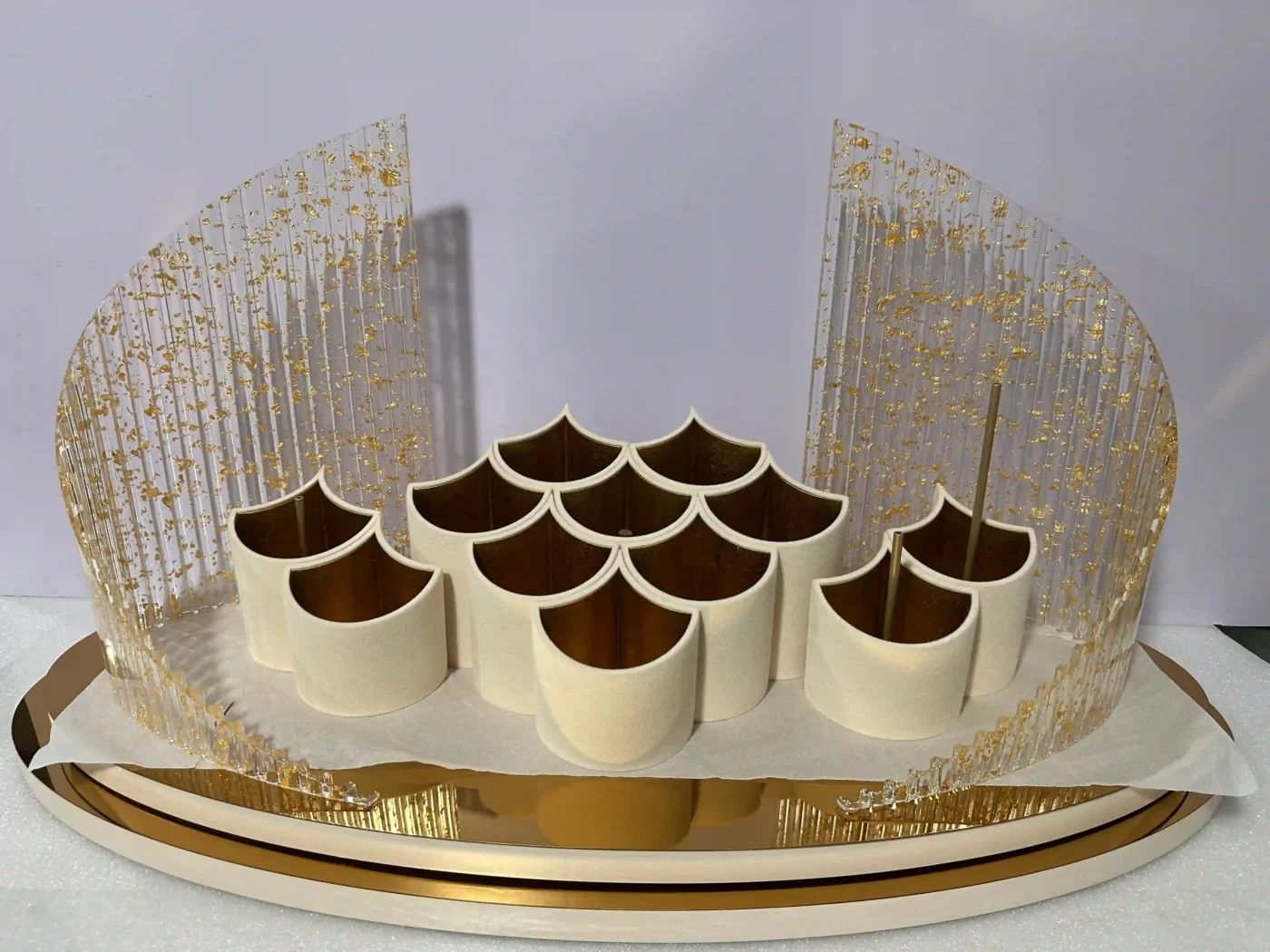
Lightboxes and illuminated signage. Fabric or acrylic-faced lightboxes provide even, branded illumination and can be updated between campaigns by swapping the printed face. LED modules are the standard light source for both edge-lit and backlit configurations.
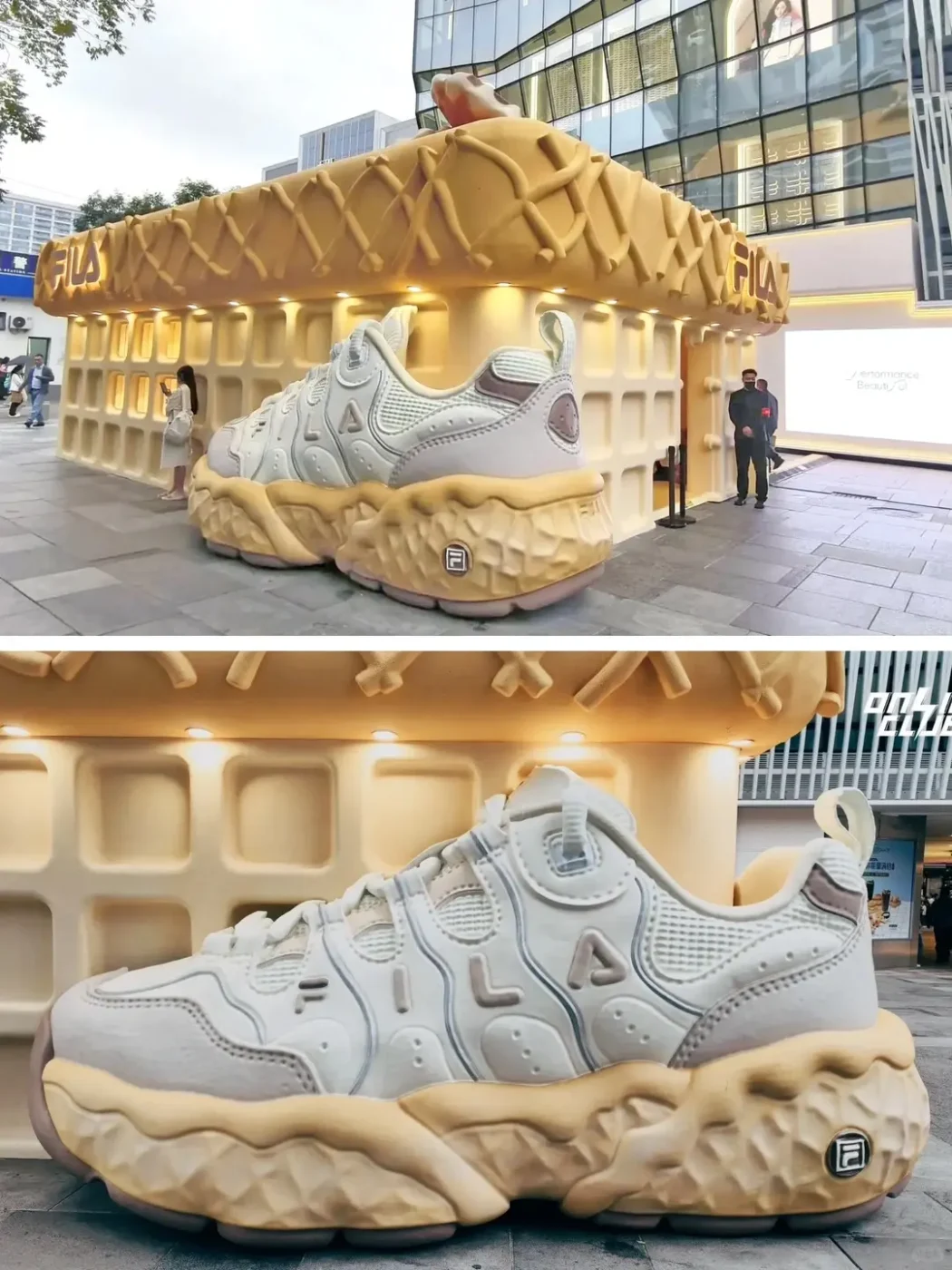
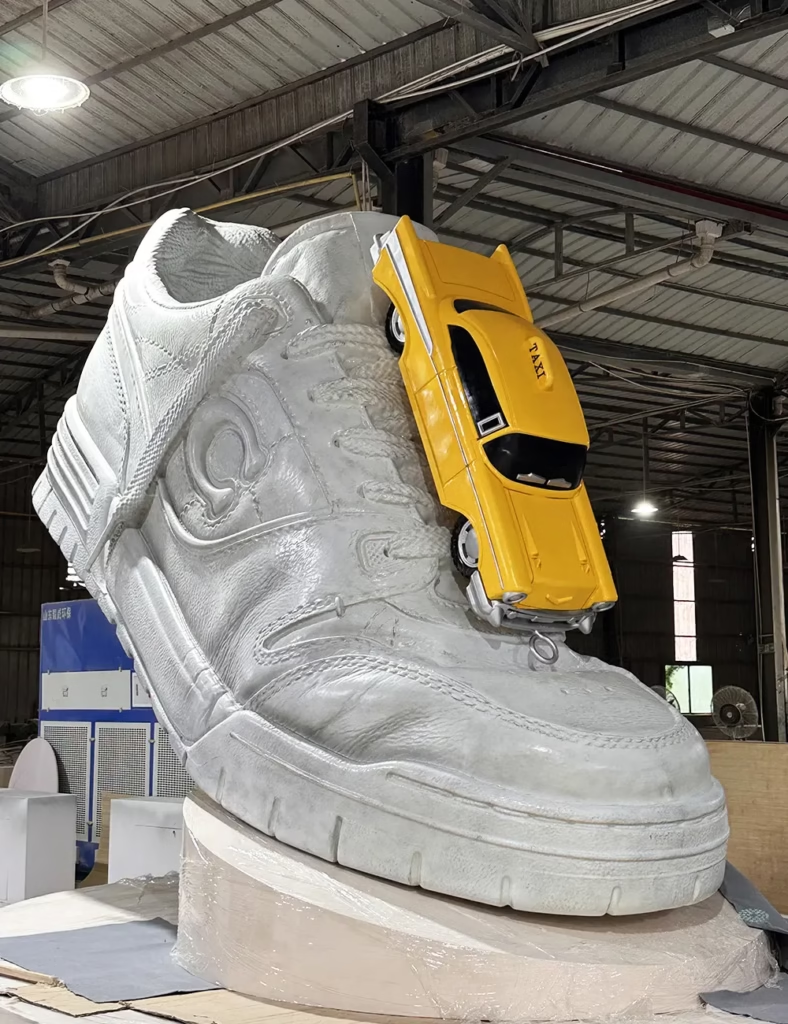
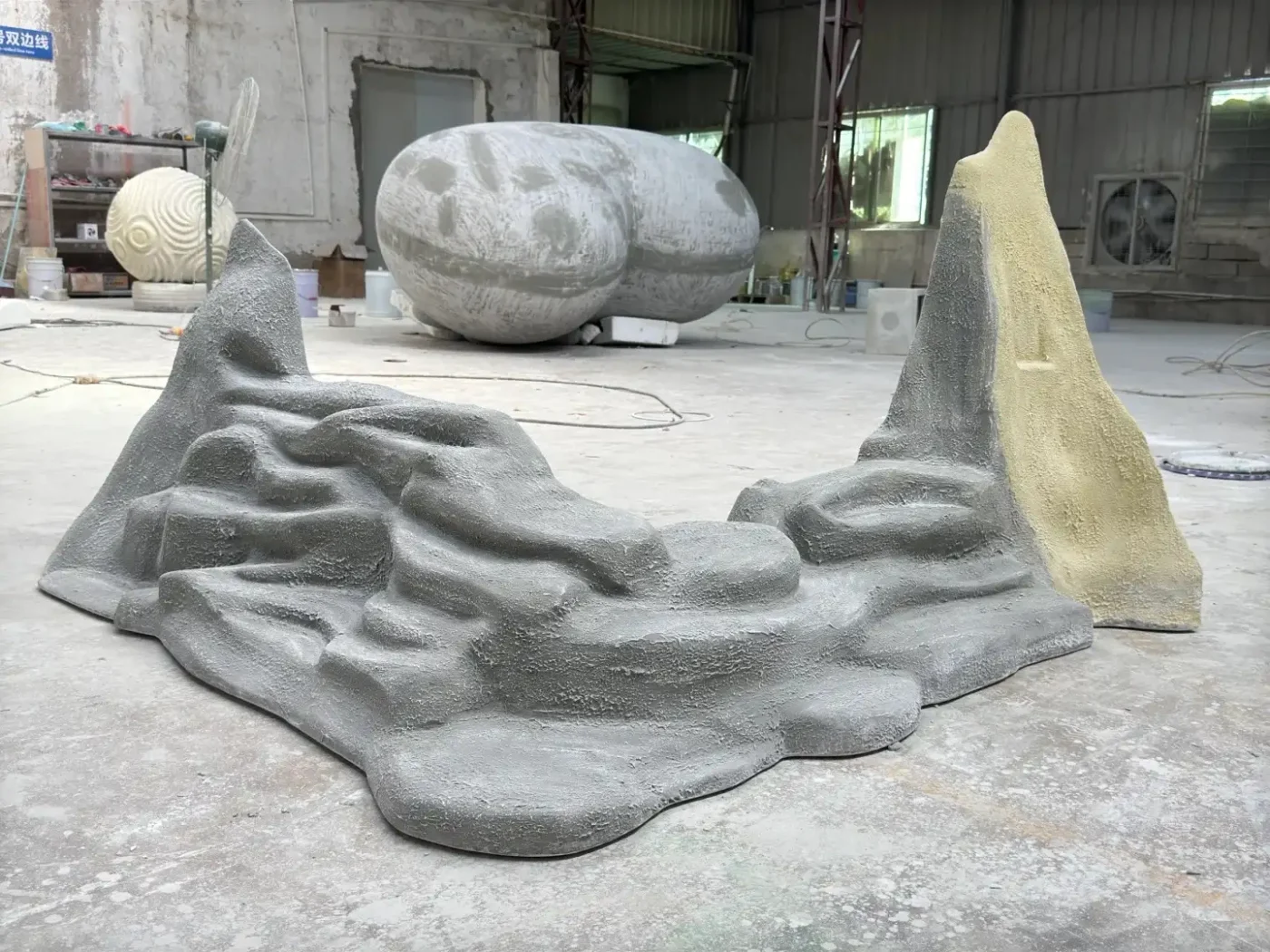
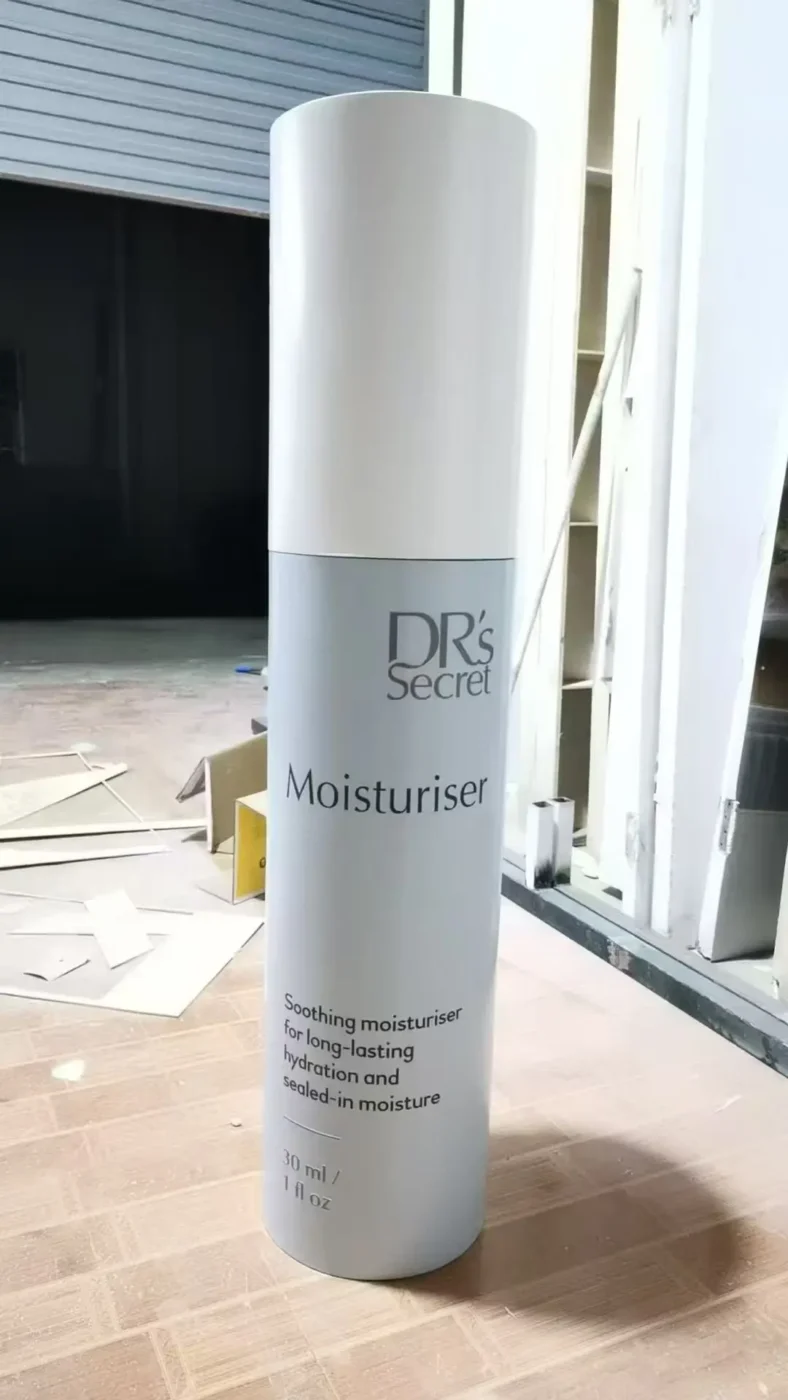
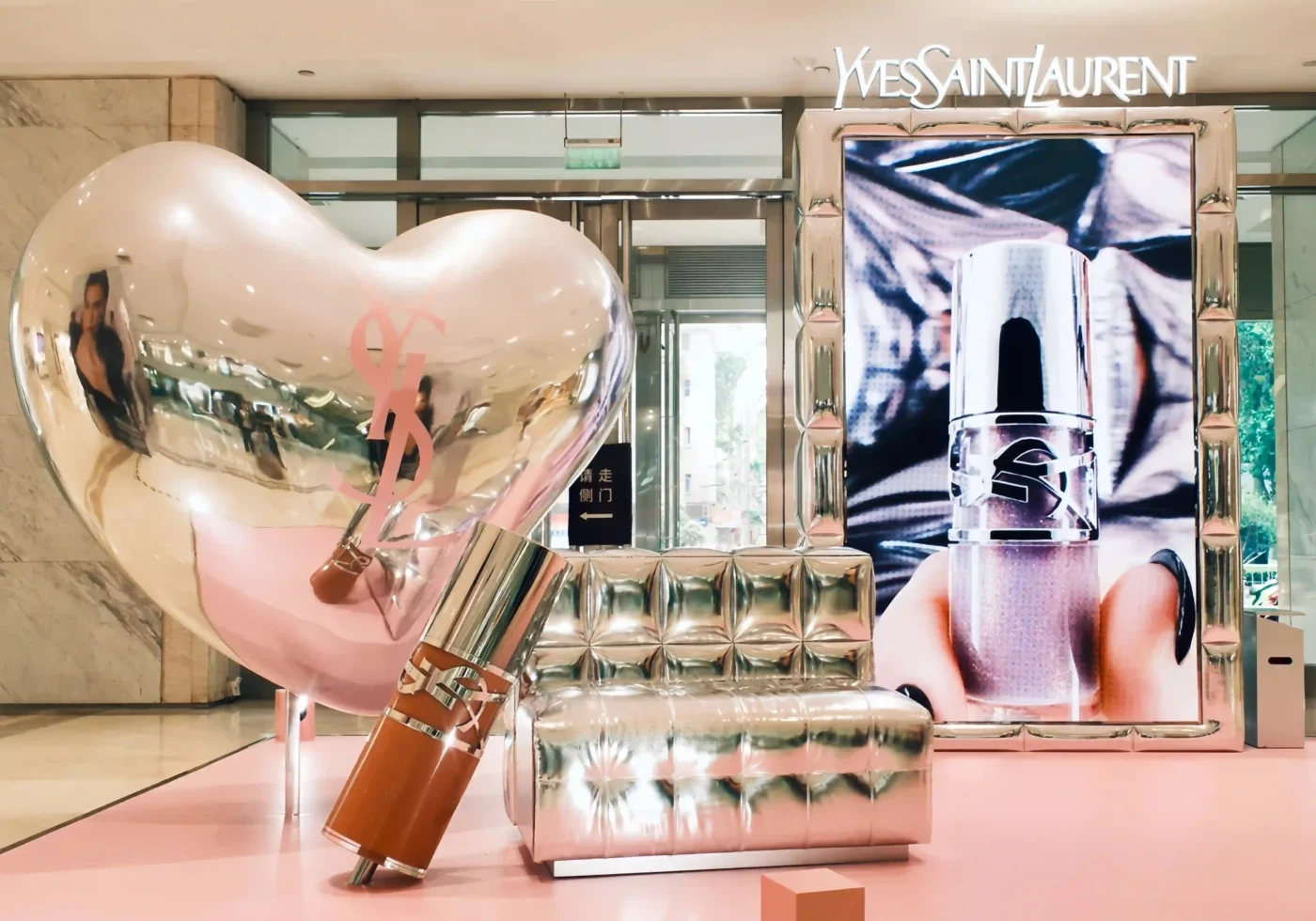
Sculptural and decorative props. Statement pieces — oversized product replicas, thematic sculptures, floral installations — that create social-media moments and spatial anchors. FRP (fibre-reinforced plastic) is the most common material for complex shapes because it can be moulded, sanded and finished with electroplating, PVD coating or UV vacuum metalizing to achieve metallic, matte or high-gloss effects.
Customer flow layout. In a temporary space, the path from entrance to product to checkout must be intuitive without permanent wayfinding infrastructure. Display prop placement defines circulation: counters create natural barriers, pedestals guide sightlines, and feature walls draw movement toward the rear of the space. Planning this layout alongside the props — not after — avoids last-minute repositioning on site.
Materials for Pop-Up Retail Displays
Material selection in pop-up design balances visual quality against three constraints that permanent retail does not face as sharply: the props must survive transport, allow fast assembly on site and — in many cases — be reusable across multiple activations.
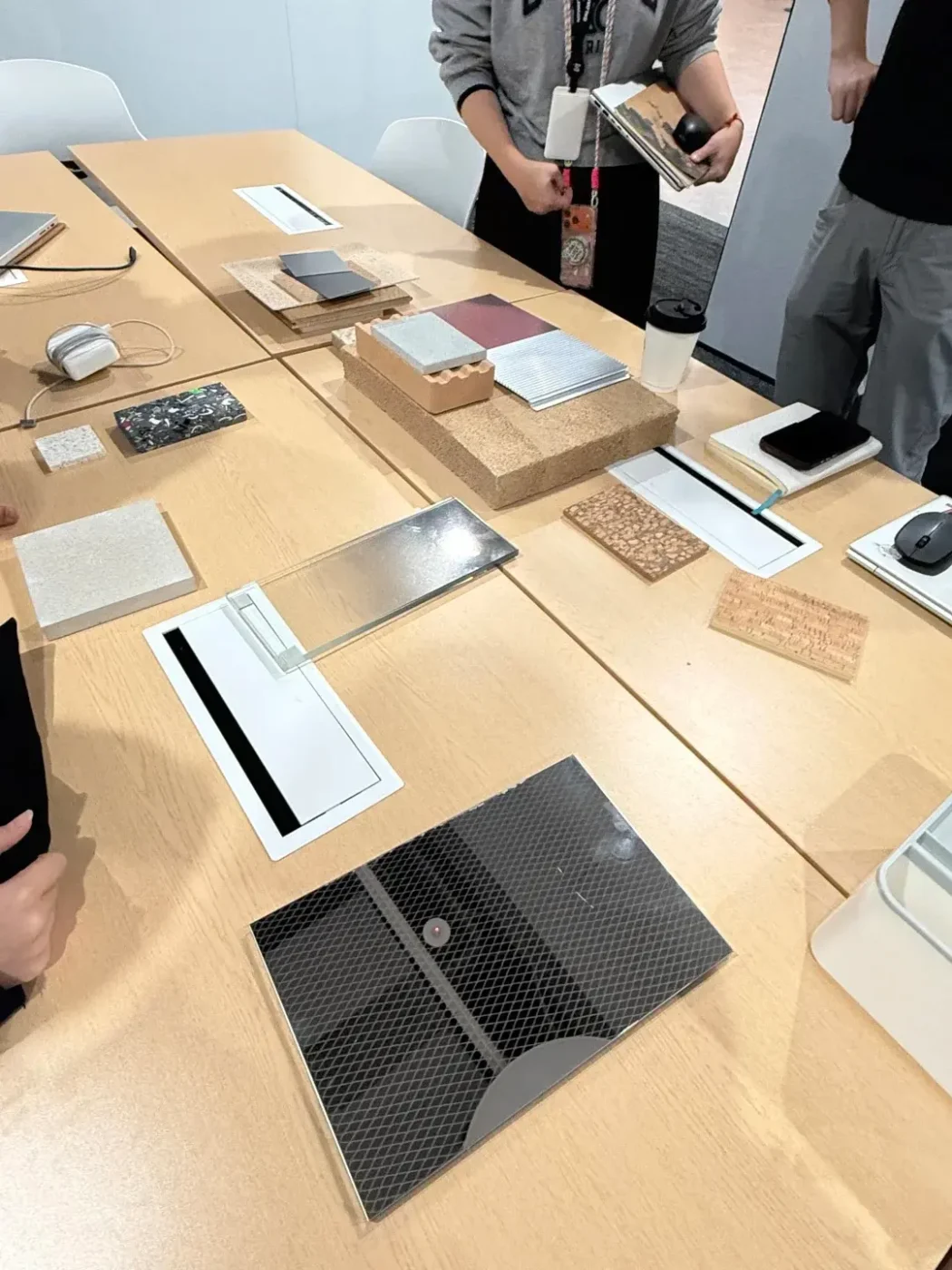
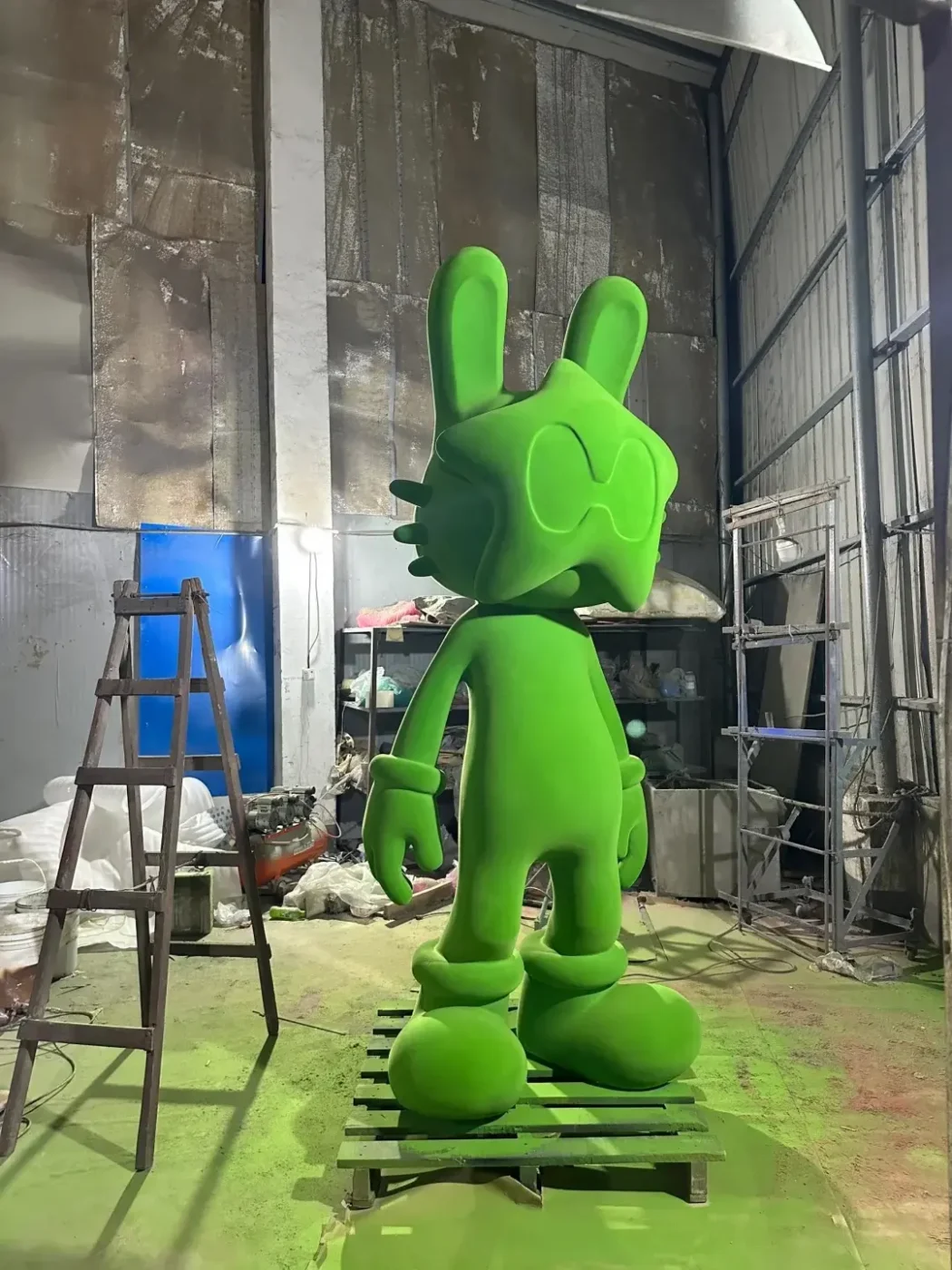
FRP / fibre-reinforced plastic. The default choice for sculptural and organic shapes — oversized flowers, animal figures, abstract brand icons. FRP is moulded from fibreglass over a custom mould, then finished with filler, sanding and surface treatment. It accepts a wide range of finishes: spray paint, flocking, electroplating and UV vacuum metalizing for mirror-chrome or brushed-metal effects. FRP is lighter than solid metal or stone, which matters for shipping costs and handling on site.
Metal — stainless steel (SS304 / SS316). Used for structural frames, display racks, shelving systems and lightbox housings. Laser-cut, TIG-welded and finished with PVD coating for rose-gold, champagne or black titanium tones. Stainless steel gives a pop-up the material credibility of a permanent fitout, and its durability supports multi-location reuse.
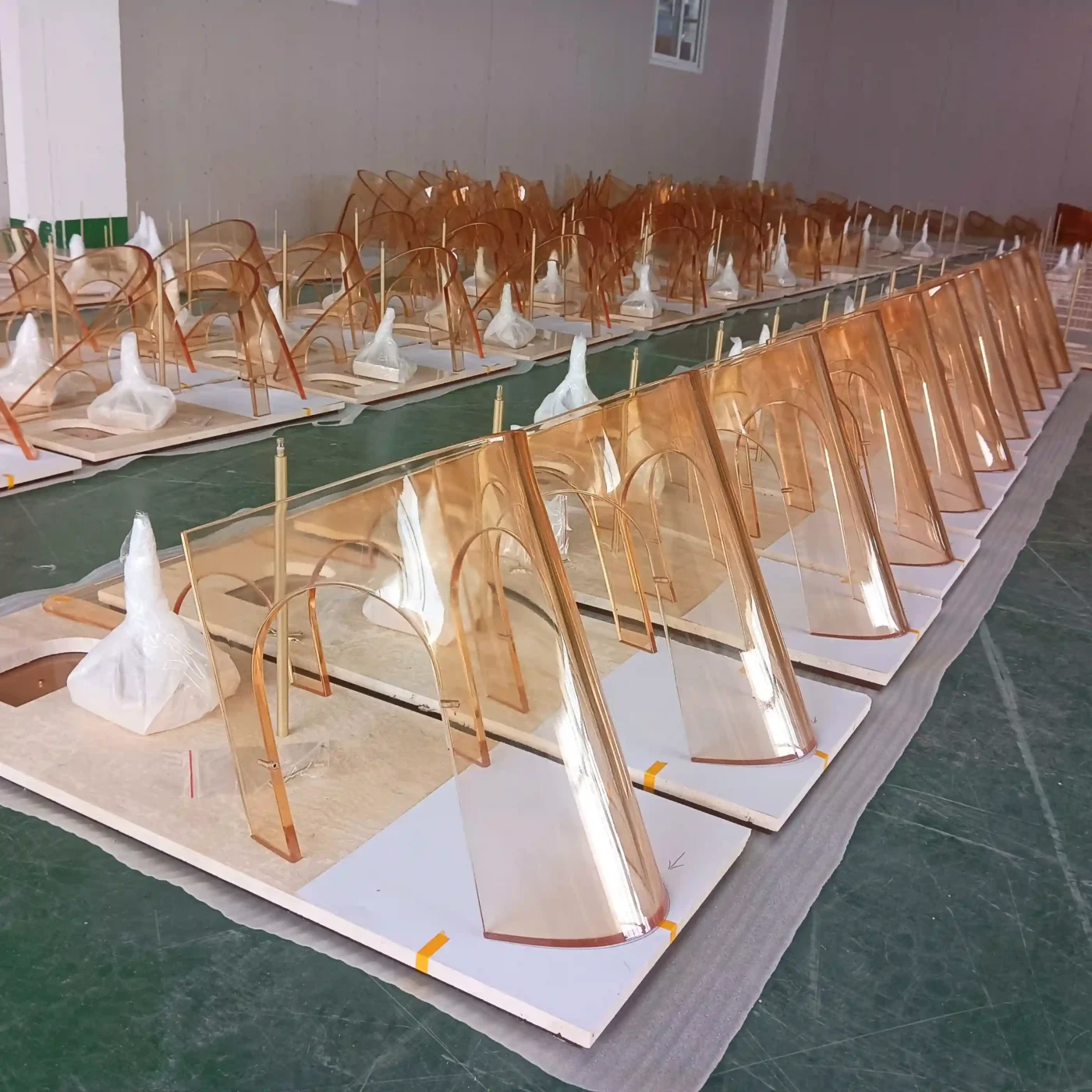
Acrylic (PMMA). Transparent, edge-lit or colour-tinted acrylic is used for signage panels, lightbox faces, countertop surfaces and product display risers. It machines cleanly, bonds with solvent cement and takes laser engraving and UV printing well. For pop-ups, acrylic’s light weight and shatter resistance compared to glass make it a practical choice for shipped components.
MDF and woodwork. The workhorse for counters, wall cladding, plinths and base structures. MDF is stable, paintable and cost-effective. Finished with lacquer, veneer or laminate, it provides the flat, precise surfaces that luxury-tier visual merchandising requires. Flat-pack construction is straightforward with MDF, making it a natural fit for shipped pop-up kits.
Surface finishes worth noting. Mirror-gold lettering is typically produced through vacuum forming, filler application, sanding and electroplating. Flocked surfaces — soft, velvet-like textures applied over FRP — are used for decorative figures and seasonal props. These finishing processes are what elevate a prop from functional to brand-appropriate.
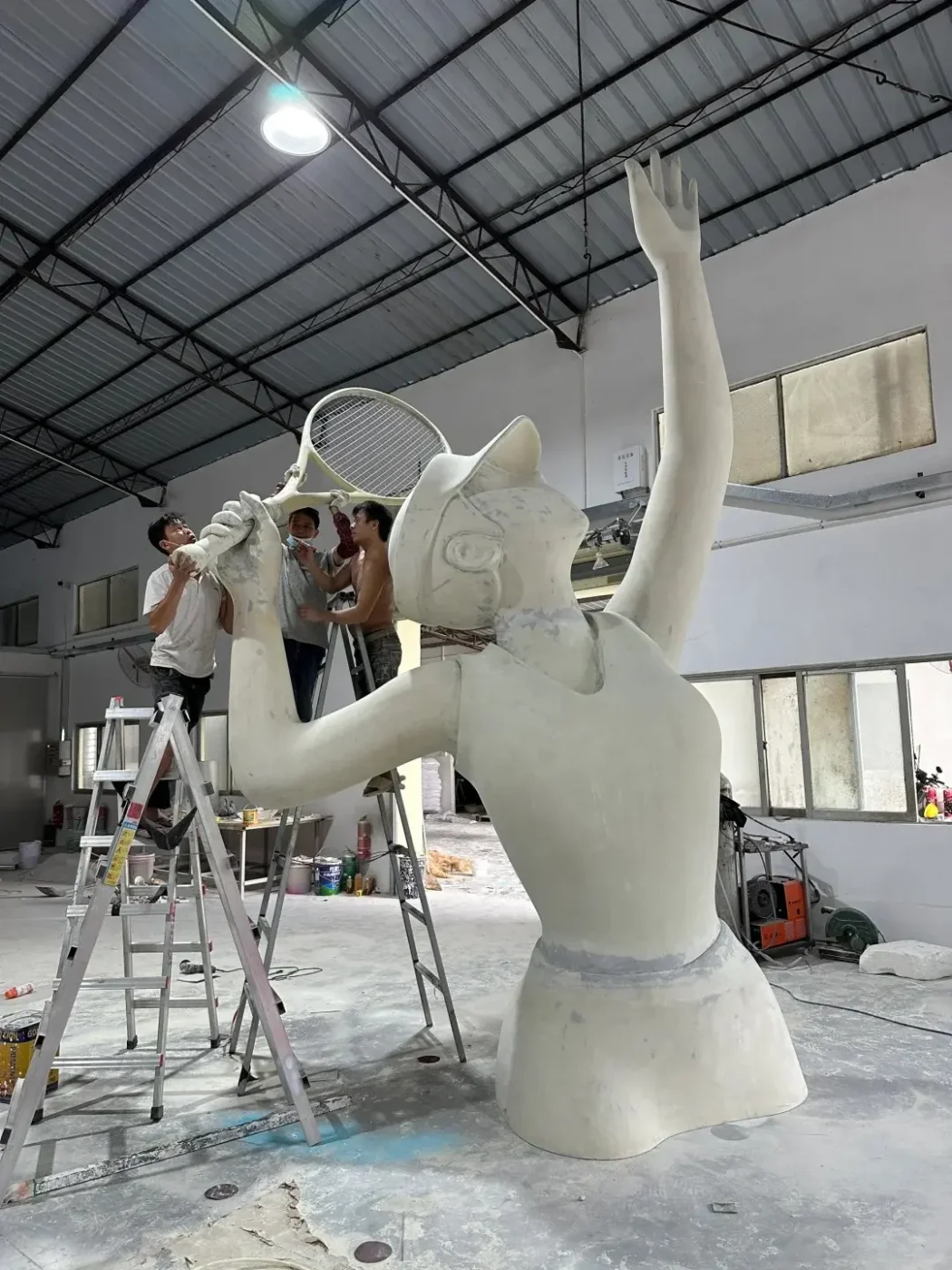
For a deeper look at each material and its manufacturing process, the Knowledge Hub has individual guides covering FRP, metal fabrication, acrylic, MDF and surface finishing techniques.
Pop-Up Display Production Timeline
Production timelines for pop-up display props depend on complexity, material mix and shipping method — but the underlying structure is consistent. Working backward from the opening date is the only reliable way to plan.
A typical sequence looks like this:
Design confirmation and 3D modelling — 3 to 5 working days. The manufacturer reviews the design agency’s concept, builds or refines 3D models with production-ready dimensions, and flags any structural or material concerns before sampling begins.
Sampling — 12 to 15 working days depending on material. FRP sculptural props typically require around 15 days from mould construction to finished, surface-treated sample. Acrylic components run shorter at approximately 12 days. Complex multi-material props may need sequential sampling — the metal frame first, then the acrylic or FRP elements fitted to it.
Client review and revision — variable. Sample approval can take one round or several. Each revision cycle adds time, which is why early design-for-manufacture alignment matters.
Batch production — 12 to 20 working days. Once the sample is approved, batch production scales the validated process. FRP batches run approximately 15 days; acrylic batches approximately 12 days. Multi-material orders are staggered so sub-assemblies converge at the right time.
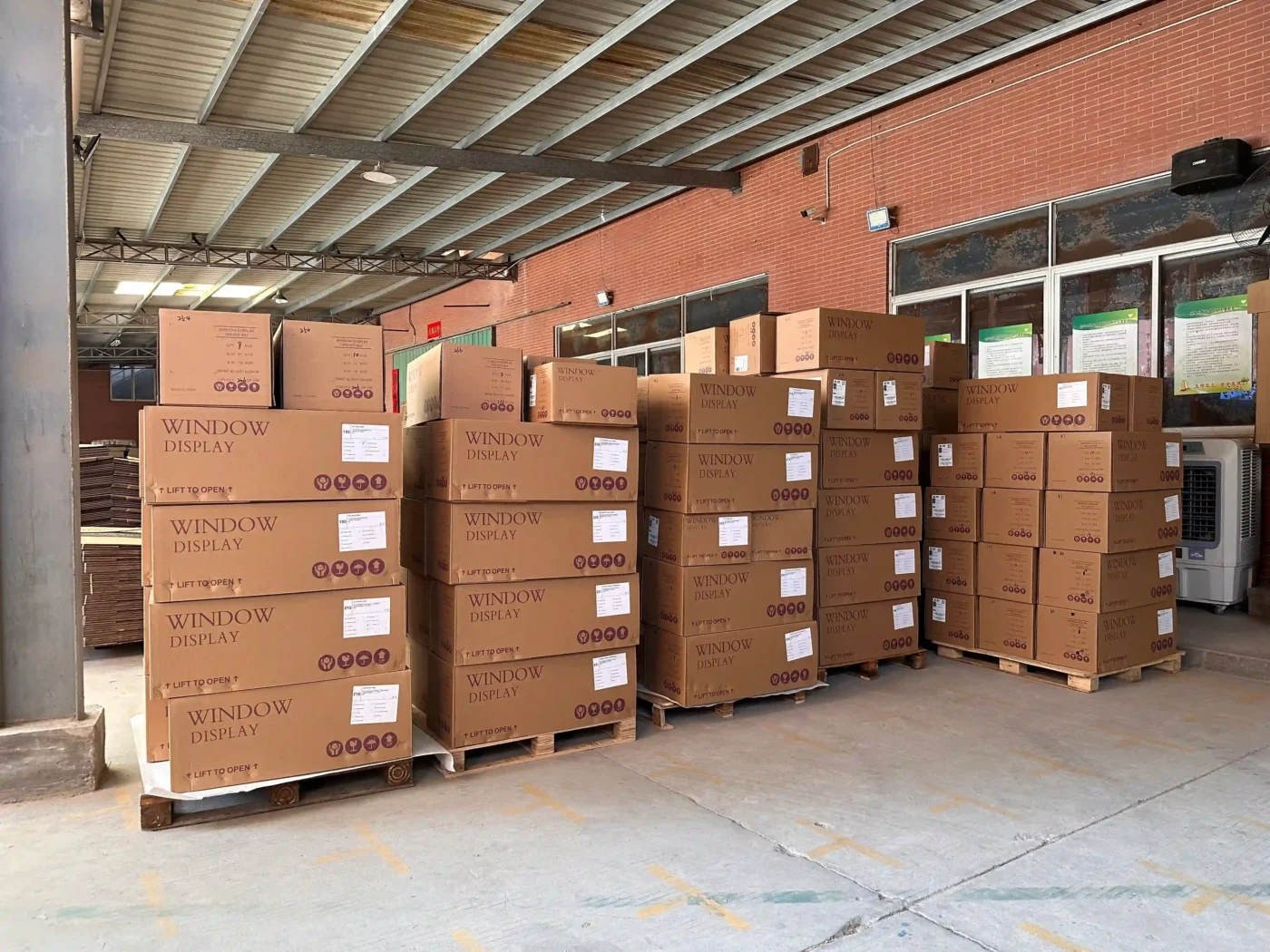
Shipping — 8 to 50 days depending on method. Sea freight to Europe or North America takes approximately 40 to 50 days. Air freight door-to-door runs 8 to 12 days for bulky or high-volume shipments. The shipping method is often the single largest variable in the timeline — and the decision that gets made too late.
On-site installation — 1 to 5 days. Depending on venue access windows, union labour rules and the complexity of the setup, installation can range from an overnight crew call to a multi-day build.
For a more detailed breakdown of how these phases interact across seasonal campaigns, the Visual Merchandising Production Timeline guide covers planning from brief to store installation.
When Should a Display Props Manufacturer Join the Project?
The short answer: as early as the design concept stage — not after the visual design is finalised and signed off.
A display props manufacturer who joins early can advise on material feasibility before a concept becomes locked. Questions like whether an organic shape works better in FRP or carved foam, whether a metallic finish needs electroplating or PVD coating, whether a structure can be broken into shippable modules, and whether the timeline leaves enough room for sampling and revision — these are production questions, but they directly affect design decisions.
When the manufacturer joins late — after renderings are approved and expectations set — the options narrow. Structural changes cost more, sampling timelines compress, and the risk of a mismatch between the approved visual and the buildable reality increases.
The practical recommendation is to involve the production partner at the same stage the design agency shares initial concept sketches or moodboards. That parallel workflow — design and production planning running together — is what keeps pop-up projects on schedule without forcing compromises at the end.
To start that conversation early, the Contact page is the fastest route.
Need Pop-Up Display Props for a Retail Campaign?
A strong pop-up design becomes easier to execute when display props, lightboxes, counters, backdrops and installation details are planned before production. VM Display helps retail teams turn pop-up concepts into custom display props — from material samples and production drawings to pre-assembled components and export-ready packaging.