Harlequin Design is known publicly as a London commercial and retail design agency, and for VM teams, its work direction sits in a space that many luxury brands care about: retail windows, branded environments, display storytelling and physical customer experience. When we look at companies like Harlequin Design, the most useful question is not simply whether the final window looks impressive. The better question is: what kind of production thinking is needed behind a refined retail display so that the finished installation feels clean, stable and brand-right in a real store?
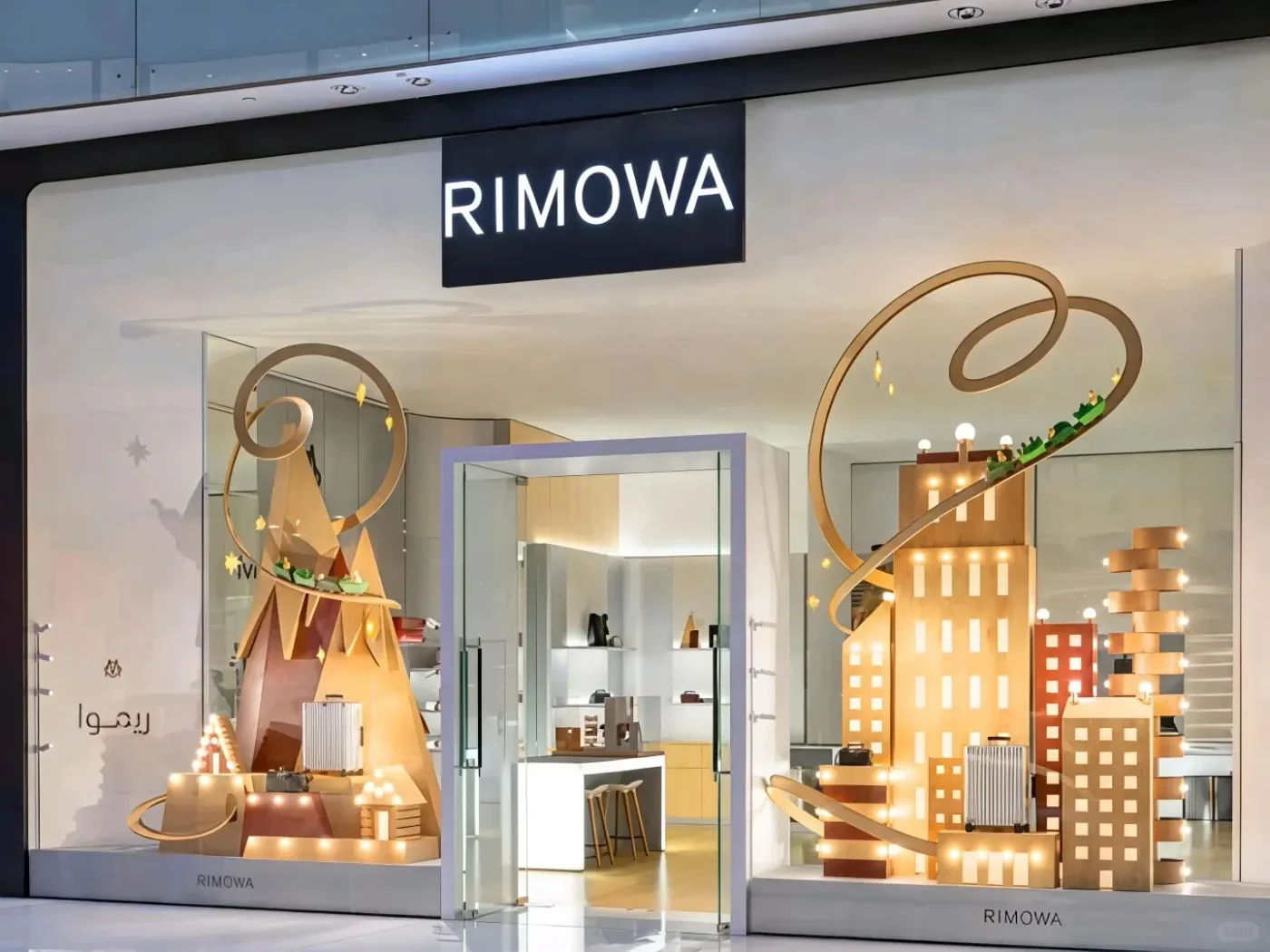
What Makes a Retail Window Display Work Behind the Scenes
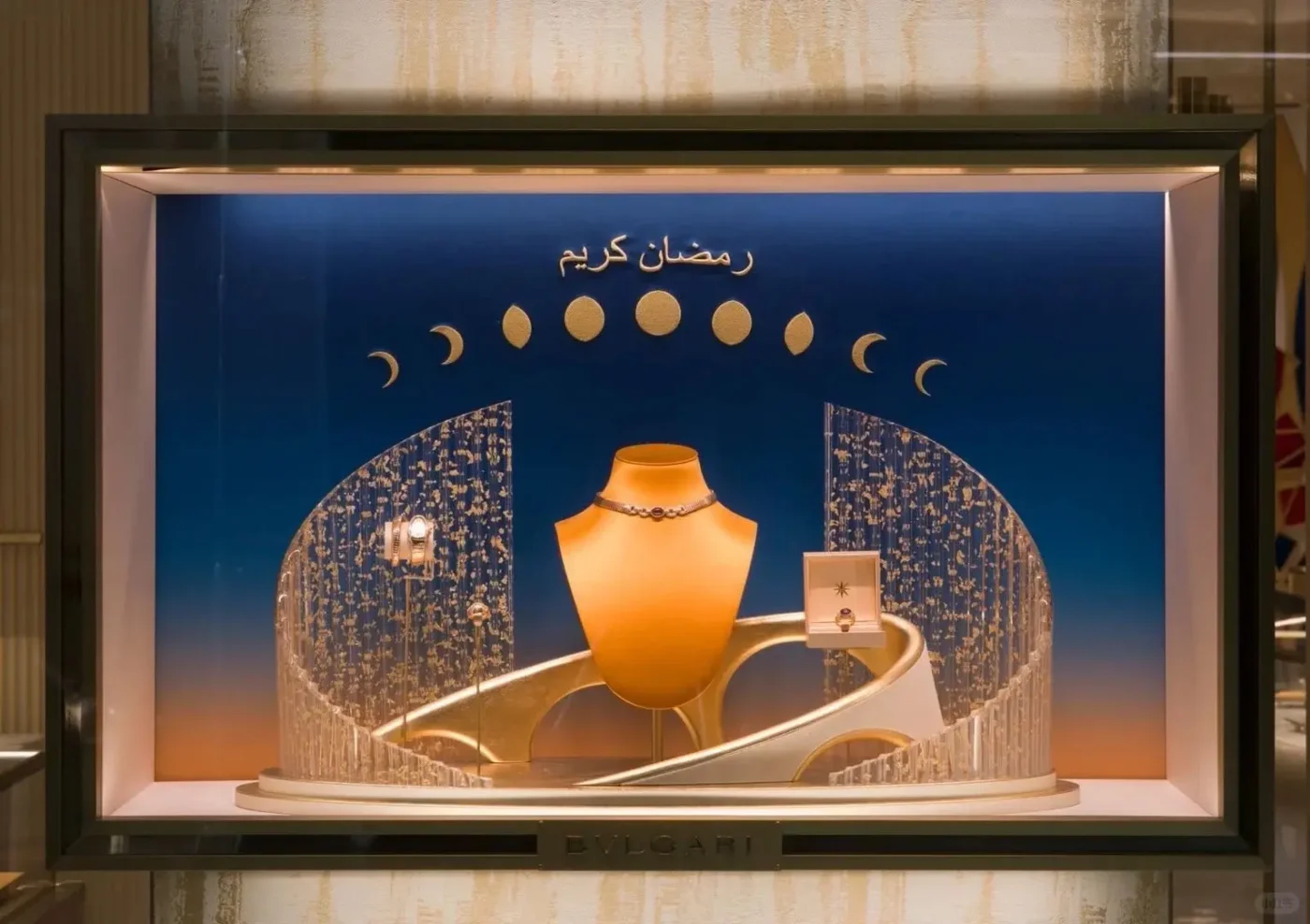
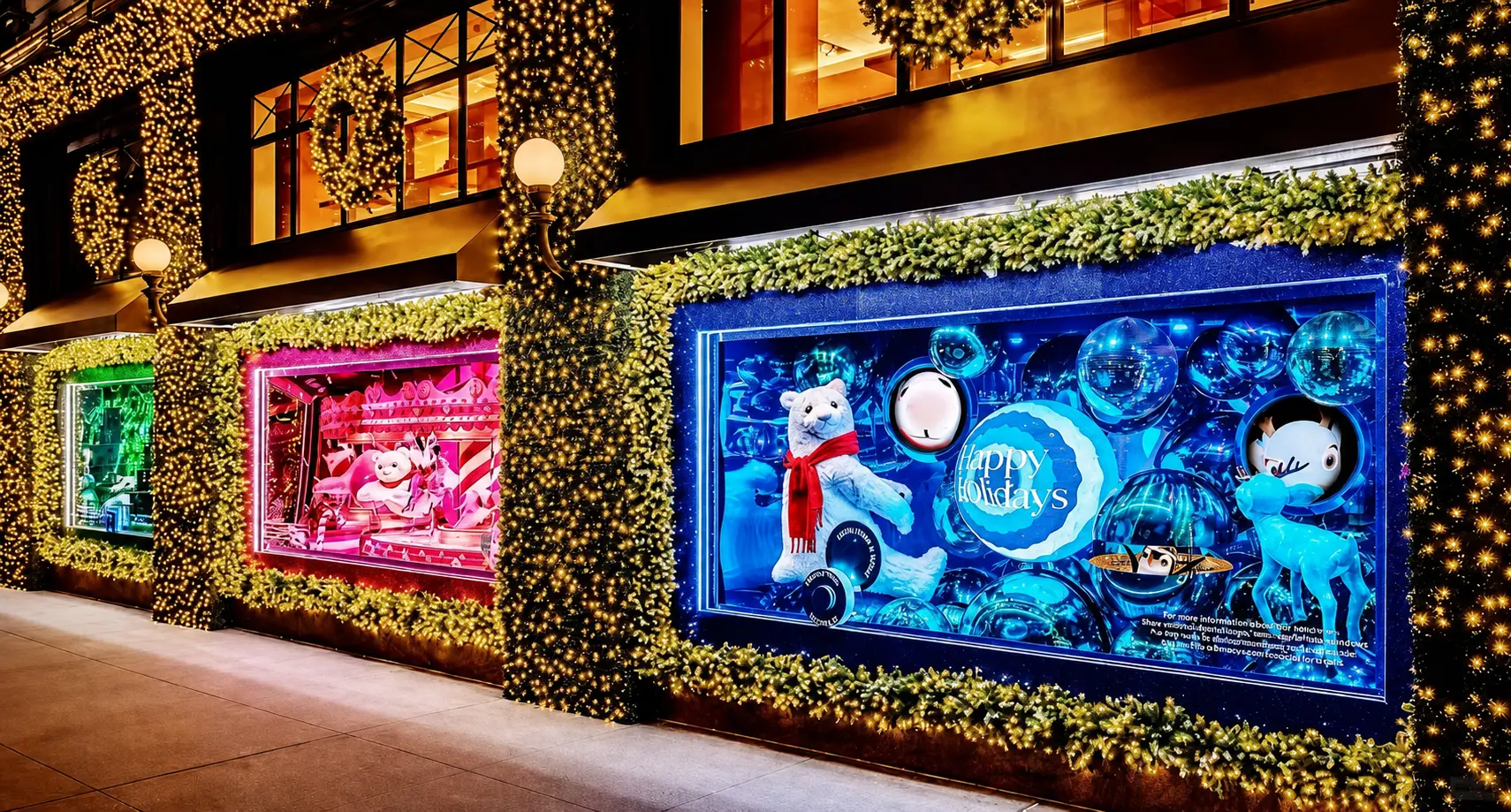
A good retail window display usually looks effortless from the street. The customer sees a clear product story, a controlled color palette, a strong hero object and a premium atmosphere. Behind that surface, however, the production team has to solve many practical issues: How heavy is the main prop? Can it pass through the store entrance? Will the finish reflect too much light behind glass? Can the installation team assemble it overnight? Can the same look be repeated across several stores? These are the questions we consider when producing custom window display props for luxury retail campaigns.
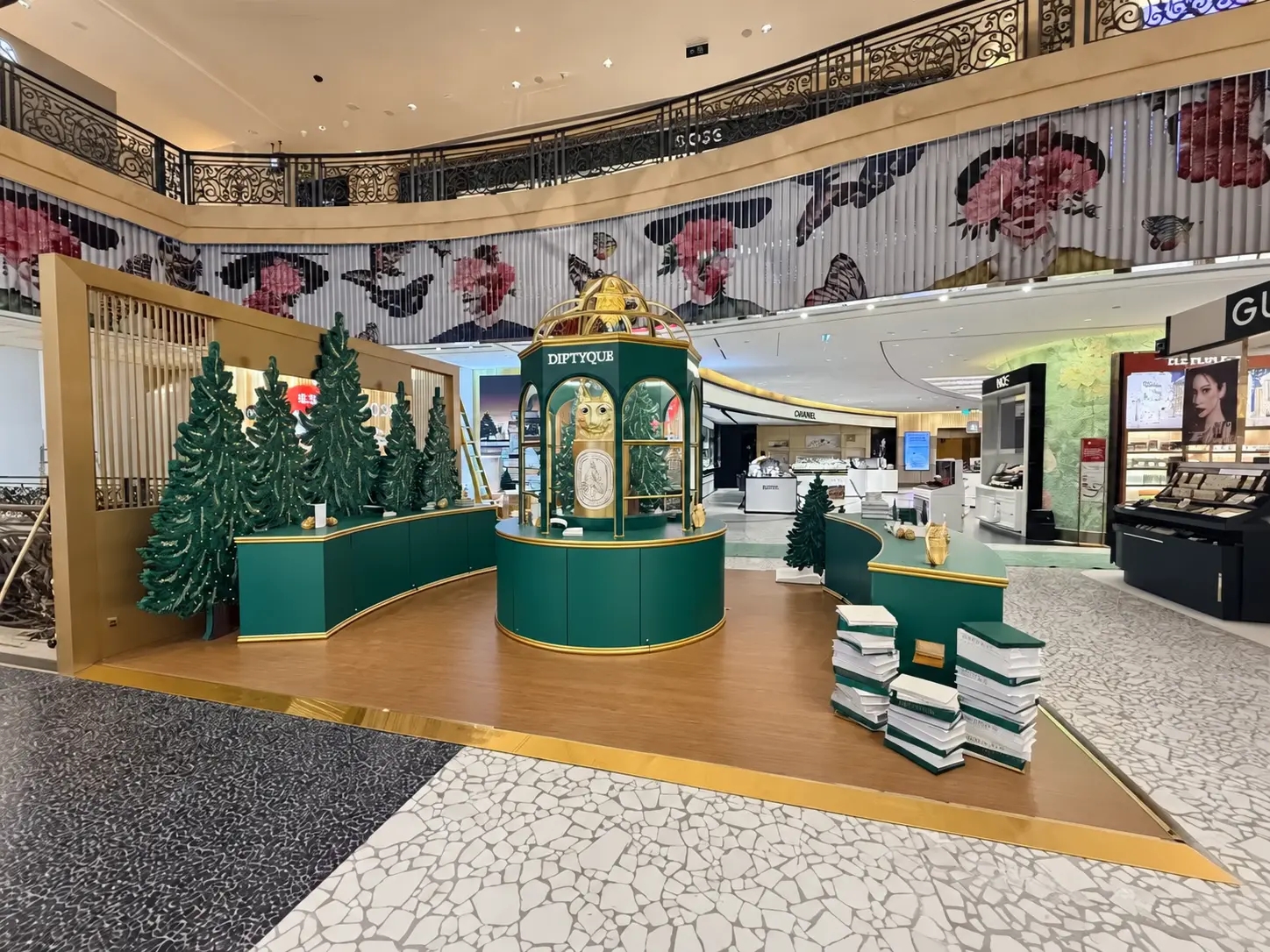
In visual merchandising, the window is often the most compressed form of brand communication. It has limited space, limited viewing time and usually a fixed campaign deadline. According to general visual merchandising principles, store windows and in-store displays help attract attention, present products and strengthen brand identity. For manufacturers, this means every object in the window needs a clear job. A sculptural prop may create visual impact. A plinth may control product height. A backdrop may separate the campaign from the store interior. A lighting element may guide the viewer’s eye. None of these parts should feel random. They should work together as one retail window display system.
From Design Brief to Buildable Plan
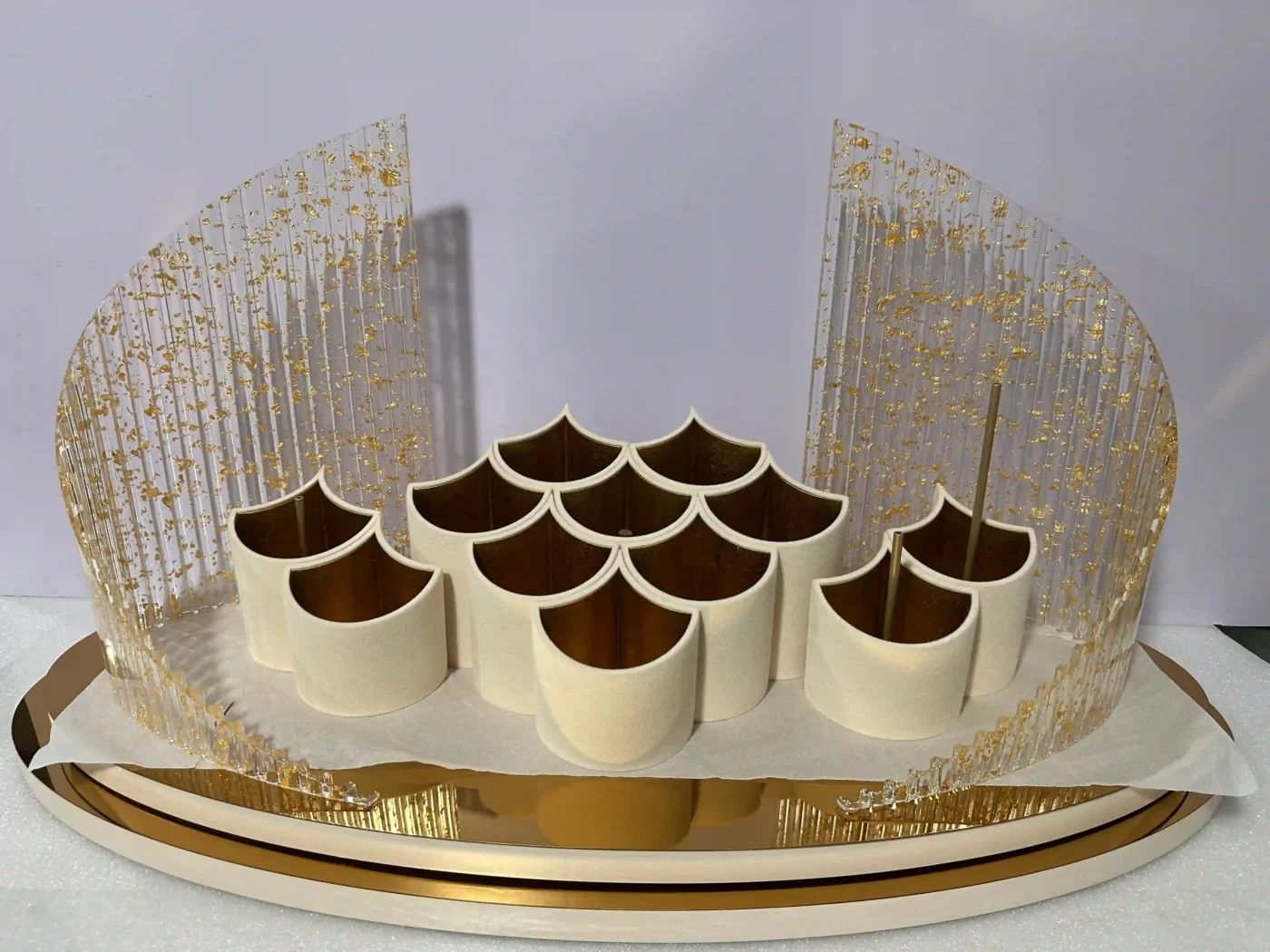
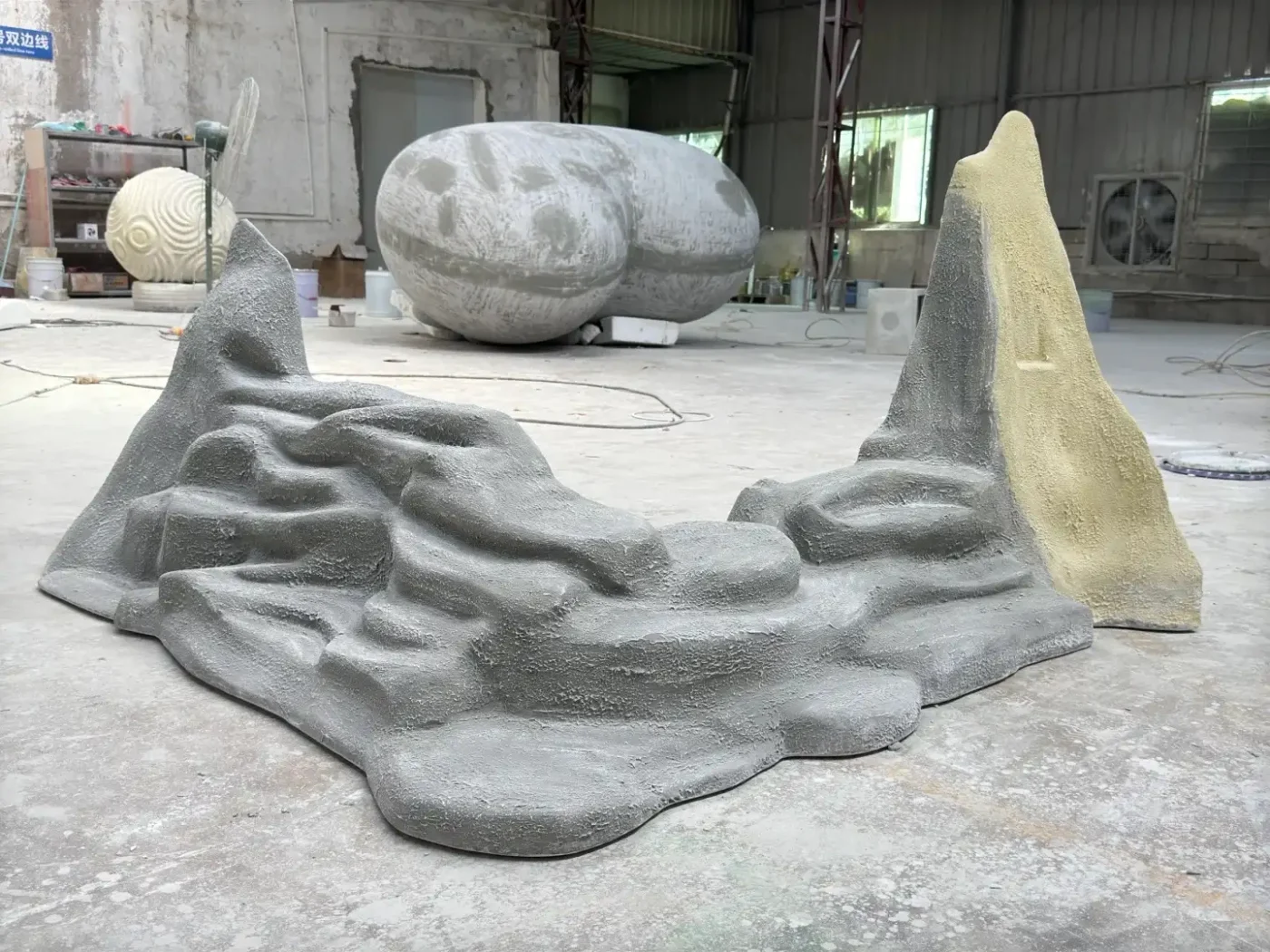
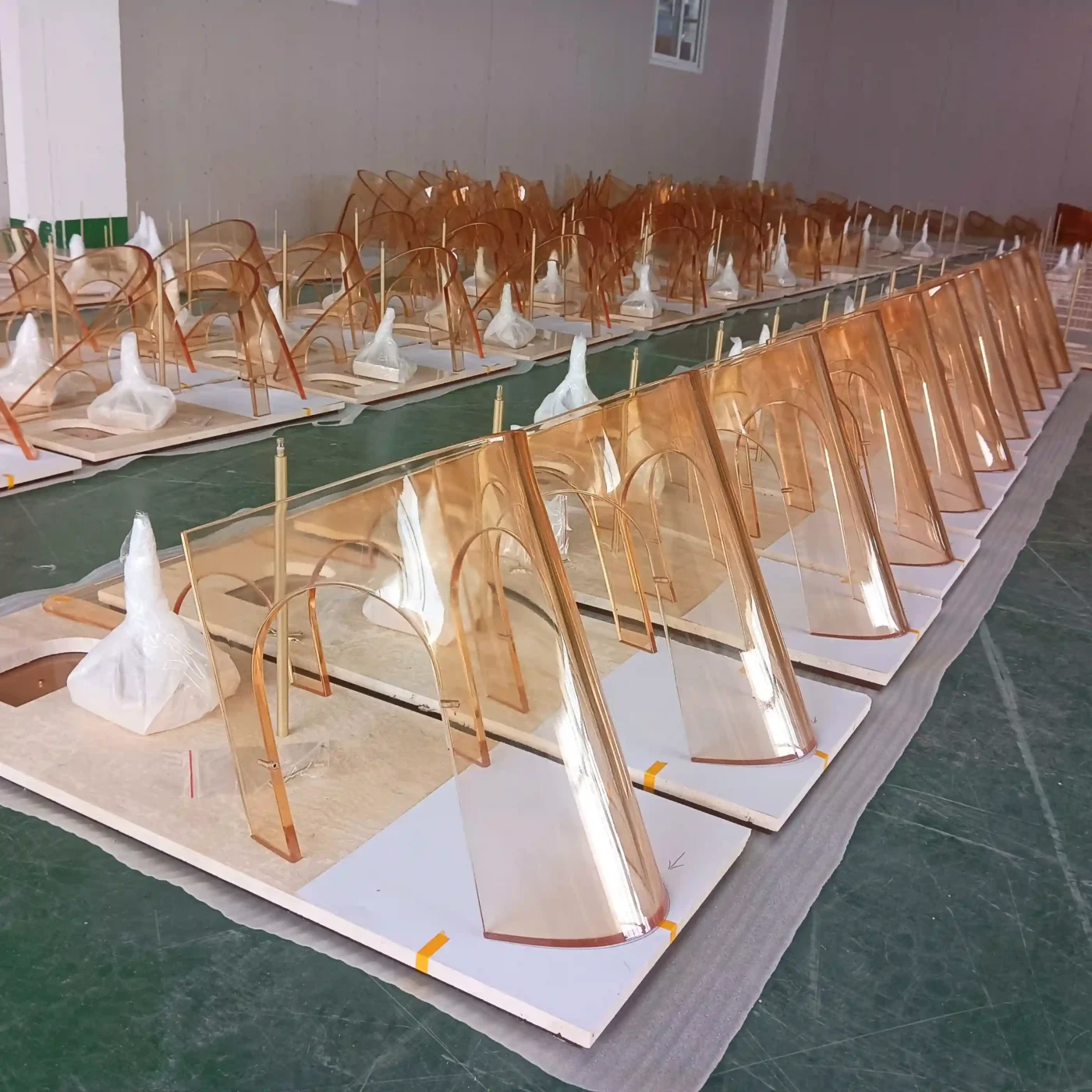
From our manufacturing side, the first stage is always interpretation. A designer or VM agency may provide a sketch, mood board, reference image, 3D rendering or technical drawing. Our job is to turn that visual direction into a buildable plan. If the design calls for a soft organic shape, we need to decide whether FRP, foam, resin or fabric wrapping is most suitable. If it requires a mirror surface, we need to consider stainless steel, acrylic mirror, chrome paint, electroplating or UV metallising. If the window includes illuminated logos, we need to plan acrylic diffusion, wiring, access points and heat control. This is where display props manufacturing becomes part of the creative result, not just a back-end process.
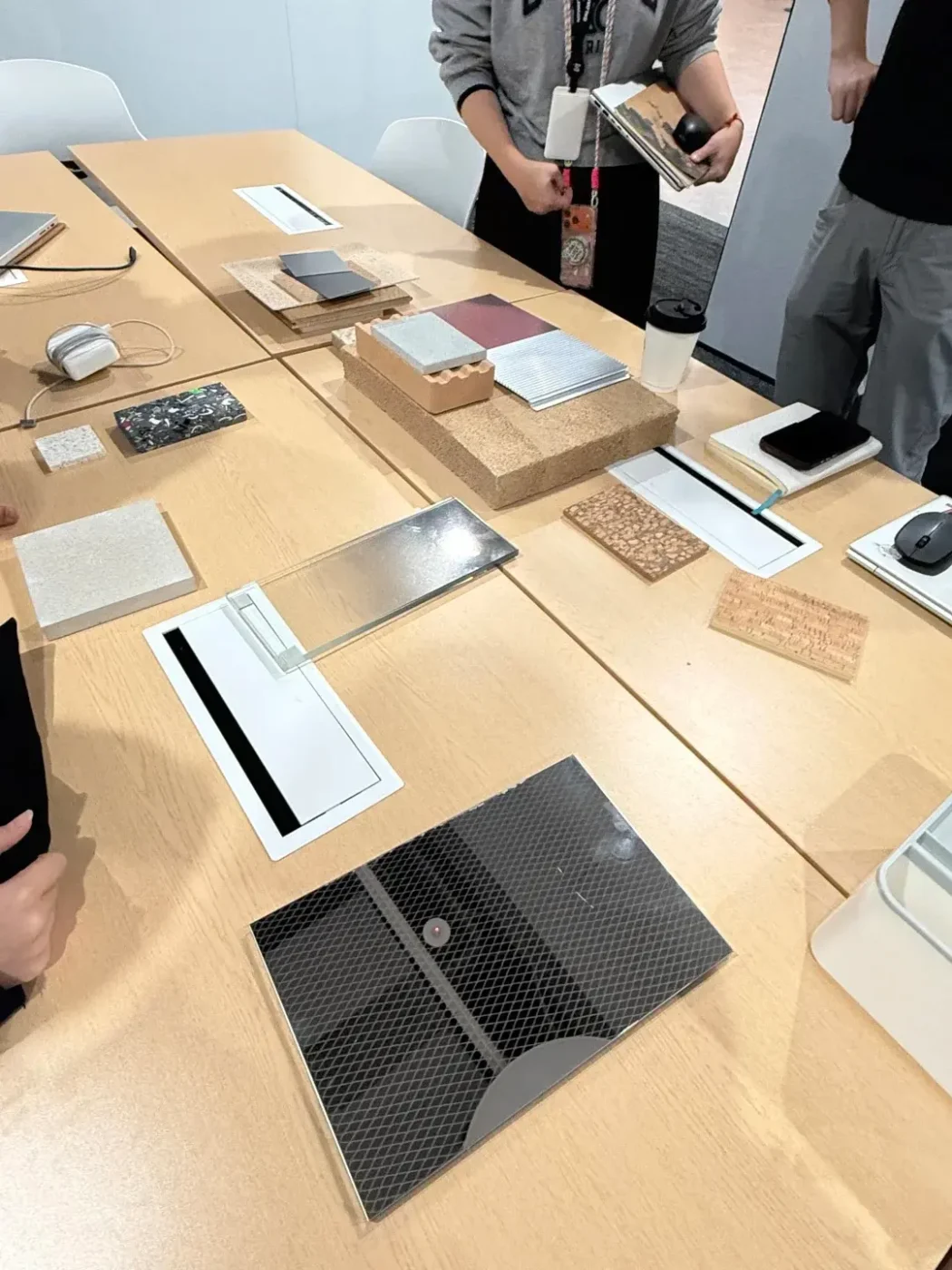
Surface Finishing: Where Visual Quality Is Won or Lost
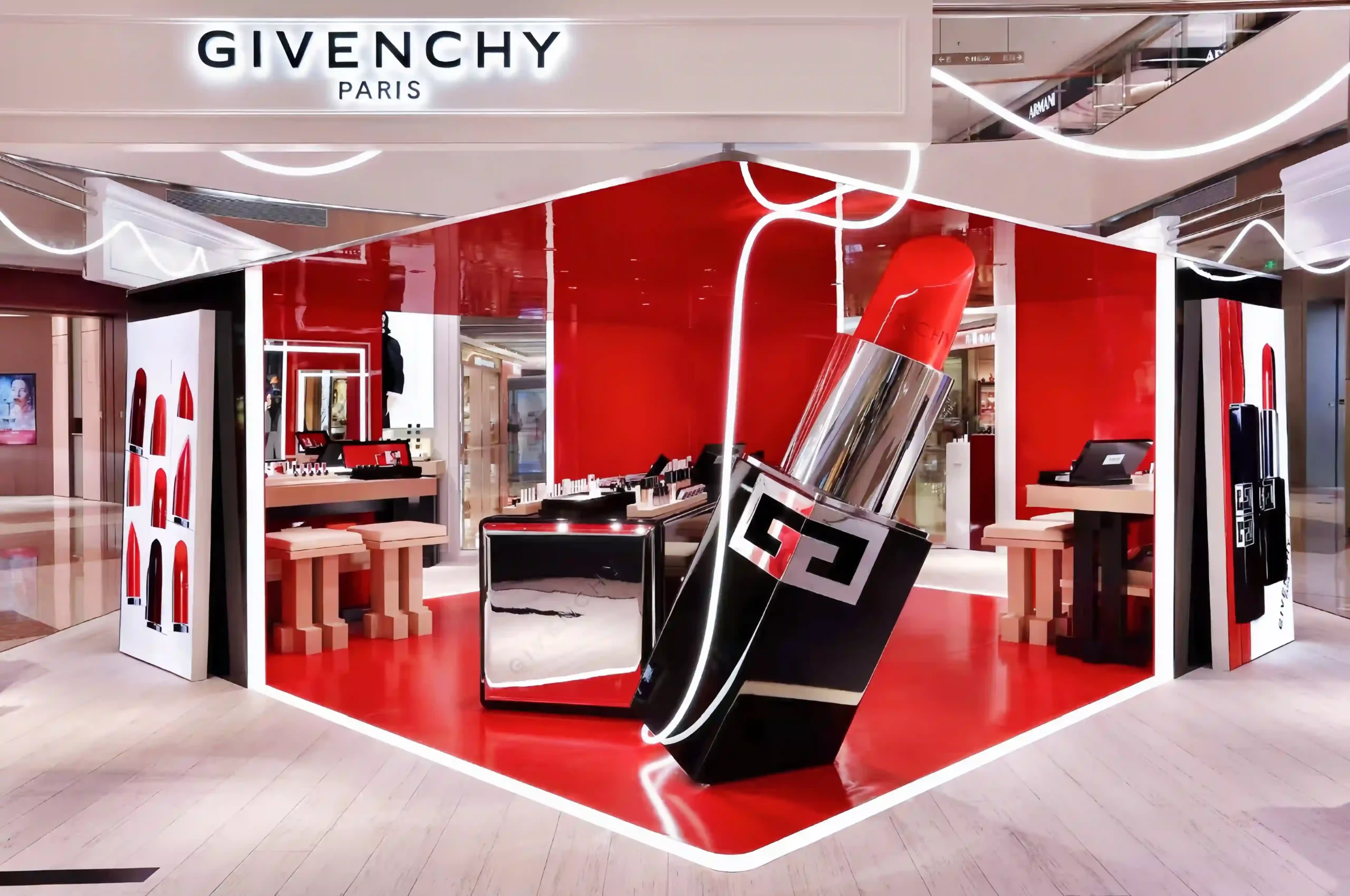
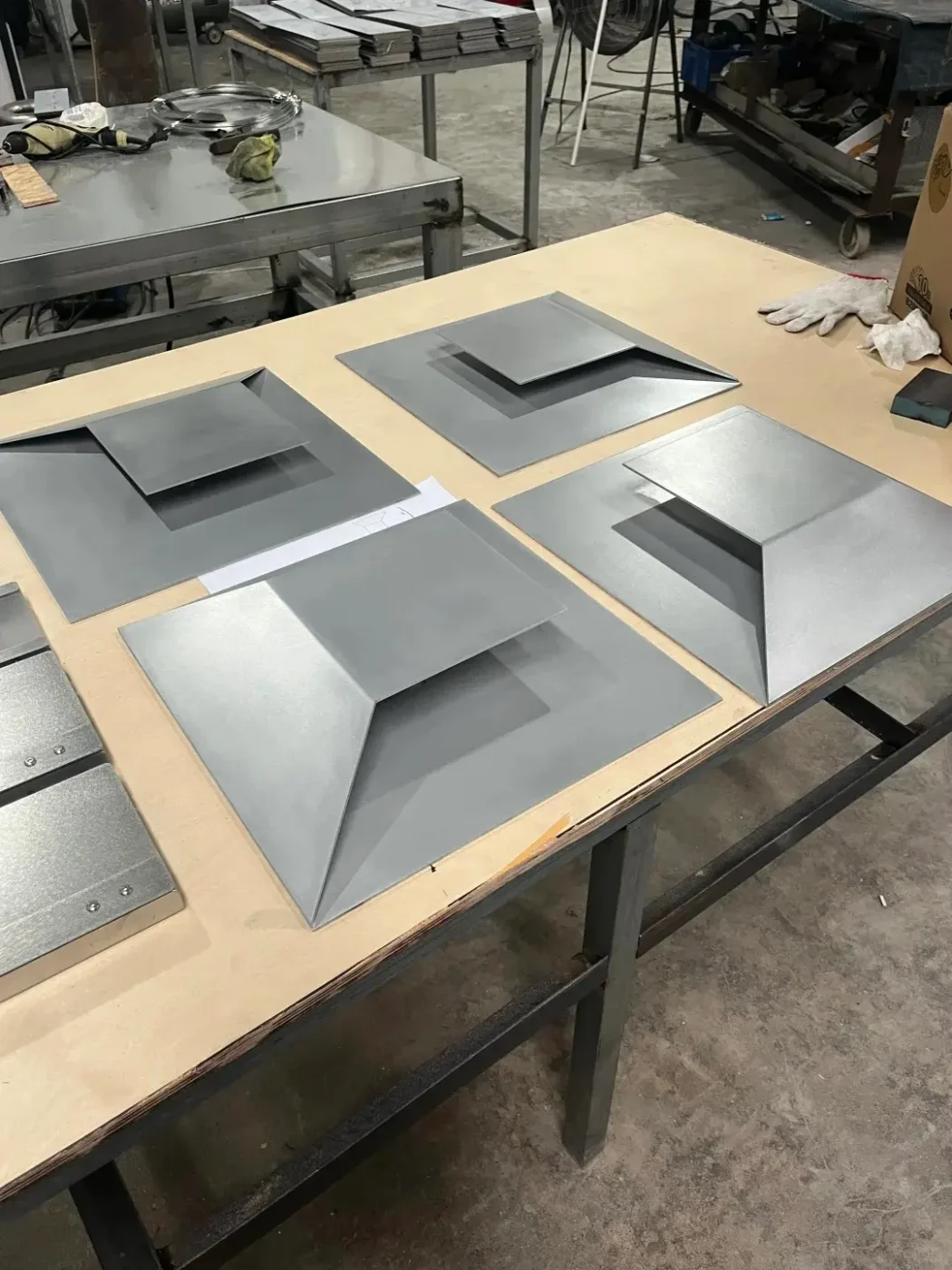
For high-end retail windows, surface finish is often more important than people expect. A prop can have the right shape but still fail visually if the finish is not controlled. Gloss paint needs a smooth base. Metallic coating needs clean sanding and stable undercoat. Acrylic edges need polishing. Wood or MDF structures need careful sealing before painting. Fabric wrapping needs tension control. If a window display is lit from above or viewed through glass, small imperfections become easier to see. That is why retail display surface finishing should be approved through samples before full production begins.
Choosing the Right Material for Oversized Props
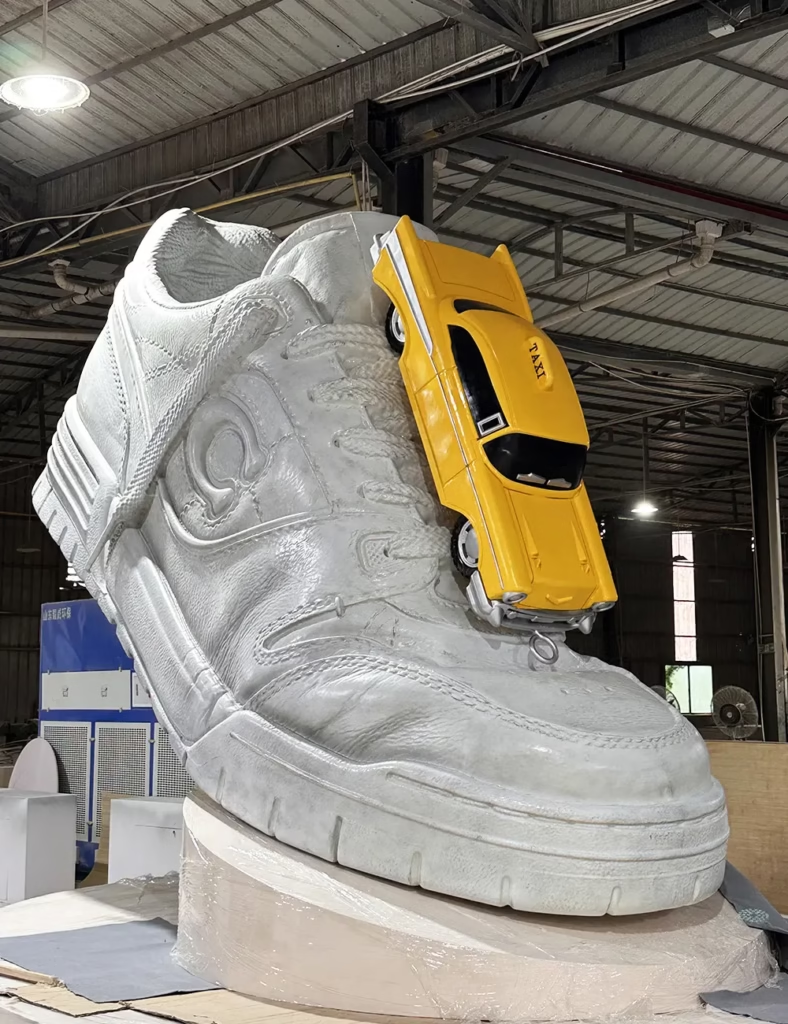
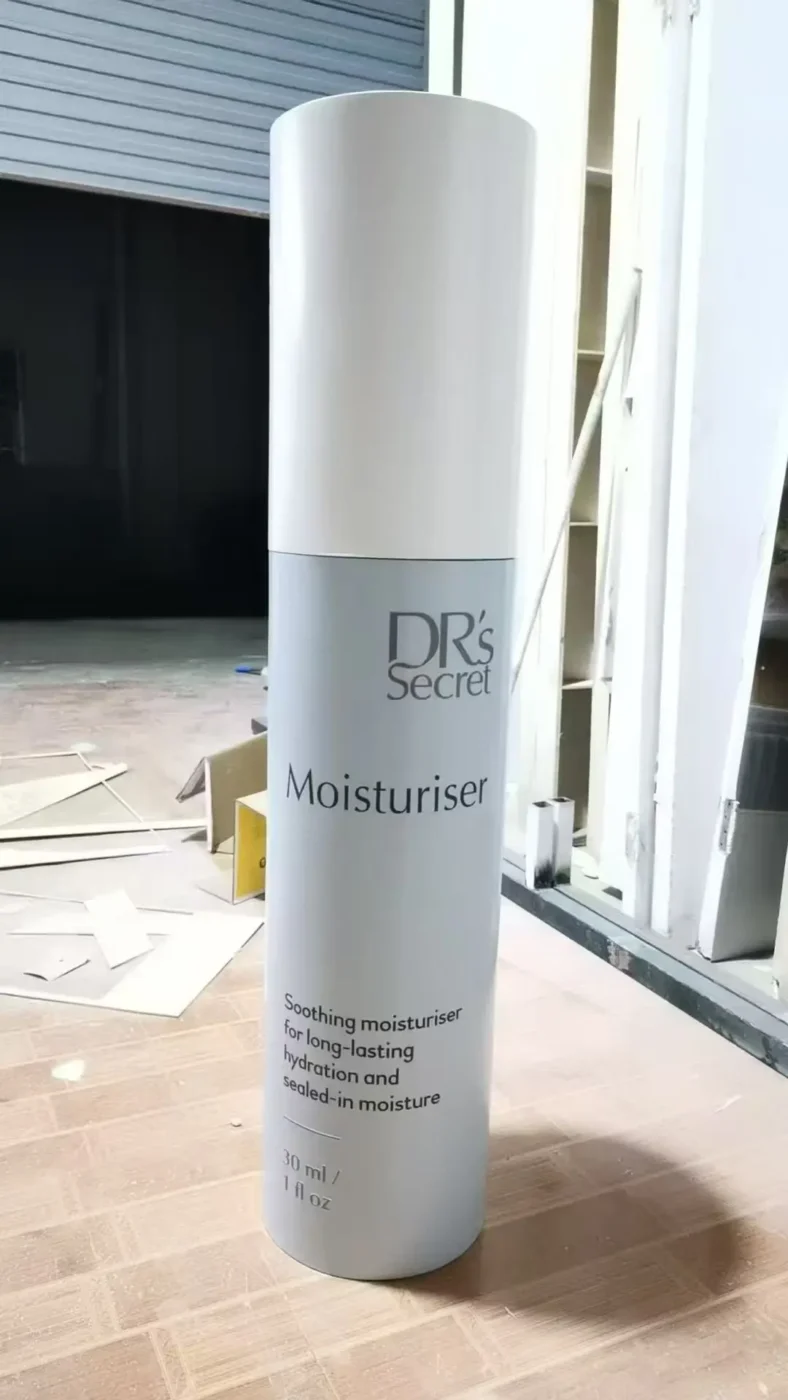
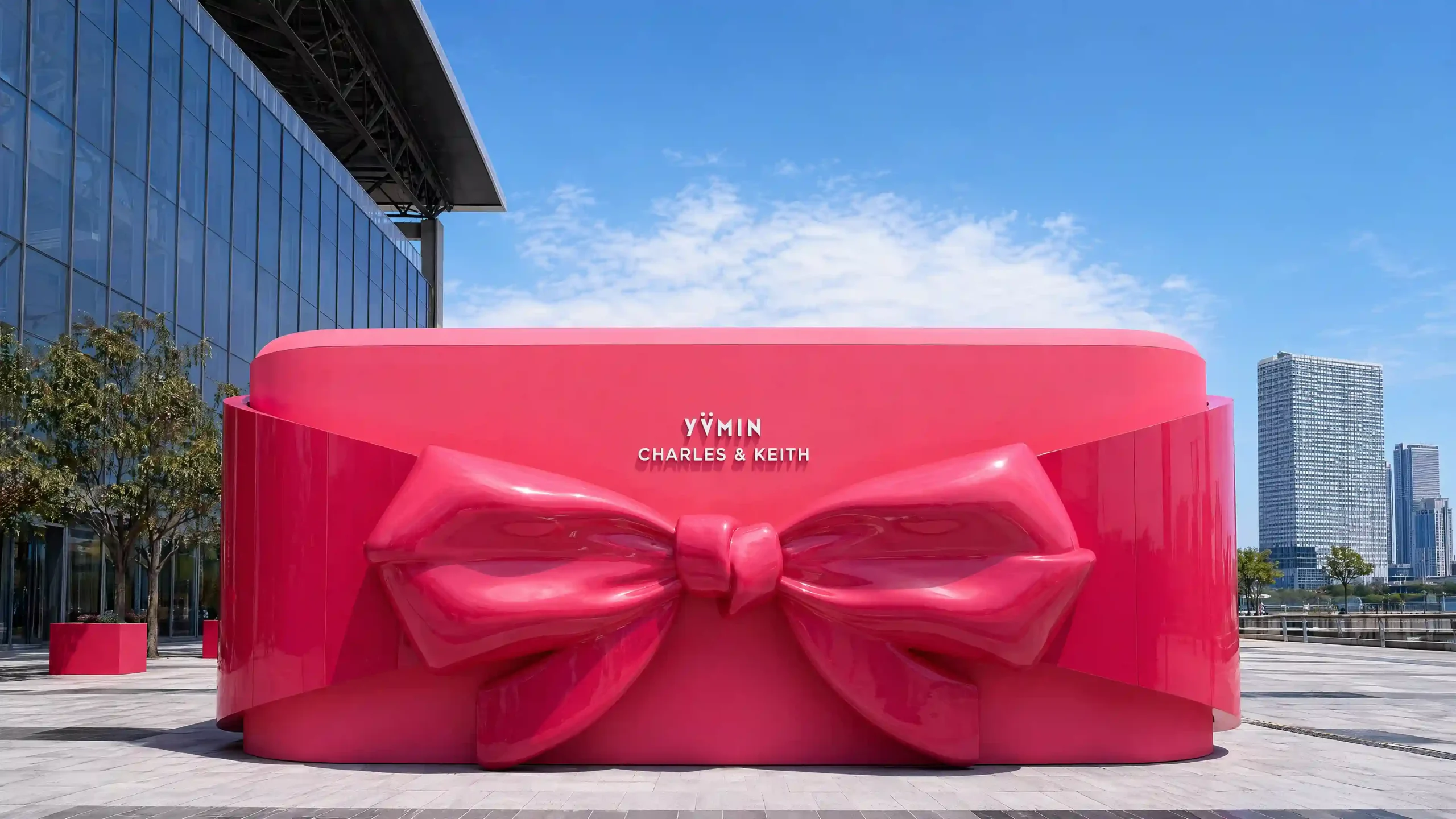
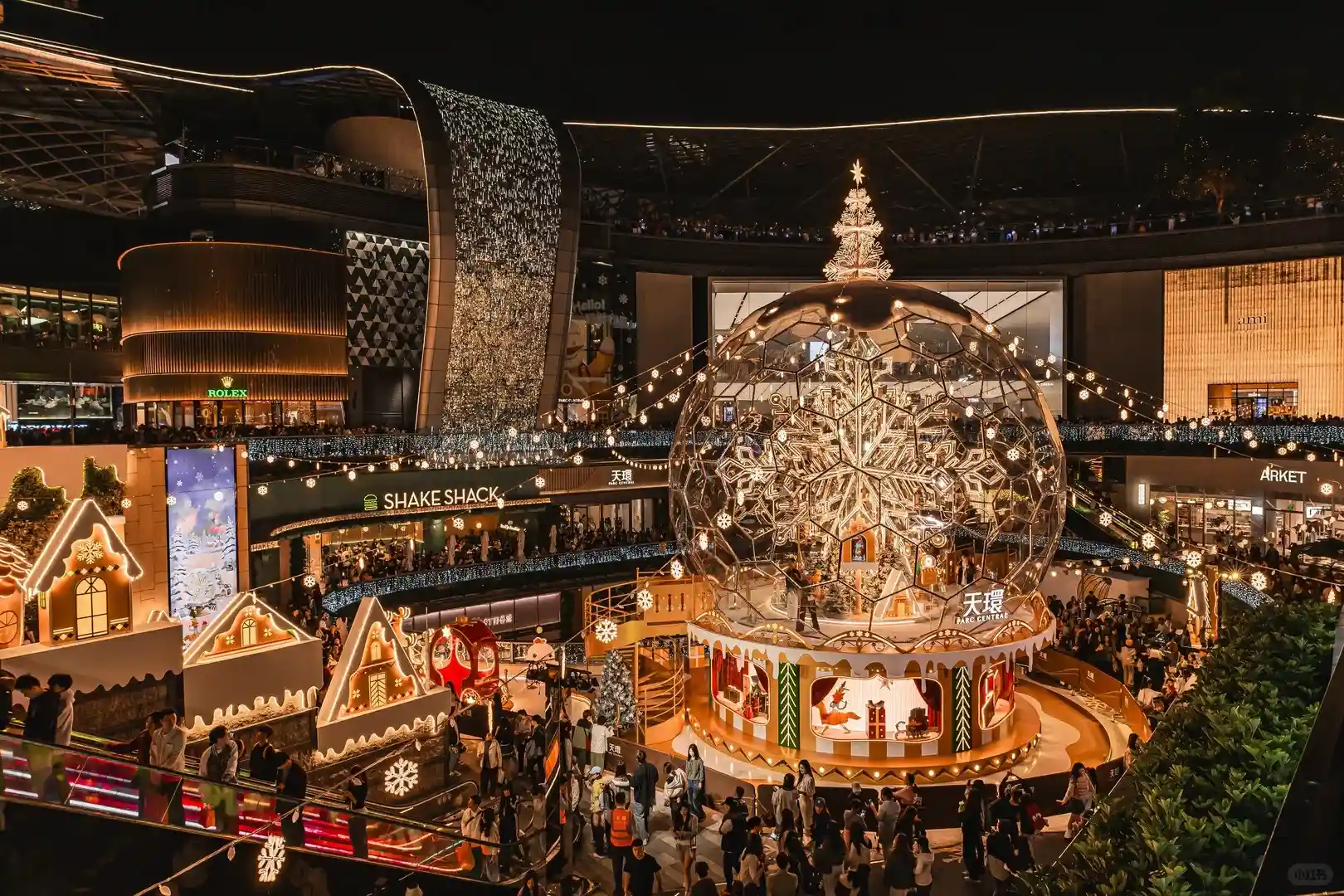
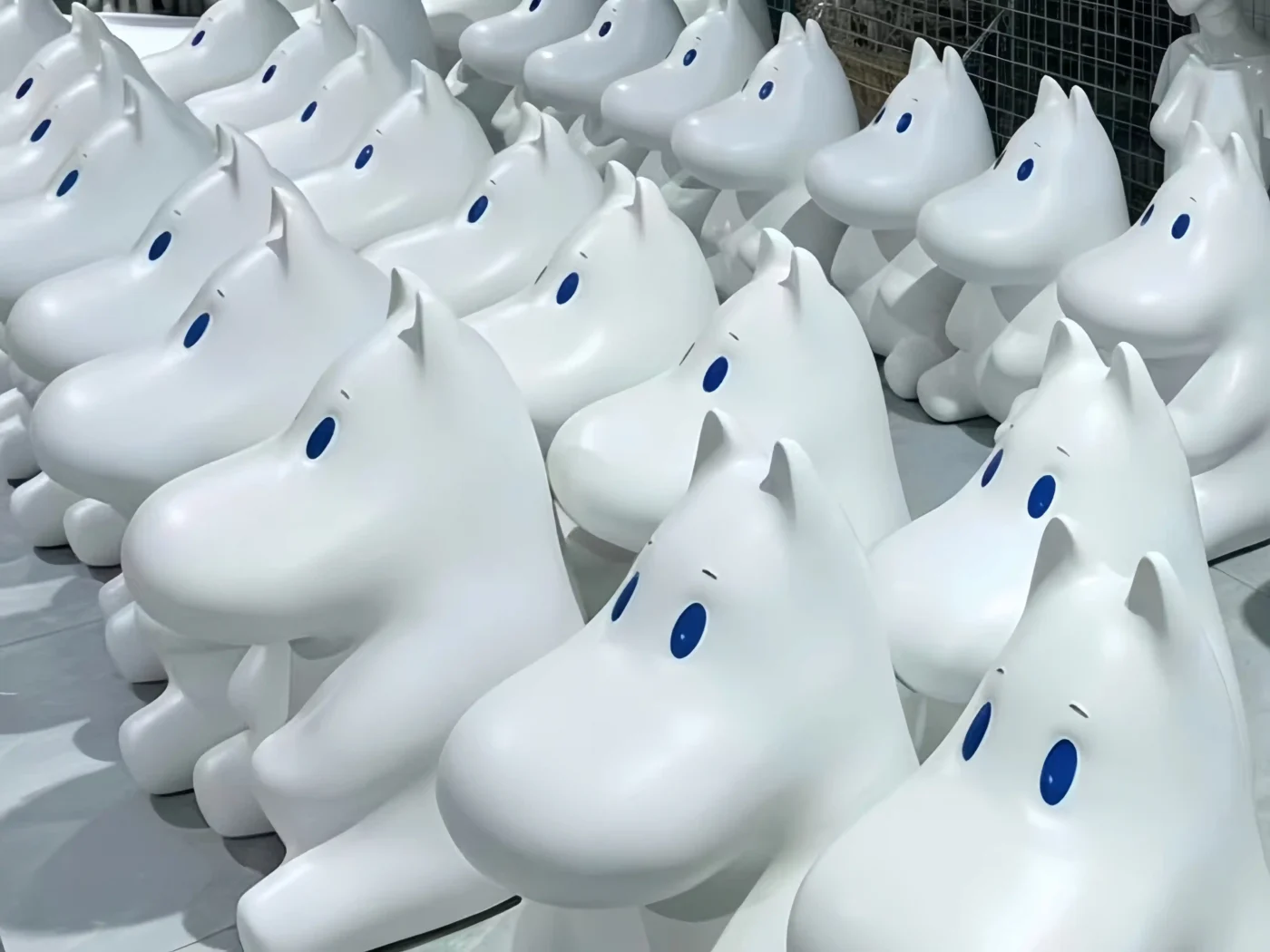
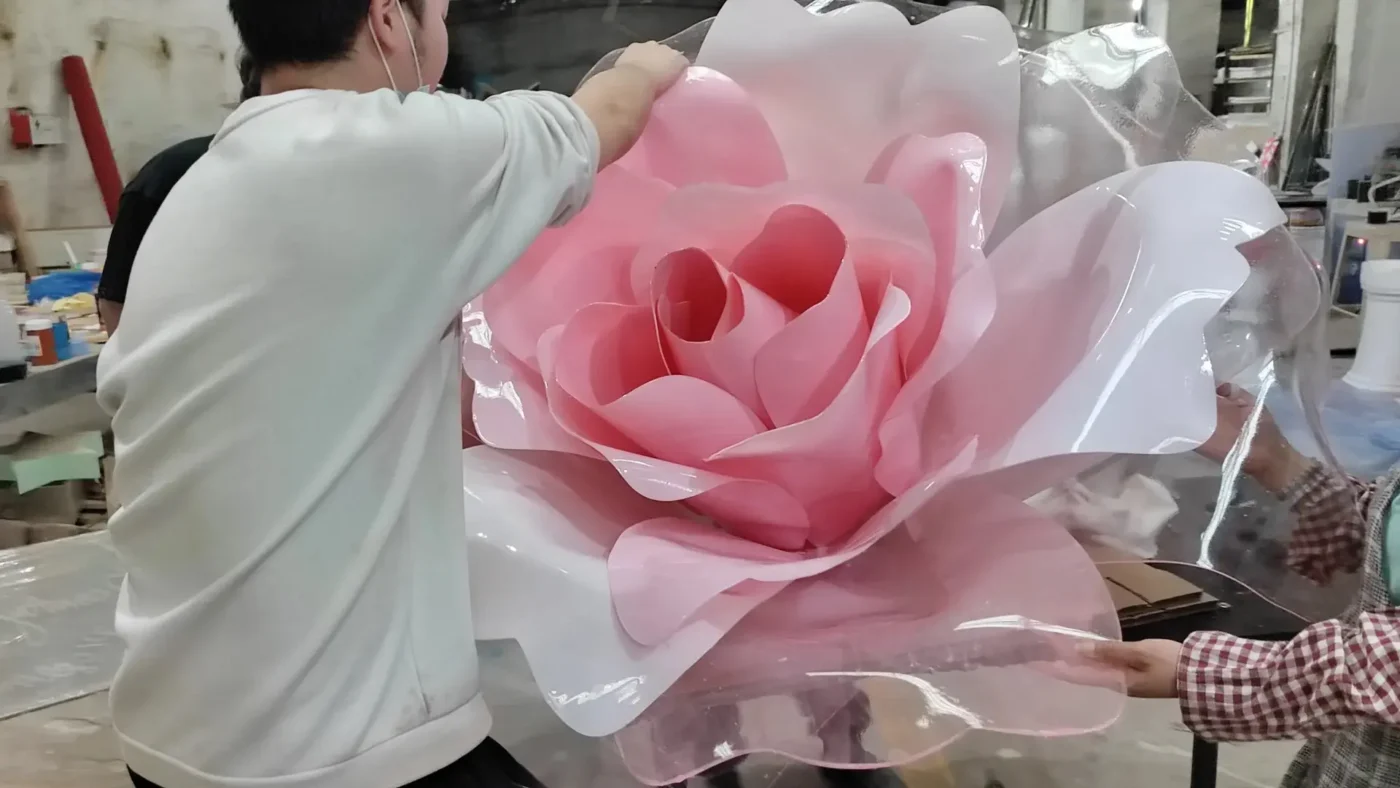
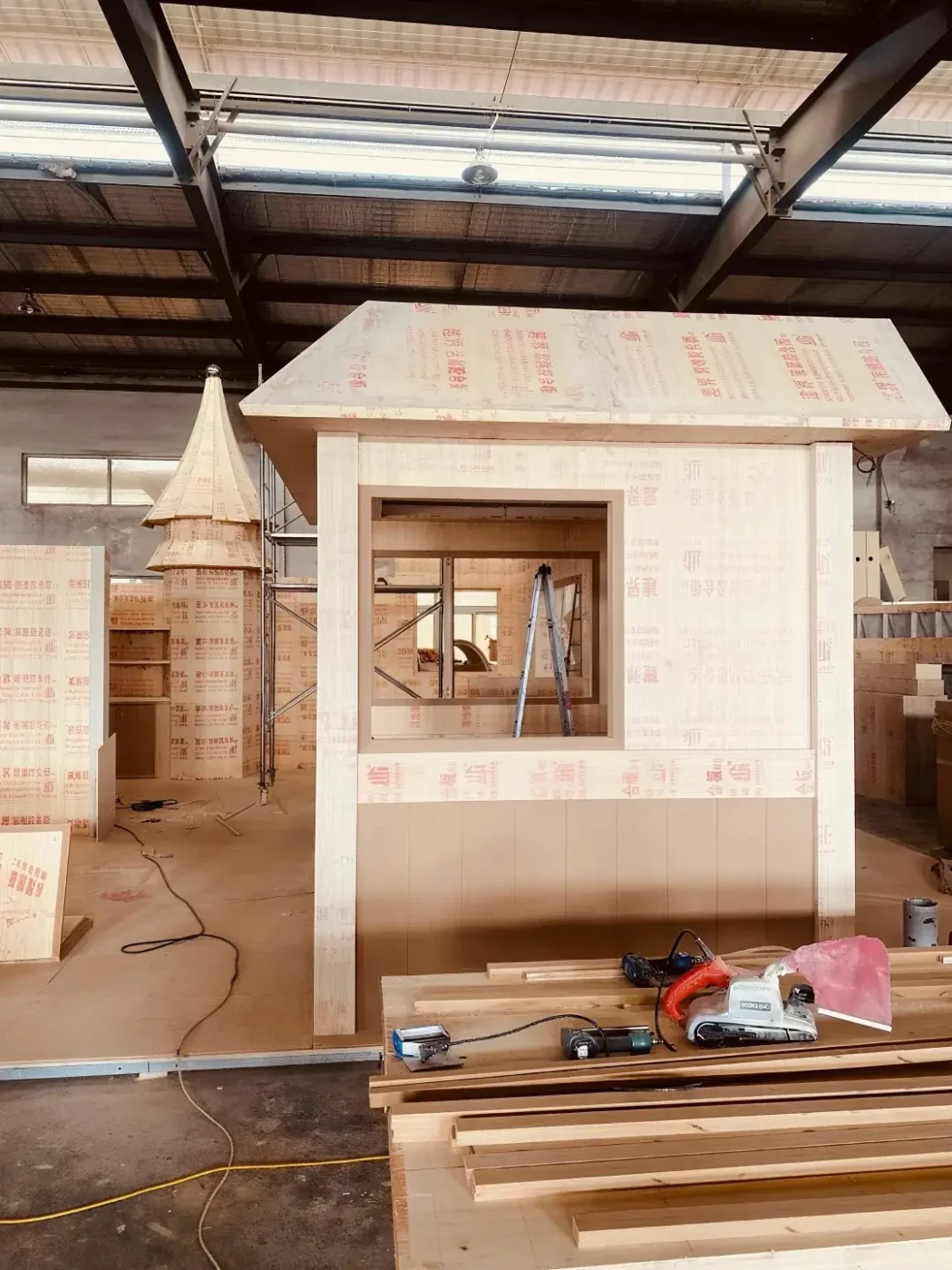
Another important production lesson is scale. Many window concepts rely on oversized objects: large flowers, oversized product replicas, abstract sculptures, festive ornaments or exaggerated brand symbols. These elements attract attention, but they also create structural pressure. A large prop needs to be light enough for handling, strong enough for transport and stable enough for installation. For example, FRP is often useful for sculptural display props because it can create illuminated or transparent display details. Metal is often used internally for strength. Wood or MDF can support plinths, backdrops and modular bases. Choosing the right material early helps avoid cost and schedule problems later.
Installation Constraints That Shape Production Decisions
A retail display also has to be installed by real people in a real store. This sounds obvious, but it is one of the most common places where a beautiful concept becomes difficult. Store access may be narrow. Installation time may be limited to one night. The team may not be allowed to drill into walls or floors. The props may need to be removed after several weeks without damaging the site. For this reason, we often recommend detachable structures, hidden metal frames, numbered parts, lightweight shells, adjustable feet and clear installation instructions. Good visual merchandising production is not only about making the object; it is about making the installation possible.
Multi-Store Rollouts: Consistency and Logistics
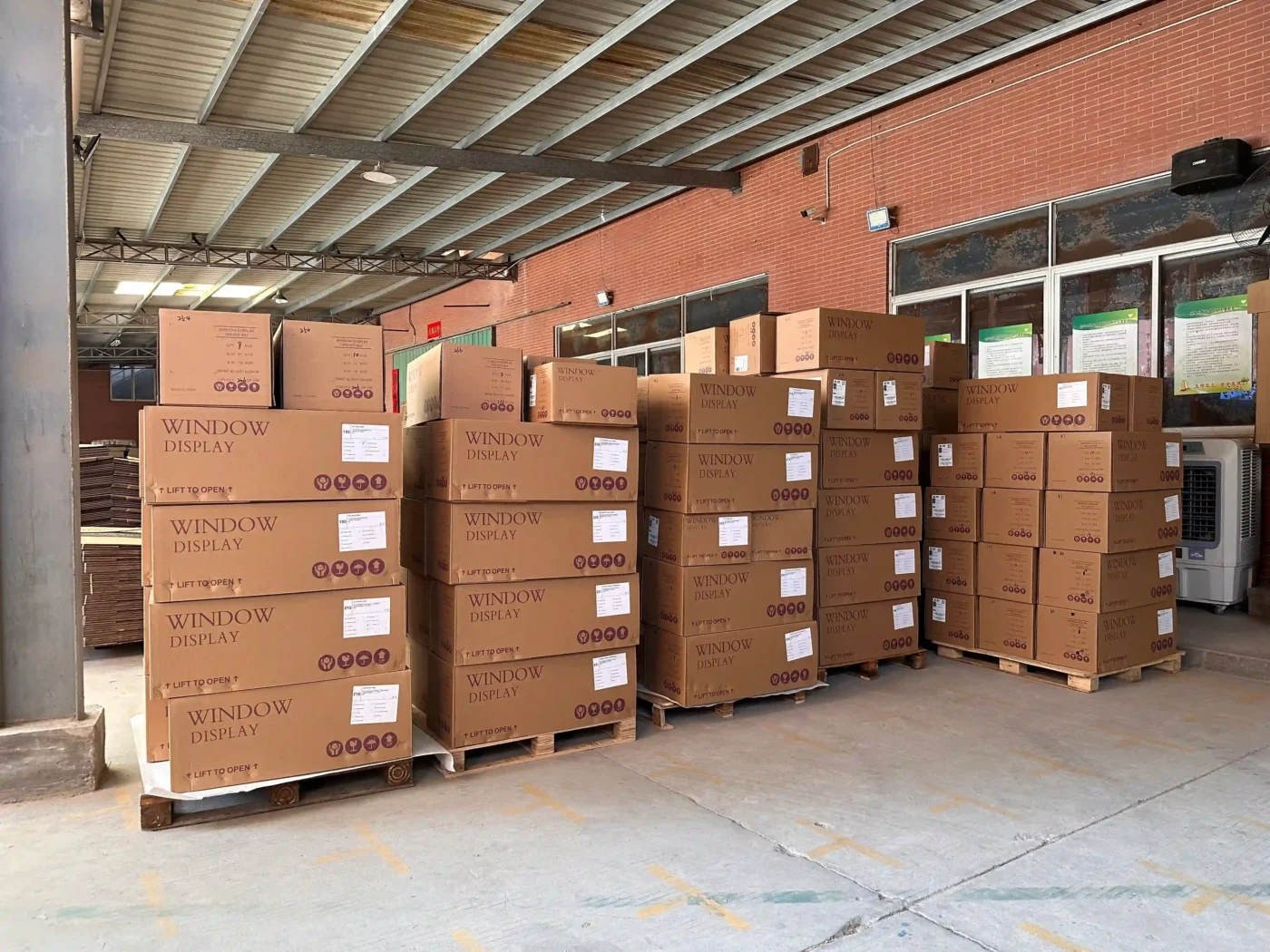
When a project is planned for several locations, consistency becomes another challenge. A single flagship window can allow more hand adjustment, but a multi-store rollout needs repeatable production. Color, size, surface finish and packing method must stay consistent. Each store may have slightly different dimensions, so the design may need modular options. Export packaging also matters. Fragile surfaces, acrylic parts, chrome finishes and painted edges need protection against vibration and handling. For international projects, retail display logistics should be discussed before production is complete, not after the props are finished.
Industry Recognition and Rising Expectations
Industry sources such as VM & Display Awards and Retail Focus show how competitive the visual merchandising and retail display field has become. Strong windows are no longer only seasonal decoration. They are public brand moments, social media content, product launch tools and sometimes award-level creative work. For manufacturers, this raises expectations. A supplier must understand design sensitivity, not only workshop output. If a prop is made accurately but feels visually heavy, rough or off-brand, it can weaken the whole campaign.
What a Complete Production Brief Should Include
For agencies and brands working on Harlequin Design-style retail displays, the most useful production brief should include more than a visual reference. It should include window size, installation date, campaign duration, product weight, viewing distance, store restrictions, quantity, target finish, packaging needs and shipping destination. If there are brand color standards or approved material samples, those should be shared early. The more complete the brief, the easier it is for a custom display props manufacturer to recommend realistic materials, timeline and cost.
Why Early Manufacturing Involvement Protects the Creative Vision
At VM Display, we usually see the best results when design and manufacturing communicate before the final production file is locked. This does not mean the manufacturer should change the creative idea. It means the manufacturer can protect the idea by making sure the structure, finish, packing and installation method support it. A strong retail window should not only photograph well on launch day. It should arrive safely, install smoothly, stay stable during the campaign and still look premium under store lighting.
For brands, VM agencies and procurement teams planning similar projects, the practical takeaway is simple: treat production as part of the visual strategy. The right material can make a prop lighter. The right finish can make a window feel more luxurious. The right structure can save installation time. The right packaging can prevent damage before opening day. If you are preparing a retail window, pop-up display or seasonal VM project, you can request a custom display props quote with your drawings, references, quantity, deadline and delivery requirements.
FAQ
What makes luxury retail window display props difficult to produce?
Luxury window props need strong visual impact, accurate finishing, stable structure and clean installation. Small surface flaws or poor proportions are easy to notice behind glass and under retail lighting.
Which materials are commonly used for window display props?
FRP, fiberglass, acrylic, metal, wood, MDF, foam, resin and fabric are commonly used. The best choice depends on the size, finish, weight, structure and installation method.
Can VM Display manufacture props designed by a retail design agency?
Yes. VM Display can produce props from approved sketches, renders, technical drawings or reference images, while respecting the agency’s creative ownership.
How early should production planning begin?
For one-off windows, production planning should begin once the concept direction is clear. For multi-store rollouts or seasonal campaigns, earlier discussion helps control sample approval, material sourcing and delivery risk.
What information is needed for a quotation?
A quotation usually requires reference images, dimensions, quantity, material preference, finish requirements, installation method, deadline and shipping destination.
Disclaimer
This article is based on publicly available industry information and VM Display’s general manufacturing experience. VM Display is not claiming partnership, sponsorship, endorsement or direct involvement with Harlequin Design or any brands mentioned. All third-party names are used only for industry observation and reference.