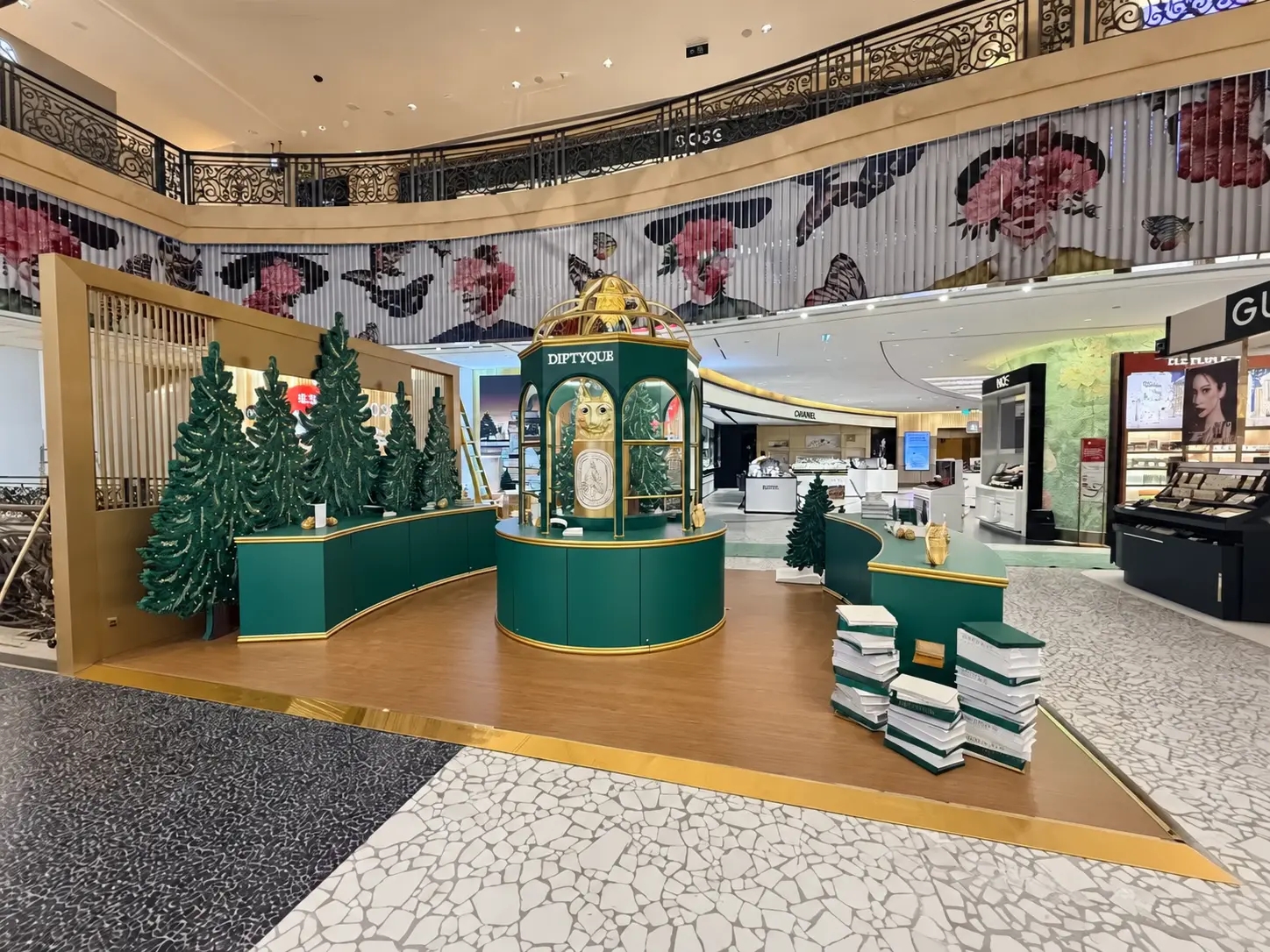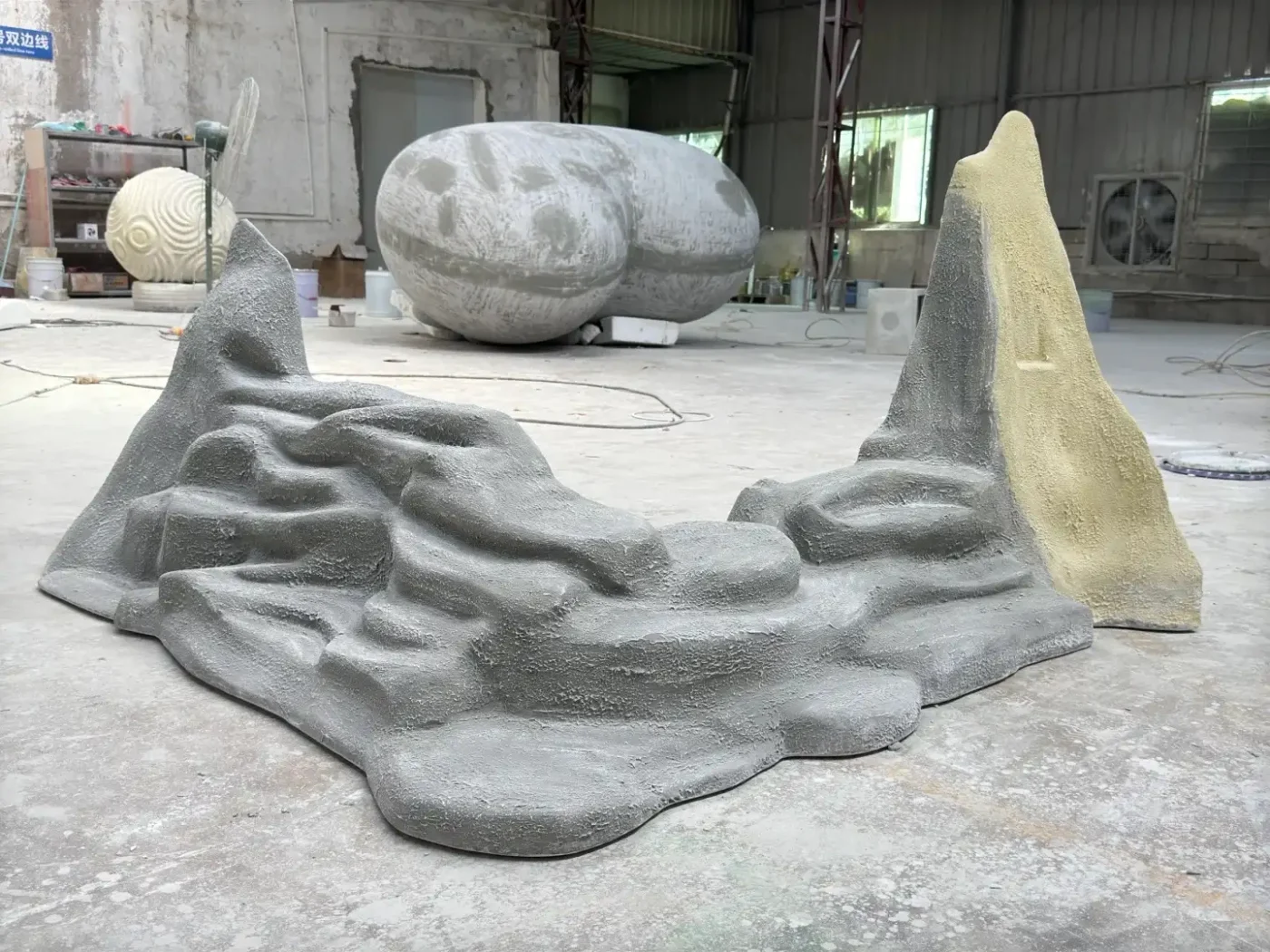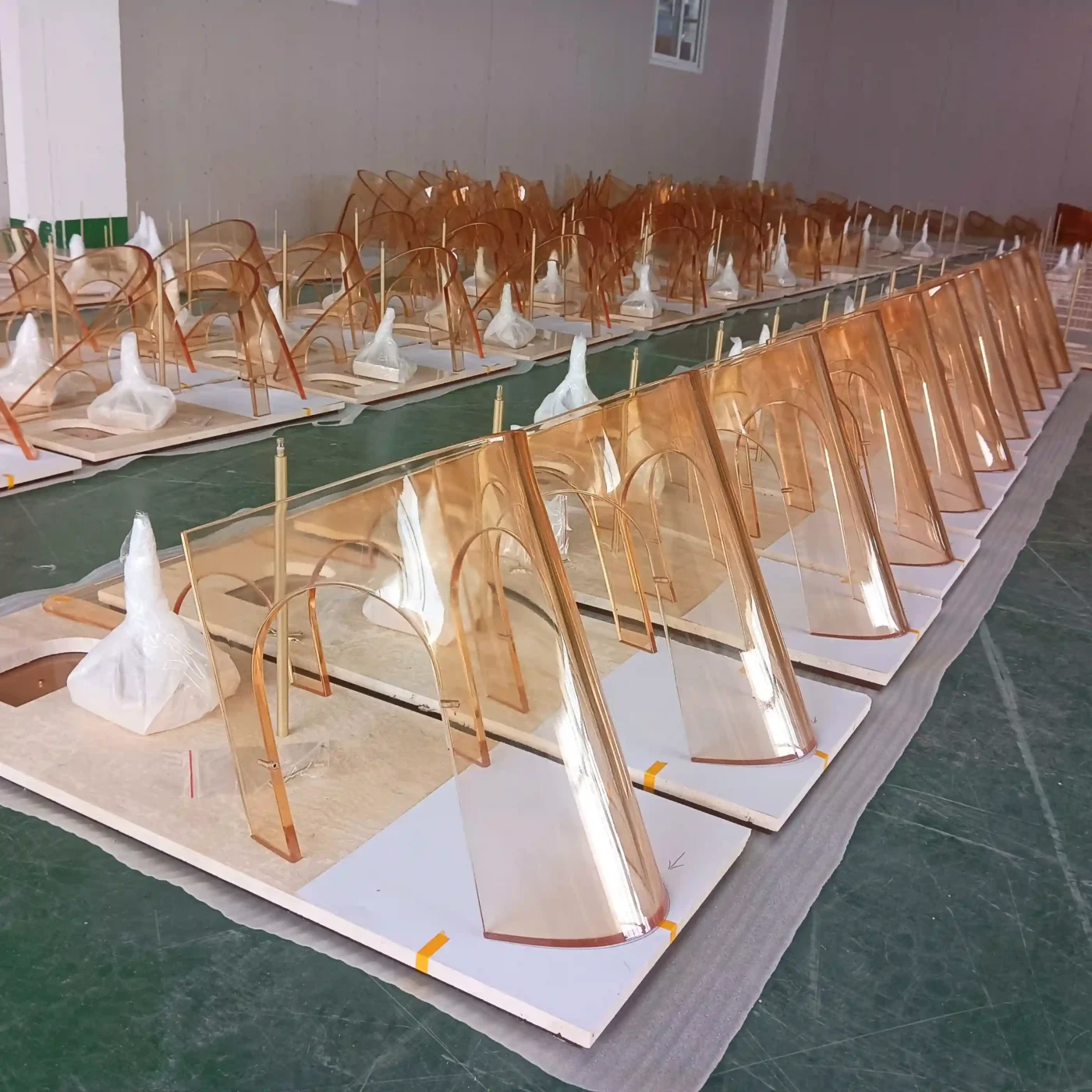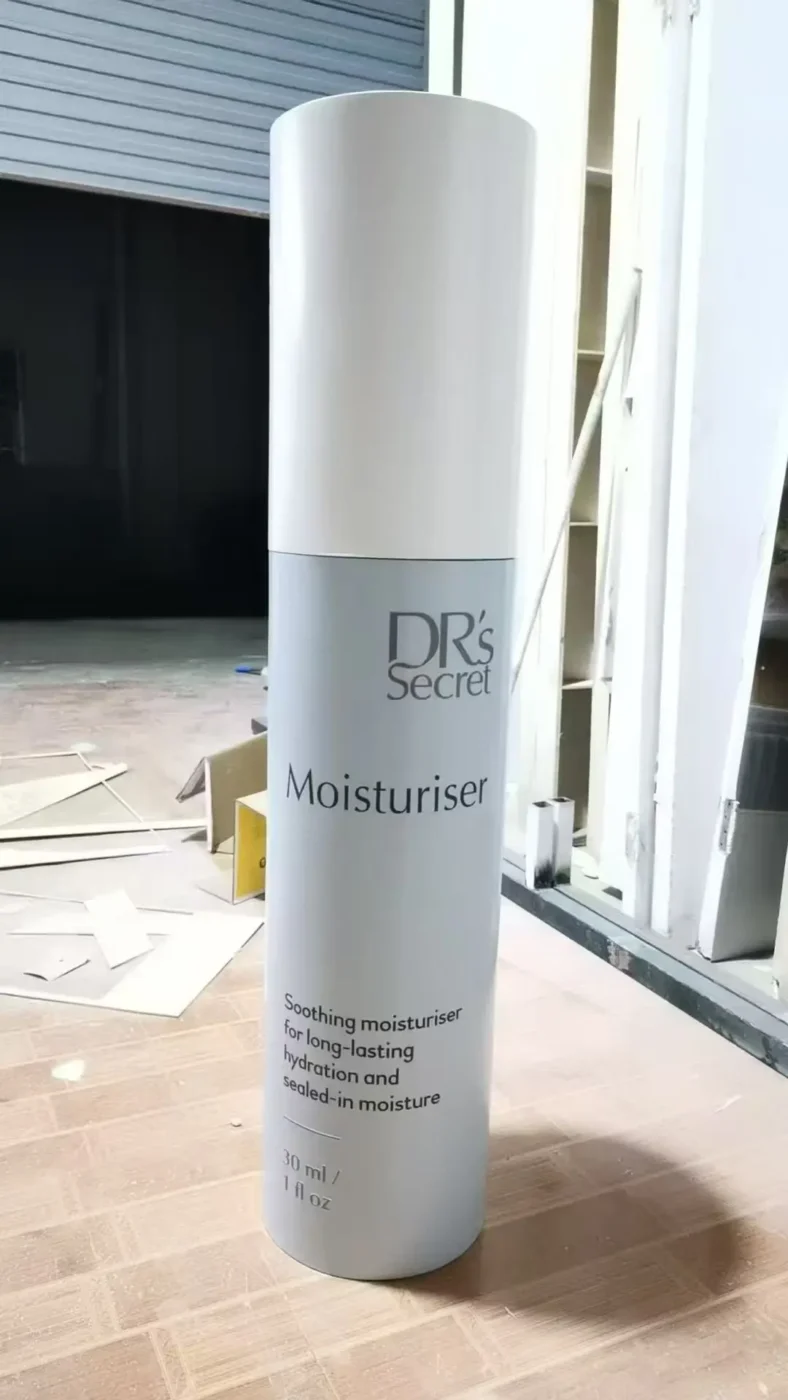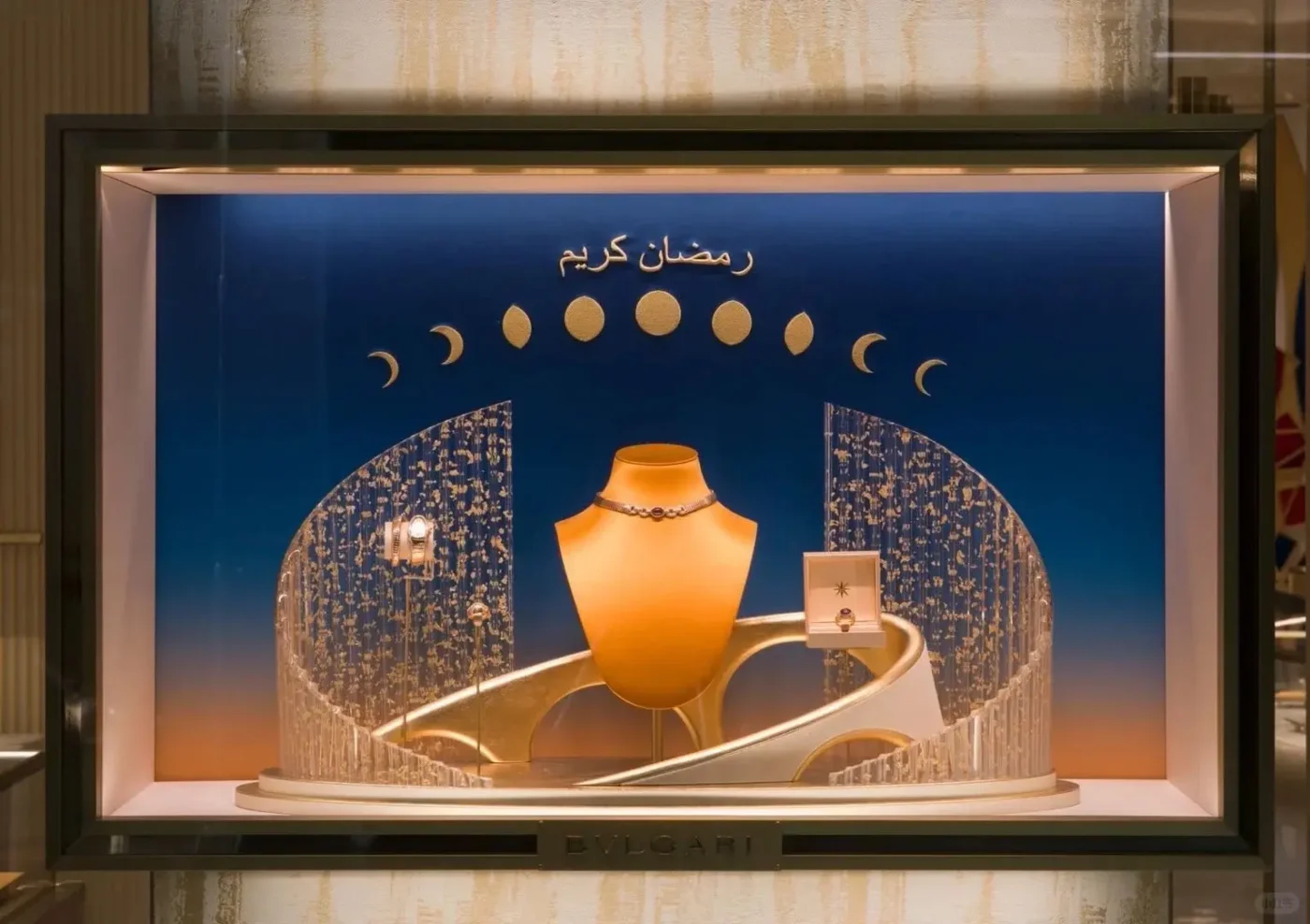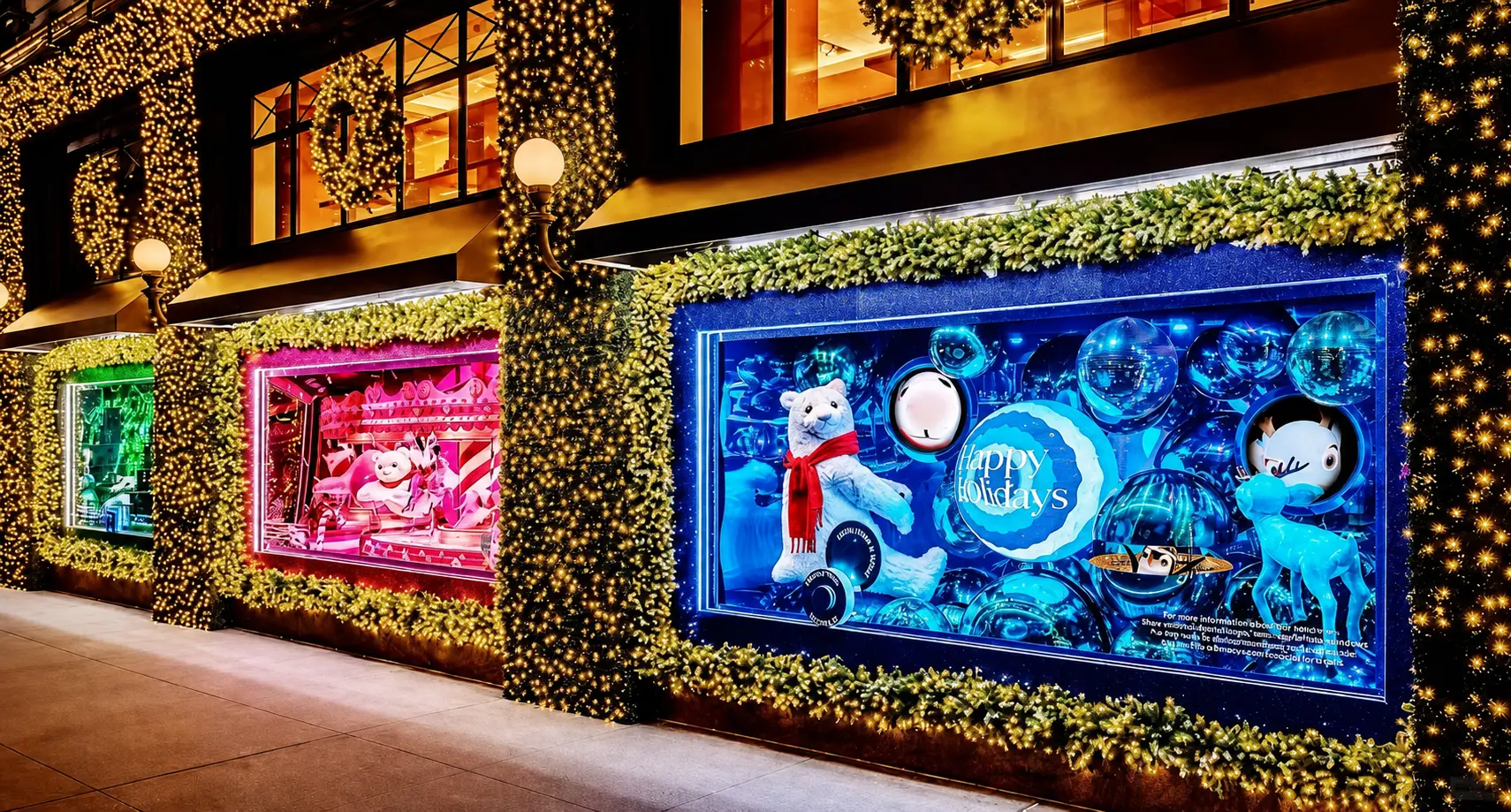
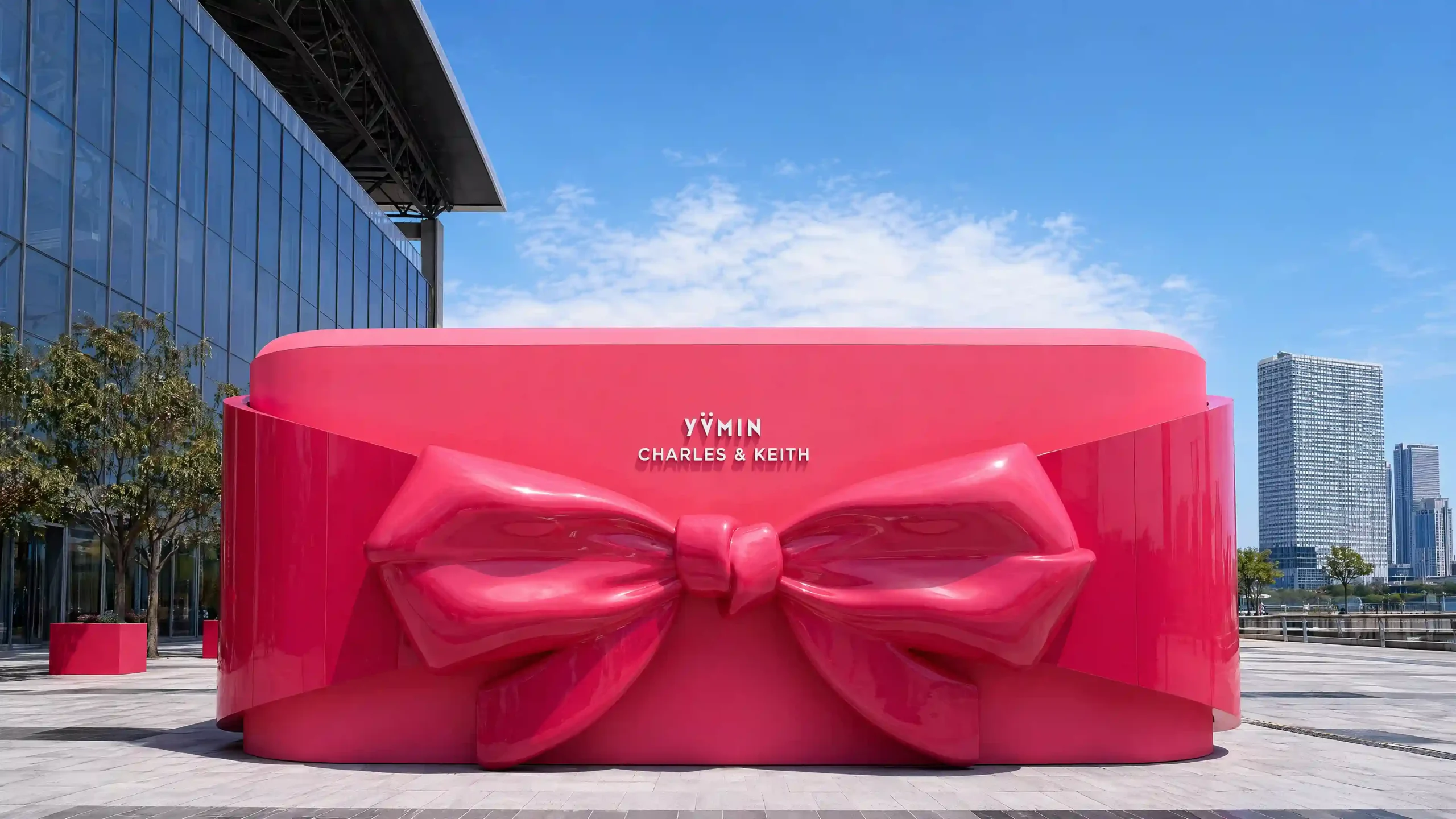
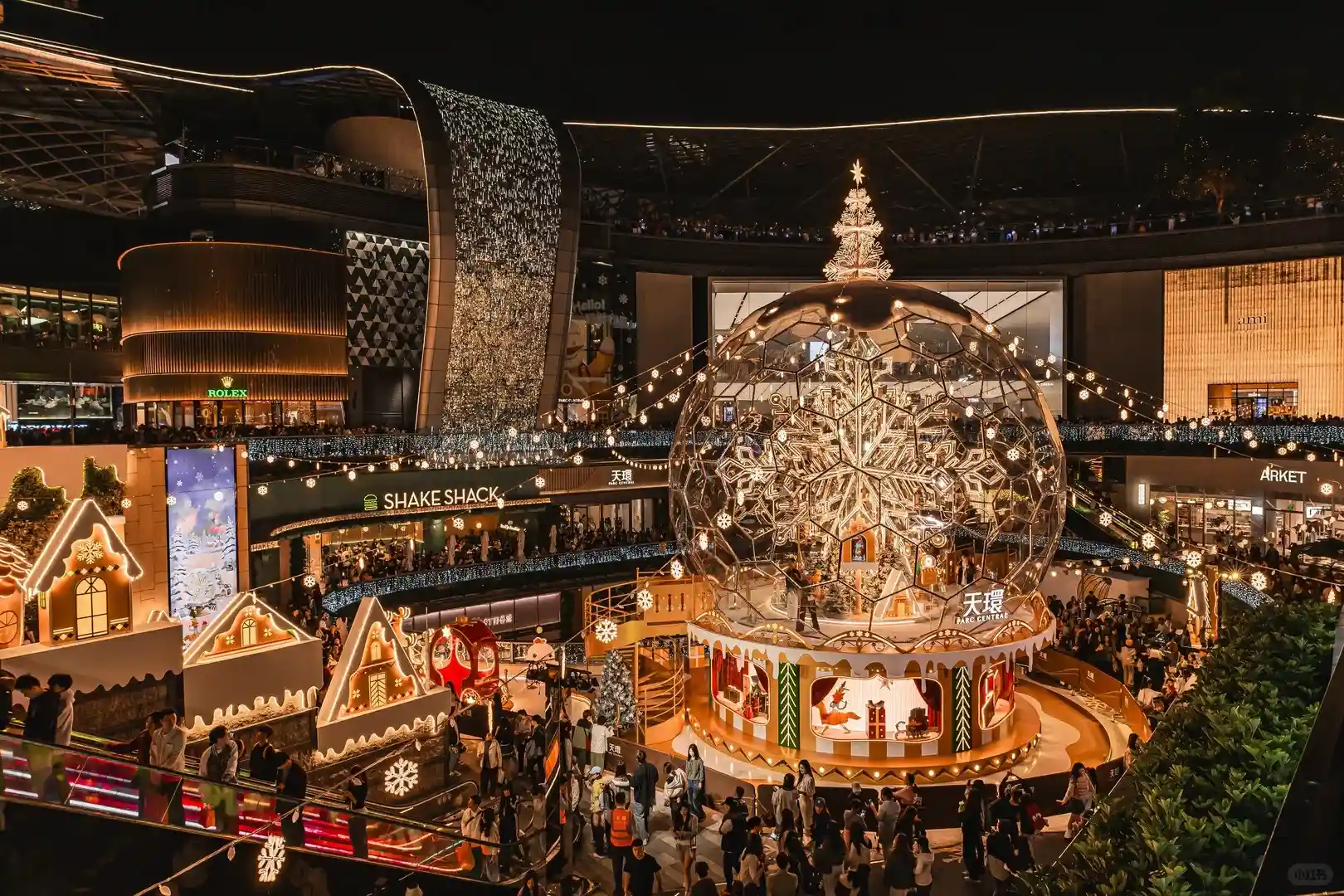
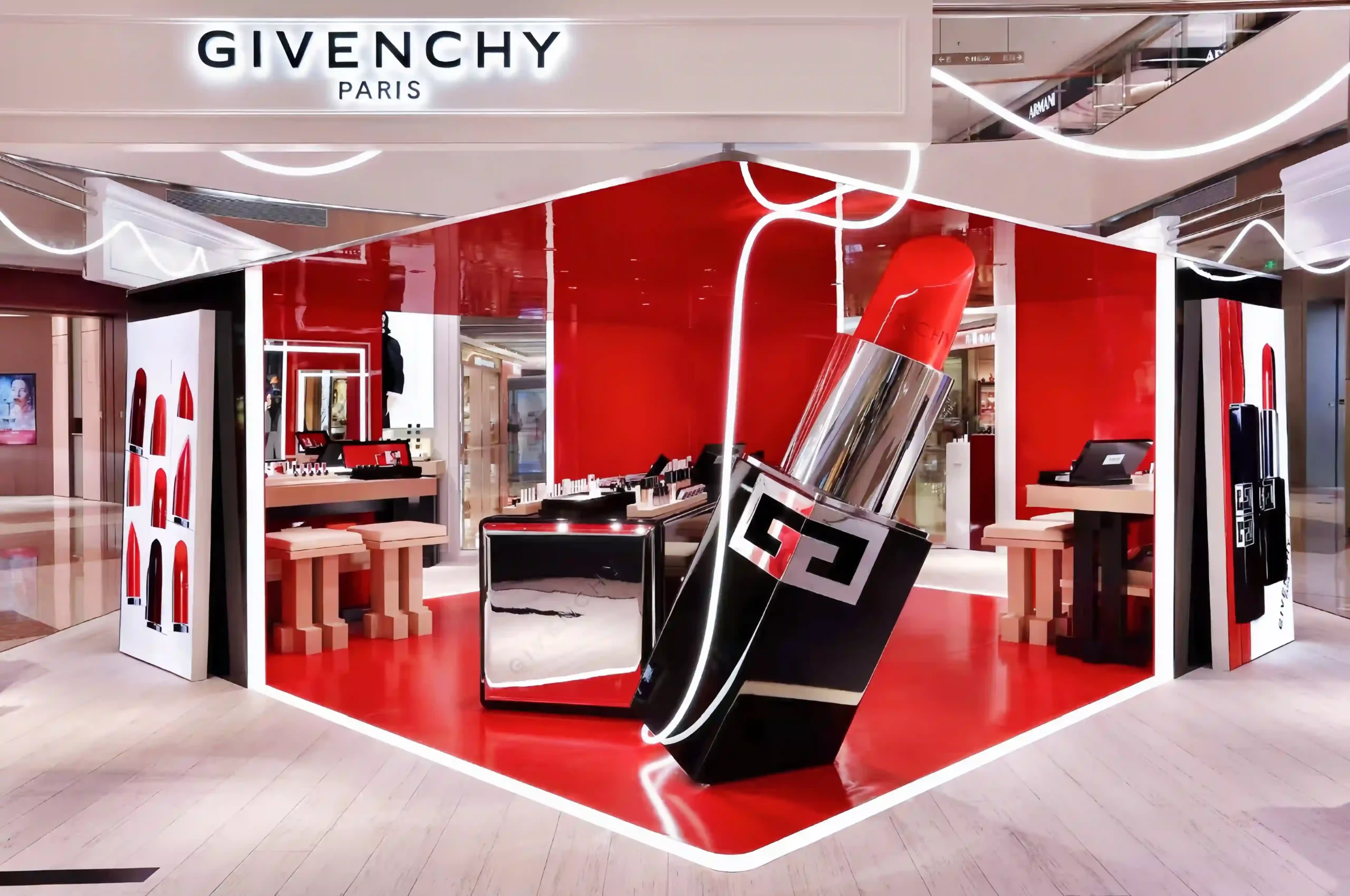
Most delays in custom display production do not happen inside the factory.
They happen before production begins — in incomplete briefs, slow approvals, unclear material direction, and compressed schedules that leave no room for the decisions that still need to be made.
I have seen projects with generous lead times deliver late because the first three weeks were spent waiting for a confirmed brief. I have also seen tight-deadline projects arrive on time because every decision was made quickly and clearly.
The difference is not factory speed. It is decision speed.
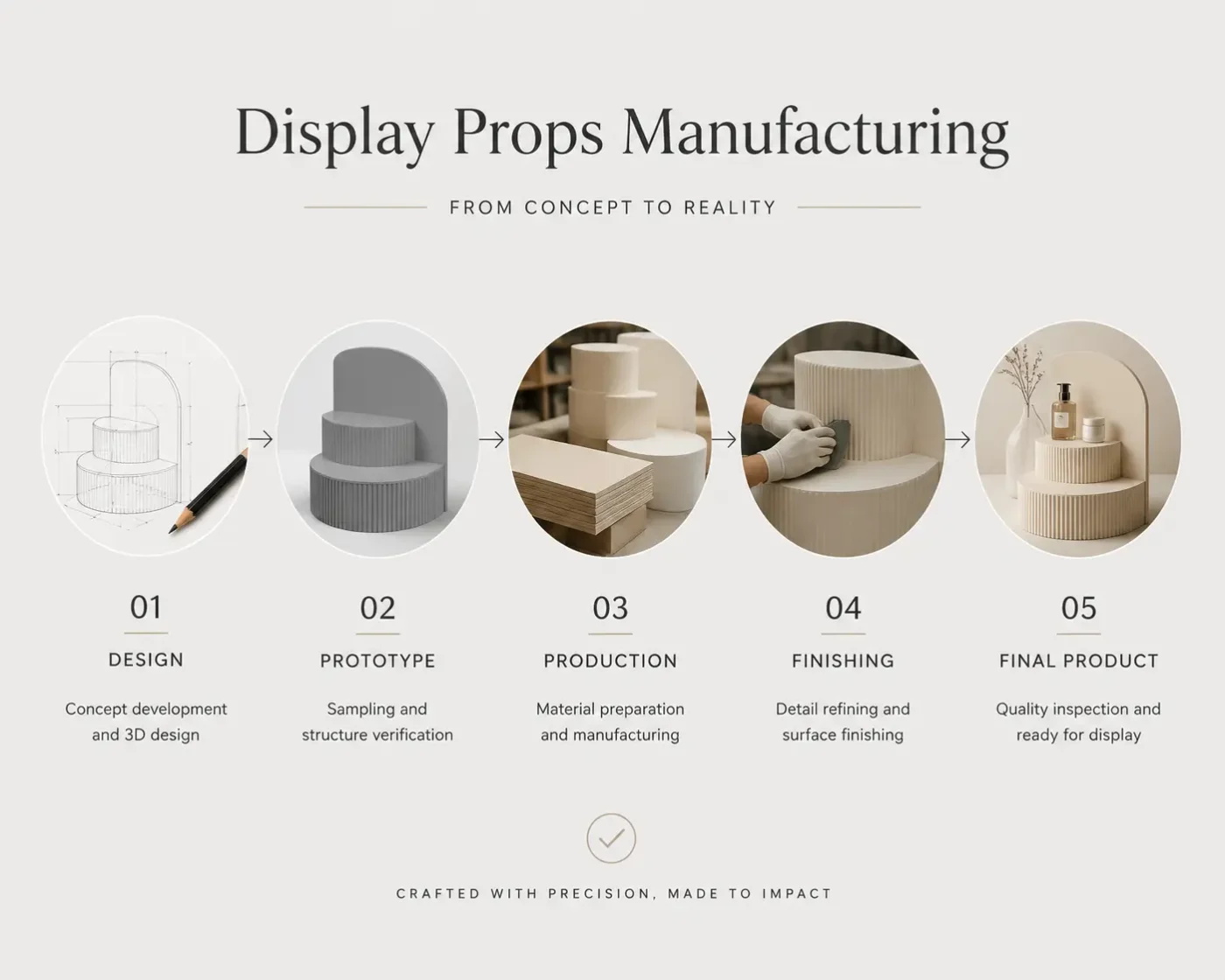
A visual merchandising production timeline is the full project schedule from initial brief to finished retail display delivery. But more importantly, it is a map of where time can be gained, where it will be lost, and where the buyer’s own actions determine whether the schedule holds.
This article walks through the ten stages of a custom display production timeline — not just what each stage involves, but where problems typically appear and what experienced buyers do differently.
Why Timeline Affects Your Quote
I want to say this directly: timeline affects price.
Many buyers treat the delivery date and the project cost as separate conversations, but in custom display production, they are connected. When the timeline is comfortable, the manufacturer can plan material purchasing, mold work, labor scheduling, surface finishing and packing in a normal sequence. When the timeline is compressed, the project may require overtime, expedited material sourcing, simplified structures, air freight or higher-risk production decisions.
That changes the quote — sometimes significantly.
This is why a custom display props quote request should always include the target delivery date. Without the deadline, the manufacturer cannot judge whether the project needs standard production, an accelerated route, or a simplified scope.
A late timeline does not always make a project impossible. But it almost always reduces options and increases cost.
Brief Review — What Happens When the Brief Is Incomplete
The timeline begins with the brief. And this is where many projects lose their first week without realising it.
An incomplete brief does not stop the process — it slows it down. When a buyer sends one reference image and asks for a price, the manufacturer must make assumptions about material, size, structure, finish and installation. Those assumptions create questions. Those questions require answers. And each round of clarification adds days.
A useful brief does not need to be perfect, but it should include enough information for the manufacturer to begin planning without guessing:
- Reference images showing the intended design direction
- Rough dimensions
- Quantity
- Material preference or openness to recommendation
- Surface finish expectation
- Lighting requirements
- Installation method and site conditions
- Target delivery date
- Shipping destination
- Budget range, if available
A good brief allows the manufacturer to identify risks early. The prop may need a mold. The finish may require extra drying or curing time. The structure may need hidden reinforcement that affects the production sequence. These details should surface at the beginning — not after the sample is made.
This is why our custom visual merchandising services begin with project clarification before production planning.
Quotation — Why a Good Quote Takes More Than a Price
After the brief, the manufacturer reviews feasibility and prepares a quotation. For simple items, this may take a day. For complex sculptural displays, it may take a week — because the manufacturer may need to check material availability, mold requirements, lighting components, structural engineering and shipping volume before quoting.
This stage may include:
- Material recommendation
- Structural advice
- Sample cost and production cost
- Estimated lead time
- Packaging and shipping options
- Risk notes and special requirements
In my experience, the quotation stage is where the quality of the supplier becomes visible. A quote that only shows a number without explaining what the number is based on — without specifying material, size, finish, packing or lead time — is not detailed enough for serious custom work. It may be fast, but it creates risk later.
For buyers who are not sure what information to prepare, the related article What Information Is Needed for a Custom Display Props Quote? works as a preparation checklist.
3D Modeling — The Step That Prevents Expensive Mistakes
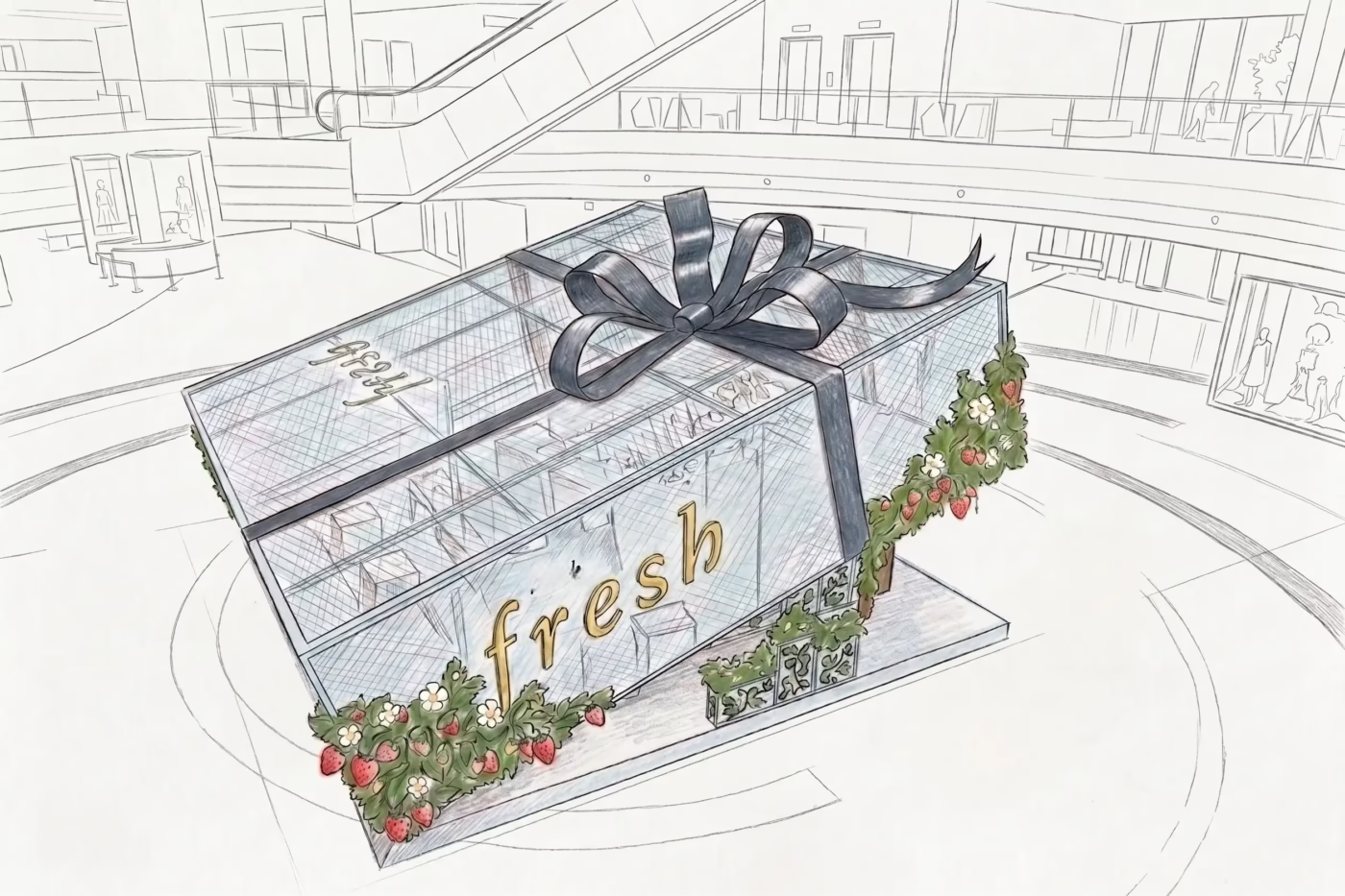
Once the project direction is confirmed, most custom props need 3D modeling or technical drawings. This stage translates the visual idea into manufacturable information: exact shape, dimensions, structure, connection points, material thickness, logo placement, lighting layout, base design and assembly method.
This is where visual creativity becomes production language.
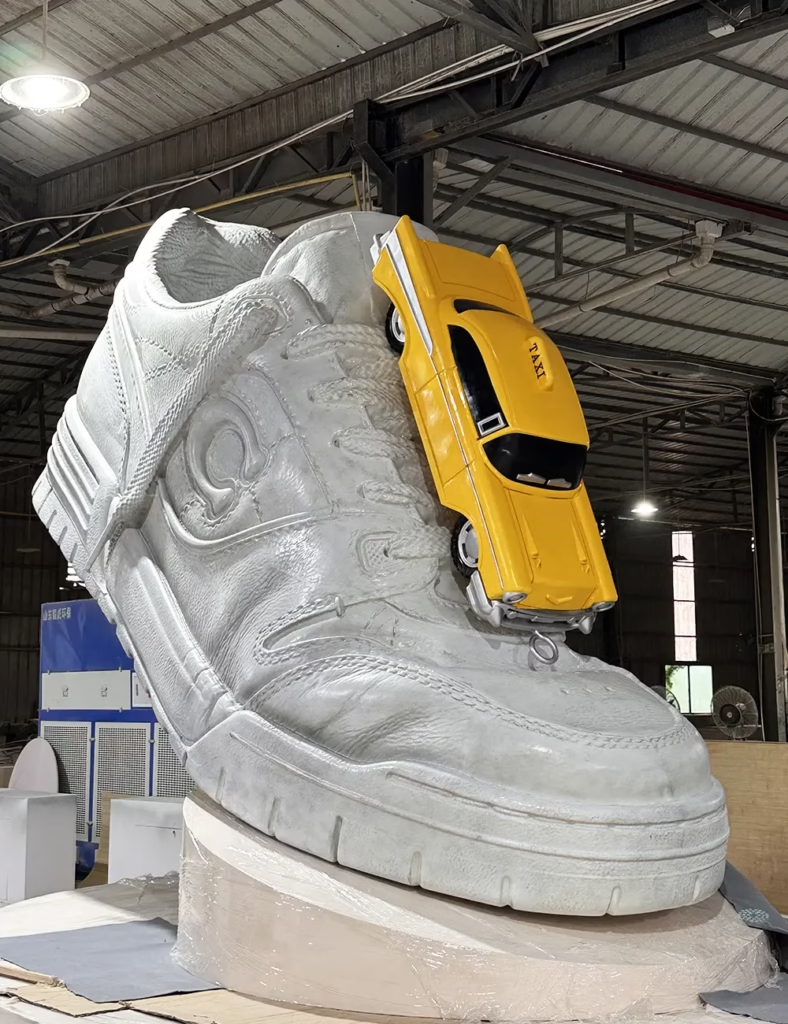
For sculptural props — particularly large custom fiberglass statues — 3D modeling is the bridge between the designer’s concept and the factory mold. Without it, the factory produces based on interpretation rather than agreement.
I have seen projects skip this step to save time and end up spending more time correcting production errors that a 3D review would have caught. A five-day investment in modeling can prevent a three-week rework.
For acrylic and metal fixtures, technical drawings serve the same function: they ensure cutting, bending and assembly are based on confirmed dimensions, not visual guesswork.
Sample Development — Why This Stage Cannot Be Rushed
The sample stage is where the project meets reality.
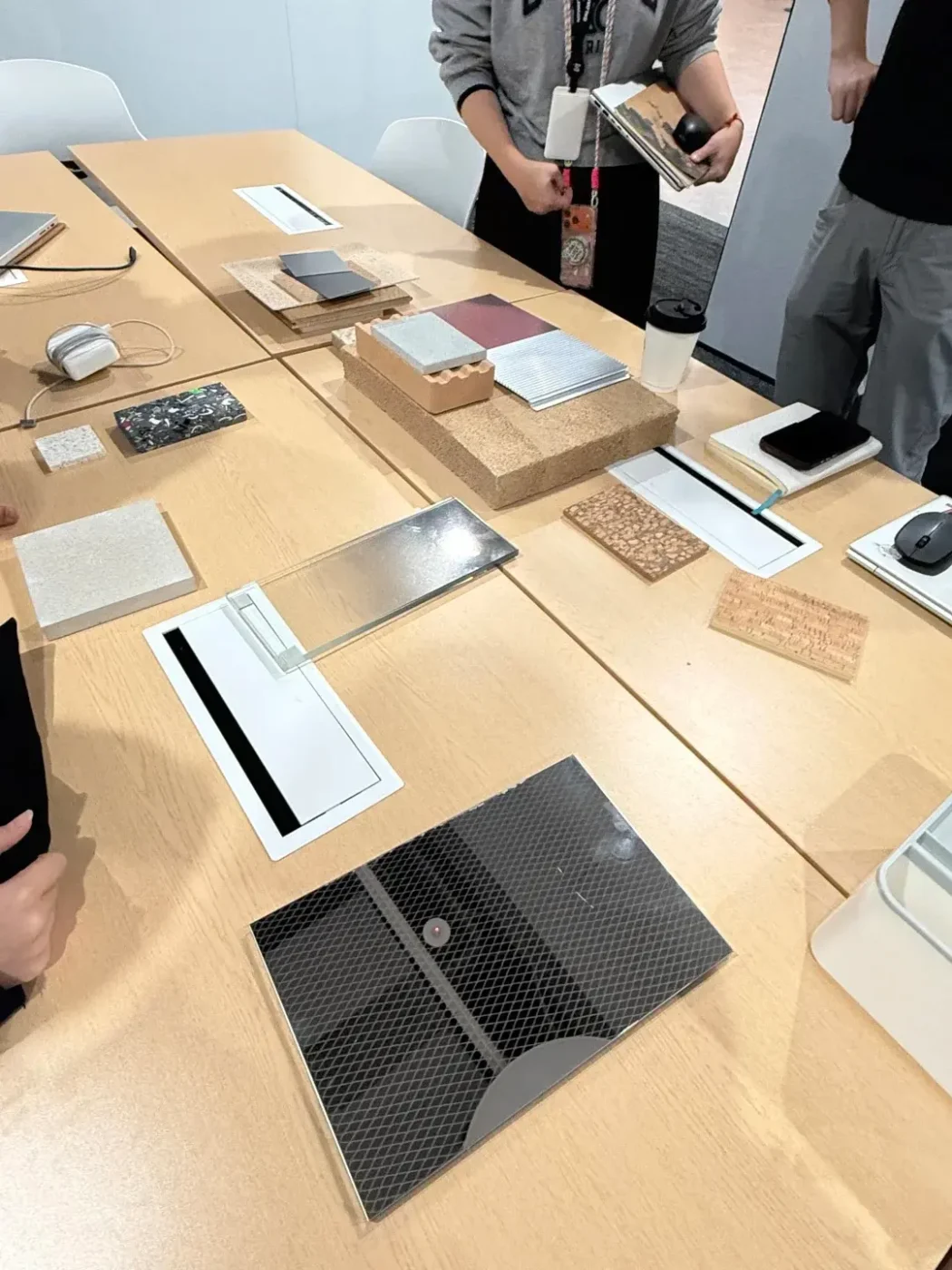
A sample may be a finish panel, a partial structure, a small prototype or a full-size pre-production piece. Its purpose is to confirm whether the material, surface quality, structure and visual effect match expectations before mass production begins.
This stage is especially important for:
- Premium finishes where colour accuracy matters
- Oversized props where structural integrity is untested
- Illuminated signs where light distribution affects appearance
- Reflective surfaces where any imperfection is immediately visible
- Multi-store rollouts where the sample becomes the production standard
For many custom display projects, this is the stage that takes longer than buyers expect — not because of inefficiency, but because of material behaviour. FRP needs curing and sanding. Acrylic needs precision cutting and polishing. Paint needs proper drying time between coats. Metal needs forming, welding and surface treatment.
Compressing this stage does not make it faster — it makes it lower quality.
The related article What Is a Display Prop Sample? explains why sampling is a necessary investment, not an optional extra.
Sample Approval — The Most Common Source of Delay
In most projects I have worked on, the single largest source of timeline delay is not factory production. It is sample approval.
The factory may finish the sample on schedule. But the client’s internal approval process — involving design teams, VM directors, procurement, and sometimes regional market leads — takes longer than anyone planned for. A sample that sits on someone’s desk for two weeks waiting for sign-off pushes the entire production schedule by two weeks.
Sample approval should confirm:
- Shape, size and proportions
- Colour accuracy and finish quality
- Material and structural integrity
- Logo position and print quality
- Lighting effect, if applicable
- Assembly method and stability
- Packing approach, if relevant
For a multi-component storefront scheme, the approval stage may also require a full-size retail window mock-up to test the complete composition, lighting and installation sequence before production release.
For multi-store rollout projects, the approved sample becomes the production standard. It should be documented clearly — with photographs, measurements and written notes — so the factory has an unambiguous reference for mass production.
My recommendation: build internal approval time into your timeline from the start. If your brand requires sign-off from three departments, plan for it. The factory cannot recover time that was lost waiting for a decision.
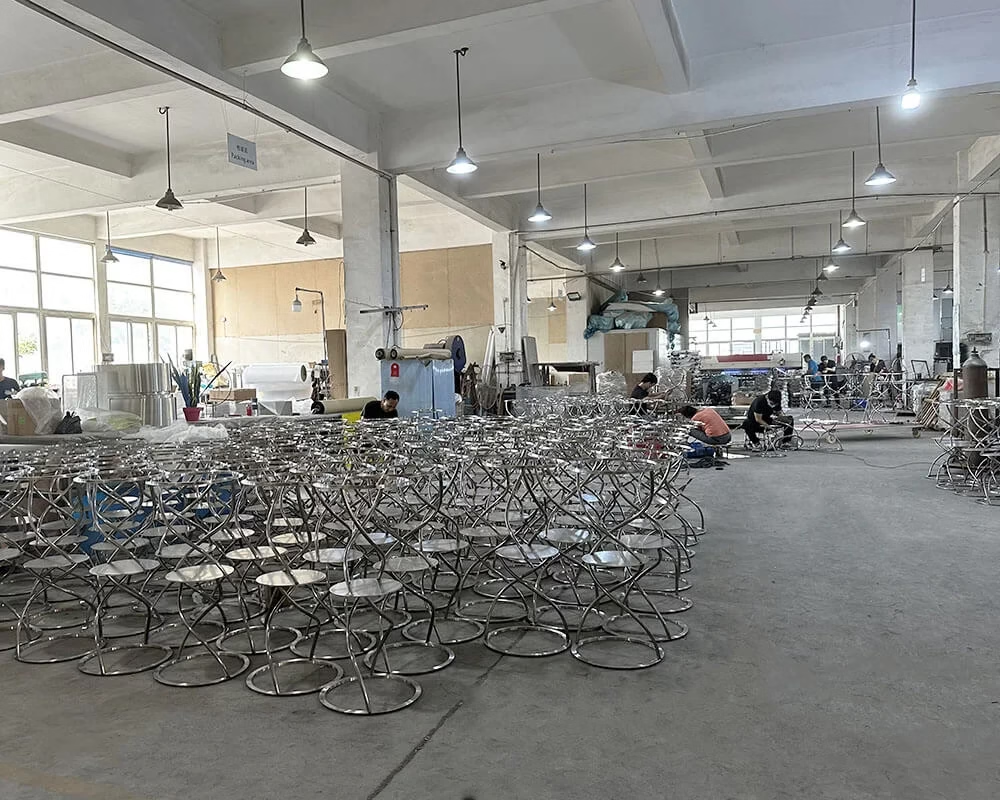
Mass Production — What Drives Production Time
Mass production begins after sample approval. This is the stage most buyers think of when they ask “how long does production take?” — but by this point, the timeline is already largely determined by how quickly the earlier stages moved.
Production time depends on:
- Quantity and number of distinct designs
- Material type and complexity
- Size and structural requirements
- Finish method and number of finish layers
- Labour capacity and concurrent projects
- Inspection and documentation requirements
For a display props manufacturing operation, this is where scheduling discipline matters. Acrylic logo signs and MDF plinths follow a controlled workshop sequence. Large FRP sculptures require more handwork — layup, sanding, primer, painting — with each layer needing time before the next can begin. Metal structures need cutting, welding, polishing and surface treatment.
The most common mistake at this stage is changing the design after production has started. Even small changes — a different colour, a revised logo size, an added structural element — can require reworking completed pieces and purchasing new materials.
Surface Finishing — The Stage That Takes Longer Than You Think
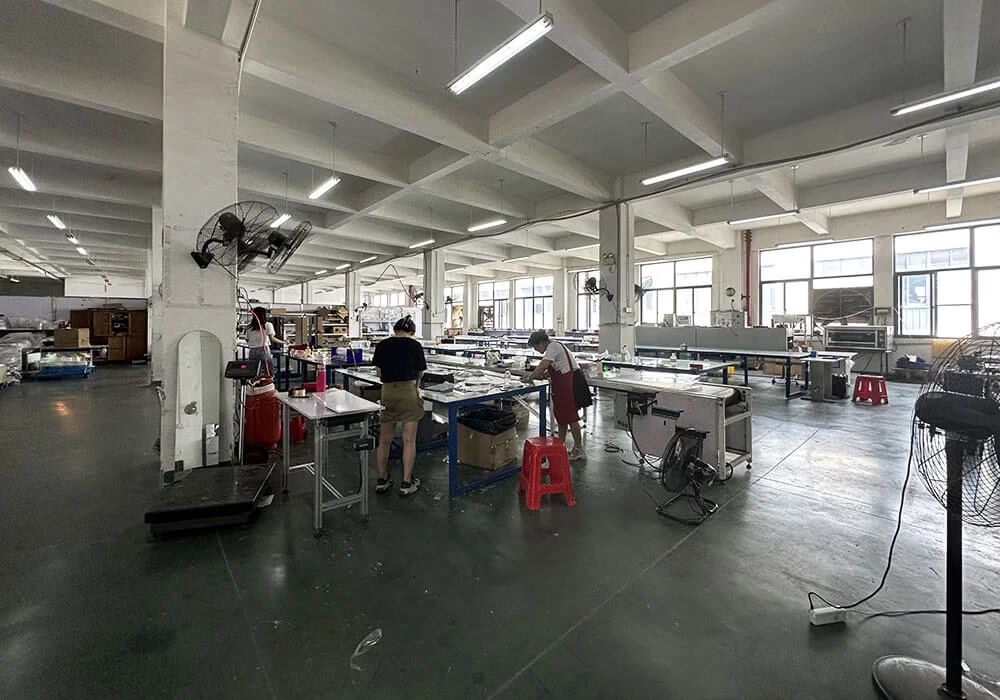
A prop may already have its shape, but it is not finished until the surface is right. And surface finishing often accounts for a larger share of the total timeline than buyers expect.
Retail display props are seen under strong directional lighting and at close viewing distance. A surface flaw that would go unnoticed on a warehouse product becomes immediately visible in a luxury retail window. This is why finish quality cannot be treated as a quick final step.
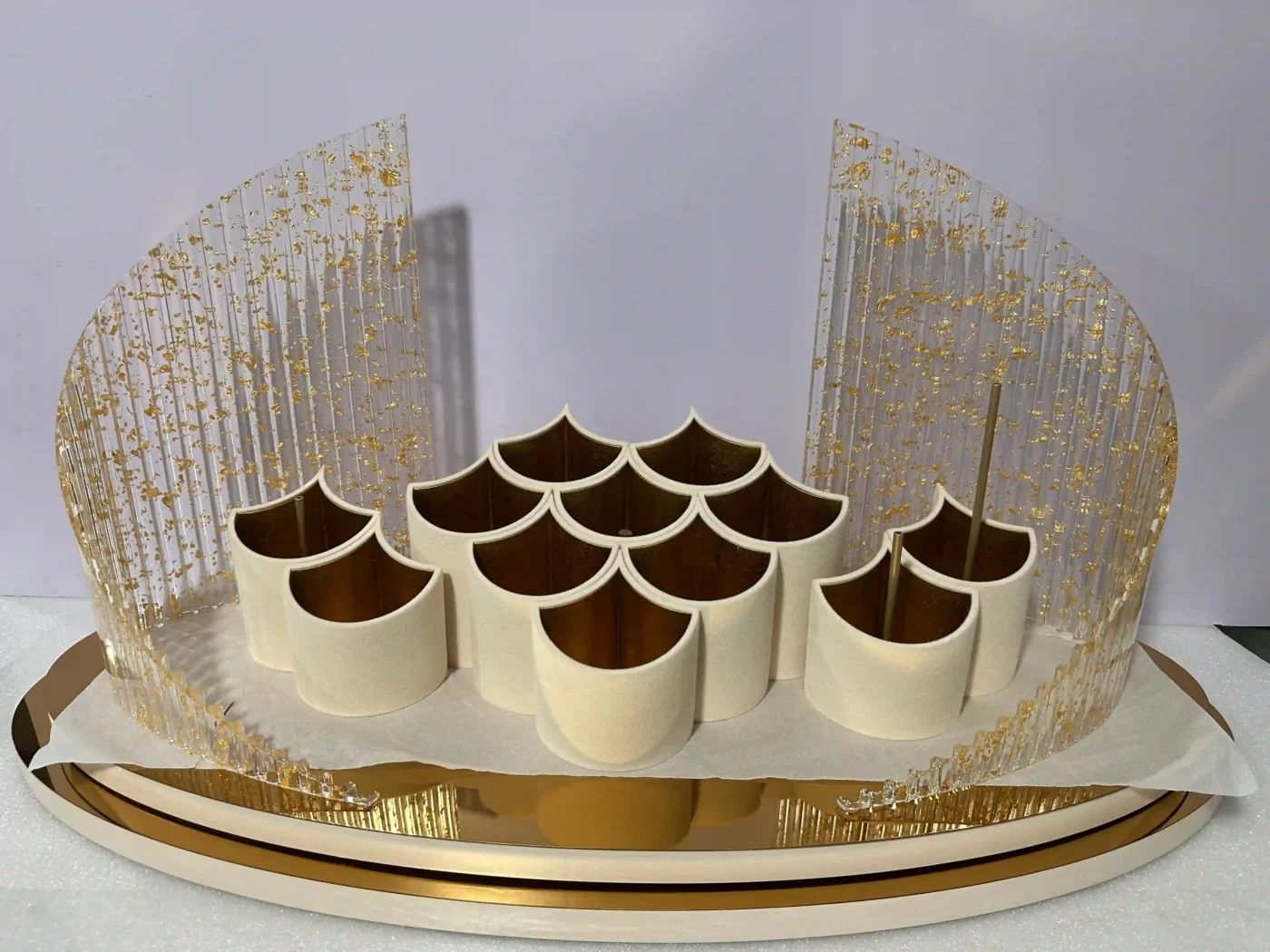
Common finishing processes include spray painting, polishing, UV vacuum metallising, electroplating, PVD coating, flocking, gold leaf application, leather wrapping, silk screen printing, printed graphics and clear coating.
Each finish has its own timing requirement. Metallic finishes need careful surface preparation — any dust or imperfection underneath becomes amplified. Acrylic polishing takes time. Flocking and leather wrapping need stable adhesion before the piece can be packed.
For projects involving reflective or illuminated effects, such as custom acrylic logo signs with LED lighting, surface quality and lighting performance need to be evaluated together — a finish that looks correct under ambient light may look very different under integrated LEDs.
I do not recommend compressing finishing time. A poor finish can make an expensive prop look cheap.
Quality Inspection — Why Pre-Assembly Matters
Before packing, the factory should inspect the finished props against the approved sample standard.
Inspection typically covers:
- Dimensional accuracy
- Colour consistency across units
- Finish quality under appropriate lighting
- Structural integrity and stability
- Lighting function test
- Assembly fit between components
- Quantity verification
- Packing suitability
For complex multi-part displays, pre-assembly is particularly valuable. It allows the factory to confirm that all parts fit correctly before shipment. If fifty stores receive parts that do not align, the problem is no longer a factory issue — it is a brand experience problem that affects store teams, installation contractors and campaign timing simultaneously.
Quality inspection does not need to be dramatic, but it must be consistent. In custom work, small errors become visible very quickly under retail lighting conditions.
Packing and Shipping — Not an Afterthought
Packing is part of the production timeline, not something that happens after the project is “done.”
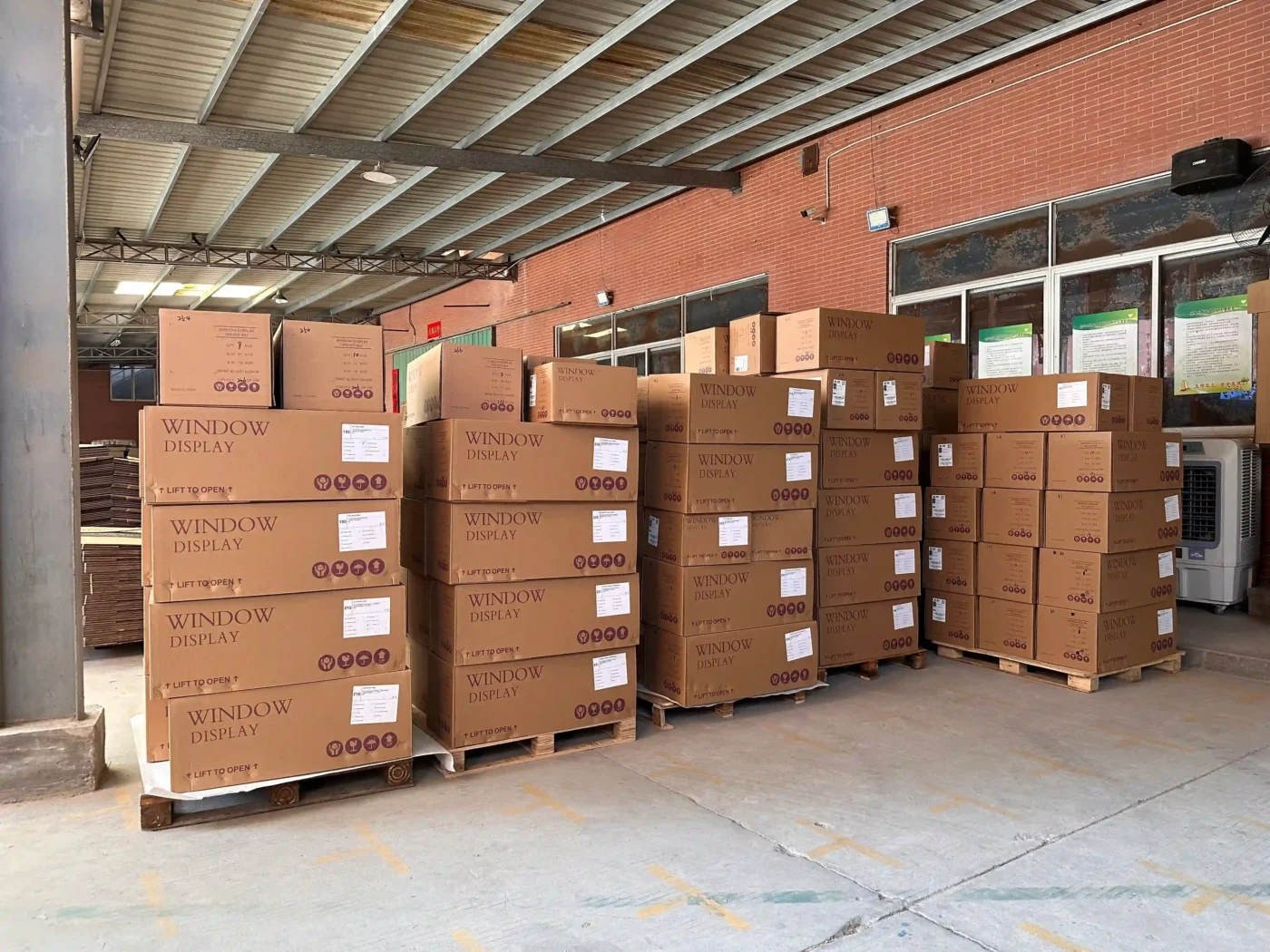
Many display props are oversized, fragile, glossy or irregularly shaped. They may require honeycomb cartons, custom foam protection, wooden crates, pallets, store-specific labels or individually numbered packaging for multi-location rollouts.
Shipping method also affects the overall schedule significantly:
- Sea freight to Europe or North America takes approximately 40–50 days — suitable for large rollouts with adequate planning time
- Air freight can deliver door-to-door in 8–12 days for bulky items — faster but substantially more expensive
- Express shipping works for small urgent samples but is not practical for production quantities
For international projects, delivery responsibility depends on trade terms. The International Chamber of Commerce Incoterms rules define responsibilities such as EXW, FOB, CIF, DAP and DDP, and help both buyer and manufacturer understand who is responsible for what at each stage of transit.
Packaging quality can also be evaluated against ISTA transport packaging test procedures, which provide useful benchmarks for shipment protection — especially relevant for fragile or high-value display props travelling long distances.
Installation Support — Planning Before Production Ends
Not every manufacturer installs props on-site. But installation support is still part of the project timeline — and it should be planned before production ends, not after the goods arrive.
Useful installation support may include:
- Numbered parts with clear assembly instructions
- Installation drawings showing placement and orientation
- Packing labels matched to store locations
- Video guidance for store teams
- Pre-assembly photographs documenting correct configuration
- Spare parts for fragile or high-risk components
- Remote support during installation windows
This is especially important for retail windows, pop-up stores and mall displays where installation time may be limited to a few hours. If the display is complex, the factory should know in advance whether installation will be handled by professionals, store staff or local contractors — because the level of documentation and part labelling needs to match.
Typical Production Timelines for Common Display Types
The following timelines are planning references based on typical project complexity. Actual timing depends on design specifics, quantity, approval speed and shipping route.
Simple Acrylic Logo Sign
- Brief and quote: 1–3 days
- Drawing confirmation: 2–4 days
- Sample: 7–15 days
- Production: 10–20 days
- Packing and shipping: depends on destination
- Typical total (excluding shipping): 3–6 weeks
Medium Custom Window Display Props
- Brief and quote: 2–5 days
- 3D or technical drawing: 3–7 days
- Sample: 10–20 days
- Production: 20–35 days
- QA and packing: 3–7 days
- Shipping: depends on destination
- Typical total (excluding shipping): 6–10 weeks
Large FRP Sculptural Display
- Brief and quote: 3–7 days
- 3D modeling: 5–10 days
- Sample or prototype: 15–30 days
- Production: 30–60 days
- Finishing and inspection: 7–15 days
- Packing and shipping: depends on size and destination
- Typical total (excluding shipping): 9–17 weeks
These are not fixed promises. For seasonal campaigns such as Christmas retail displays, project timing should work backwards from the store installation date — and for Europe and North America, that typically means a mid-November to end-of-November on-shelf target, with production ideally beginning no later than April or May to allow for sampling, revisions and sea freight.
How to Shorten the Timeline Without Losing Quality
If a project is urgent, the timeline can sometimes be shortened. But the right parts should be shortened — and the wrong parts should be protected.
Effective ways to save time:
- Send complete project information with the initial brief
- Approve material direction and colour quickly
- Use existing molds or proven structures where possible
- Simplify complex structural elements that do not affect the visual outcome
- Limit the number of distinct finish variations
- Confirm quantity early so materials can be ordered in advance
- Approve samples promptly with documented feedback
- Prepare shipping information and customs documentation in advance
Ways that cost more time than they save:
- Skipping structural review — leads to rework during production
- Rushing surface finishing — results in visible quality issues under retail lighting
- Ignoring packing requirements — leads to transit damage and replacement orders
- Approving unclear samples — creates disputes during mass production
- Changing the design after production begins — most expensive form of delay
- Waiting too long to confirm shipping terms — can miss container bookings
In custom display production, speed is possible. But it comes from clarity and fast decisions — not from cutting corners.
Frequently Asked Questions
How long does custom display props production take?
Production time depends on complexity, material and quantity. Simple projects such as acrylic logo signs may take 3–6 weeks after approval. More complex custom display props — including large sculptural pieces, multi-finish items or multi-store rollouts — may require 9–17 weeks or longer, especially when sampling, special surface finishes or international sea freight are involved. The most important factor in overall timing is how quickly pre-production decisions are made.
Why does sampling affect the timeline?
Sampling confirms material performance, finish quality, structural integrity and visual effect before the manufacturer commits to mass production. If the sample reveals an issue — incorrect colour, unstable structure, poor surface quality — it is far cheaper and faster to resolve at this stage than during full production. When samples need revisions, the timeline must include additional time for changes, re-fabrication and re-approval.
Can production begin before sample approval?
It is possible in some situations — for example, when the manufacturer and buyer have worked together before on similar items and the design is low-risk. But for new designs, premium finishes or high-value rollout projects, starting production before sample approval is risky. If the production result does not match the buyer’s expectation, the cost of rework or rejection far exceeds the time saved by skipping approval.
What causes most production timeline delays?
In our experience, the most common causes of delay occur outside the factory: incomplete or unclear briefs, slow internal approval processes, late material changes, unclear dimensions, and delayed shipping decisions. On the factory side, the most frequent causes are complex finish requirements that need additional drying or curing time, and design changes made after production has started.
How can I get a faster production timeline?
The most effective way to accelerate a project is to front-load decisions. Send complete information with your initial enquiry, confirm material and colour direction quickly, avoid unnecessary design changes during production, approve samples with clear documented feedback, and provide shipping details as early as possible. For seasonal projects like Christmas campaigns, beginning the conversation in April or May — rather than June or July — gives the entire process room to move at a sustainable pace.
Need a Timeline for Your Display Project?
If you are planning a retail window display, pop-up store, seasonal campaign or custom visual merchandising project, send us your reference images, dimensions, quantity and target delivery date.
We can help estimate the production route, sample timeline, manufacturing duration, packing method and delivery options — and identify where your project can move quickly and where it cannot afford to be rushed.