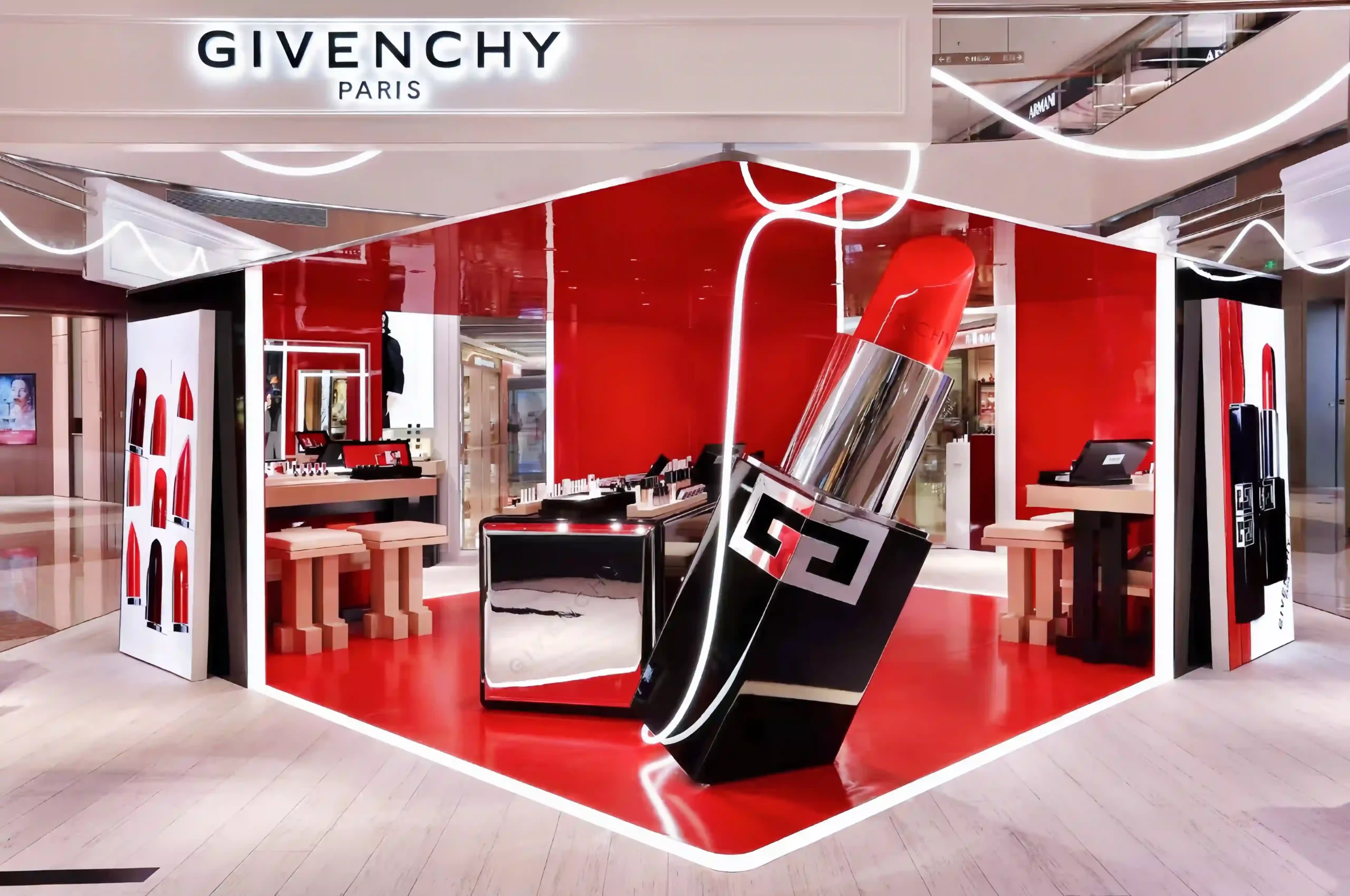
When a retail brand adds an LED screen to a window display, pop-up store or in-store campaign, the screen itself is only one part of the project. The structure that holds it — the aluminum frame, acrylic panels, cable management, mounting system and packing solution — determines whether the display looks integrated or improvised.
This is where fixture engineering meets digital content. The LED screen supplier provides the hardware. The display structure manufacturer provides the skeleton that carries the screen, protects the acrylic surfaces, hides the wiring and survives international shipping.
For brands already working with custom light box displays, an LED screen project follows a similar production logic — aluminum frame, acrylic panels, LED components, finishing — but with additional planning around screen weight, heat management and maintenance access.
What Does the Fixture Manufacturer Actually Build?
In a retail LED display project, the fixture manufacturer is responsible for everything around the screen — not the screen itself.
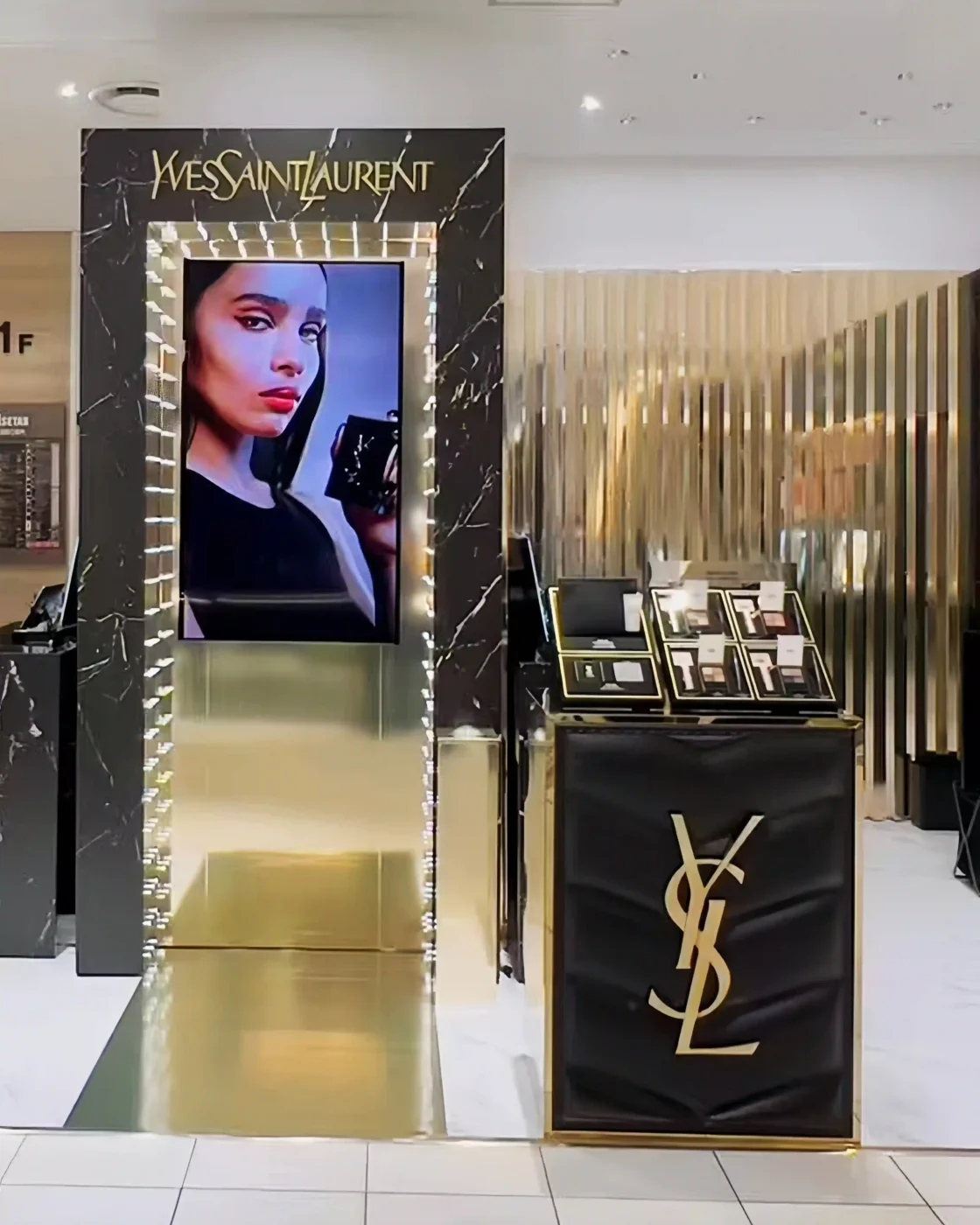
A typical scope includes the aluminum profile frame or fabricated aluminum enclosure, acrylic protective covers and diffuser panels, internal cable channels and power supply housing, mounting brackets and structural reinforcement where the screen adds weight, access panels for maintenance, surface finishing (powder coating, anodizing or painted finishes to match brand colors) and export packaging designed for modular assembly on site.
The LED screen module, media player, content management system and power supply are usually sourced separately — either by the brand, the AV integrator or the screen supplier. The fixture manufacturer’s job is to make sure the structure accepts the screen precisely, protects it during transport and allows the installation team to assemble, service and eventually remove the display without damage.
This is the same engineering discipline behind an aluminum frame light box, but with stronger requirements around load-bearing, thermal ventilation and screen-to-frame tolerances.
Lightbox Structure vs LED Screen Structure: What Changes?
A lightbox and an LED screen display share the same structural DNA — aluminum frame, acrylic face, LED components, cable management — but the engineering priorities shift.
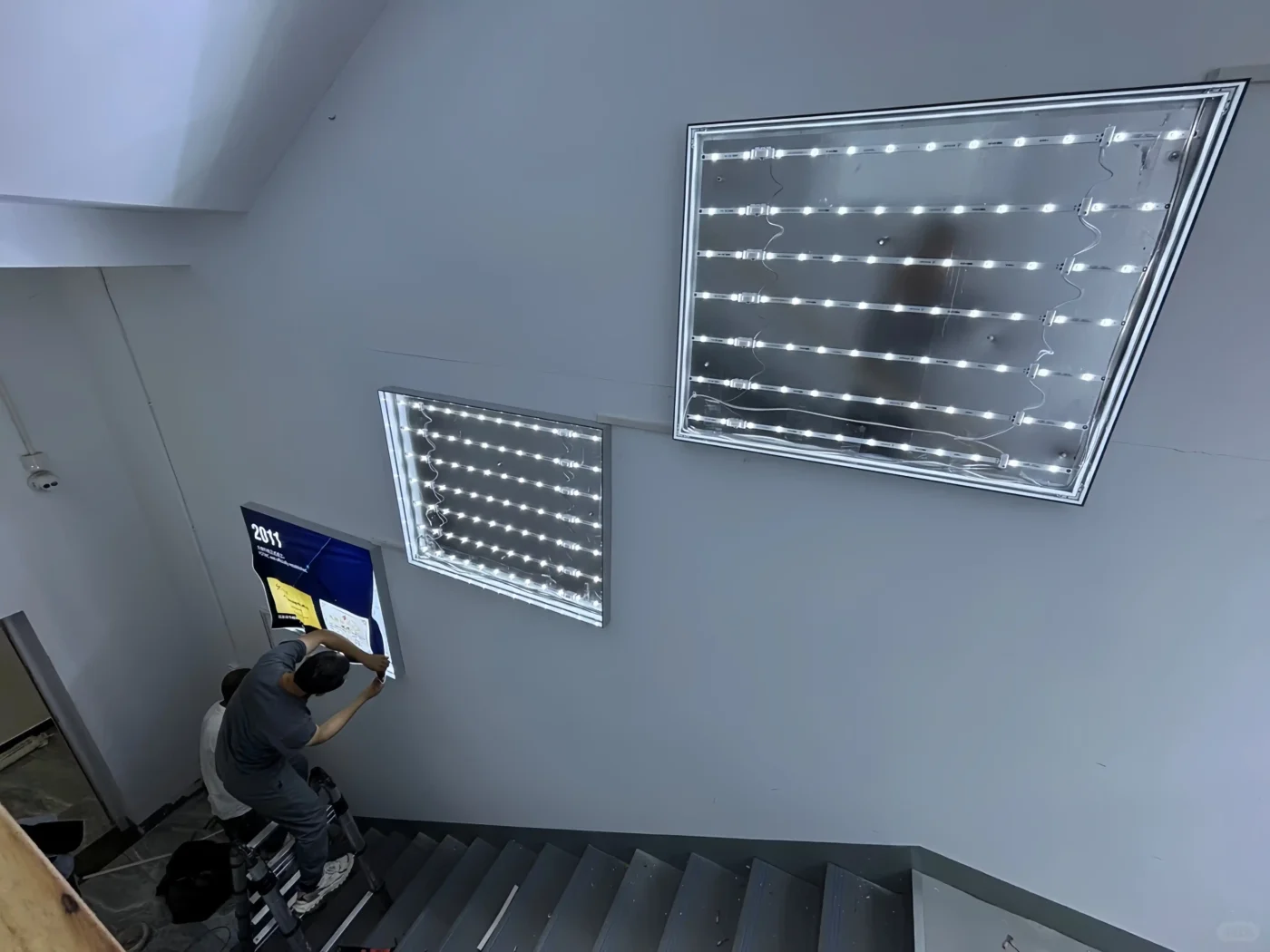
A lightbox structure holds LED strip or edge-lit panels behind a diffuser. The frame carries relatively little weight, the heat is minimal, and the acrylic face is the primary visual surface. Once installed, a lightbox rarely needs internal access unless the graphic is being changed.
An LED screen structure holds a heavier, heat-generating module that needs airflow, precise fixing points, cable access for data and power, and a maintenance path for screen servicing or replacement. The acrylic panels around the screen serve different roles — protection, decoration, brand graphics — but they must not trap heat or obstruct the service access.
For retail visual merchandising, the choice depends on the role of the display in the store environment.
A lightbox structure works when the brand needs clean illumination behind static graphics, premium logo lighting, soft background glow or repeatable campaign panels with lower complexity.
An LED screen structure works when the brand needs motion content, seasonal campaign changes on a reusable surface, digital storytelling, interactive or QR-driven messages, or higher visual attention from passing traffic.
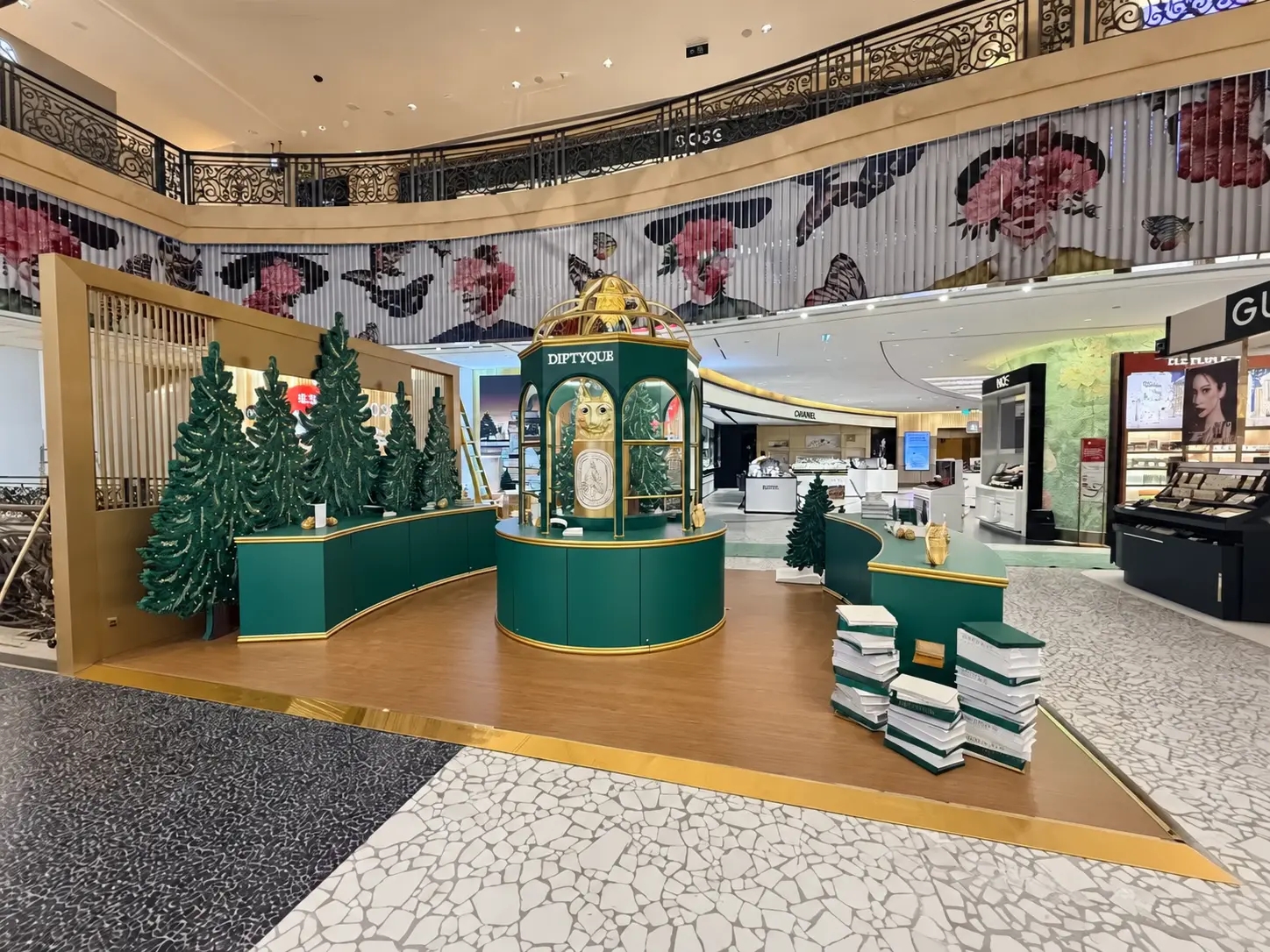
Many luxury retail projects combine both. A pop-up display wall might use a central LED screen for campaign video, flanked by acrylic lightbox panels for logo illumination, with metal display shelves and sculptural props in front. This is where retail display solutions should be planned as one connected system — not screen and structure ordered from separate suppliers with no coordination.
Why Aluminum Frames Suit Retail LED Display Projects
Aluminum is the default frame material for retail LED display projects because it solves the specific constraints of temporary, branded, shippable display structures.
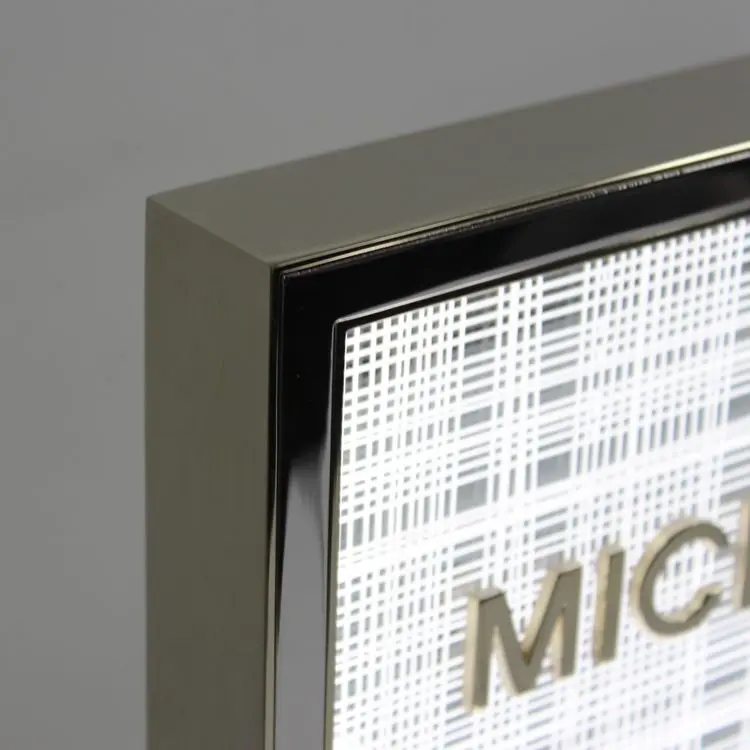
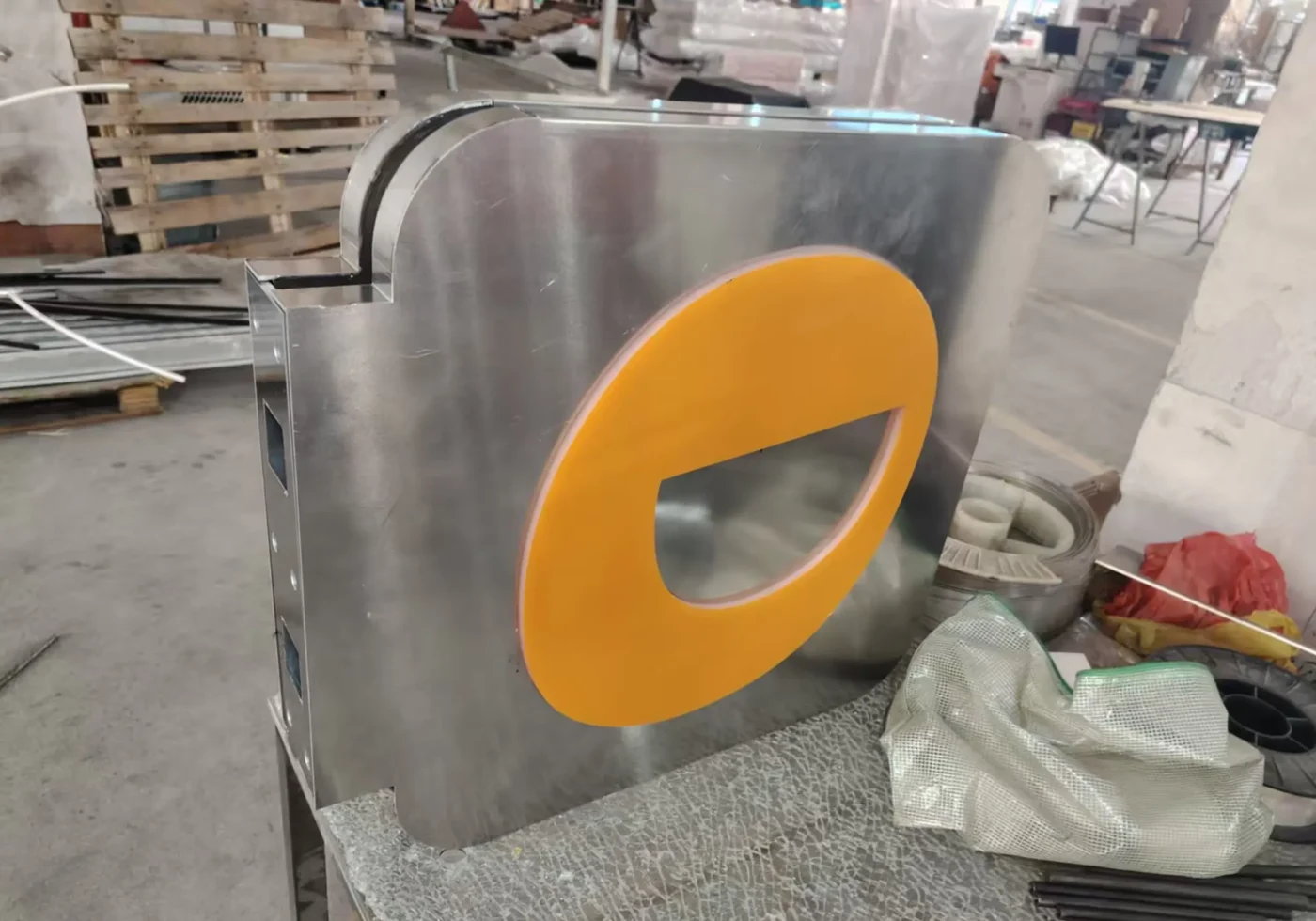
Compared to steel, aluminum is significantly lighter — which matters when a display needs to be air-freighted to a pop-up event, carried through a shopping mall during limited working hours, and removed after a four-week campaign. Compared to raw wood or MDF, aluminum holds tighter tolerances and allows for machined slots that accept acrylic panels, screen modules and cable covers without visible fasteners.
Aluminum frames for LED display projects can be powder coated to match brand Pantone colors, anodized for a refined metallic finish, machined for precise panel-to-frame interfaces, combined with acrylic covers and diffuser panels, designed with hidden cable routes and access panels, built as modular knockdown sections for flat-pack shipping, and reinforced locally where screens or heavy props add concentrated load.
From a manufacturing perspective, the frame must not only look slim in the design render. It must carry the screen safely, protect the acrylic panels during transit, allow access to wiring on site, and survive packing and unpacking across multiple campaign cycles.
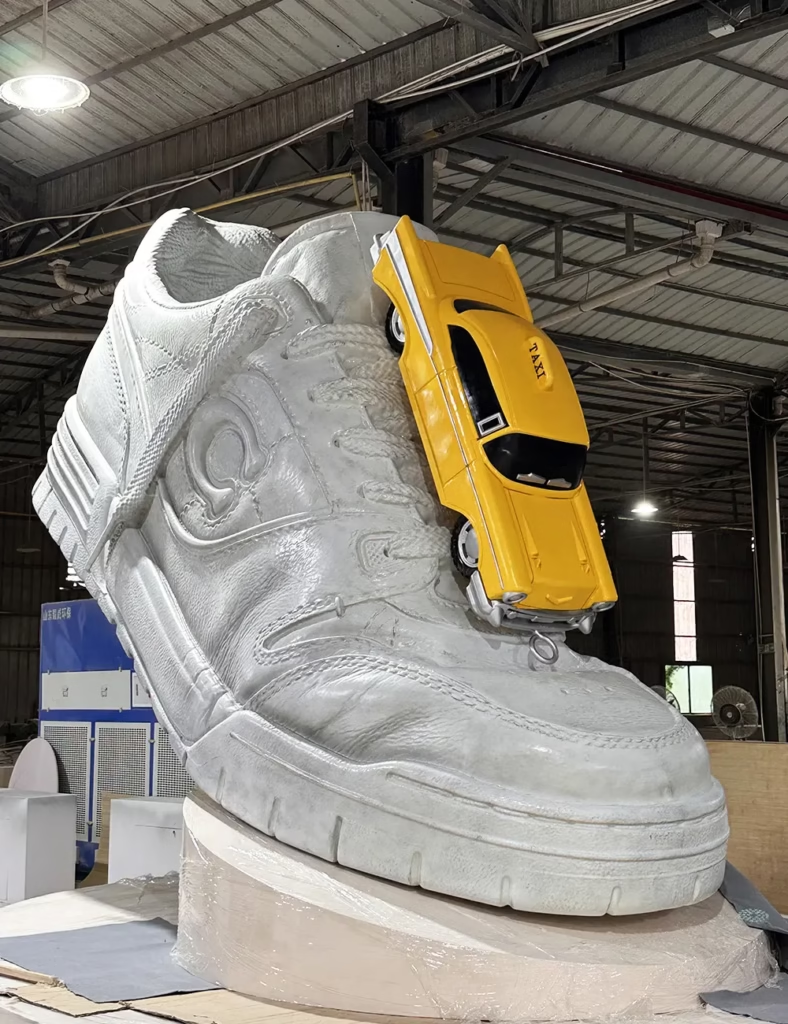
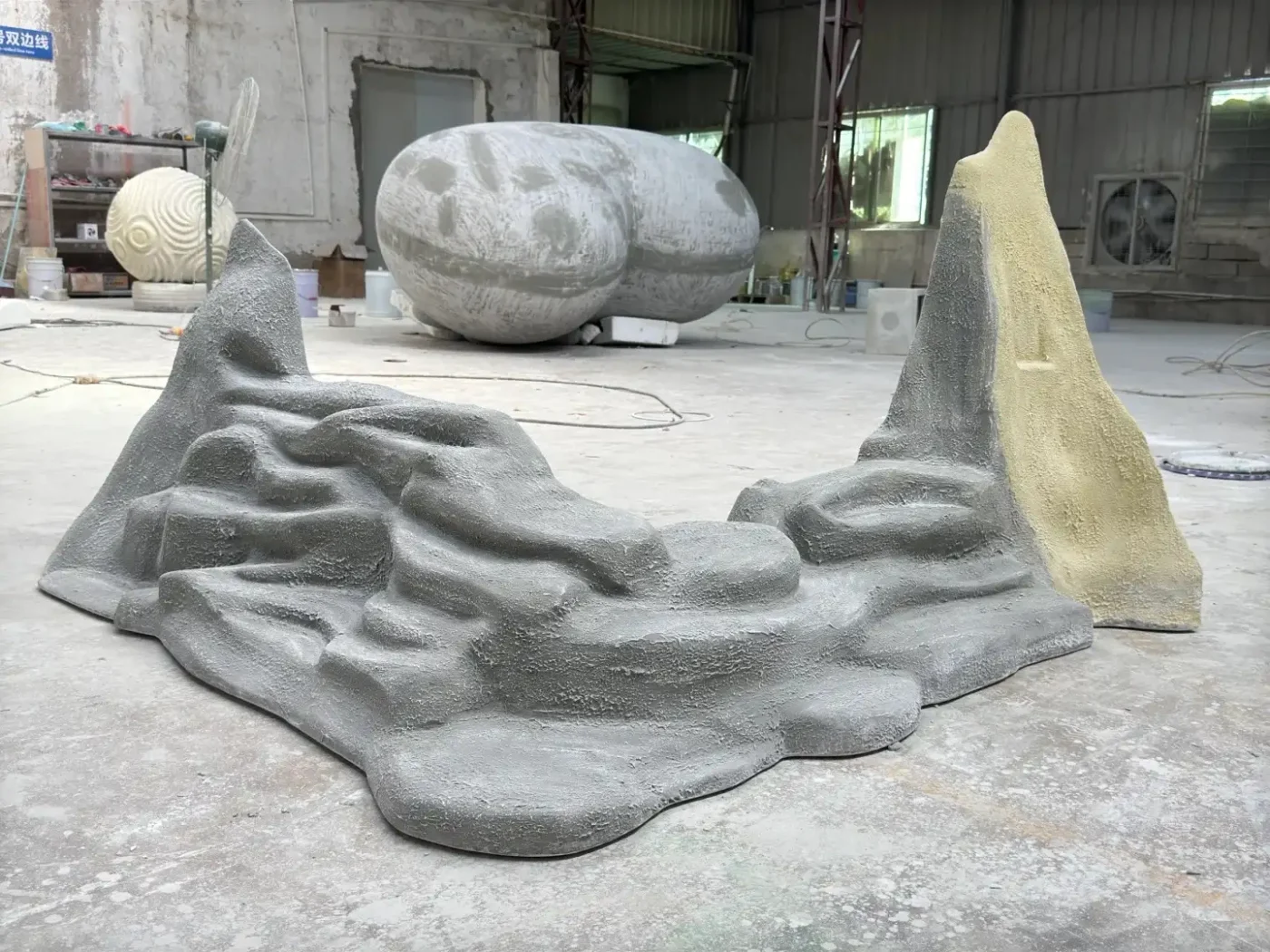
For more complex builds, the aluminum frame often needs to integrate with counters, plinths, shelving systems, sculptural props or wall-mounted panels — which connects with the broader scope of custom display props manufacturing.
Acrylic Panels in LED Display Structures
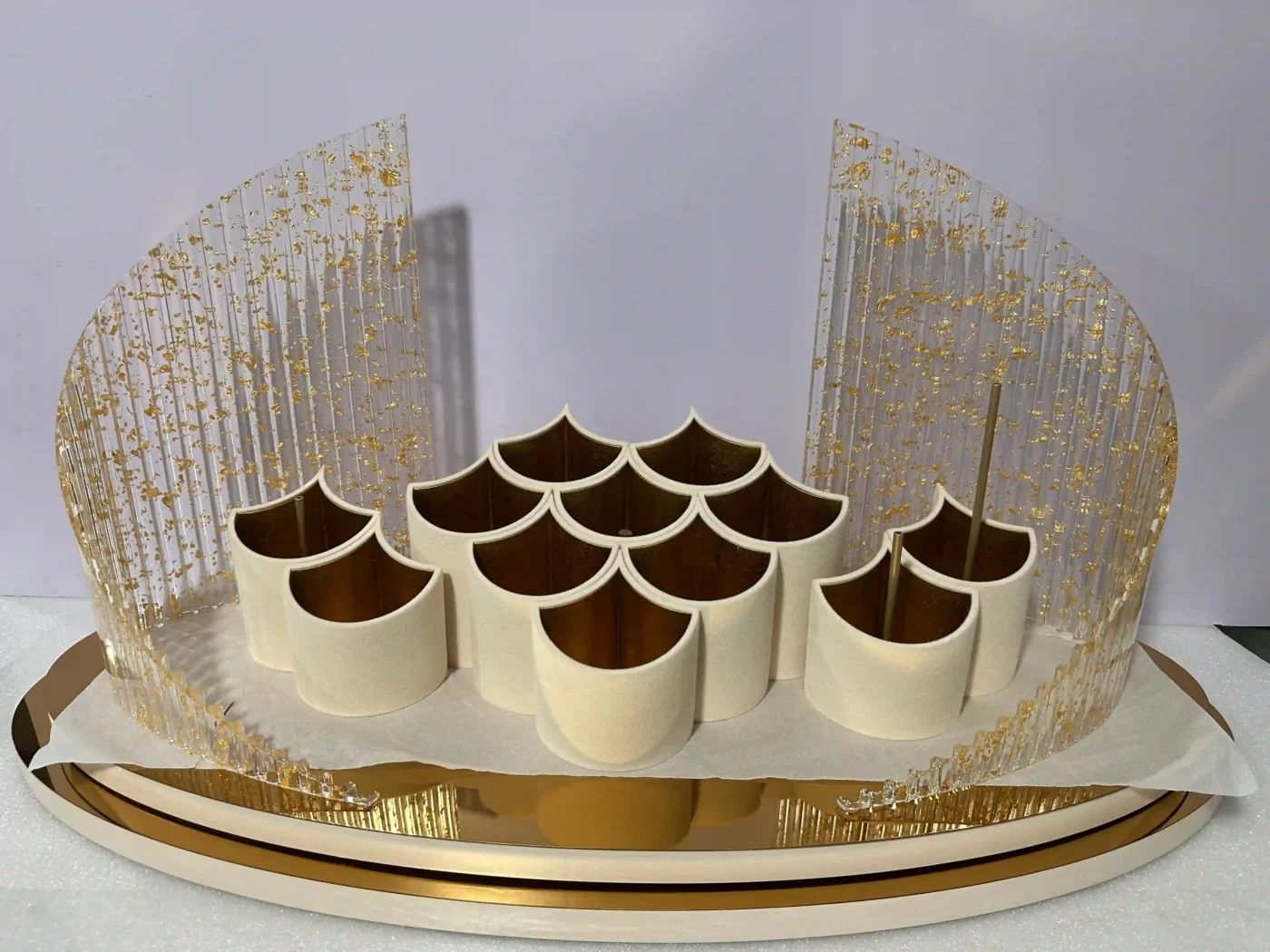
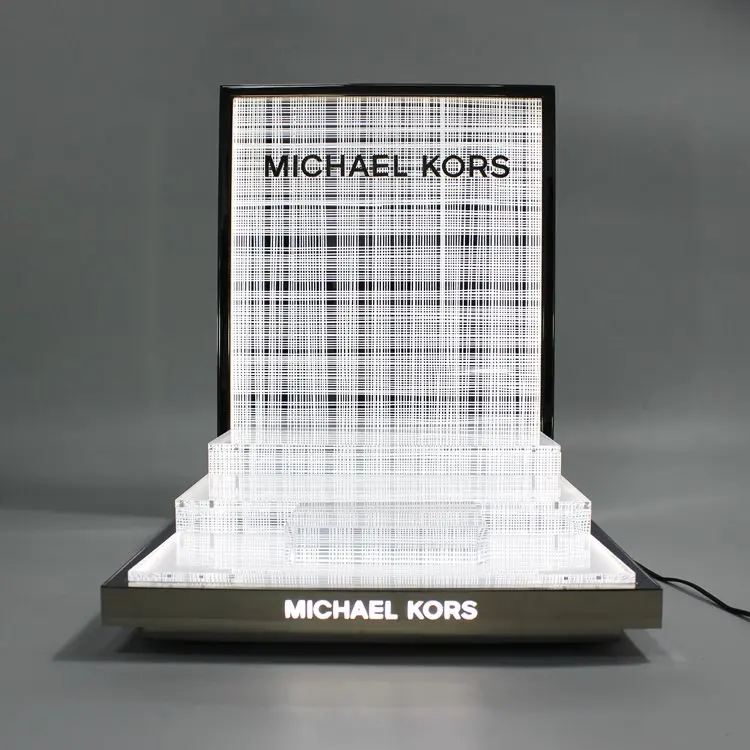
Acrylic panels appear in almost every aluminum frame LED display project because they handle multiple roles: protecting the screen from touch and dust, softening LED glare, carrying printed campaign graphics, creating brand atmosphere through color or finish, and adding visual depth through mirrored or frosted surfaces.
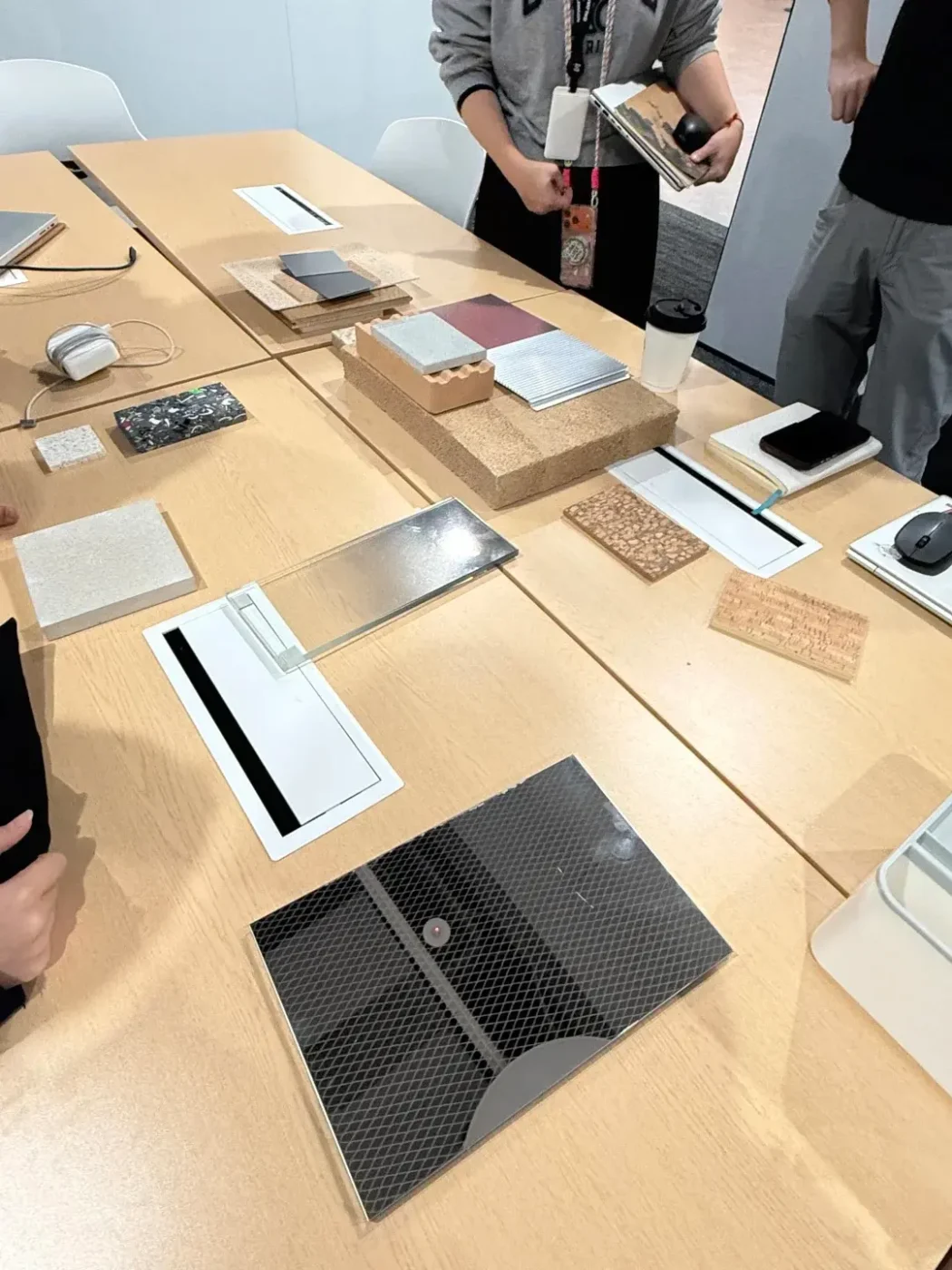
The specific acrylic type matters more than most project teams expect. Clear acrylic protects but shows every fingerprint. Frosted acrylic softens but can dim the screen. Milky acrylic diffuses LED points beautifully but may reduce contrast. Printed acrylic carries graphics but needs the right ink system for backlit use. Colored acrylic adds atmosphere but shifts the perceived screen color. Mirrored acrylic creates depth but adds reflection that competes with screen content.
In luxury retail, acrylic selection is where many displays succeed or fail. A poor choice makes a premium structure look flat, harsh or cheap. A good choice makes the same aluminum frame feel architectural and intentional.
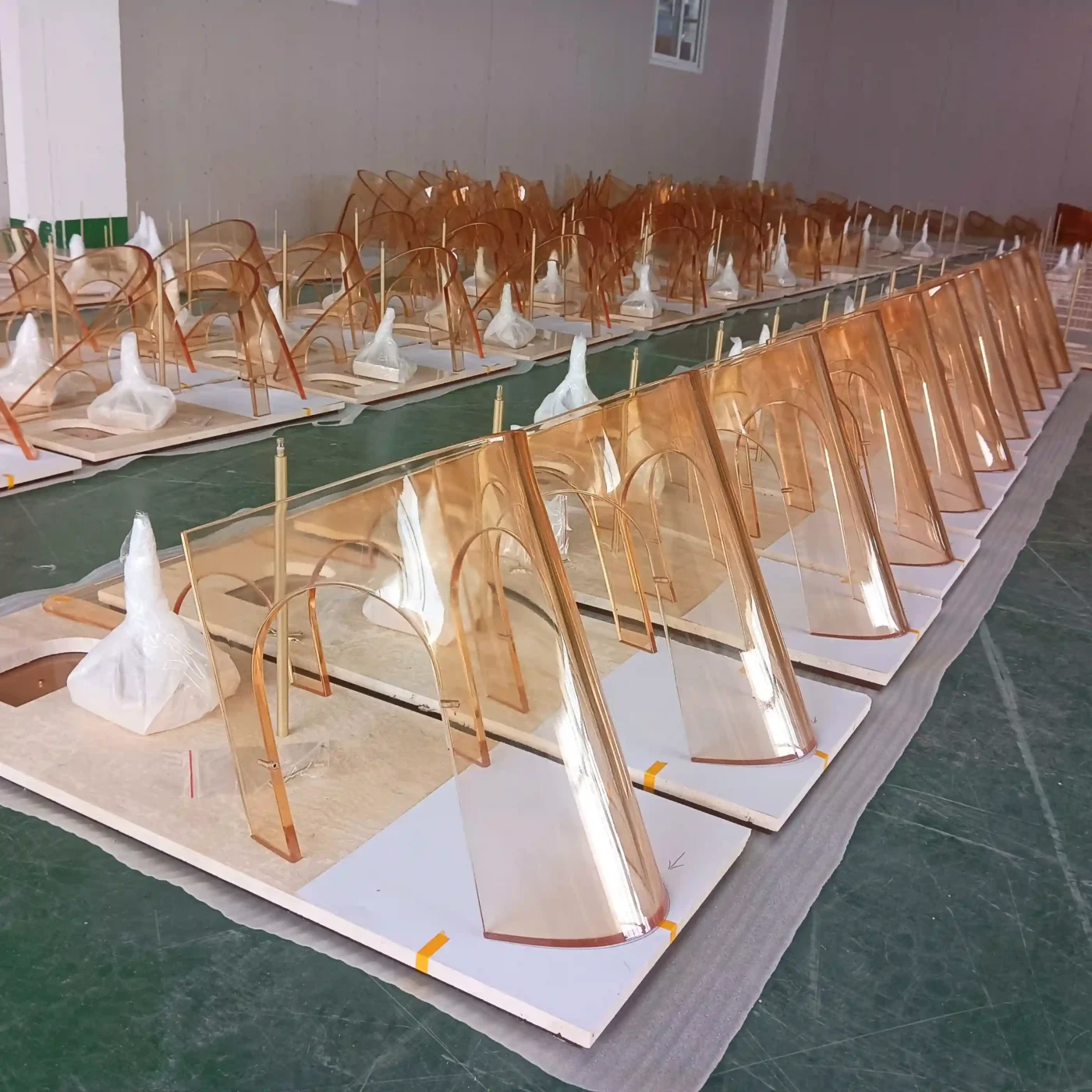
Common acrylic applications include front protection covers, side light diffusers, logo faces, printed graphic panels, translucent campaign surfaces, removable graphic layers, screen surrounds and illuminated product backdrops.
If the project relies heavily on acrylic surfaces, planning should reference acrylic panels for light boxes — especially for thickness, diffusion grade, print method, fixing method and cleaning access.
Where Retail Brands Use These Structures
Aluminum frame LED display structures appear across the retail environment in different configurations.
Retail Window Displays
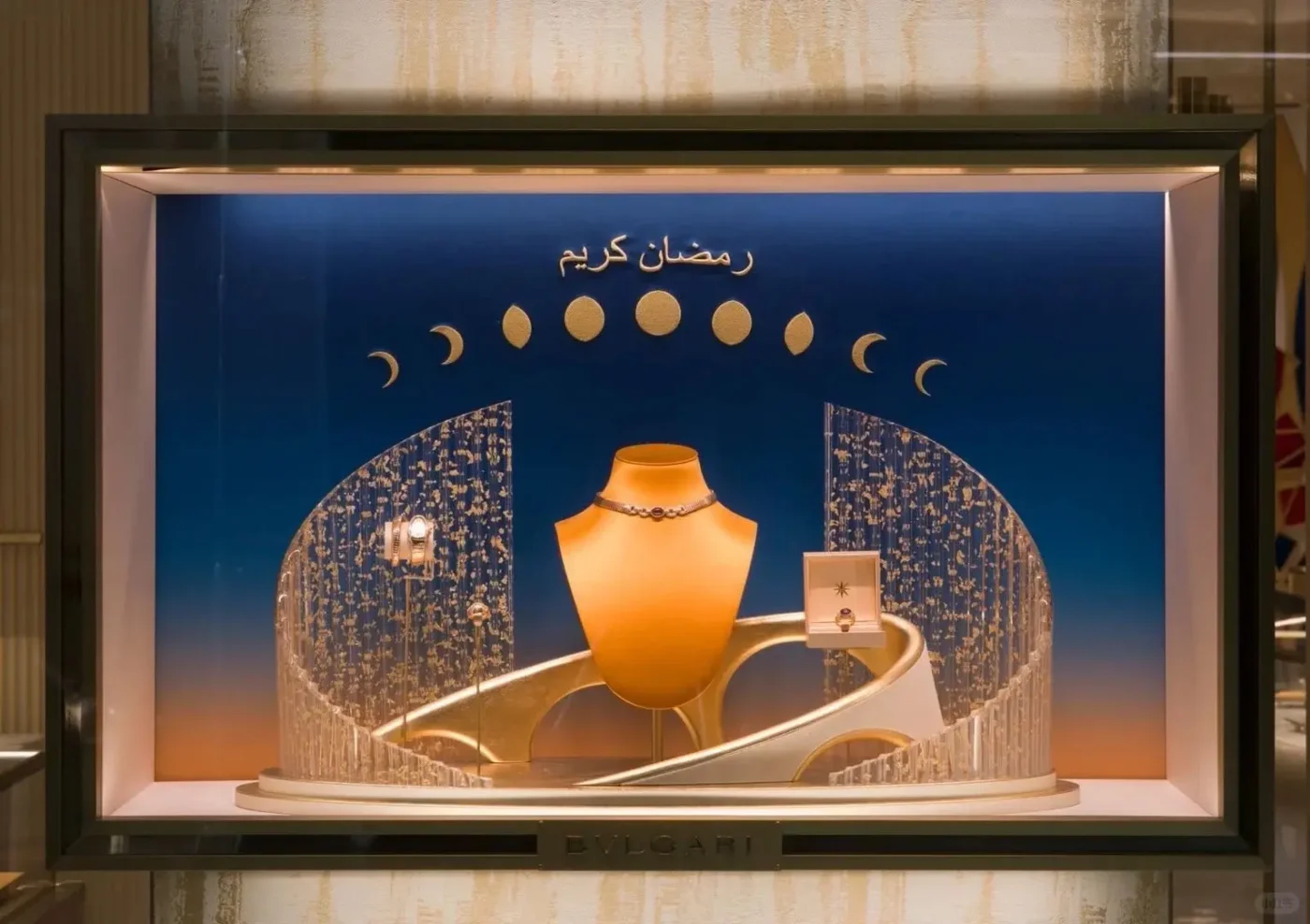
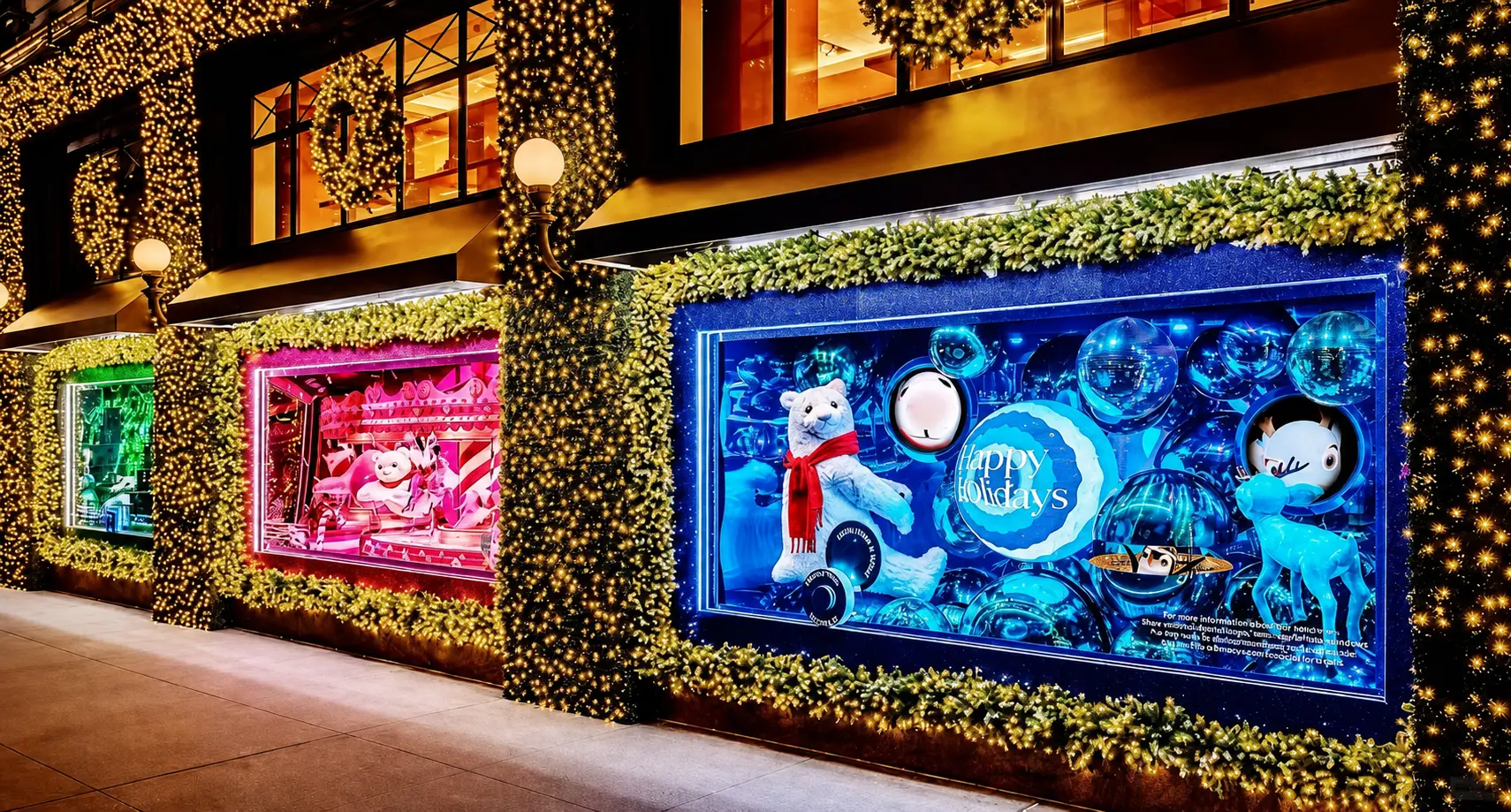
In window displays, the LED screen adds movement and visibility from street distance. The aluminum frame integrates the screen with physical display elements — props, mannequins, acrylic logo signs, printed panels and spotlighting — so the screen looks like part of the window composition, not a standalone monitor.
If the project also includes static illuminated elements, the design should connect with the planning approach for custom light signs to keep the visual language consistent across digital and physical surfaces.
Pop-Up Stores
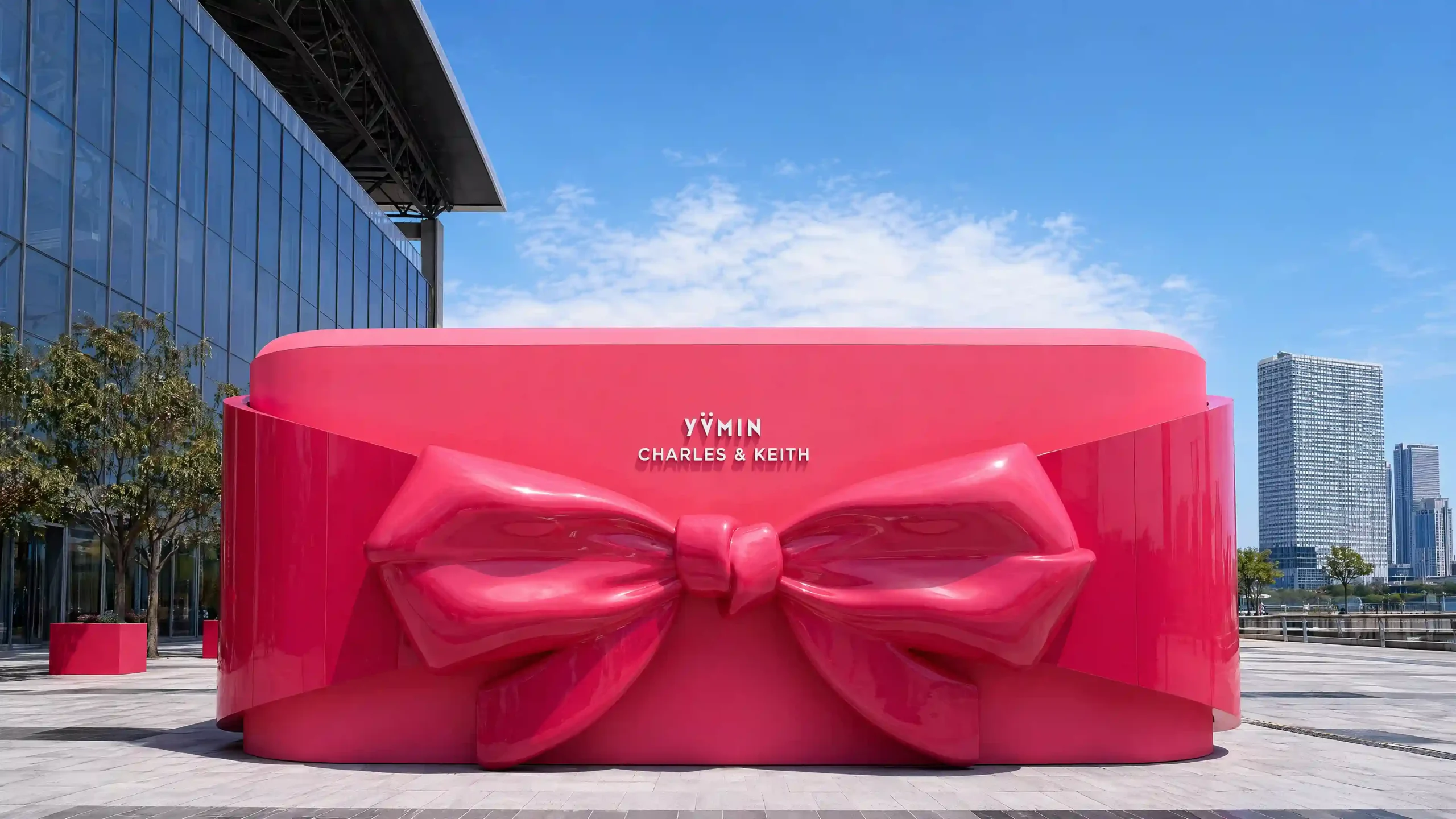
Pop-up spaces benefit from modular LED display structures because the same frame can be reused across campaigns with different screen content, replaceable acrylic panels and new printed graphics.
The practical question is always: can the structure be flat-packed, shipped internationally, assembled during a limited site access window, and removed cleanly? If the answer is no, the display may look good in the design render but fail in operation.
Store Interiors
Inside stores, LED display structures can serve department zones, product launch counters, beauty walls, fragrance areas, eyewear displays and checkout surrounds.
Brightness control matters here. Interior LED displays should support the buying environment and product presentation, not overpower them with visual noise.
Event and Exhibition Displays
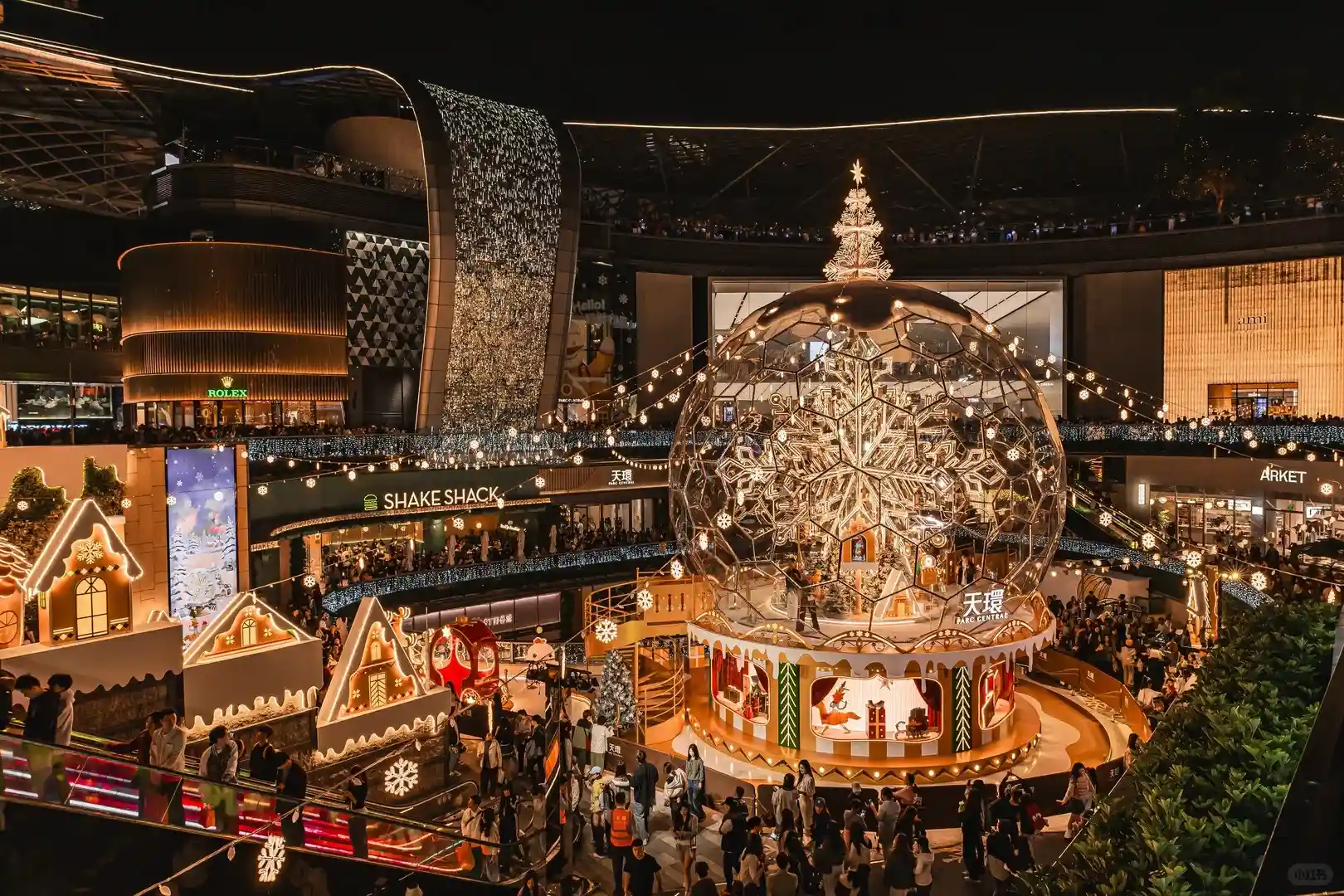
For trade shows, launch events and temporary installations, aluminum frame LED structures create brand presence without permanent construction. They can combine with shelving, podiums, printed backdrops and product sample displays.
Production Details to Confirm Before Manufacturing
An aluminum frame LED display structure needs more technical planning than a standard printed display panel. Before production starts, the project team should confirm these details with the fixture manufacturer.
Screen Specification and Weight
The frame must be engineered to the exact LED screen model — dimensions, weight, fixing points and cable exit positions. If the screen is heavier than the frame was designed for, internal reinforcement may be needed. This information must come from the screen supplier before frame production begins.
Heat and Ventilation
LED screens and power supplies generate heat during operation. The aluminum frame should include ventilation gaps, airflow channels or passive cooling zones — especially for displays running continuously during store hours.
Cable Management
Visible cables will damage the appearance of a premium retail display. Cable paths, access holes, power entry points and maintenance zones should be designed into the frame engineering, not improvised during installation.
Acrylic Panel Access
If acrylic covers need cleaning or seasonal replacement, the frame should provide access — through magnetic panels, hidden fasteners or front-opening systems — without requiring full disassembly.
Modular Packing
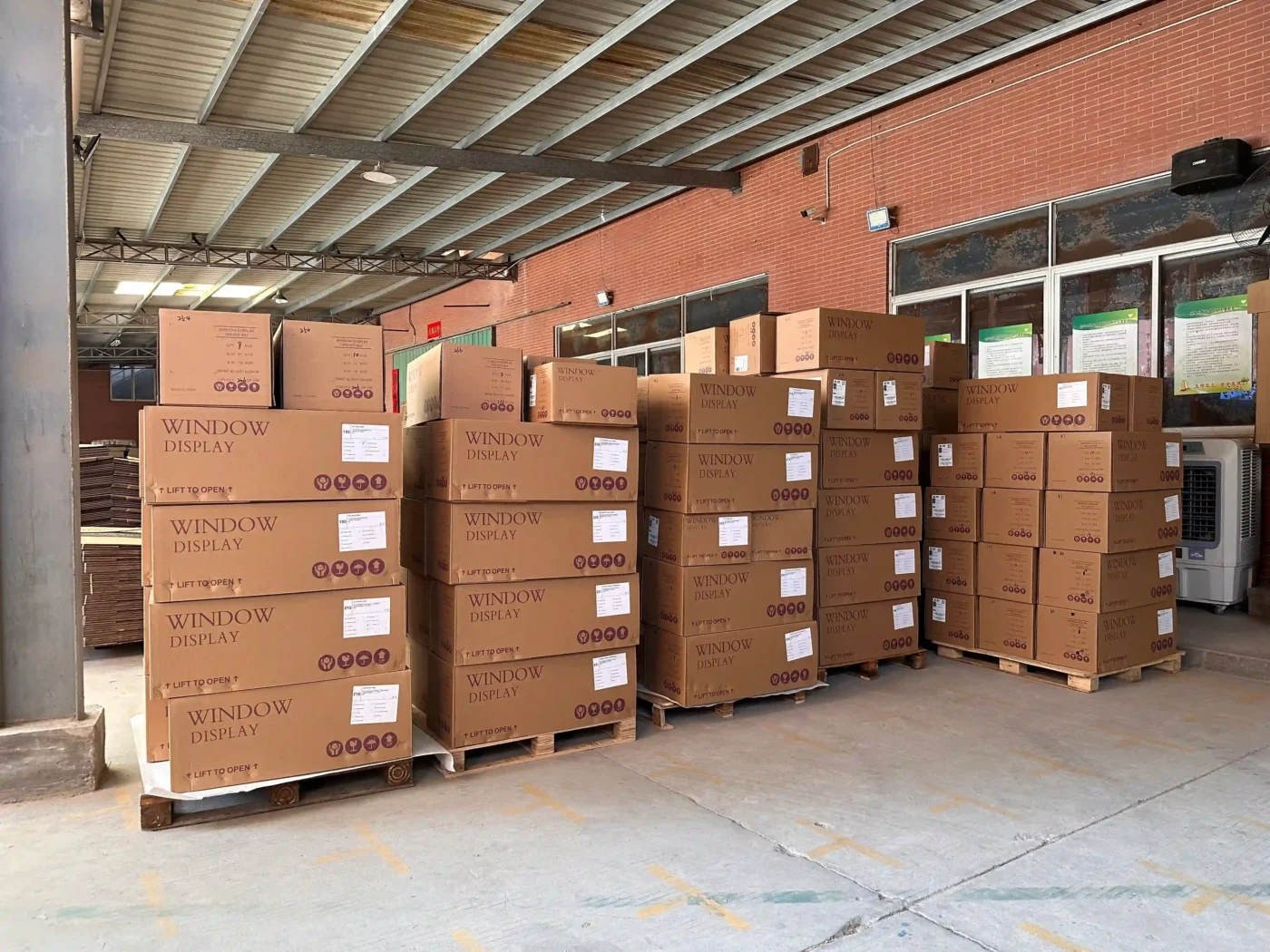
For international shipping, the structure typically needs to break down into sections. Each section must be strong enough to survive freight handling but simple enough for on-site assembly by a local installation team working from an instruction guide.
Site Installation Method
The installation method must match the retail site. Some displays are freestanding with hidden base weights. Some are wall-mounted. Some connect to counters or existing millwork. Some need floor plates. The fixture manufacturer needs site information early — not after the frames are already in production.
This is where production experience determines the outcome. A well-engineered LED display structure is not finished when the light turns on. It is finished when the full cycle works — delivery, assembly, operation, servicing and removal.
How LED Display Structures Connect with Lightboxes
This topic sits naturally inside a broader lightbox and light sign content cluster.
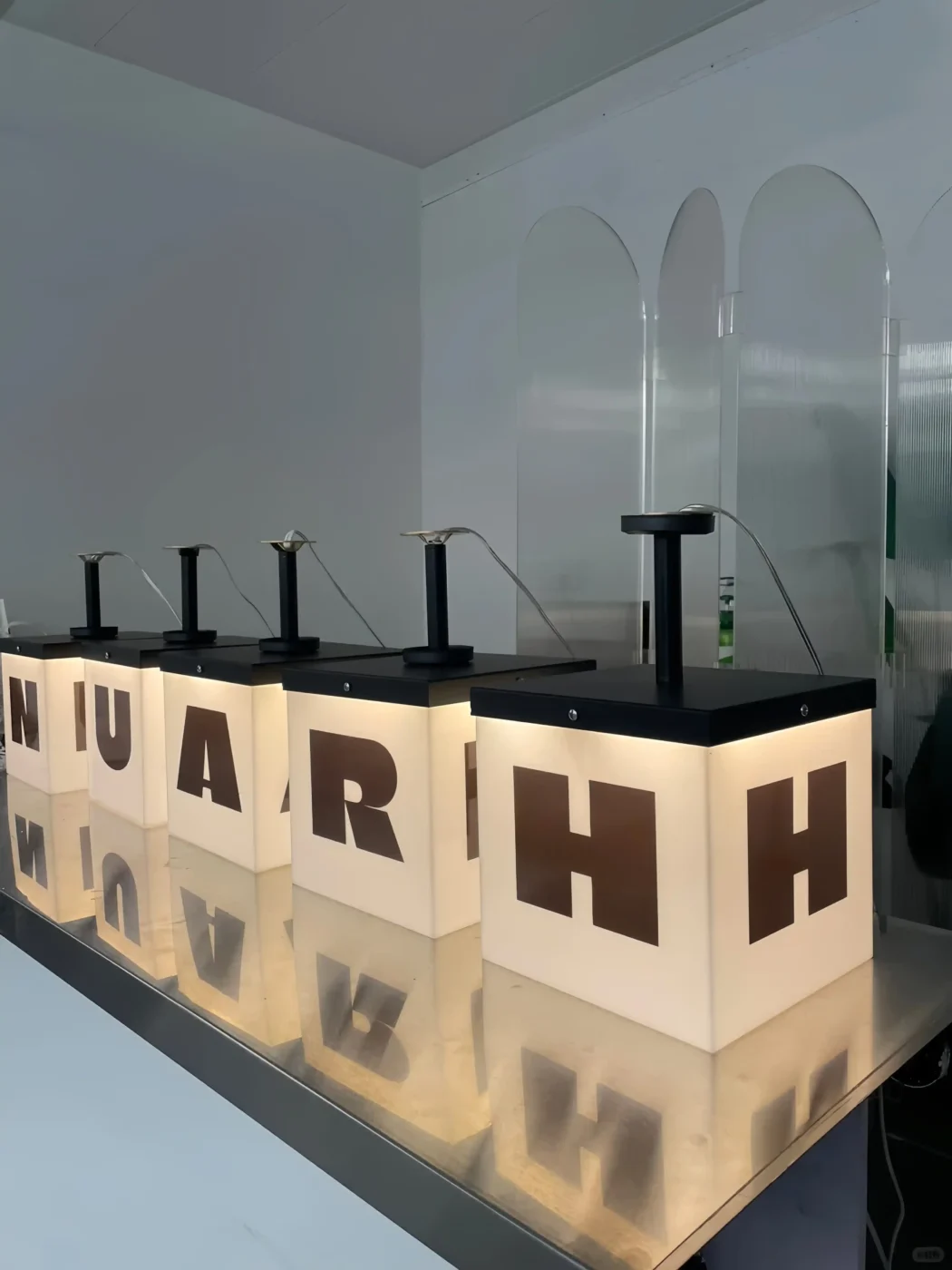
A lightbox gives static glow. A light sign gives branded illumination. An LED display structure adds motion. When used together in the same retail environment, they create visual depth, content hierarchy and campaign flexibility.
A typical combined installation might include an aluminum lightbox wall behind products, an LED screen structure in the center for campaign video, an acrylic logo sign above the display, printed graphics on side panels, freestanding sculptural display props in front, and a hidden aluminum support framework connecting everything behind the visible surfaces.
This approach lets brands update digital content seasonally while keeping a physical display structure that does not need to be rebuilt every campaign. It also helps visual merchandising teams avoid starting from zero each time the window or store layout changes.
For this reason, aluminum frame LED display structures connect directly with custom light box displays, aluminum frame light boxes and custom retail lightboxes.
FAQ
What does a fixture manufacturer build in an LED display project?
The fixture manufacturer builds the structural components — aluminum frame, acrylic panels, cable management, mounting system, surface finishing and export packaging. The LED screen module and content system are typically sourced separately by the brand or AV integrator.
Is an aluminum frame LED display the same as a lightbox?
No. A lightbox structure holds LED lighting behind a diffuser or printed graphic for static illumination. An LED display structure holds a screen module that plays video or digital content. They share similar frame engineering but have different requirements for weight, heat and maintenance access. Many retail projects combine both.
Can acrylic panels be used around LED screens?
Yes. Acrylic panels can serve as protective covers, diffuser layers, decorative faces, printed graphic surfaces or illuminated brand elements around an LED screen. The panel type depends on brightness, viewing distance, heat exposure, cleaning needs and installation method.
Are aluminum LED display structures suitable for pop-up stores?
Yes. Aluminum frames are lightweight, modular and suitable for temporary retail spaces. They can be designed for flat-pack shipping, fast on-site assembly, repeated use across campaigns and export packaging that meets international freight requirements.
What information does the fixture manufacturer need for a custom LED display project?
A quote typically requires display dimensions, LED screen model and weight, frame finish specification, acrylic panel requirements, installation method, quantity, site access constraints, packaging needs, delivery deadline and destination country.
Final Thought
An aluminum frame LED display structure works when the engineering is planned from the start — frame, screen interface, acrylic integration, wiring, access, packaging and installation all coordinated as one system.
The screen brings the visual content. The structure makes it work inside a real retail environment — clean, safe, shippable and reusable.
If you are planning a retail LED display project, pop-up screen installation, illuminated brand zone or mixed lightbox and screen system, send your project dimensions, screen specifications, visual references, quantity and installation requirements through the custom display structure quote page.