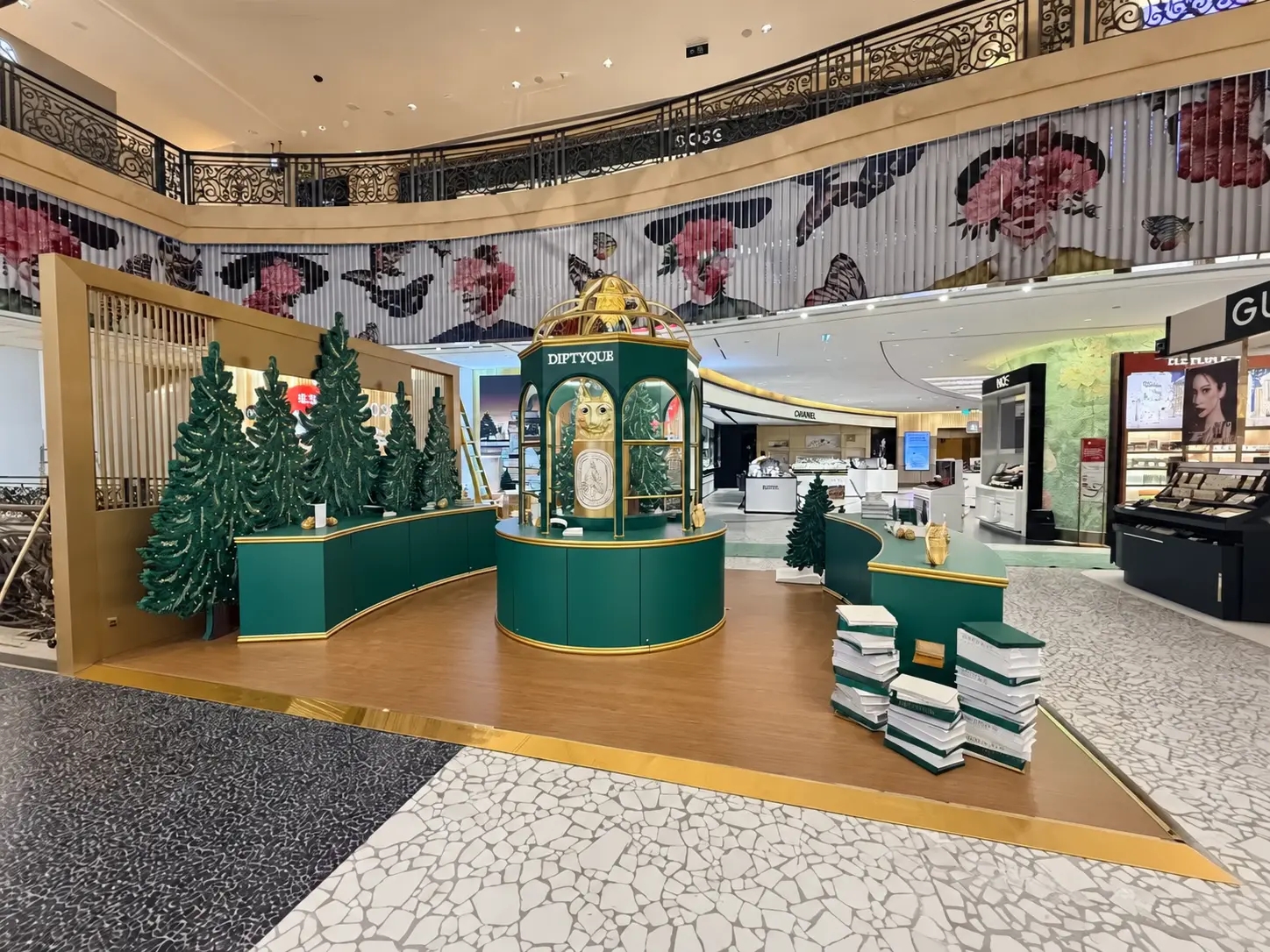
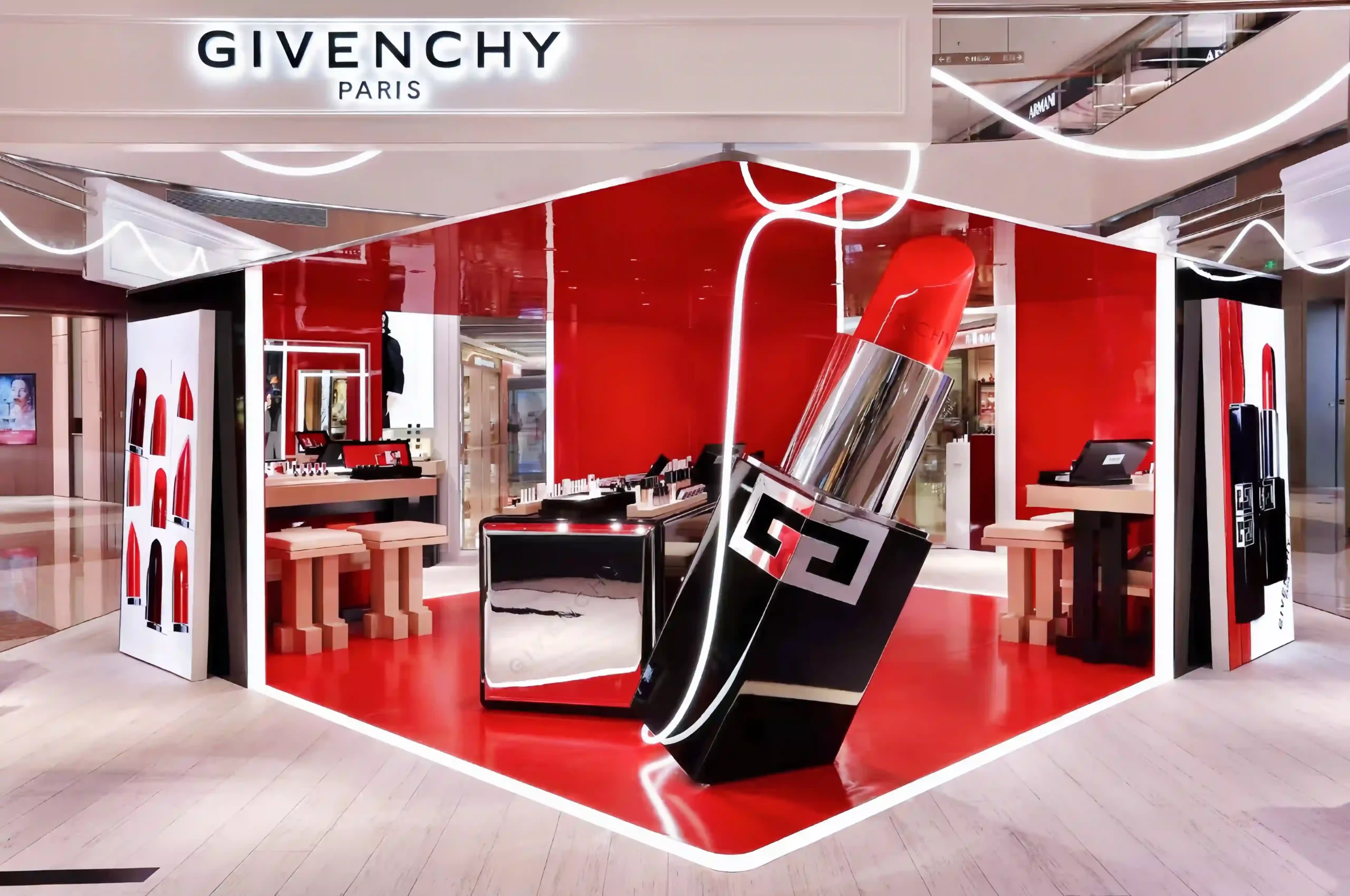
Kesslers London is a well-known name in the retail display and point-of-sale sector, especially for brands looking at in-store fixtures, beauty counters, shop-in-shop concepts and retail display systems. Based on Kesslers’ public website, the company presents work across retail design, engineering, manufacturing and installation. For VM Display, the value of studying a company like Kesslers is not to suggest any relationship, but to understand what global brands expect from high-standard retail display partners.
From our perspective as a retail display manufacturer, these public projects show how much technical thinking sits behind attractive retail presentation.
Kesslers’ Public Projects: Beauty, Fashion and Multi-Category Retail
Kesslers’ public project archive includes examples such as Charlotte Tilbury x Disney, Armani and M&S Battersea. These projects are useful references because they show different levels of retail complexity: beauty storytelling, premium fixture execution, and multi-category store presentation.
For agencies and sourcing teams searching for POS display fixtures, the lesson is that the fixture is not only a product holder. It is part of the brand’s sales language, customer flow and visual identity.
Beauty Retail Displays: Why Finishing Quality Defines the Fixture
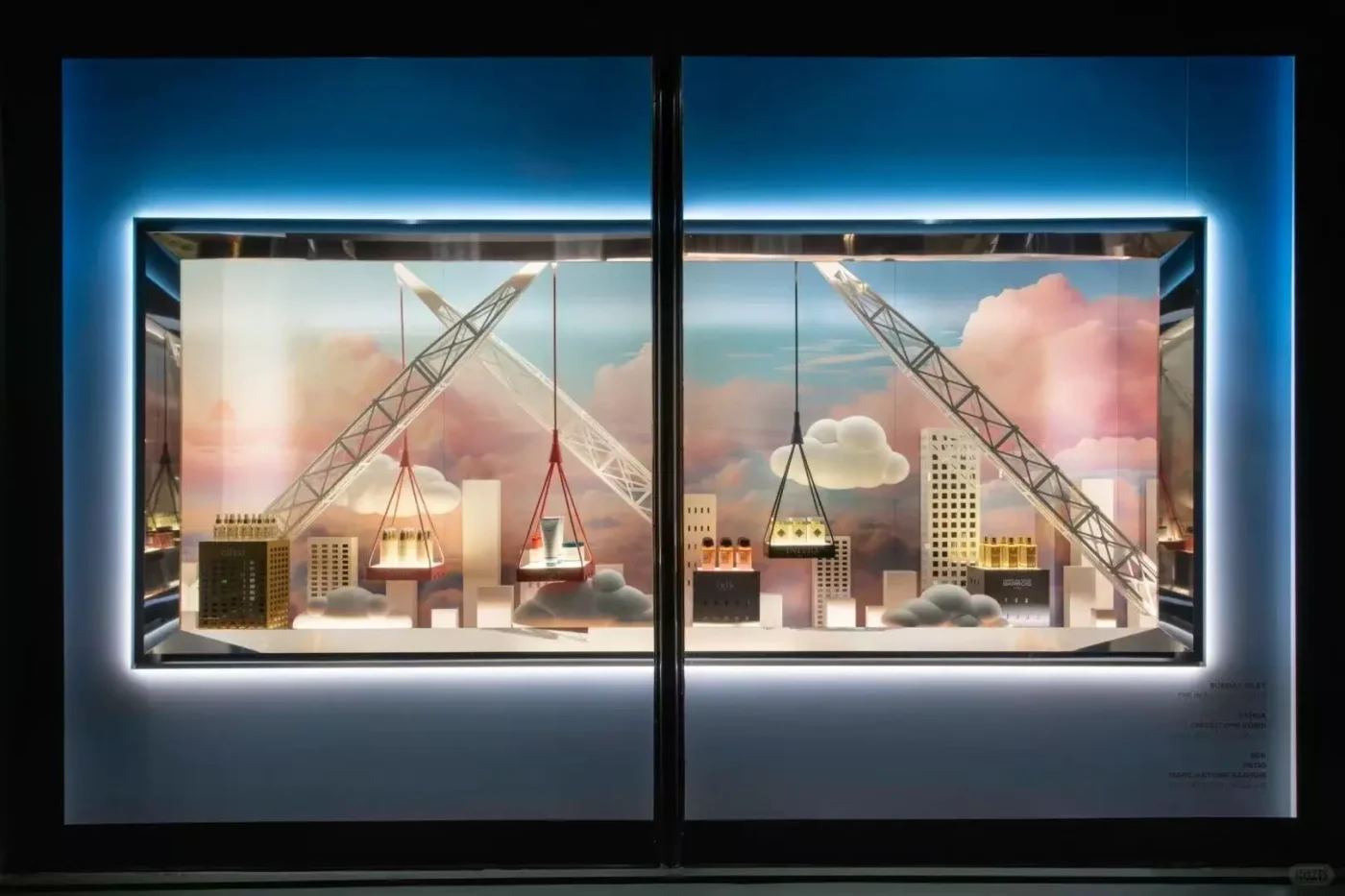
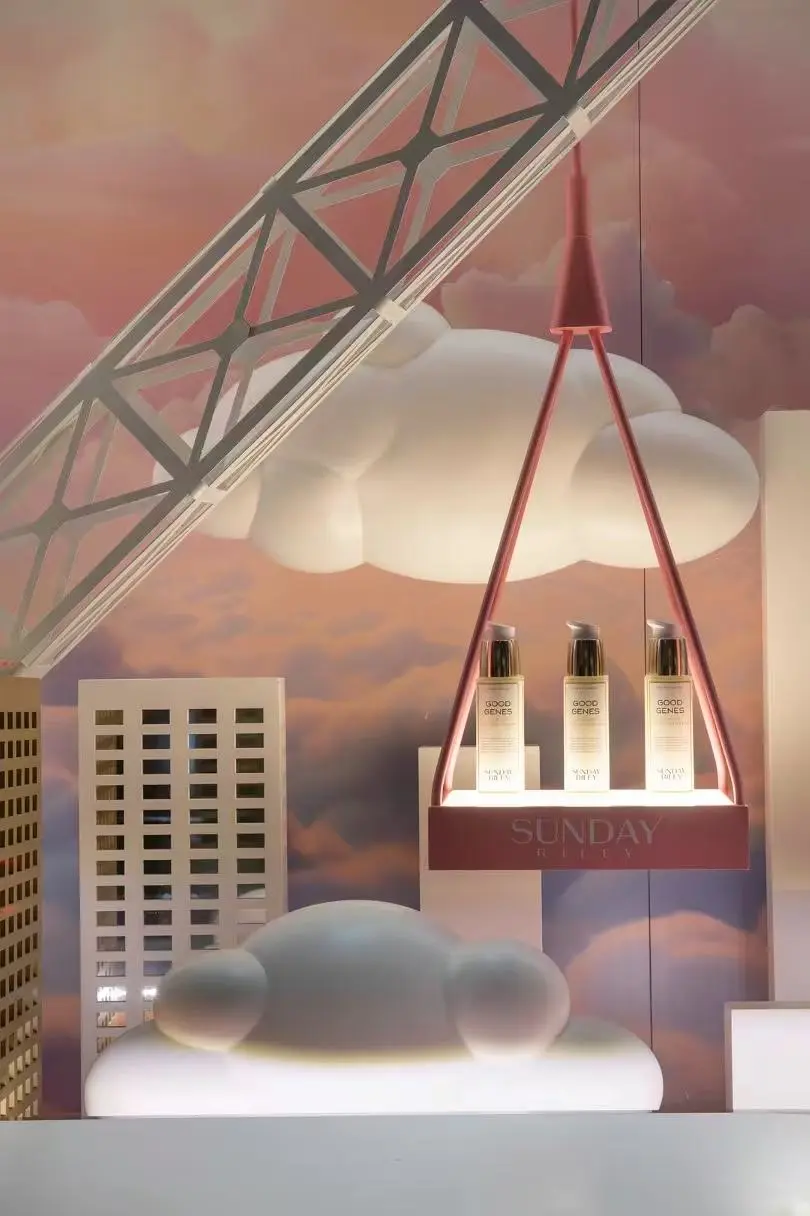
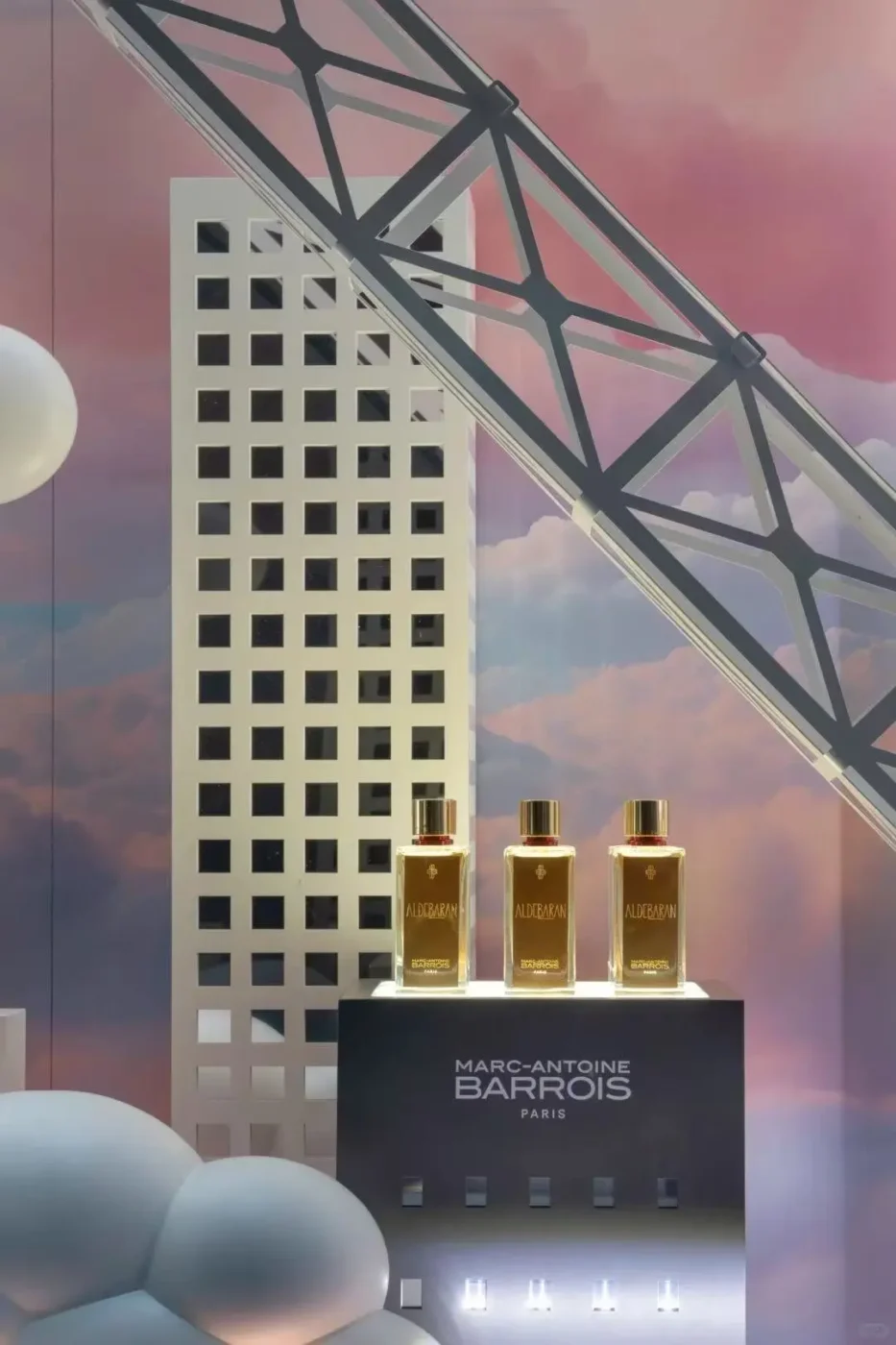
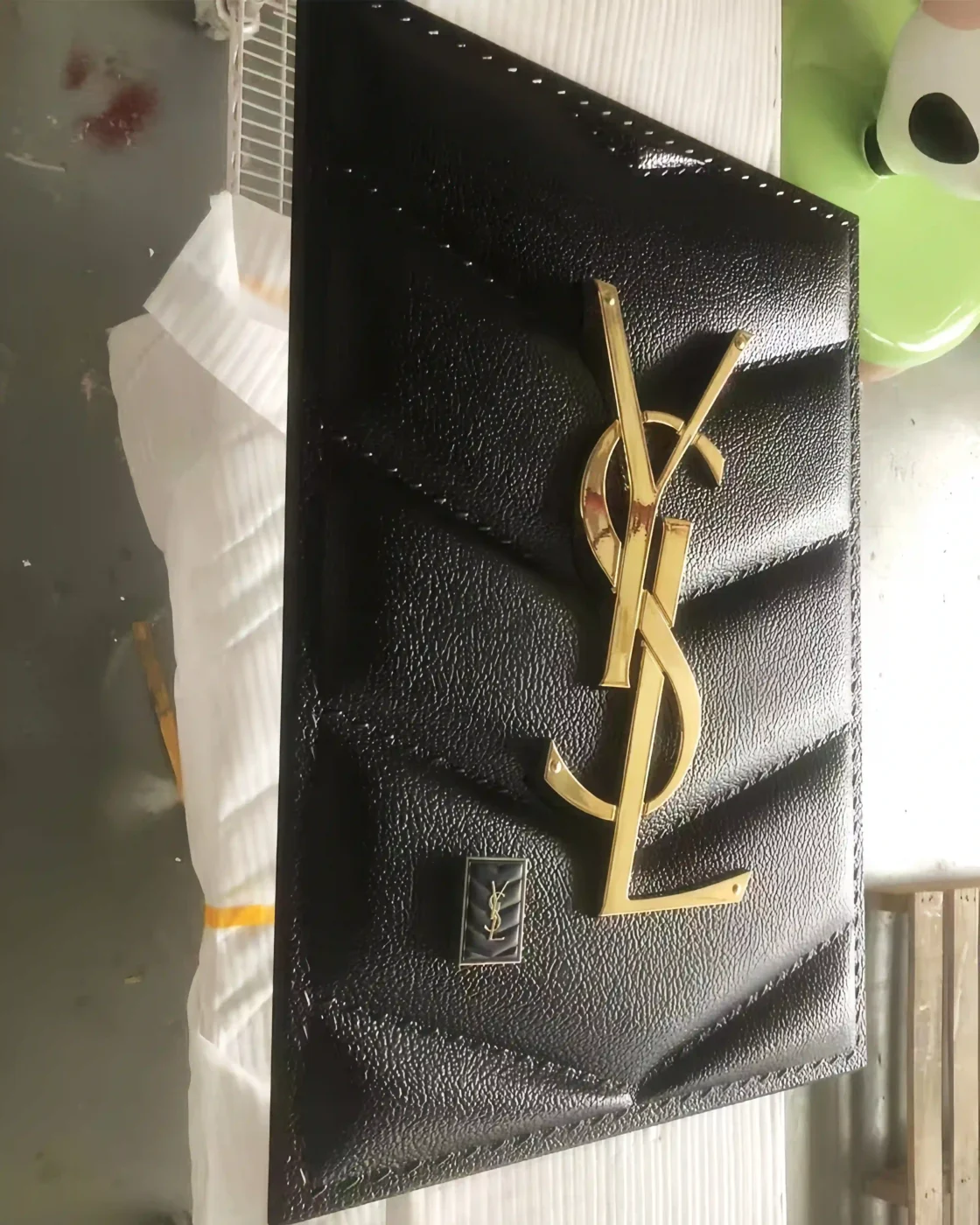
From our manufacturing viewpoint, beauty retail displays require unusually careful finishing. Customers stand close to the fixture. Staff touch the display daily. Products are replaced often. Lighting must flatter packaging. Logos must stay clean and readable.
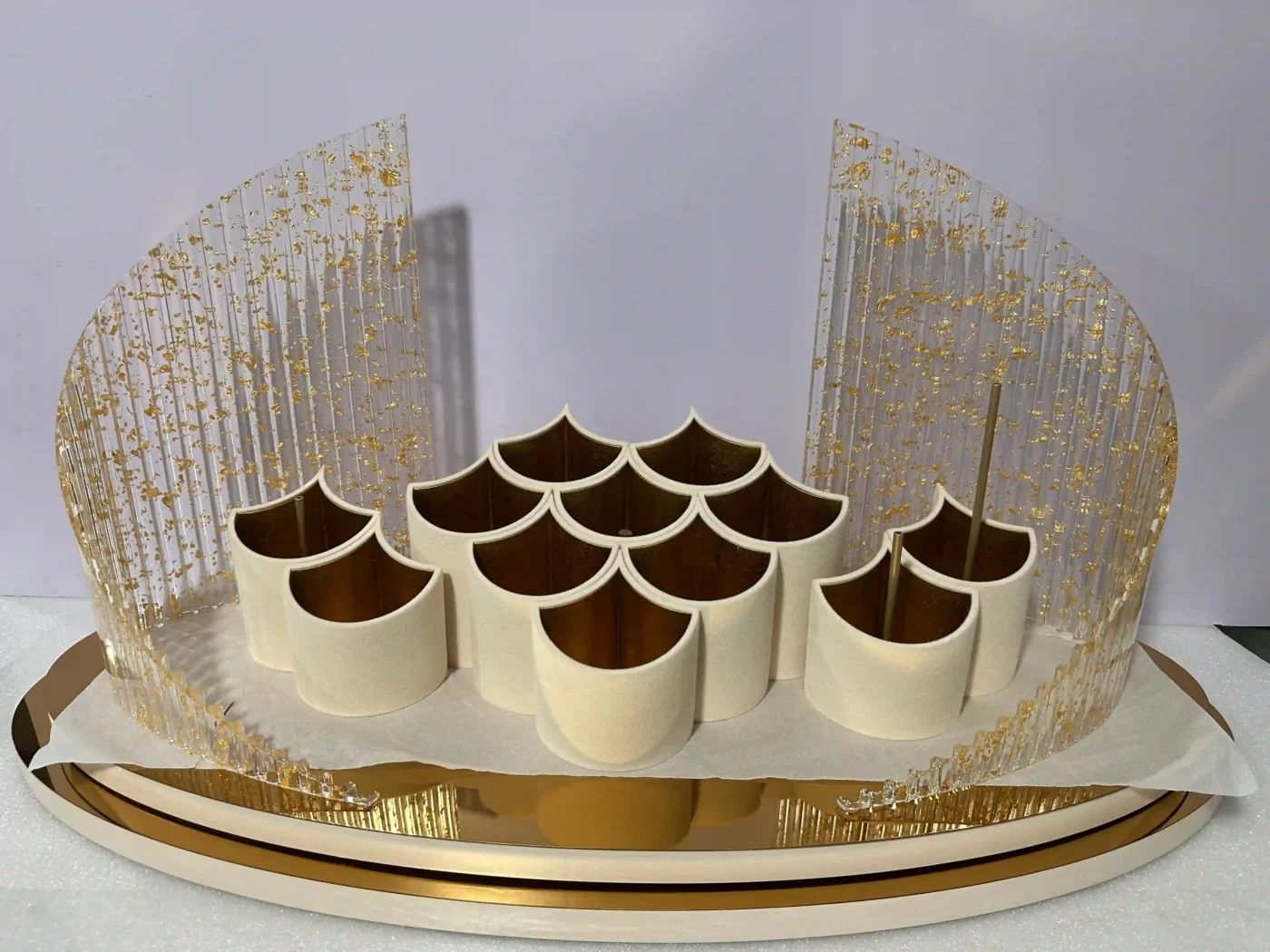
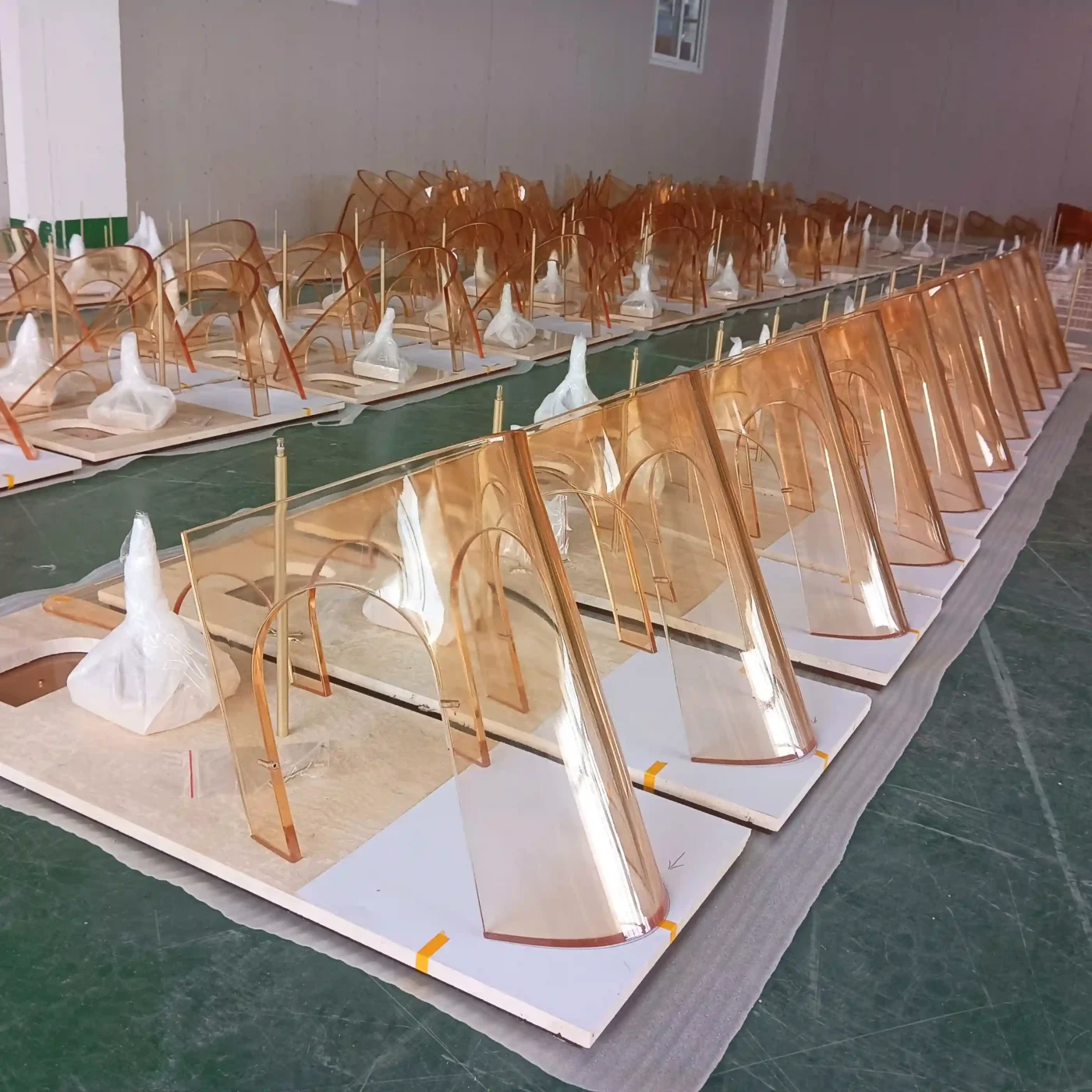
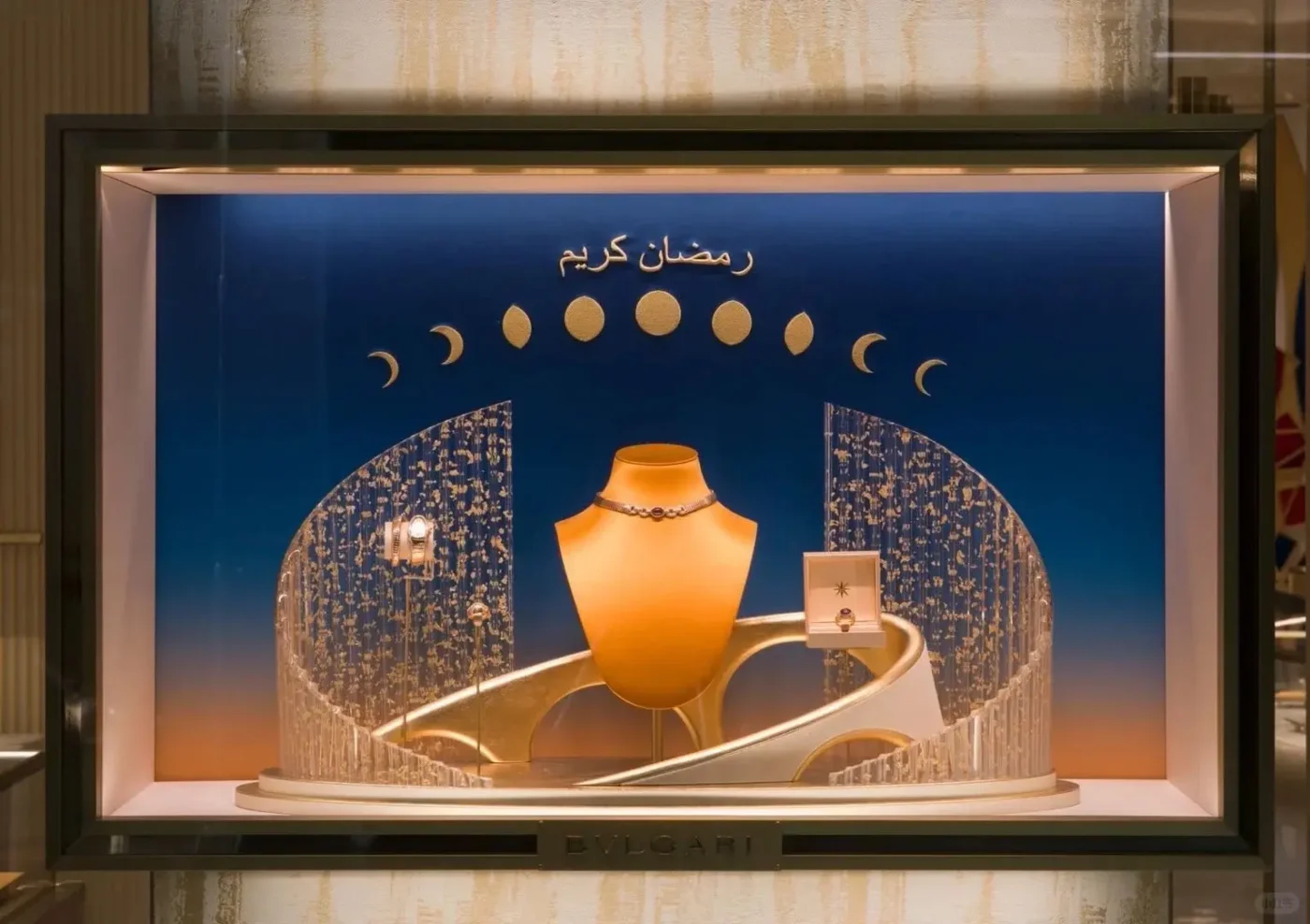
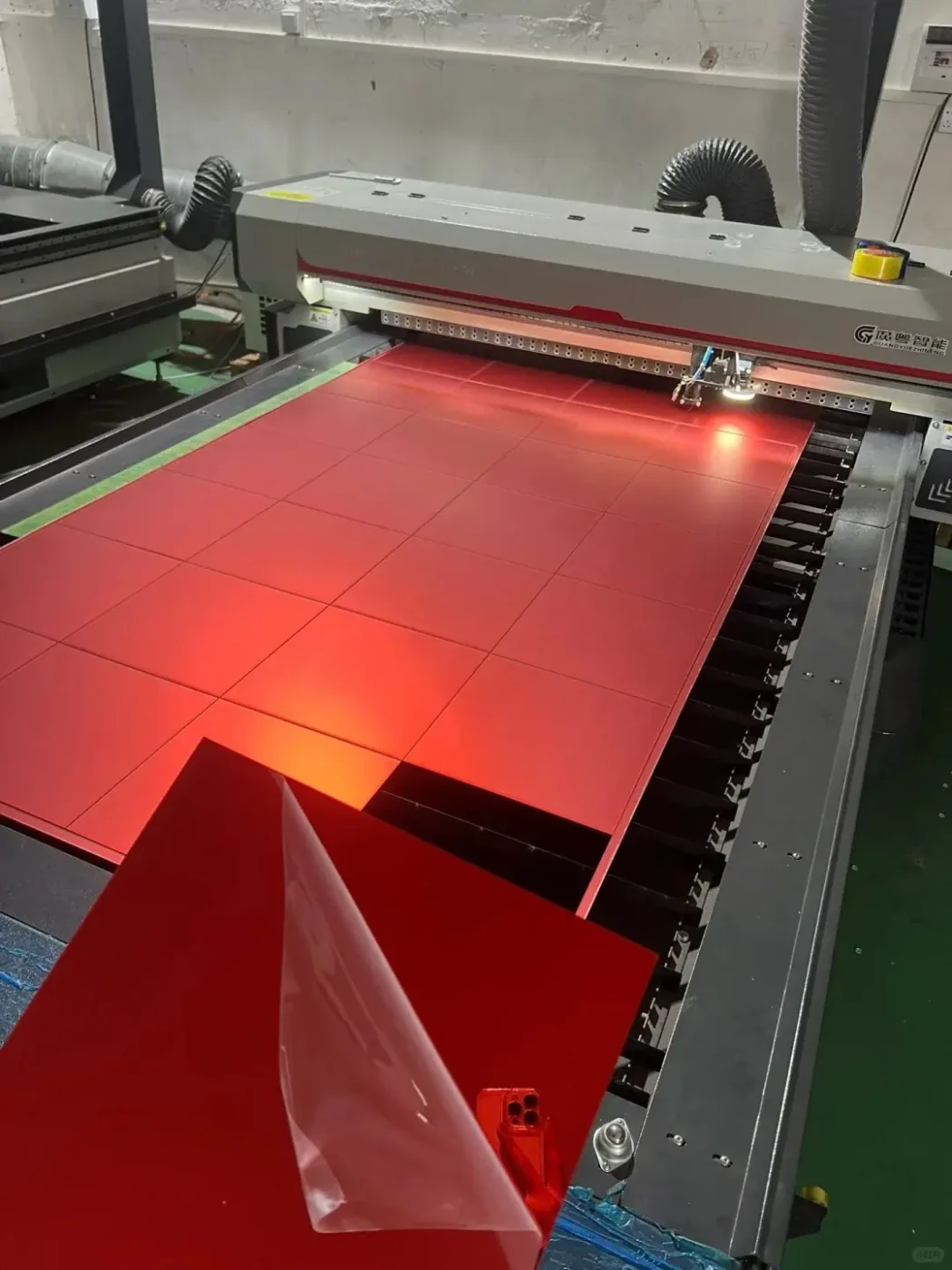
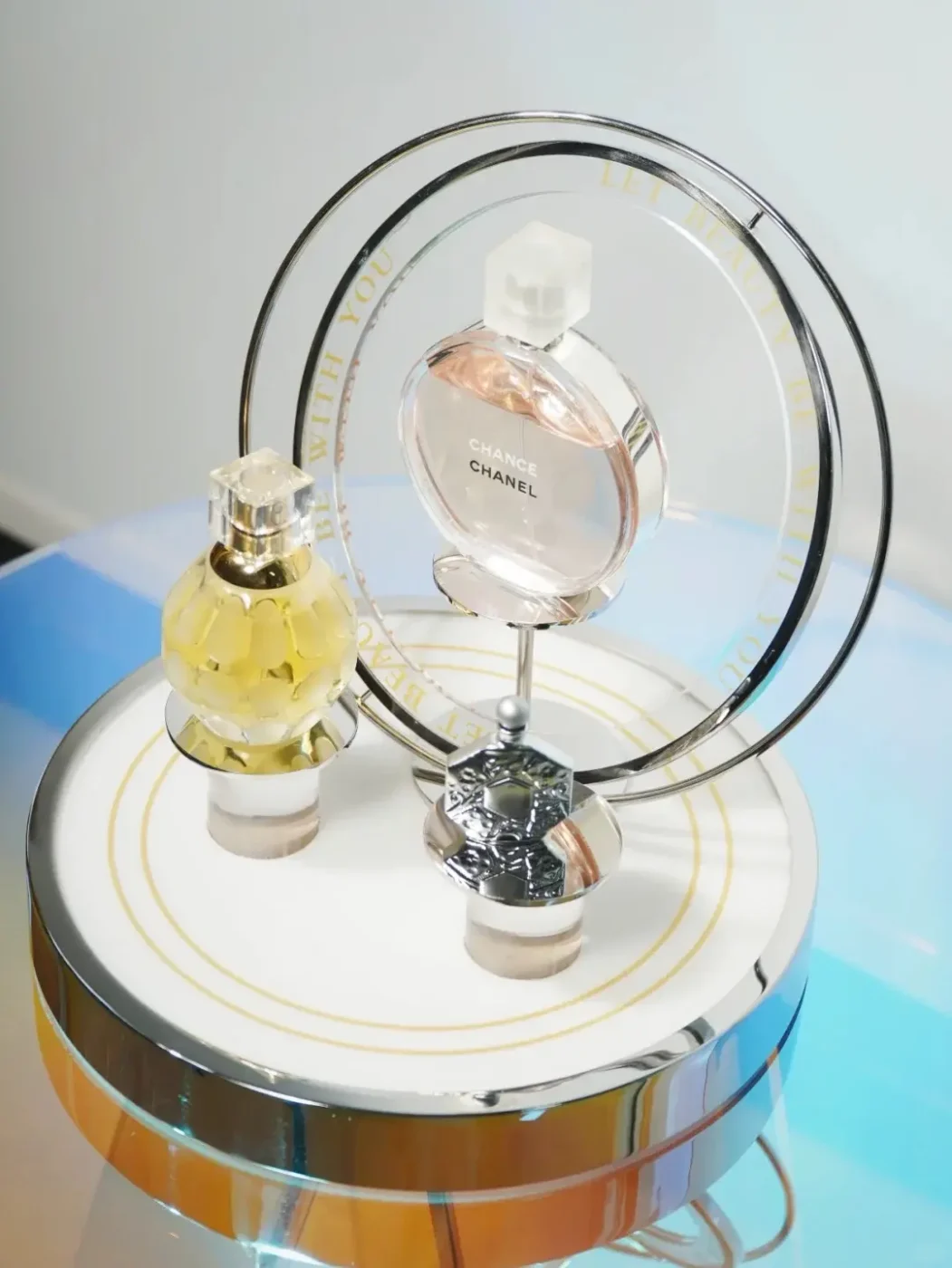
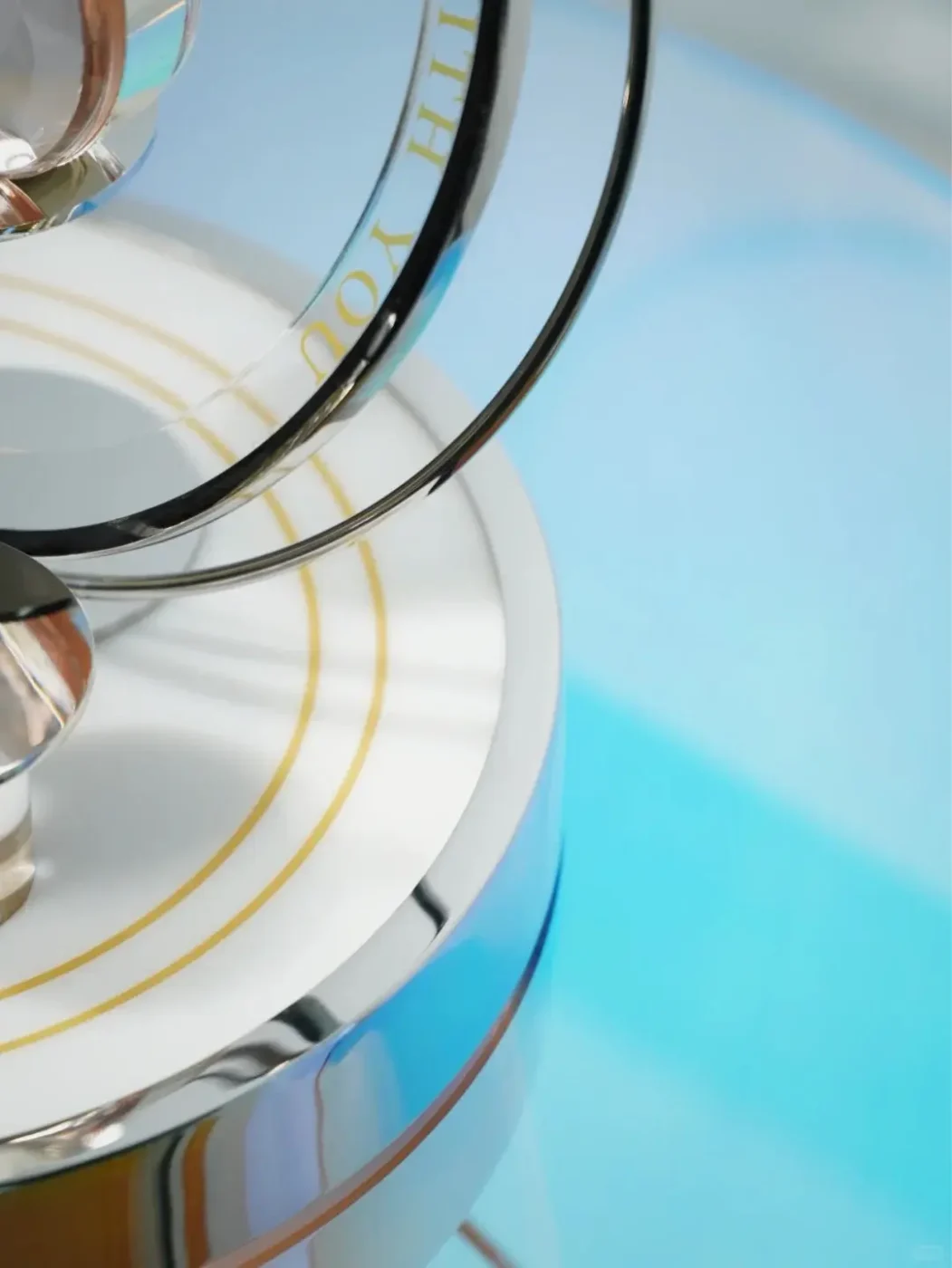
For these reasons, custom acrylic display props are often used for illuminated signs, tester trays, product risers and transparent display layers. Acrylic looks simple, but it requires accurate cutting, polishing, bonding and protection during shipment. In our production, we typically work with 5 mm to 20 mm cast acrylic sheet, laser-cut to ±0.1 mm tolerance, with diamond-polished edges. Bonding uses UV-cure adhesive applied in a dust-free environment — any contamination shows immediately under retail lighting.
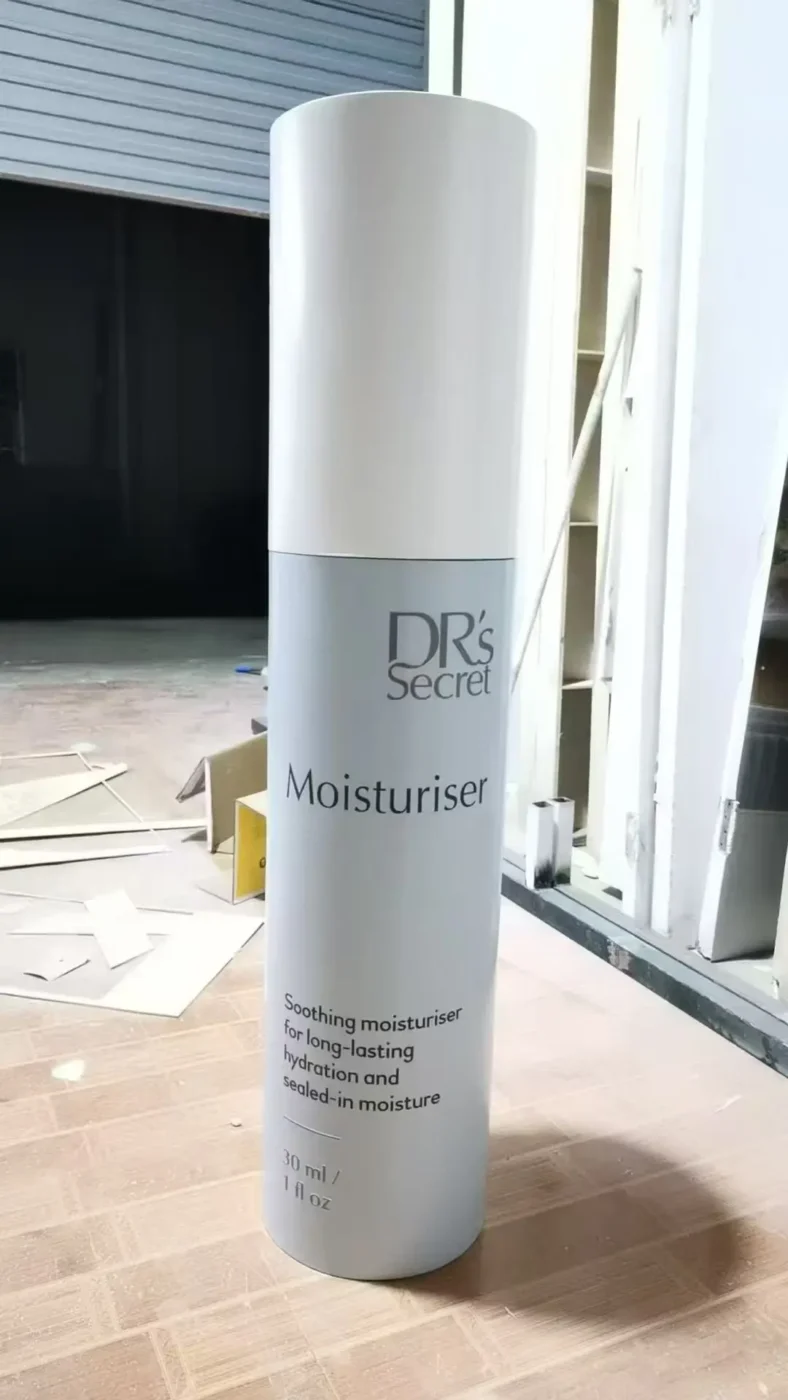
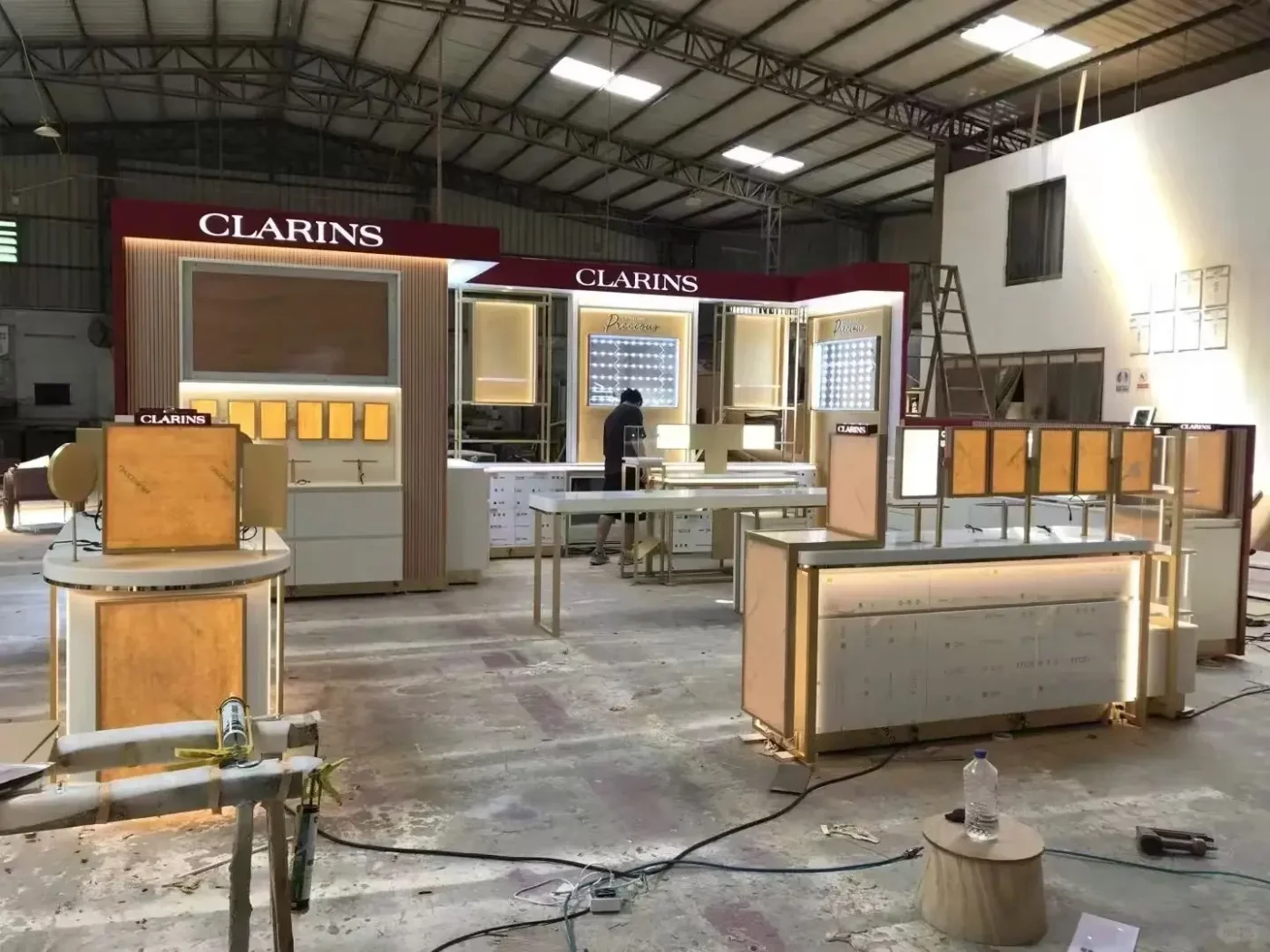
Kesslers-style retail projects also highlight the importance of engineering before production. A render may show a perfect fixture, but the real object needs joints, screws, LED access, removable graphics, cable channels, weight balance and cleaning tolerance. When we handle custom visual merchandising services, we usually separate the design into visible surfaces and hidden structure. The visible surfaces create brand impact. The hidden structure makes sure the display survives real retail use.
Standardization vs. Customization: The Modular Challenge
Retail displays for beauty and luxury brands also need a balance between standardization and customization. A brand may want the same visual identity across stores, but every location may have different measurements, lighting, wall conditions or installation restrictions. This is where modular design becomes useful. A well-planned custom display props manufacturer can create repeated components while allowing certain parts to adapt to each store.
For multi-store rollouts, we typically design a “core module” — the fixture body, logo panel and lighting housing — that stays identical across all locations. Adjustable elements include wall-mounting brackets (for different wall materials), base height shims (for uneven floors), and interchangeable graphic panels (for seasonal or regional campaigns). This approach keeps the brand image consistent while reducing installation complications and returns.
What Charlotte Tilbury x Disney Tells Us About Mixed-Material Production
The Charlotte Tilbury x Disney public project is a good example of how beauty retail can merge with entertainment storytelling. In projects like this, the display must do more than present products. It must create a world around the product.
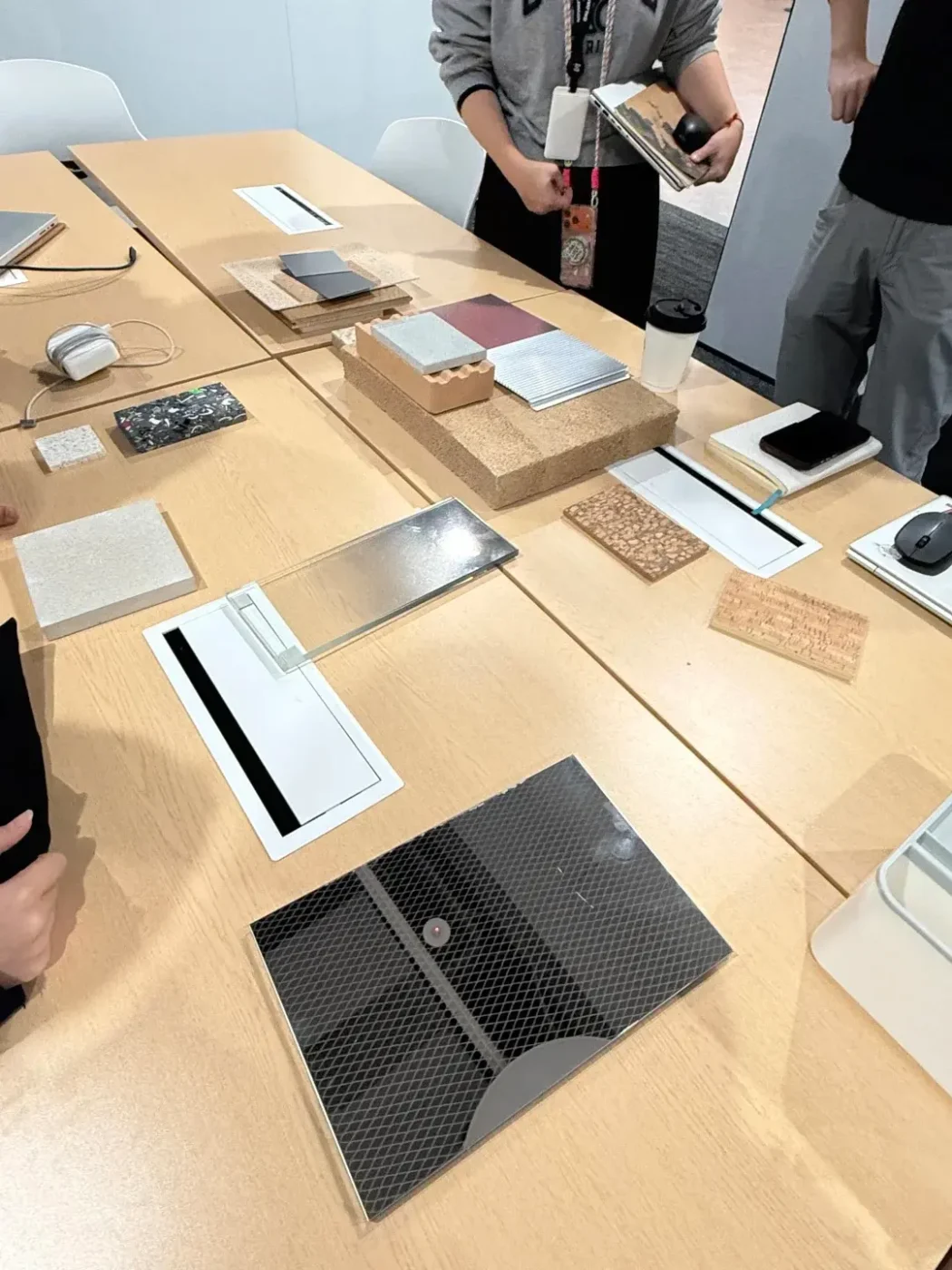
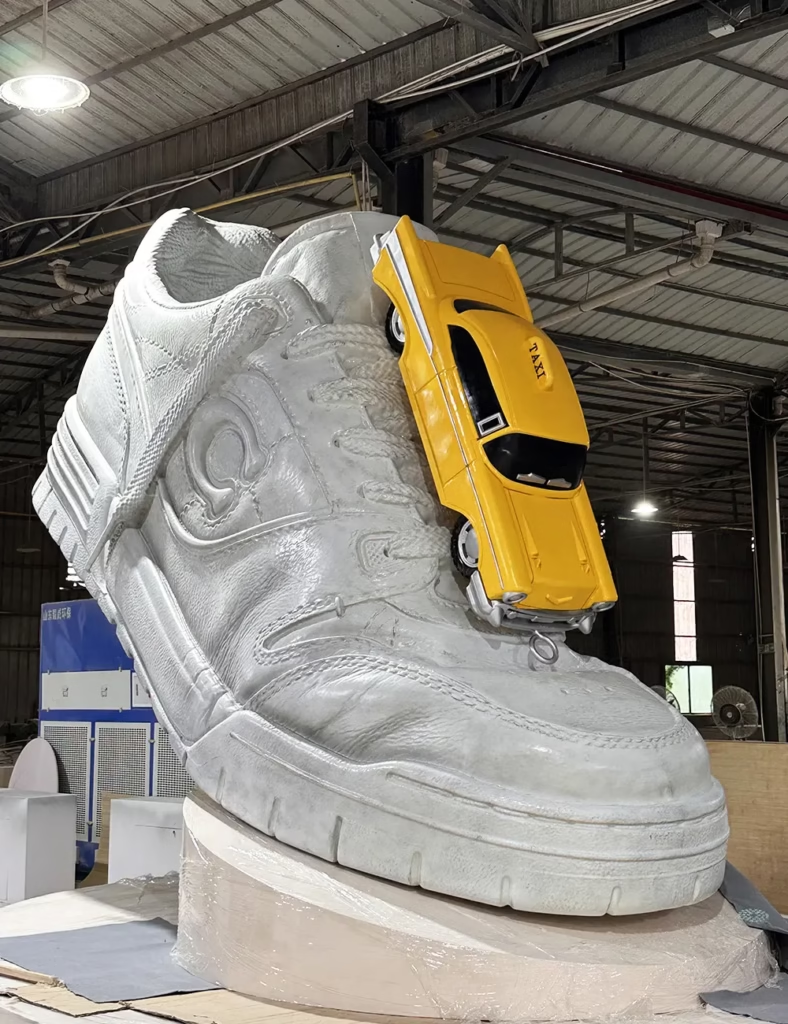
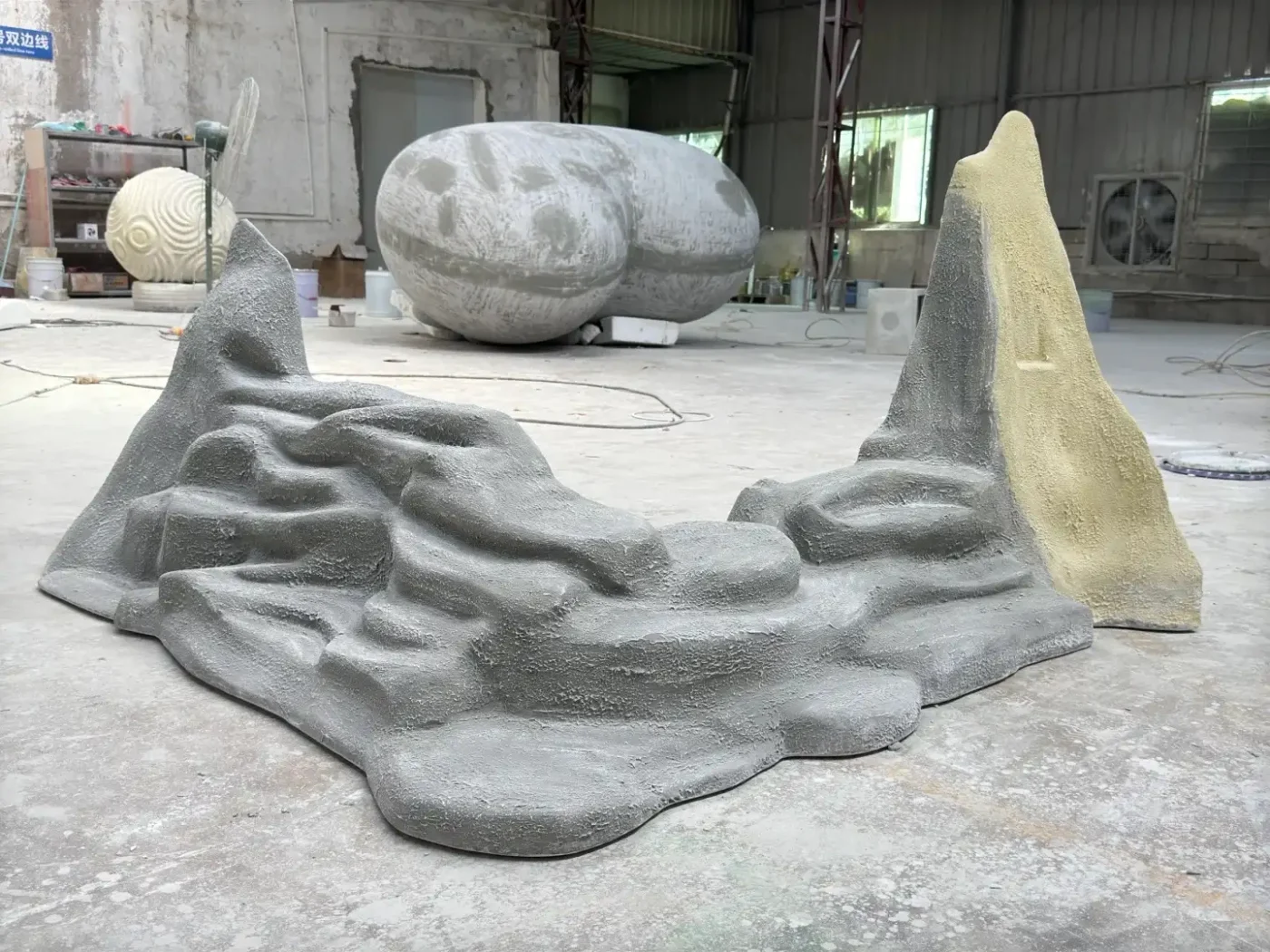
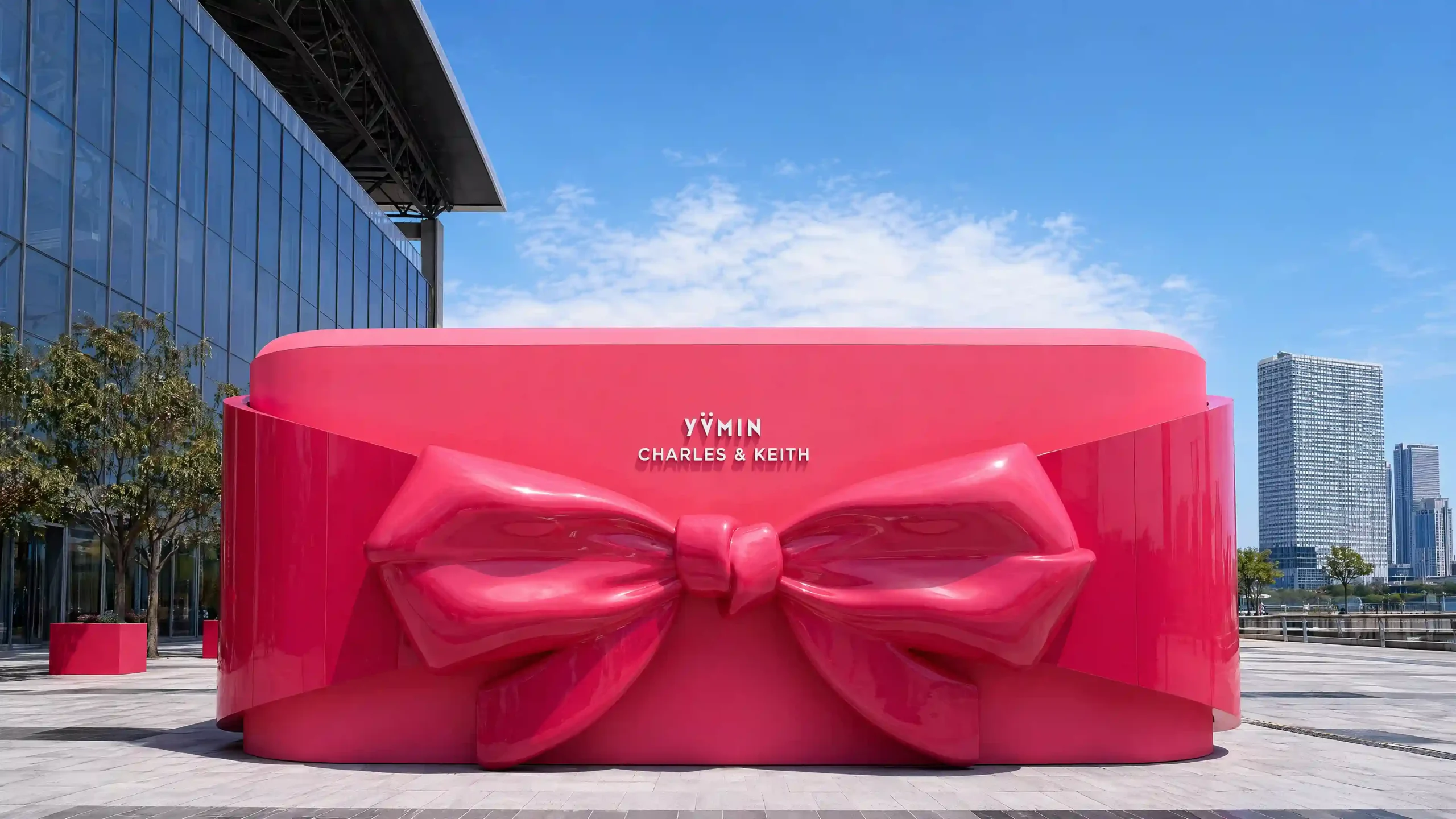
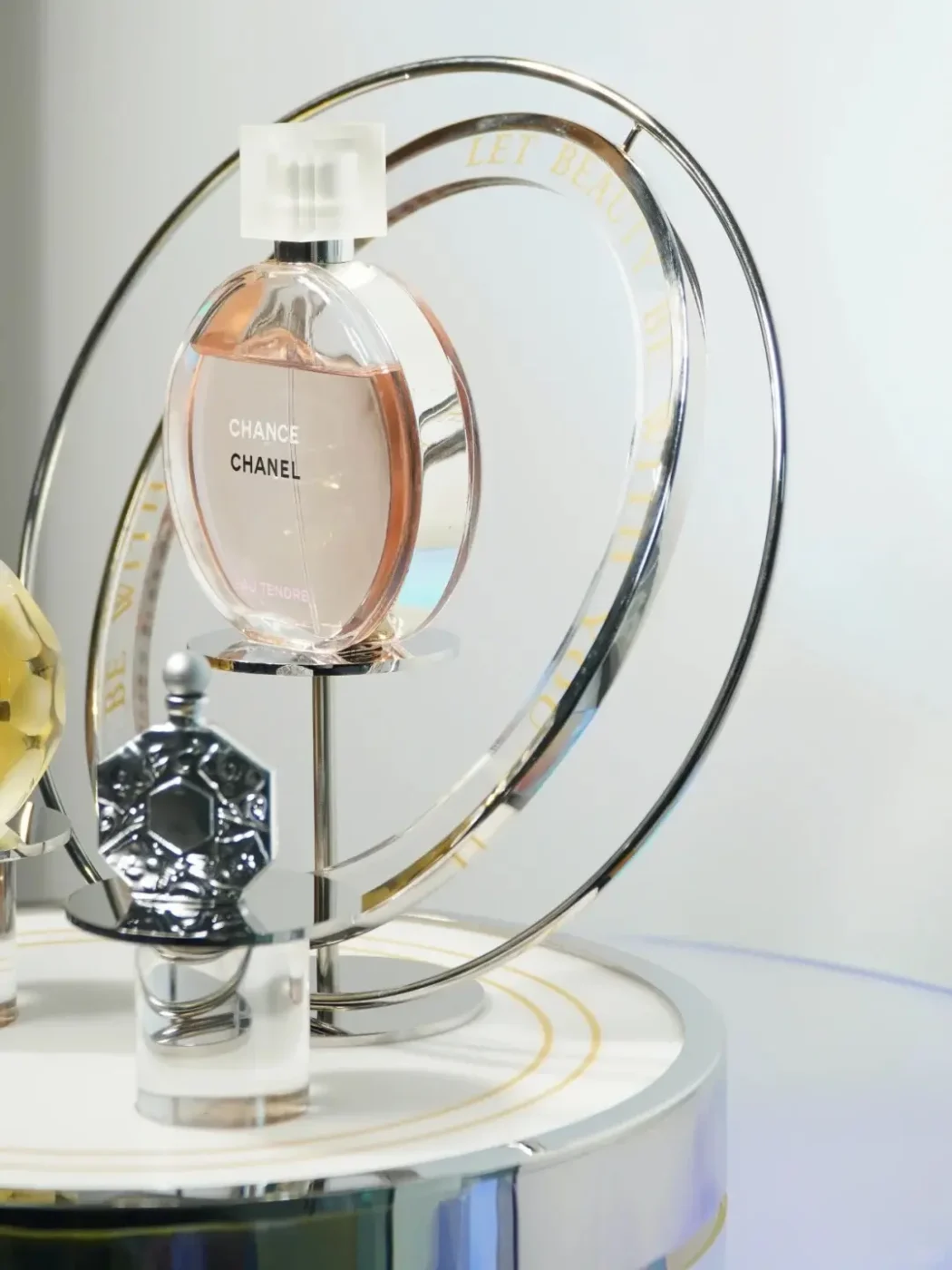
For manufacturers, that often means mixing several techniques: printed graphics on rigid substrates, acrylic with edge-lit LED channels, powder-coated or electroplated metal frames, FRP sculptural pieces with high-gloss automotive-grade paint, and fabric-wrapped acoustic panels. The challenge is not any single material — it is getting five or six different workshops to deliver parts that assemble seamlessly on site. Colour matching across acrylic, metal and print is particularly difficult; we use Pantone references and physical samples at sign-off stage, not just digital files.
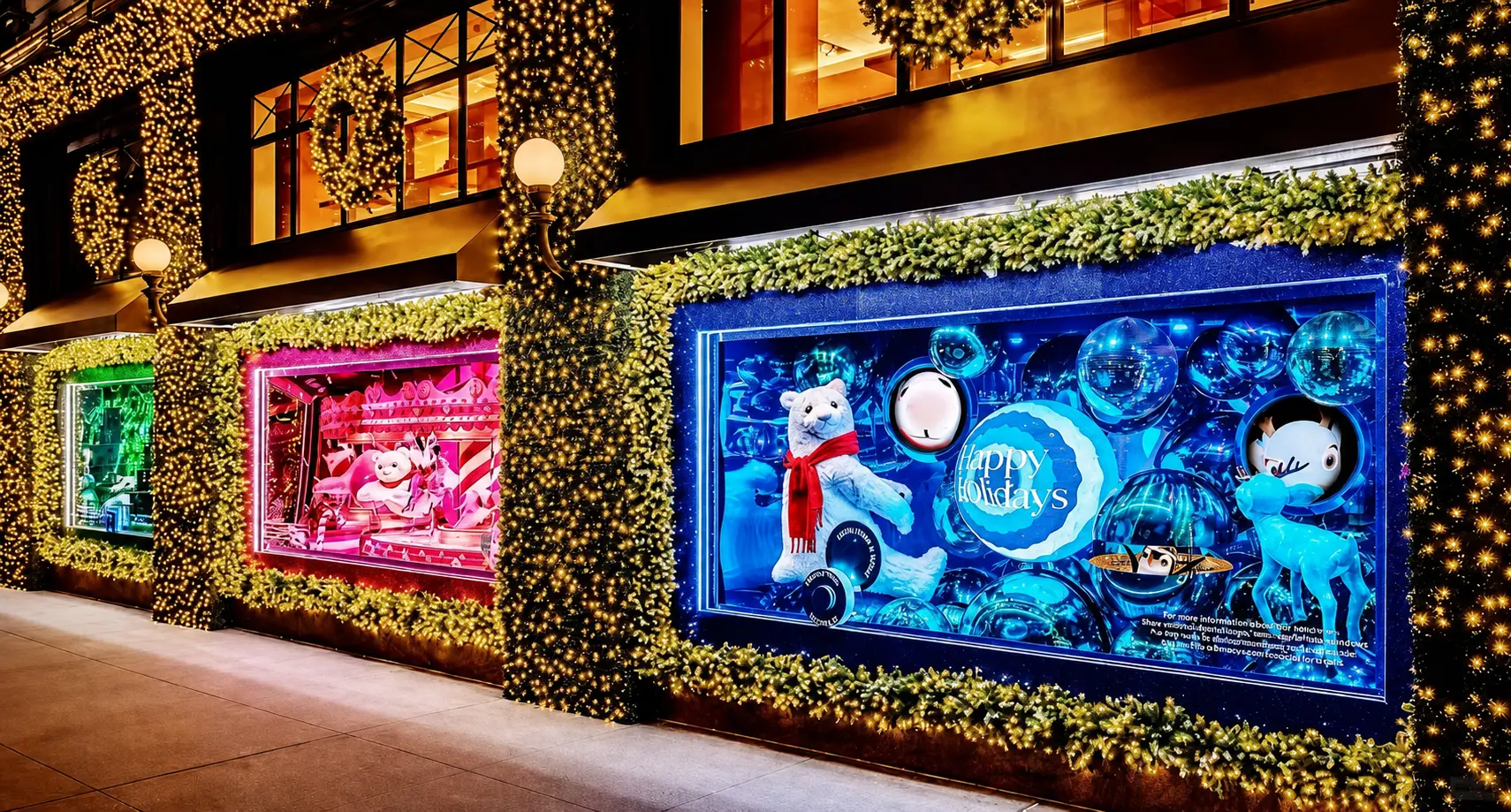
Similar requirements often appear in custom window display props, where the display has to attract attention from a distance and still look refined up close.
The Industry Shift Toward Experiential Retail
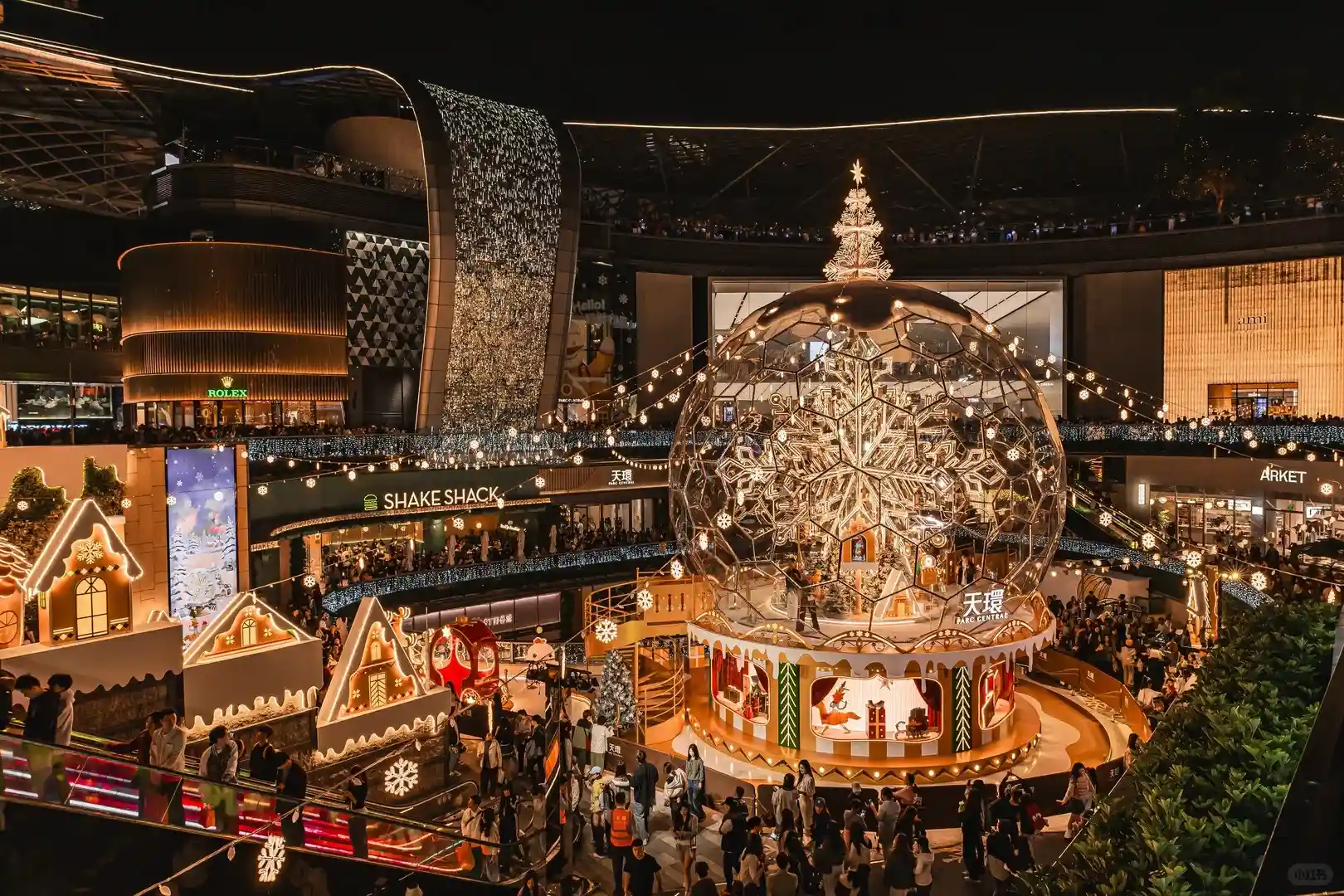
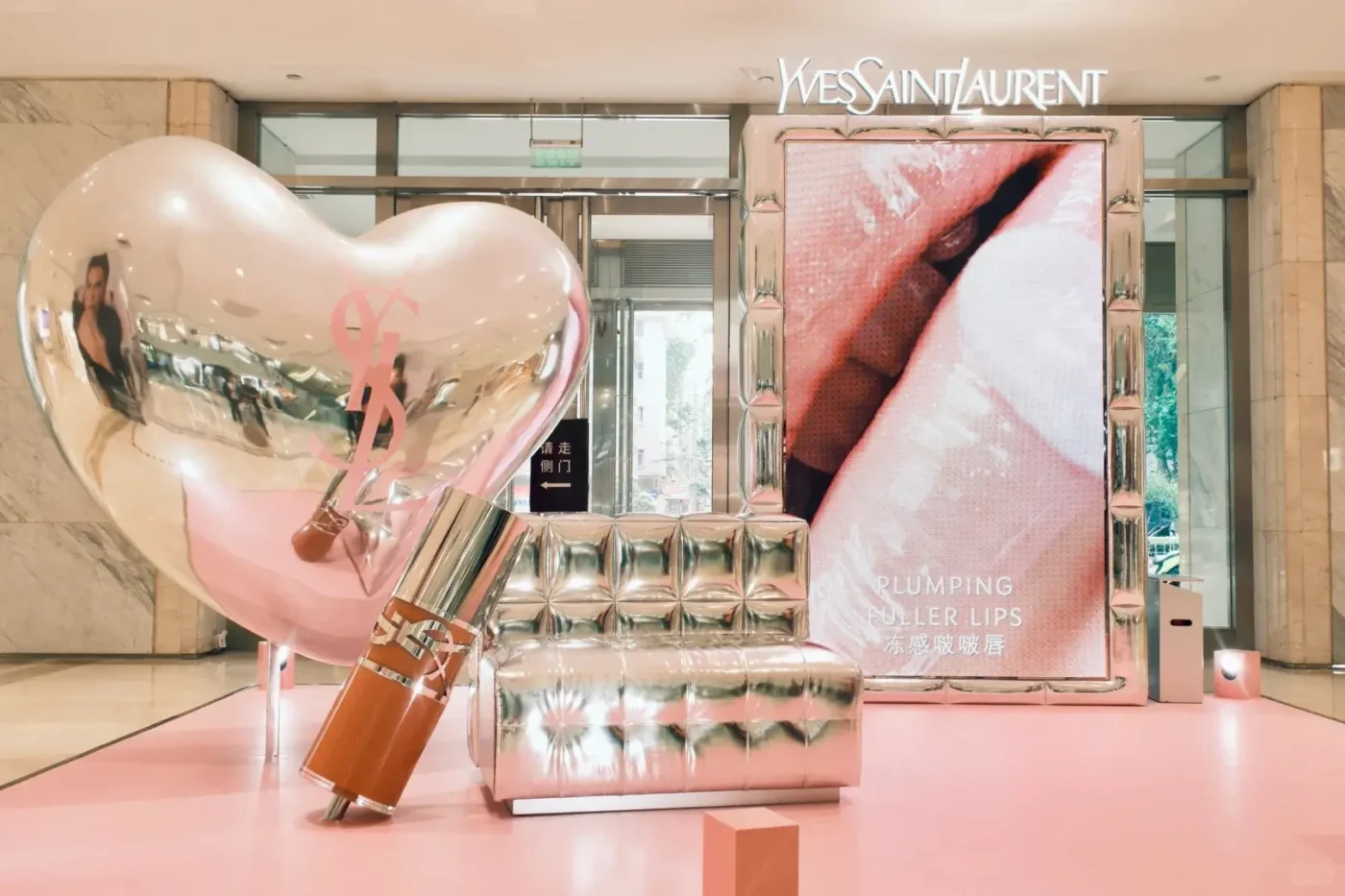
The retail industry is also moving toward more experiential environments. Industry discussions from Architectural Digest and Vogue Business increasingly describe stores as places for discovery, photography and emotional connection. That matters because shop front display props and in-store installations are no longer just about holding product — they are spatial experiences that need to be engineered for foot traffic, photo angles and brand atmosphere.
From a production standpoint, experiential retail increases the engineering complexity significantly. Fixtures need to support interactive elements (touch screens, scent diffusers, motion sensors), handle higher foot traffic wear, and still be easy for retail staff to maintain and refresh. We have seen a clear trend: the brief for a single beauty counter in 2024 now includes twice the electrical routing and three times the removable component count compared to five years ago.
Full-Service Delivery: Why Brands Need More Than a Factory
One of the strongest signals in Kesslers’ public positioning is full-service retail delivery. This reflects a wider reality: brands do not only need a factory; they need coordination. A retail display supplier may need to handle technical drawings, prototypes, batch production, logistics, store installation and after-sales support.
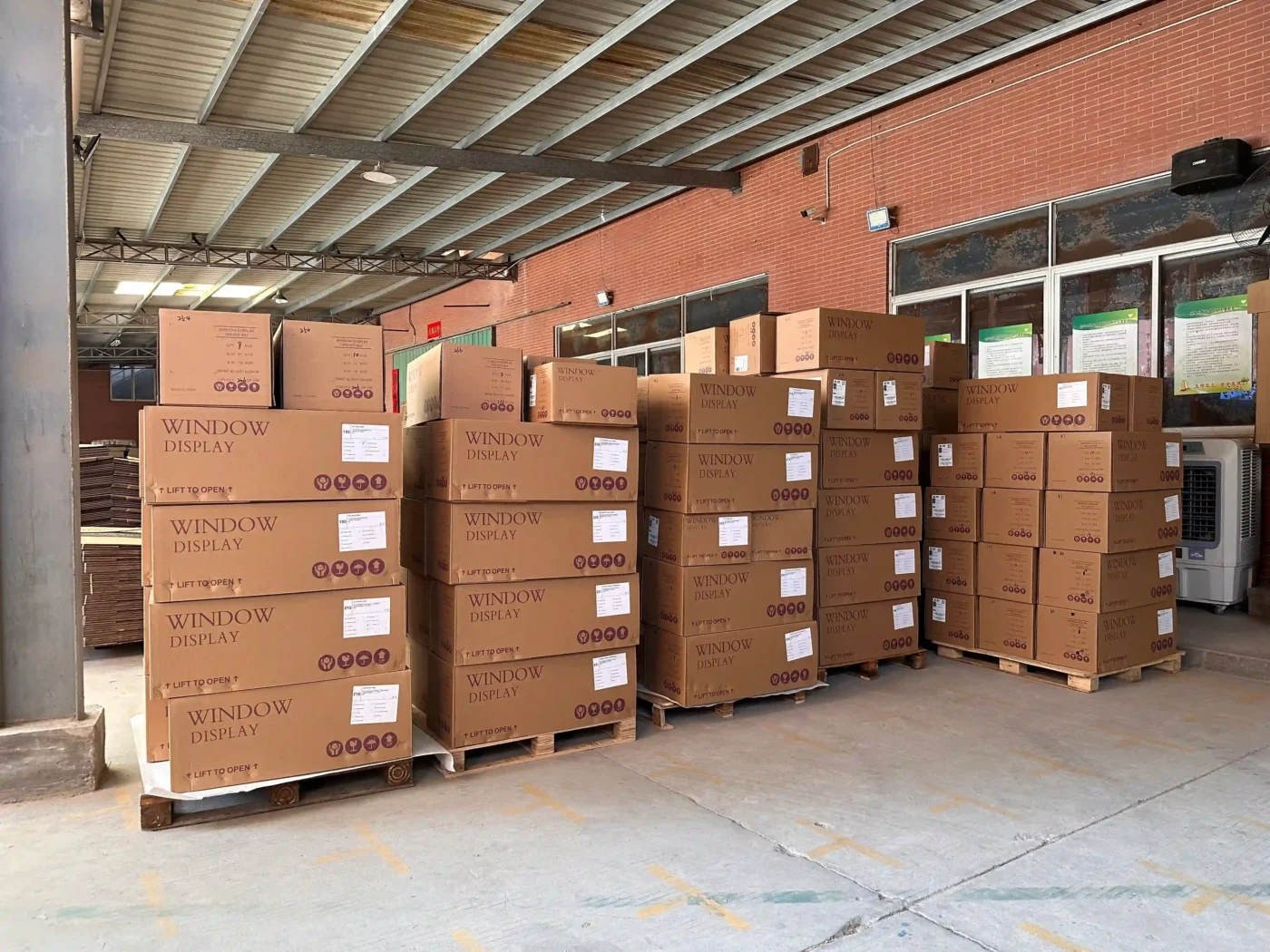
For VM Display, this is exactly why display props manufacturing must include project coordination from the start — not just fabrication. In practice, this means a dedicated project manager tracks each order from 3D drawing approval through material sourcing, sample production, client sign-off, batch manufacturing, individual QC inspection, custom crating, and freight coordination. For international shipments, we handle export documentation, customs classification and delivery scheduling so the fixtures arrive installation-ready.
Quality Control in POS Display Production
From our production side, the most common risk in POS display projects is underestimating small details. A sharp acrylic edge, unstable base, poor light diffusion, visible glue line or weak packaging can damage the final impression. For luxury brands, these details matter because the display becomes part of the brand environment. This is why we recommend prototype approval before mass production, especially for premium beauty retail display props.
Our QC process for beauty POS fixtures follows a three-stage protocol: first article inspection (dimensions, colour, finish against approved sample), in-process checks during batch production (every 20th unit measured), and final inspection before packing (100% visual check under standardized lighting). We photograph each unit from four angles and log the images against the order number — so if a client queries any piece six months later, we can trace it.
Conclusion: What Manufacturers Learn from Public Projects
For brands and agencies, the practical takeaway is clear. Public projects from companies like Kesslers show that retail display work is both creative and technical. The best results happen when design, engineering and manufacturing move together. If your team is planning a beauty counter, POS display, shop-in-shop fixture or multi-store rollout, it is useful to involve production early and request a custom display props quote before the design is fully fixed.
FAQ
What are POS display fixtures used for?
POS display fixtures present products at the point of sale, support branding, guide customer attention and help retail staff manage product display in stores. In beauty retail specifically, they also serve as tester stations and consultation areas where customers interact directly with products.
Why are acrylic and metal common in beauty retail displays?
Acrylic offers clarity, gloss and lighting effects, while metal provides structure, durability and premium finishing. Together they allow designers to create fixtures that are both visually striking and structurally sound enough for daily retail use. Cast acrylic is preferred over extruded for display work because it machines cleaner and bonds more reliably.
Can POS display fixtures be customized for different stores?
Yes. Modular structures can keep brand consistency while adapting size, graphics and installation details for each location. A well-designed modular system typically holds 80% of components constant across stores, with 20% adjustable for site-specific conditions — wall type, ceiling height, electrical access and floor material.
What should a brand prepare before producing POS displays?
Brands should prepare dimensions, product information, visual references, quantity, target launch date and installation conditions. A clear brief at the start reduces revision cycles and avoids production delays — we recommend including actual store photographs and electrical layout drawings alongside the design renders.
How do manufacturers handle multi-store rollout consistency?
Consistency in multi-store rollouts depends on standardized jigs, documented assembly sequences, and batch QC protocols. Each production run is calibrated against an approved first article sample, and individual units are numbered for traceability from factory floor to store installation.
What is the typical lead time for luxury POS display production?
Lead time varies by complexity, but a typical luxury POS counter programme runs 8–12 weeks from approved 3D drawing to delivery. This includes 1–2 weeks for prototyping, client approval, 4–6 weeks for batch production, and 2–3 weeks for packing, logistics and customs clearance.
Disclaimer
This article is based on publicly available project and industry information. VM Display is not claiming partnership, sponsorship, endorsement, or direct involvement with Kesslers London or any brands mentioned.