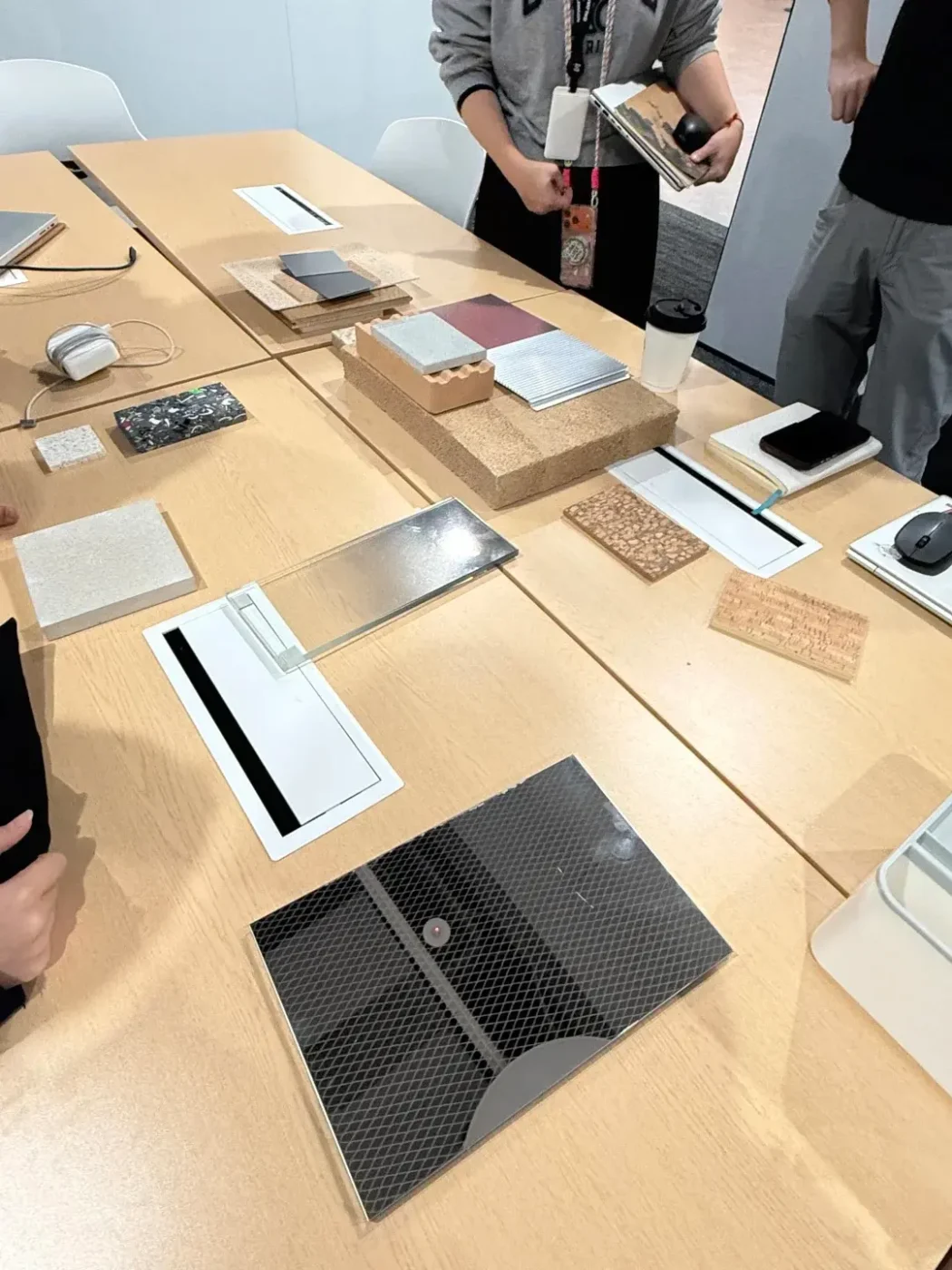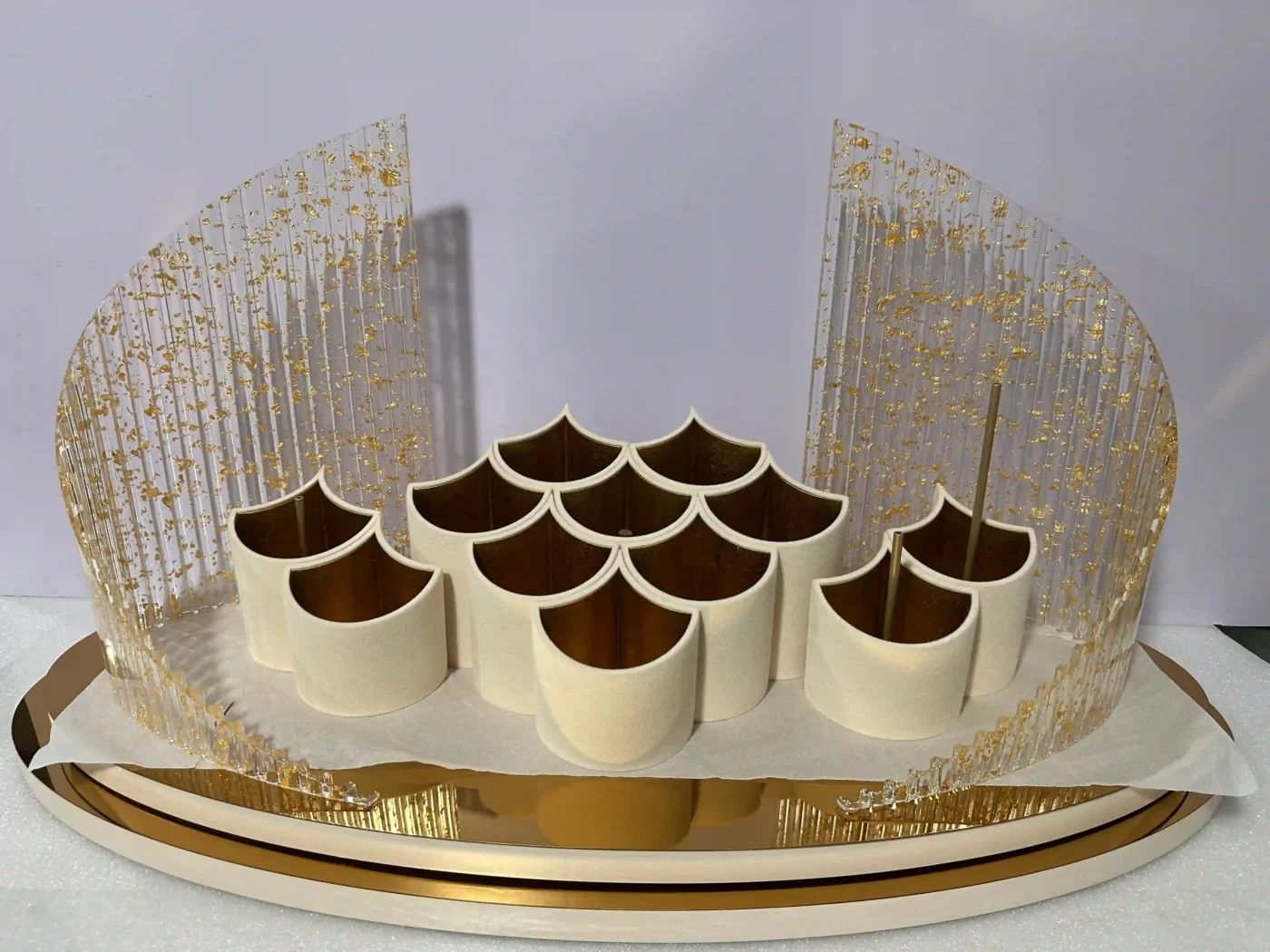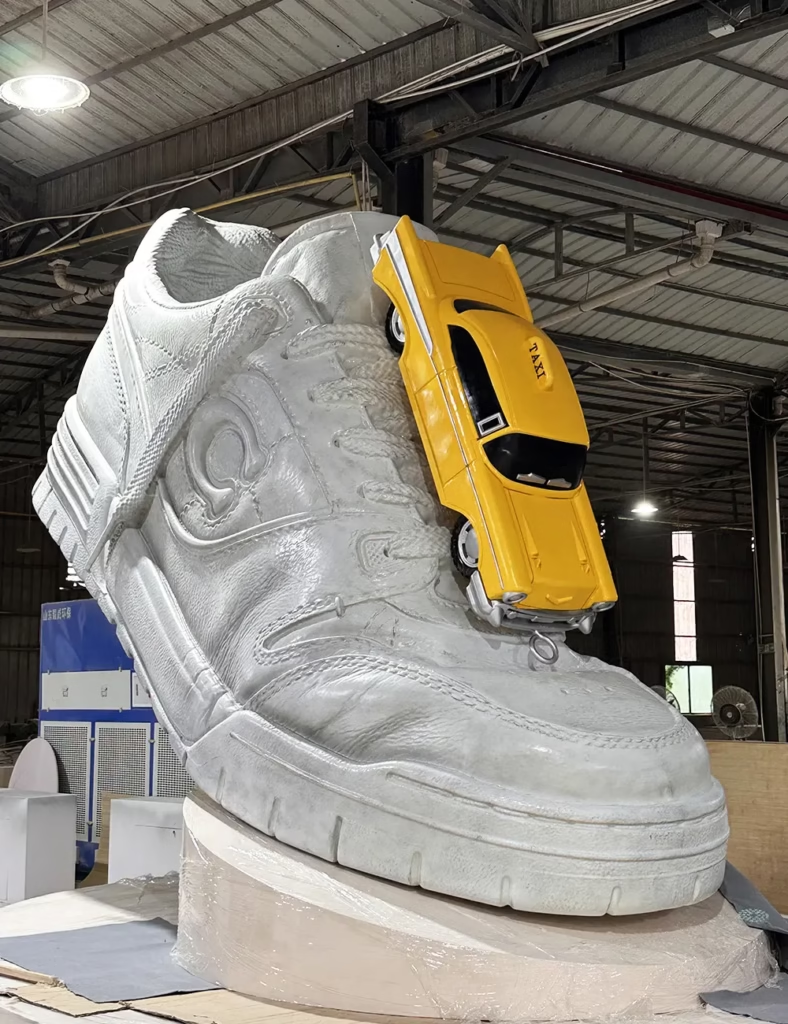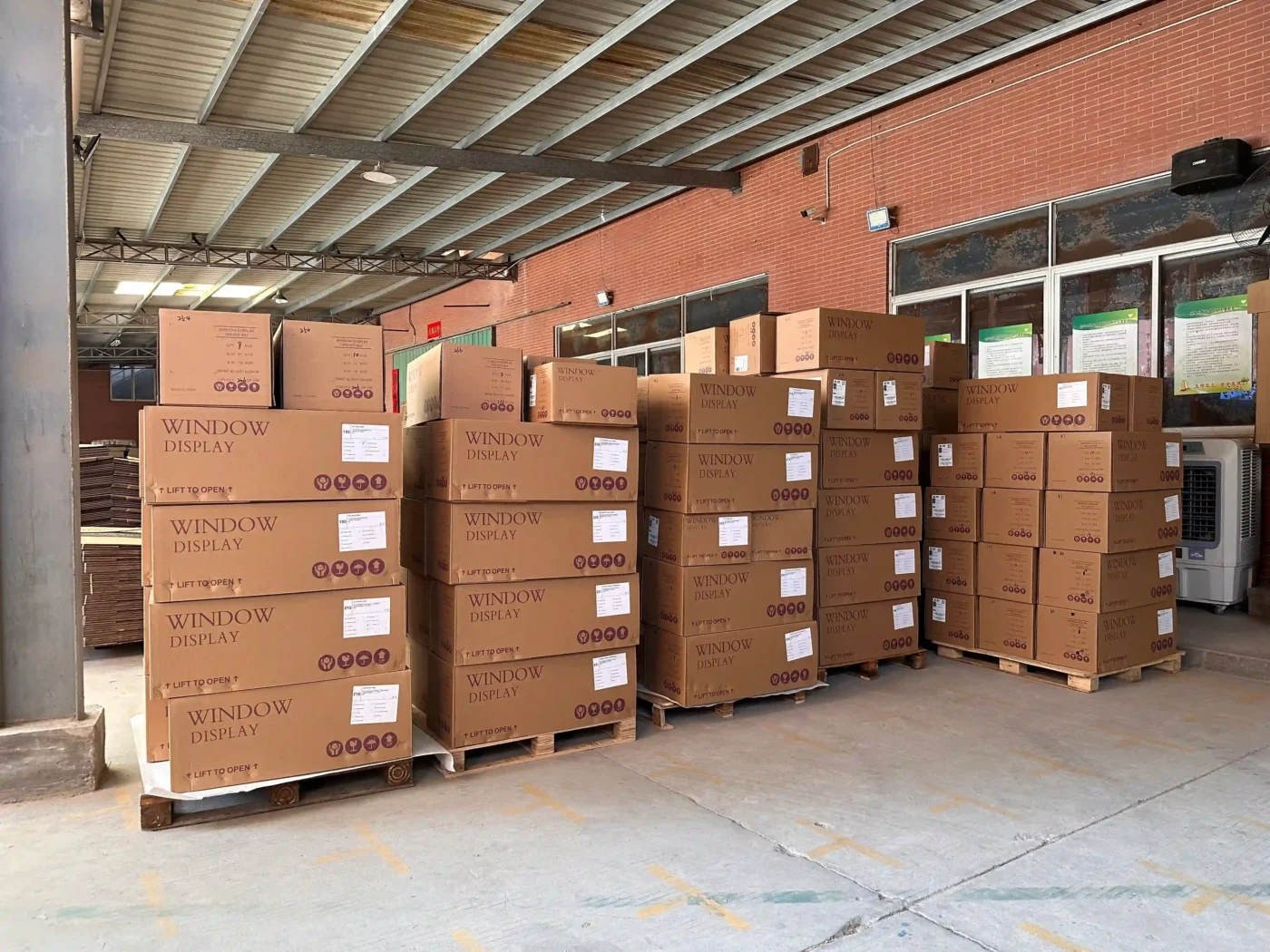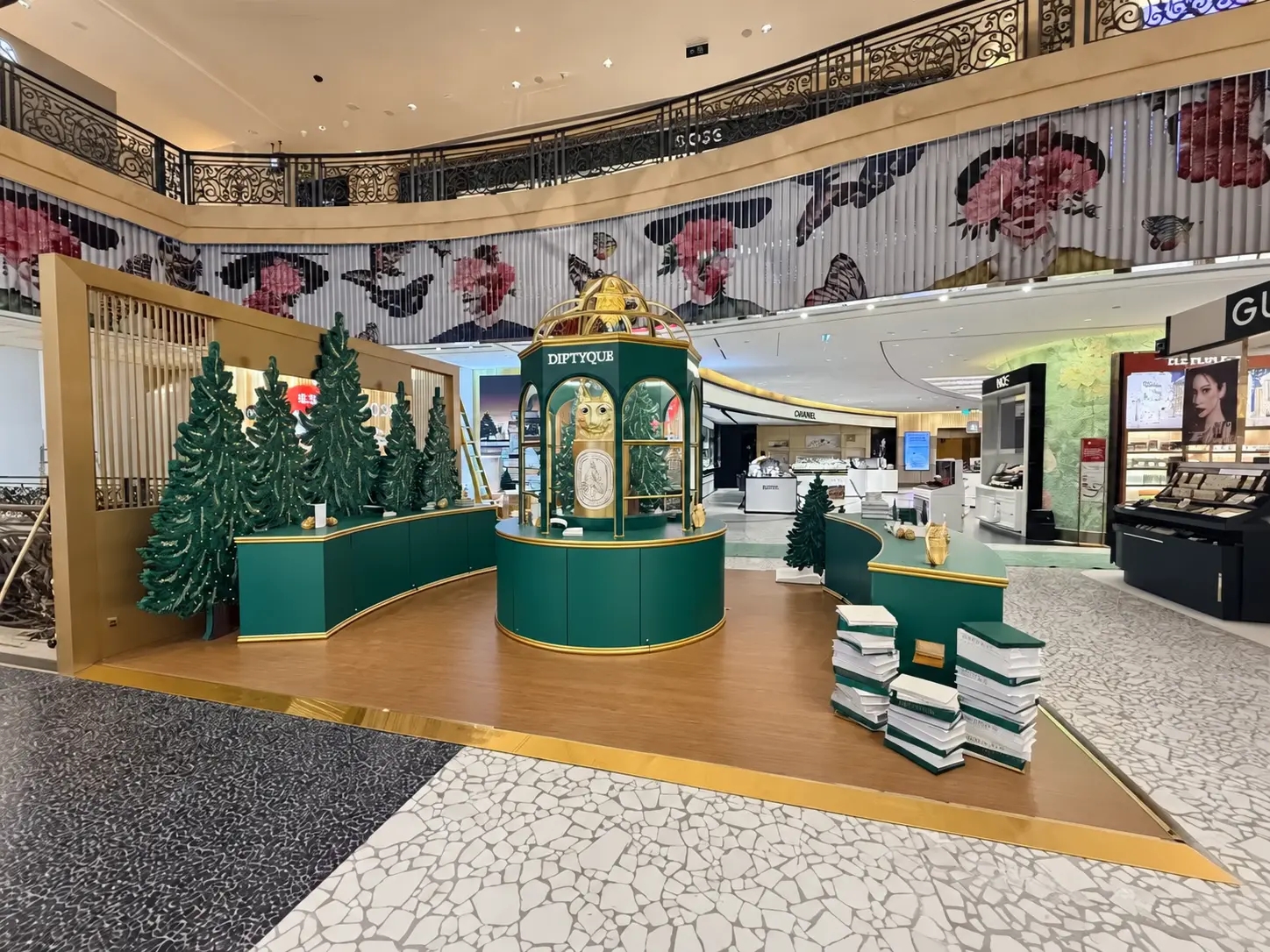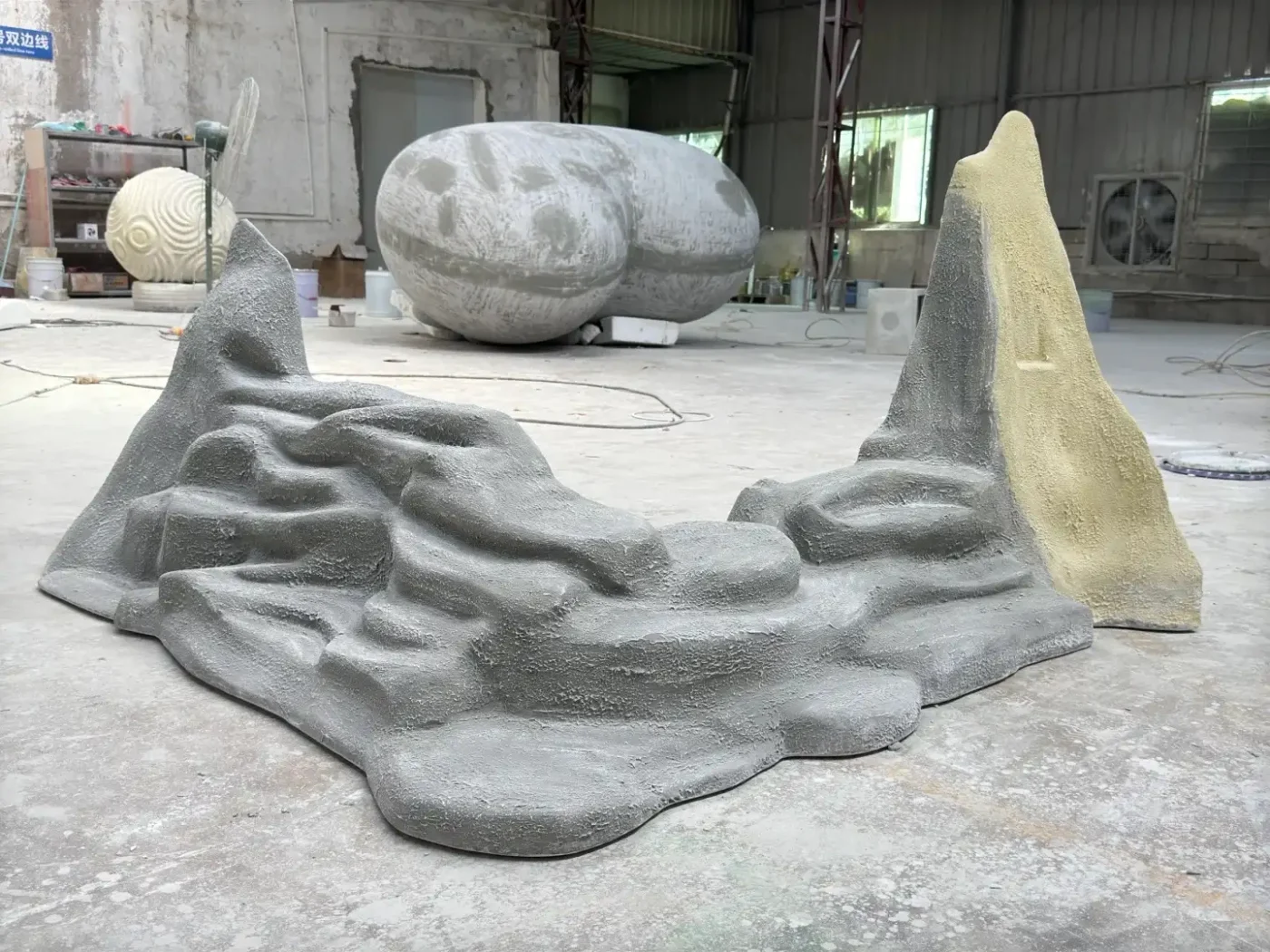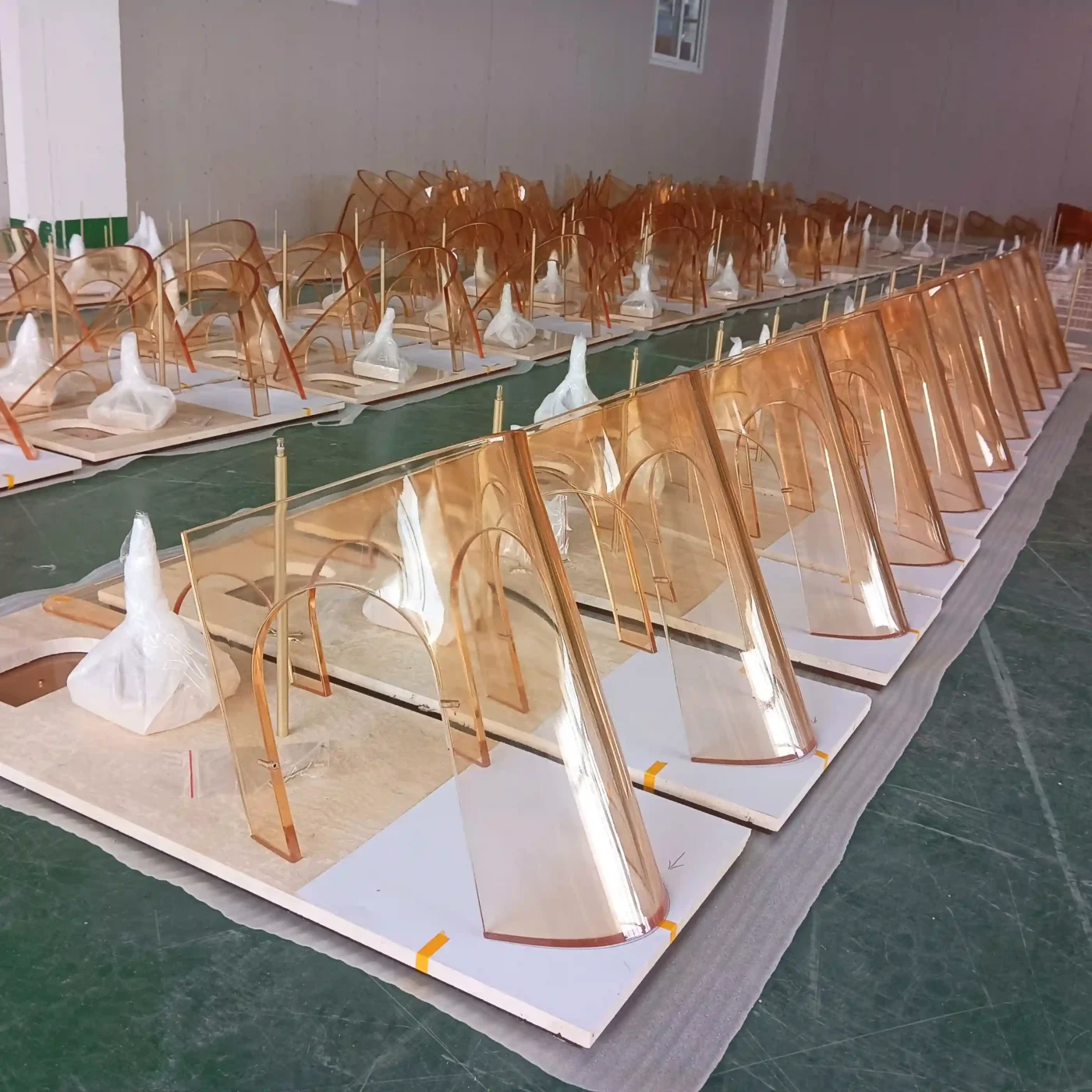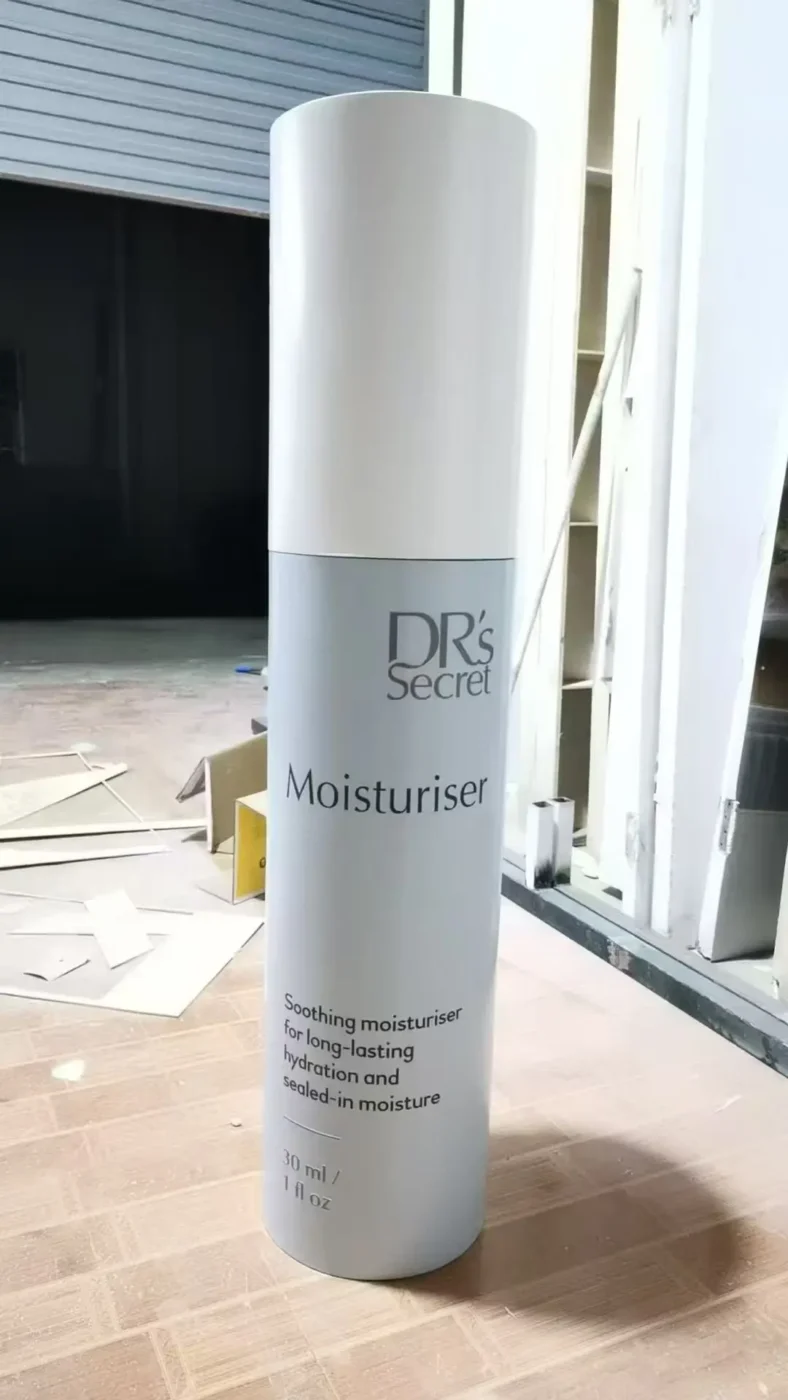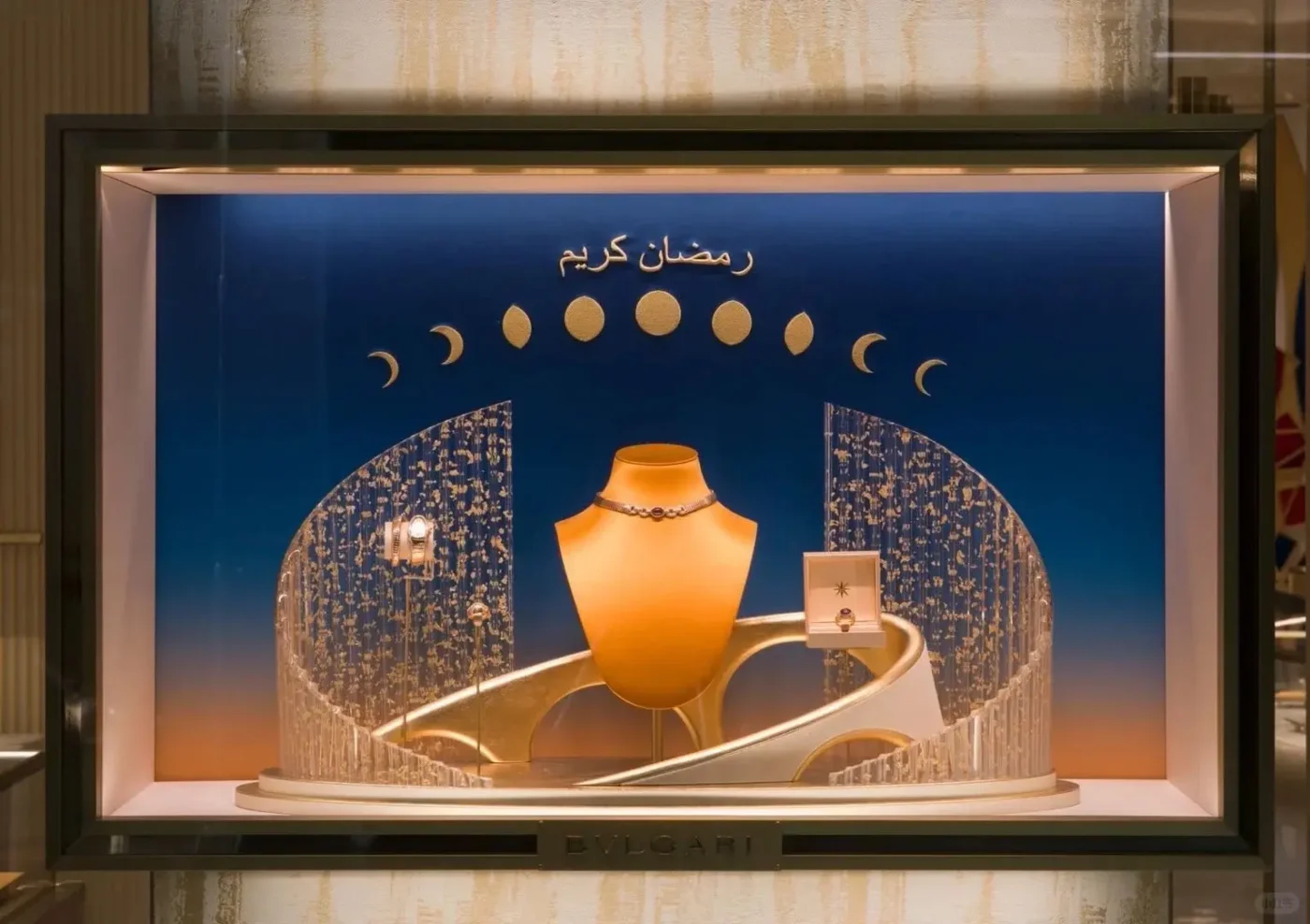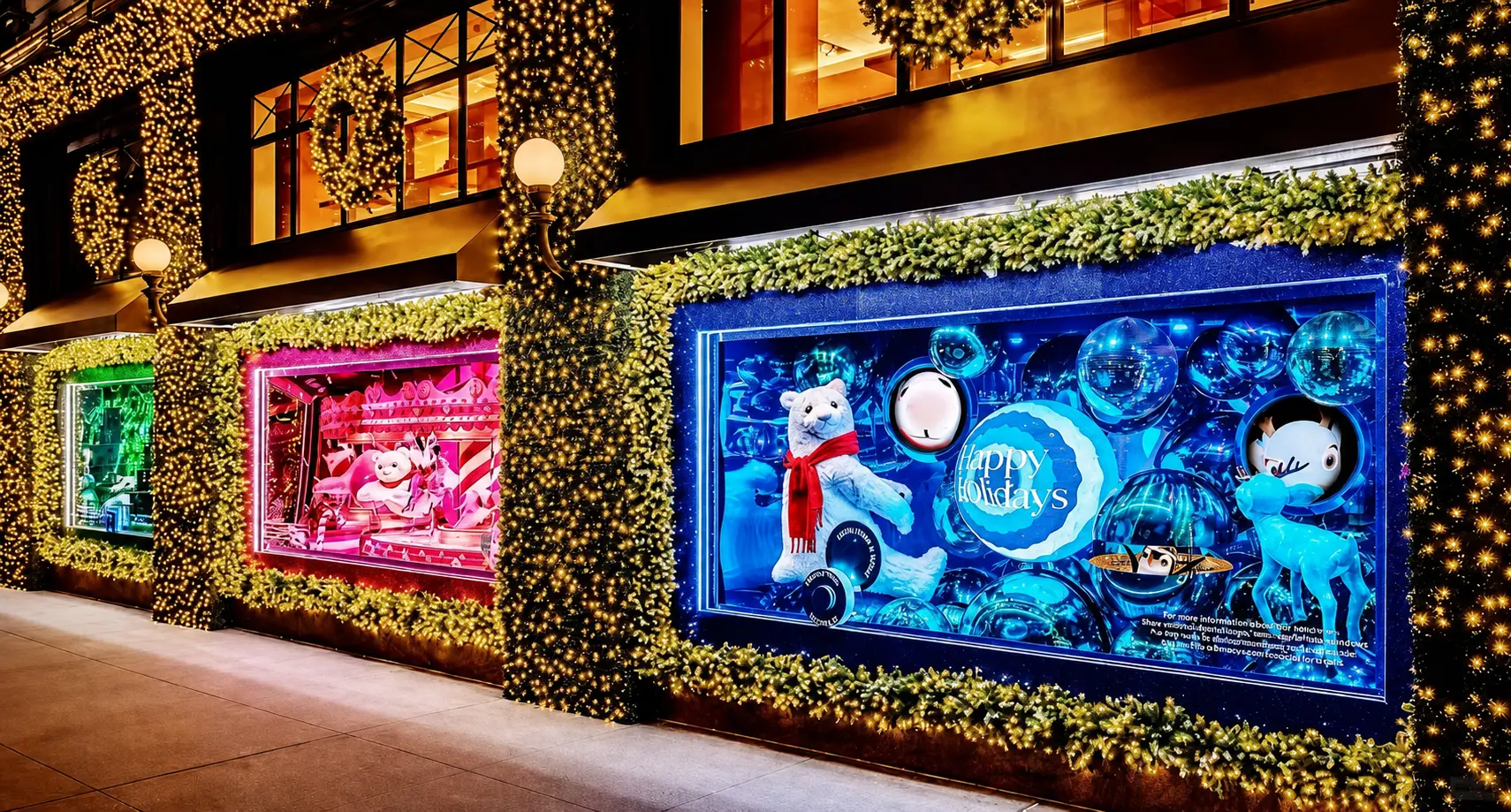
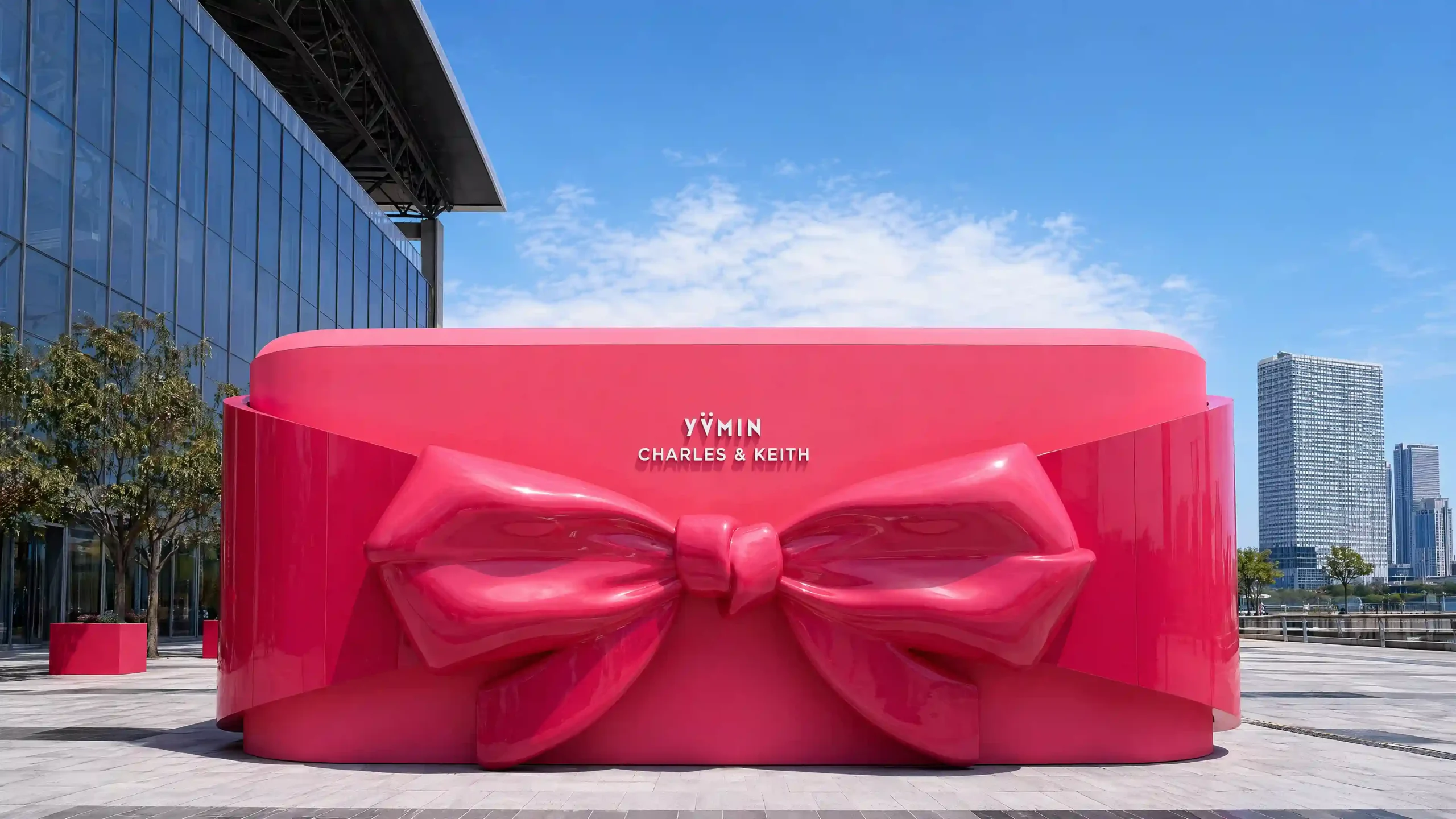
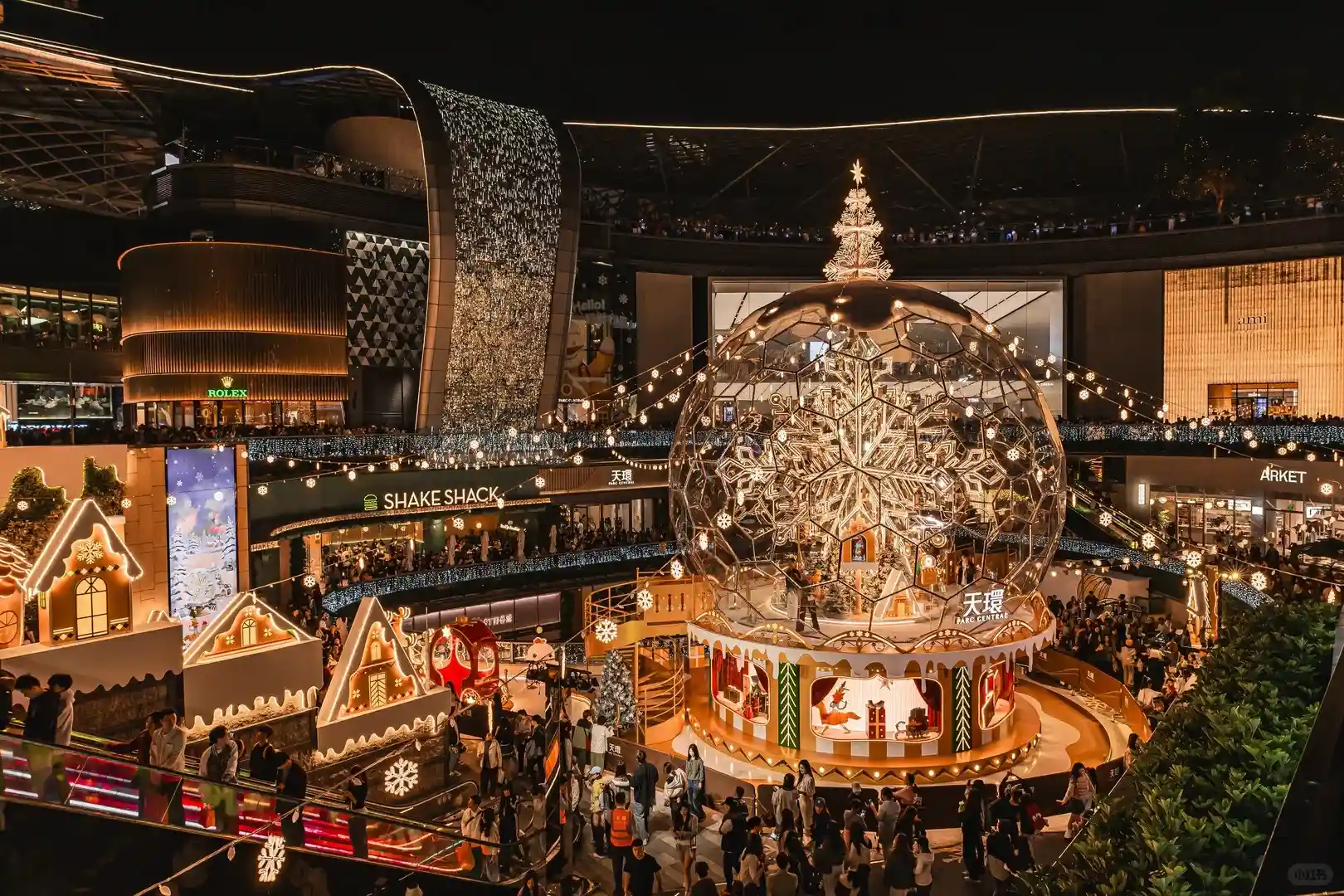
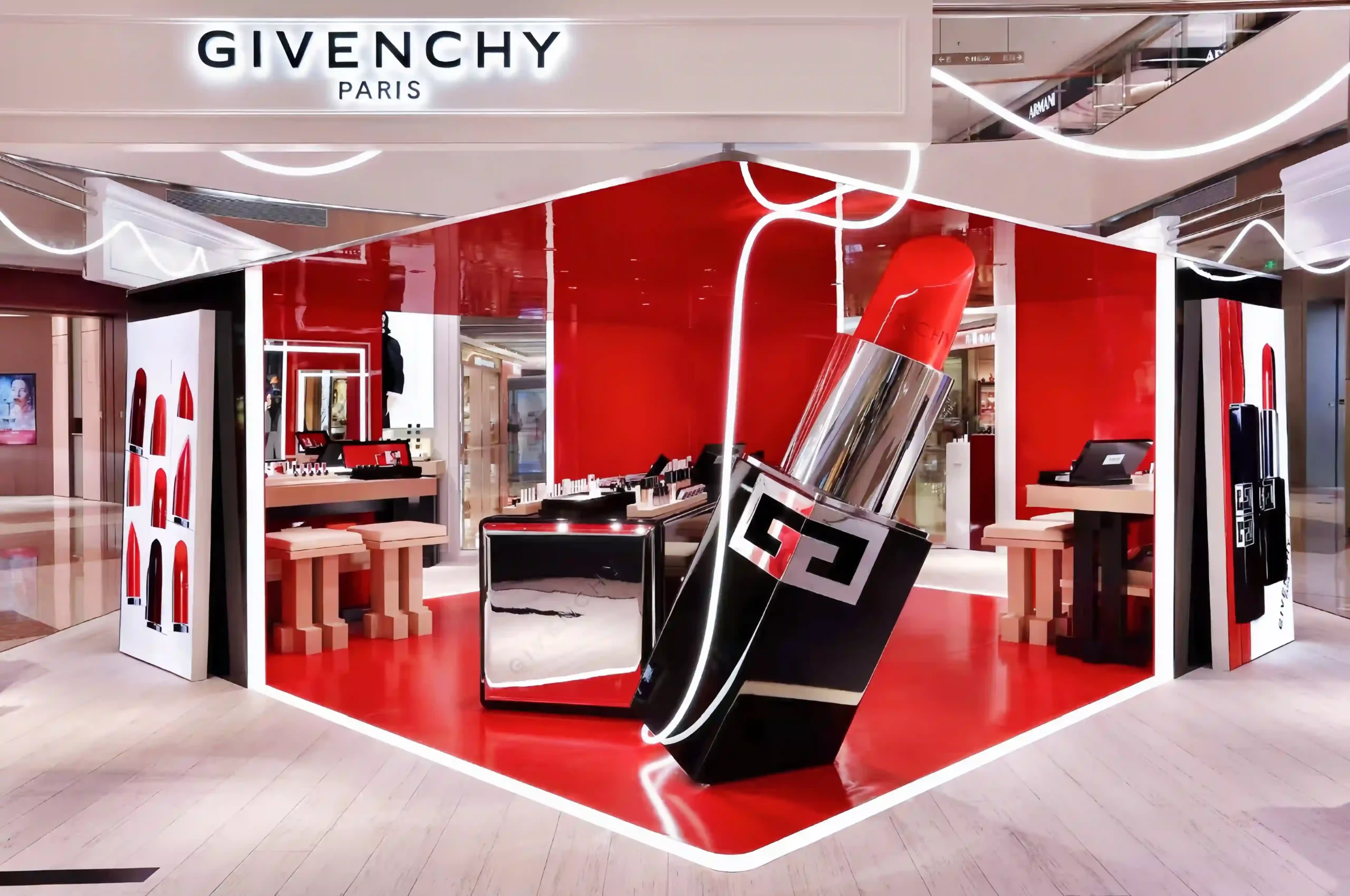
StudioXAG is a London-based retail experience design agency known for bold spaces, window displays, pop-up shops and immersive brand environments. Based on StudioXAG’s public website, the studio positions itself around luxury brand experience design — creating physical spaces that help brands attract audiences, launch concepts and turn retail into memorable storytelling.
For VM teams and sourcing managers, StudioXAG is worth studying because its public work shows how modern visual merchandising is becoming more spatial, emotional and production-heavy. From our perspective as a custom display props manufacturer, these projects are not just about creative ideas: they depend on engineering, materials, finishes, installation, logistics and long-term visual consistency.
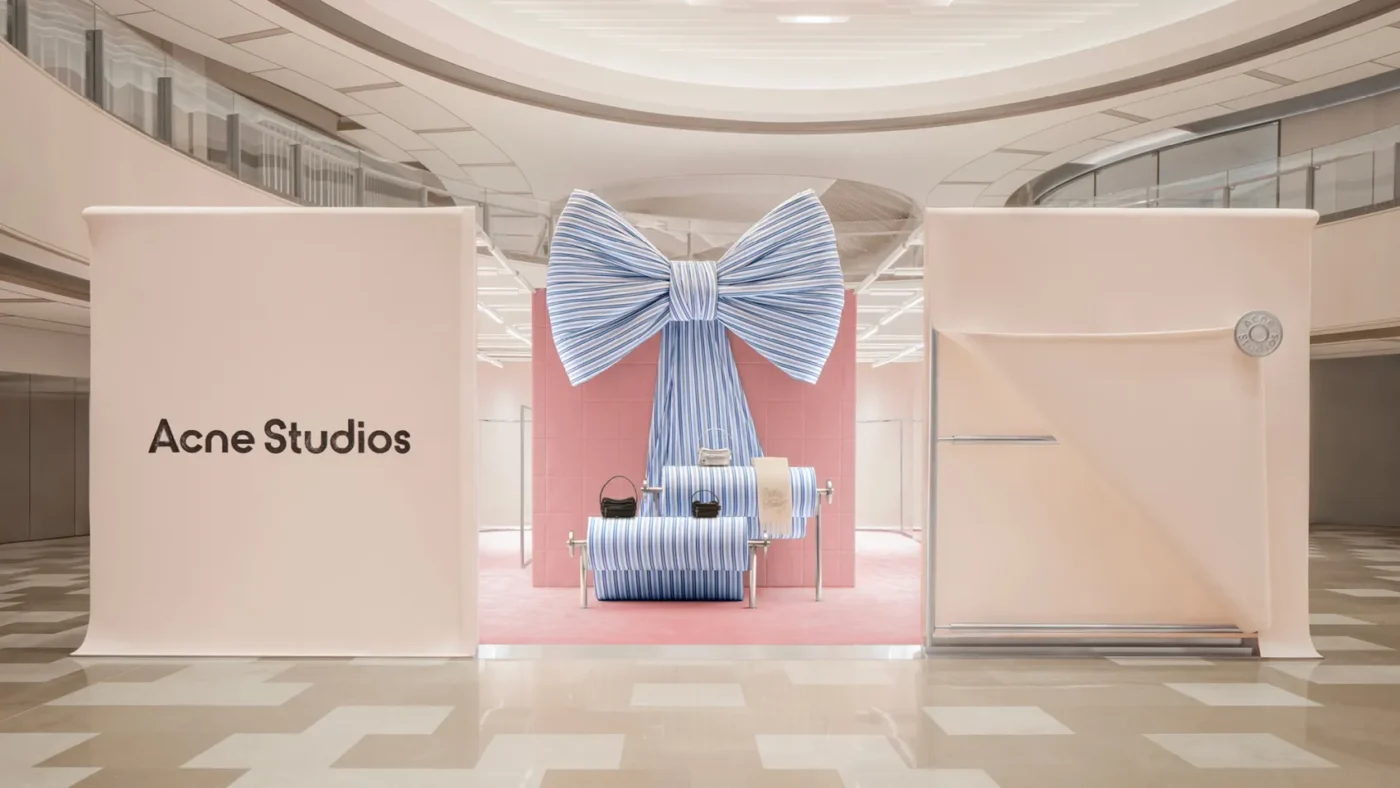
How StudioXAG Organizes Modern Retail Display Work
Retail display is no longer one simple format — a single brand campaign may now require a flagship window, a temporary pop-up, an in-store product zone and a multi-location rollout within the same year. StudioXAG’s public work archive reflects exactly this shift, with categories covering bespoke windows, concept stores, department stores, in-store installations, interactive experiences, pop-up shops and window rollouts.
For brands considering custom visual merchandising services, the production challenge is to keep the brand world consistent while adapting each physical format to its own constraints.
IKEA Hus of FRAKTA: What Immersive Pop-Ups Demand From Production
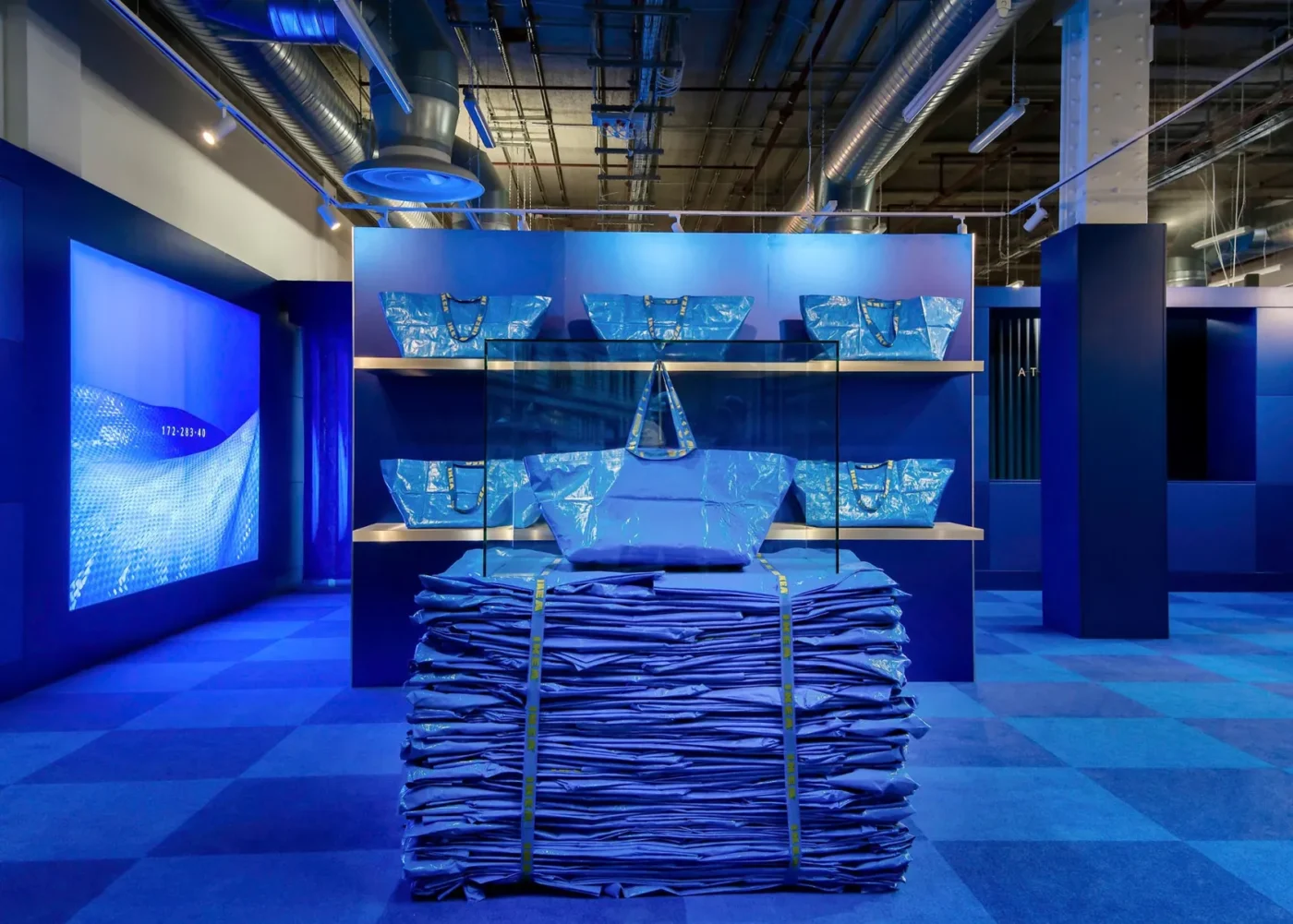
One public project that clearly shows StudioXAG’s pop-up approach is IKEA Hus of FRAKTA. StudioXAG describes it as an interactive pop-up that reimagines IKEA’s FRAKTA bag through a high-end retail lens, including a supersized installation, mirror and lighting finishes, product moments, customization areas and an immersive walkway.
From a manufacturing viewpoint, this type of pop-up space requires more than a large hero object. It needs traffic planning, impact-resistant surfaces, stable plinths, clean joins, lighting integration and safe visitor interaction. That is why pop-up store display props should be developed with both visual drama and operational use in mind.
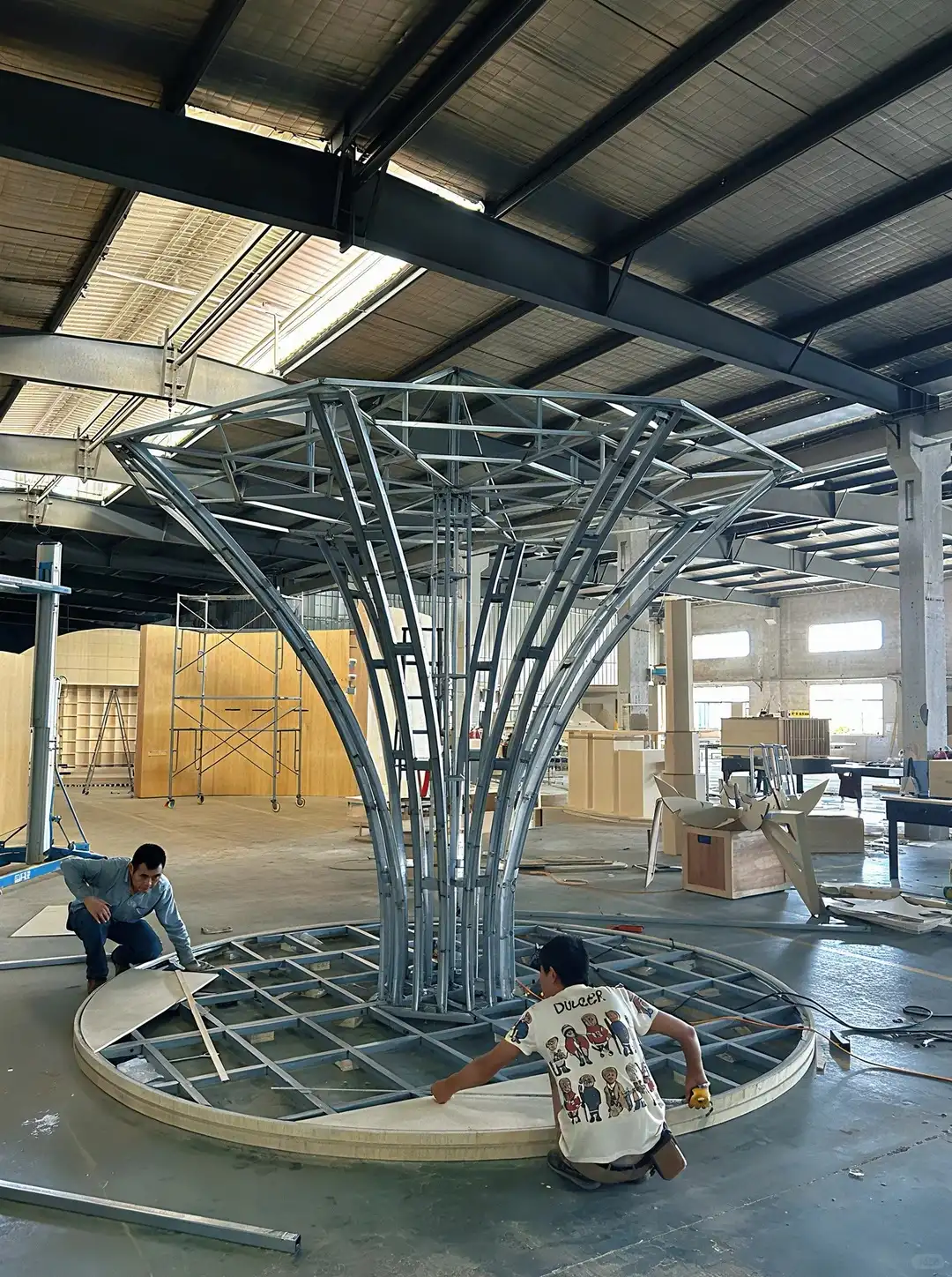
For us, the most interesting part of an immersive pop-up is the gap between “wow moment” and workshop reality. A supersized bag, oversized product prop, interactive counter or themed tunnel has to be split into parts that can be fabricated, transported and assembled without losing its visual force. If it is too heavy, installation slows down. If it is too fragile, the campaign becomes risky. If the surface is not protected, the first day of retail traffic can damage the finish. This is where display props manufacturing becomes the practical bridge between the designer’s concept and the store team’s deadline.
Hermès Lightness Windows: Multi-Store Window Storytelling
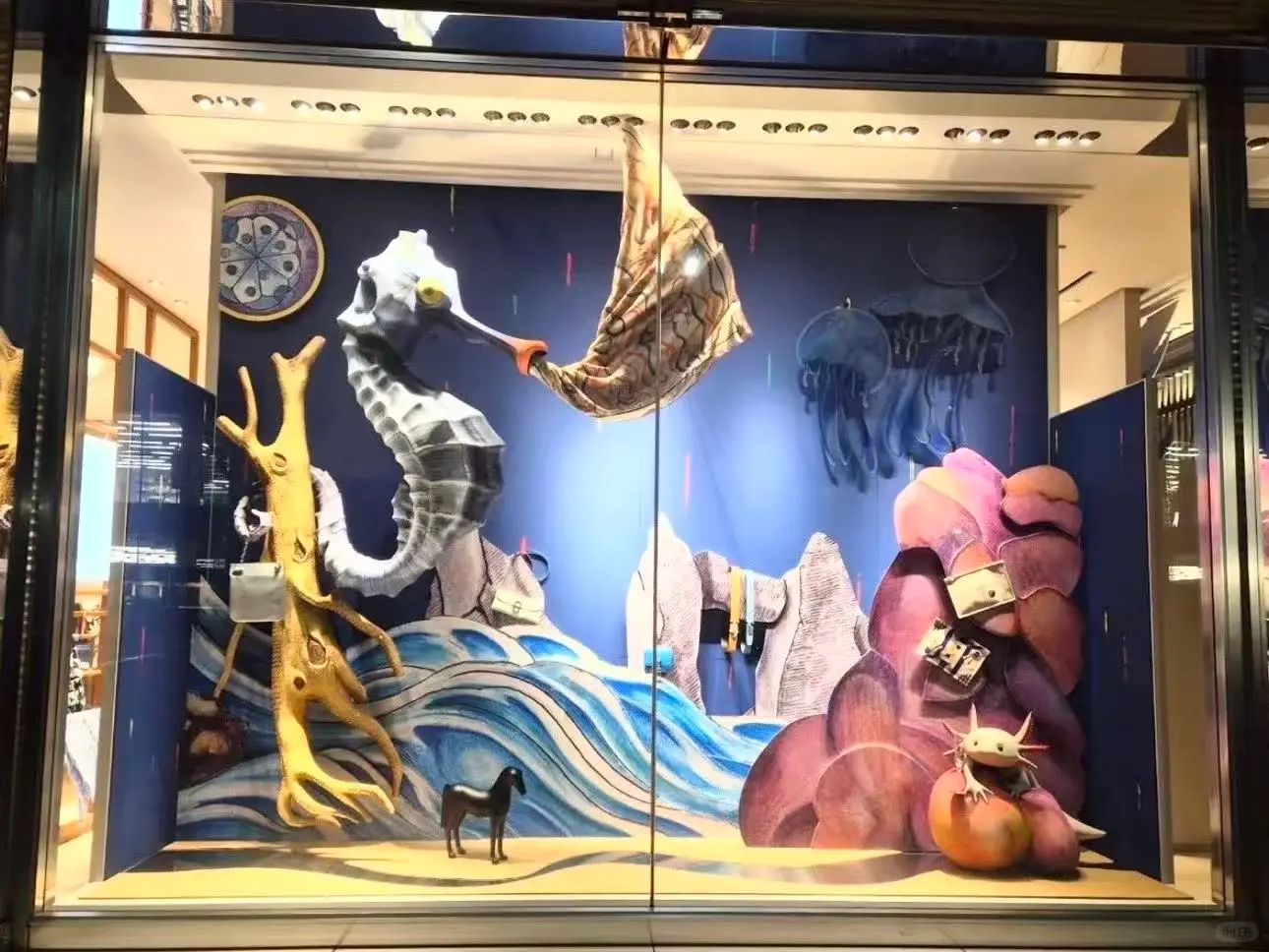
StudioXAG’s Hermès Lightness Windows project is another useful public reference because it shows how luxury window display can become a sequence of small theatres. The project describes windows across multiple Northern European stores, with products woven into a wider narrative.
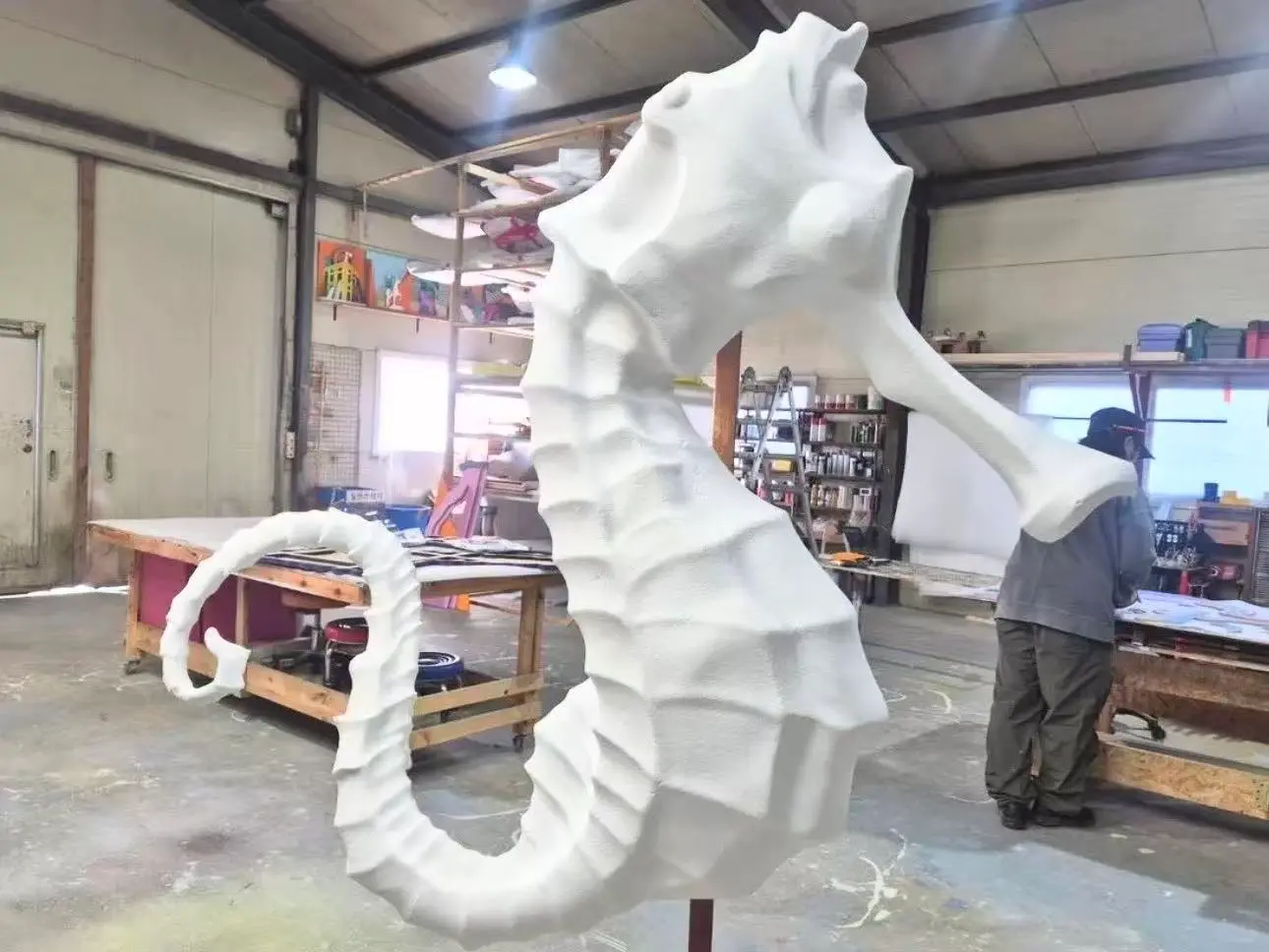
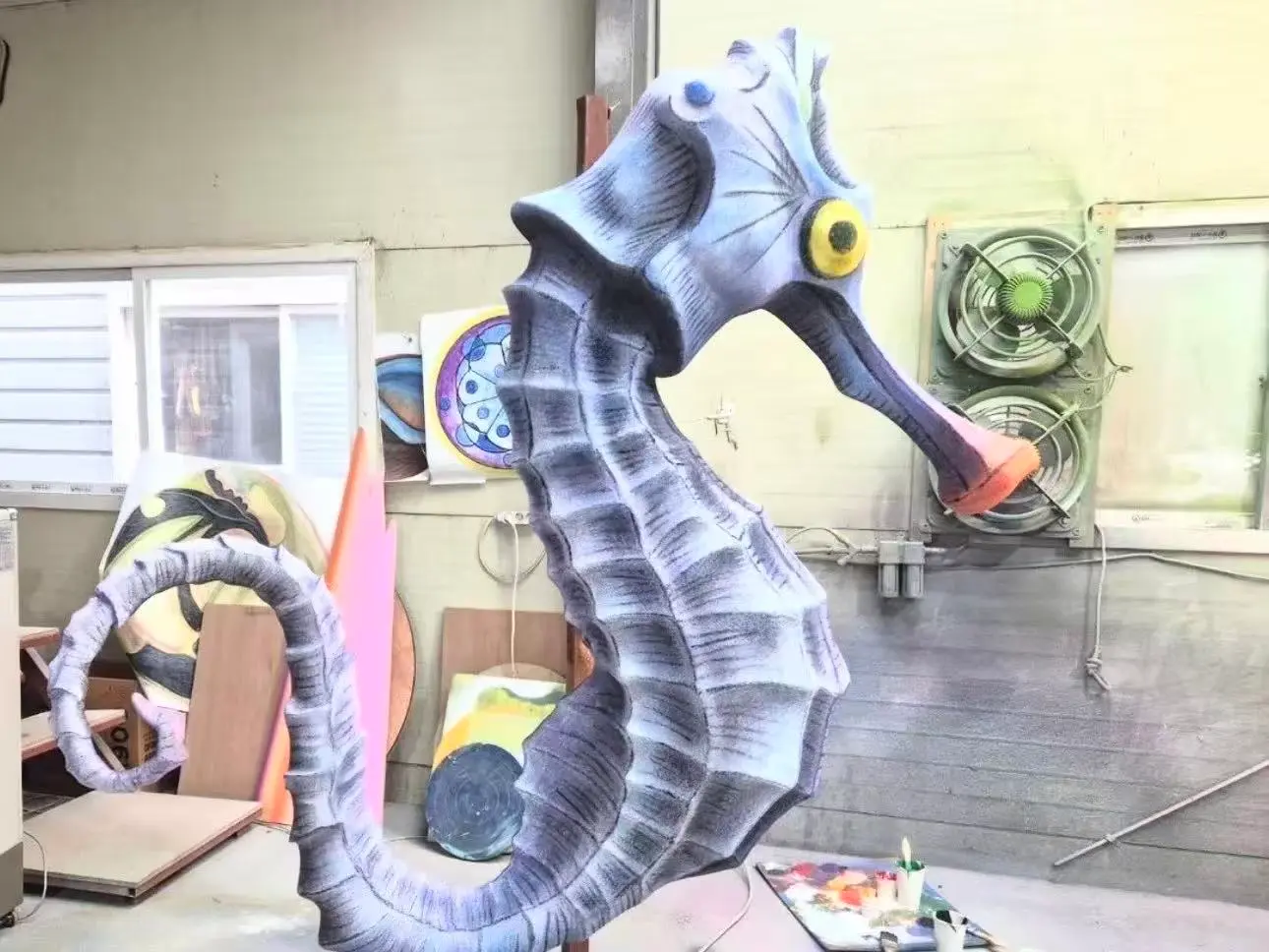
For manufacturers, multi-window storytelling is technically different from a single hero installation. Each window may need a related but slightly adapted structure, different product supports, varied hanging points and a consistent finish standard. In our own work with custom window display props, we often separate this into modular elements, unique hero props and store-specific adjustments.
Window displays are especially demanding because they are seen from two distances at once. From the street, the display must communicate quickly. Up close, the details must feel refined. That means color, edges, scale, lighting, shadows, surface finish and product placement all matter. A window prop may only be decorative to the viewer, but to the production team it is a complete object with structure, weight, fixing points, packing requirements and installation logic. A strong retail display manufacturer must think through those hidden details before the final sample is approved.
Fenty Hair at Selfridges: Detail Density in Beauty Pop-Ups
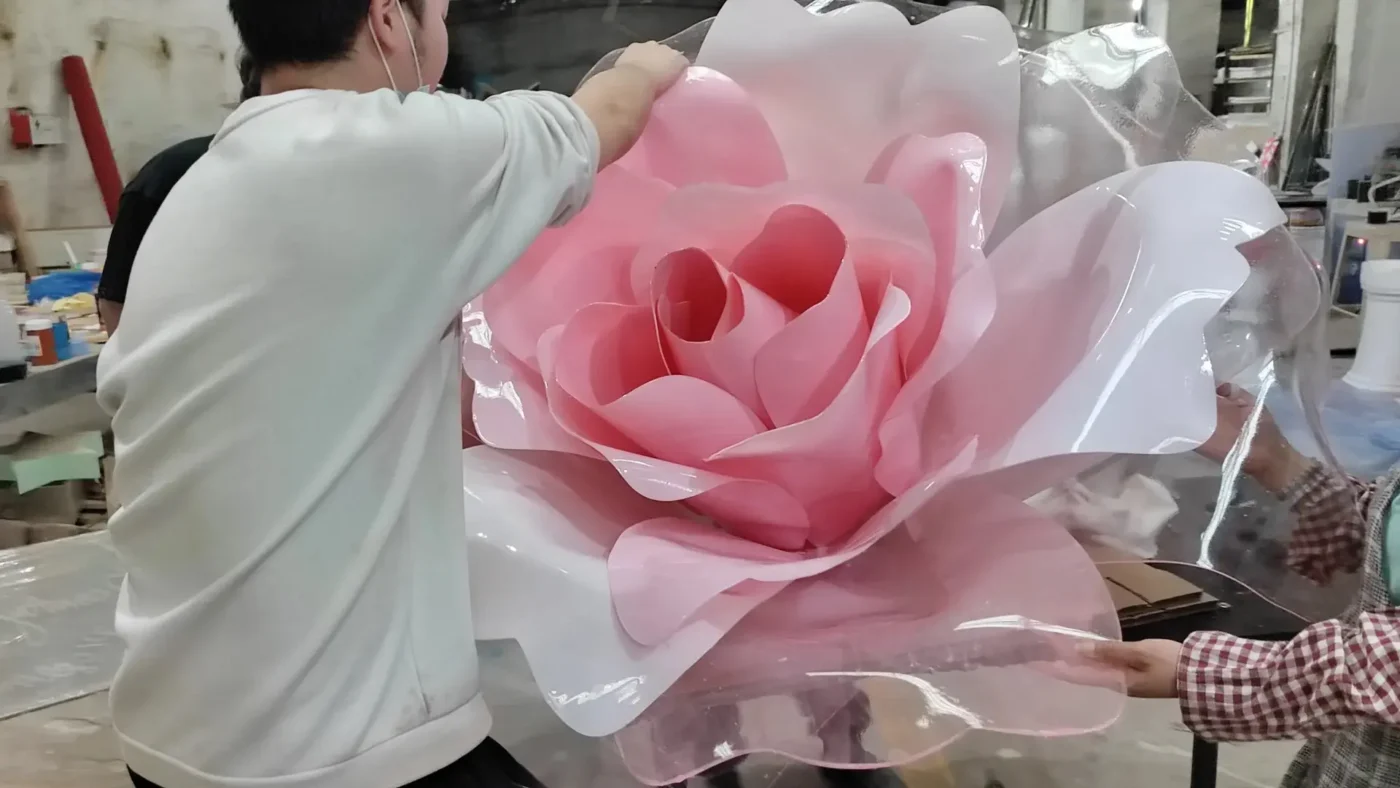
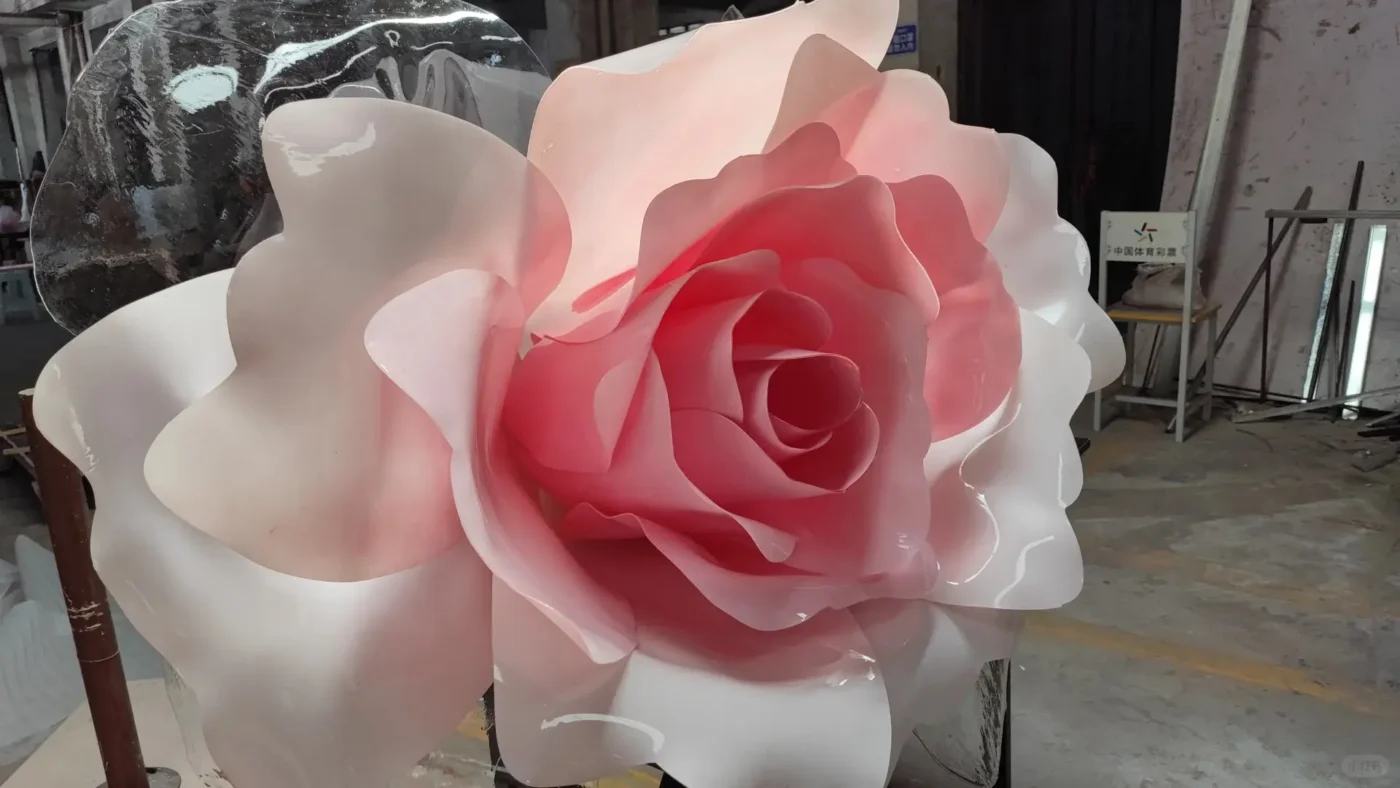
StudioXAG’s Fenty Hair Welcome to Mane Street project shows the direction of beauty and lifestyle retail experience. The public case describes a multi-sensory environment at Selfridges with different themed zones, handcrafted paper flowers, product education areas, a salon moment and photogenic backdrops.
From a display manufacturing viewpoint, this type of environment requires many small props to work together: floral elements, carts, counters, signage, trays, sample holders, furniture-like fixtures and branded surfaces. For beauty launches, custom acrylic display props are often useful because acrylic can support color, clarity, lighting and premium product presentation.
The production risk in beauty and lifestyle pop-ups is usually detail density. There may be many pieces, each with slightly different size, finish, location and function. One flower wall, one counter, one product tray and one sign may all look simple alone, but together they become a complex production map. In our factory process, we would normally create drawings, group components by material, confirm color standards, check assembly sequence and prepare protective packaging. For custom retail display props, this workflow is what prevents a visually rich environment from becoming chaotic during installation.
Why Design and Production Must Move Together
StudioXAG also publicly highlights production as part of its service offer. That matters because many retail projects fail when design and production are treated as separate worlds. A creative concept may be strong, but if material thickness, lighting access, fixing methods, packing volume and installation time are not solved early, the final result can suffer.
From our perspective, custom display props manufacturer involvement is most useful before the design is completely locked. Early review can identify which elements should be FRP, acrylic, metal, wood, textile, resin or printed graphics.
Sustainability Is Reshaping Retail Display Production
Sustainability is another important part of StudioXAG’s public positioning. The studio discusses low-carbon brand experiences and its XAGzero carbon insights tool. For manufacturers, this is not just an agency message; it reflects a wider shift in retail production. Temporary displays, pop-ups and campaign props need better material choices, smarter packing, reusable structures and clearer after-use planning.
For VM Display, sustainable retail display production means designing props so they can be transported efficiently, repaired where possible, and separated more easily after use.
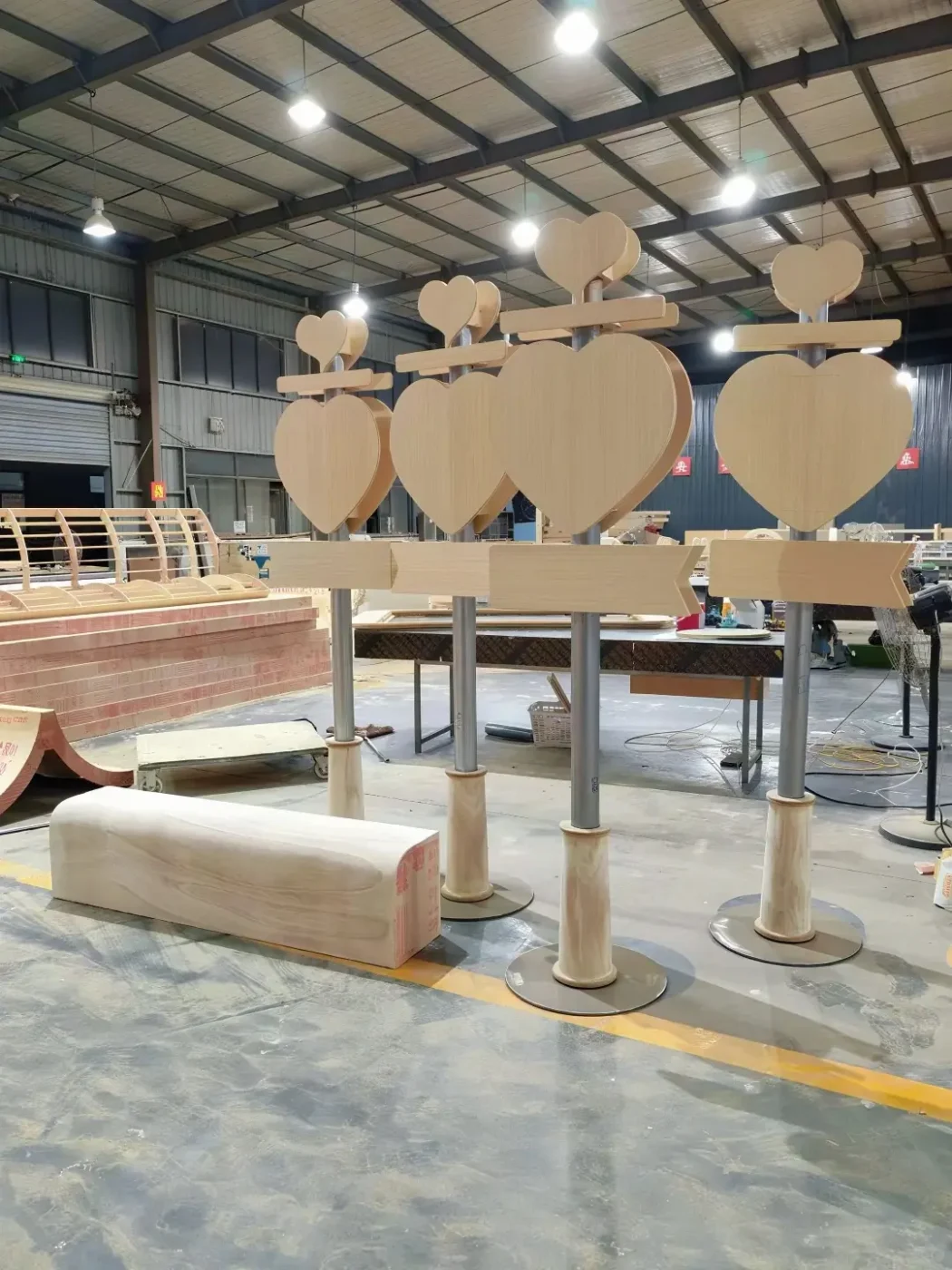
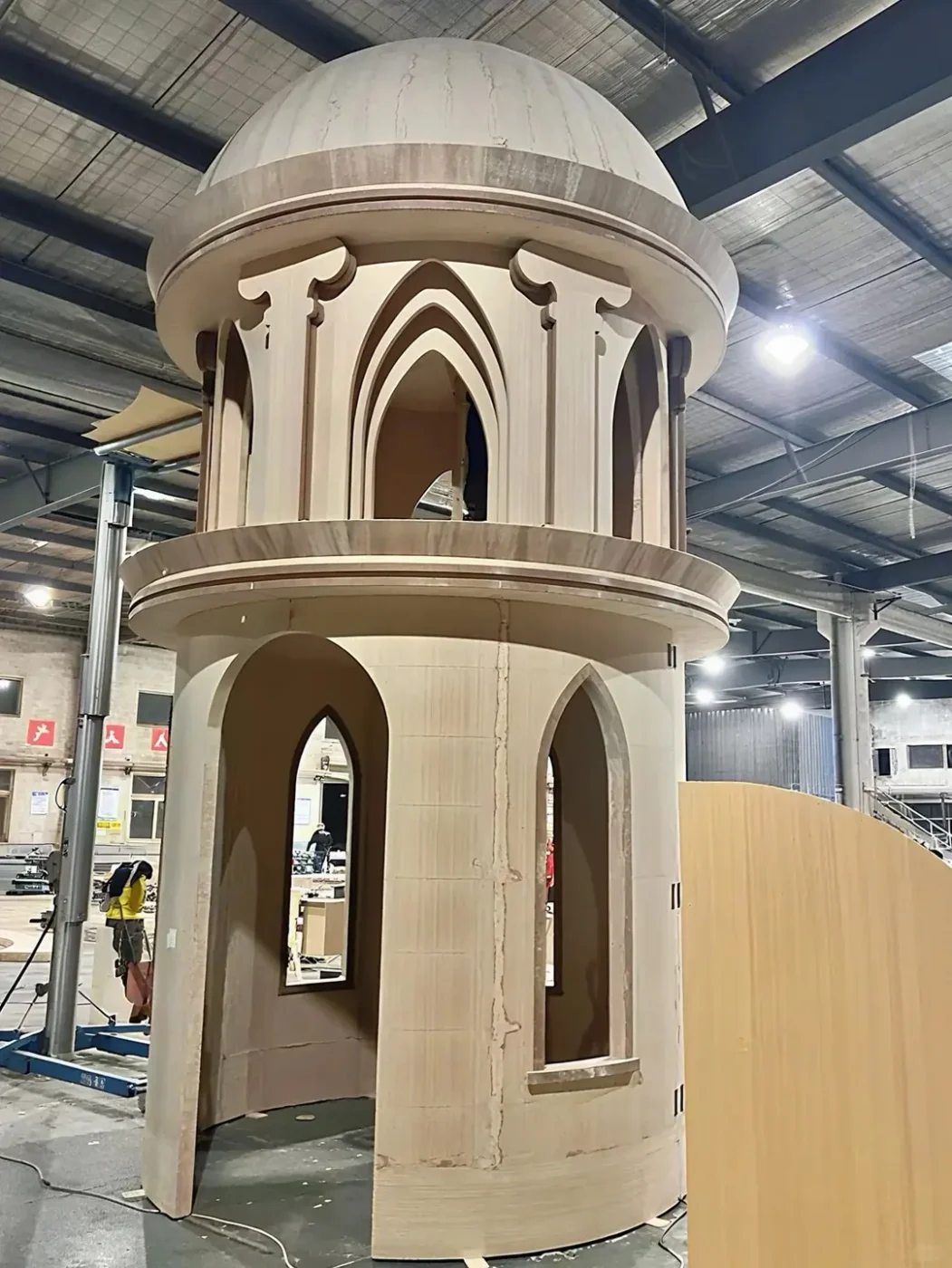
The broader retail industry is moving in the same direction. Vogue Business has discussed how physical retail strategies increasingly rely on experience, differentiation and service. Architectural Digest has also reported on retail design becoming more emotional, immersive and camera-ready. For manufacturers, the message is clear: props are no longer background decoration. Shop front display props must help create a scene, guide attention, hold products and survive the pressure of real retail traffic.
What VM Teams Can Take From StudioXAG’s Public Work
For brands, agencies and VM directors, StudioXAG’s public work offers one practical lesson: the strongest retail experiences are built when creative ambition and production logic move together. A window display needs immediate impact. A pop-up space needs interaction and flow. A concept store needs finish consistency and durability. A rollout needs repeatable production and packing control.
If your next campaign includes oversized props, custom windows, branded fixtures, lighting or multi-location installation, it is worth reviewing production feasibility before final approval — and then request a custom display props quote with clear dimensions, material targets and delivery requirements.
FAQ
What can manufacturers learn from StudioXAG-style window displays? They show how luxury window displays often combine storytelling, product support, lighting, surface finish and store-specific installation details.
What makes pop-up space design different from standard retail fixtures? Pop-up spaces usually need faster installation, stronger visual impact, visitor interaction, flexible layouts and transport-safe modular structures.
Which materials are useful for immersive retail display props? FRP, acrylic, metal, wood, resin, textile, paper craft, printed graphics and LED lighting can all be used depending on the visual effect and installation method.
When should a display props manufacturer join a pop-up or window project? A manufacturer should join before final design approval, especially when the project includes oversized props, hanging elements, lighting, complex finishes or multiple store locations.
Disclaimer This article is based on publicly available project and industry information. VM Display is not claiming partnership, sponsorship, endorsement, or direct involvement with StudioXAG or any brands mentioned.