
Most guides to window displays are written by designers. This one is written from the workshop floor.
There are six main types of retail window displays: open, closed, semi-closed, corner, island, and shadowbox. Each format changes what the props inside it must do — how they are finished, how they are weighted, how they handle light. Choosing the type is not just a design decision; it is the first line of the fabrication brief.
We have manufactured display props for all six formats — for closed flagship windows on luxury high streets, for open windows in department stores, for shadowboxes barely larger than a handbag. What follows is each type explained the way we explain it internally: by what it demands from the thing being built.
(A quick note on counting. You will see sources describe “three types,” “four basic types,” or “five types” of displays — usually because they are counting display contexts across the whole store: window, interior, point-of-purchase, and so on. When the question is window displays specifically, six formats cover the practical landscape, and they are the six below.)

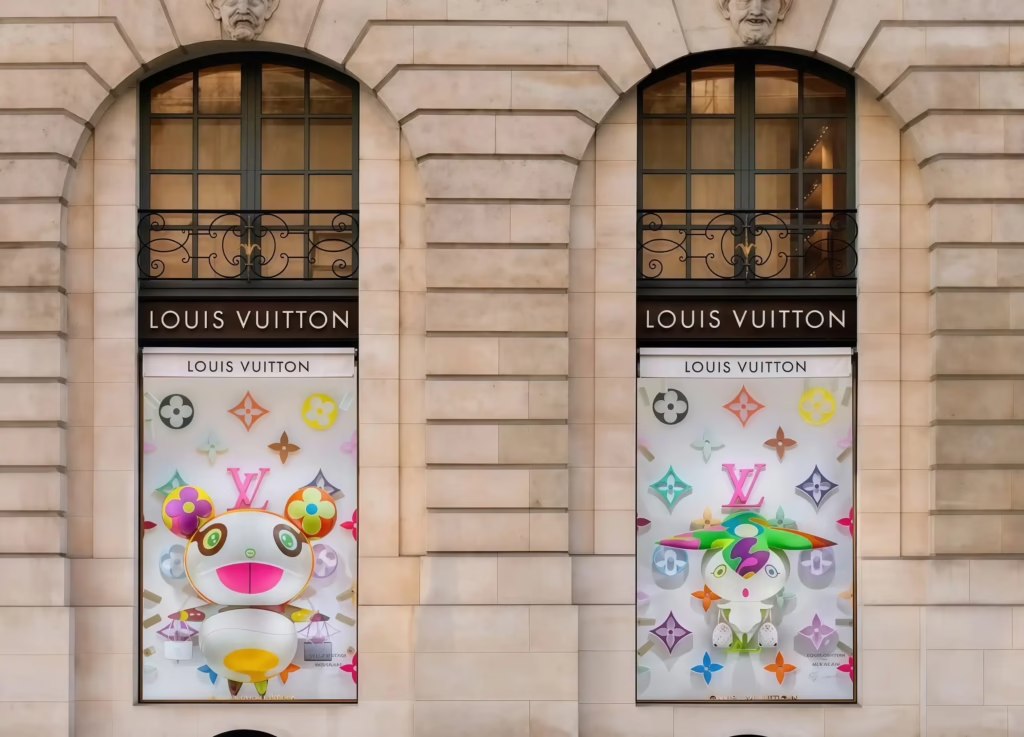

The Six Types of Window Displays at a Glance
| Type | Defining feature | Typical use | Key fabrication demand |
|---|---|---|---|
| Open | No back wall; window reads into the store | Department stores, contemporary retail | 360° finishing — props are seen from behind |
| Closed | Full back wall; sealed stage | Luxury flagships | Light integration, controlled surfaces |
| Semi-closed | Partial back panel or screen | Mid-size boutiques | Two-sided finishing on dividers |
| Corner | Wraps a street corner; two viewing axes | Corner-lot flagships | Multi-angle geometry, perspective control |
| Island | Freestanding, visible from all sides | Malls, atriums, airports | Structural stability, hidden ballast |
| Shadowbox | Small enclosed niche | Jewelry, watches, fragrance | Miniature precision, fine tolerances |
The table is the summary. The details — and the mistakes each format invites — are below.
Open Window Displays: Built to Be Seen From Behind
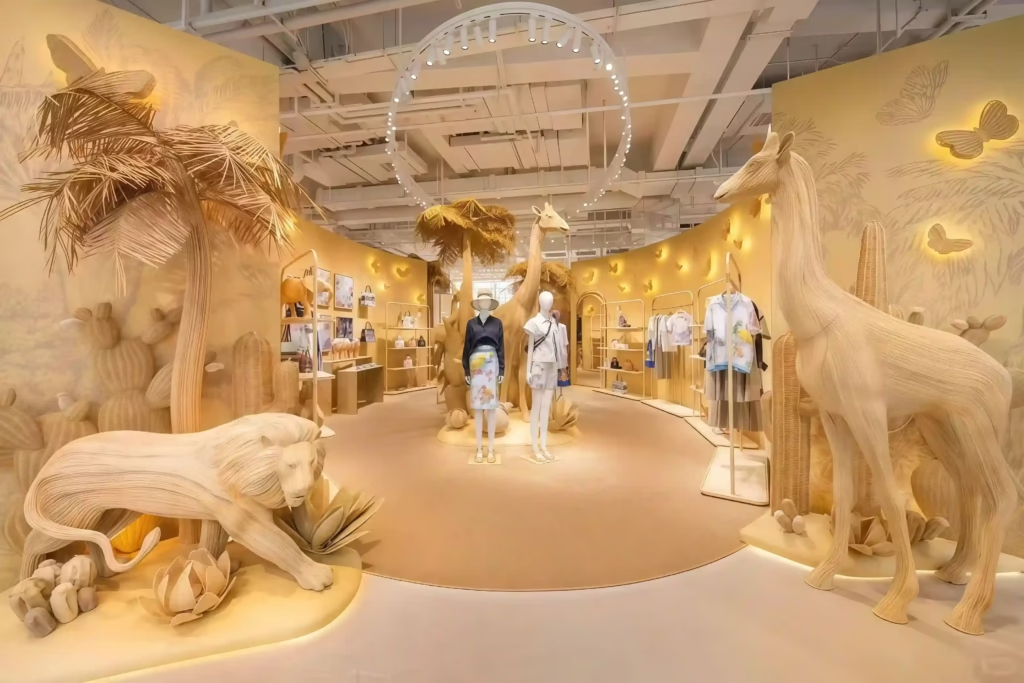
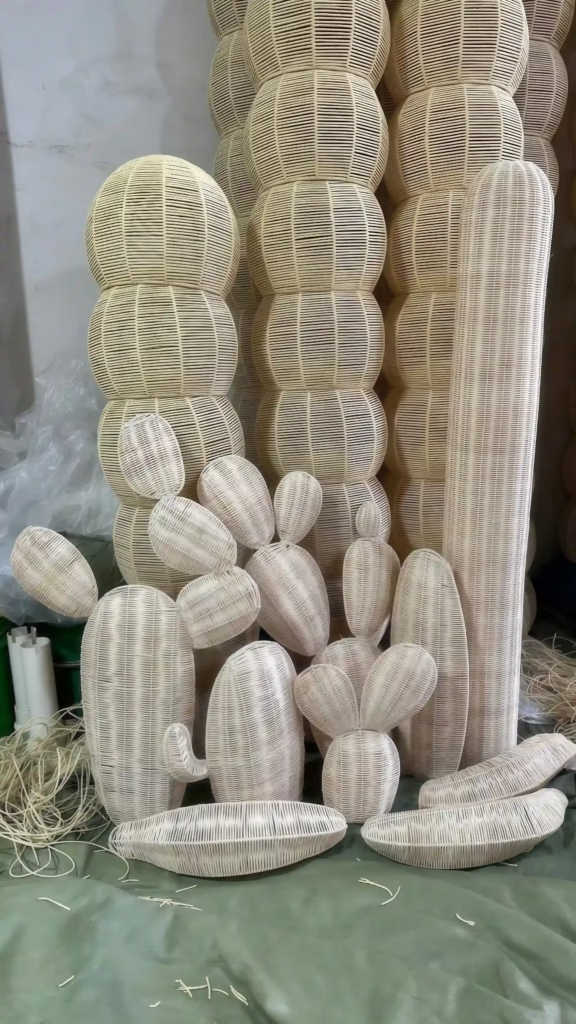

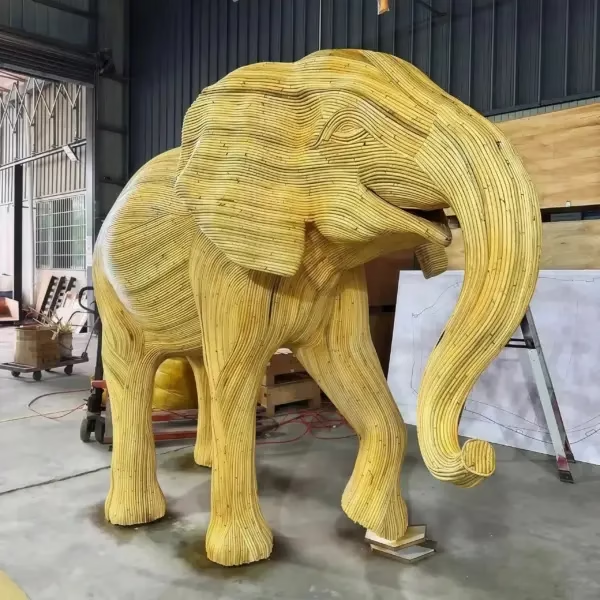
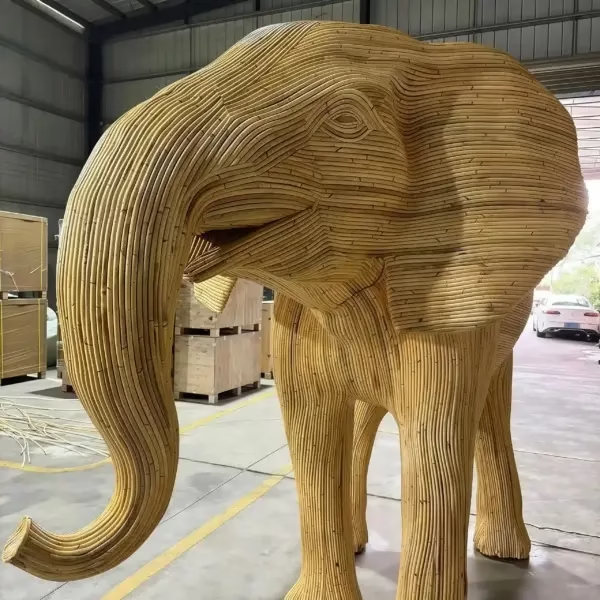
An open window display has no back wall. The window is a transparent threshold: passersby look through the display and into the store itself, and shoppers inside the store see the display from the reverse side.
Retailers like the format because it makes the storefront feel porous — the display becomes part of the shop floor rather than a sealed exhibit. Department stores and contemporary fashion retailers use it heavily.
From the manufacturing side, the open format has one defining consequence: there is no hidden side. A prop in a closed window can have an unfinished back — raw fiberglass, exposed fixings, cable runs. A prop in an open window cannot. Every surface is a front surface.
In practice this means:
- Full 360° finishing. On FRP sculptural pieces, gel coat and paintwork are carried around the entire form, which adds meaningful hours at the sanding and finishing stages. A piece finished on one face only will read as a stage flat from inside the store.
- Cable and fixing concealment is designed in, not improvised. Lighting wiring, mounting brackets, and ballast must be routed internally or under base plates, because there is no back wall to hide them against.
- Structural members do double duty. Internal armatures are positioned so they never silhouette against the glass from either direction.
The brief implication: if your window is open, say so in the first line of the RFQ. A quotation priced for single-face finishing will be wrong, and the gap surfaces late — usually at the sample stage, when the schedule can least absorb it.
Closed Window Displays: The Luxury Standard
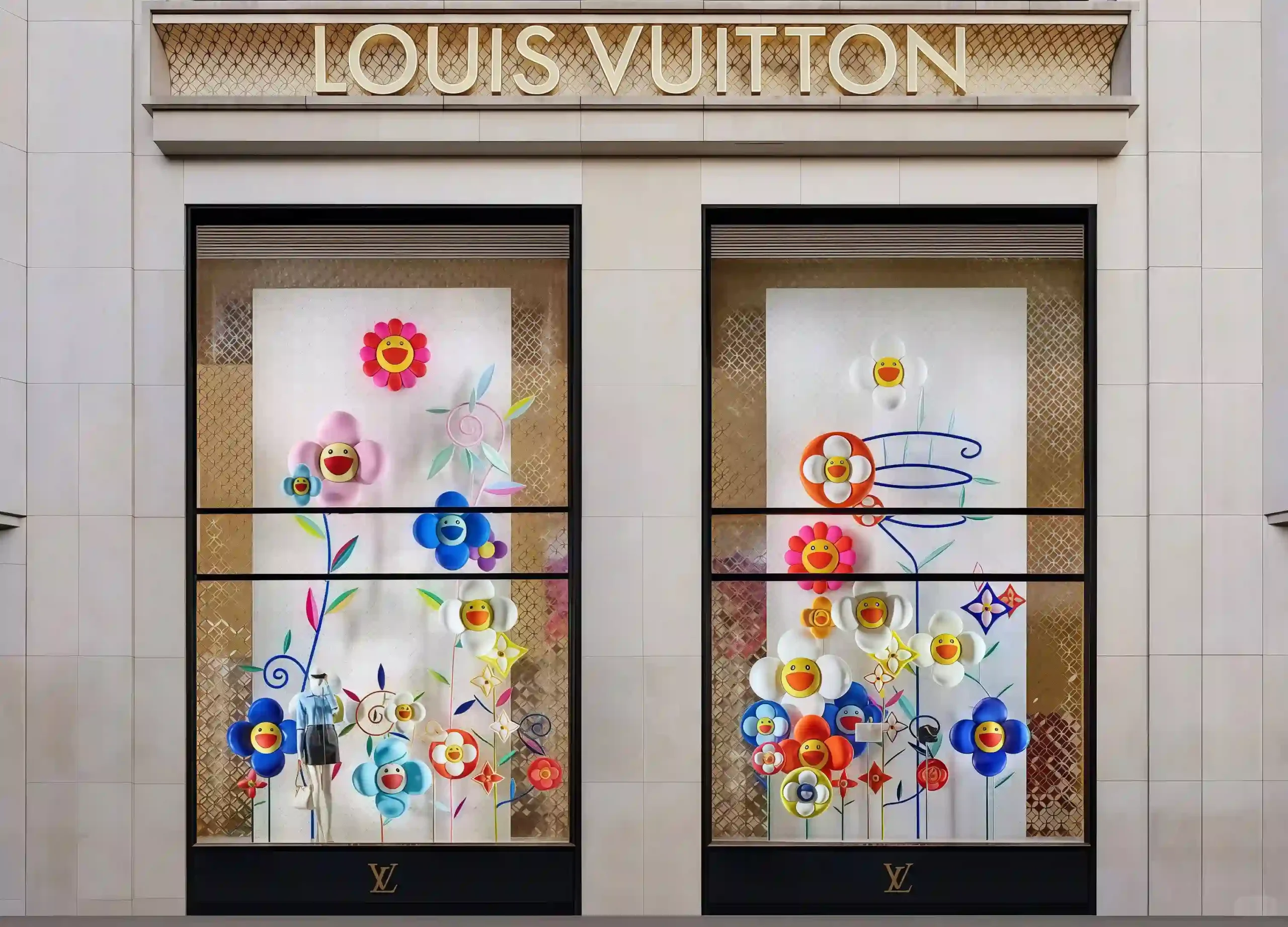
A closed window display has a full back wall, creating a sealed box between the glass and the store interior. It is a stage in the literal sense — controlled lighting, controlled background, no visual interference from the shop floor behind it.
This is the format that defines luxury retail. Walk a flagship street in Paris, Tokyo, or Shanghai and nearly every window you stop at is closed. The reason is control: the brand decides exactly what you see, down to the shadow edges. Our roundup of 20 window display ideas → draws mostly from this format, because it is where the most ambitious prop work happens.
What the closed format demands from fabrication:

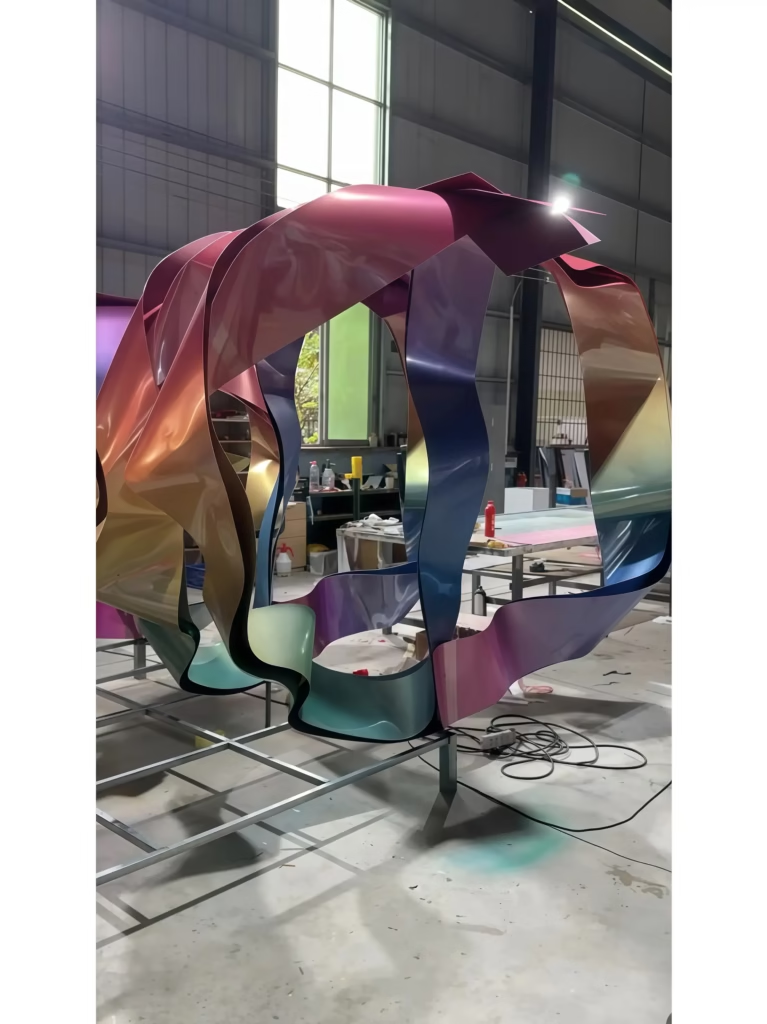
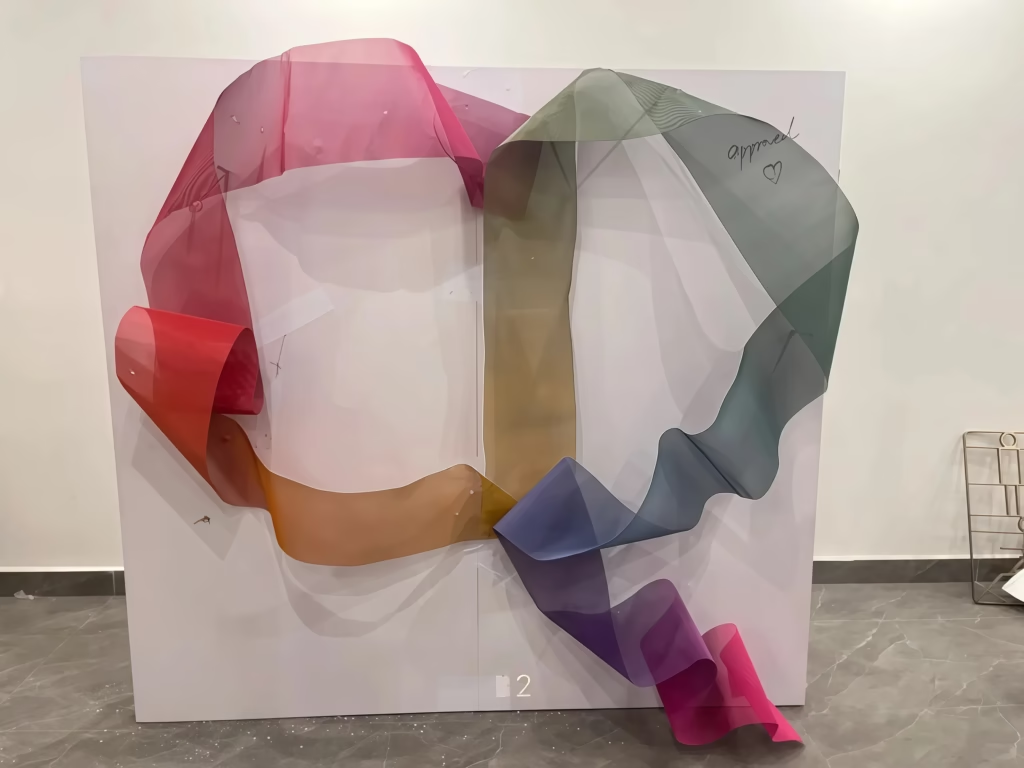
- Light and prop are designed together. In a sealed box, lighting angles are fixed and known in advance. We routinely adjust surface finishes to the lighting plan — a high-gloss lacquer that looks rich under diffuse light will throw hard hotspots under tight spotlights. Matte, satin, and gloss decisions belong in the same conversation as the lighting layout, not after it.
- Reflection management. Glass plus dark interiors plus bright props is a recipe for the street seeing itself instead of the display. Surface sheen, prop placement depth, and background tone are tuned to push reflections off the main sightline.
- The back wall is a fabrication element. Closed windows often include built scenic backgrounds — printed, sculpted, or paneled. These are manufactured items with their own tolerances, and they must integrate with the props in front of them at installation, not just in the render.
The closed window is also where material quality is most exposed. The viewer stands half a meter from the glass with nothing else to look at. Surface defects that would disappear in a busy open-format store are unmissable here — which is why luxury maisons specify finish standards (and inspection at viewing distance) in their prop contracts.
Semi-Closed Window Displays: The Middle Path
A semi-closed window uses a partial back panel — a screen, a slatted divider, a half-height wall — so the display is framed but the store remains partially visible behind it.
It is the pragmatic format: boutiques that want more staging control than an open window but cannot give up the sense of an inviting, visible interior. Done well, the partial screen becomes a design element in its own right.
The fabrication notes sit, predictably, between the two formats above:
- Dividers are two-sided props. A screen seen from the street and from inside the store needs finished faces on both sides — and often different design treatments on each, since the two audiences see it in different contexts.
- Sightline mapping matters more, not less. With a full back wall you control everything; with no wall you control nothing; with a partial wall you must know precisely which angles reveal what. We ask for a plan view with sightlines before quoting semi-closed work, because prop placement and finishing extent depend on it.
Corner Window Displays: Engineering for Two Sightlines
A corner window wraps around the junction of two street-facing elevations. Viewers approach from two directions and see the display across a continuously shifting angle — including the diagonal across the corner itself, which is often the longest and most photographed view.
Corner sites are prestige sites, and brands invest in them accordingly. They are also, frankly, the format where 2D design thinking fails most often.
What changes in fabrication:
- Props are composed in the round, reviewed in 3D. A layout that looks balanced on the front elevation can collapse visually from the side approach. We model corner installations and review them from the actual pedestrian approach angles — typically five or six camera positions — before anything is built.
- Perspective distortion is real at corner distances. Elements near the glass loom; elements at the back compress. Scaling props to read correctly across a 90° viewing sweep sometimes means building them at sizes that look “wrong” on paper.
- No prop has a safe back. Like the open format, corner displays punish single-face finishing — the second elevation sees what the first one hides.
Island Window Displays: Freestanding Structure First
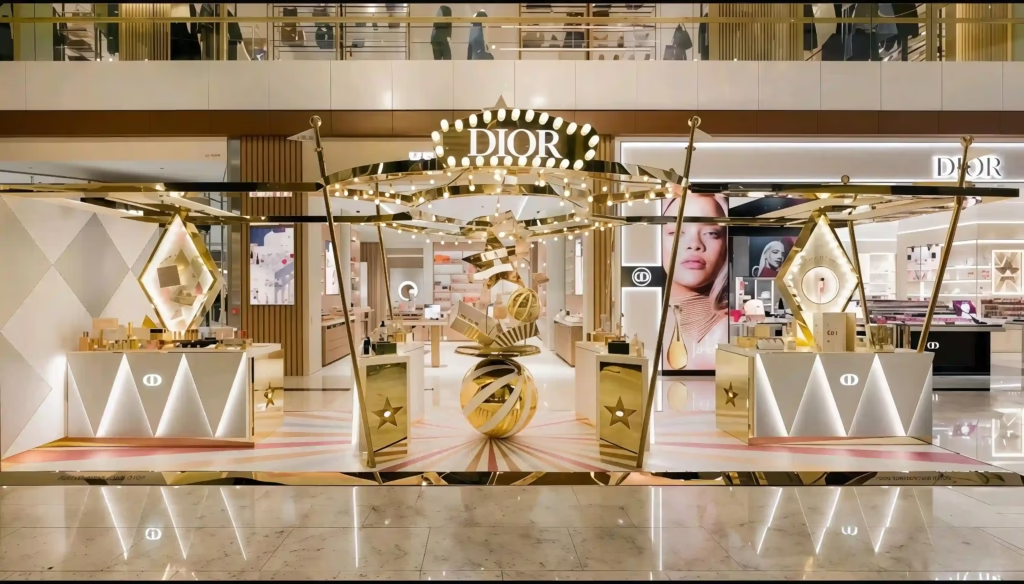
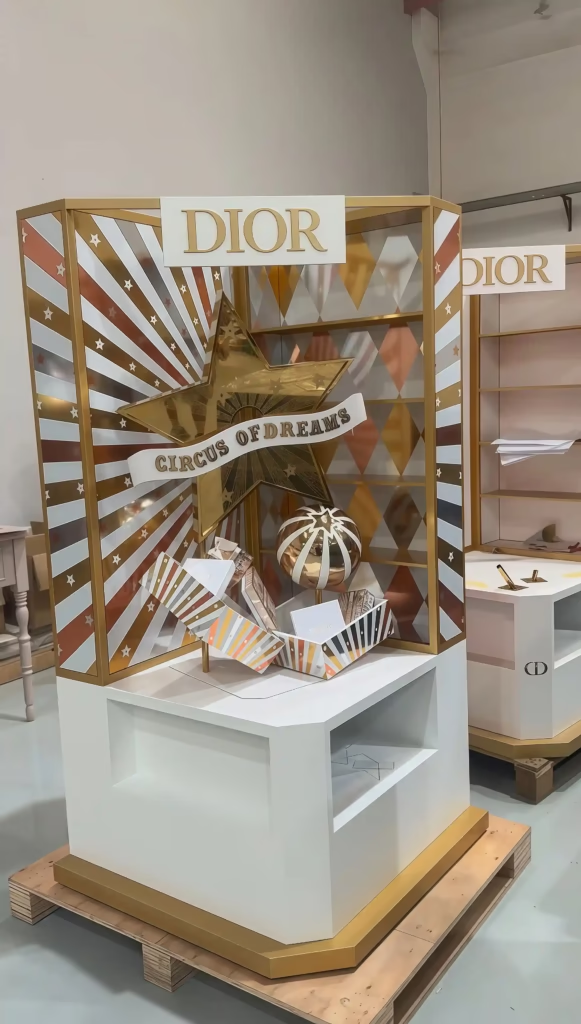
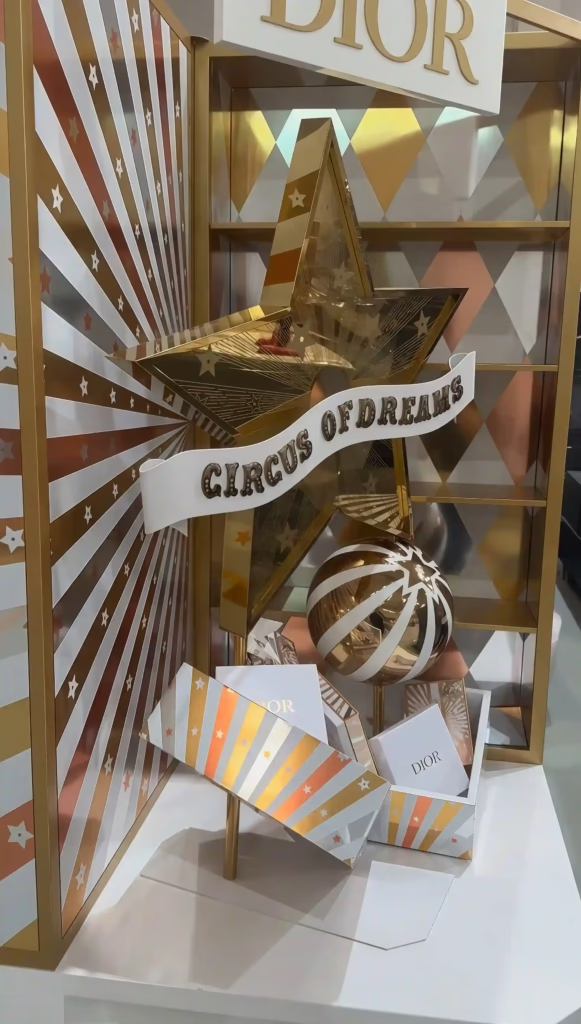
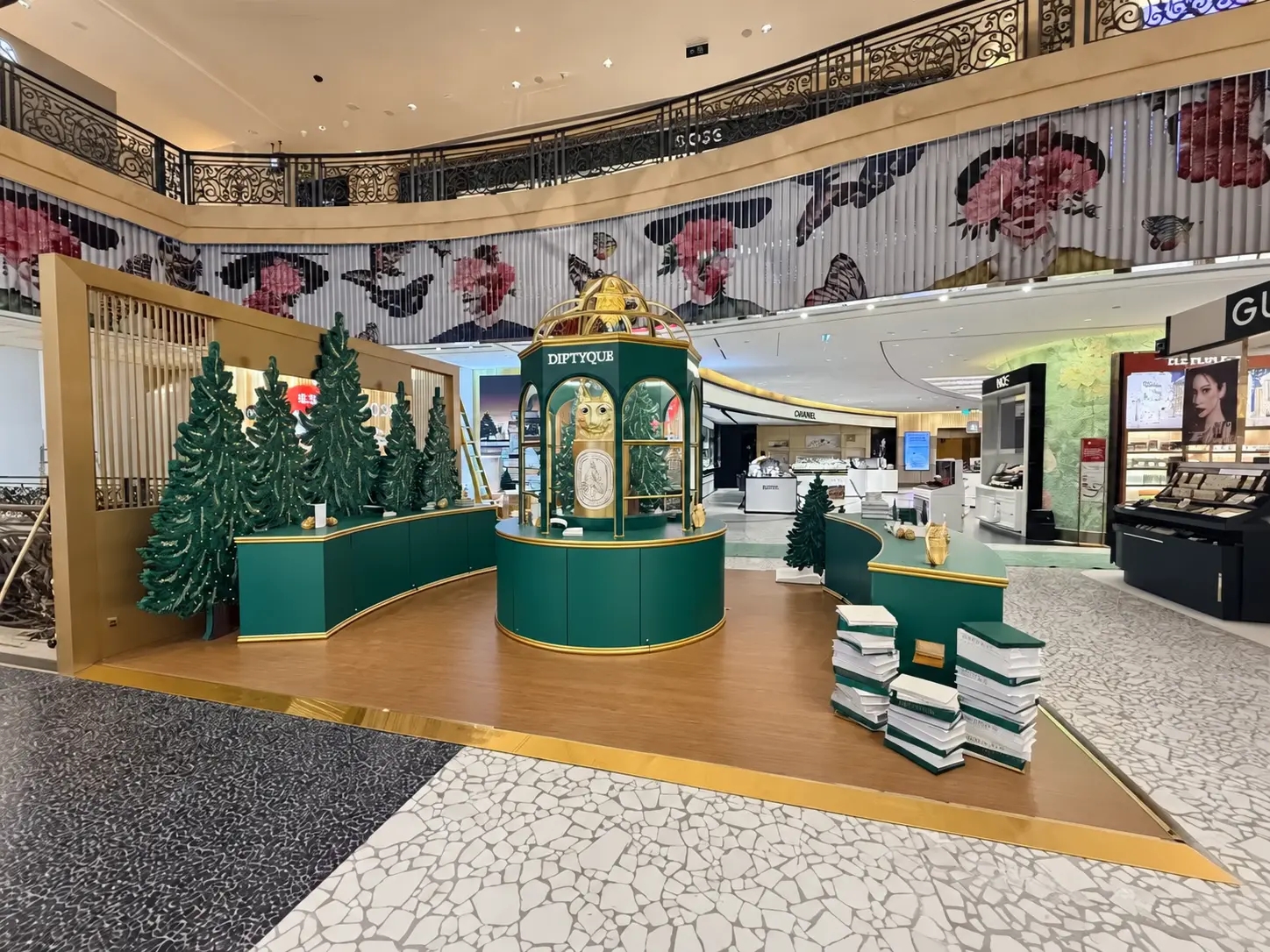
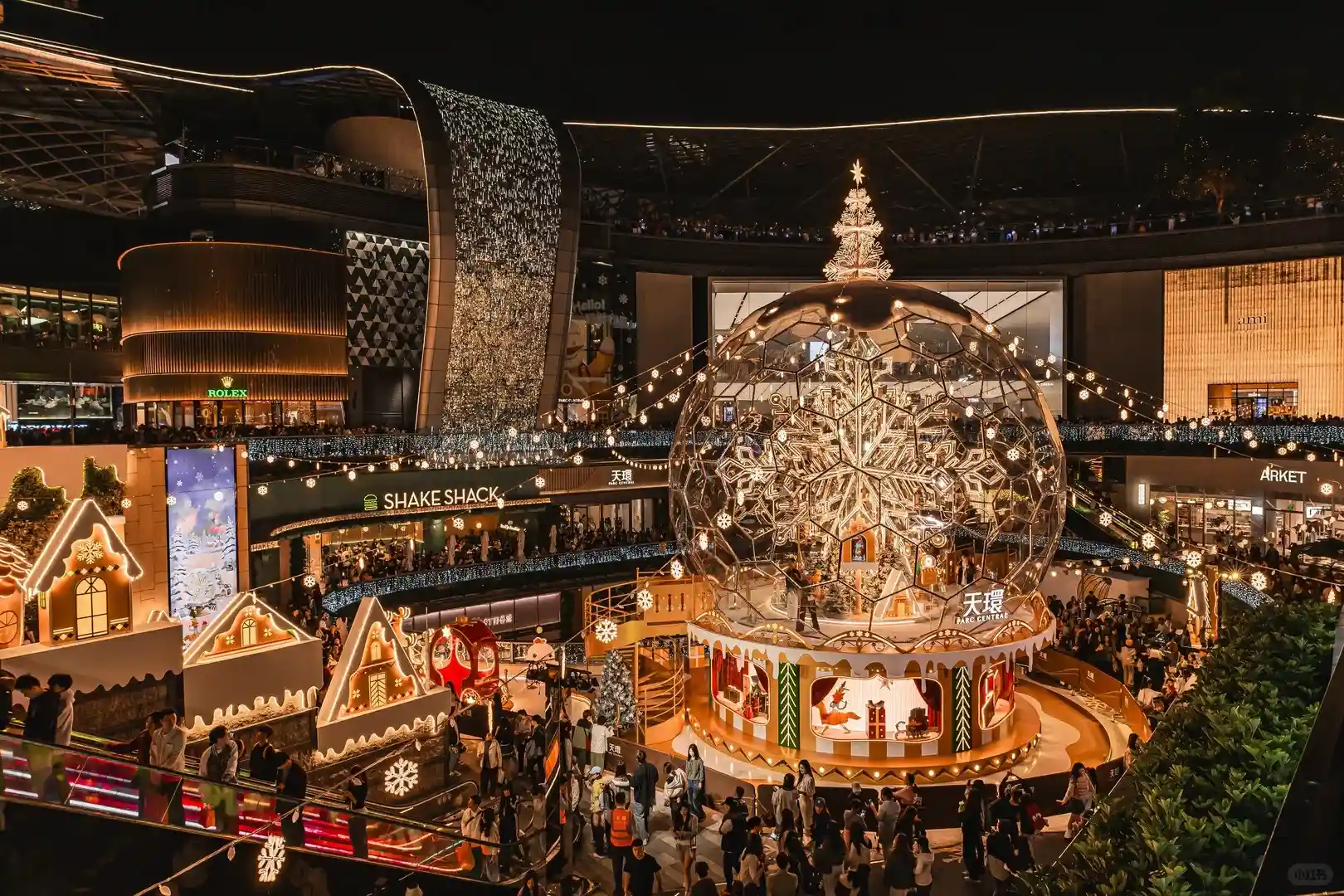
An island display stands free of any wall — a glazed case or open platform visible from all sides. You find them in mall atriums, airport concourses, department store entrances, and increasingly in luxury pop-ups.
Here the engineering conversation comes before the aesthetic one, because an island display is a freestanding structure in a public circulation space. The questions that decide the build:
- Where is the center of gravity? Tall sculptural pieces on small footprints need internal steel armatures — we typically run SS304 frames inside FRP forms — and concealed ballast in the base. The prop must tolerate incidental contact from passing crowds, not just stand up in still air.
- How does it anchor? Many mall and airport sites prohibit floor fixing. That pushes weight into the base plate and changes the whole internal structure, which is why “can we bolt down?” is one of our first site questions.
- All-round finishing, again — plus the top. Island displays in atriums are frequently viewed from upper floors. The top surface, invisible in every other format, becomes a finished face.
Material selection shifts too. Impact resistance and weight matter more here than in any wall-backed format — one of the cases where the FRP vs. acrylic vs. metal decision → is driven by structure rather than surface.
Shadowbox Displays: Small Space, Tight Tolerances

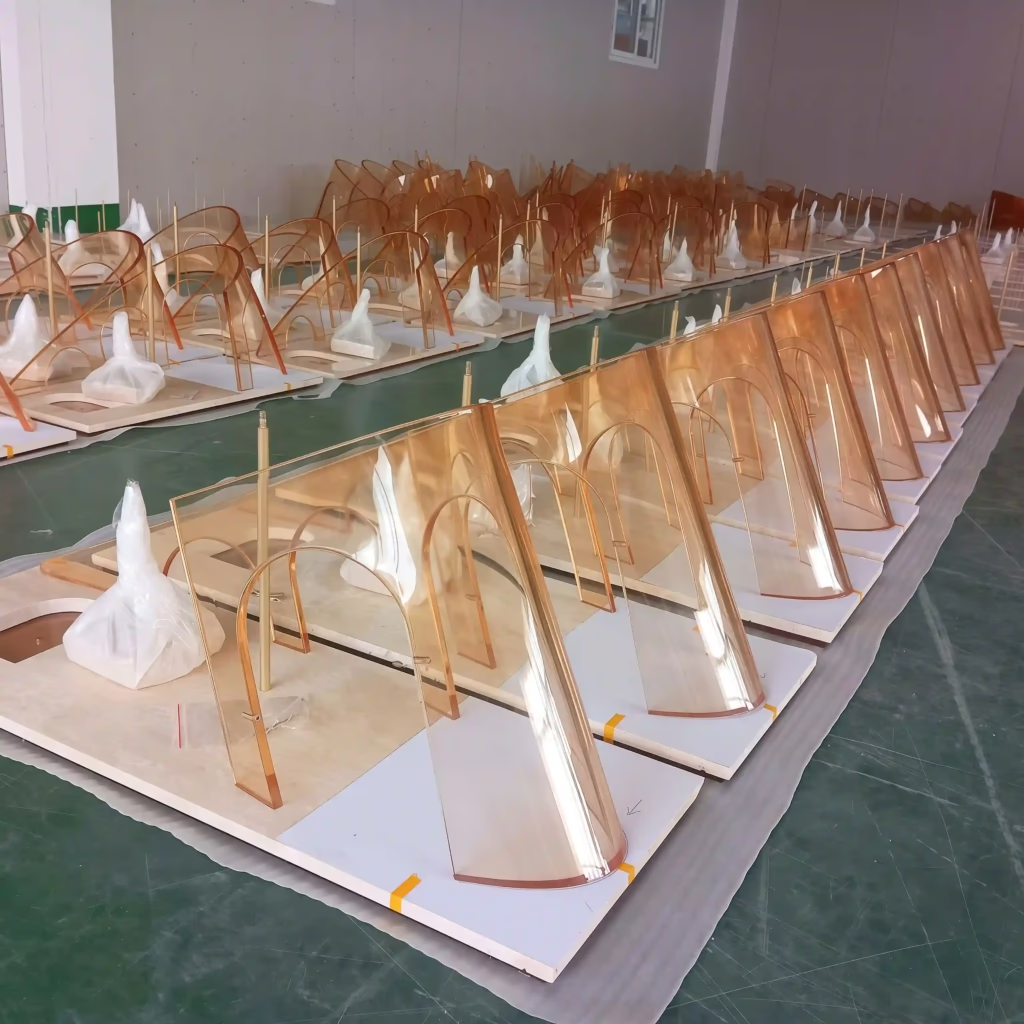
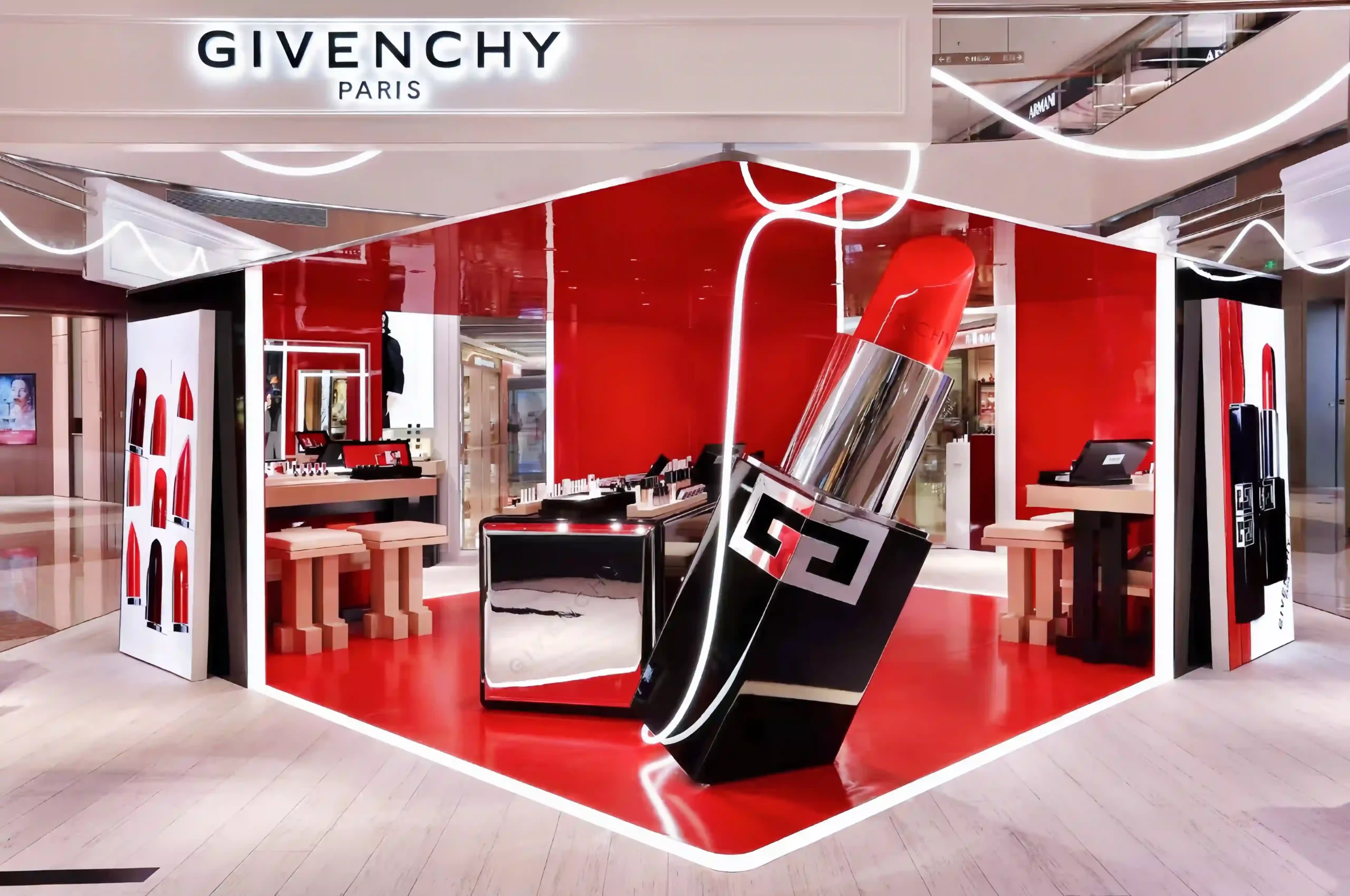
A shadowbox is a small, enclosed display niche — usually under a meter in any dimension — set into a façade or interior wall. Jewelry, watch, fragrance, and eyewear retail rely on the format: a single product, or a tight cluster, presented at near-museum intimacy.
Small does not mean simple. In our workshop, shadowbox props carry the tightest tolerances of anything we build:
- Viewing distance is measured in centimeters. Surface quality standards approach product-photography level. A casting seam or paint ripple that vanishes at two meters is glaring at thirty centimeters.
- Fabrication methods shift toward precision processes. This is where 3D printing and fine resin casting earn their place — methods that hold crisp detail at small scale — over the FRP and metalwork that dominate larger formats.
- Lighting is miniaturized and integrated. Fixtures, drivers, and heat management must disappear inside a box the size of a carry-on. We build lighting cavities into the props themselves more often in shadowboxes than in any other format.
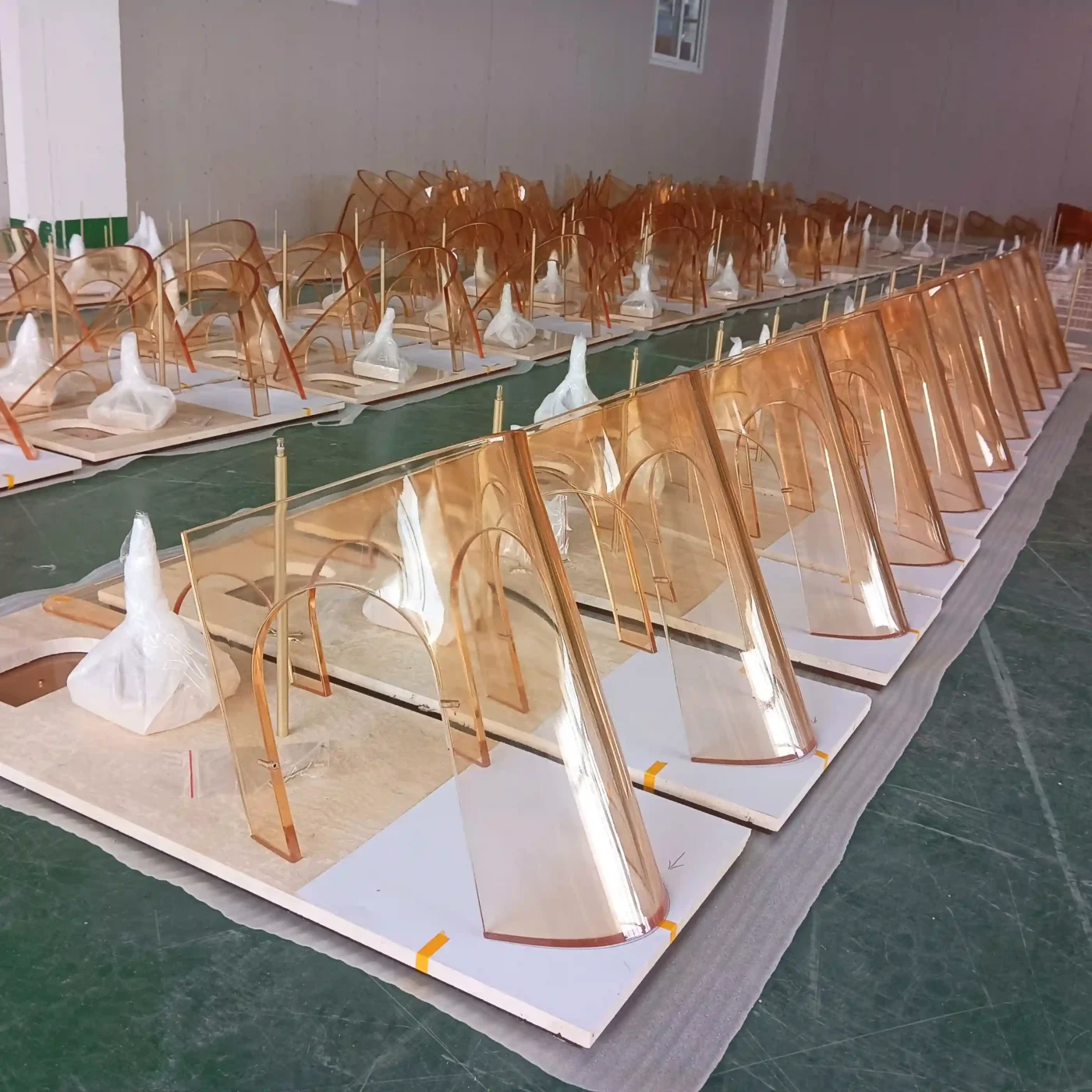
The economics are also distinct: shadowboxes are often produced in multiples — one design rolled out across dozens of doors — so mold strategy and repeatability matter as much as the hero sample.
Window Display vs. Visual Merchandising: What’s the Difference?
The two terms get used interchangeably, but they are not the same thing. Visual merchandising is the whole discipline of presenting products and brand environment in physical retail — windows, interior displays, fixtures, signage, layout, lighting. A window display is one instrument within it: the storefront-facing portion of the VM program.
The distinction matters practically. A VM director briefs a season; a window display is one deliverable inside that season, and it usually shares a design language — and often shared props and materials — with the in-store program. When window and interior elements are fabricated together, finishes can be matched from the same batches and budgets consolidated. When they are briefed separately, color and finish drift between the window and the shop floor is the common result.
Which Window Display Type Should You Choose?
If you are specifying a new site or rethinking an existing one, the decision usually resolves along four axes:
| If your priority is… | Lean toward |
|---|---|
| Maximum staging control and brand theatre | Closed |
| An inviting, visible store interior | Open or semi-closed |
| A prestige corner site working both streets | Corner |
| High-traffic shared spaces (malls, airports) | Island |
| Small-object categories at intimate range | Shadowbox |
Three manufacturer’s footnotes to that table:
- The window type belongs in the RFQ. It changes finishing scope, structure, and price. The same sculptural concept can vary meaningfully in cost between a closed and an open execution of identical size.
- Mixed estates need format-aware rollouts. A campaign rolling out across closed flagships, open department-store windows, and island mall sites is effectively three fabrication specs sharing one design. Plan it that way from the start.
- The format is fixed; the engineering is not. We have built closed-window concepts adapted into freestanding island versions, and full-size open-window props rescaled into shadowbox editions. It works when the adaptation is engineered, and disappoints when it is copied.
If you are working through a window program and want a fabrication-side read on what your concepts will demand — by format, material, and timeline — talk to us about your project →. It is the conversation we have every season, and it is most useful before the design is locked.