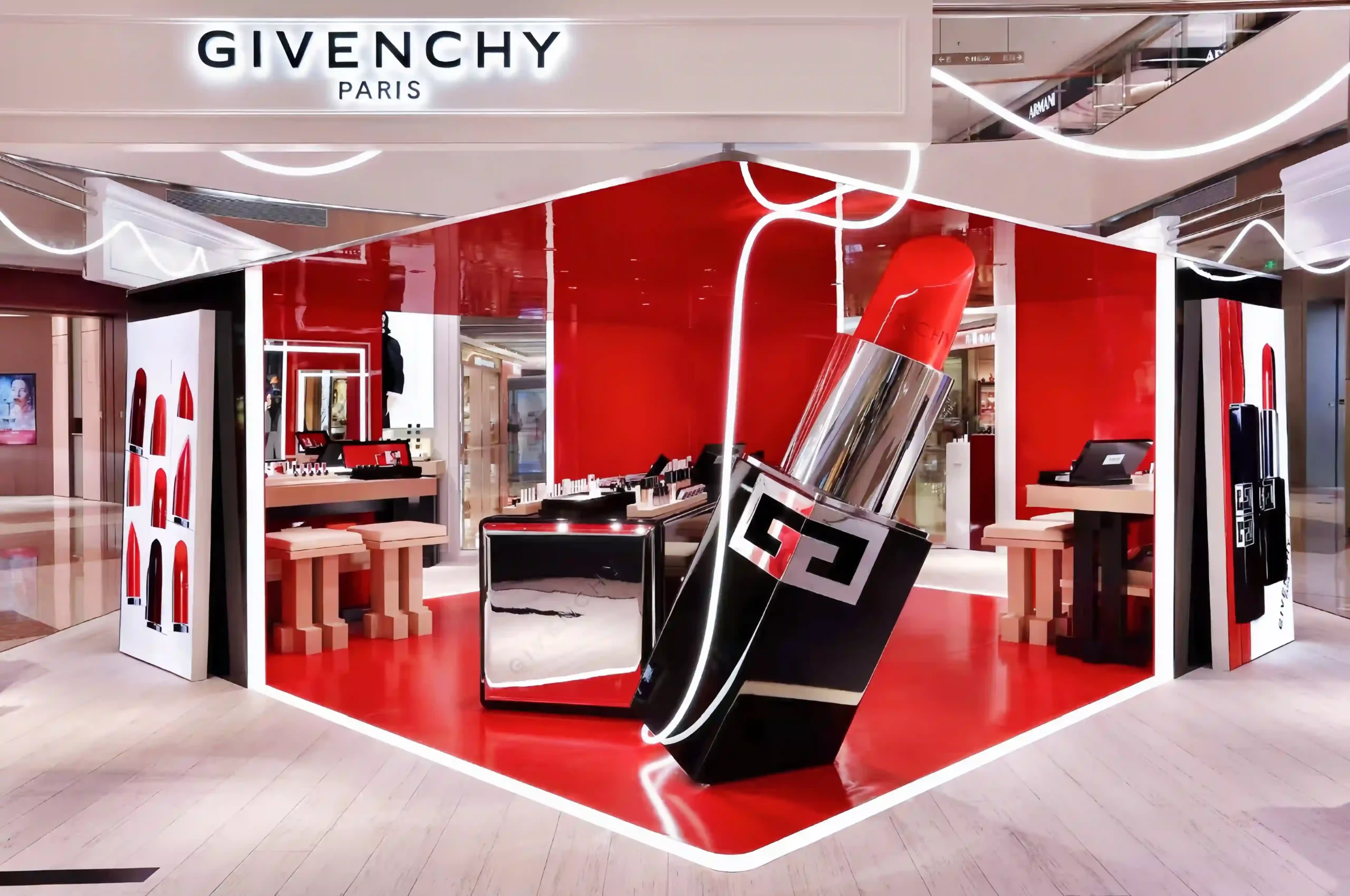
Why Seasonal Pop-Ups Are Reshaping Luxury Retail Production
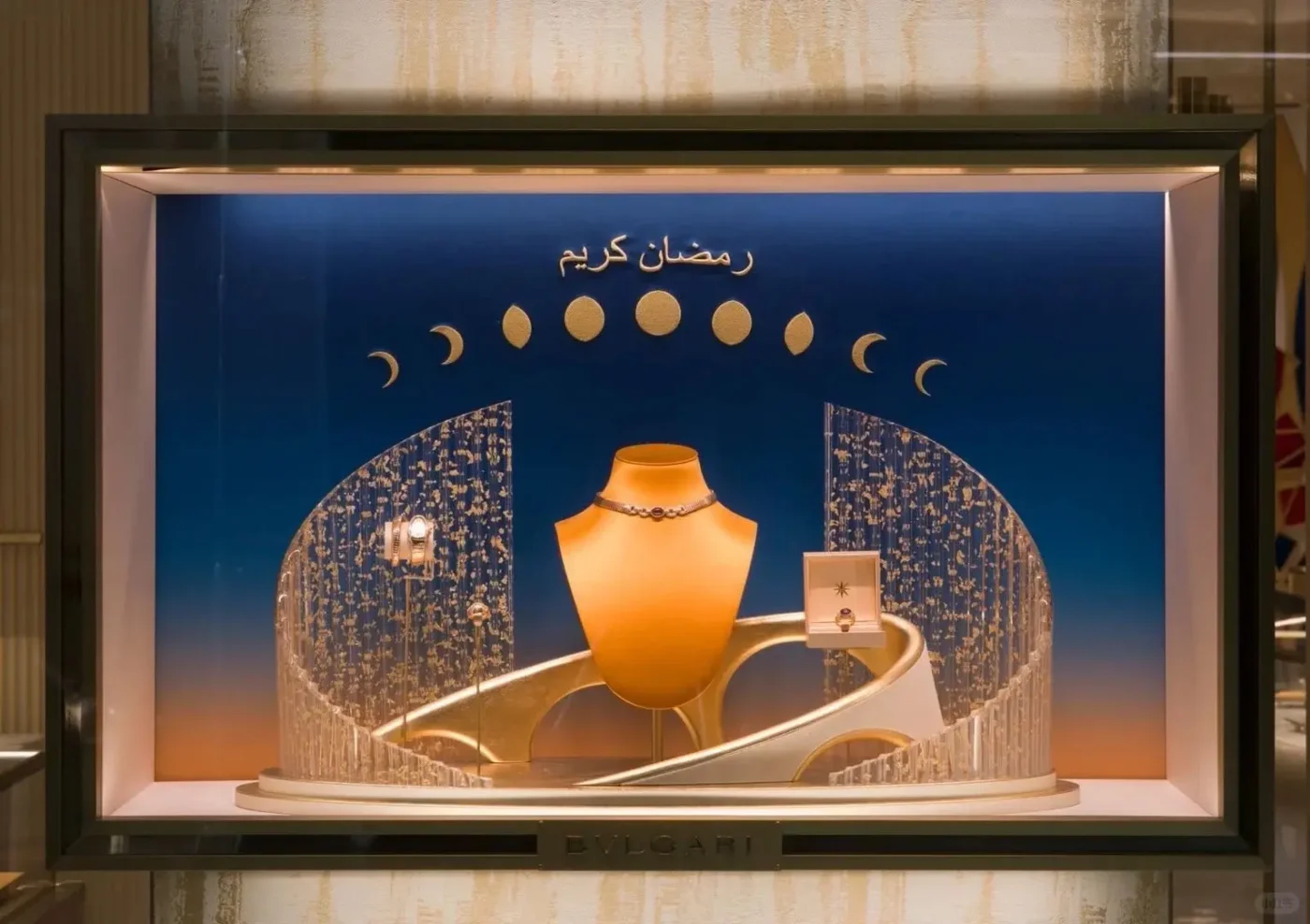
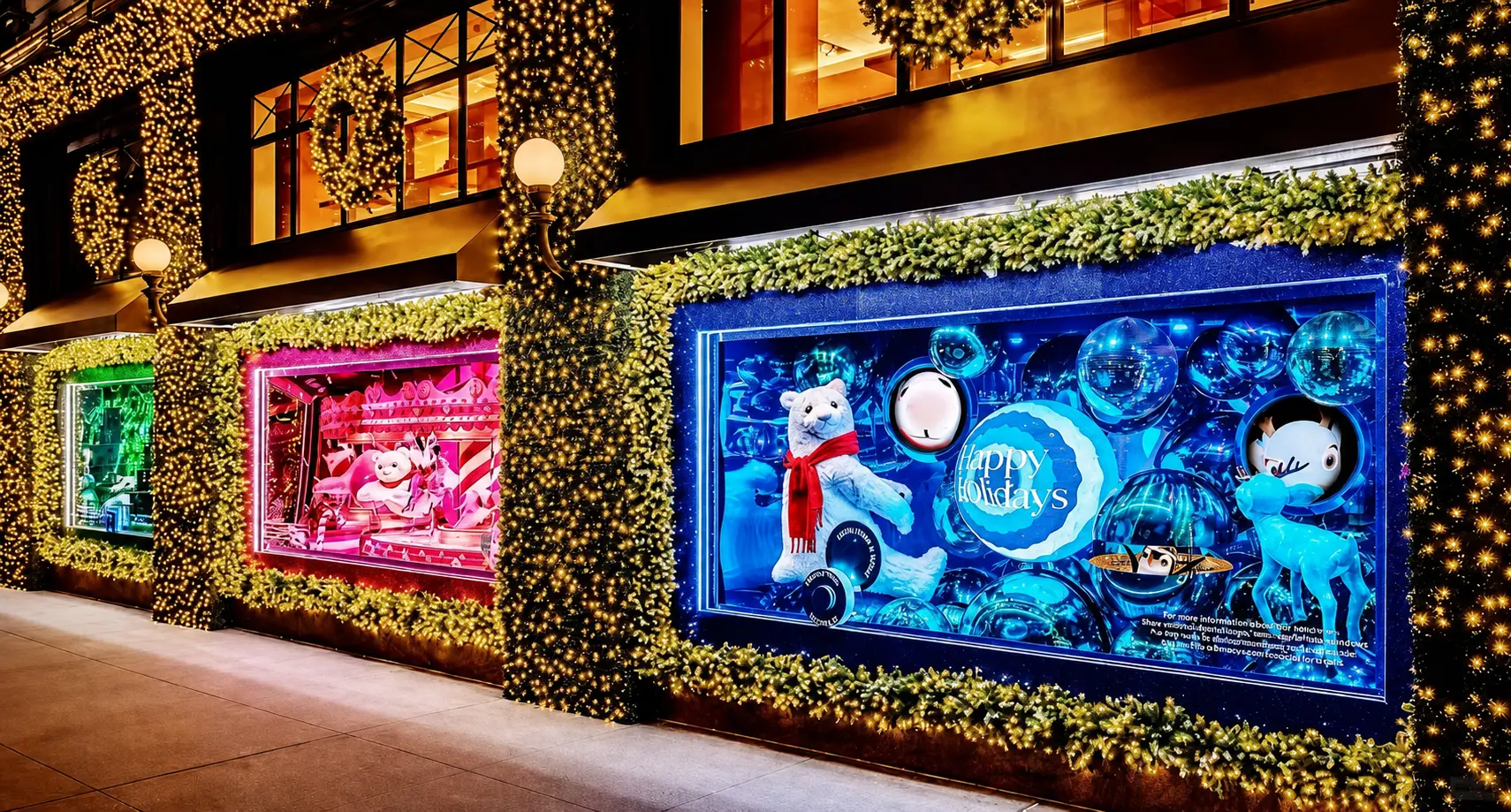
Euro Summer 2026 is showing how luxury retail continues to move beyond traditional boutiques. Vogue’s guide to European summer pop-ups describes how luxury brands are using seasonal pop-ups, resort stores, beach clubs, hotel takeovers and destination retail activations to meet customers during travel moments. These projects are not only marketing campaigns. They are temporary retail environments that require design, production, logistics and installation to work together. From our perspective as a custom display props manufacturer, Euro Summer pop-ups are useful case material because they reveal what brands now expect from seasonal retail production.
Portability and Site-Specific Constraints
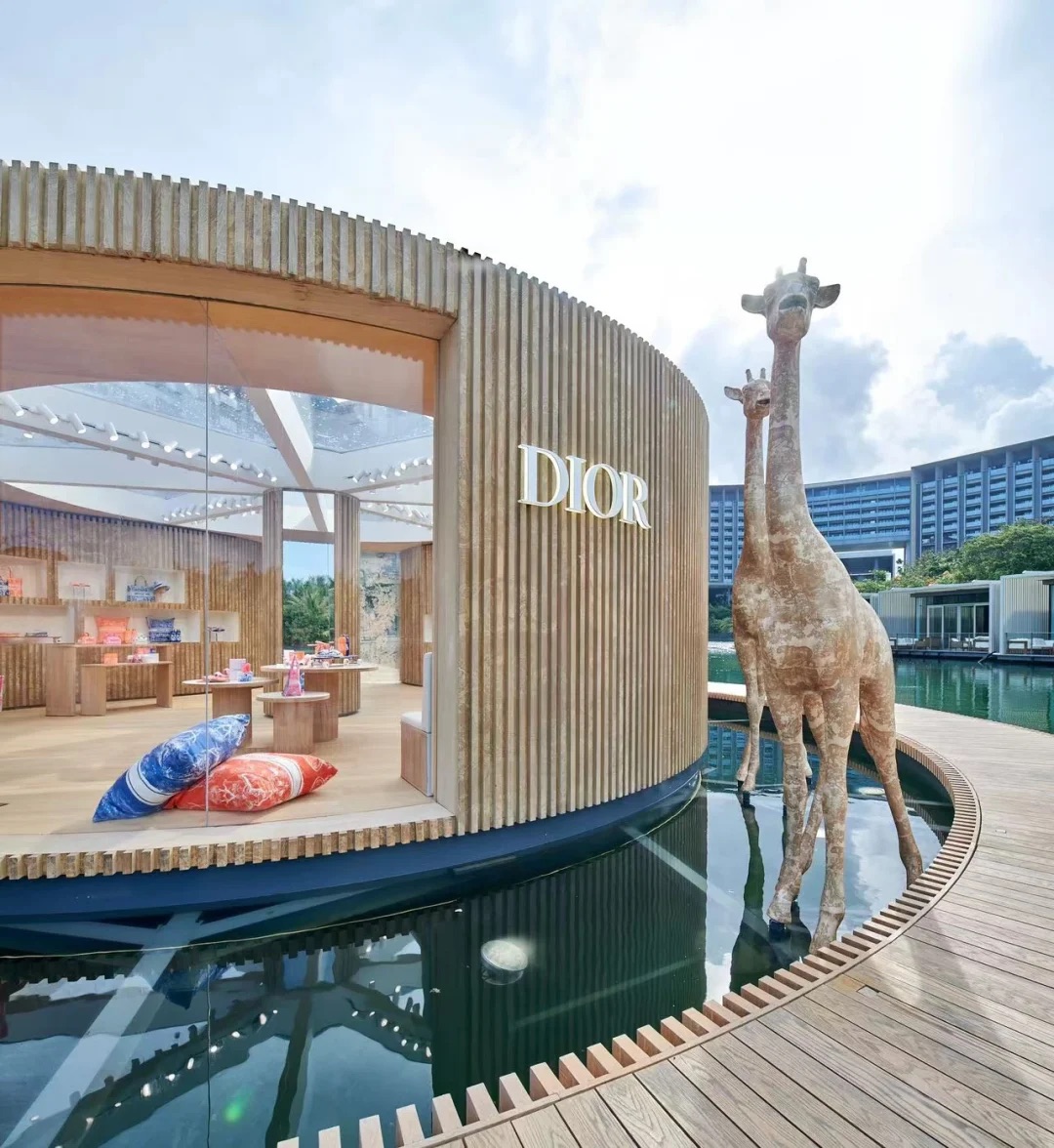
The most important trend is portability. A summer retail activation may appear in a resort, hotel, beach club, shopping street or temporary store. The location may be beautiful, but it may also create practical limits: uneven floors, outdoor exposure, salt air, heat, humidity, limited installation time and strict venue rules. For brands planning luxury pop-up store displays, the production brief must include location conditions, not only visual references.
We have shipped pop-up fixtures to Mediterranean resort venues where the installation window was under four hours and the nearest power source was 15 meters from the display position. In those situations, the engineering decisions made during production — cable routing, freestanding base weight, tool-free connections — matter more than the surface finish. If the fixture cannot be installed on schedule, the finish is irrelevant.
Visual Storytelling and Multi-Element Production
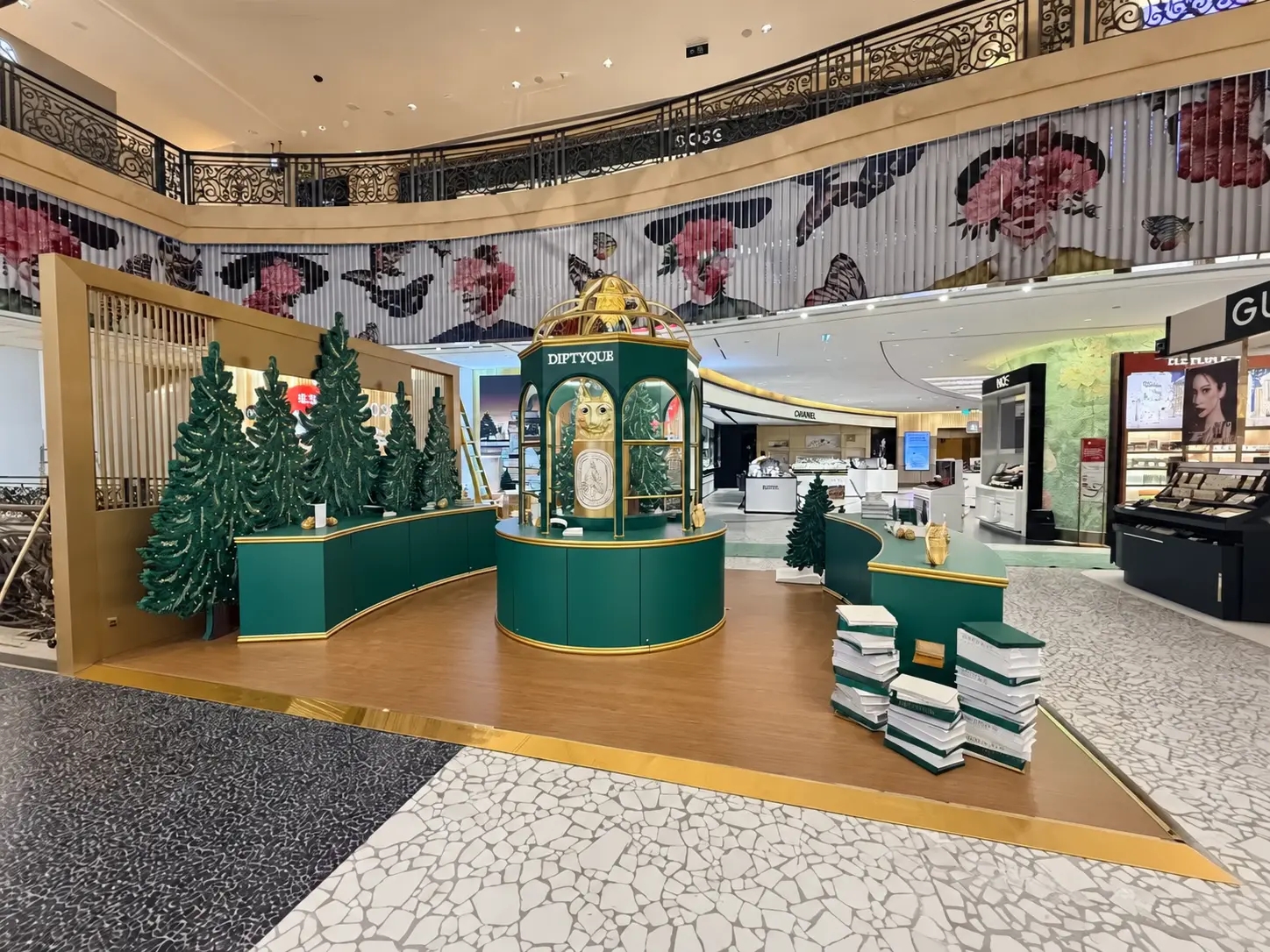
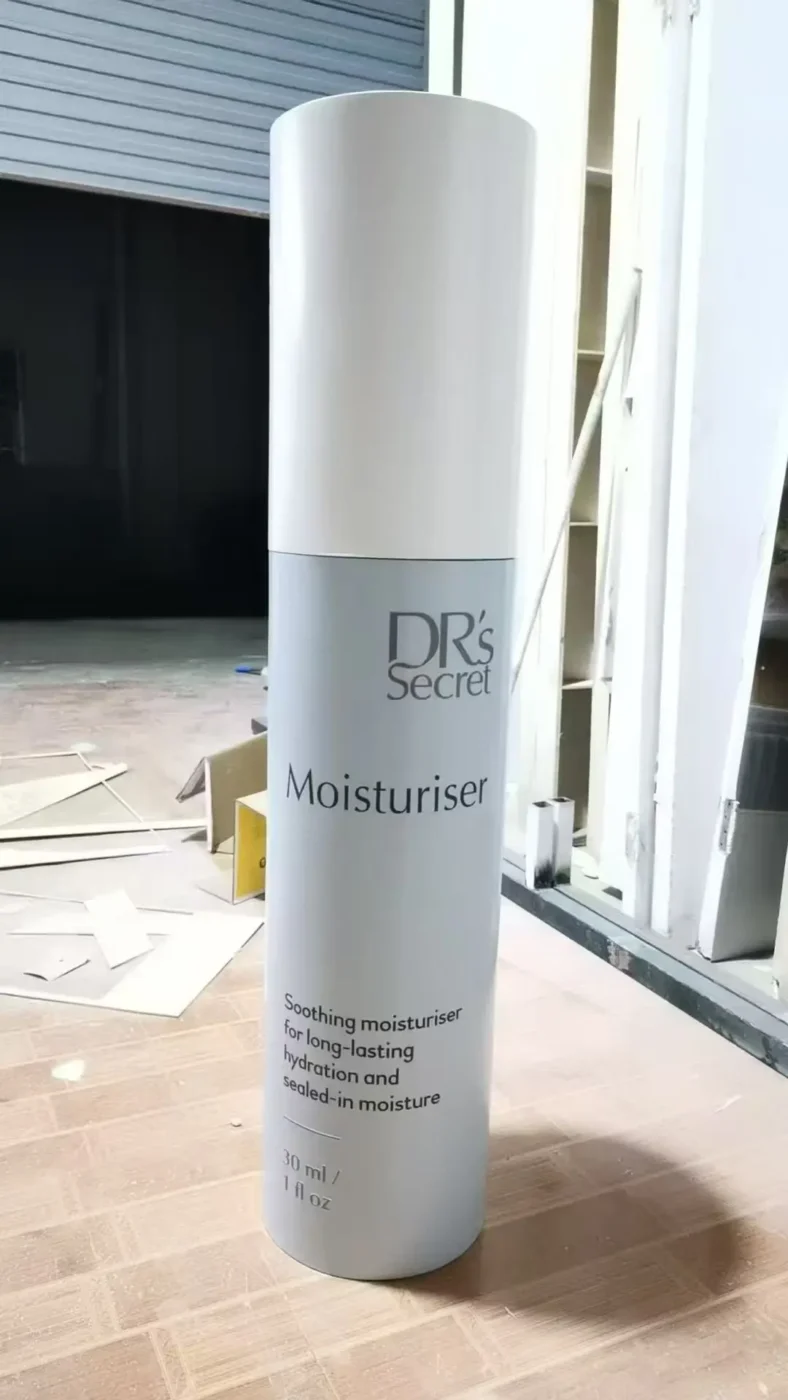
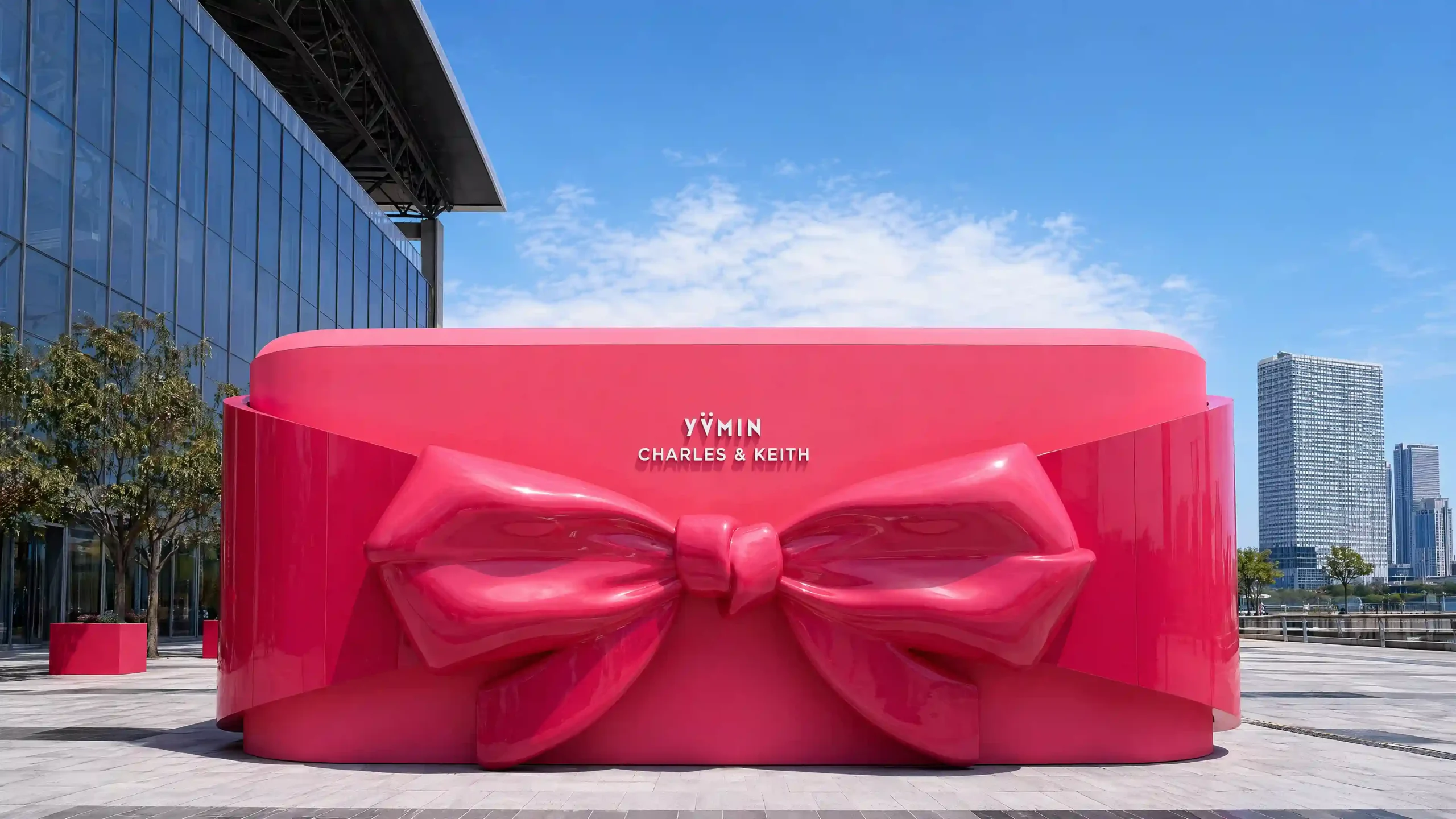
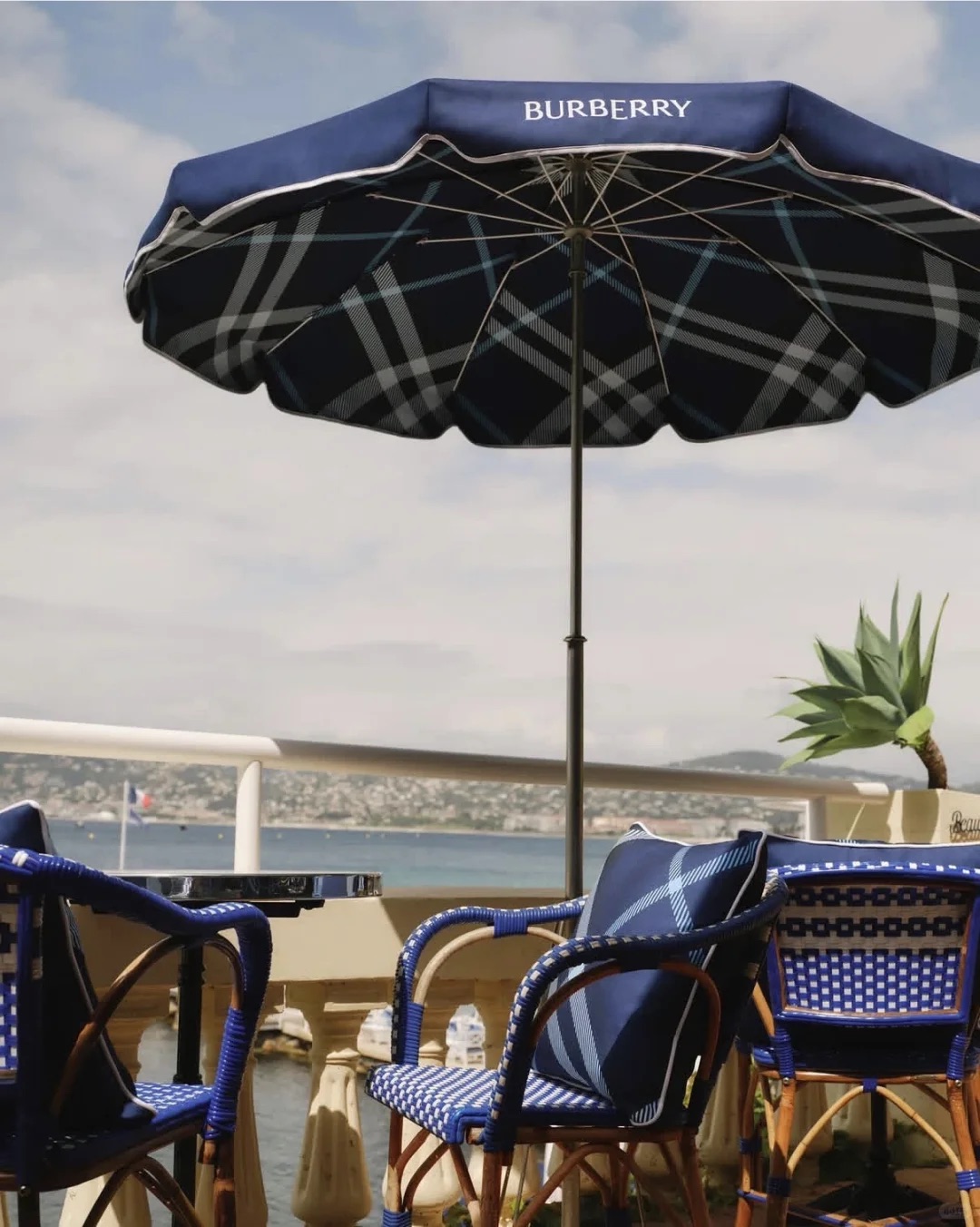
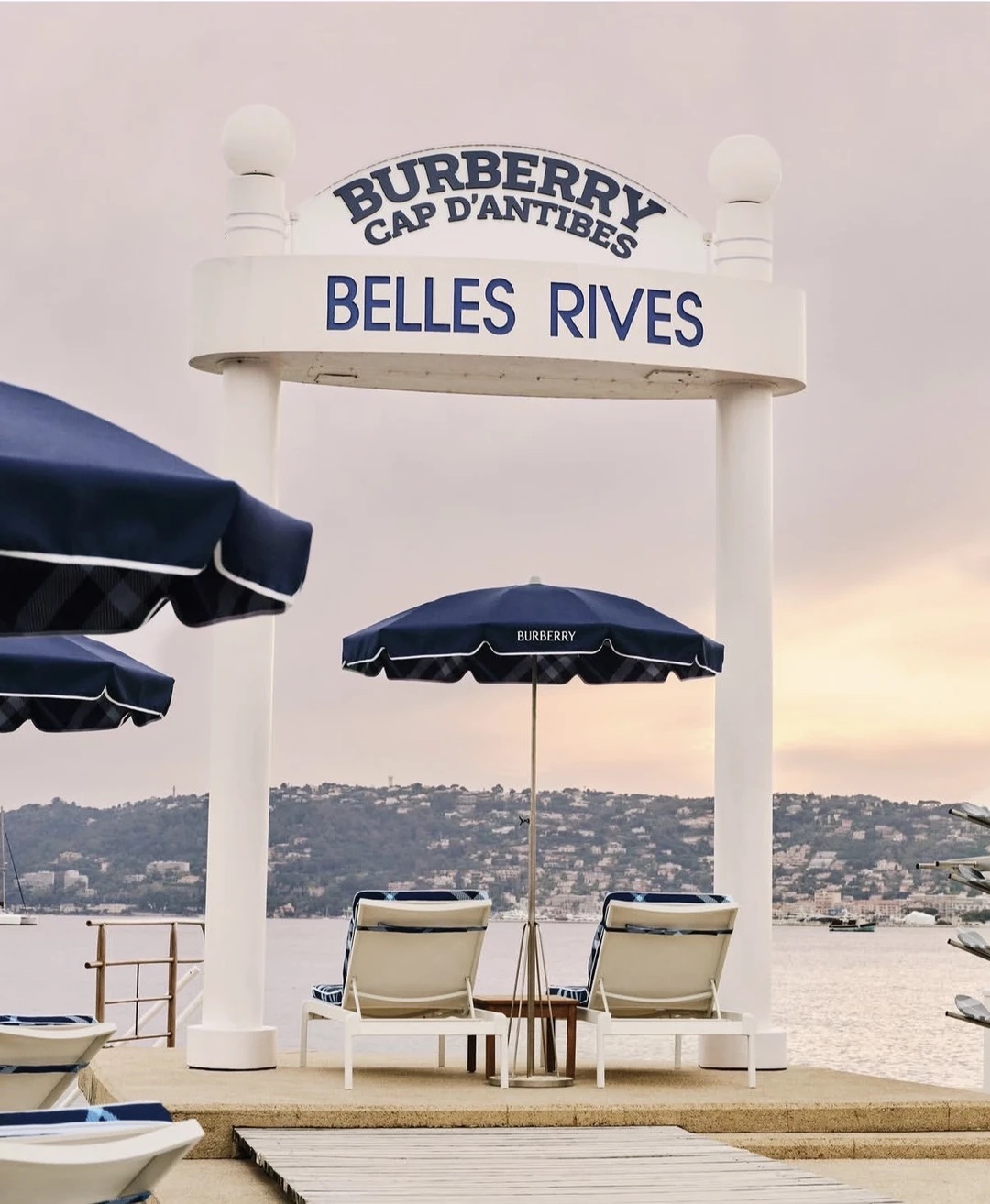
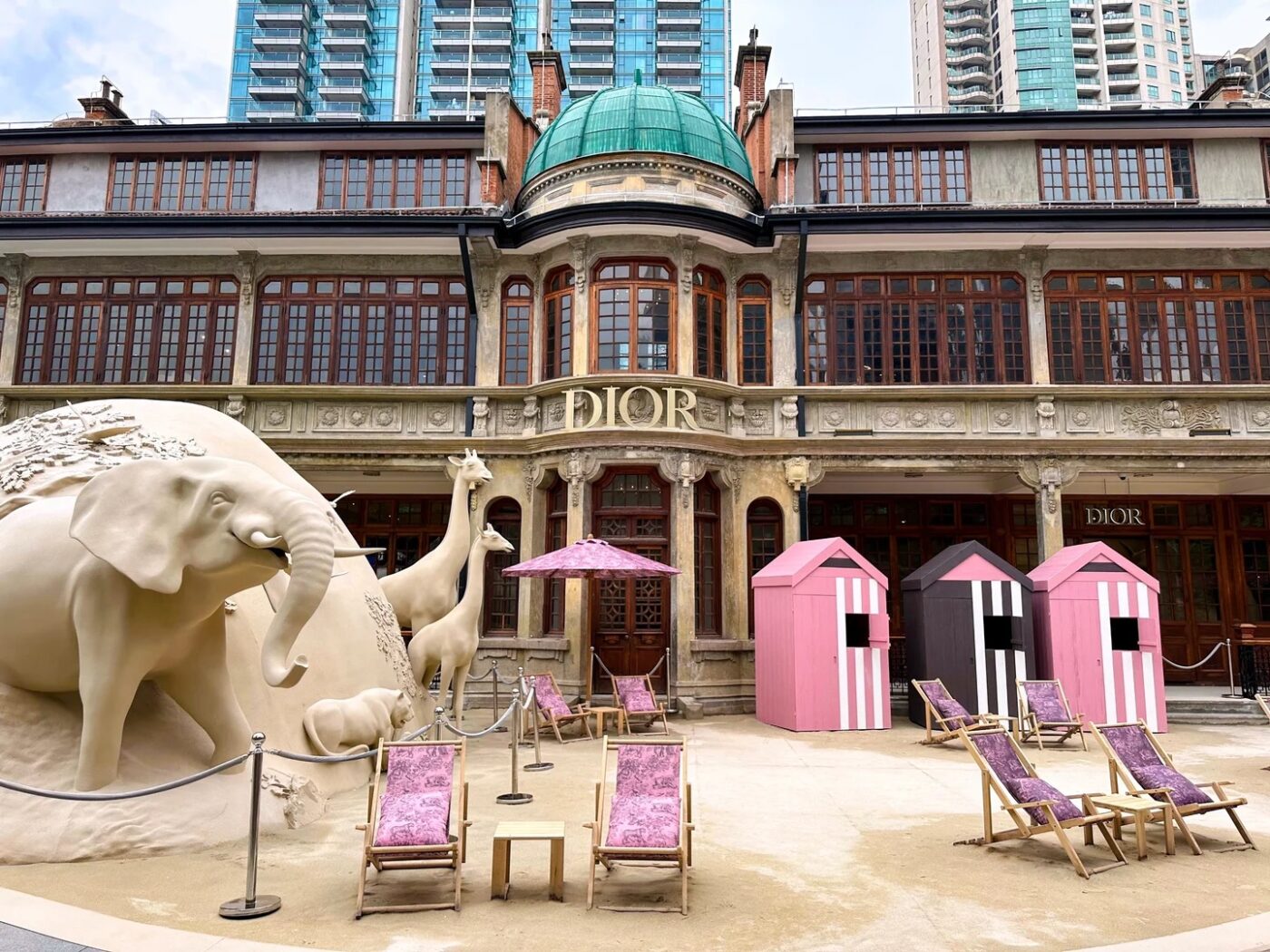
Seasonal retail also needs stronger visual storytelling. A summer pop-up cannot feel like a standard store fixture moved outdoors. It needs to respond to the location, the collection and the mood of the season. That may involve custom signage, sculptural props, fabric structures, furniture, plinths, photo moments and branded installation pieces. In our own work with custom visual merchandising, we often separate these elements into hero pieces, functional fixtures and supporting props.
The challenge is that each category requires different production thinking. A hero sculpture needs visual impact and structural stability. A counter needs durability and product access. A backdrop needs fast assembly and clean graphics. A sign needs visibility and safe wiring. For this reason, display props manufacturing should be involved early, especially when one campaign includes several materials and multiple locations.
Multi-Location Rollout and Modular Design
Another major feature of Euro Summer retail is multi-location rollout. A campaign may need to appear in several cities or resort destinations while keeping the same brand identity. This creates a balance between consistency and adaptation. Some components should be standardized to control quality and cost. Other components may need to adjust to local space or installation rules. For custom pop-up display props, modular design is often the practical answer.
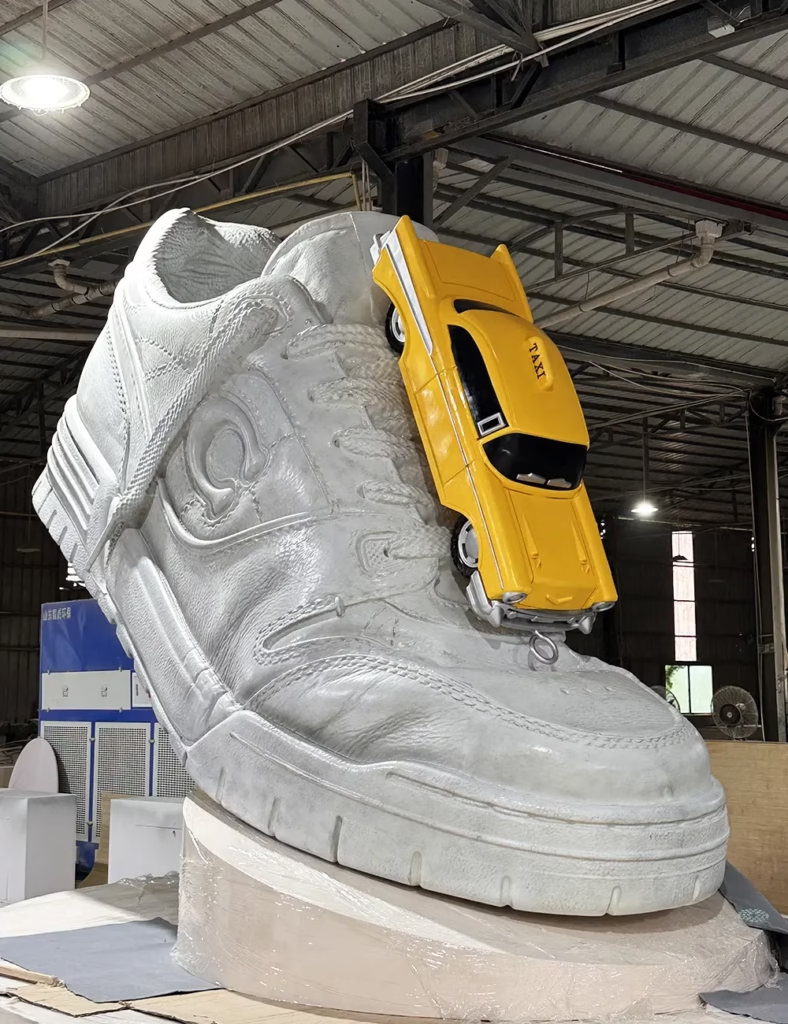
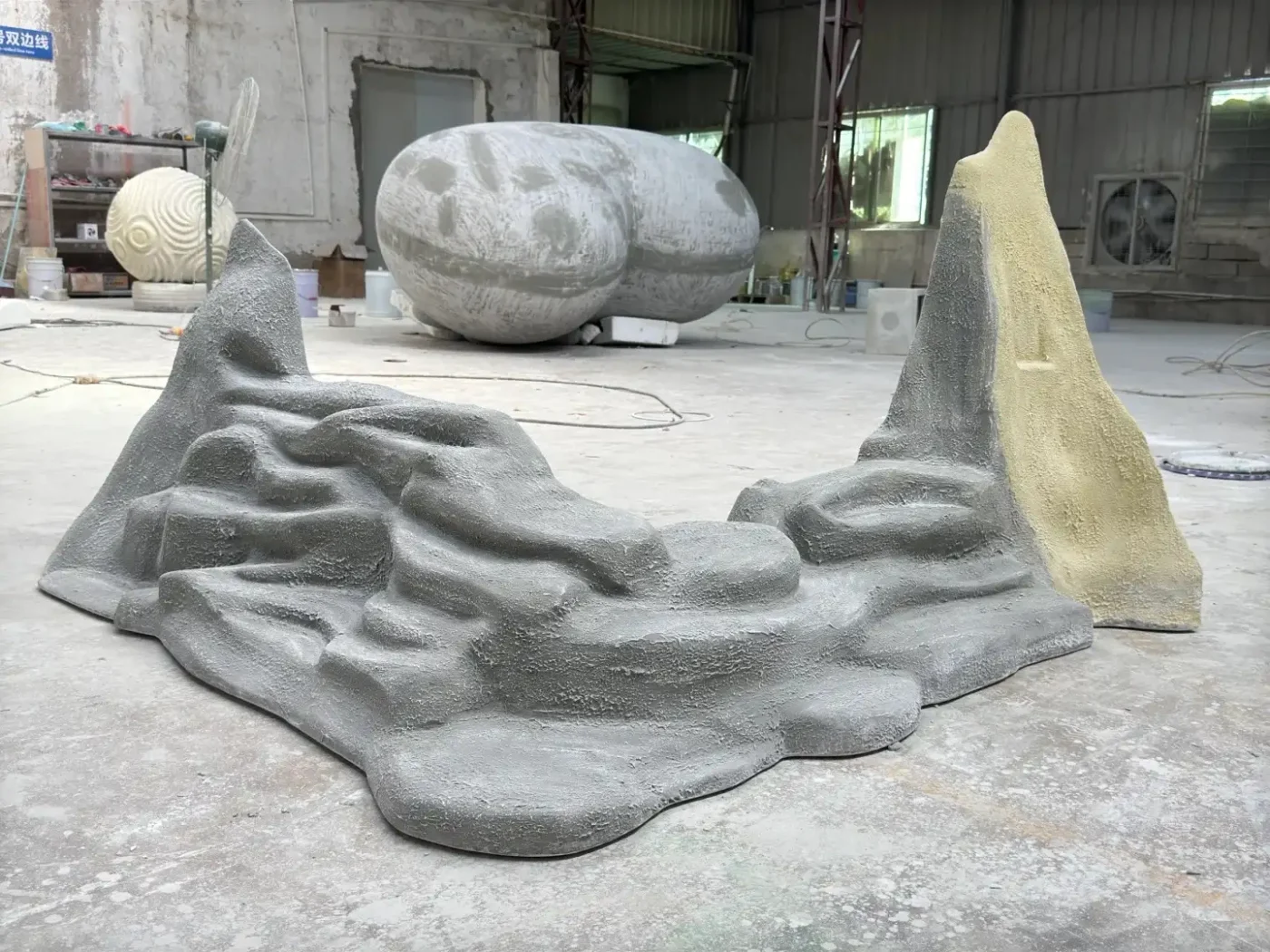
In a recent summer rollout project, we produced a set of FRP sculptural props that needed to appear in three different resort locations across Southeast Asia. The hero sculpture was identical across all three sites, but the base plinth varied — one venue required a sand-weighted freestanding base, another needed floor-bolt anchoring, and the third used a weighted platform that doubled as product shelving. Standardizing the hero piece while customizing the base kept visual consistency high and engineering costs manageable.
Material Selection for Outdoor and Semi-Outdoor Environments
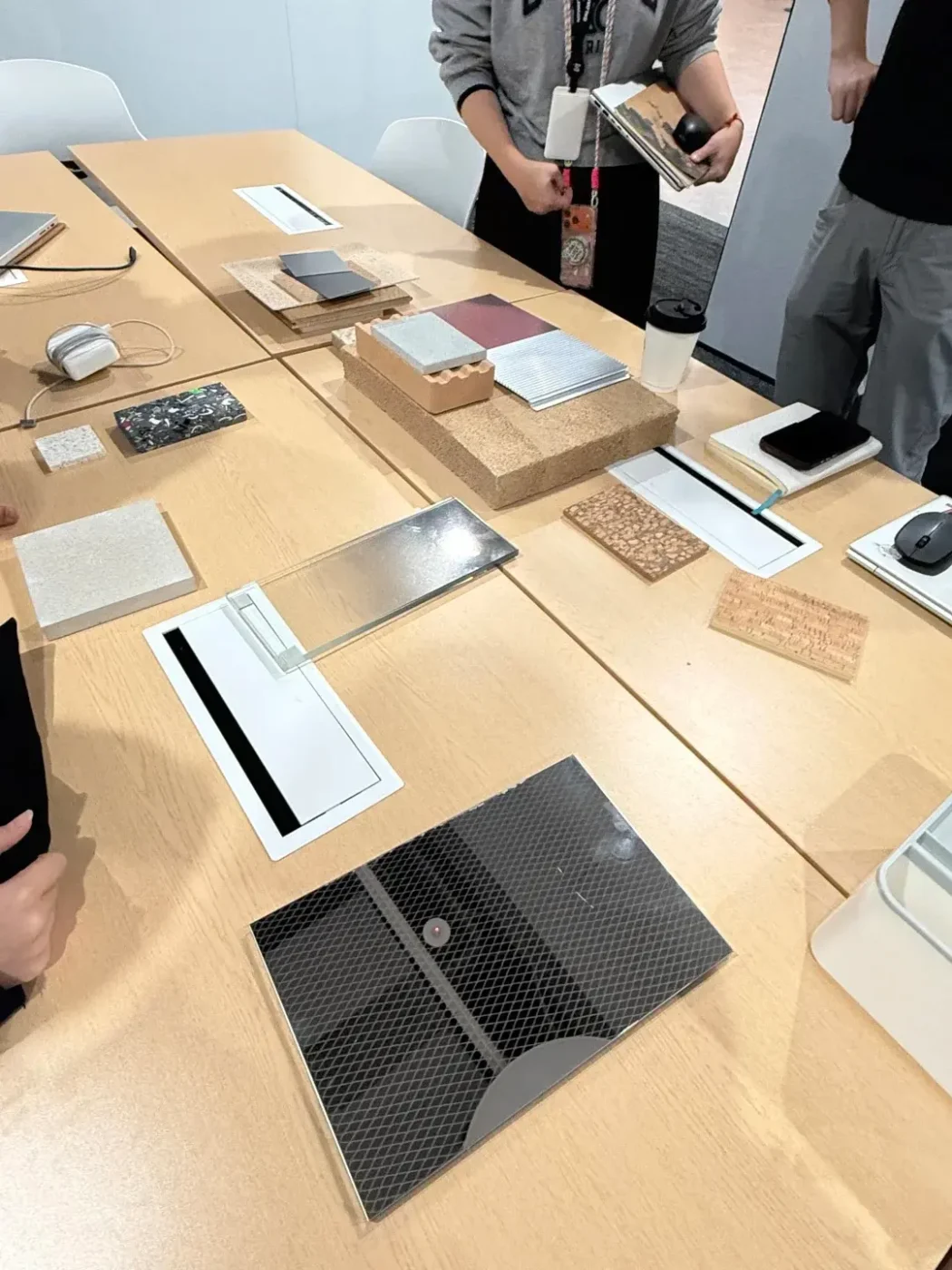
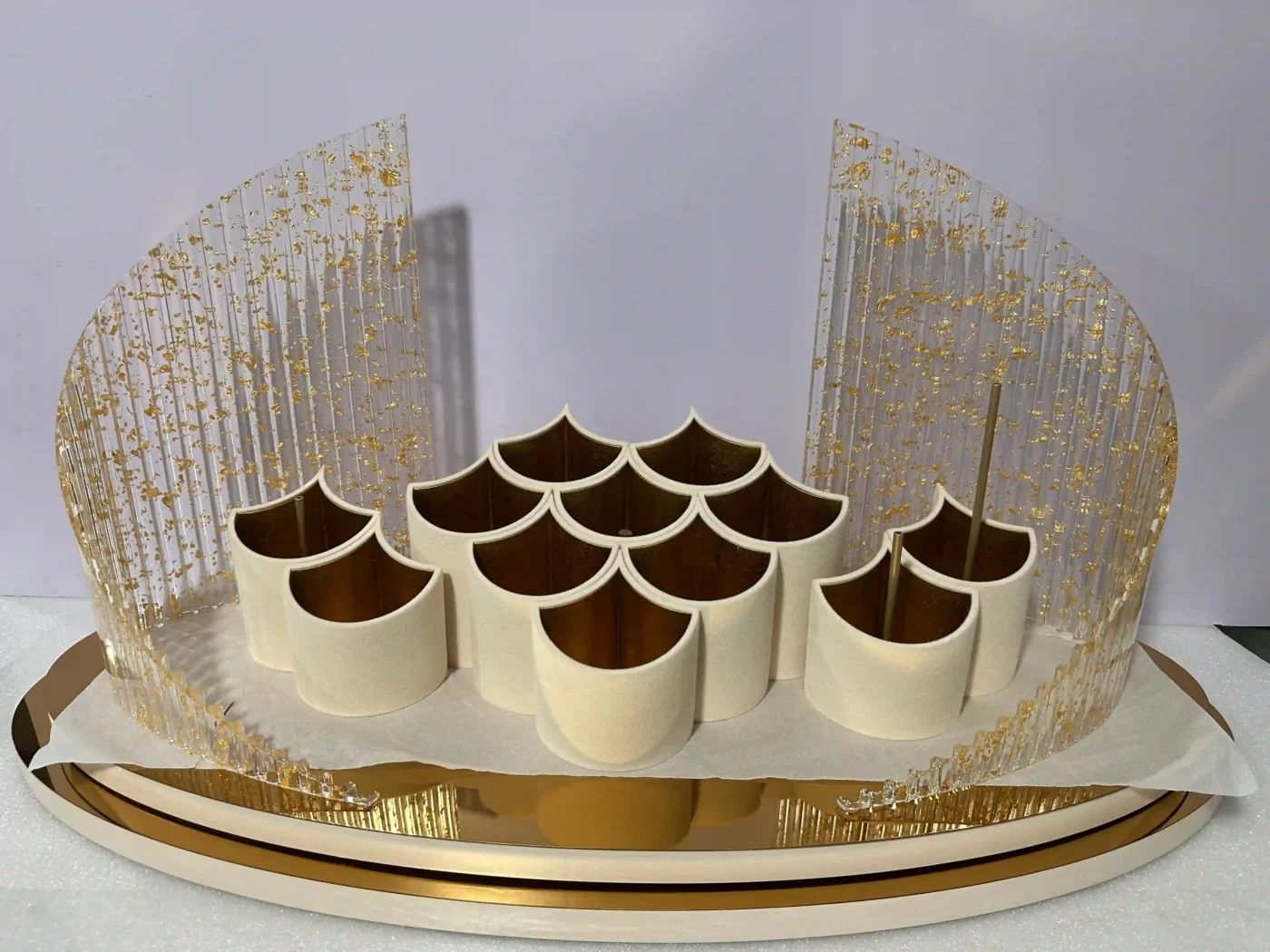
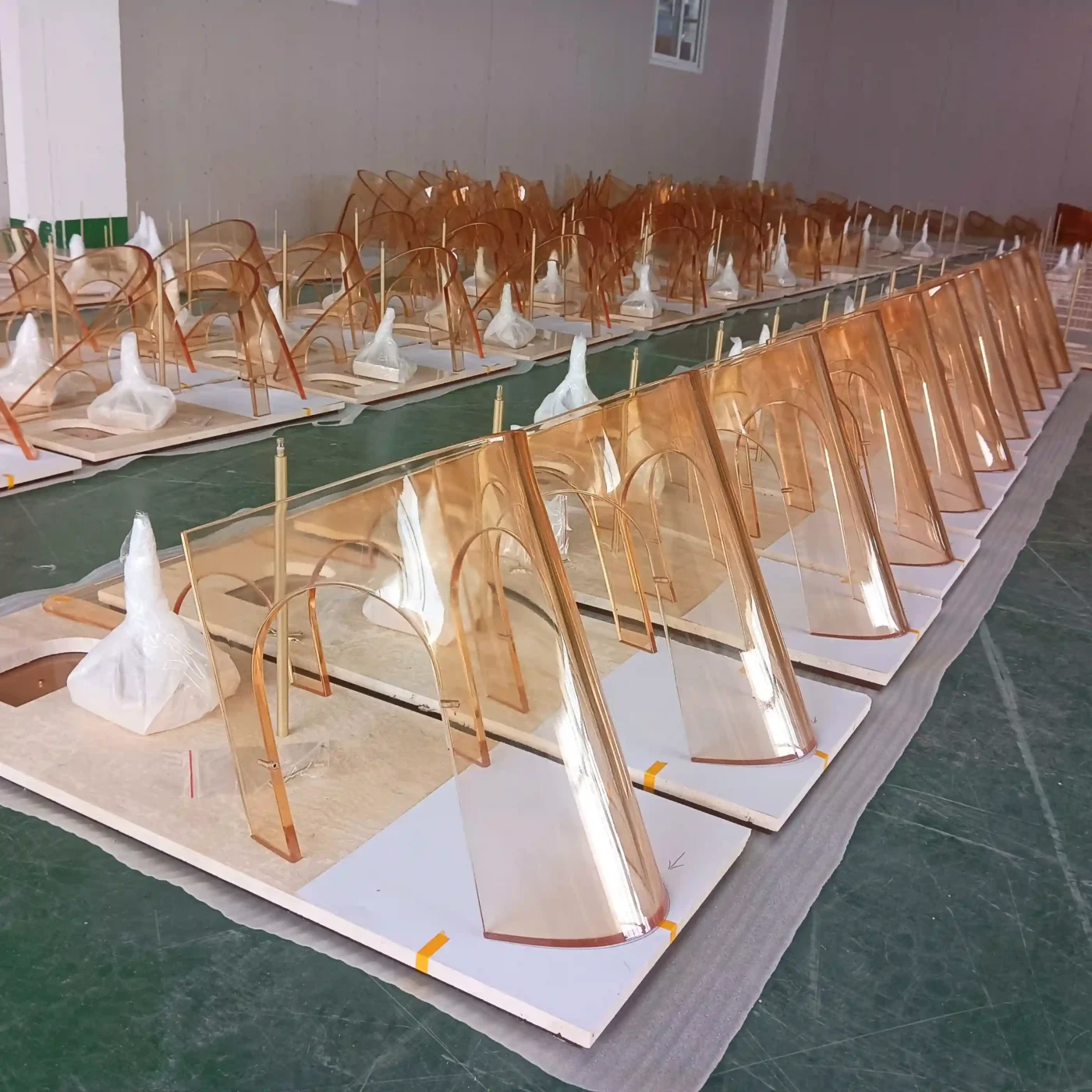
Material choice becomes especially important for summer environments. FRP can create lightweight sculptural forms. Acrylic can support transparent and illuminated details. Metal can provide structure. Wood can build volume. Fabric can create softness and seasonal atmosphere. For outdoor or semi-outdoor retail, surface finish, waterproofing, UV exposure and transport protection should be considered early. We often recommend FRP display props when brands need large custom shapes without excessive weight.
One detail that is easy to overlook: UV exposure can shift paint colors within weeks if the coating is not rated for outdoor use. We have seen white FRP props turn yellow after just one summer season because the original specification assumed indoor placement. For any semi-outdoor activation, we now default to automotive-grade UV-resistant clear coats, which add roughly 8–12% to the finishing cost but prevent color degradation entirely.

The Role of Retail Experience and Content-Ready Design
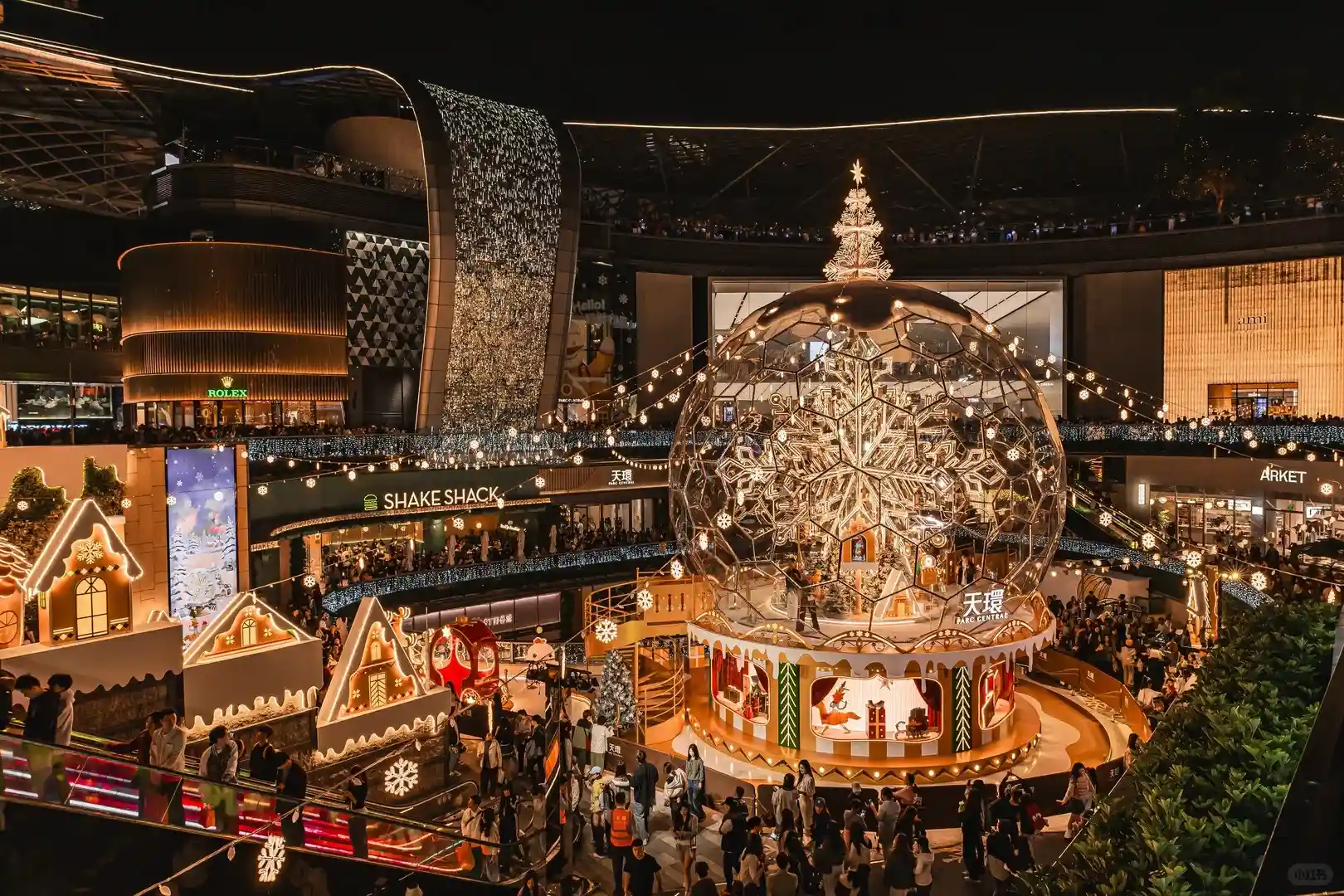
The broader retail design conversation is moving in the same direction. Architectural Digest’s 2026 retail design discussion points toward spaces that encourage discovery, emotion and camera-friendly moments. Vogue Business has also discussed how winning retail strategies increasingly depend on experience and differentiation. For a retail display manufacturer, this changes the production brief: props need to be visually memorable, structurally stable and useful for both merchandising and content creation.
Packaging and Logistics for International Seasonal Retail
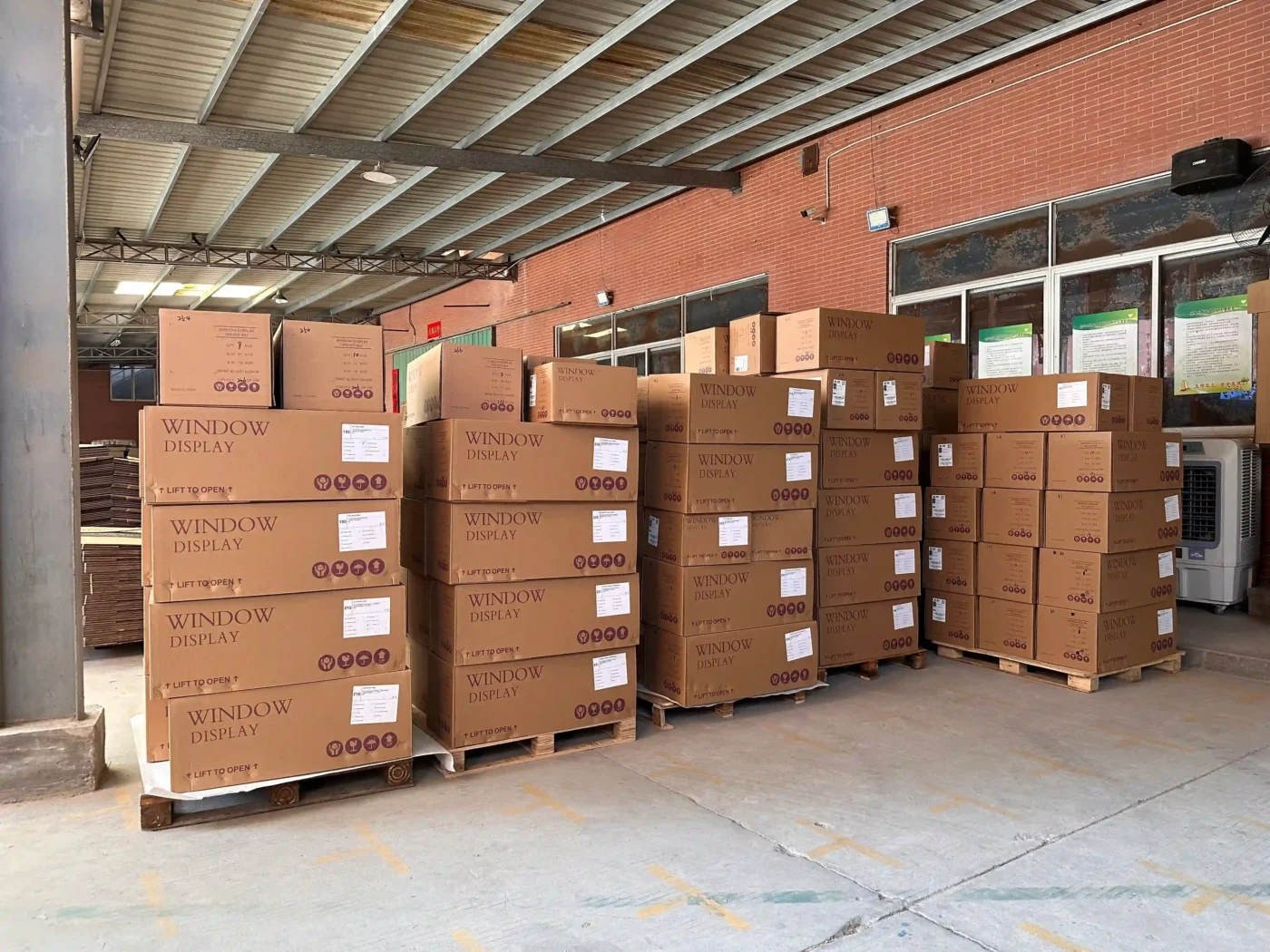
From our production experience, packing is one of the most underestimated parts of seasonal retail. If the display travels internationally, the crate design matters almost as much as the prop itself. Fragile corners, glossy surfaces, mirror finishes and lighting elements need protection. If the same display is reused, the packing must support return storage. For multi-location retail rollout, every item should be photographed, labeled and checked before shipping.
We build custom wooden crates with foam-lined compartments for every international shipment. Each crate includes a QR code linking to a digital packing list with assembly photos, so the installation team at the destination can verify contents without unpacking everything first. This system reduced our damage claims by over 60% compared to standard cardboard packaging.
Sustainability in Temporary Retail Production
Sustainability is another layer that cannot be ignored. A 2026 research paper on circular product-service systems for luxury branded events discusses reuse, reduction, recycling, fold-flat transit systems and digital warehouse workflows. For temporary campaigns, this is highly relevant. A well-designed sustainable retail display production plan can reduce waste by making structures reusable, parts replaceable, packaging trackable and materials easier to separate after the event.
Why Temporary Does Not Mean Lower Production Standards
Seasonal retail also gives brands a chance to test bolder ideas. Because the format is temporary, brands may experiment with oversized props, unusual textures, brighter color palettes or immersive themes. However, temporary does not mean careless. A short campaign still needs safety, durability and professional finishing. When we produce custom retail display props, we treat temporary projects with the same production discipline as longer-term retail installations.
We apply the same QC checklist to a two-week beach pop-up as we do to a permanent department store counter: surface inspection under three lighting conditions, structural load testing at 1.5x expected weight, and a full trial assembly with timed documentation. The lifespan of the display does not change the standard — a brand’s reputation is at stake regardless of how long the fixture is in use.
Key Takeaway for Agencies and VM Directors
For agencies and VM directors, the main takeaway from Euro Summer 2026 is that seasonal activations need production planning as early as creative planning. The best results happen when concept, materials, engineering, packaging and installation are developed together. If your team is preparing a resort pop-up, summer window campaign, hotel retail takeover or seasonal shop-in-shop display, it is worth discussing feasibility with a custom display props manufacturer before final approvals.
FAQ
What makes seasonal retail displays different from regular store displays? They often need faster installation, stronger transport protection, location-specific design and sometimes outdoor durability. Seasonal fixtures must also be engineered for reuse or efficient disposal after the campaign ends, which affects material and construction choices from the start.
What materials work well for luxury pop-up displays? FRP, acrylic, metal, wood, fabric and LED lighting are common, depending on scale, finish and installation conditions. For outdoor or semi-outdoor placements, UV-resistant coatings and waterproof electrical components become essential rather than optional.
Can seasonal display props be reused? Yes. Modular construction, durable finishes and proper packing can help brands reuse or adapt props for later campaigns. Designing with detachable graphics and standardized connection points makes it practical to refresh the look without rebuilding the structure.
When should production planning begin for a summer pop-up? Production should be discussed before final design approval, especially if the project involves custom shapes, lighting or multiple locations. For Euro Summer activations, we typically recommend starting production conversations by February or March to allow time for sampling, revisions and international shipping.
How do you protect display props during international shipping? Custom wooden crates with foam-lined compartments, component numbering, QR-coded digital packing lists and pre-shipment trial assembly are the standard approach. Every item is photographed before crating so the installation team can verify condition on arrival.
Disclaimer This article is based on publicly available project and industry information. VM Display is not claiming partnership, sponsorship, endorsement, or direct involvement with any brands, media outlets, venues or companies mentioned.