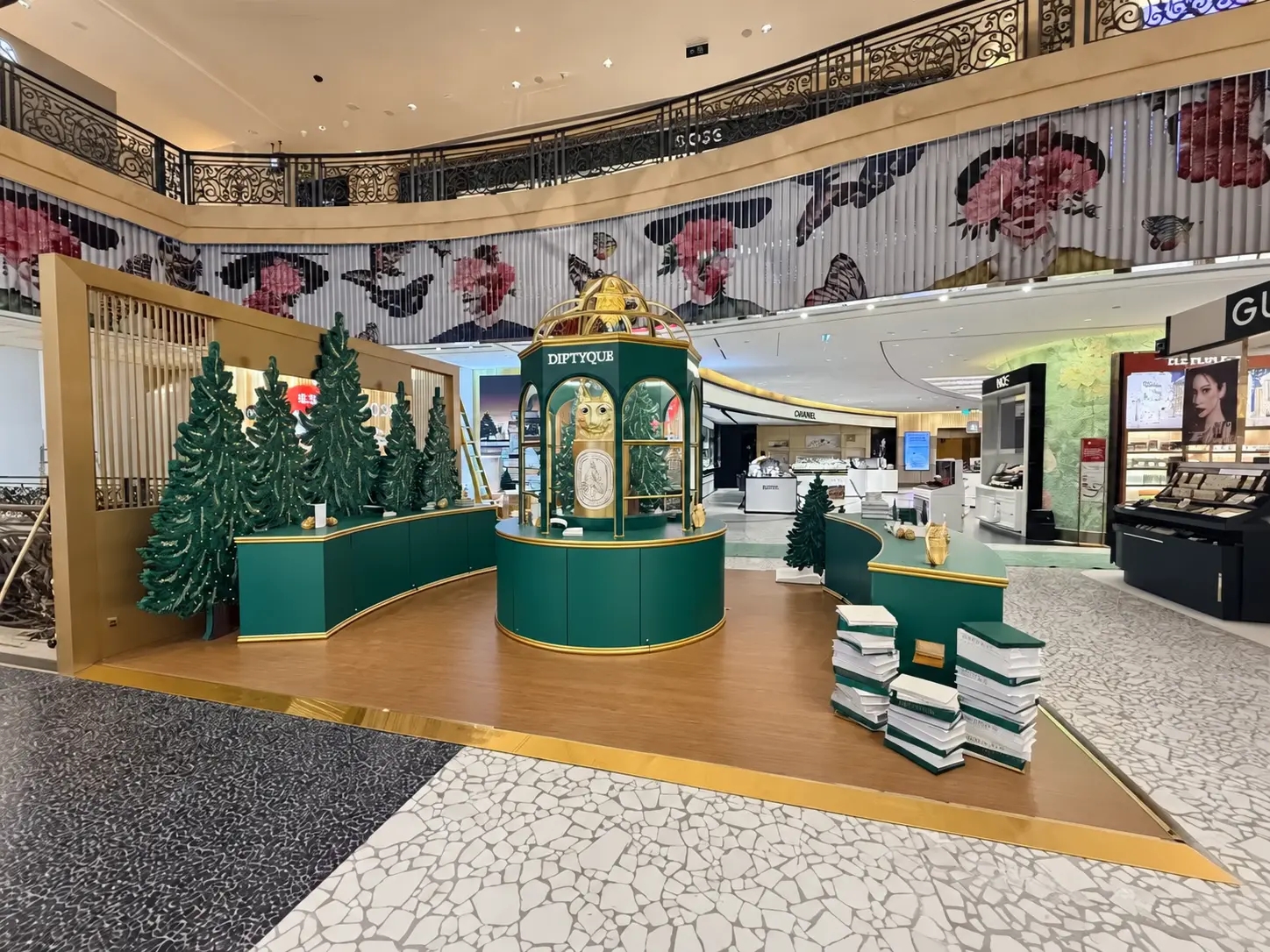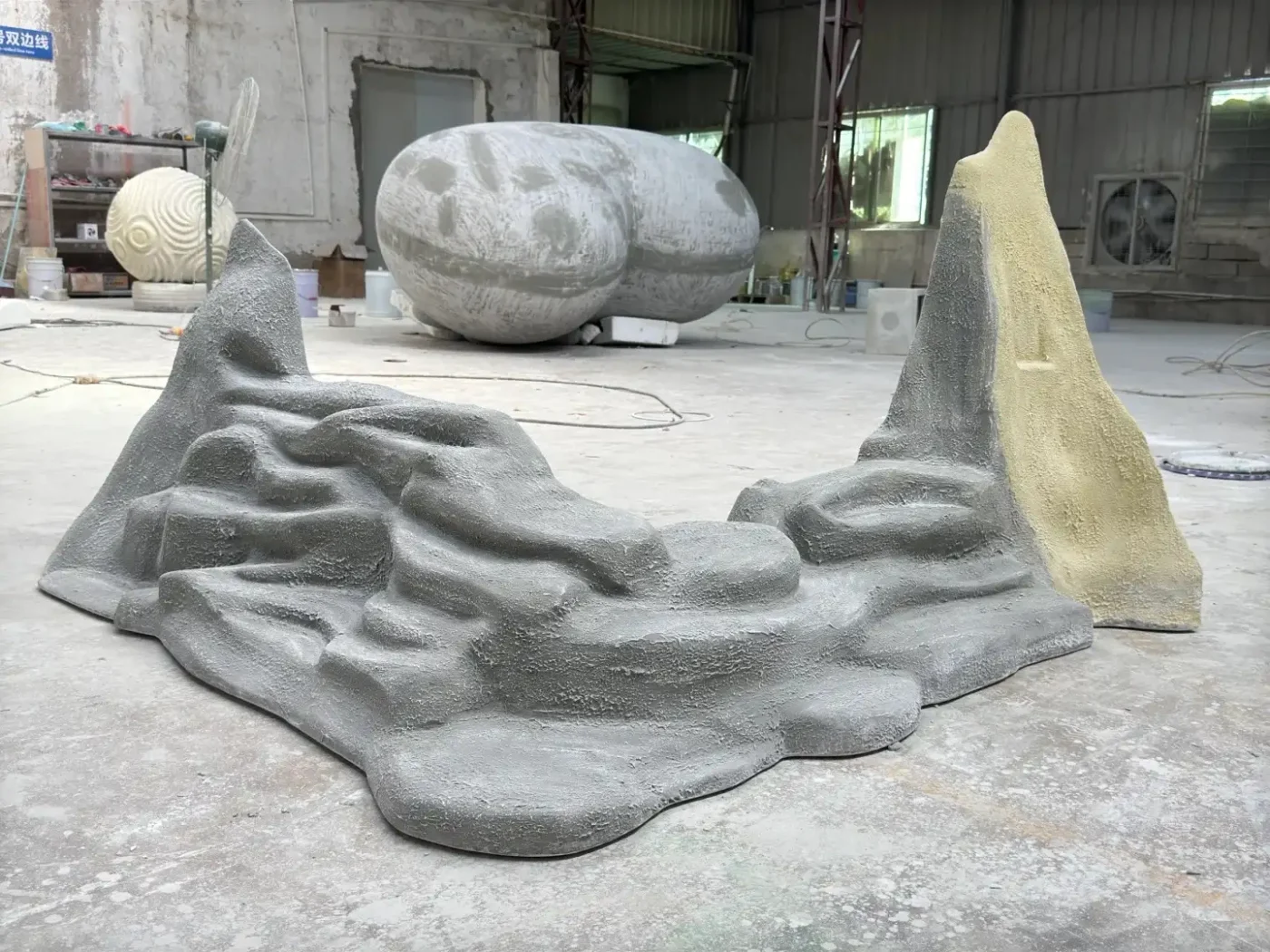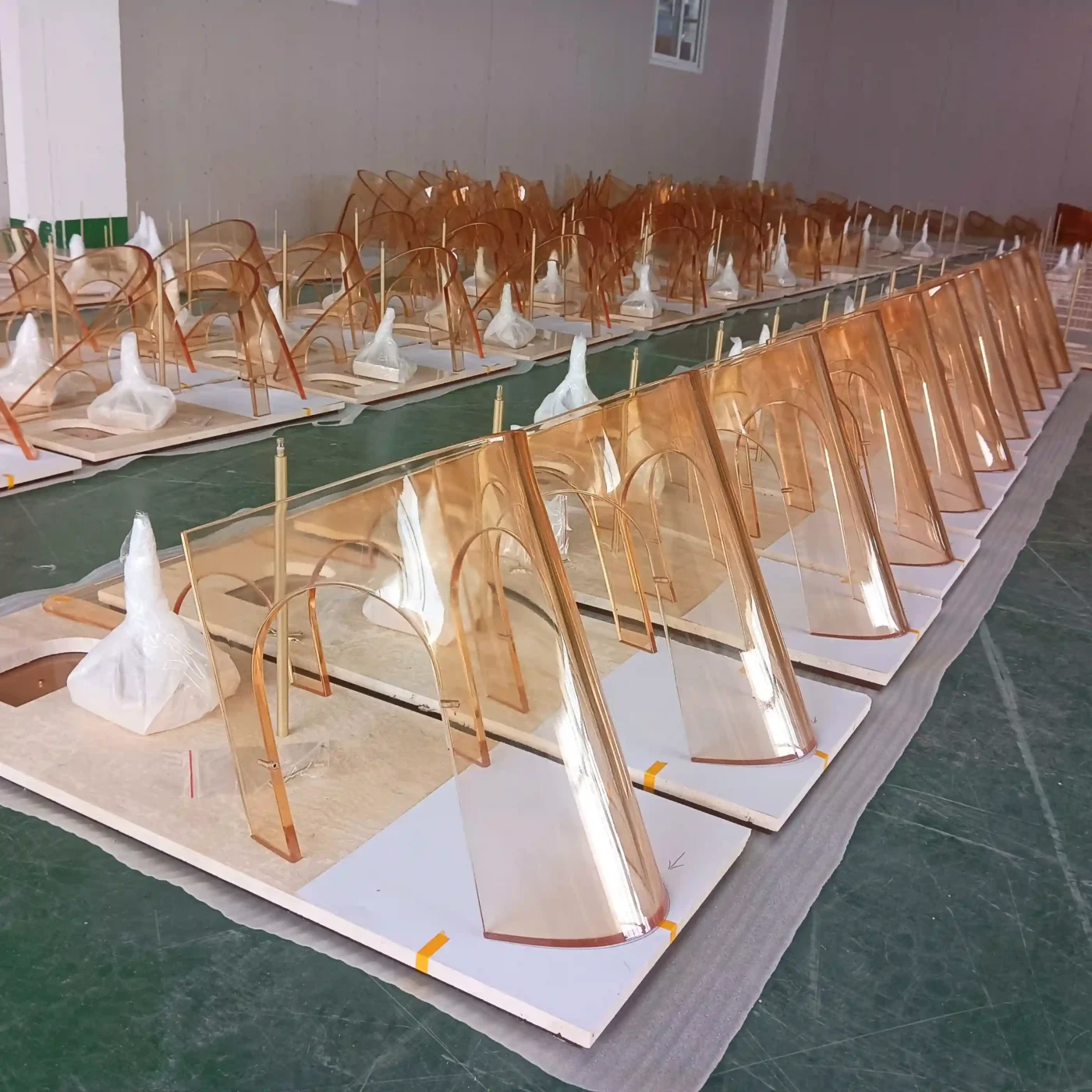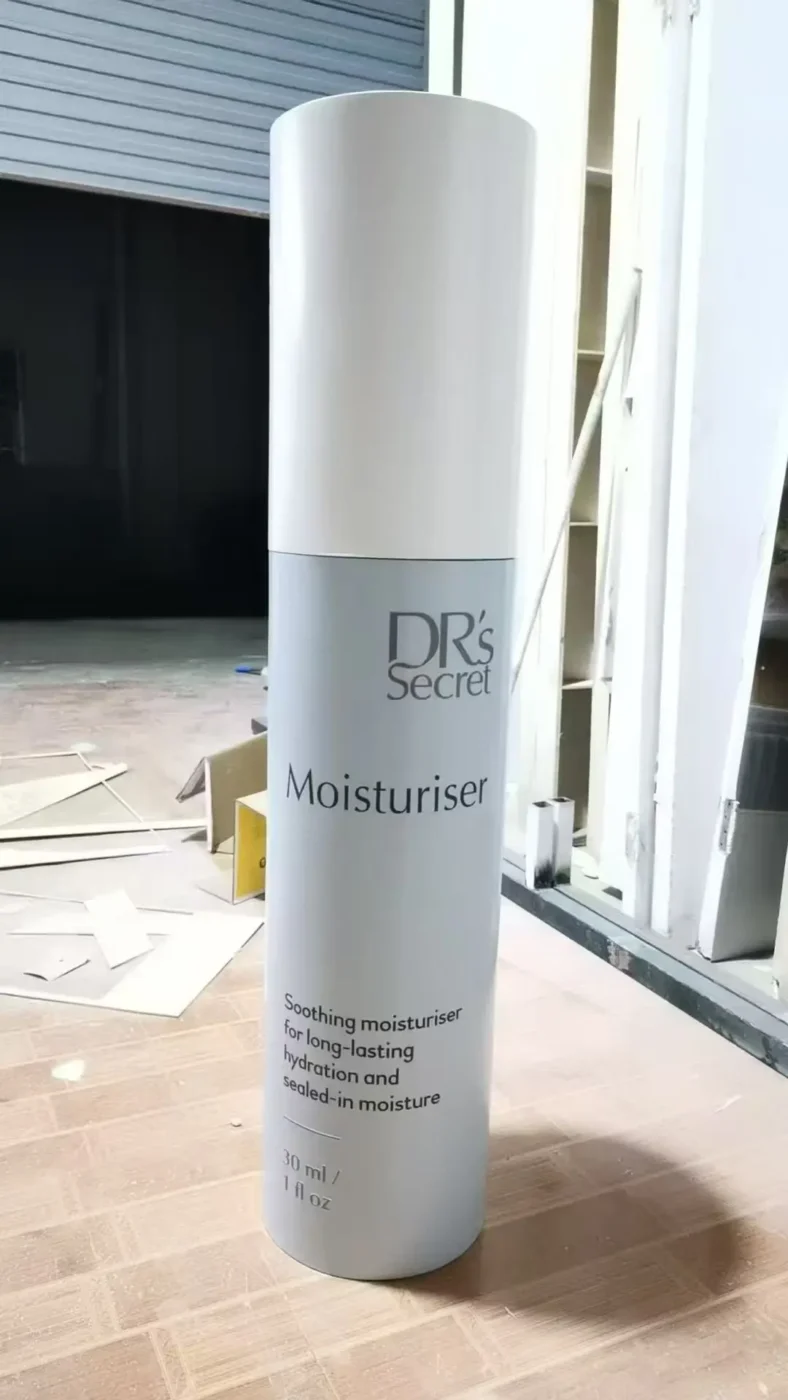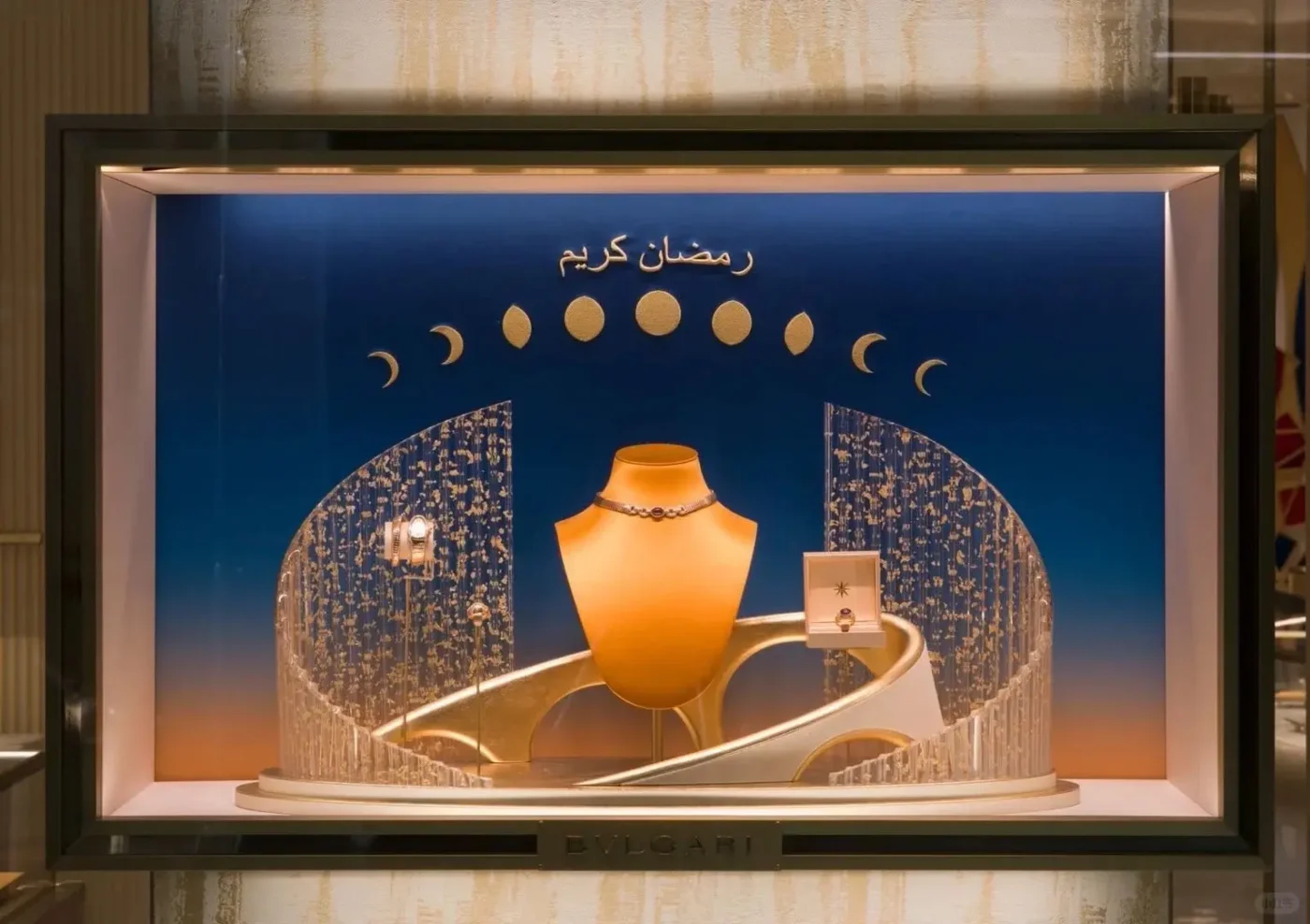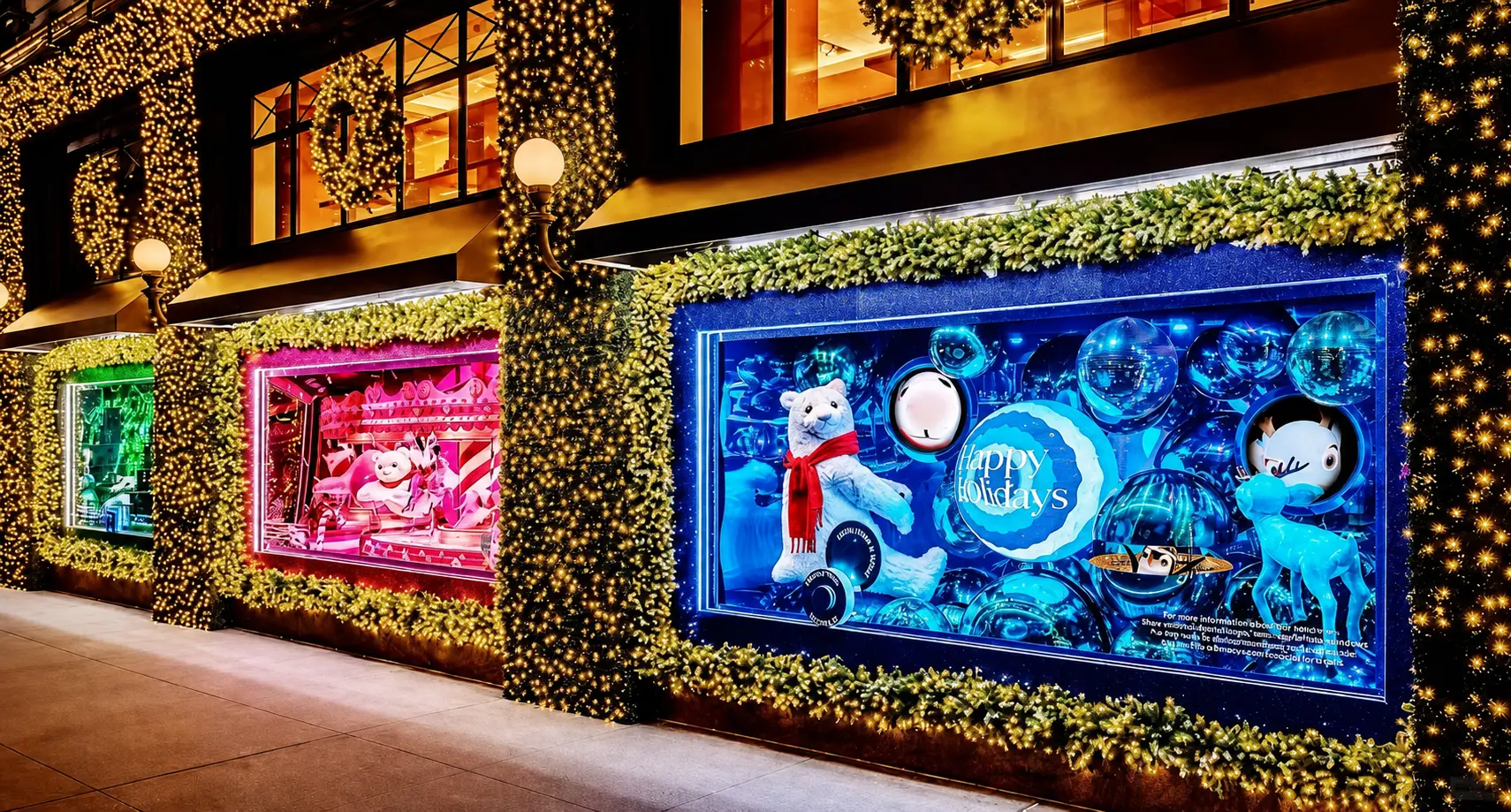
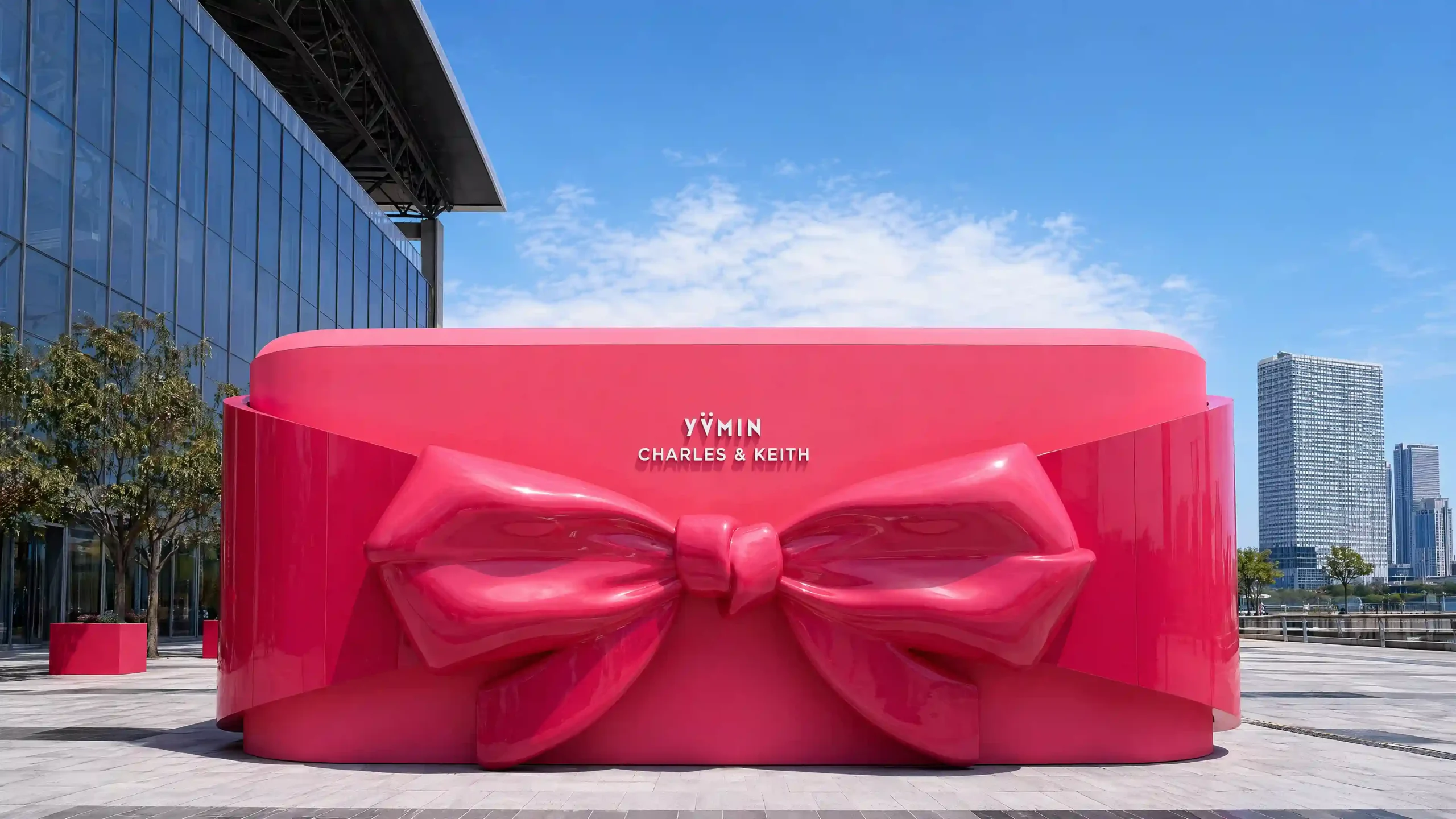
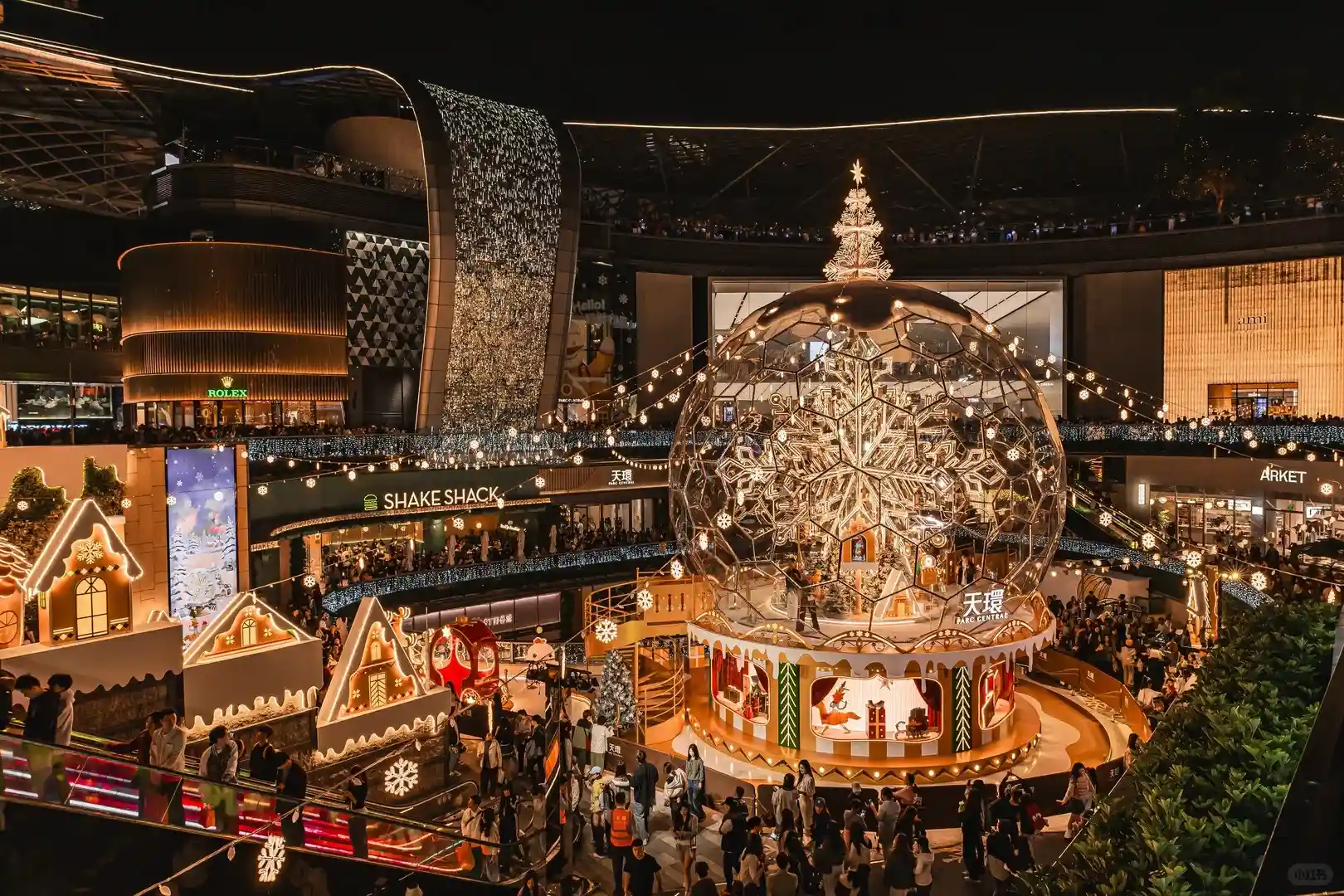
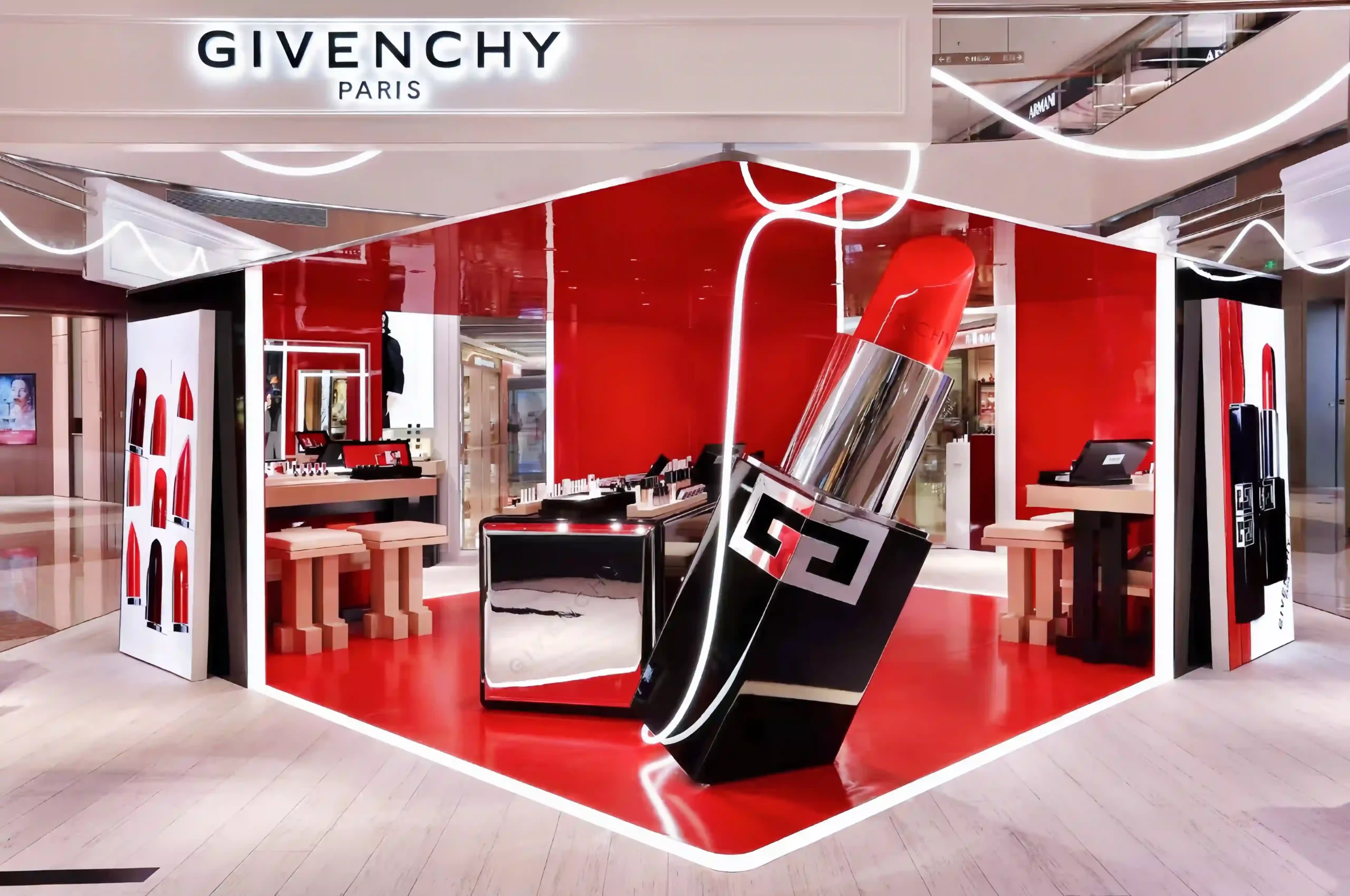
Retail window displays are an essential part of visual merchandising. Effective window display design helps stores attract customers, showcase products and create memorable shopping experiences.
We know this not as a theory, but because we’ve spent fifteen years producing the props that either earn those three seconds or waste them. At VM Display Solution, we manufacture custom visual merchandising displays for luxury brands including Louis Vuitton, Hermès, and Dior — and what we’ve learned is that the difference between a display that converts and one that decorates is almost always a decision made at the fabrication stage.
This guide covers 20 retail window display strategies, illustrated with 11 brand examples, and annotated with the manufacturing perspective most guides leave out: what materials make a concept work at scale, what fails in production, and how to brief a manufacturer for each approach.
What Is a Retail Window Display?
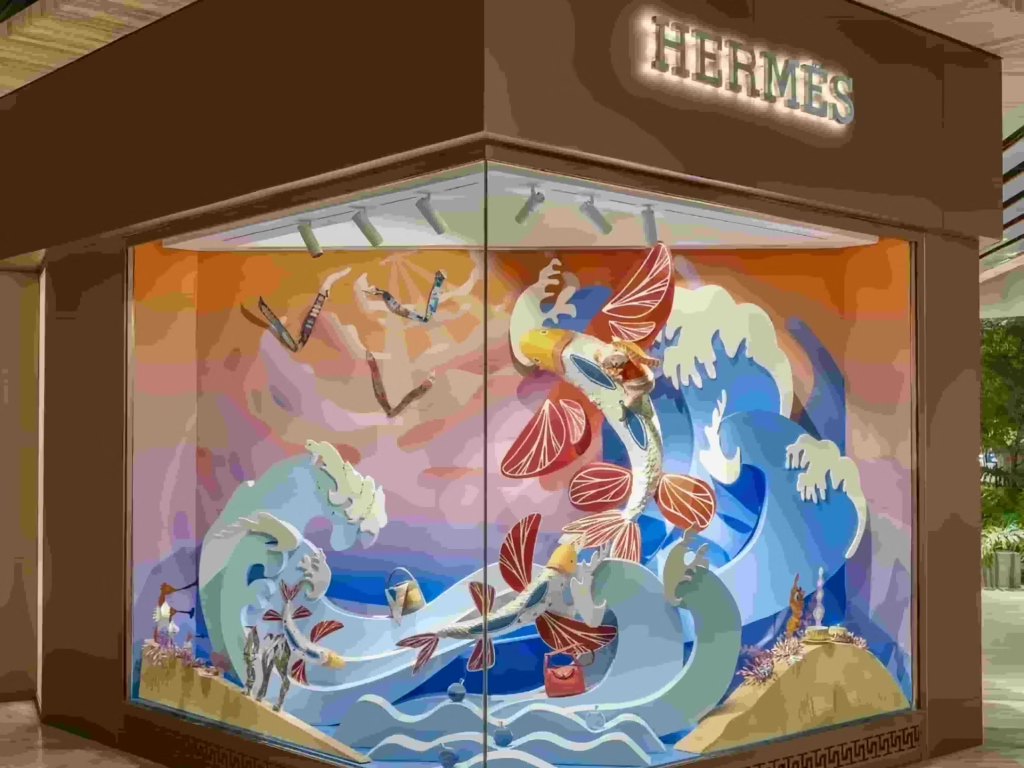
A retail window display is a visual merchandising installation designed to attract attention, communicate brand identity and encourage customers to enter a store. Unlike simple product placement, effective window displays combine props, lighting, storytelling and spatial design.
How to Design an Effective Retail Window Display
You don’t need a design background to produce a compelling window display. What you do need is a clear process. Here’s the eight-step framework we walk through with every brand we work with.
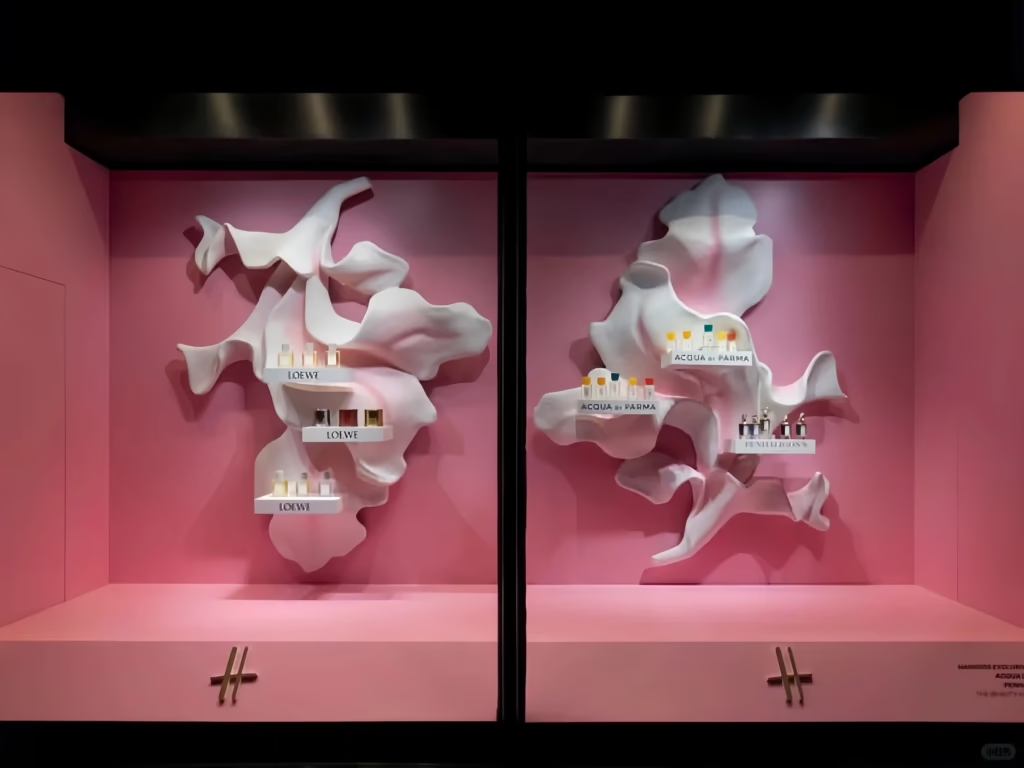
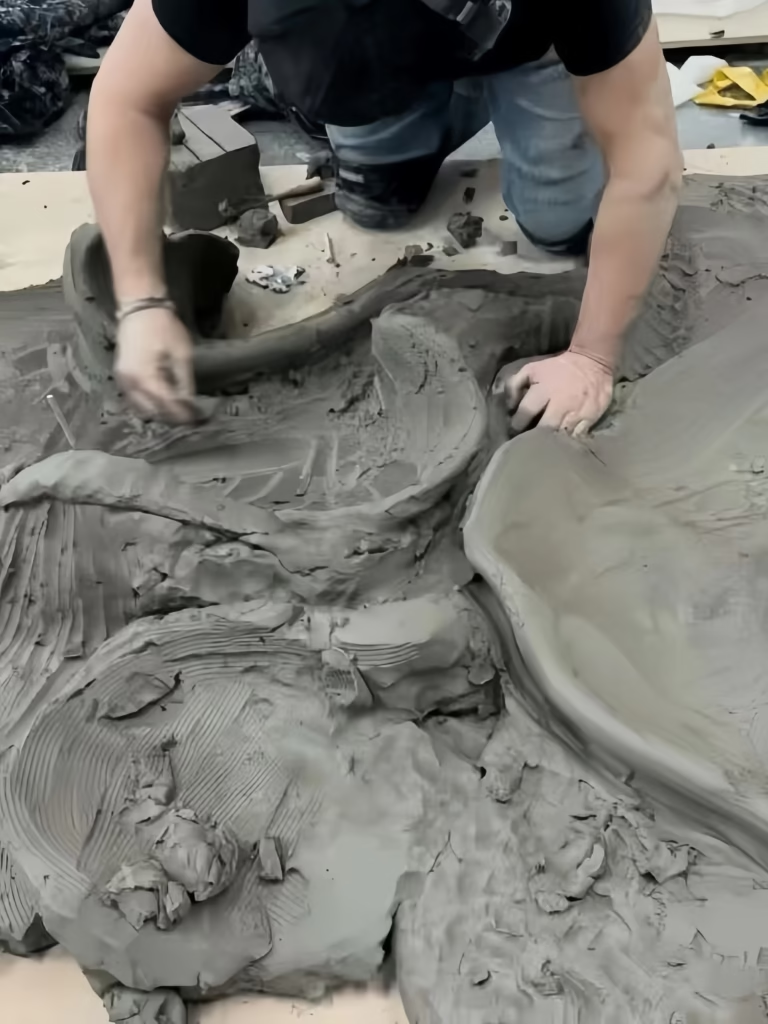
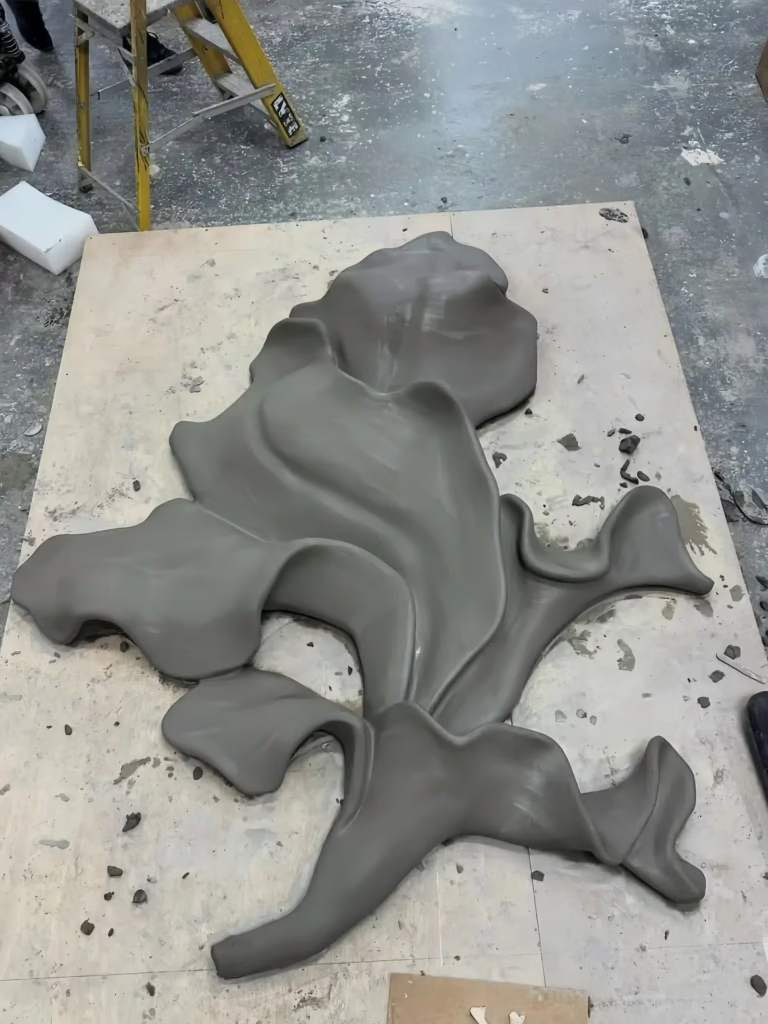
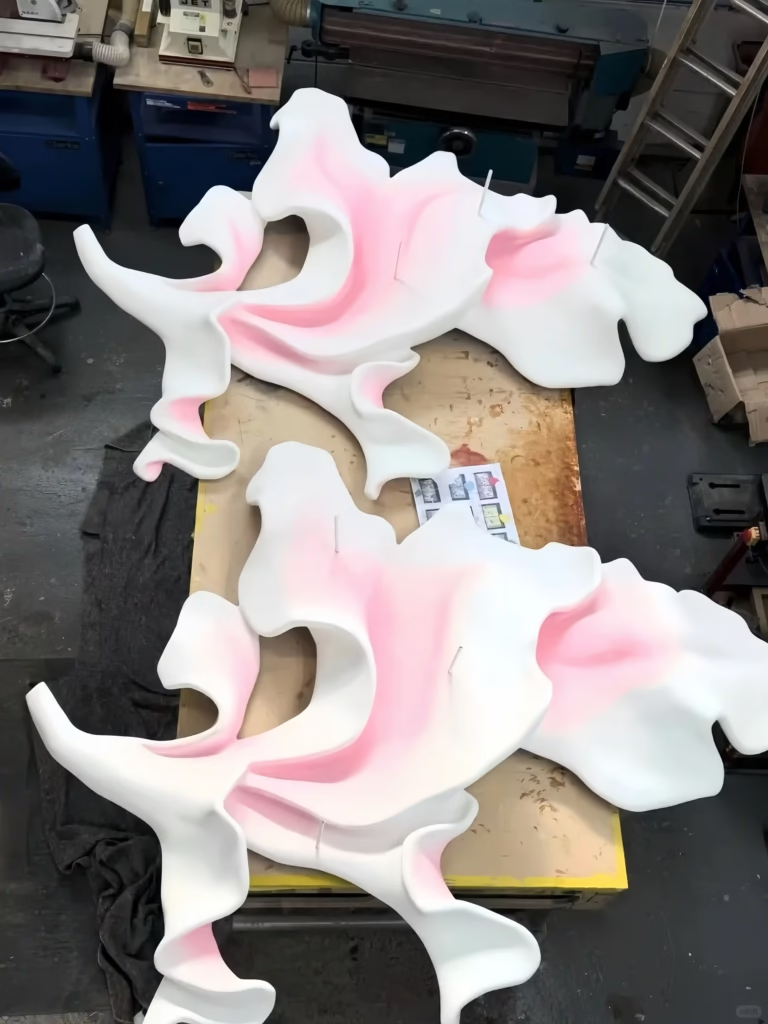
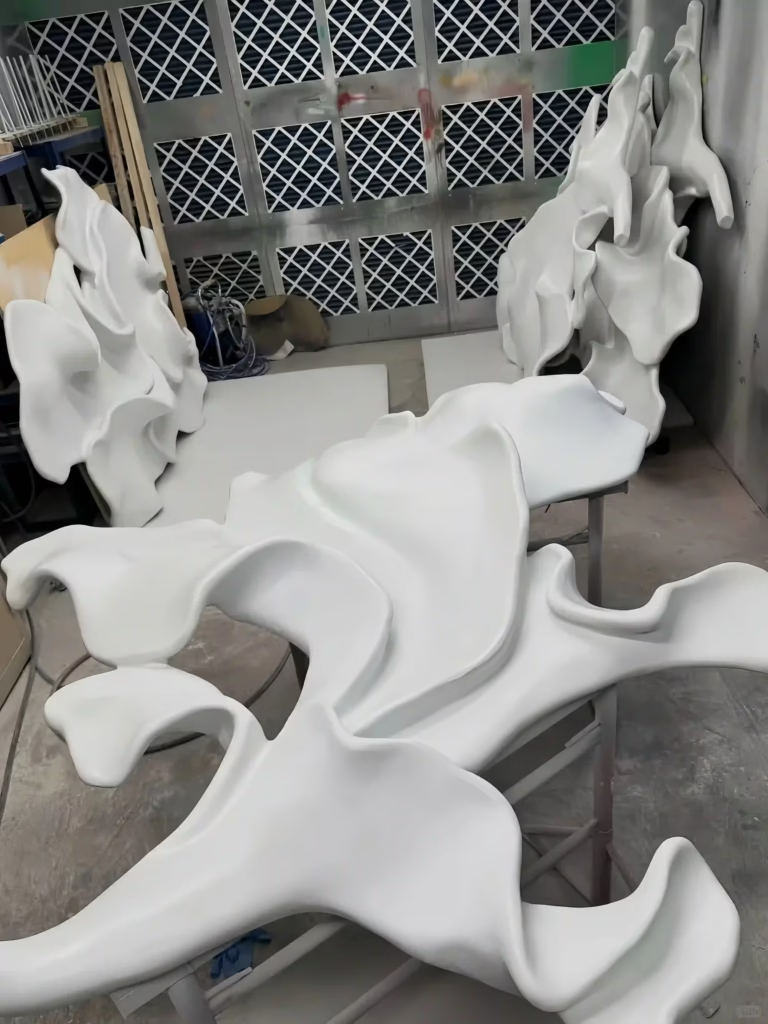
Luxury brands often use window displays as storytelling tools. A great example is Dior’s paper craft visual merchandising project, where handcrafted elements, lighting, and sustainable materials create an immersive retail experience.
Step 1: Define Your Target Audience Before Designing Your Window Display
Your audience shapes every downstream decision: which products to feature, which color temperature reads as aspirational versus approachable, which scale of prop feels immersive rather than overwhelming.
The trap most brands fall into is designing for everyone. A display that targets everyone targets no one. Luxury brands are particularly disciplined here — a Tiffany window speaks to one buyer archetype with complete clarity, which is precisely why it works.
Step 2: Assemble Your Toolkit Before You Start Sketching
Before ideation, confirm what you’re working with. The basics — tape measure, glue gun, utility knife, two-sided tape, screwdriver, notepad — determine which ideas are actually executable. More importantly, they determine the tolerances you’re designing to.
Custom display props should be sourced or commissioned before the window is dressed, not improvised on installation day.
Step 3: Create a Story-Driven Retail Window Display
The most effective window displays don't showcase products — they create a world in which the product belongs. Start with a theme, then find the narrative layer that elevates it:- “Christmas” becomes The Nutcracker’s Workshop
- “Spring Collection” becomes A Garden After Rain
- “New Arrival” becomes The Unveiling
The product is the conclusion. The story is the reason to keep looking.
Step 4: Engineer a Focal Point
Step outside and look at your window from the pavement. Where does the eye land first?
A focal point should be visible from at least 10 metres away and immediately legible — a large-scale prop, a saturated color field, or a dramatic height contrast. Products and secondary elements orbit the focal point; they don’t compete with it.
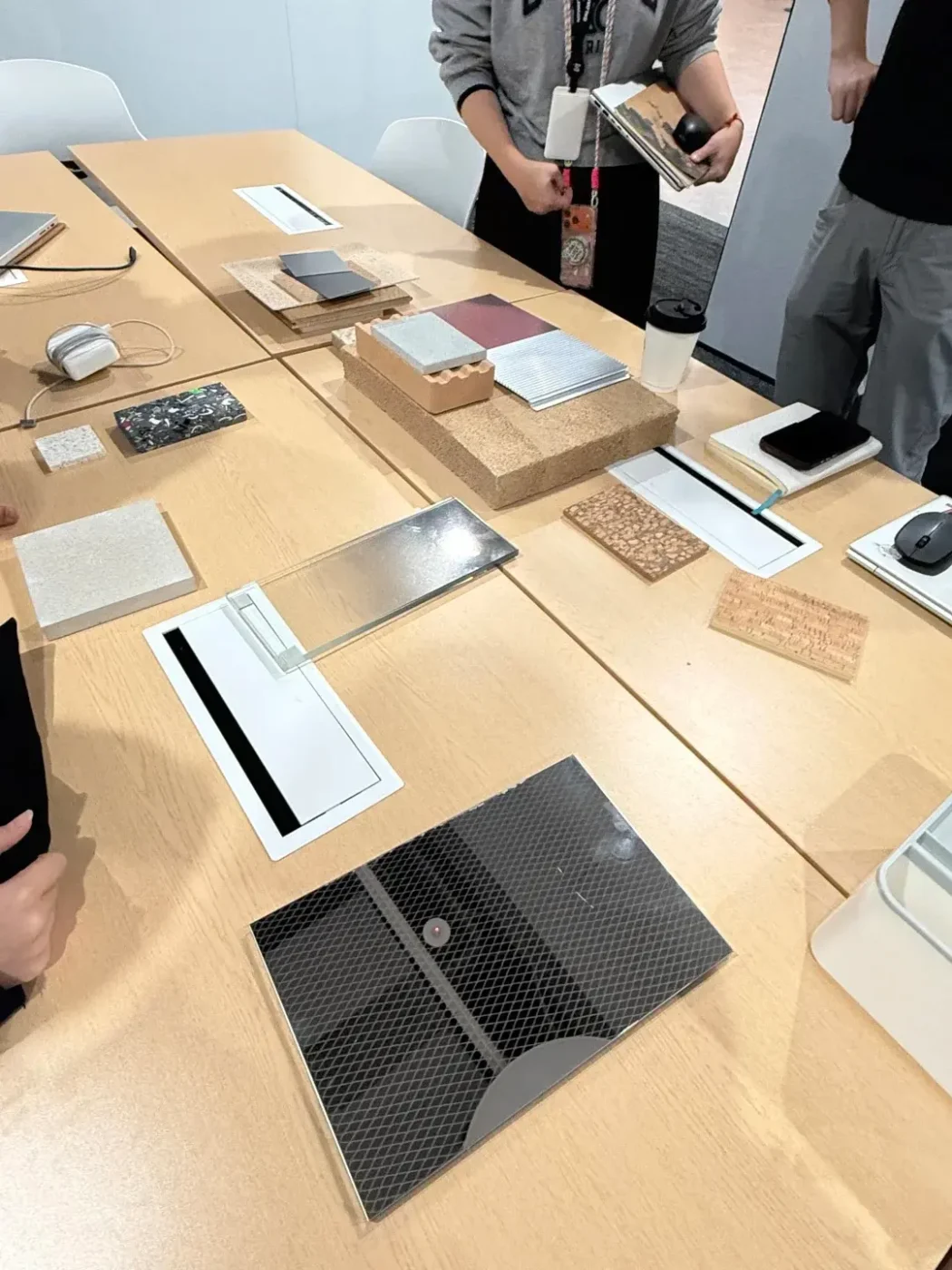
Step 5: Choose Durable Retail Display Props and Materials
This is where manufacturing decisions become brand decisions.
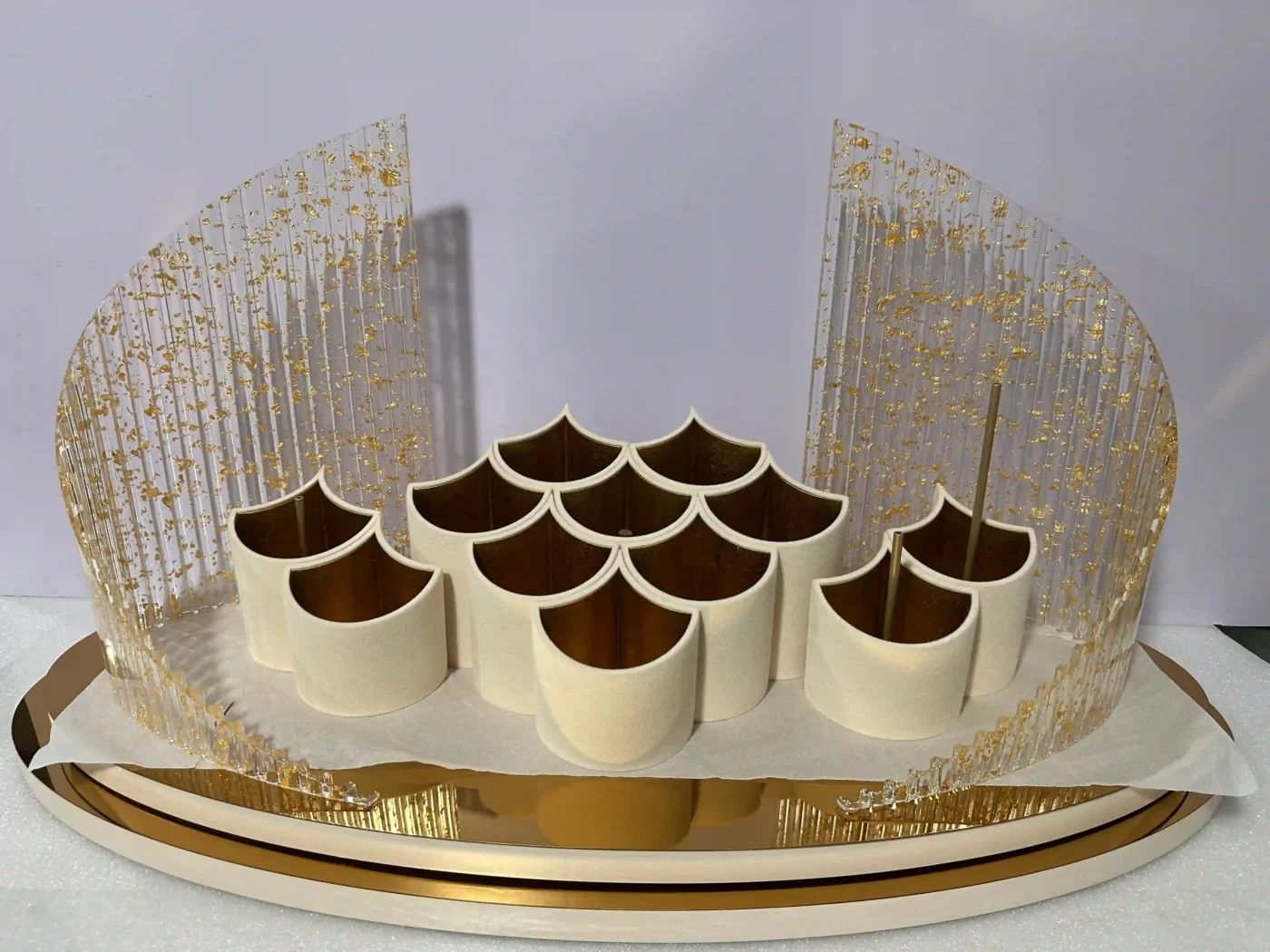
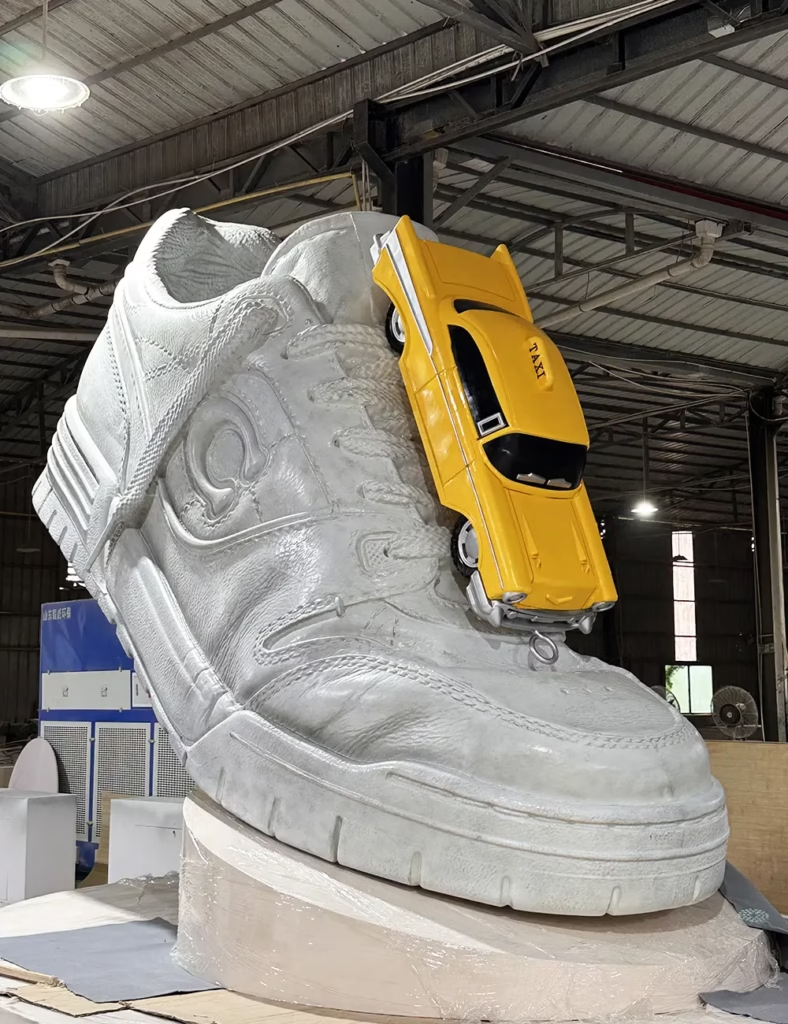
At VM Display Solution, we fabricate window props in FRP (fibreglass-reinforced polymer), metal, acrylic, resin, and wood — each material suited to different display lifespans, transport requirements, and surface finish outcomes. A prop that needs to tour across ten flagship stores globally requires different engineering than one installed for a single four-week campaign.
Material selection is not an aesthetic choice alone. It’s a structural and logistical one. The brands that brief us with clear answers to “how many locations, how long, how is it shipped” consistently get better results than those who brief visual concepts without operational constraints.
Step 6: Use Lighting to Enhance Retail Window Display Design
Lighting is responsible for approximately 40% of how a finished prop reads in-window — yet it’s consistently the last element to be considered.
Avoid direct top-lighting, which flattens three-dimensional forms and creates unflattering shadows. Side and front lighting preserve depth. Changing LEDs or gradient washes can transform the mood of a static installation across daylight hours.
If your prop budget is limited, invest in lighting first.
Step 7: Design for the Eyeline — and for Three Dimensions
A retail window is not a flat canvas. Products and props are seen from multiple approach angles, in changing light conditions, by shoppers at different heights.
A children’s boutique positions tactile, eye-catching elements below 90cm. A luxury watch retailer places hero pieces at adult chest height to encourage the reading posture. Island displays and corner windows require 360° thinking — every angle is a first impression.
Step 8: Walk the Display Before Signing Off
Once installed, walk toward the window from every possible approach direction. Check focal hierarchy, signage legibility, and overall balance. Adjust before opening, not after.
20 Retail Window Display Ideas (Grouped by Strategy)
The 20 ideas below are grouped by the strategic intent behind them — because the right idea for your brand depends not on what looks interesting, but on what you’re trying to achieve.
Strategies That Drive Impulse Entry
1. Install a Vending Machine Retail vending machines — already familiar from airports and urban retail environments — create a permission structure for passersby: browse and purchase without committing to entering the store. For brands exploring lower-barrier acquisition, the window becomes a point of sale, not just a point of awareness.
2. Showcase Your Mascot or Brand Character If your brand has a recognizable visual identity element — an animal, a character, a typographic device — a window prop built around it creates immediate brand recognition at scale. ALE-HOP’s oversized branded cow protruding from the storefront is impossible to walk past without registering the name.
3. Highlight Deals and Promotions Through Signage Not every window display needs to tell a narrative. For retailers with a strong promotional cadence, clear, well-designed signage or vinyl decals communicating in-store offers can outperform elaborate installations in terms of direct foot traffic conversion.
Strategies That Build Brand Identity
4. Commit Fully to a Theme A theme pursued halfway reads as indecision. A theme pursued completely — period props, matched color palette, costumed mannequins, narrative signage — reads as authority. Vintage, botanical, architectural, and cultural themes all work; what matters is totality.
5. Tell a Sequential Story The most shareable window displays are those that create a narrative the viewer wants to follow to completion. Unfold a story across the window width, or create a campaign arc that evolves weekly.
6. Showcase Art Through Collaboration Collaborating with artists or commissioning original murals positions a brand as culturally engaged rather than purely commercial. For luxury and lifestyle brands, this signals the same creative values the customer aspires to.
7. Show Products in Real-Life Context Kitchen gadgets in a styled kitchen setting; camping gear in a miniature outdoor scene; skincare in an apothecary environment. Context communicates use, and use communicates relevance.
8. Feature Endorsements or Collaborations If your brand works with designers, artists, or cultural figures, the window is the right place to make that visible. Curated collections, printed quotes, or co-branded installations extend credibility to passersby who may not yet follow the brand online.
Strategies That Create Visual Impact
9. Go All-In on Color Color is the single fastest-acting element in any window display. Red and orange attract attention from distance; pastels communicate approachability; monochrome schemes signal editorial confidence. Whatever the palette, commit to it.
10. Do Less Minimalism is not a budget constraint — it’s a brand statement. A single product on a clean pedestal, lit correctly, communicates premium more effectively than a crowded display at any price point. John Lobb’s gallery-style windows are the reference standard.
11. Create an Optical Illusion Mirrors, perspective tricks, unexpected scale, and forced-depth arrangements turn a window into a puzzle. Viewers who pause to understand what they’re seeing spend more time in front of your brand.
12. Have Fun with Lighting Neon, LED sequences, color-changing washes, projection mapping — lighting-first displays are among the most photographed. They require careful prop design (light-diffusing or light-directing materials) but can be executed at relatively modest cost.
13. Showcase Your Products’ Value Through Education QR codes linking to process documentation, ingredient sourcing, or craft narratives add a layer of depth that attracts the informed buyer. For brands whose competitive advantage is quality or provenance, the window is an education channel, not just an awareness channel.
Strategies That Create Experiences
14. Offer Collections and Bundles Themed product groupings — travel essentials, seasonal gifts, lifestyle curation — tell customers what to buy together, reducing decision friction. The window becomes a silent sales assistant.
15. Feature Real People Live window models or live demonstrations create content that shoppers feel compelled to photograph and share. The installation is ephemeral; the social amplification is not.
16. Dive Deep into the Season Seasonal windows signal that a brand is alive and engaged. Holiday windows in particular — Christmas, Valentine’s Day, Chinese New Year — generate disproportionate foot traffic relative to their installation cost.
17. Connect with the Community Local landmarks, charitable causes, or neighbourhood collaborations make a global brand feel local. This is particularly effective for brands opening new markets or recovering from perception challenges.
Strategies That Use Technology
18. Go Interactive Touch screens, motion sensors, and interactive props transform the window from a passive display into an active engagement. For high-consideration purchases, the window can deliver product specifications, configurators, or virtual demonstrations before the customer steps inside.
19. Integrate QR Codes Strategically QR codes work when the destination experience justifies the scan. Link to product pages, behind-the-scenes content, limited digital offers, or app downloads — not simply the homepage.
20. Deploy Augmented Reality AR window experiences — where shoppers point a phone at the display to reveal animated content or virtual try-on — are increasingly accessible and remain highly shareable. Gucci’s Hallucination campaign demonstrated that AR can simultaneously engage young buyers and generate press coverage.
11 Retail Window Display Examples — and What Makes Them Work
The following brand examples are selected not for spectacle alone, but because each one demonstrates a transferable decision — about scale, material, narrative restraint, or audience alignment — that can be applied at any budget.
1. Gucci — AR as a Brand Story Extension
For the Hallucination campaign, Gucci reimagined classical artworks with figures dressed in archival pieces, extending the campaign into window displays where QR codes invited passersby to download the Gucci app and experience animated versions of the art.
The key decision: mannequins faced away from the street, as if they were museum visitors. It treated the viewer as a fellow observer rather than a target. The effect was an invitation rather than a pitch.
Manufacturing note: Large-scale painted backdrops with embedded QR glass decals are a fabrication category we produce regularly for luxury brand seasonal campaigns.
2. Leaves of Trees — Oversized Props That Clarify What You Sell
Toronto apothecary Leaves of Trees suspended oversized product replicas — tubes of skincare — upside down, with dried botanicals cascading from them. The result was both visually arresting and functionally effective: passersby understood immediately what the brand sold.
The founder notes that before the brand incorporated actual products into its windows, the store was mistaken for a juice bar and even a dispensary. The oversized prop format solved an identity problem.
Manufacturing note: Oversized product replicas in FRP are one of our most requested categories. We’ve produced at scales up to 3 metres for brand campaigns requiring both visual impact and durability across multiple installations.
3. Saks Fifth Avenue × Vetements — Restraint as Brand Statement
Saks and Vetements chose to fill a window with a growing pile of donated and surplus clothing — a deliberate statement about fast fashion and consumption excess. The display grew daily.
What’s notable is not the concept, but the commitment. Saks, known for spectacular windows, exercised maximum restraint in service of a message. It worked because it was completely legible as a choice, not a mistake.
4. Alice + Olivia — Color-Matched Nostalgia
Alice + Olivia dressed mannequins against a backdrop of oversized cereal and snack packaging. Each outfit was color-matched to the packaging behind it, creating visual coherence across what might otherwise have been a chaotic composition.
The result spoke directly to the brand’s existing young buyers through cultural nostalgia rather than aspirational imagery — a different targeting strategy from most fashion windows.
5. Bergdorf Goodman — When Budget IS the Message
One of Bergdorf’s most documented installations featured one million hand-applied Swarovski crystals and nine months of fabrication. A custom crystal ball. Couture pieces later auctioned.
The budget was the brand statement. For Bergdorf’s clientele, a display that requires that level of commitment to produce communicates exactly the values the store wants to own.
This is not replicable for most retailers — but the principle is: whatever your budget ceiling, reaching it visibly communicates respect for your audience.
6. Tiffany & Co. — Maximum Impact Through Minimum Elements
A Tiffany window with seven mousetraps, one mouse, and a canary yellow diamond set against Tiffany blue. That’s the entire composition.
The restraint is the craft. It requires complete confidence in both the product and the audience to leave that much empty space in a retail window. It also requires very precise prop fabrication — when a display contains one hero element, that element must be flawless.
Manufacturing note: Hero pedestals, display armatures, and bespoke mounting solutions for single-product displays represent a significant portion of our work for jewellery and accessories brands.
7. Barneys New York — Live Windows as Content Generation
Barneys placed Japanese ice sculptors — wearing designer apparel — in its holiday windows. The live demonstration attracted extended dwell time and generated substantial Snapchat and Facebook Live content.
The insight from Joline Mujica of WindowsWear: putting people in a window is risky, but a one-of-a-kind experience creates huge engagement. The risk is the point.
8. Fendi — Recontextualizing Luxury Through Unexpected Formats
Fendi placed high-value leather handbags inside custom vending machines at its downtown New York store. The machine buttons spelled “FENDI”; the year of founding was embossed. The juxtaposition made the bags feel simultaneously more accessible and more iconic.
The campaign circulated internationally across fashion media. The machines themselves subsequently appeared in Fendi stores globally.
Manufacturing note: Custom vending machines as display props — including non-functional decorative versions — are fabricated to brand specification in metal, acrylic, and mixed materials. We’ve produced similar formats for luxury clients who wanted the visual language of retail infrastructure with premium material finishes.
9. TYPE Books — Craft at Modest Budget
Toronto indie bookstore TYPE produces seasonal windows built from paper, paint, and glue by in-house “craftician” Kalpna Patel. The displays consistently drive foot traffic and generate press coverage despite negligible materials cost.
The takeaway: concept and execution discipline matter more than budget. A focused theme, committed to fully, outperforms an expensive but diffuse installation.
So many customers entered asking specifically about titles featured in the window that TYPE created a dedicated interior display mirroring the window contents.
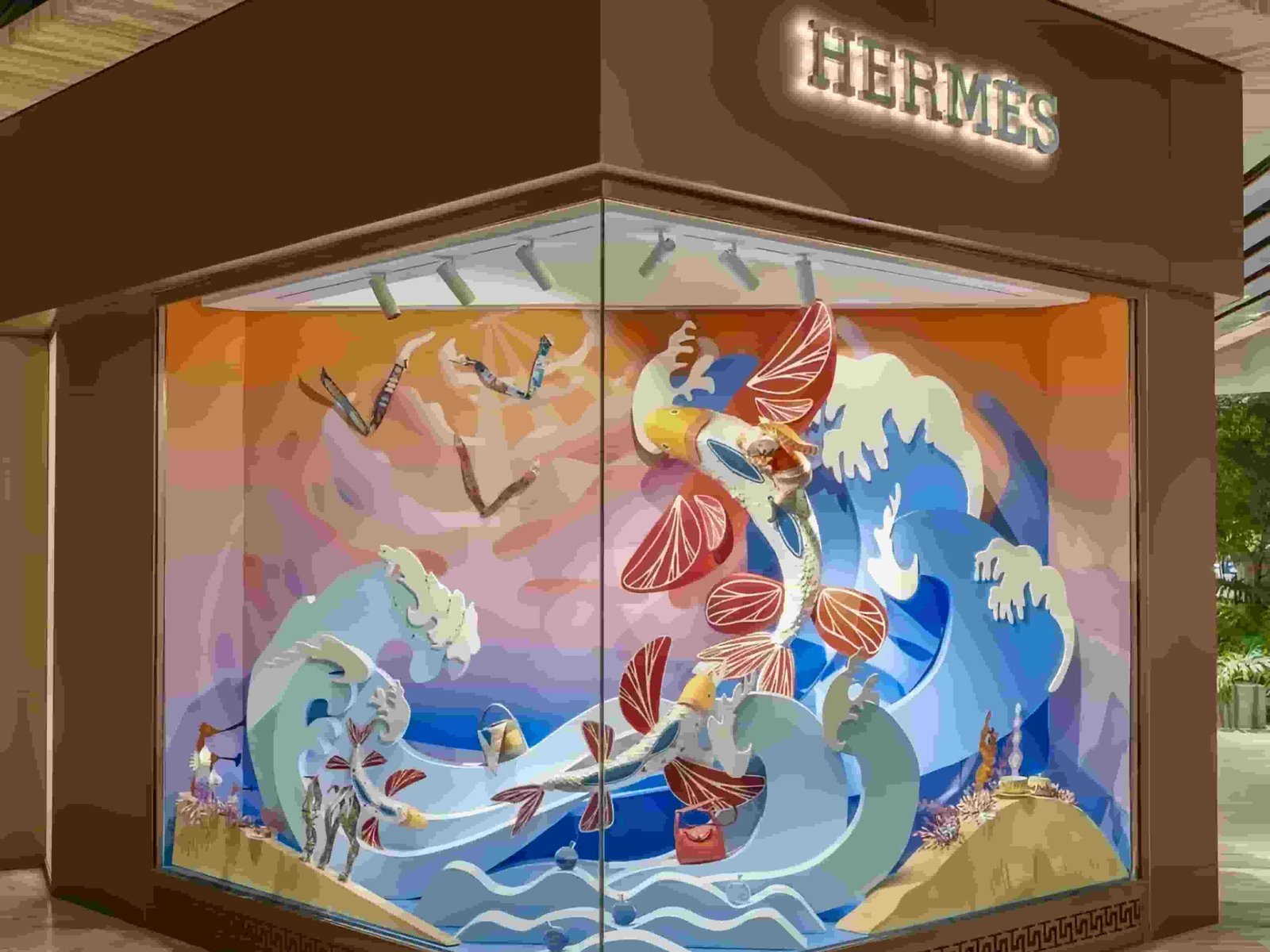
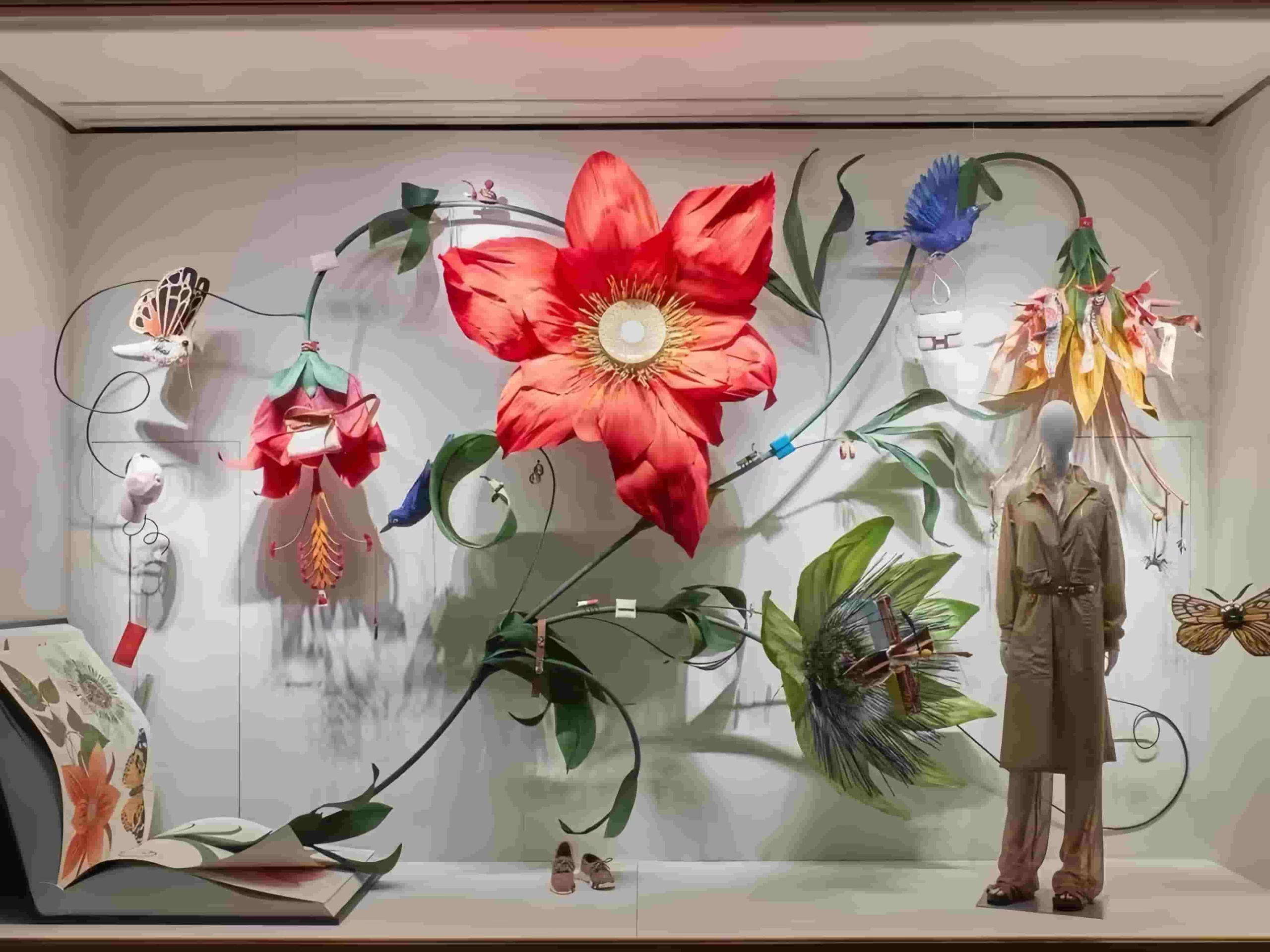
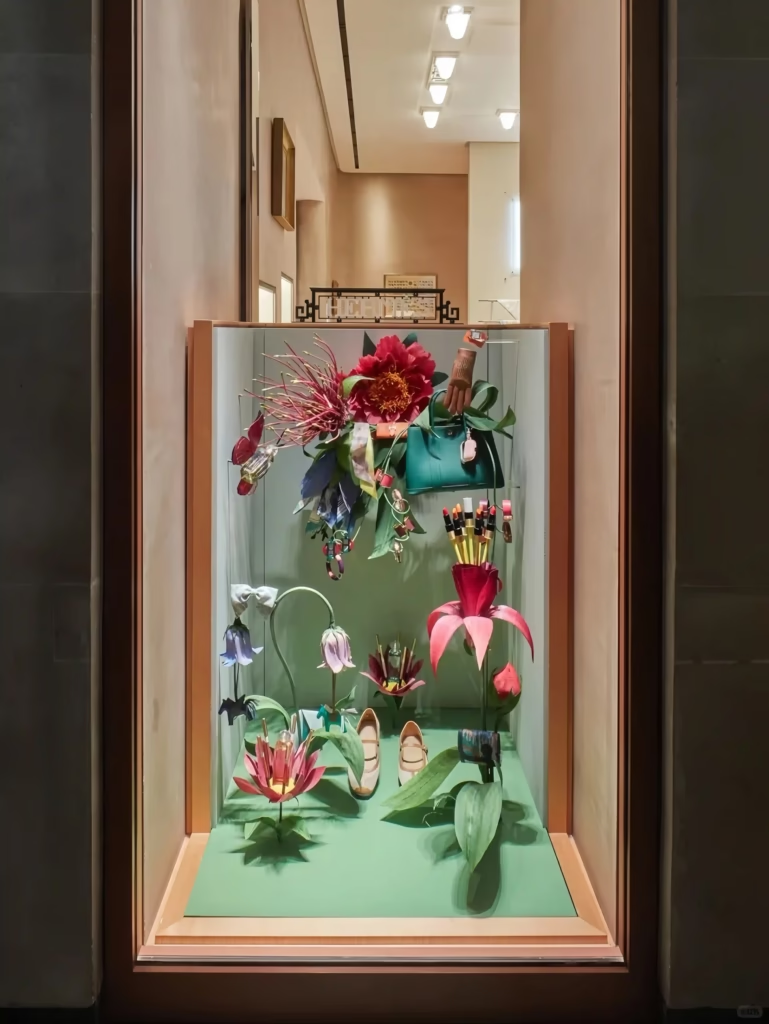
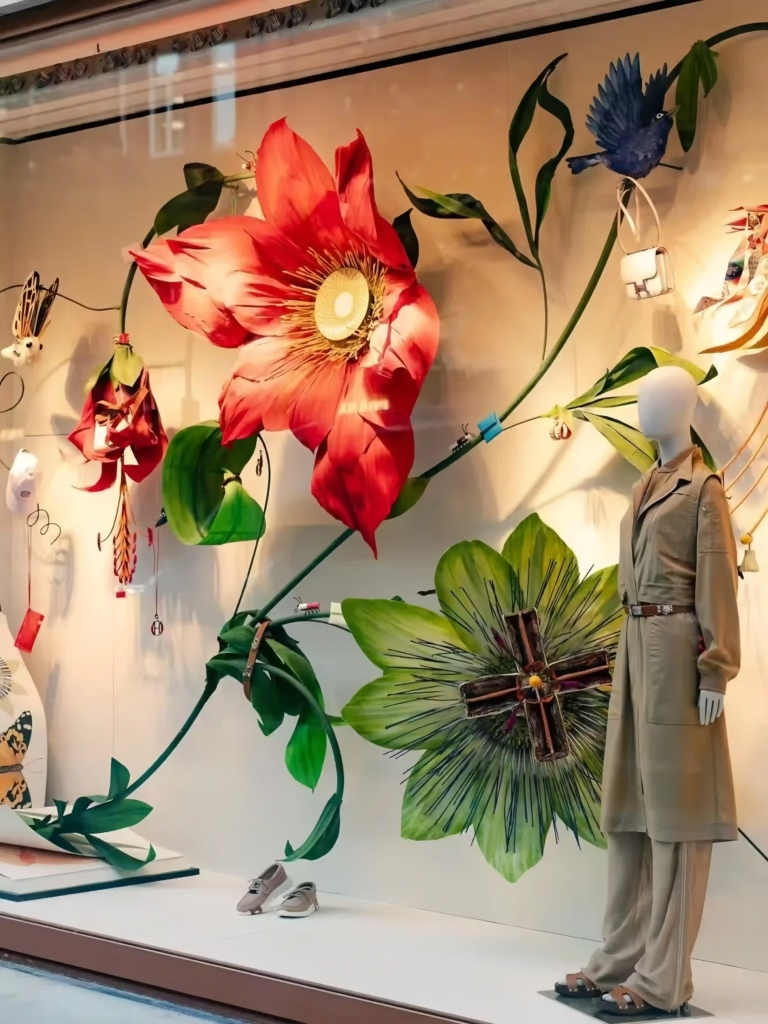
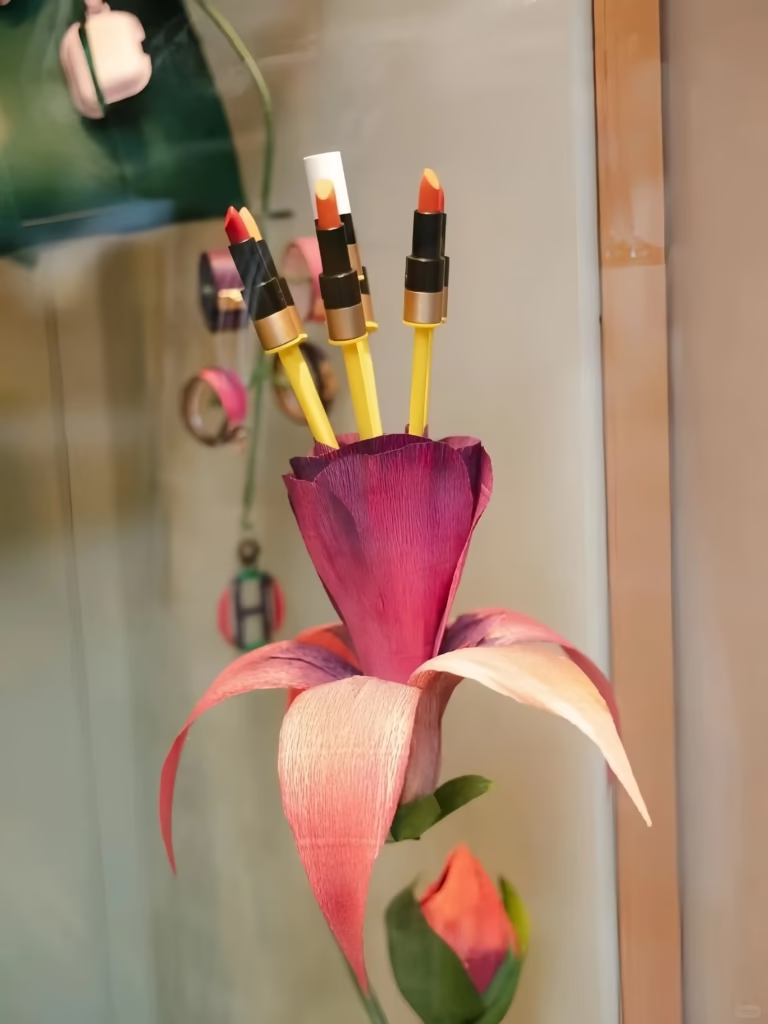
10. Hermès — Art First, Product Almost Incidental
Hermès placed silk scarves around an oversized juice cup with a giant straw. The cup was orange — the brand’s signature color. The scarves were almost peripheral to the composition.
By making the sculpture the subject and the product the accent, Hermès ensured that passersby looked long enough to understand what they were seeing. The brand’s confidence in its own product was embedded in the choice to make it secondary.
Manufacturing note: Oversized prop sculptures in this format — a singular volumetric object at approximately 1.2–1.8m scale — are among the most effective investments in window display fabrication. They travel well, install simply, and are immediately legible as a brand with craft values.
11. UrbanGlass — Education as Engagement
Brooklyn-based non-profit UrbanGlass uses QR codes in its windows to provide context about the art on display outside of gallery hours. The window functions as both an exhibition and a sales driver for the organization’s shop.
The decision to make the educational layer accessible without requiring a store visit turns the sidewalk into a 24-hour exhibition space.
From Concept to Production: What to Know Before You Brief a Manufacturer
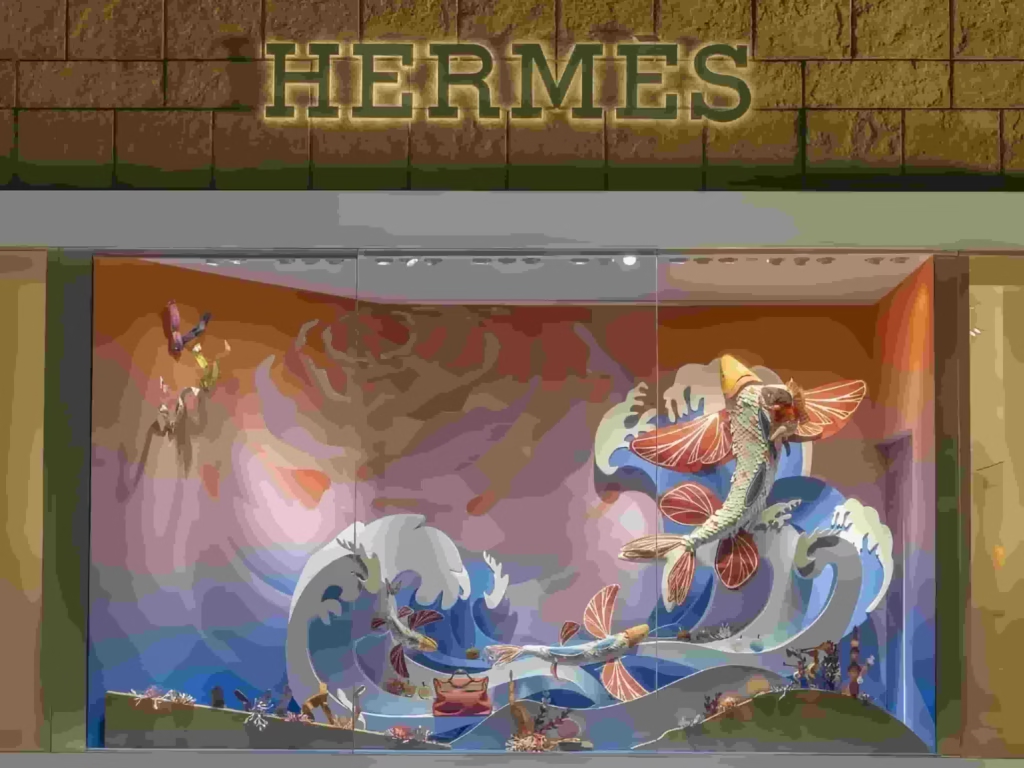
The examples above — from Gucci’s AR-enabled installations to Hermès’ sculptural oversized props — share one characteristic: they were produced to a level of material quality that matched their creative ambition.
That alignment between concept and fabrication is not automatic. It requires a manufacturer who understands the strategic intent behind the display, not just the dimensional specifications.
At VM Display Solution, we work with VM directors and retail teams at the brief stage — before CAD files, before material selection, before production scheduling. We’ve found that the brands who achieve the most effective results are those who can answer four questions clearly:
- Where is this displayed, and for how long? (Single flagship vs. global rollout changes everything from material choice to structural engineering.)
- What is the shipping and installation context? (Flatpack vs. assembled; in-house vs. third-party installation team.)
- What surface finish is non-negotiable? (Electroplated metal, matte FRP, backlit acrylic, and painted resin all have different production timelines and cost profiles.)
- What is the visual hierarchy? (Which element carries the brand statement; which elements support it.)
We fabricate in FRP, metal, acrylic, resin, wood, and 3D-printed materials, with in-house electroplating and surface finishing capabilities. Our clients include Louis Vuitton, Dior, Hermès, Bvlgari, Loewe, and Coach.
Discuss your project with our team →
5 Principles for Maintaining Window Display Effectiveness Over Time
1. Rotate Frequently — but Consistently
Regular rotation signals to repeat passersby that the brand is active and evolving. Campaigns tied to editorial calendars (seasonal, cultural, product launch) create a rhythm that loyal customers begin to anticipate.
2. Invest in Technology That Serves a Purpose
Augmented reality extends the window beyond its physical boundaries — useful for campaigns with rich content assets or products that benefit from virtual try-on.
Touchscreens work best for high-consideration purchases where specifications, configurations, or comparisons help the buyer. Electronics, furniture, and real estate are natural fits.
QR codes are the most flexible technology layer. The destination should deliver something the physical window cannot: behind-the-scenes content, limited offers, product depth, or digital purchase options.
3. Use Social as a KPI for Display Effectiveness
A display that generates organic social documentation — photography, video, shares — is performing beyond its footprint. Design with social framing in mind: clean backdrops, legible focal elements, and moments worth photographing.
4. Brief Your Props Manufacturer Before You Brief Your Creative Team
Material and production constraints should inform the creative direction, not be discovered after it. The earlier a manufacturer is involved, the more likely the final execution matches the concept.
5. Measure Foot Traffic Lift, Not Just Impressions
The ultimate KPI for a window display is conversion to store entry. Track foot traffic before, during, and after significant window installations to establish a baseline and measure impact. This data also informs future fabrication investment.
Frequently Asked Questions
How much does a custom retail window display prop cost?
Costs vary significantly based on material, scale, quantity, and complexity. FRP props for a single campaign window typically range from $500–$5,000 per piece. Multi-location rollouts with production runs of 10+ units offer significant per-unit savings. Contact us for a project-specific quote.
How long does it take to fabricate custom window display props?
Standard production lead times are 4–6 weeks for single-material props and 8–12 weeks for complex multi-material or electroplated pieces. Campaign briefs with global rollout requirements should factor 14–16 weeks for the full production cycle.
Which materials are best for luxury brand window displays?
For high-end brand environments, we most commonly recommend FRP (for sculptural forms requiring detailed surface finish), electroplated metal (for jewellery and accessories brand environments), and backlit acrylic (for graphic-driven or product-replication displays). The right material depends on the brand aesthetic, campaign duration, and installation context.
Can VM Display Solution fabricate for brands outside China?
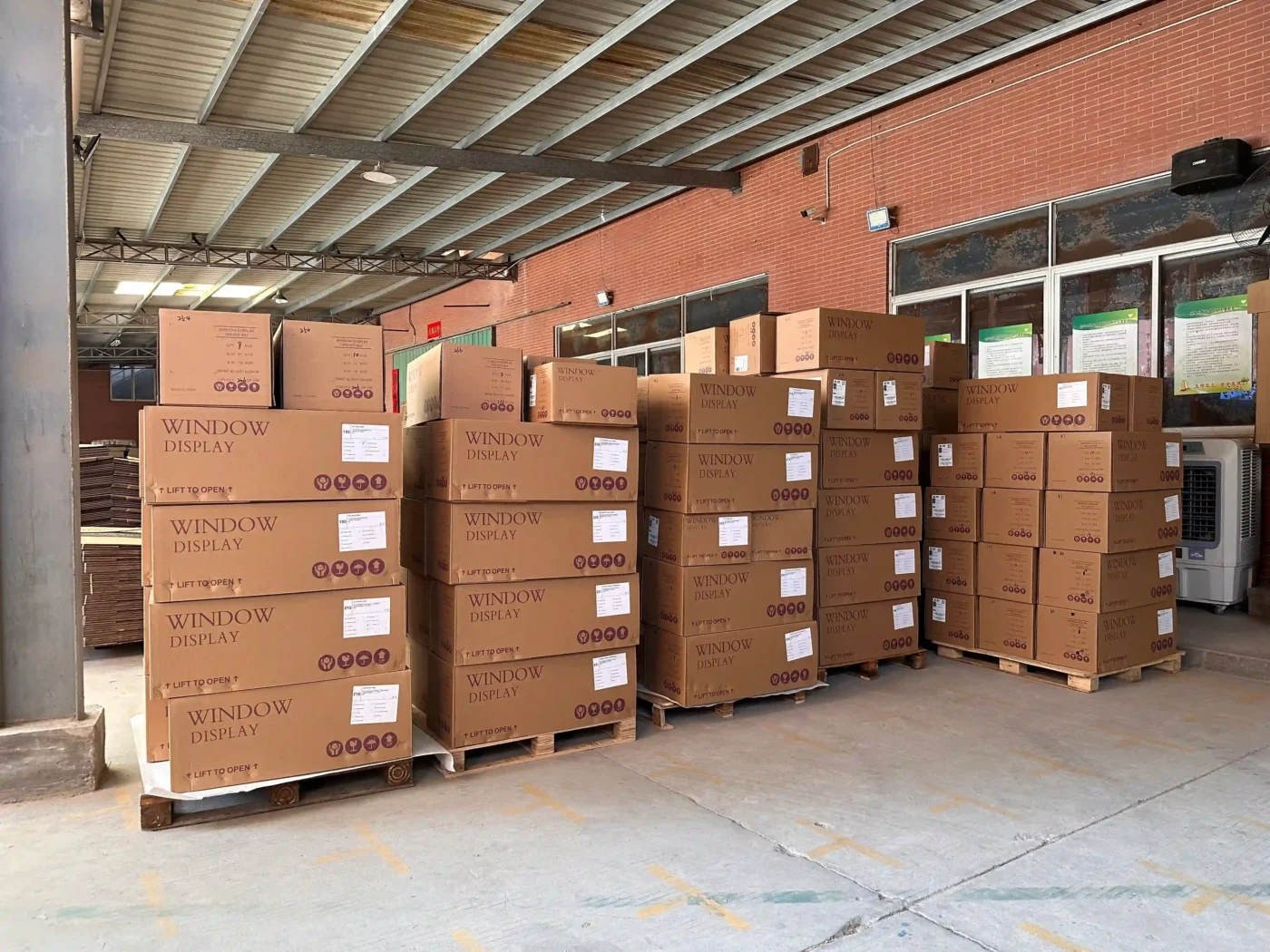
Yes. We ship globally and have delivered projects to clients across Europe, North America, the Middle East, and Southeast Asia. Our logistics team handles customs documentation and works with approved freight partners for luxury brand standards.
What makes a good retail window display?
A good retail window display combines visual storytelling, product presentation, and strategic design elements to attract attention and encourage customers to enter the store.
An effective retail window display usually includes a clear focal point, balanced composition, appropriate lighting, and display elements that match the brand identity. Instead of simply showing products, successful window displays create a visual story that helps customers understand the brand message and connect emotionally with the products.
Professional retail window displays also need to consider practical factors such as materials, durability, installation requirements, and the overall campaign duration.
How do you design an effective window display?
Designing an effective window display starts with understanding the target audience and defining the purpose of the campaign.
A successful window display design process usually includes:
- Identifying the target customer group
- Developing a creative concept or visual story
- Creating a strong focal point
- Selecting suitable props and materials
- Planning lighting and product placement
- Testing the display from different viewing angles
For large-scale retail campaigns, brands should also consider production feasibility, transportation, installation, and whether the display can be reproduced across multiple store locations.
What are some creative window display ideas for retail stores?
Creative window display ideas often combine storytelling, seasonal themes, unique props, and interactive visual elements.
Some popular approaches include:
- Seasonal window displays based on holidays or collections
- Large-scale themed installations
- Minimalist product-focused displays
- Interactive window experiences
- Artistic displays using custom-made props
Luxury fashion brands such as Dior often combine artistic craftsmanship with retail storytelling to create memorable storefront experiences.
- Brand storytelling concepts
The best creative window displays are not only visually attractive but also communicate a clear message and create a memorable experience for customers.
What materials are commonly used for retail window displays?
Retail window displays can be produced using different materials depending on the design concept, campaign duration, and installation requirements.
Common materials include:
- Fiberglass reinforced plastic (FRP)
- Acrylic
- Wood
- Resin
- Metal structures
- Foam and lightweight composite materials
For long-term or multi-location retail campaigns, material selection is especially important because displays need to balance visual quality, durability, transportation efficiency, and installation requirements.