In this article, we study the public positioning of RC Group, a French premium merchandising specialist, and explain from our own factory floor what that positioning means in production terms.
RC Group is a French high-end merchandising group focused on point-of-sale communication, luxury retail display and multi-material brand presentation. Based on RC Group’s official website, the group describes its expertise across POP, print, windows and display, digital, gifts and event-related brand communication. For VM teams, sourcing managers and retail agencies, RC Group is worth studying because its public positioning shows how premium retail merchandising is becoming more integrated. From our perspective as a custom display props manufacturer, high-end merchandising is not only about making a display look refined; it is about turning brand communication into physical objects that can be engineered, produced, shipped, installed and maintained.
What RC Group’s POS Work Tells Us About Point-of-Sale Production
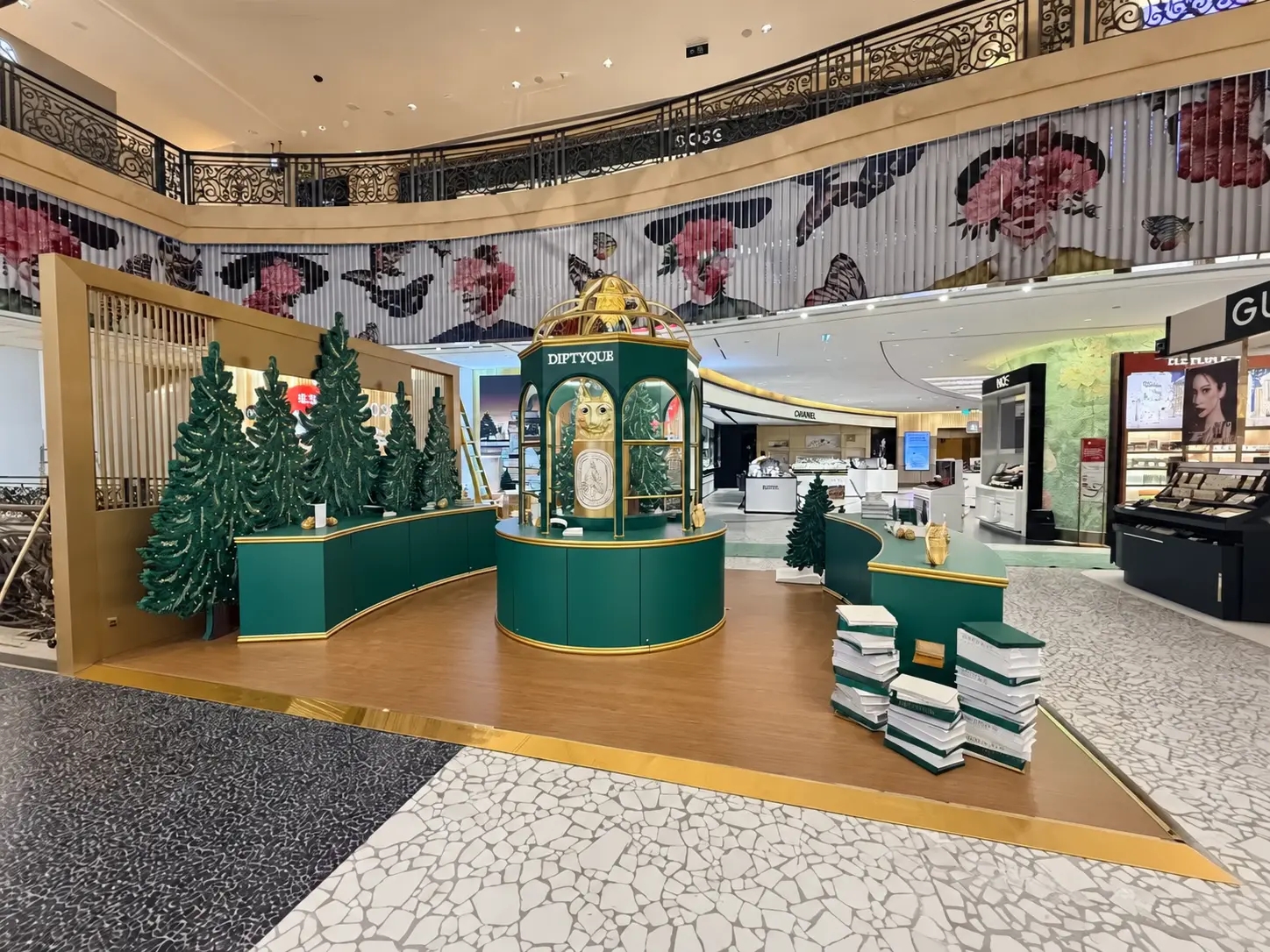
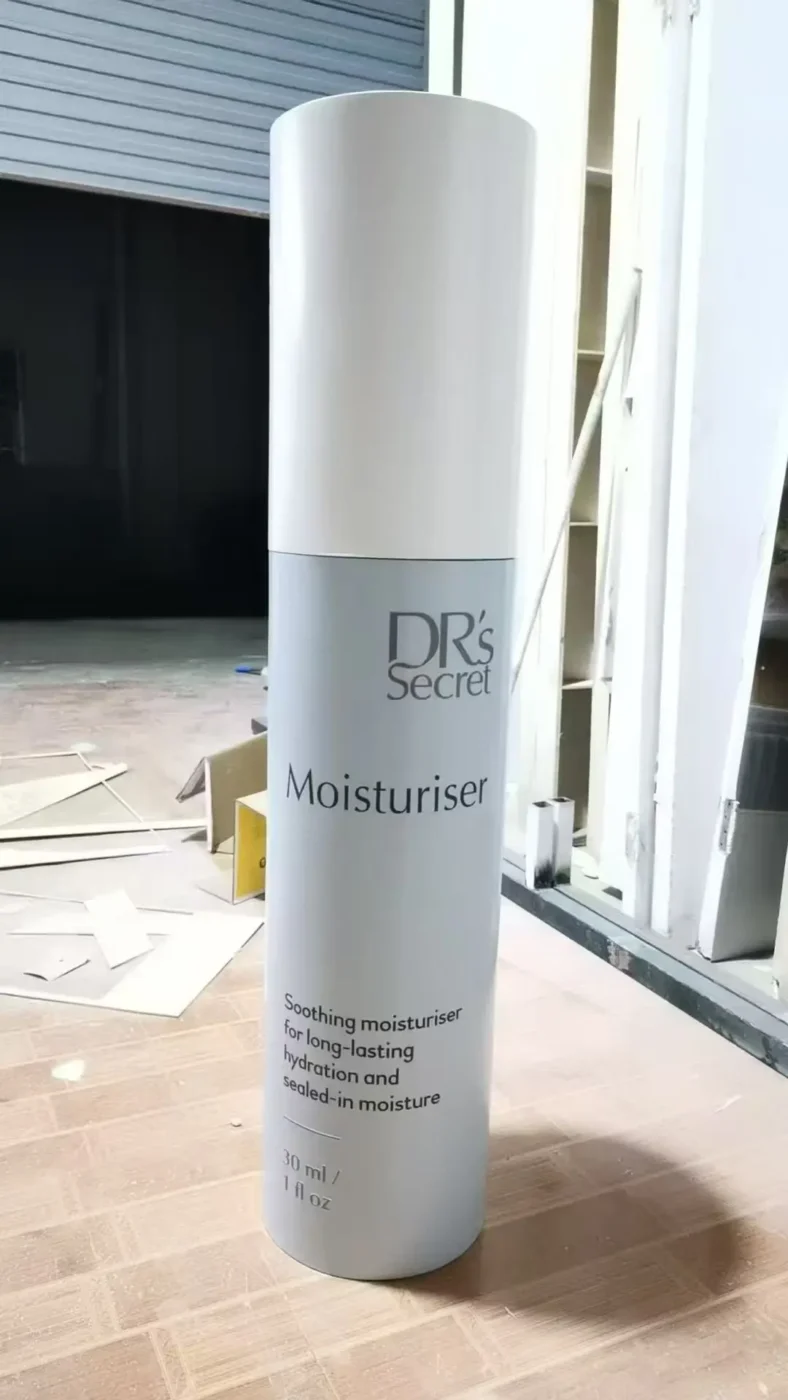
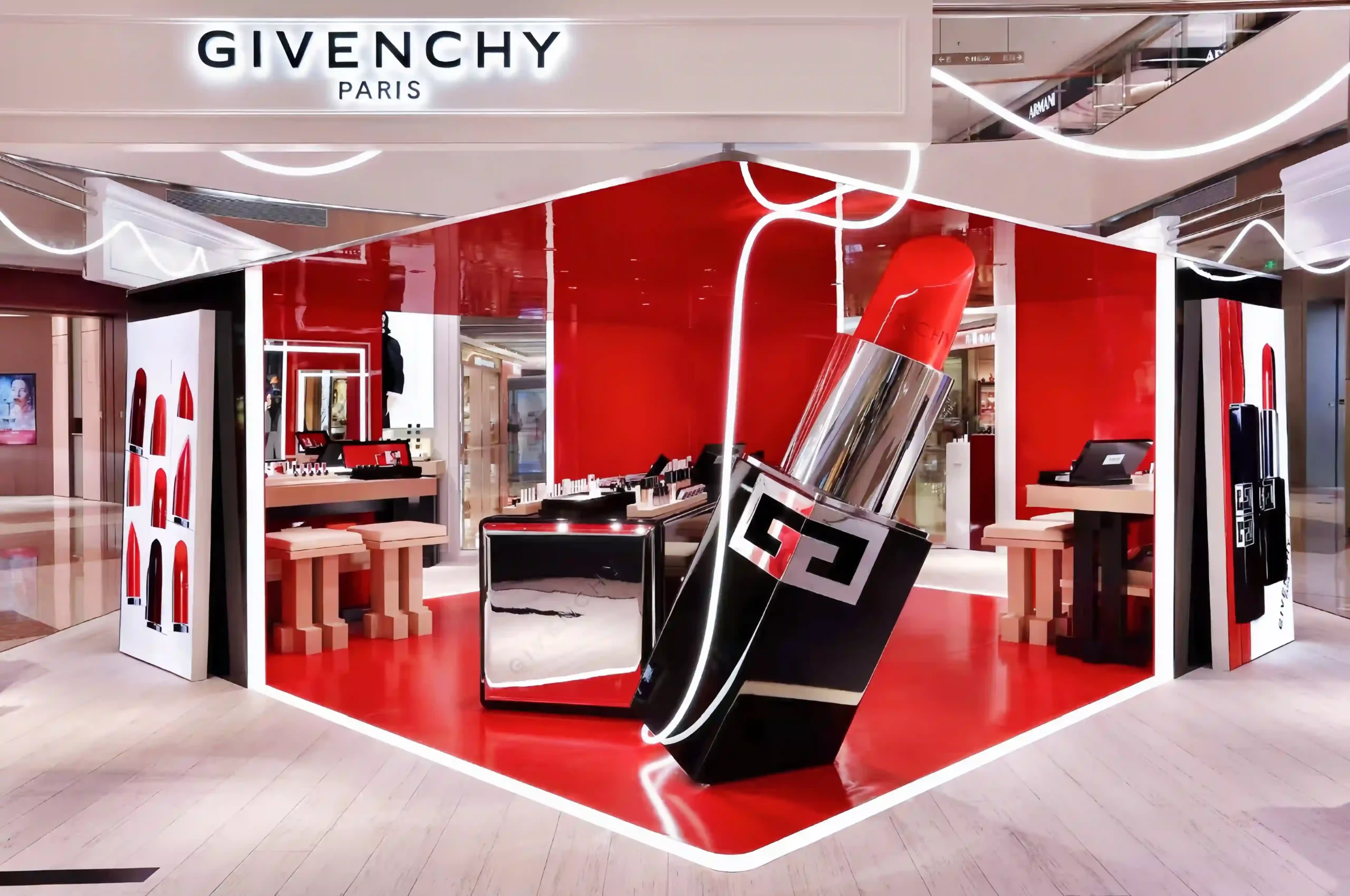
RC Group’s POS page describes point-of-sale work for luxury, cosmetics, pharmacy and publishing sectors, including sign dressings, podiums, glorifiers and displays. This is a useful reference because POS display production often sits at the center of retail conversion. Unlike a purely decorative window, a POS unit has to hold products, support staff interaction, respect brand codes and remain durable under daily use. For brands planning custom visual merchandising services, POS displays should be treated as both marketing tools and working retail objects.
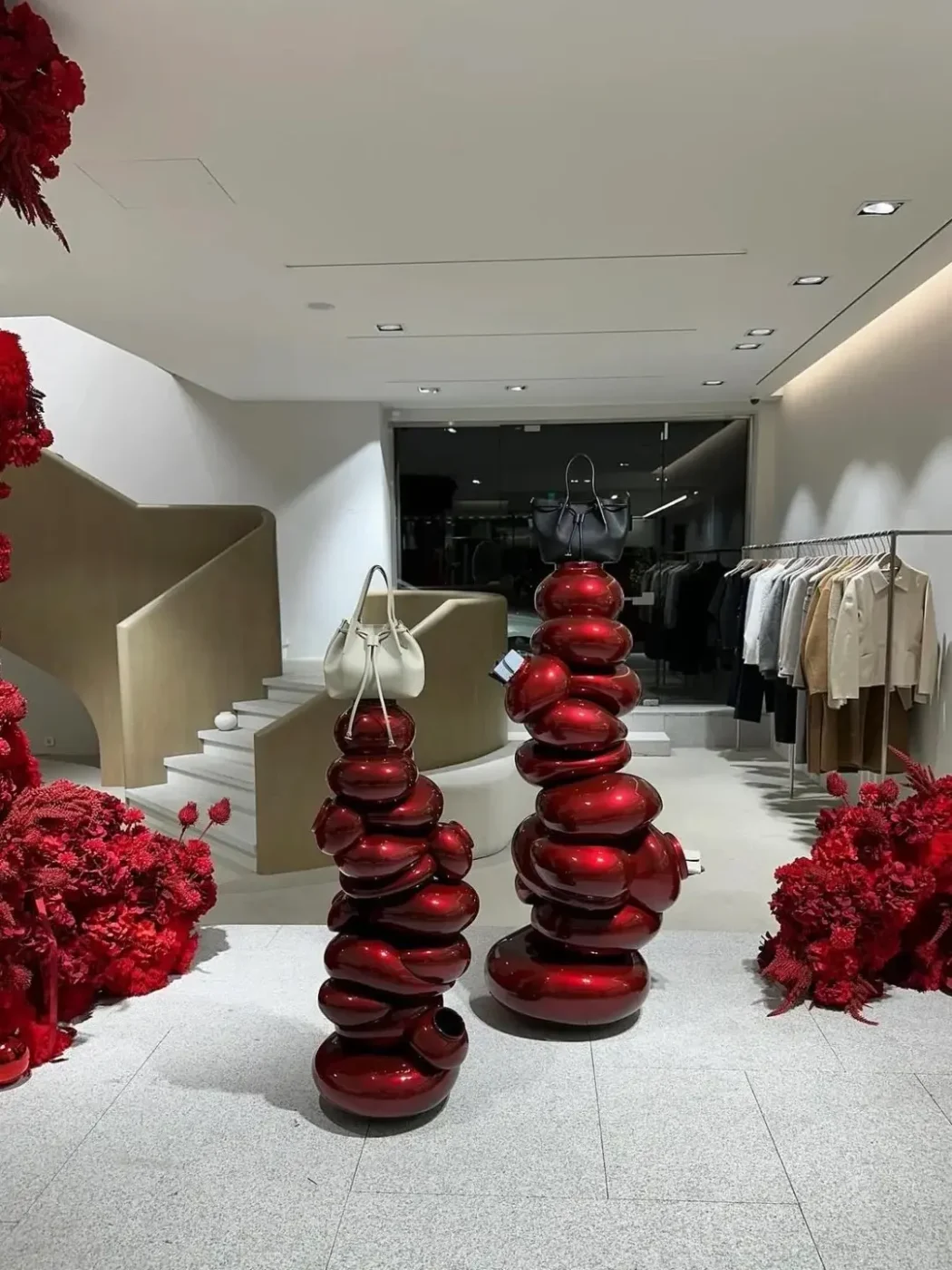
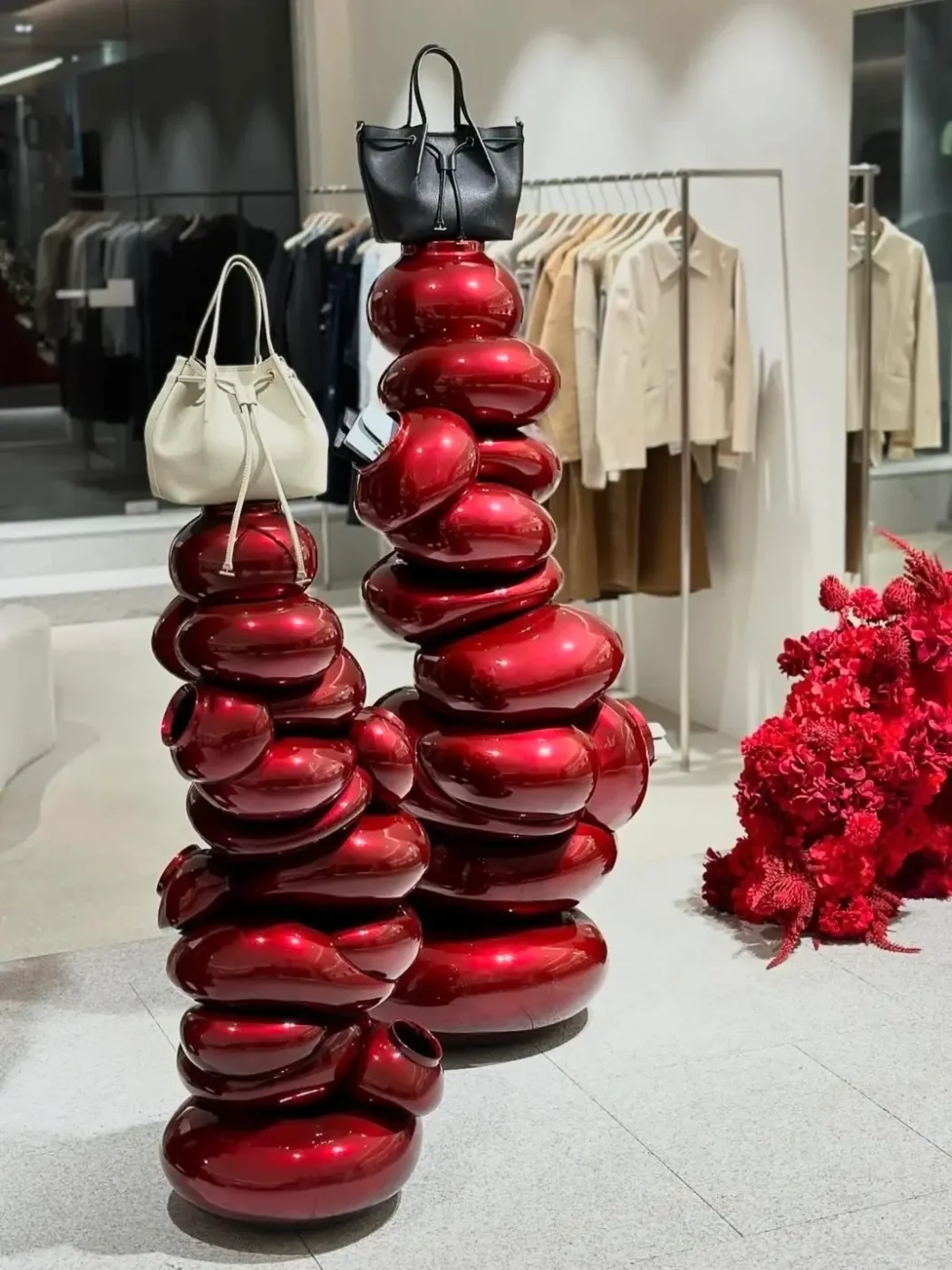
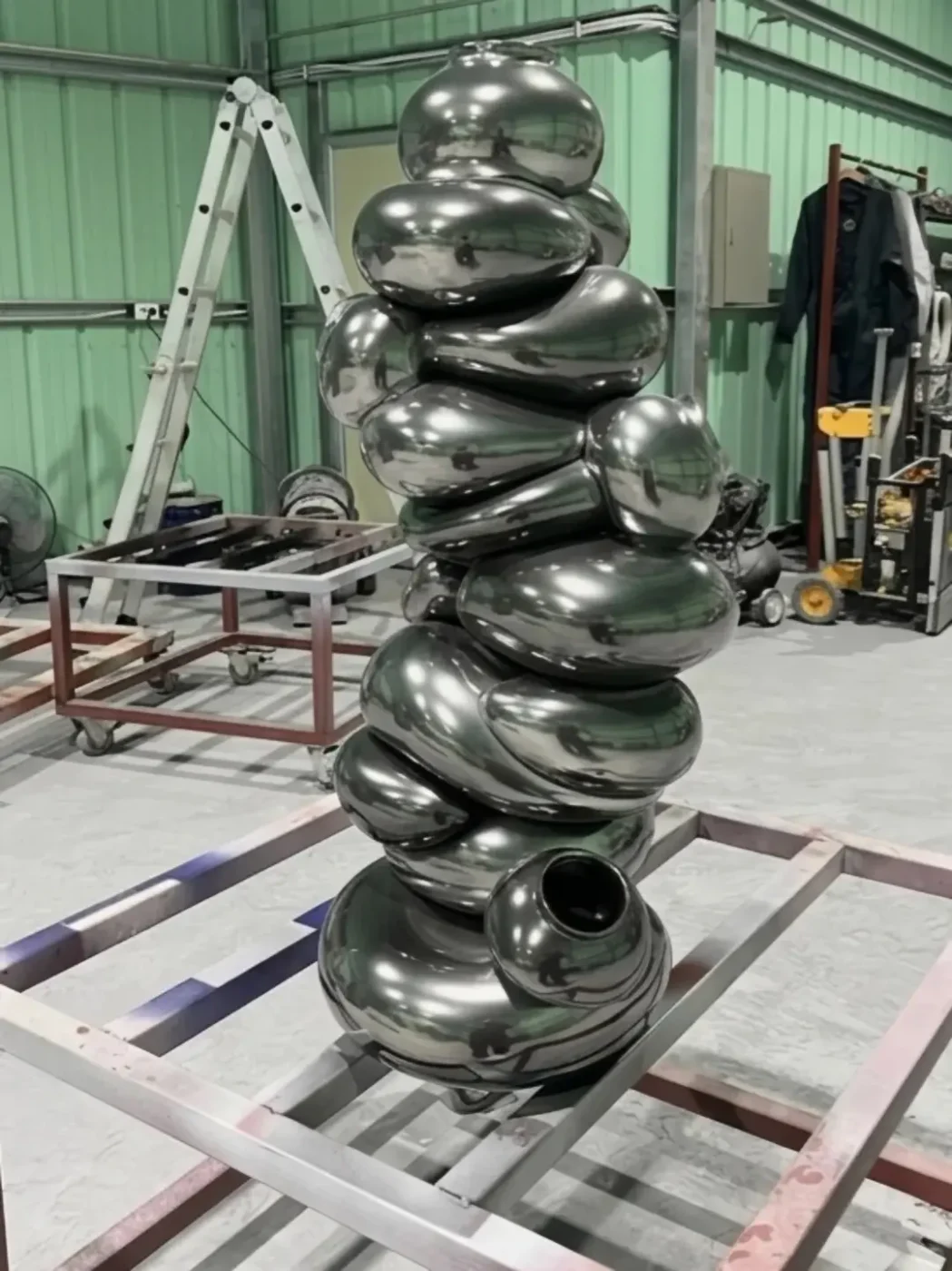
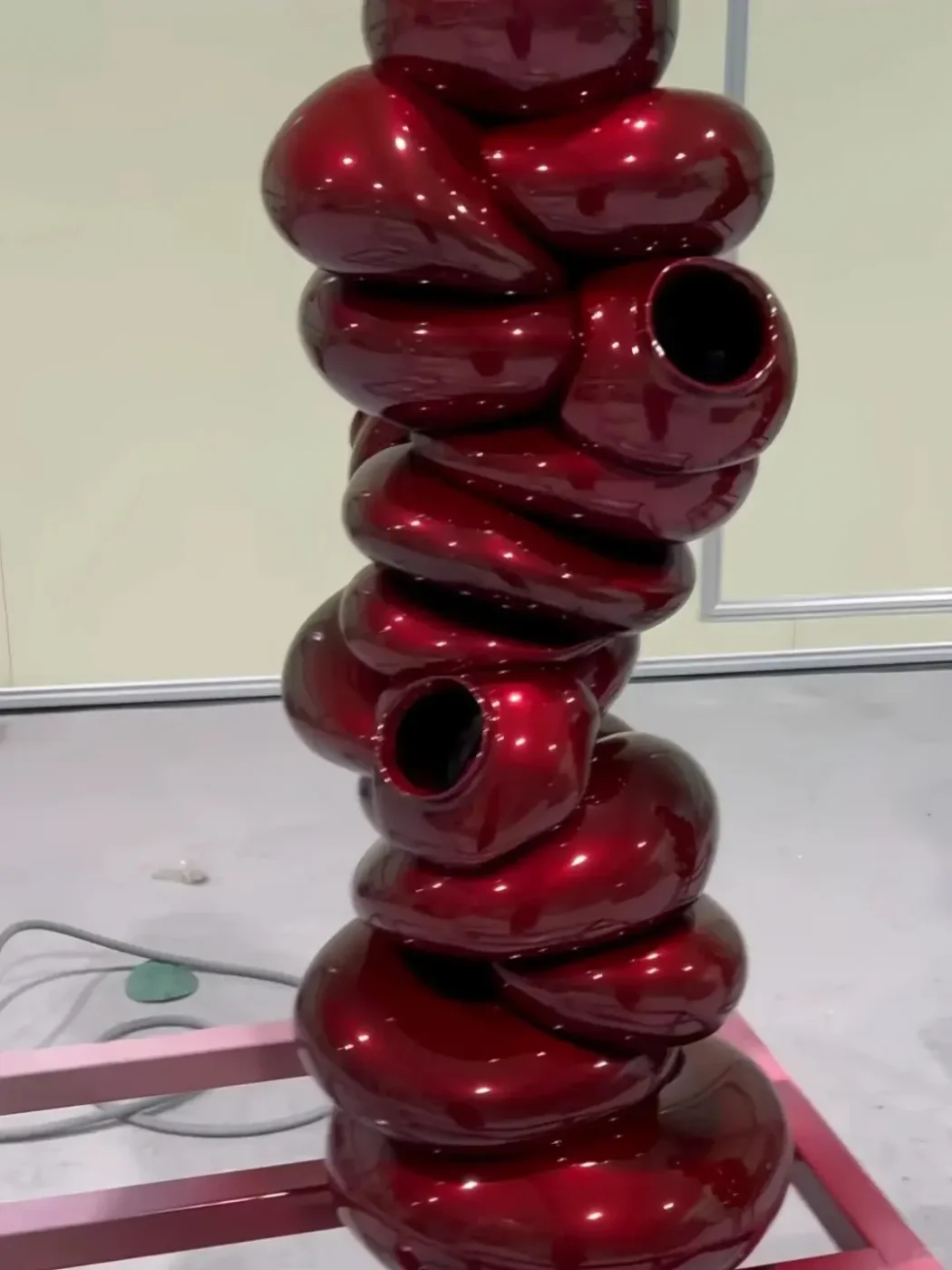
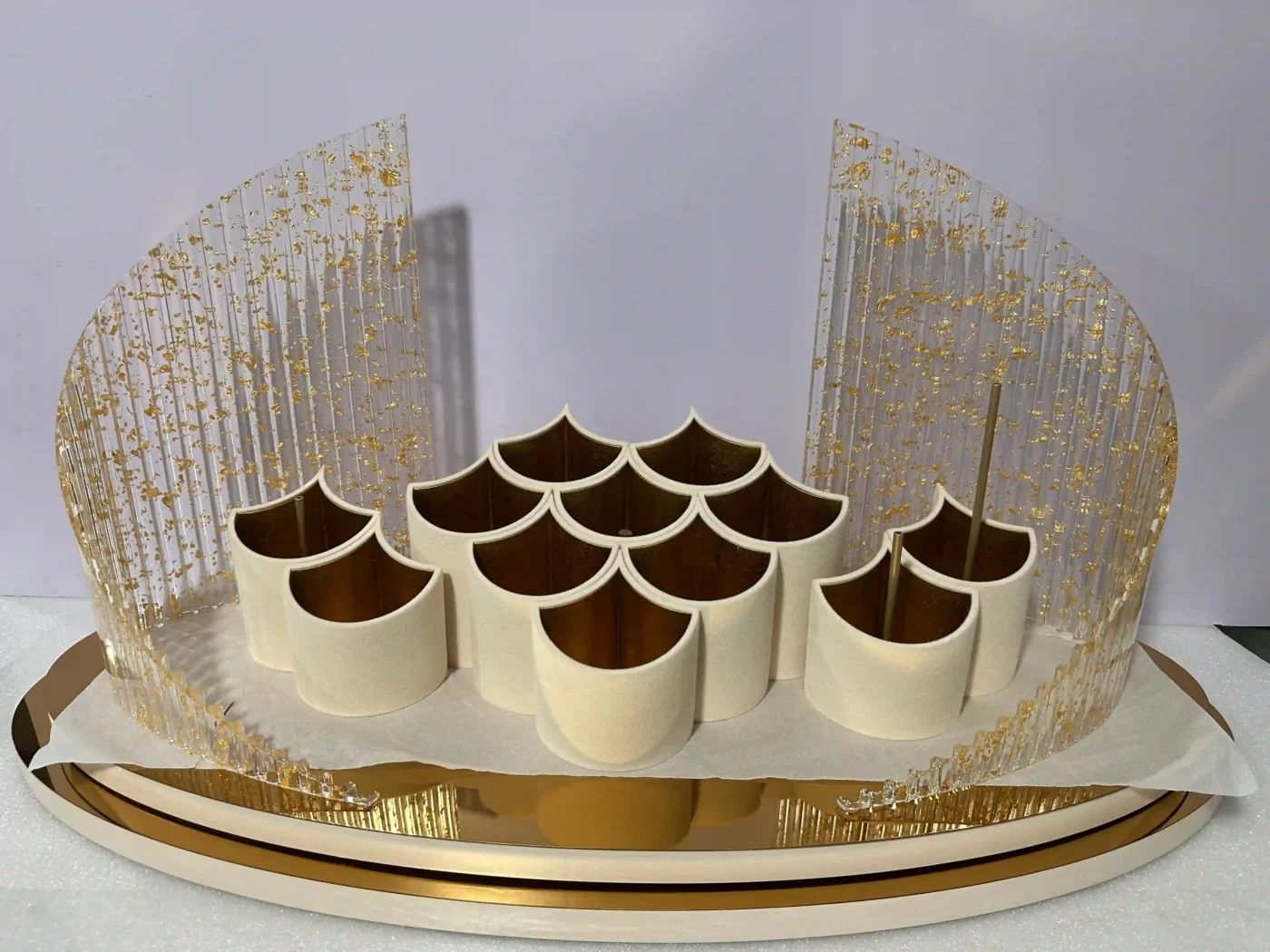
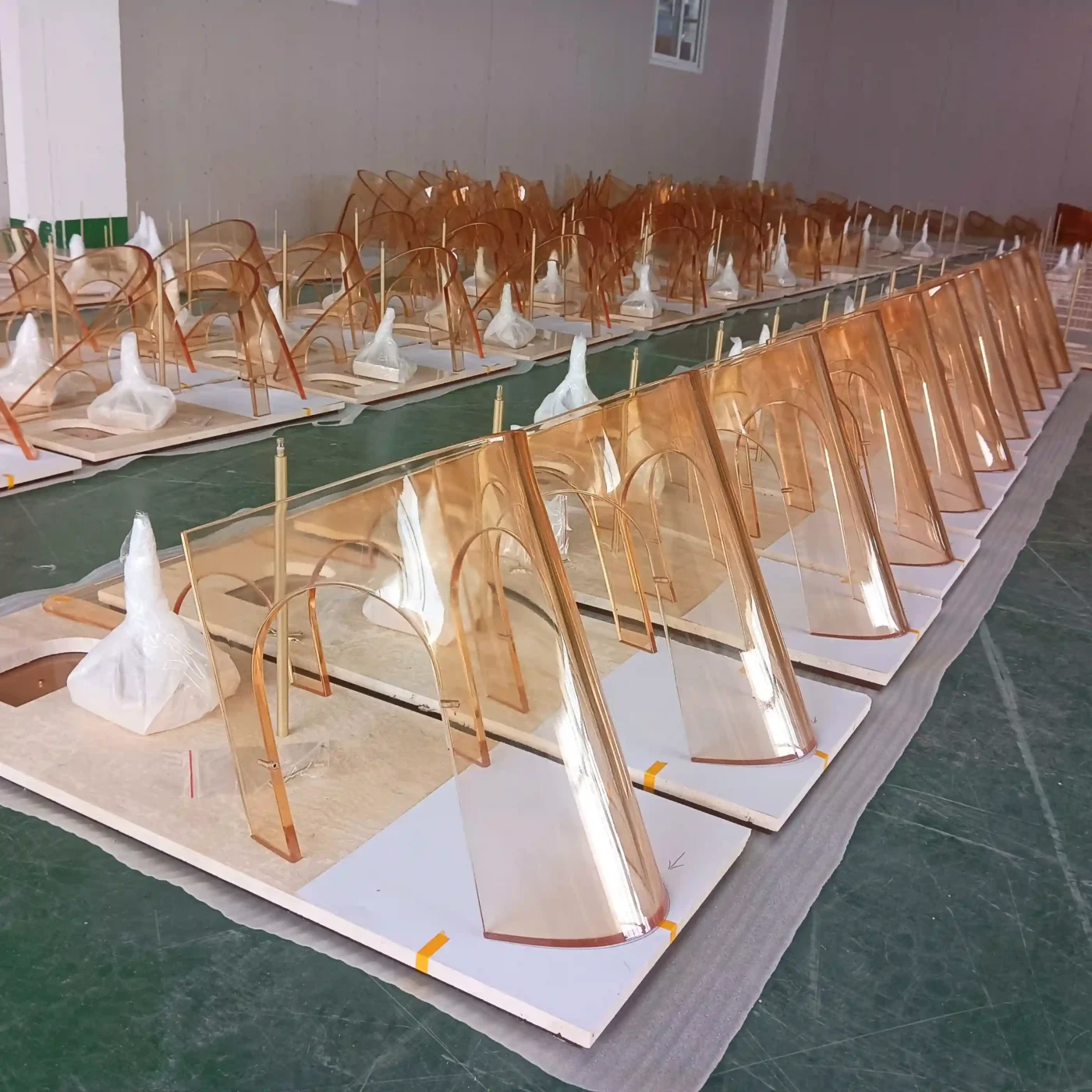
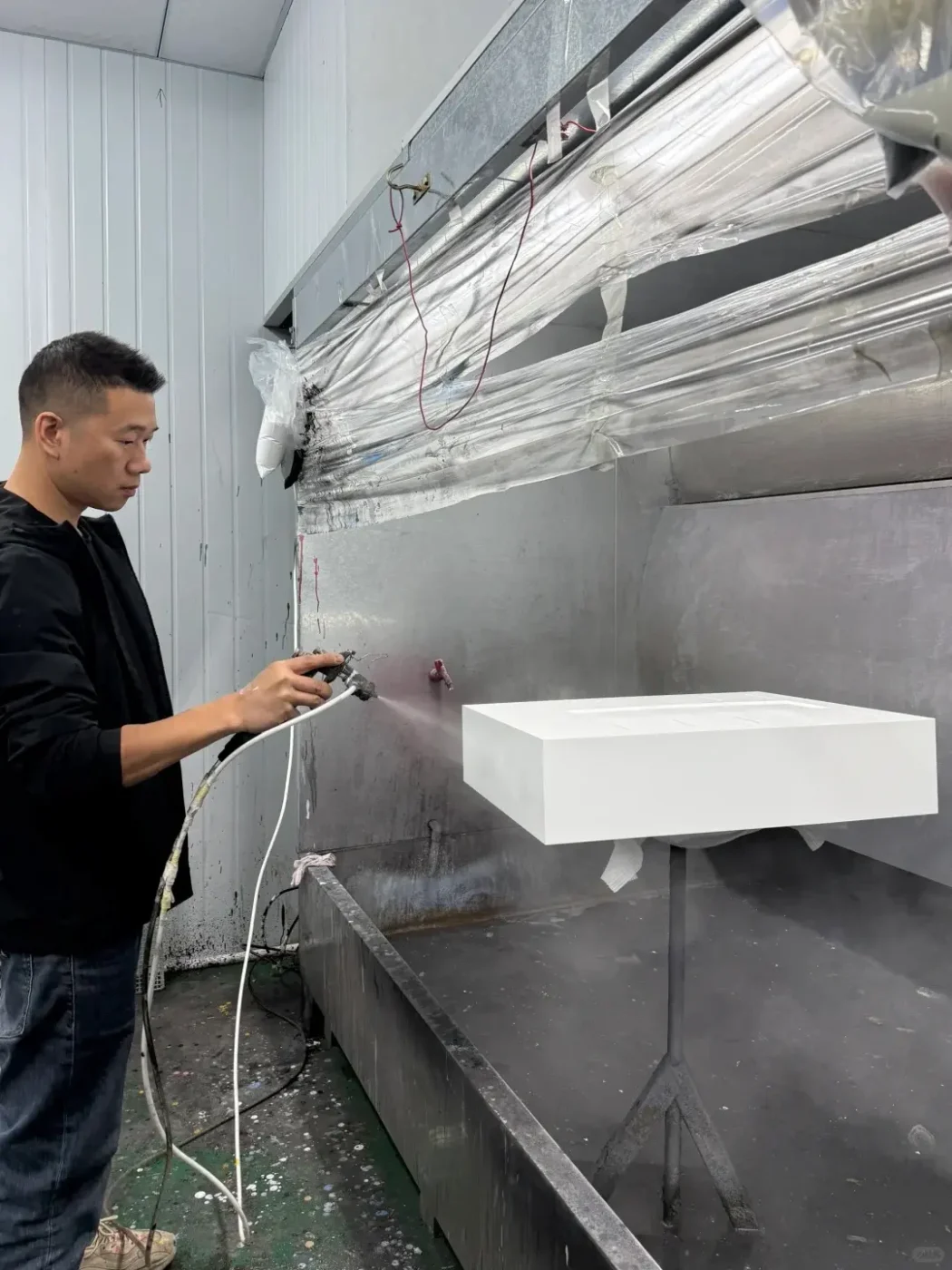
From our manufacturing side, POS displays usually need a stronger balance between beauty and practicality. A glorifier or product podium may look small compared with a full window installation, but its details are far more visible. Customers see the edge finish, logo placement, lighting color, printed graphics and product alignment from less than an arm’s length away. In our own workshop, this is where we spend disproportionate QC time: flame-polished acrylic edges, seamless glue joints, and LED diffusion panels checked against the brand’s approved color temperature before packing. That is why custom acrylic display props are often the backbone of premium POS projects, especially when brands need transparency, color effects, LED diffusion and clean product presentation.
From One Prototype to Series Rollout: Why Production Thinking Changes
RC Group’s public page also mentions small and large series POS production. This matters because the production thinking changes fundamentally when a project moves from one prototype to many retail locations. A single hero display can be adjusted by hand on the bench. A series rollout cannot. It needs consistent molds, repeated color standards, stable packaging and documented QC — every unit in Tokyo must match every unit in Paris.
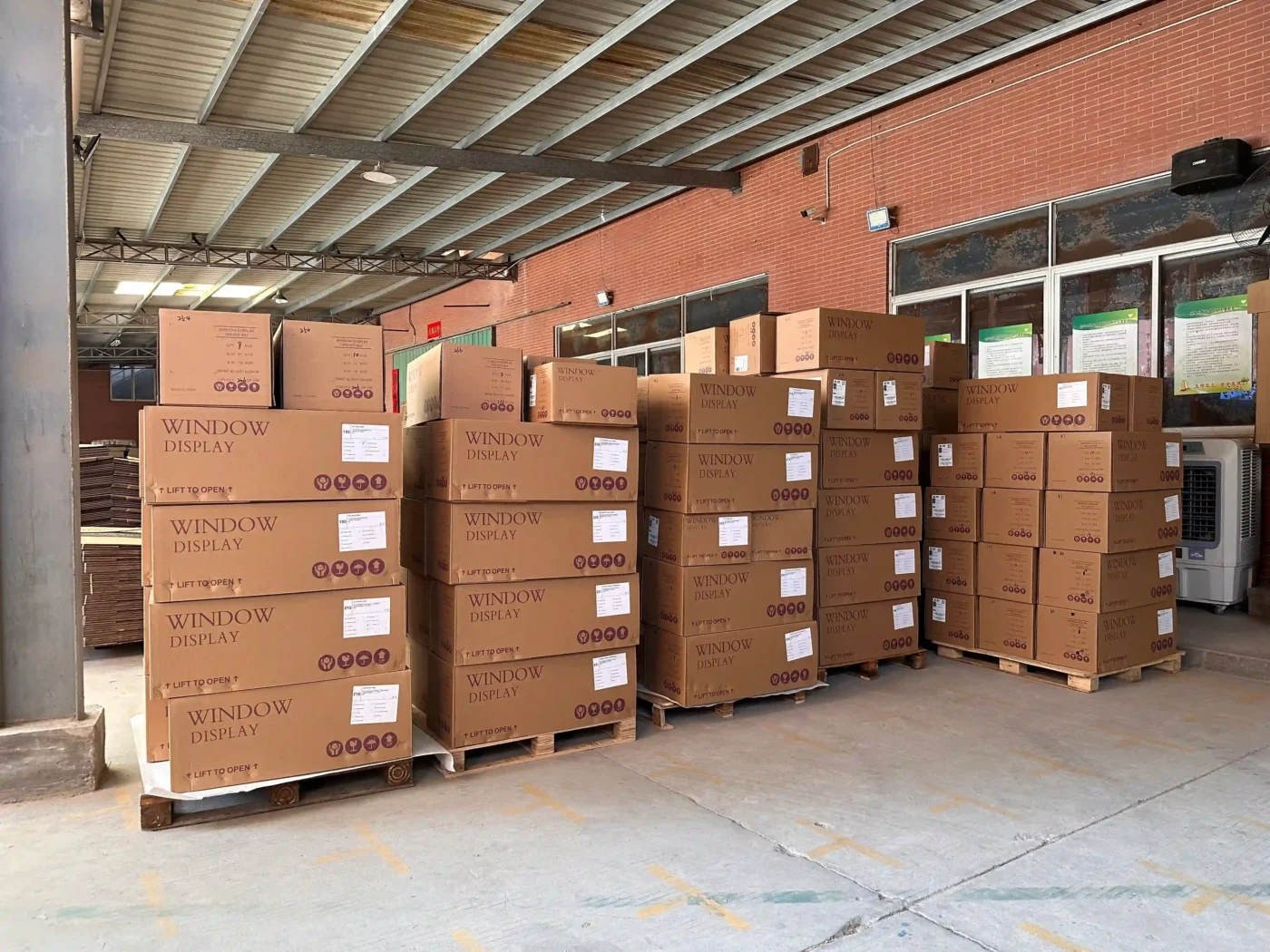
In our own series work for luxury retail clients, three controls make or break a rollout: a signed-off golden sample that every batch is checked against, written color and finish standards (paint codes, plating levels, gloss values) rather than verbal approvals, and a packing method validated by drop-testing before mass packing begins. This is where display props engineering and pre-production review becomes systematic instead of artisanal: the same display reproduced across multiple counters, stores or markets is a manufacturing program, not a craft project.
Window Displays: A Different Production Logic
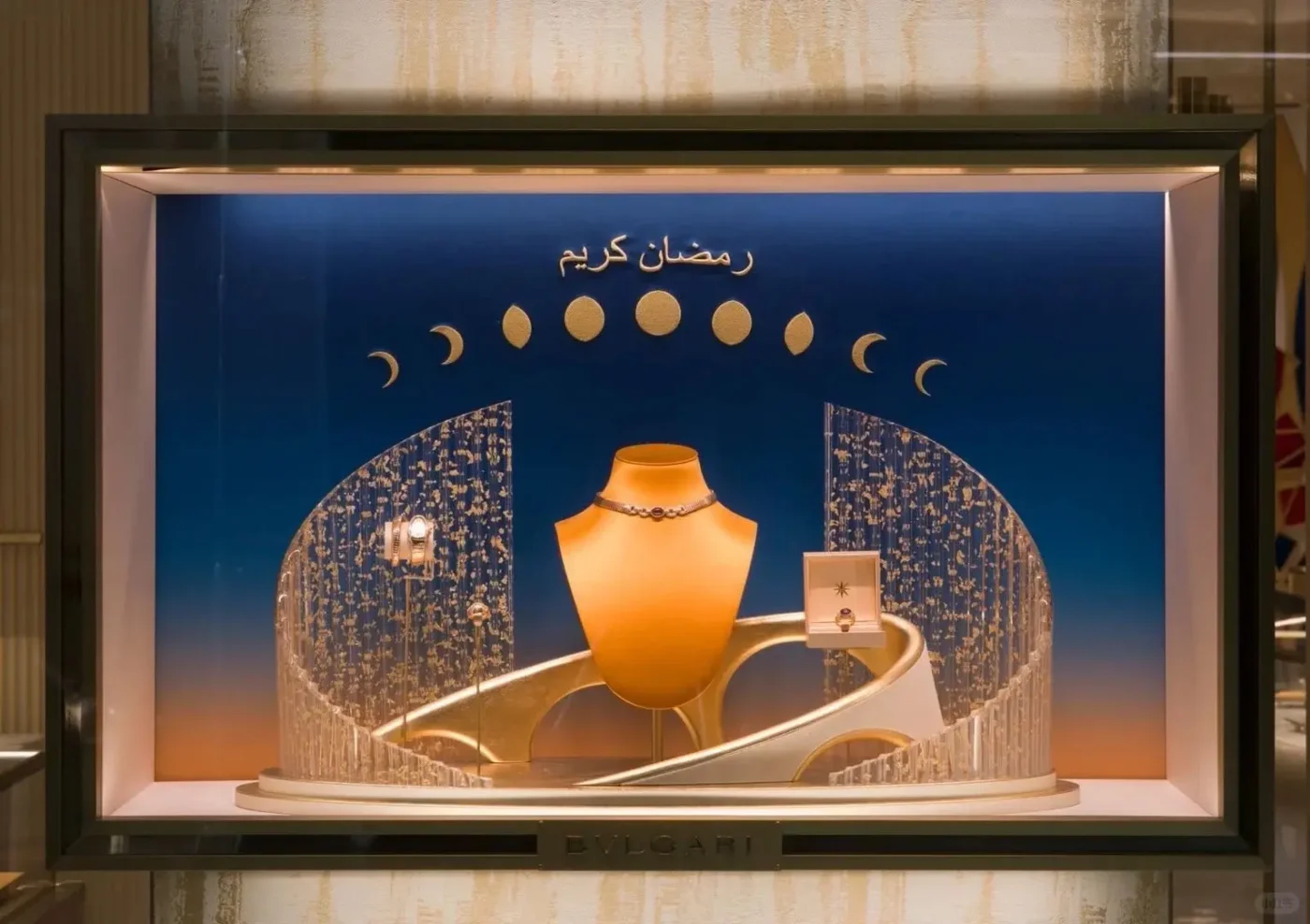
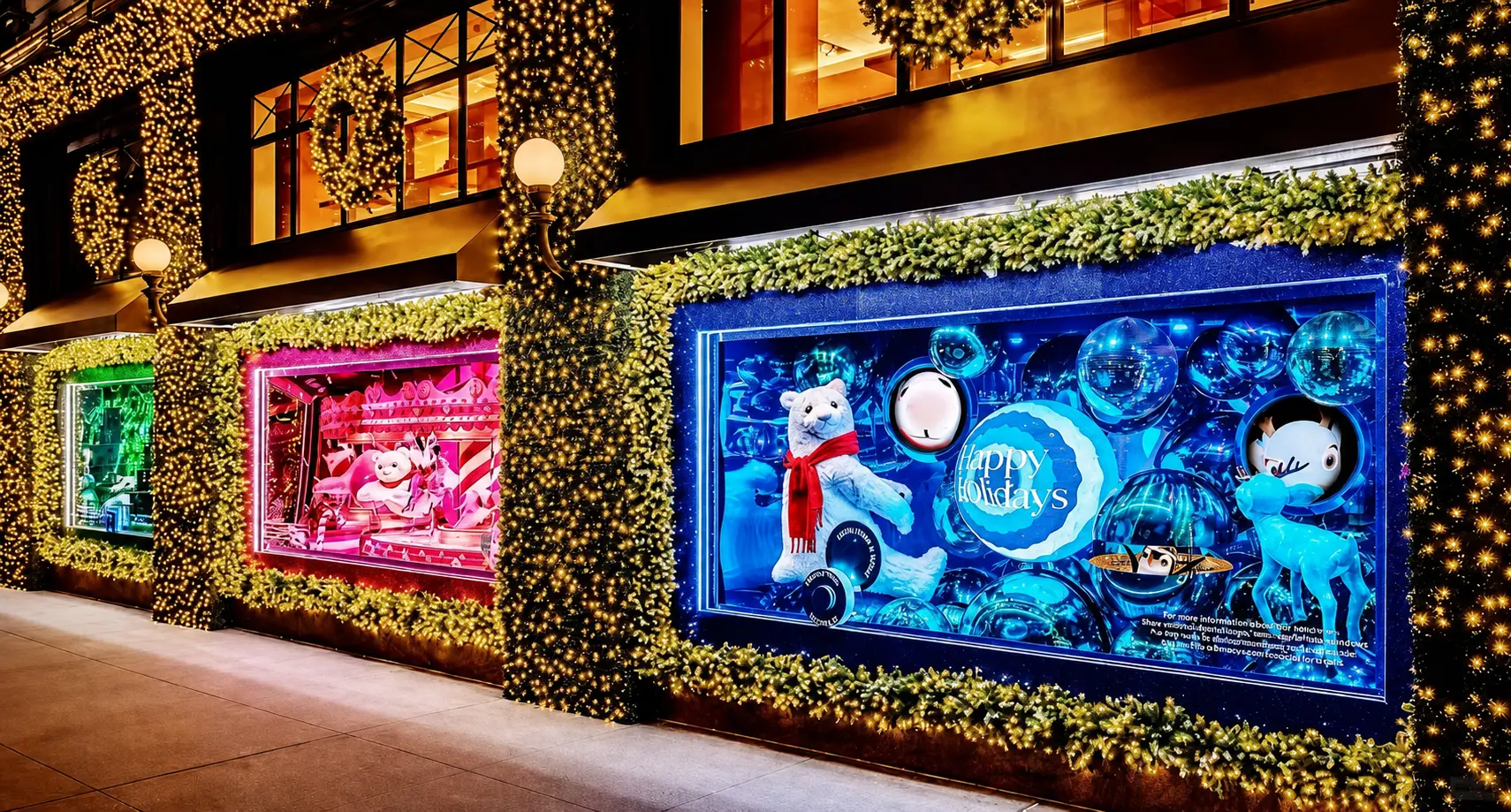
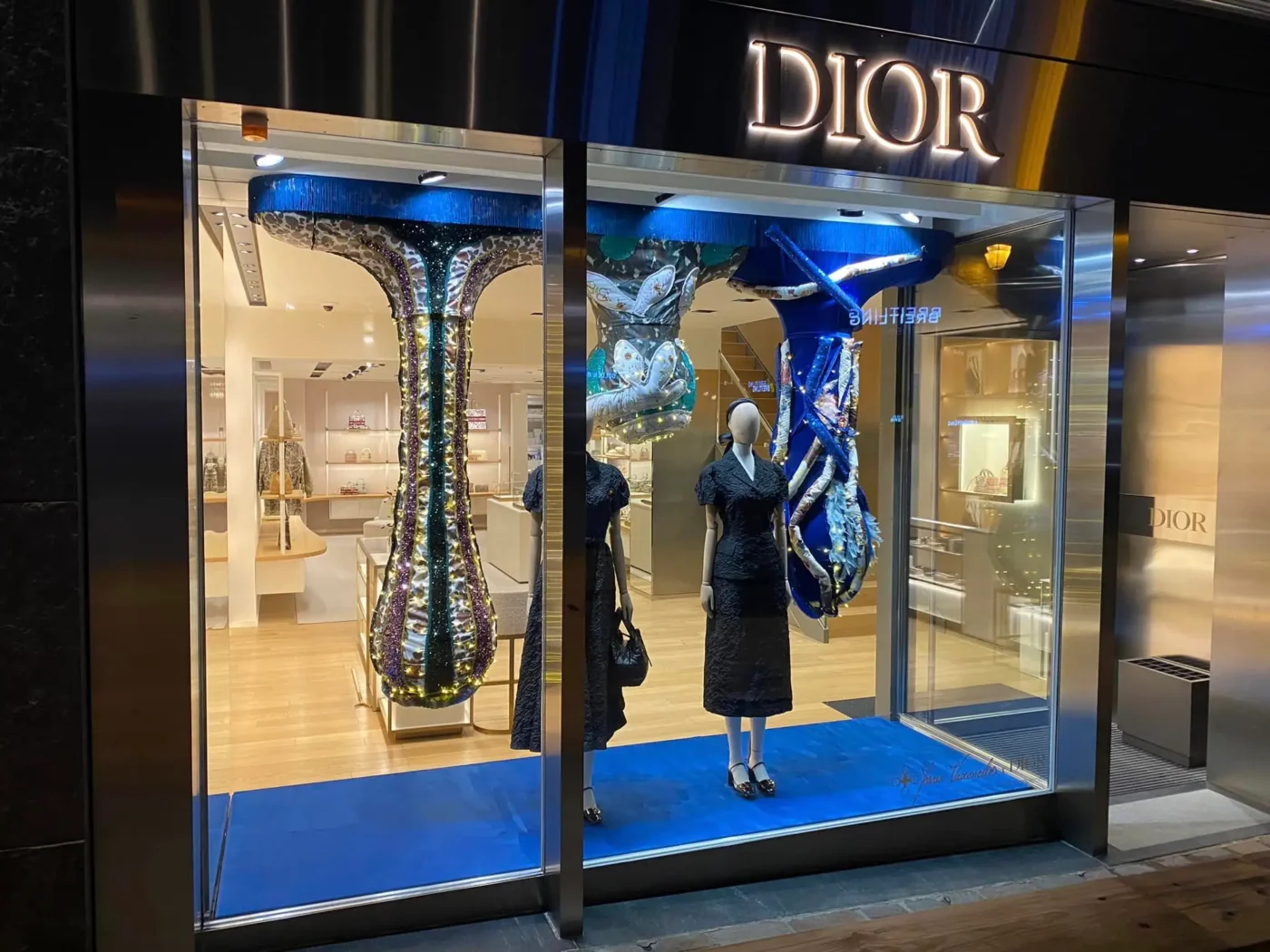
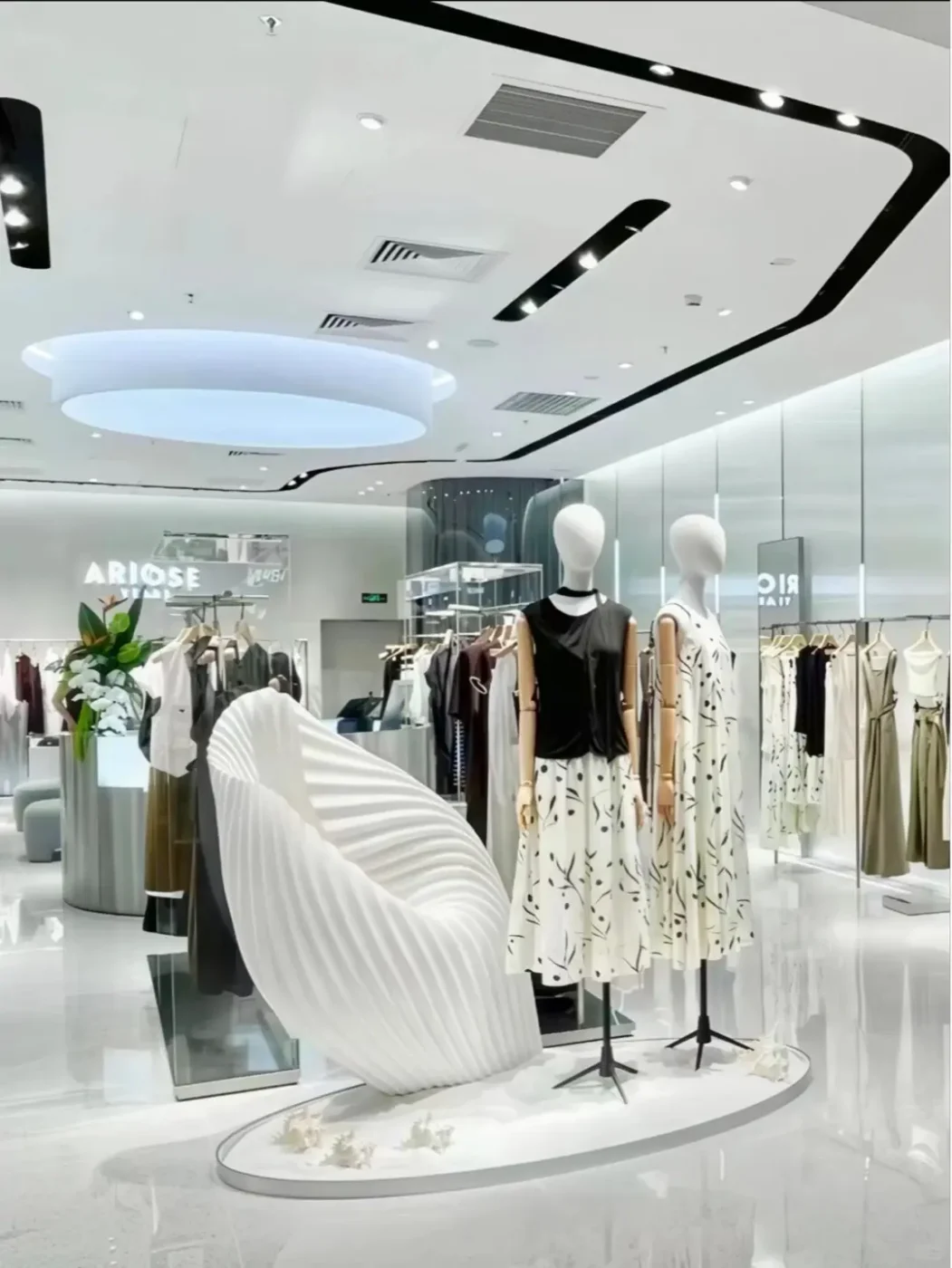
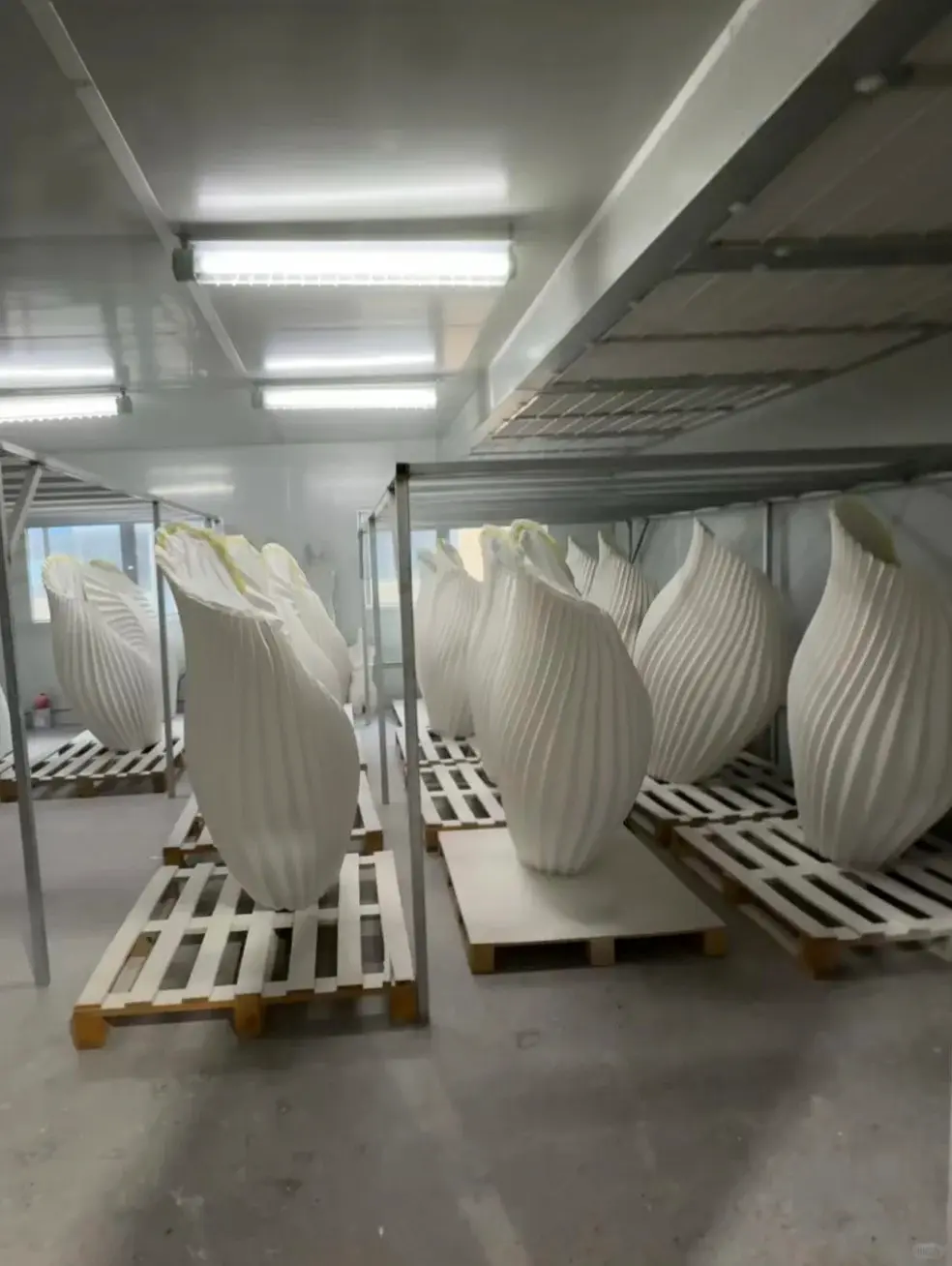
RC Group’s Windows page gives useful context for luxury fashion window projects, pop-ups, pop-ins, road shows and international installations. Window display production is different from POS display production because the first goal is usually visual impact from a distance. The display must stop people, communicate quickly and create a brand atmosphere. In our work with custom window display props, we often think in layers: large hero forms, product supports, background structures, lighting access and safe installation details.
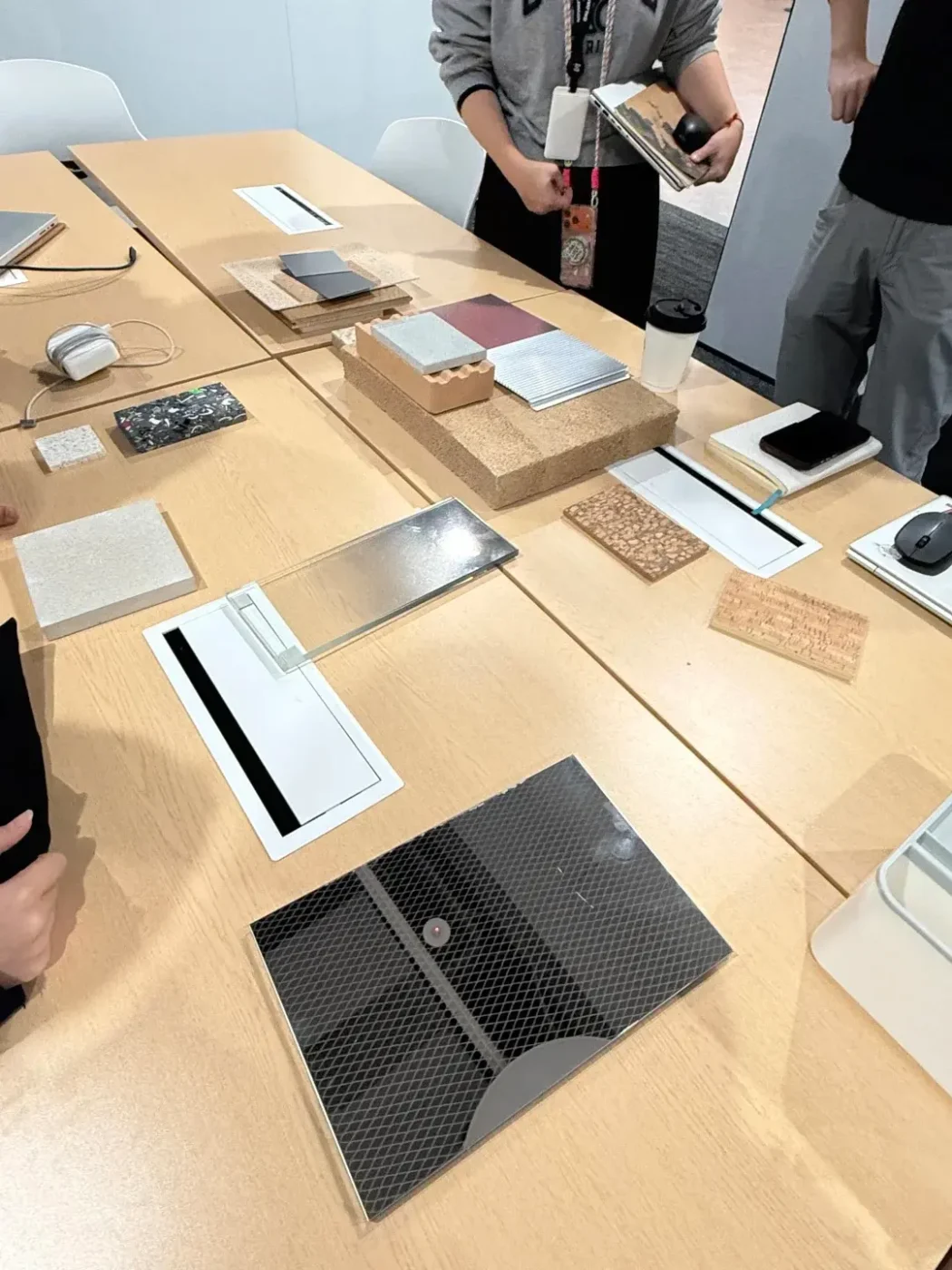
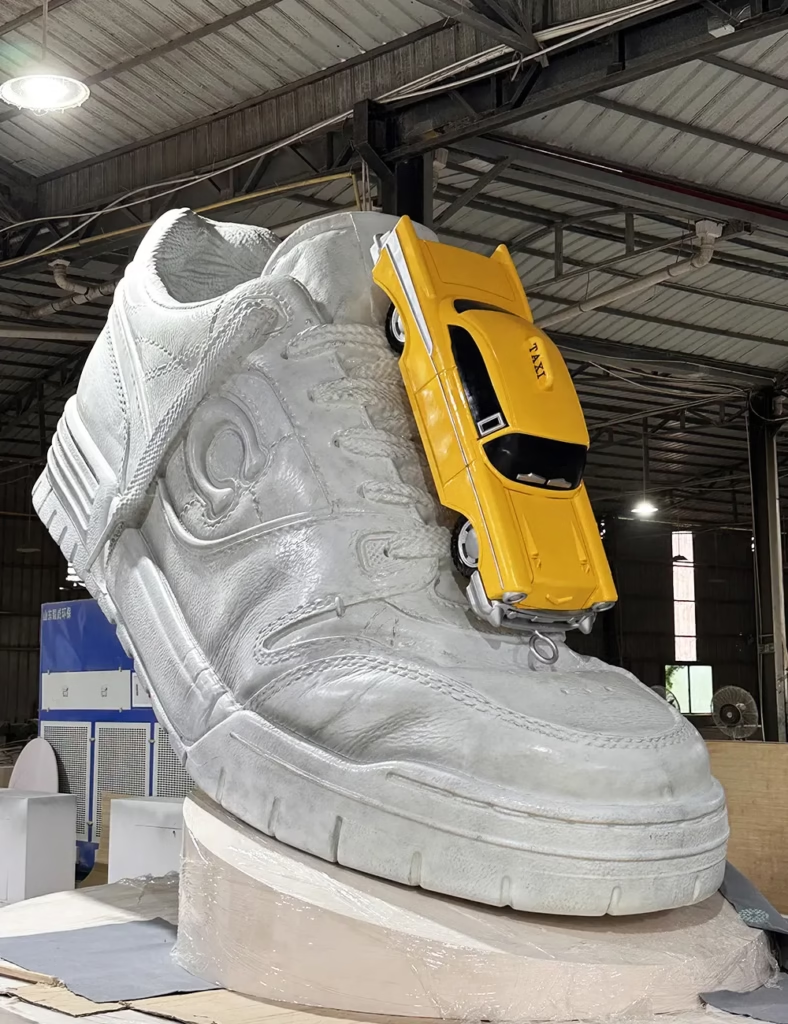
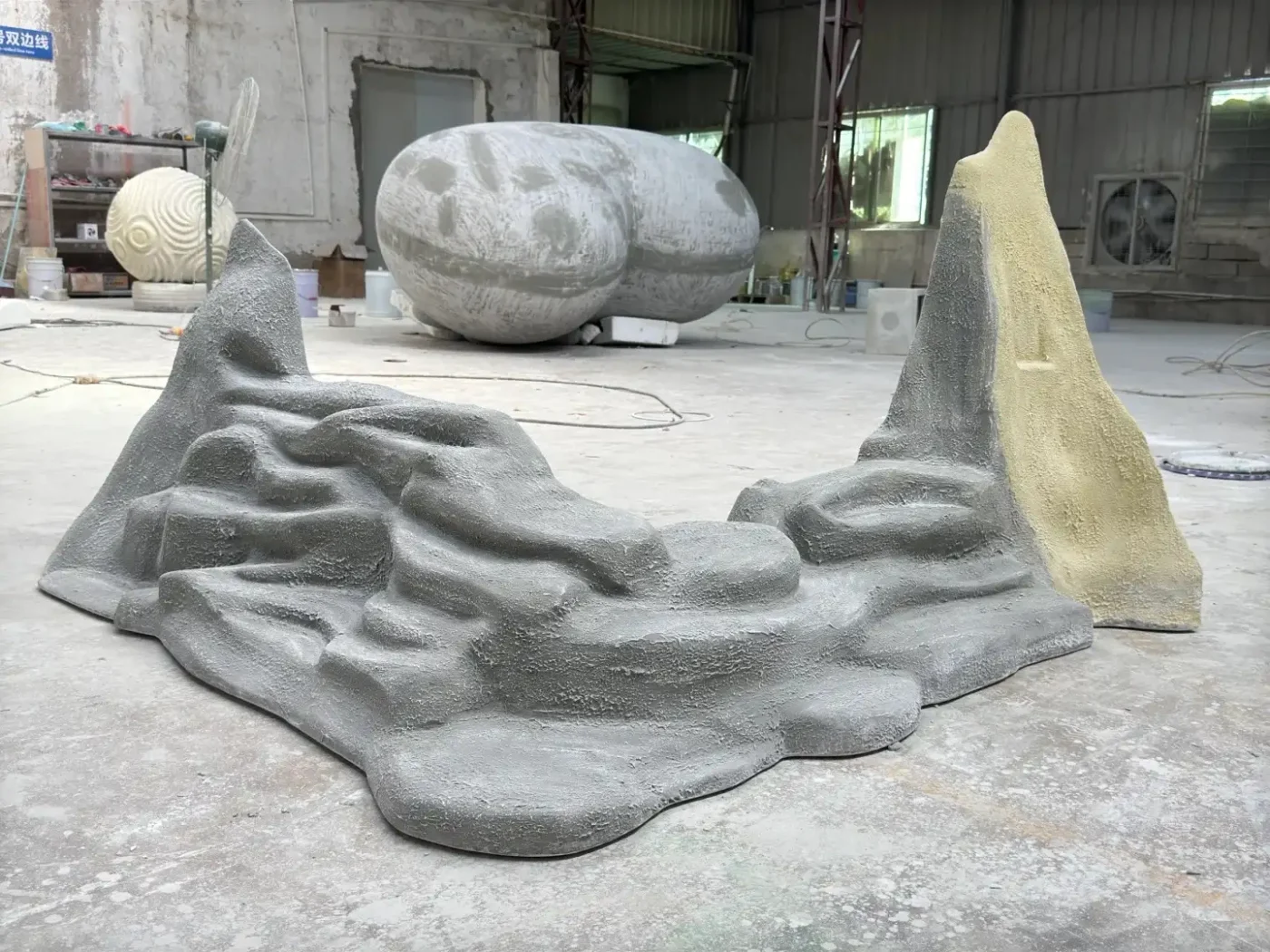
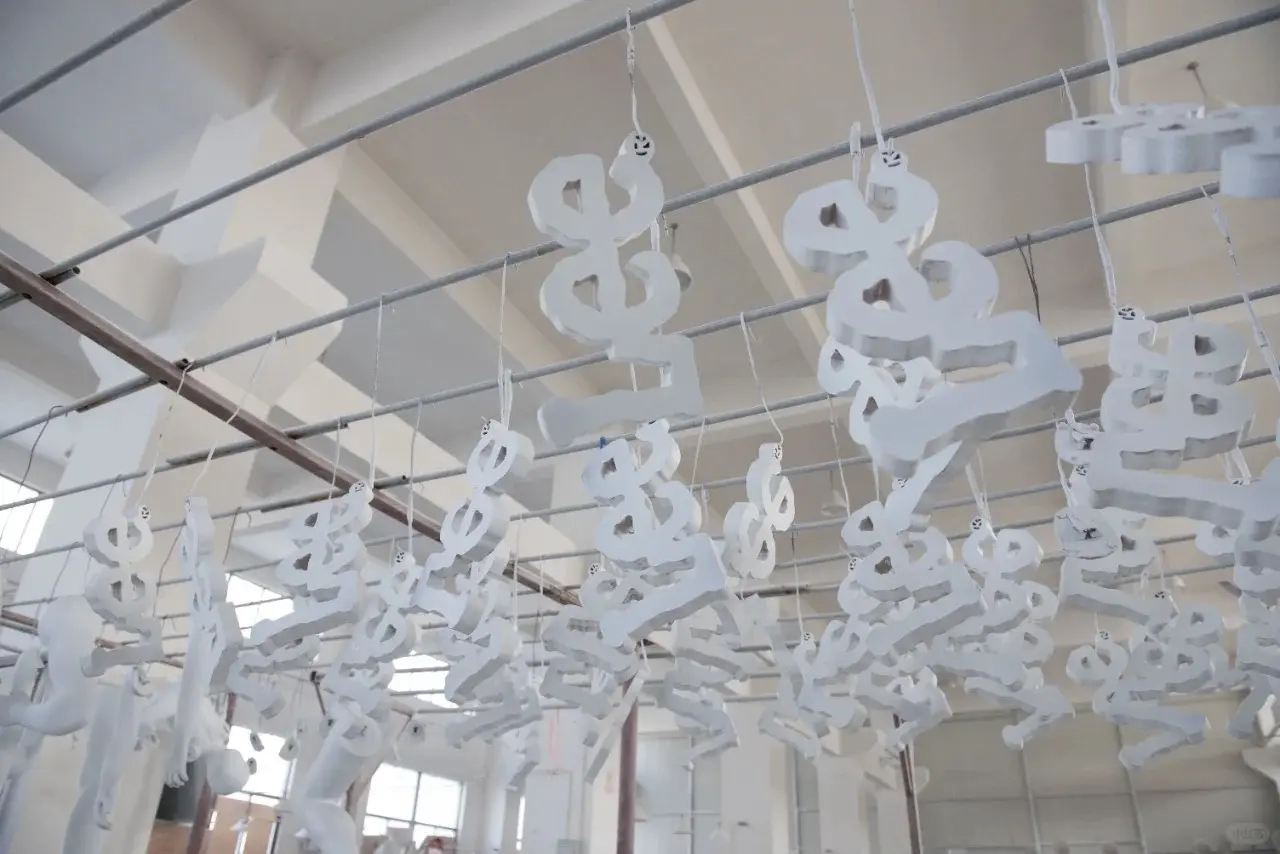
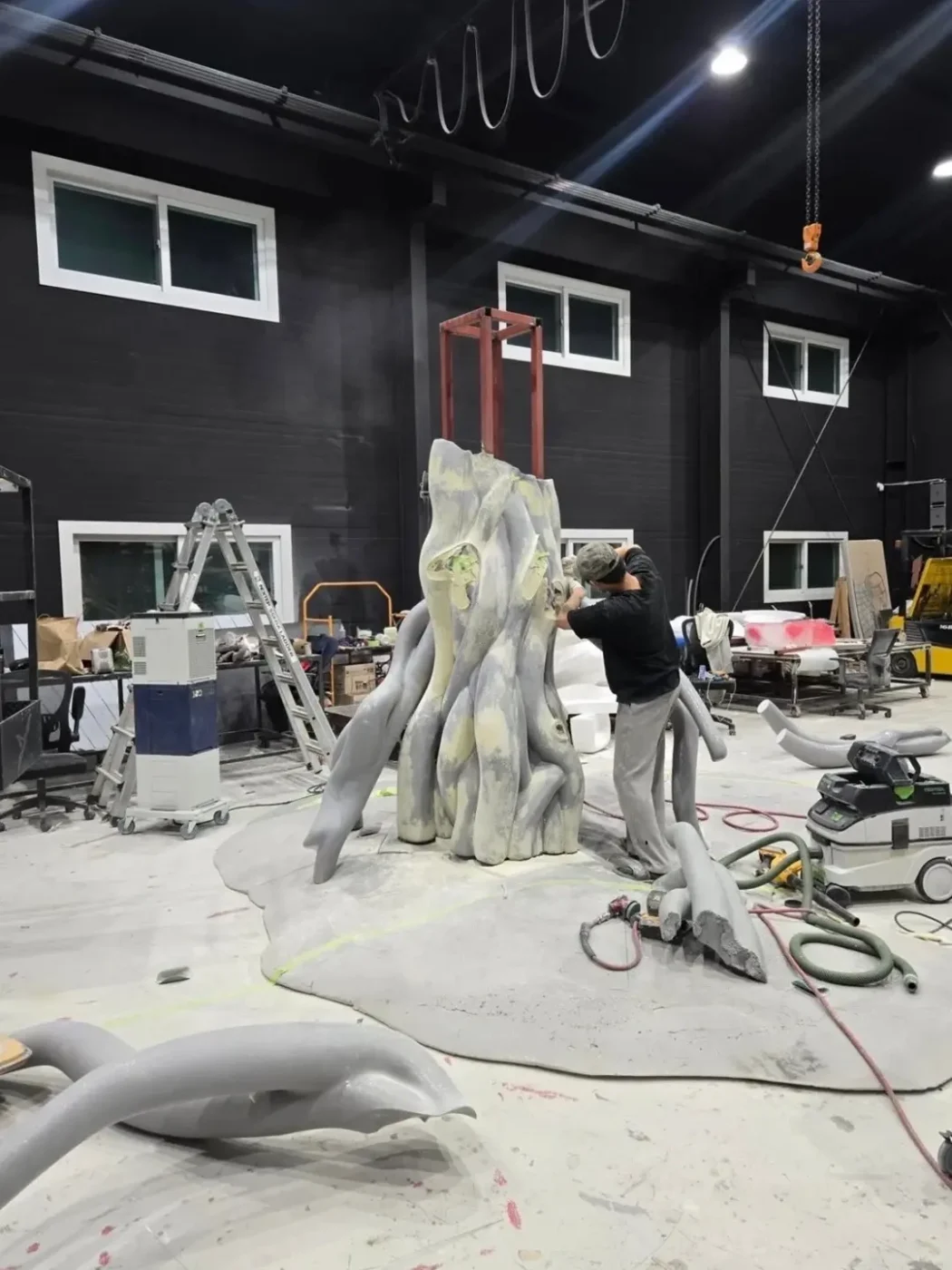
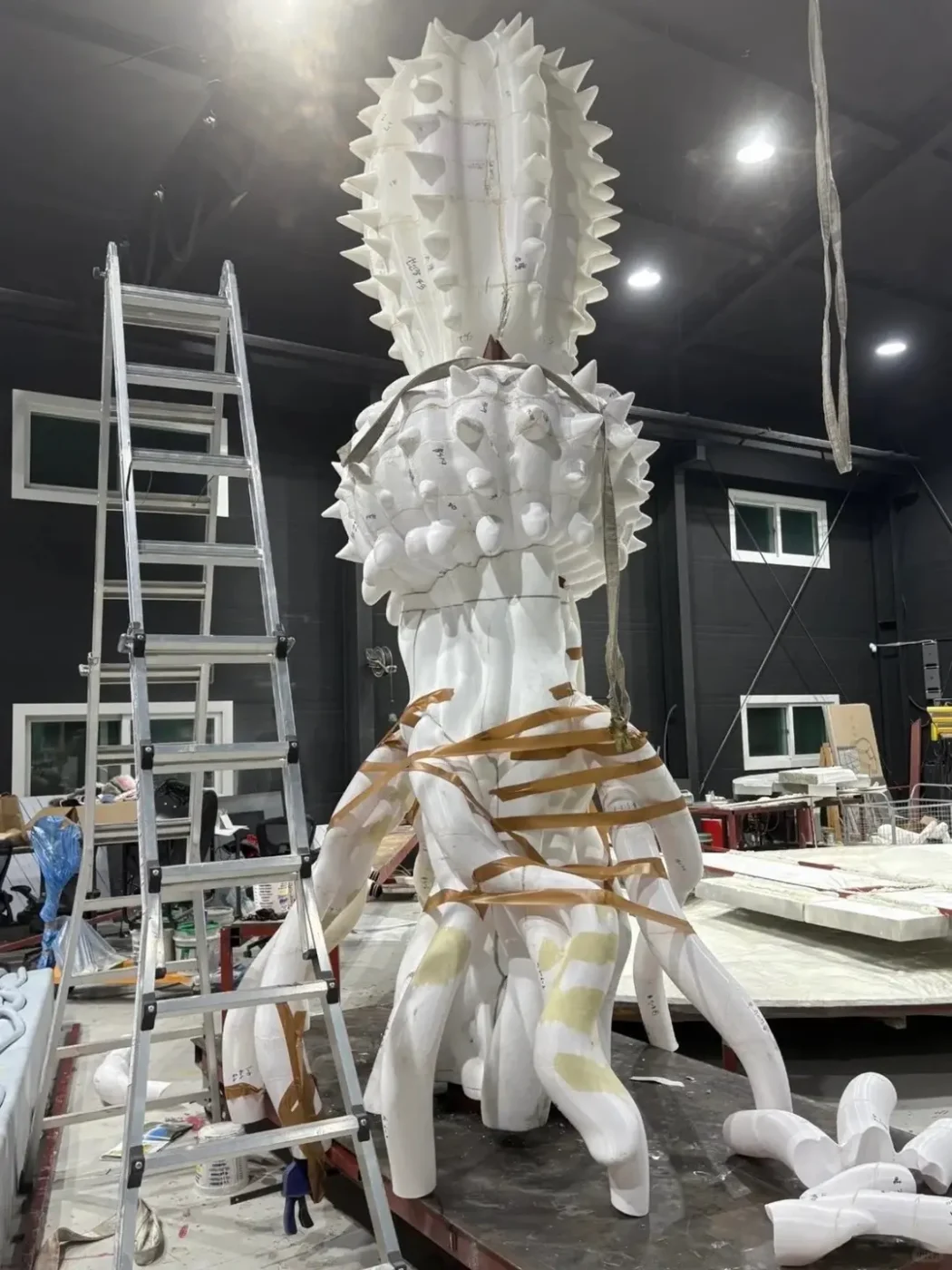
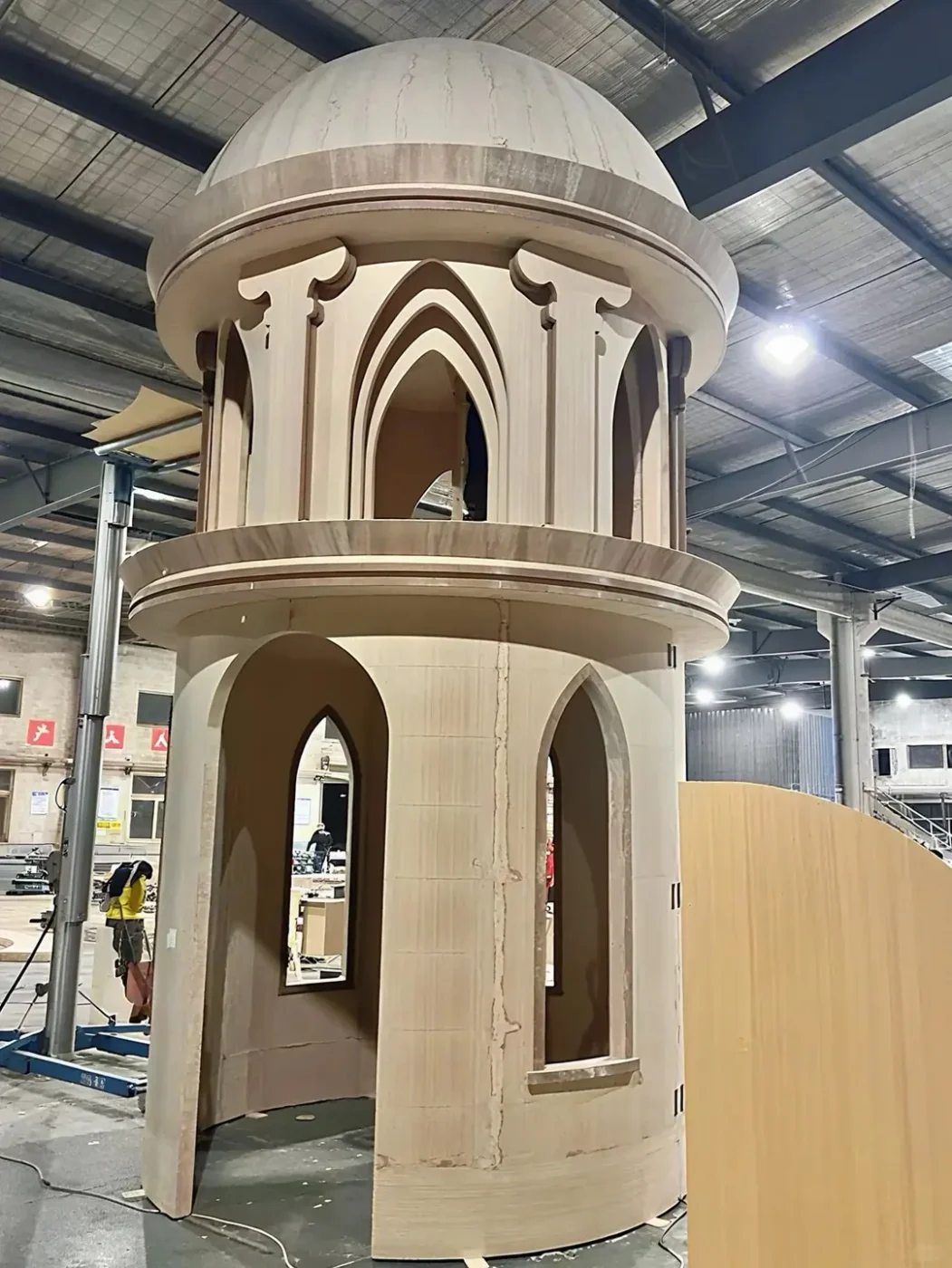
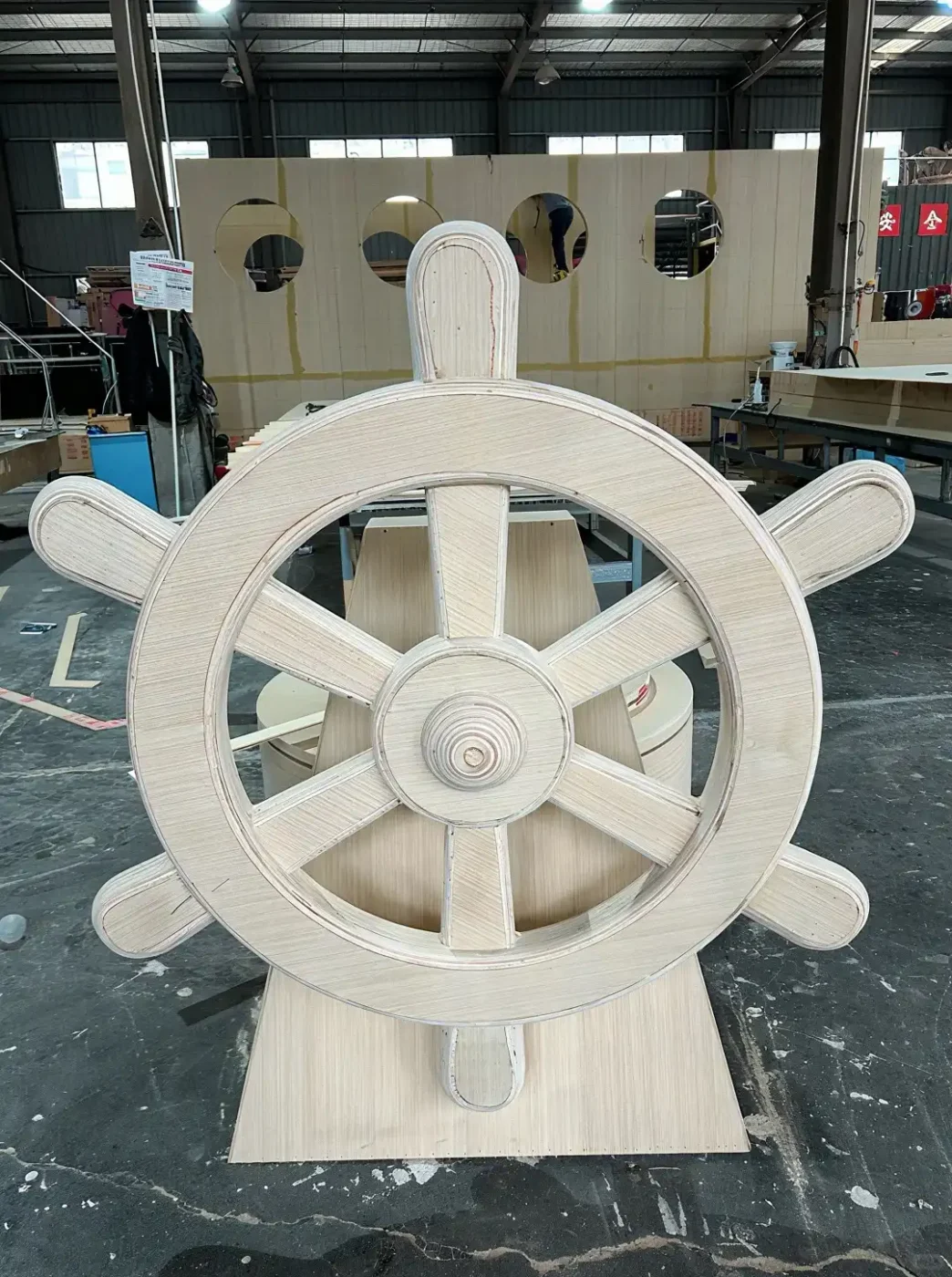
For luxury windows, multi-material production is often unavoidable. FRP can create sculptural volume. Metal provides strength and premium finishing. Acrylic supports transparency, light and polished edges. Wood builds architectural structure. Textile, resin, paint, mirror and printed graphics add atmosphere. A strong retail display manufacturer needs to understand how these materials behave together — how FRP shrinks as it cures against a metal frame, how plated finishes react to adhesives, how mirror acrylic scratches in transit — especially when the final display must be shipped internationally and assembled on site by different teams.
High-End Merchandising Is a System, Not a Single Craft
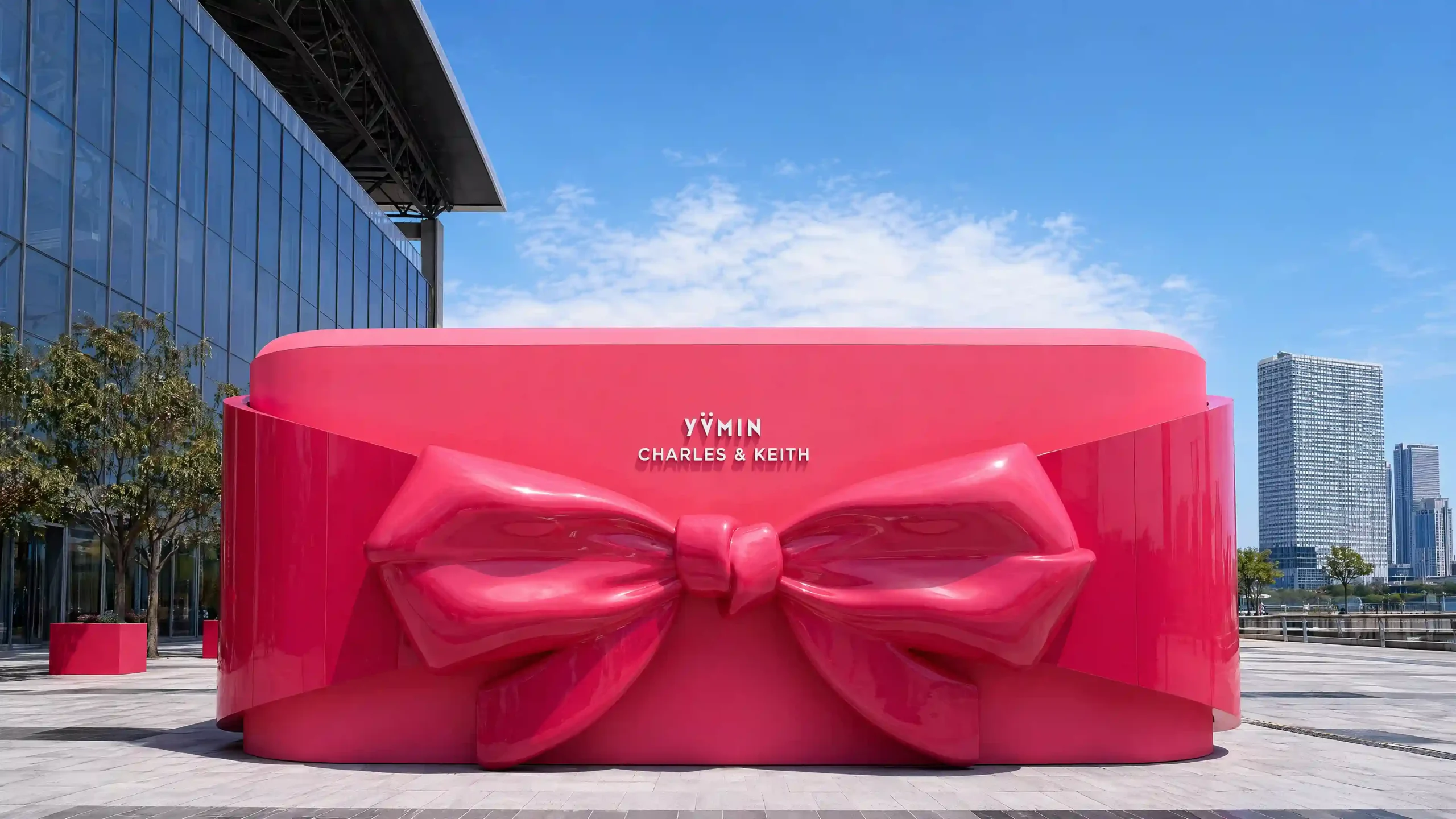
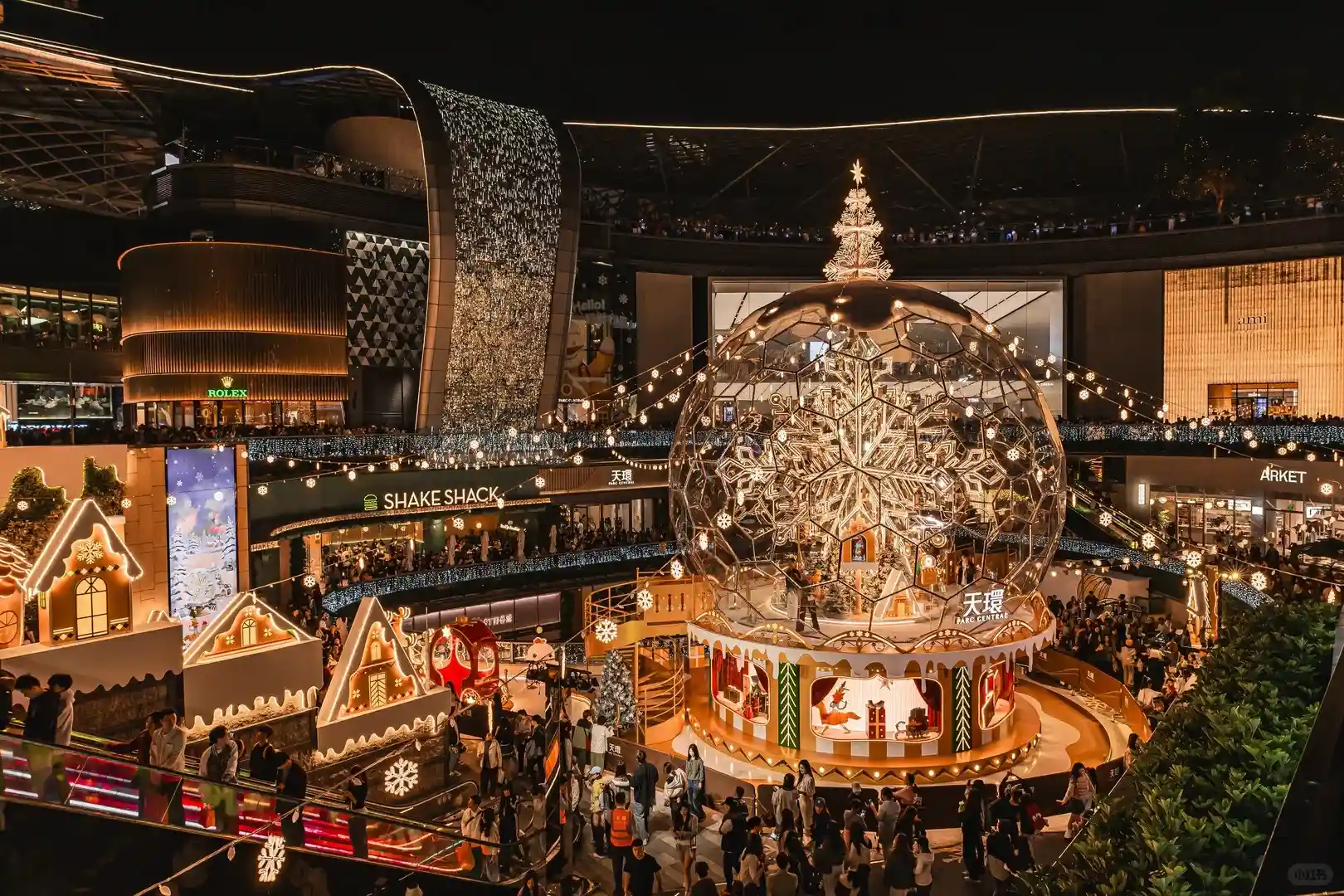
One important lesson from RC Group’s public positioning is that high-end merchandising is rarely a single craft. It involves design, production, printing, digital media, installation and sometimes event-related brand communication. For manufacturers, this means a display prop is often part of a larger system. A product glorifier may need printed graphics. A podium may need lighting. A window prop may need video screens or hidden power access. A pop-up store display props project may need modular frames, display furniture, backdrops, signage and transport-safe packaging.
The Most Common Production Risk: Invisible Structure
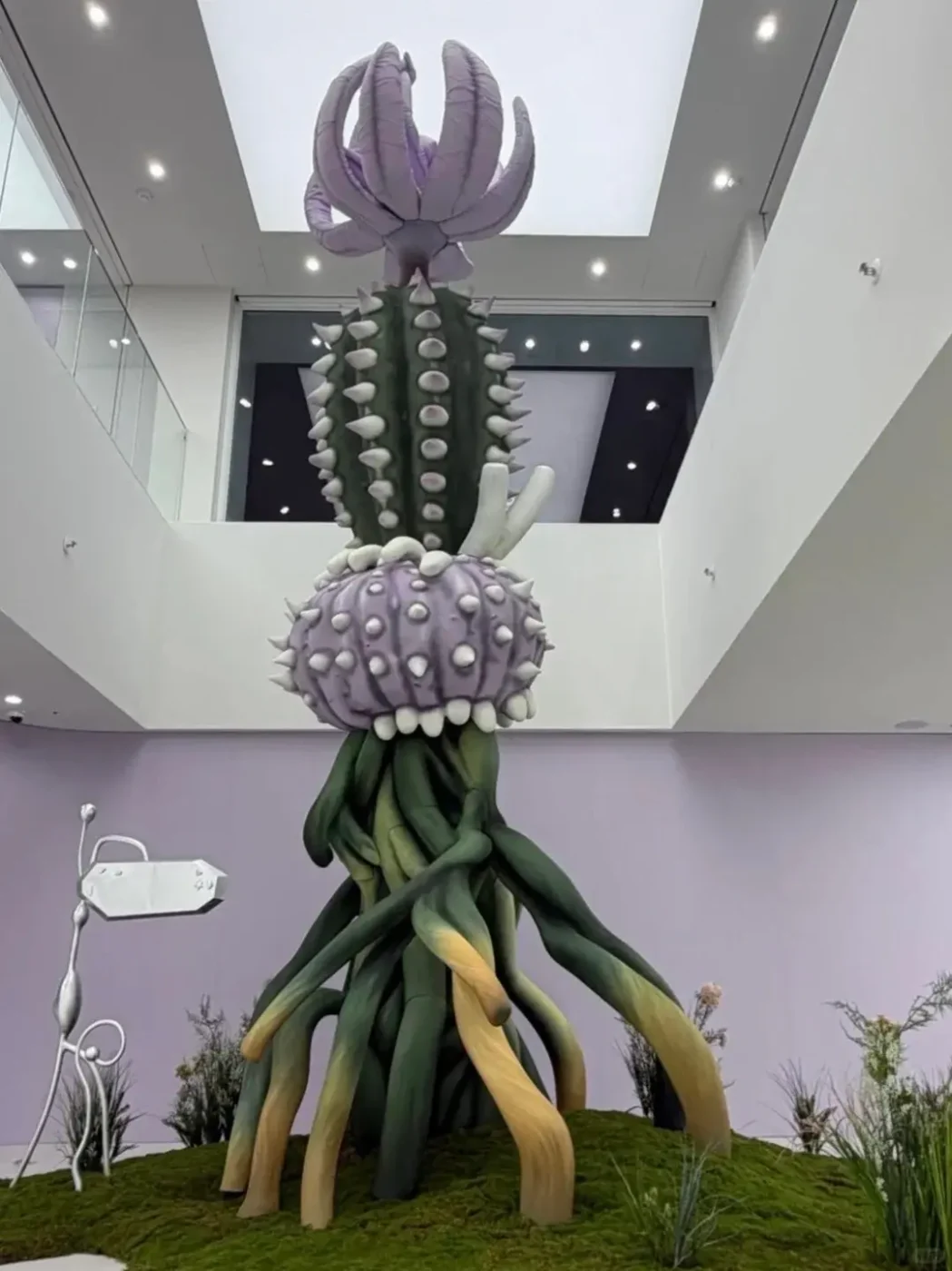
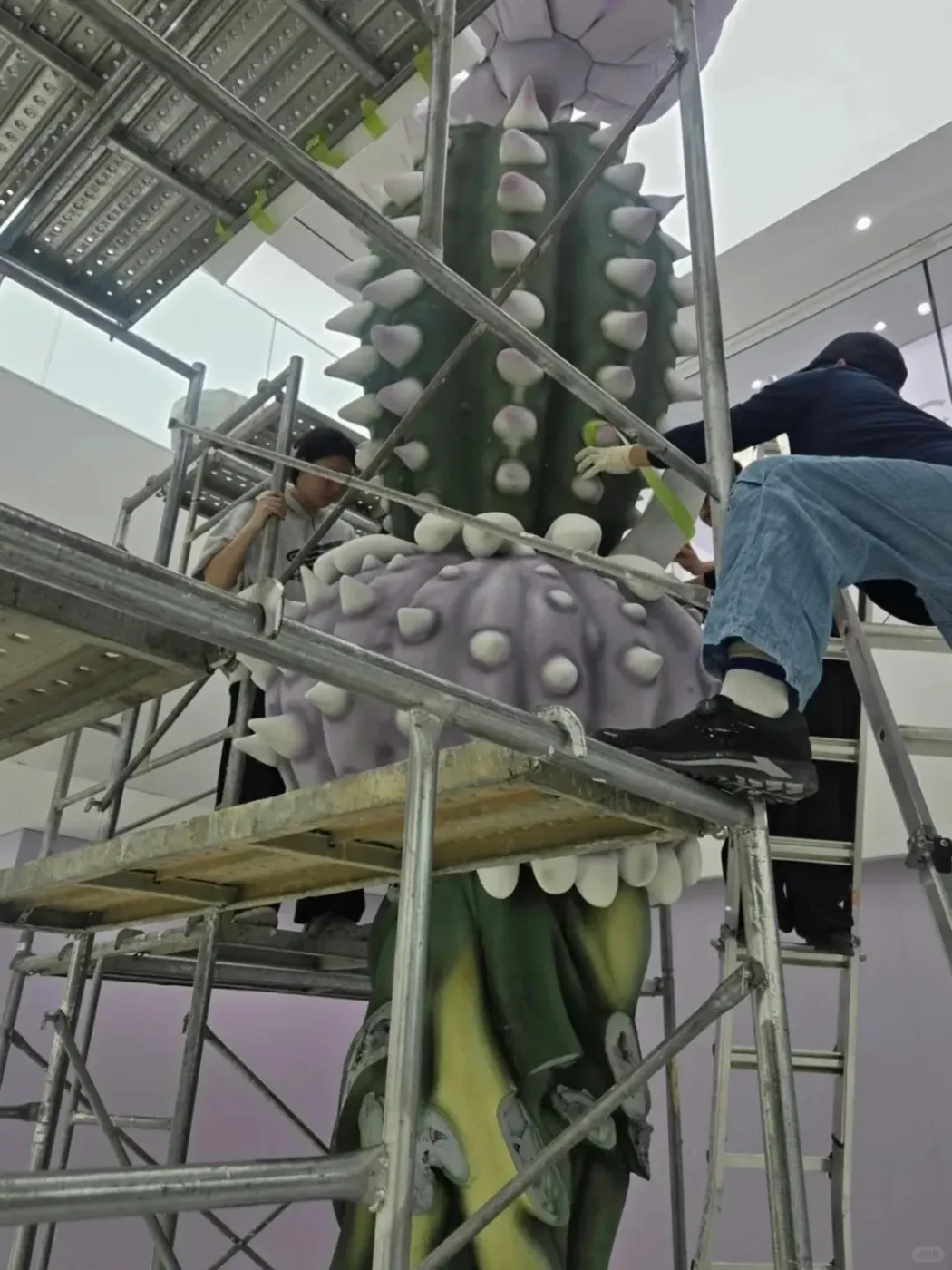
In practice, the most common production risk in high-end merchandising is underestimating the invisible structure. A display may look light and elegant in the render, but it still needs a safe base, internal reinforcement, hanging support, cable routing, packaging protection and installation instructions. In our experience, these are exactly the items that never appear in a design deck — and if they are solved too late, the project becomes expensive or unstable. That is why we recommend early technical review for custom retail display props, especially when the campaign includes oversized shapes, mirror finishes, illuminated logos or multi-location rollout. A one-week engineering review before final design approval routinely saves weeks of rework after tooling has started.
Sustainability and Circular Design in Retail Displays
RC Group’s commitments page also discusses CSR, circular economy, eco-design, environmental certification and materials library thinking. This is highly relevant for temporary retail displays because many campaigns have short lifespans but high material use. From our perspective, sustainable retail display production should not be limited to choosing one eco-friendly material. It should include modular design, reusable structures, reduced packing volume, repairable components and clear storage or recycling plans.
This sustainability direction is also supported by broader industry research. A 2026 study on circular product-service systems for luxury branded events discusses reuse, fold-flat transit systems, digital warehouse workflows and sustainable materials planning. For display props manufacturers, this is a practical reminder that sustainability must be designed into the production process, not added after the object is finished. If a prop is easier to pack, label, store, repair and redeploy, it becomes more valuable for brands running repeated campaigns.
What This Means for Brands, Agencies and VM Directors
The broader retail industry is moving in the same direction: more experience, more precision, and more operational control. Vogue Business has discussed how winning retail strategies increasingly depend on experience, service and differentiation. For manufacturers, that means shop front display props need to support brand storytelling while also meeting real store requirements: safety, durability, installation speed and maintenance.
For brands, agencies and VM directors, RC Group’s public materials point to one clear lesson: premium merchandising requires more than attractive design. It requires a production chain that can handle concept interpretation, material selection, prototyping, batch manufacturing, QC, packing and installation logic. If your campaign involves POS displays, luxury windows, pop-up stores, product glorifiers or multi-material retail props, it is worth discussing feasibility early with a custom display props manufacturer before final drawings and deadlines are locked.
FAQ
What is high-end merchandising in retail display production?
High-end merchandising refers to premium point-of-sale, window, pop-up and in-store display systems designed to support luxury brand communication and product presentation.
What makes POS displays different from window displays?
POS displays are usually closer to customers and must support product handling, daily use and staff interaction, while window displays focus more on visual impact and storefront storytelling.
Which materials are used for luxury POS and window display props?
Common materials include acrylic, metal, FRP, wood, resin, printed graphics, textile, mirror finishes and LED lighting, depending on the required structure and visual effect.
When should a manufacturer join a high-end merchandising project?
A manufacturer should join before final design approval, especially when the project includes multiple materials, lighting, custom shapes, series production or international shipping.
Disclaimer
This article is based on publicly available project and industry information. VM Display is not claiming partnership, sponsorship, endorsement, or direct involvement with RC Group or any brands mentioned.