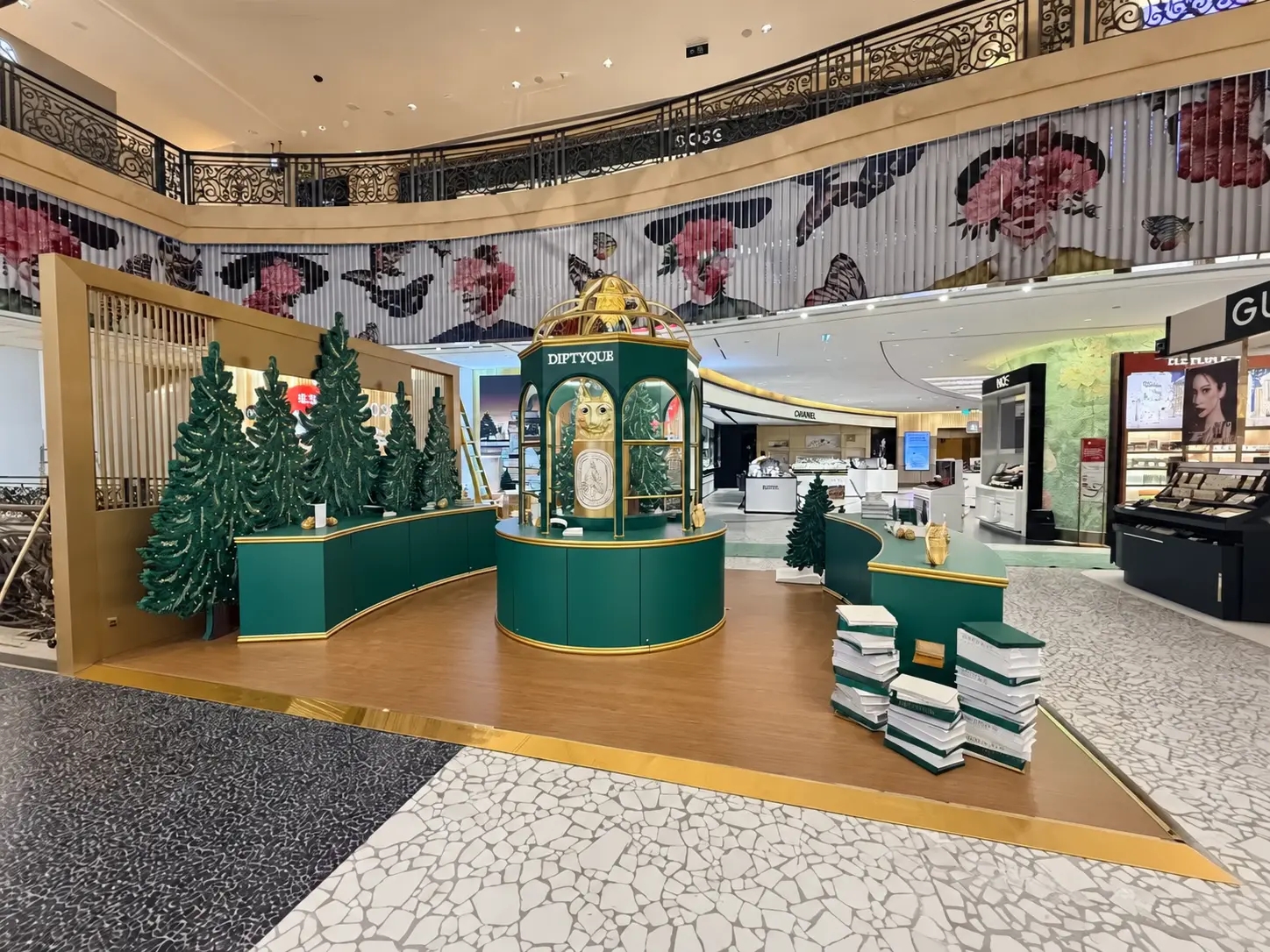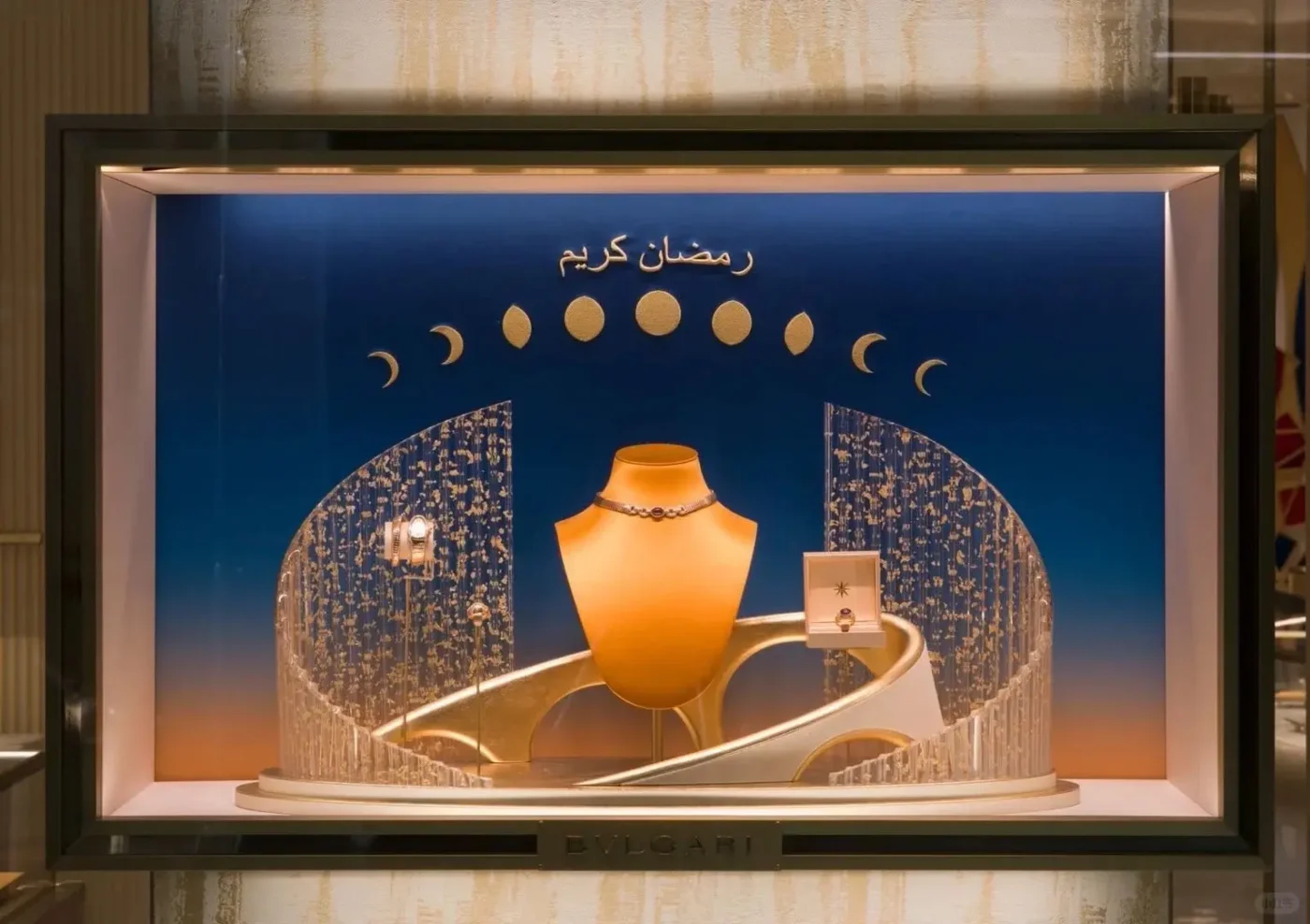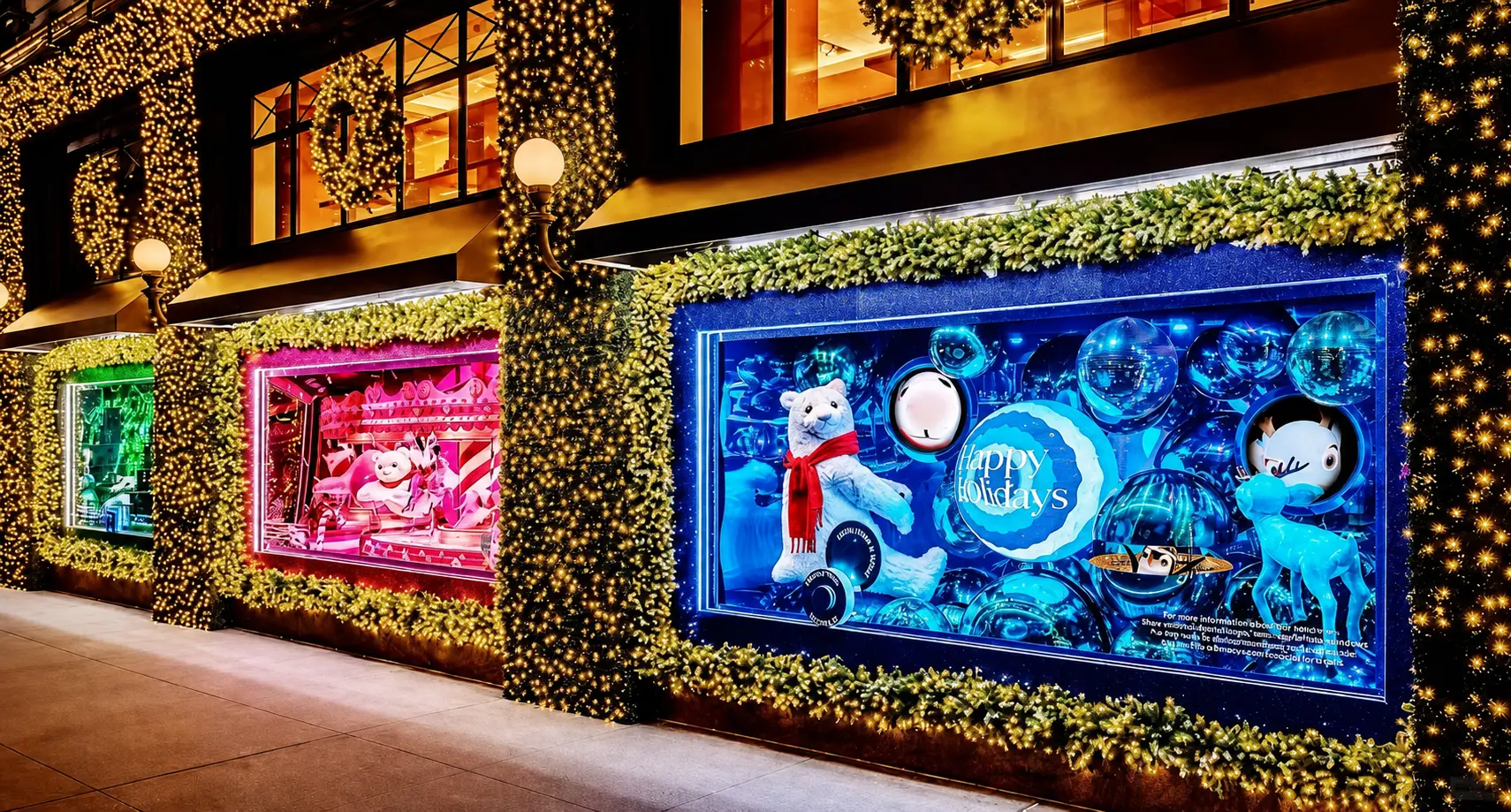
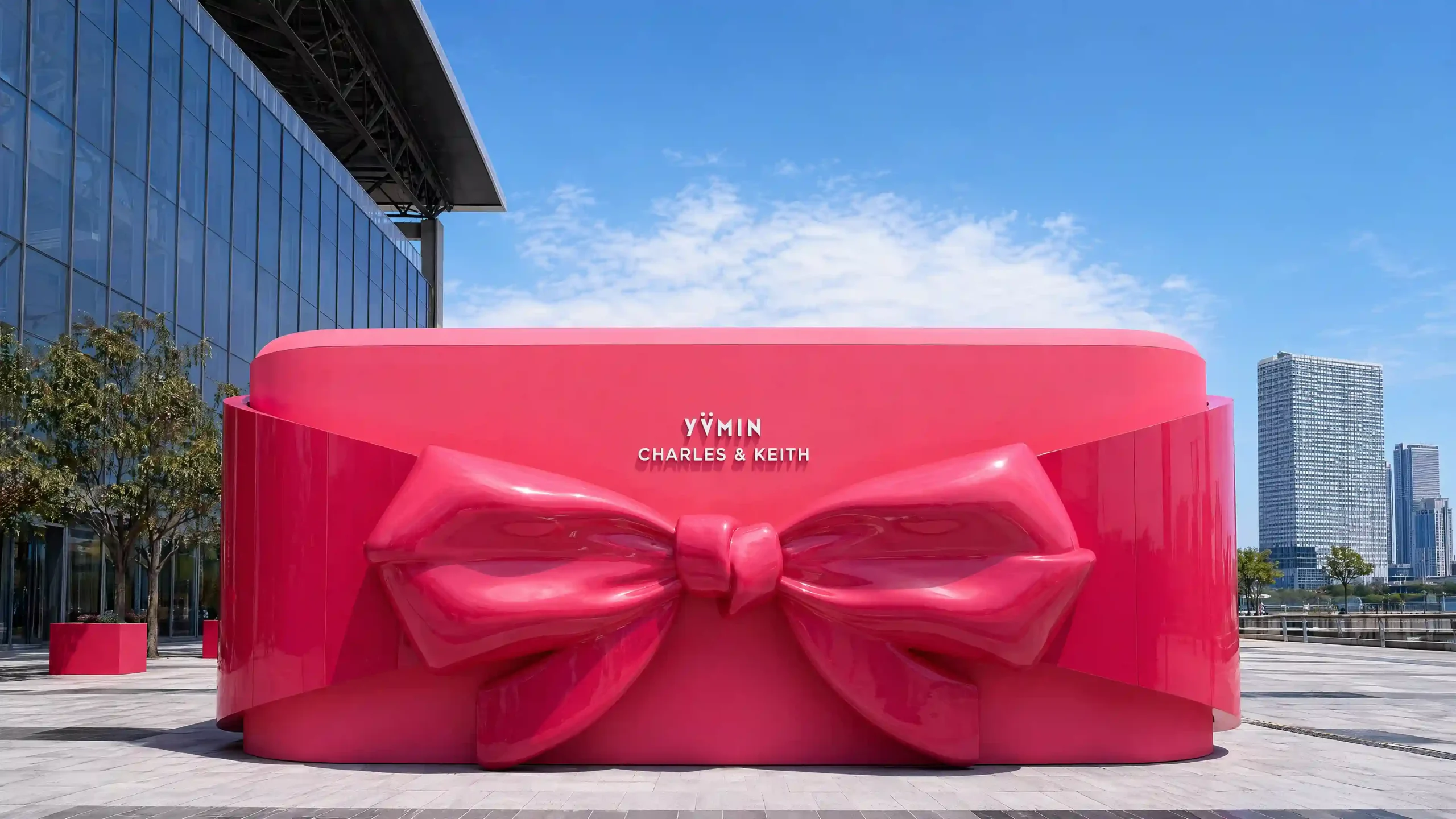
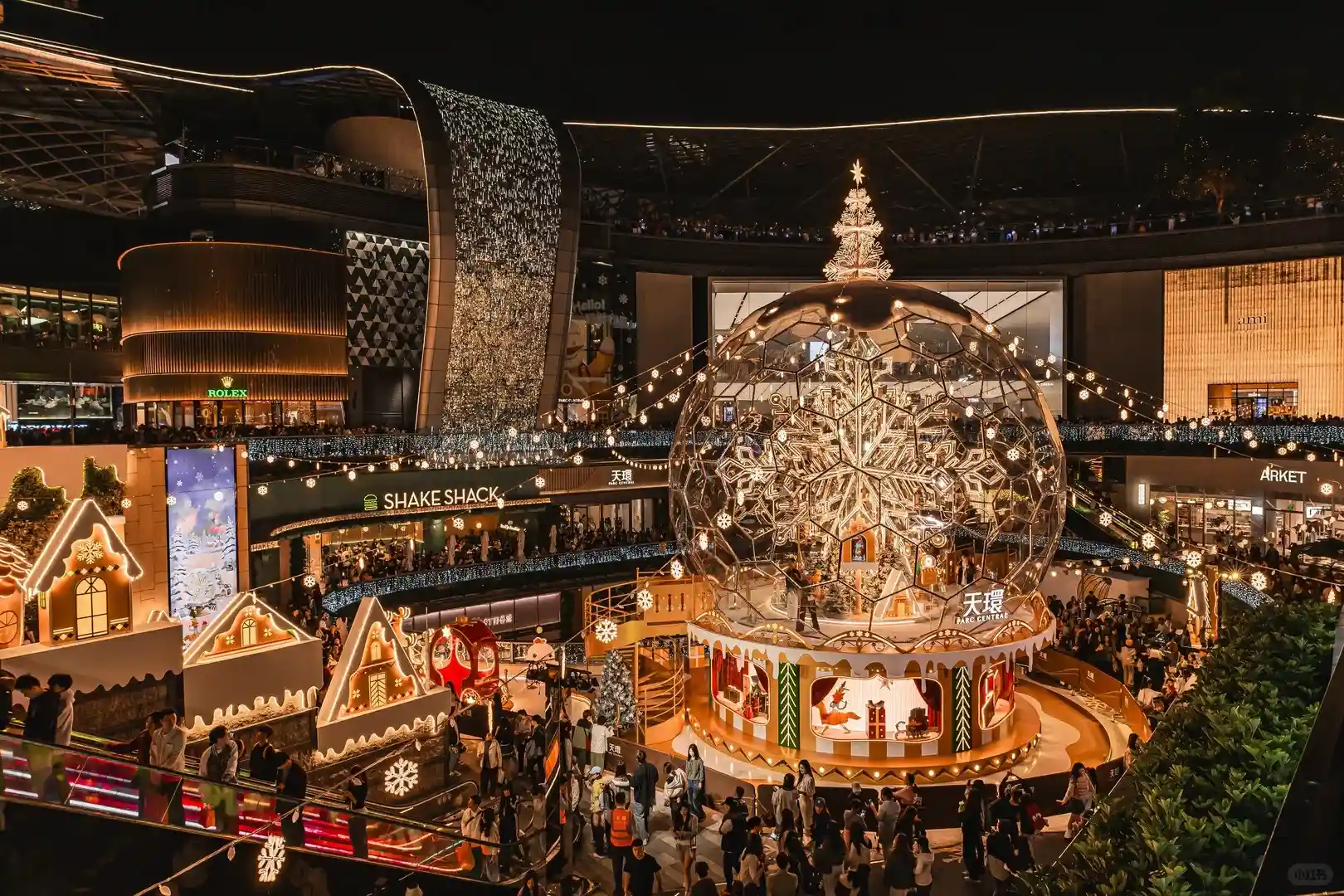
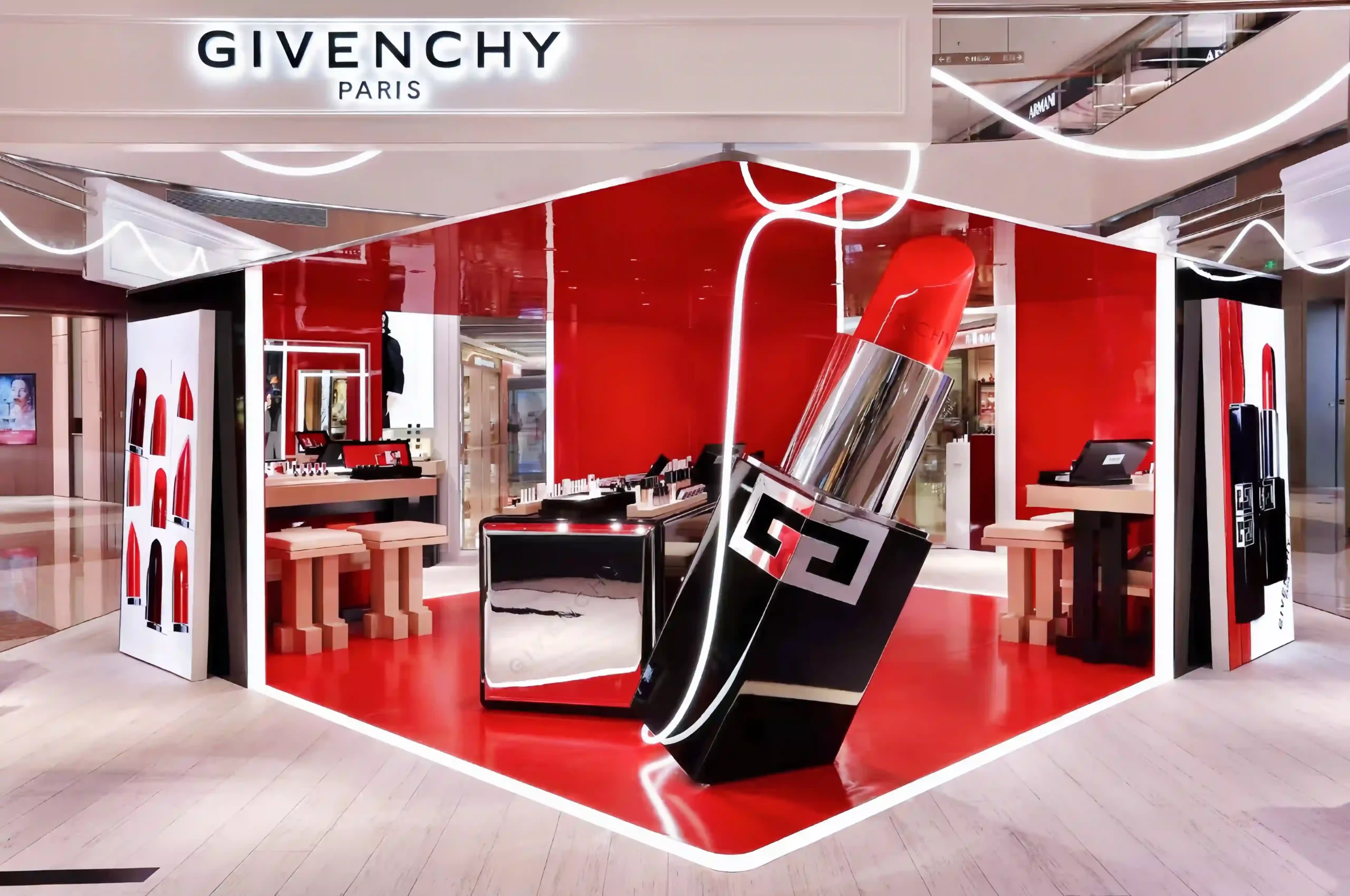
Award-winning window displays are rarely successful because of one beautiful object alone. They win attention because storytelling, scale, lighting, materials, product placement and installation all work together. Industry platforms such as WindowsWear and the VM & Display Awards have helped turn window display into a more visible creative discipline, while luxury retailers and department stores continue to use storefronts as public stages.
From our perspective as a custom display props manufacturer, the most useful question is not only “which window looks best?” but “what production decisions made the display possible?”
This article is not a ranking of official winners from one single award body. Instead, it is a production-focused review of ten qualities often found in award-winning, award-nominated or widely recognized window displays. For VM directors, retail designers and sourcing teams, these lessons can help turn an ambitious visual concept into real custom window display props that can be built, packed, shipped and installed on schedule.
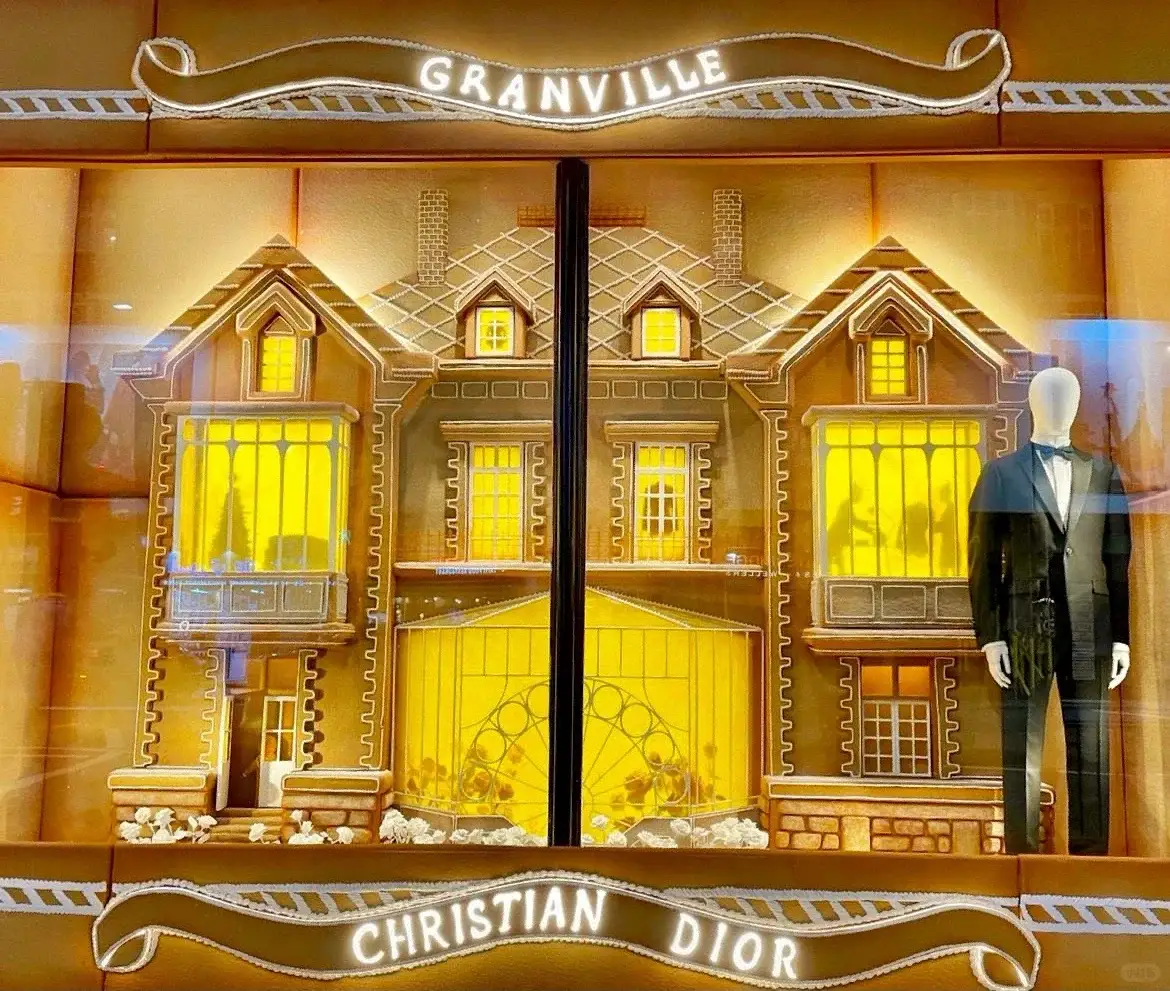
1. Strong Window Displays Start With One Clear Visual Idea
The best window displays are easy to understand from a distance, because a passerby has only two or three seconds to read the scene. Award-level windows commit to a single hero element — an oversized product, a repeated shape, a theatrical color story or one dramatic material — before any detail work begins.
This has a direct production consequence. When our factory receives a design deck, the first thing we identify is which single element carries the window, because that element deserves the largest share of the engineering budget, sampling time and finish quality. In practice, window display production should begin by locking the hero element first, then engineering the supporting props around it — not the other way around.
2. Scale Turns a Window Into a Street-Level Attraction
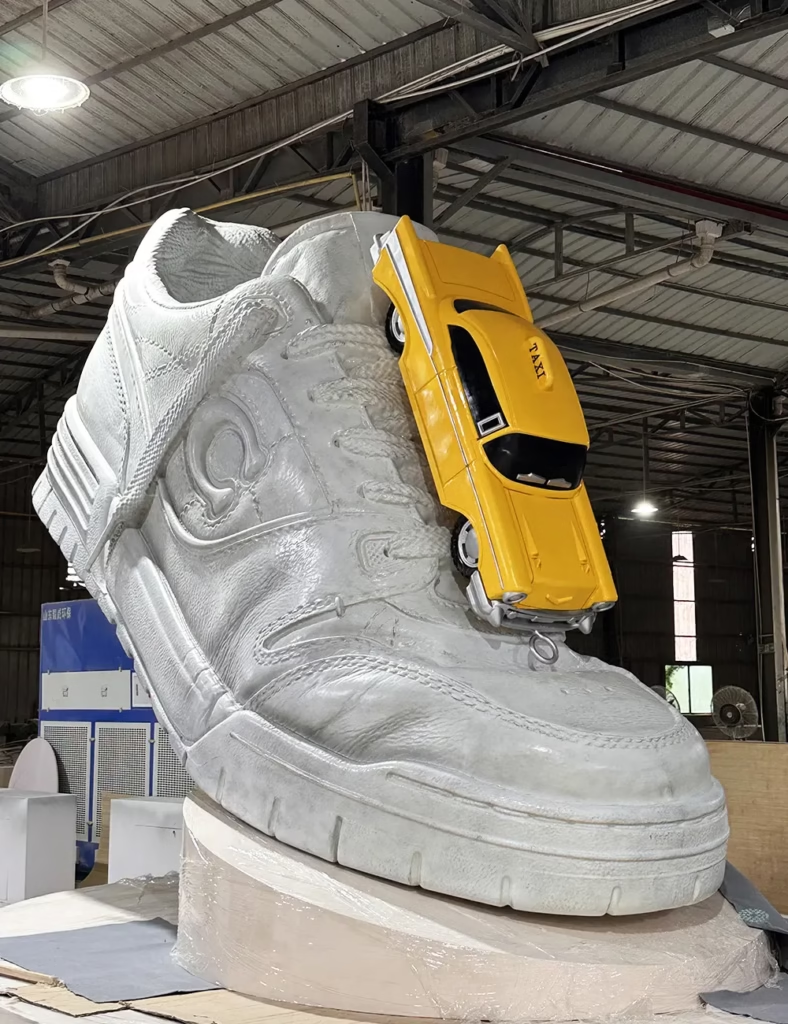
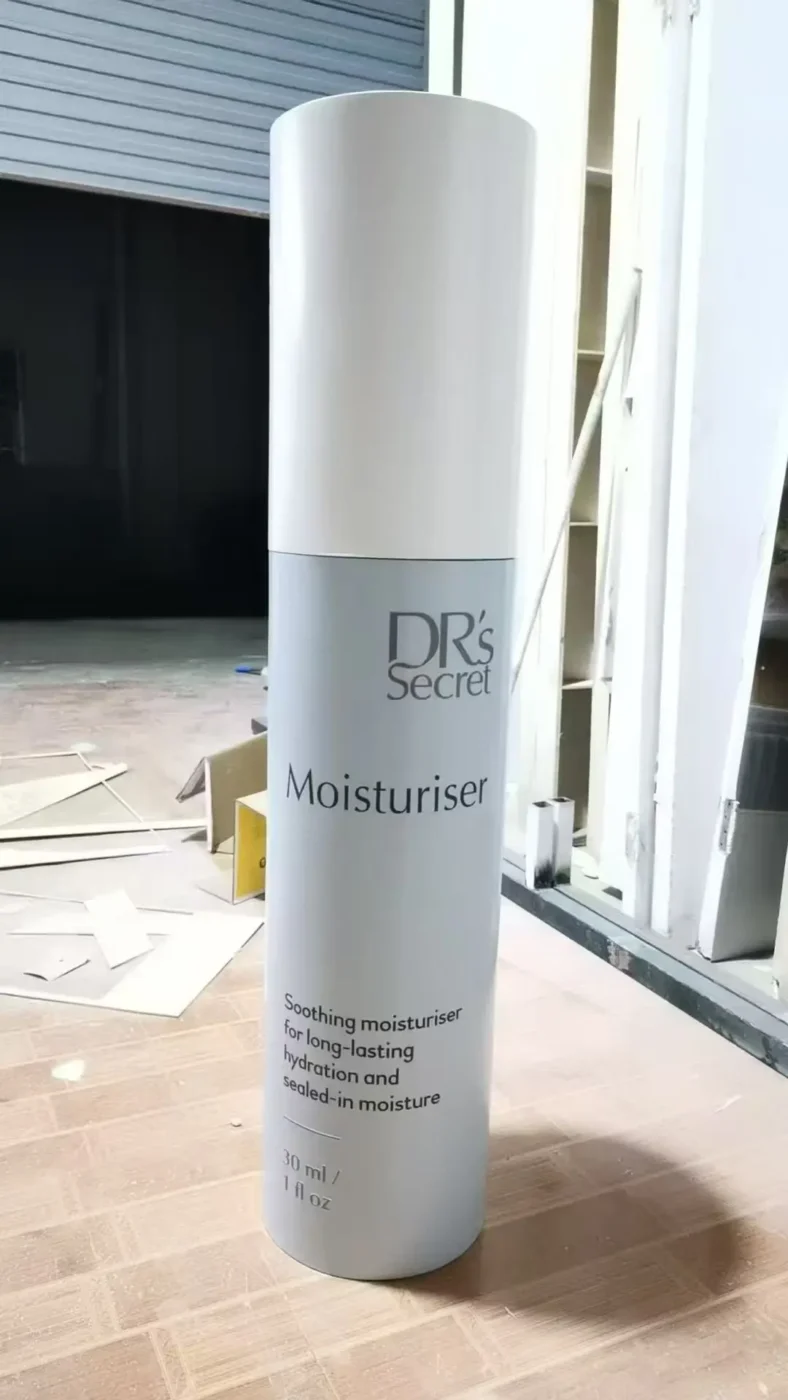
Many memorable displays use exaggerated scale: giant flowers, oversized cosmetics, large animals, surreal gift boxes or enlarged product replicas. Scale creates instant visibility, but it also creates production risk — weight, transport volume and structural stability all grow faster than the visual size.
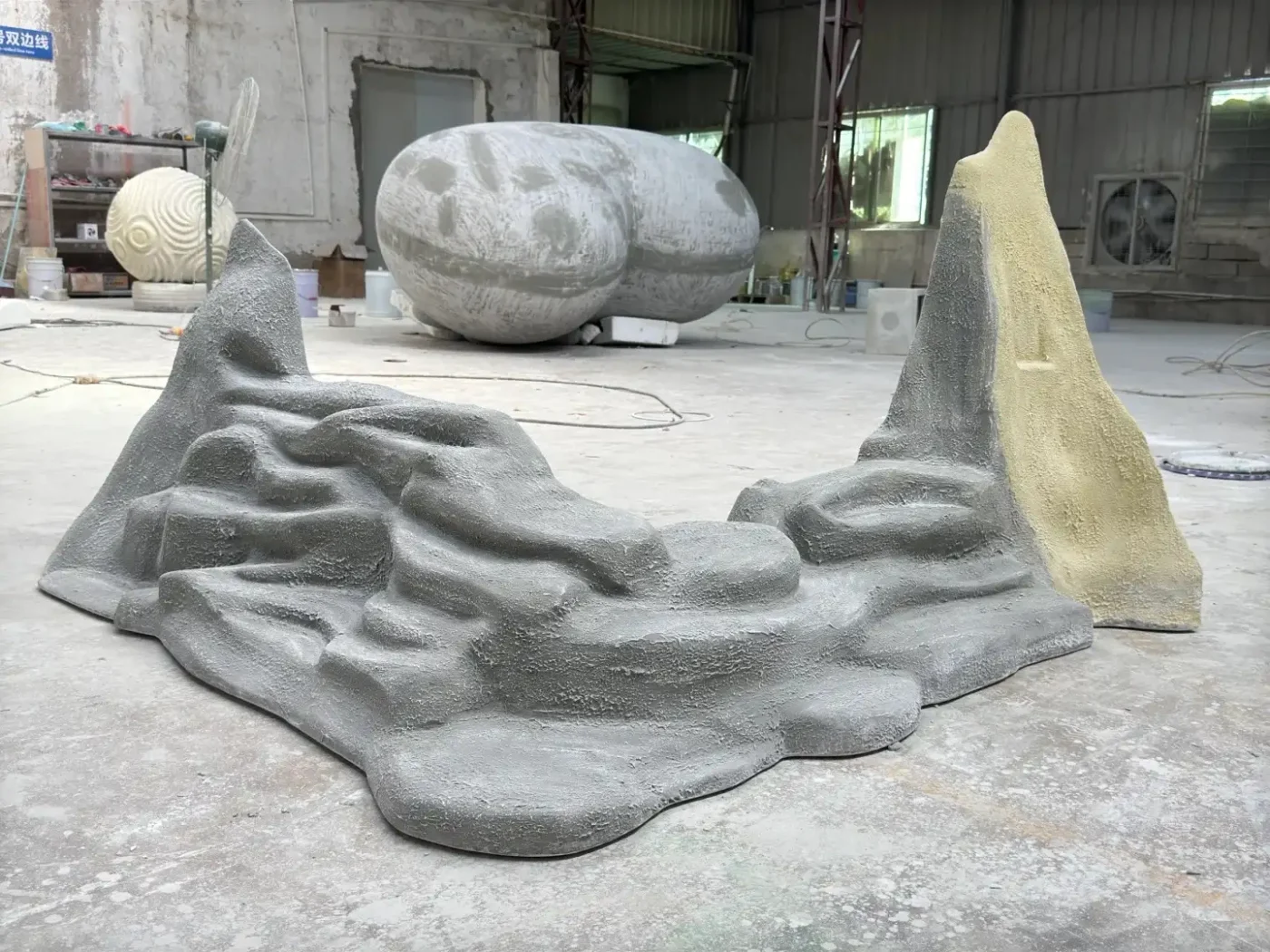
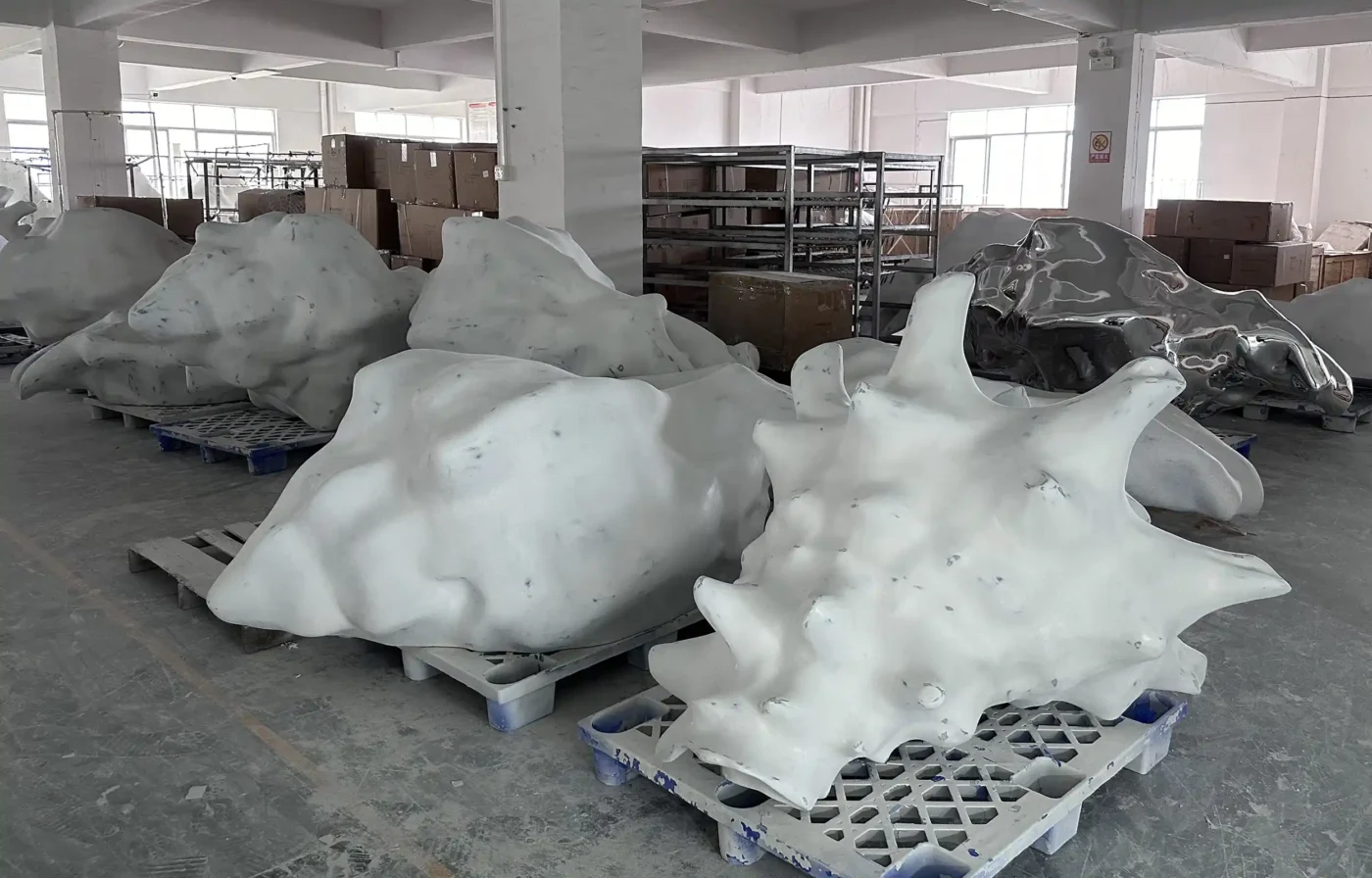
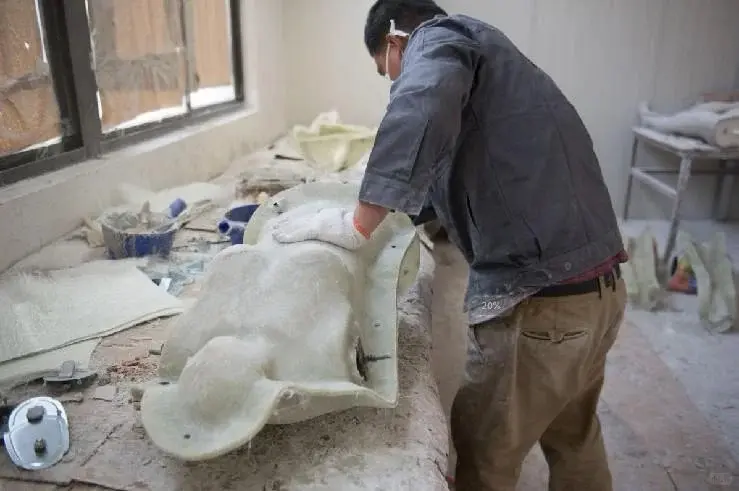
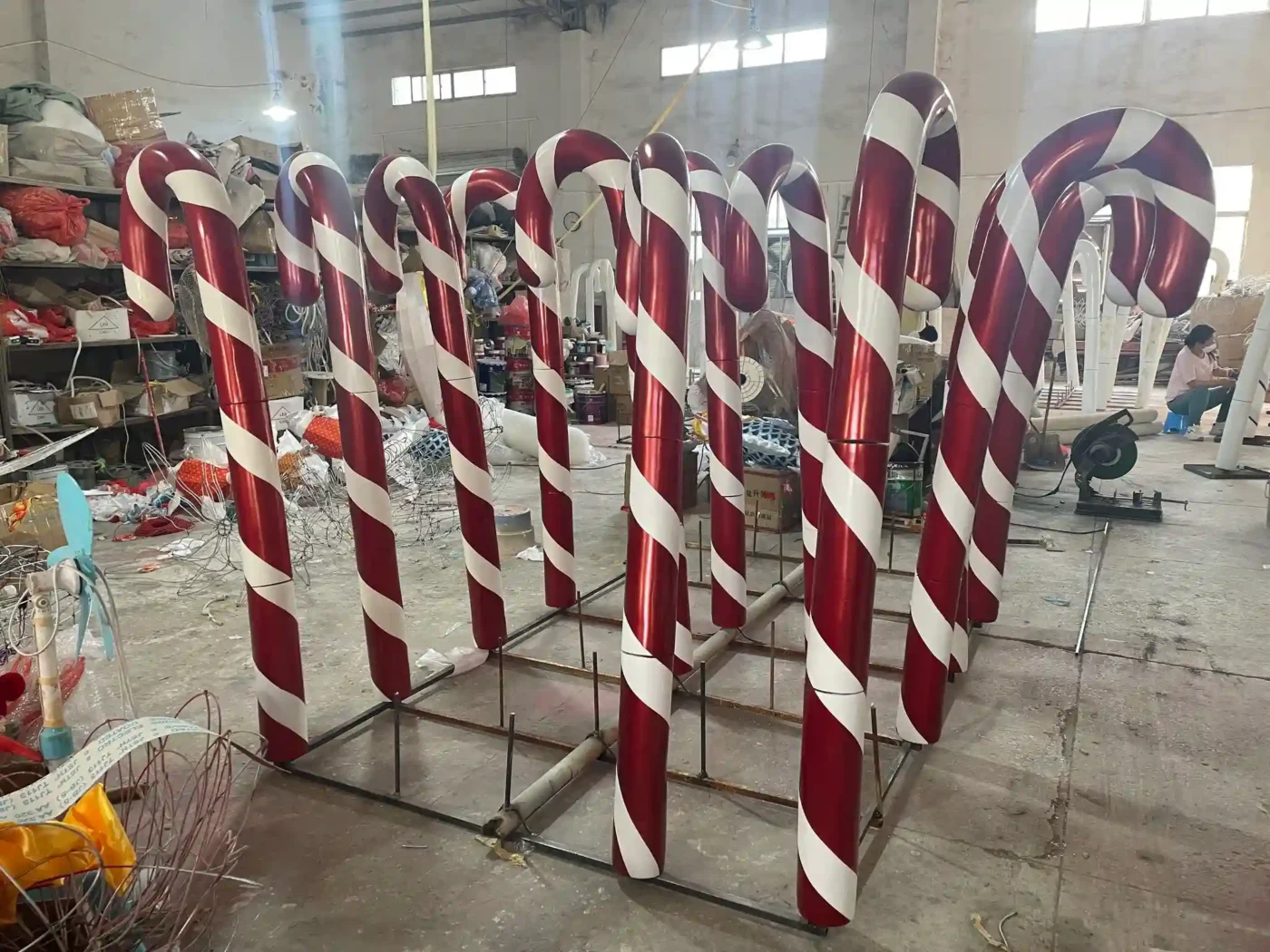
This is why fiberglass dominates oversized prop work. In our own FRP display props production, each piece is built as a hollow shell: a gelcoat surface layer backed by 3–4 alternating layers of fiberglass cloth and resin, laid by hand inside a silicone mold. The result holds a sculptural form at a fraction of the weight of plaster or solid resin, which is what makes street-scale props installable by a two-person team. Forms above roughly 3 meters are produced in segments with concealed joints, because mold and transport limits — not imagination — set the real size ceiling.
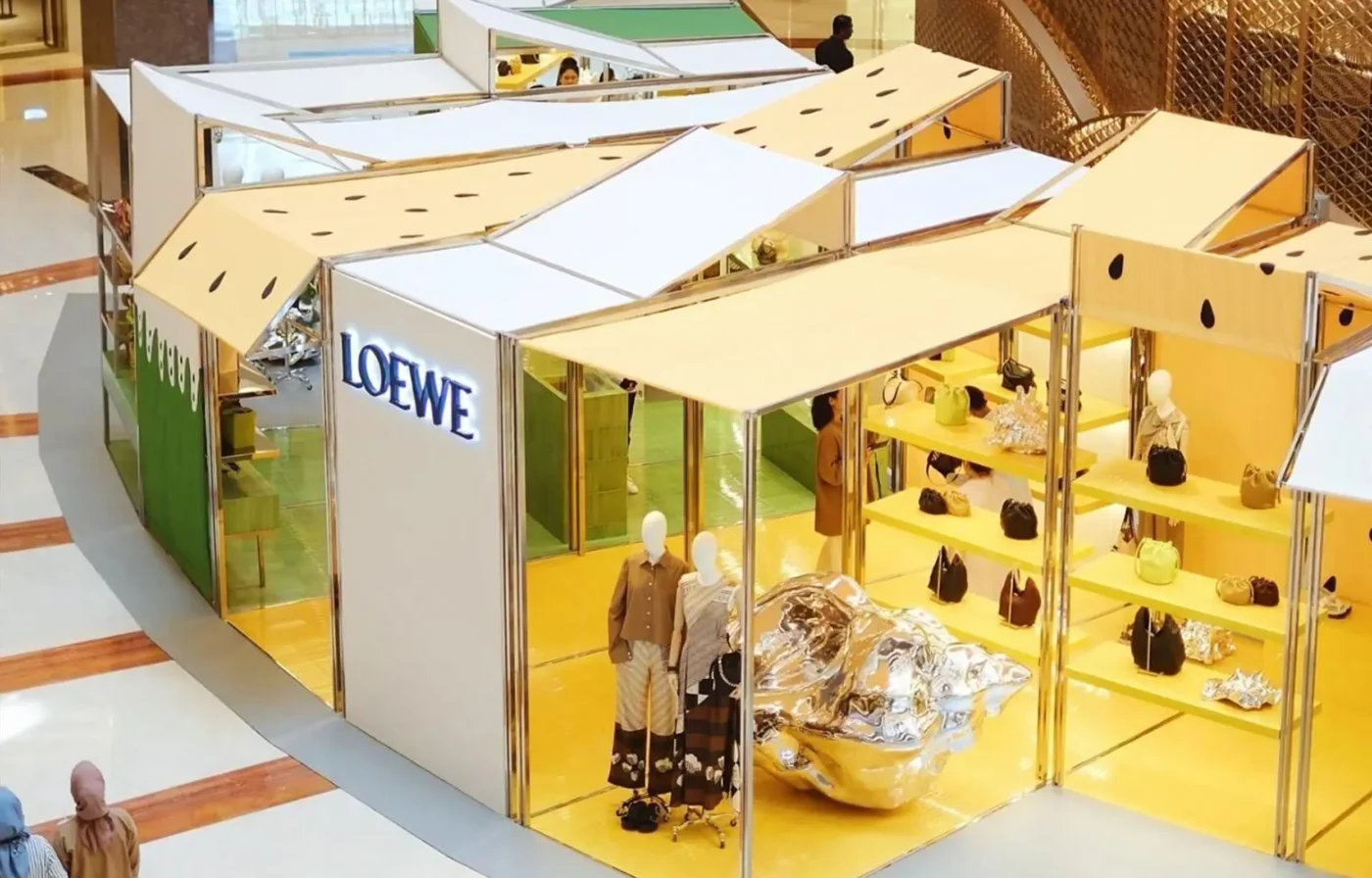
3. Lighting Is Not Decoration, It Is Structure
Award-level windows use lighting as part of the composition, not as an afterthought. Light creates depth, directs attention, reveals metallic surfaces, makes acrylic glow, and turns a simple prop into a theatrical moment. Vogue Business has discussed the importance of coherent visual merchandising in luxury retail environments.
For a retail display manufacturer, “lighting” is really an engineering package: cable channels routed inside the prop body during fabrication, low-voltage LED drivers positioned behind removable access panels, and heat clearance around enclosed light boxes. Every illuminated piece is powered on during final inspection to check brightness, color temperature and flicker — because a prop that needs to be disassembled to replace one LED strip will fail its first month in-store. Serviceability is decided at the drawing stage, not on site.
4. Materials Must Match the Brand World
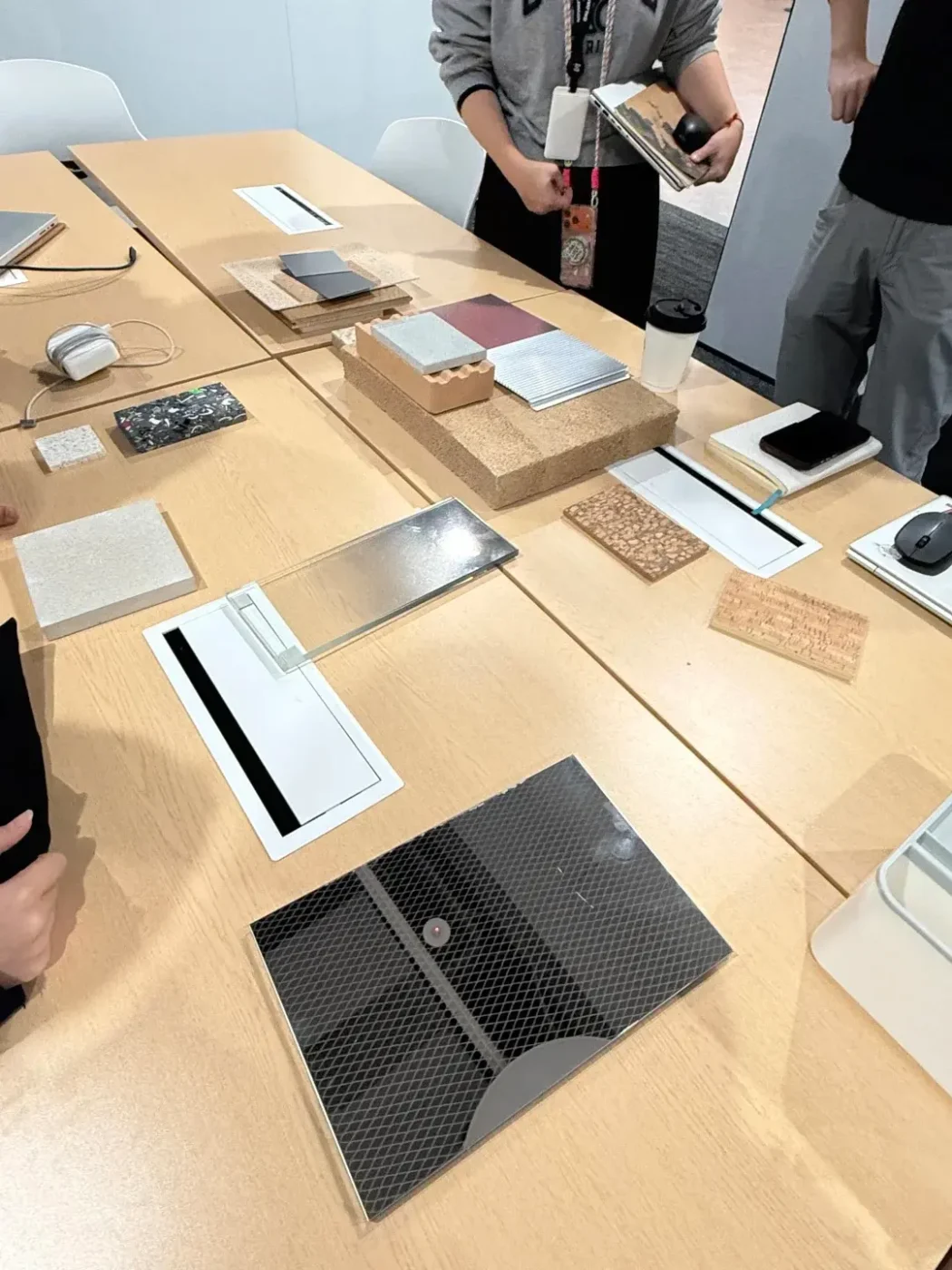
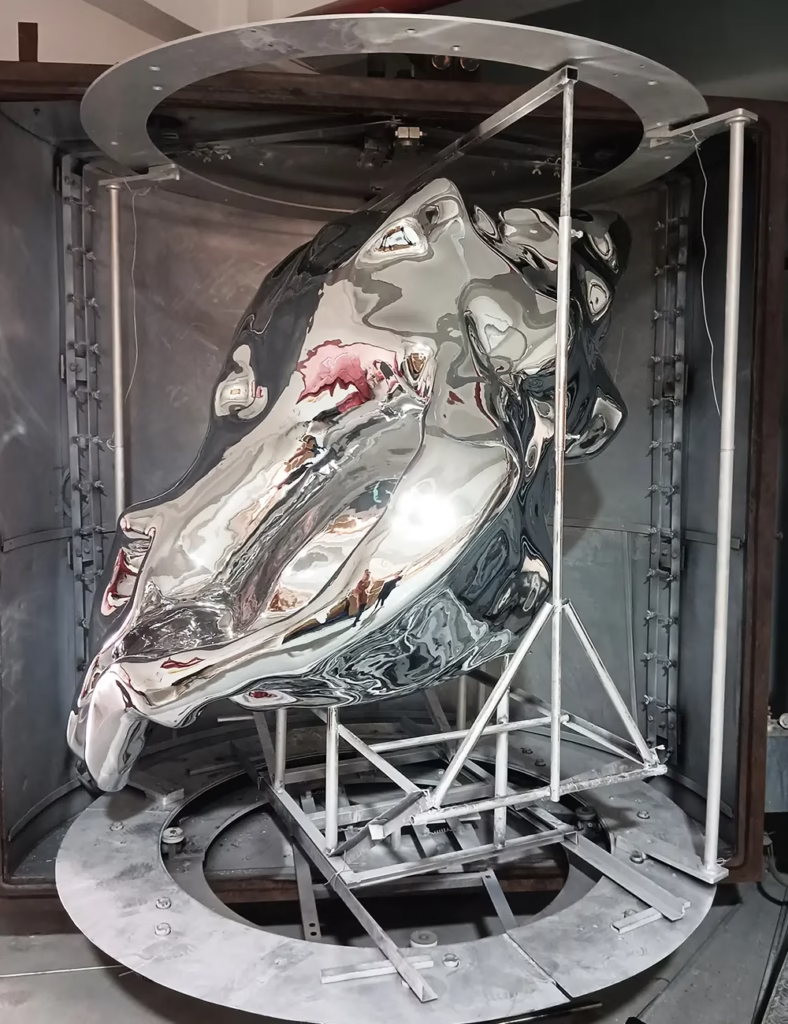
Luxury windows succeed when the material language feels aligned with the brand. Acrylic reads clean and futuristic; brushed metal feels architectural; mirror finishes create glamour; wood brings warmth; fabric softens the scene; paper craft feels artistic and handmade. The real production challenge is making these materials work together in one structure.
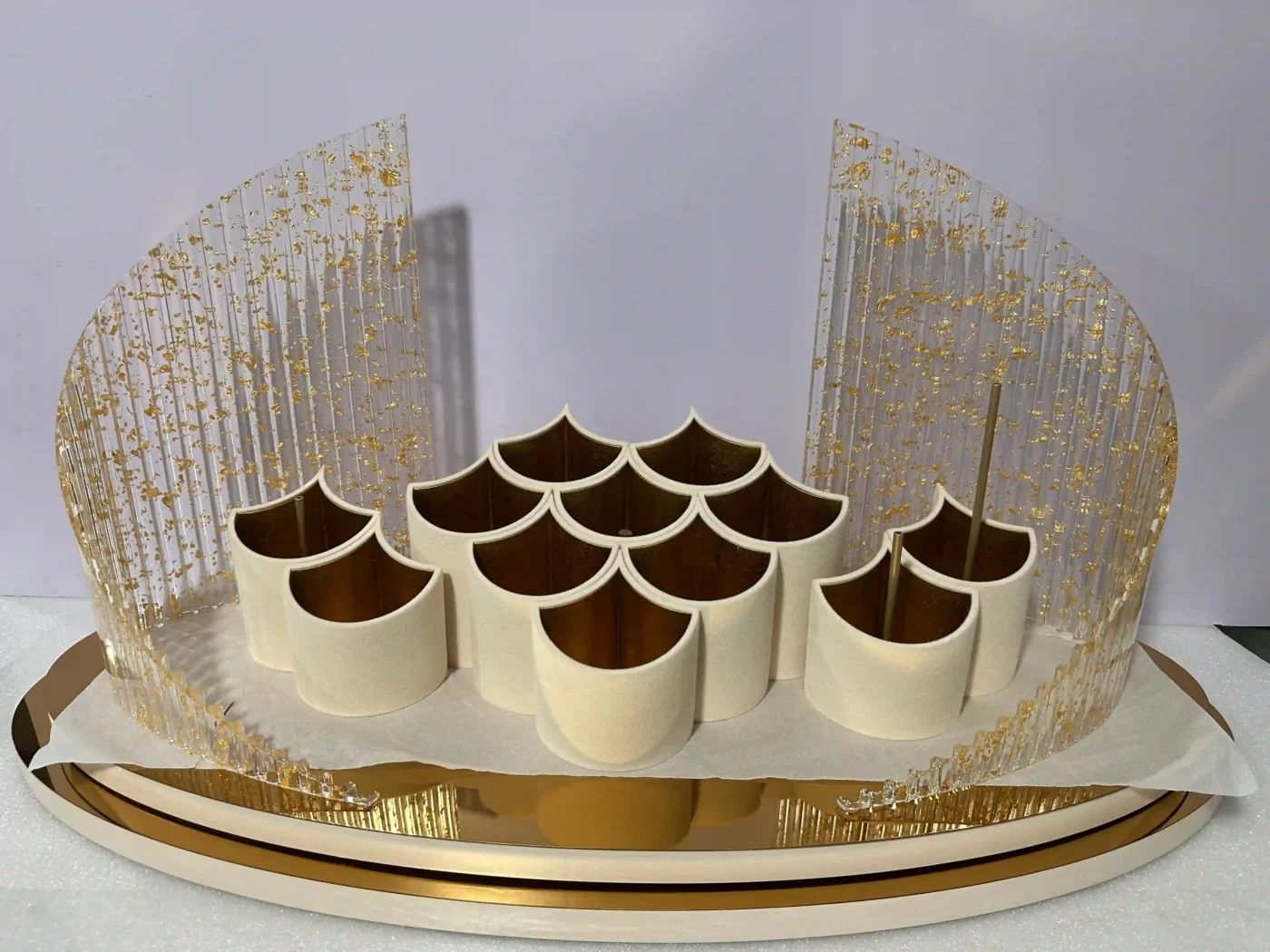
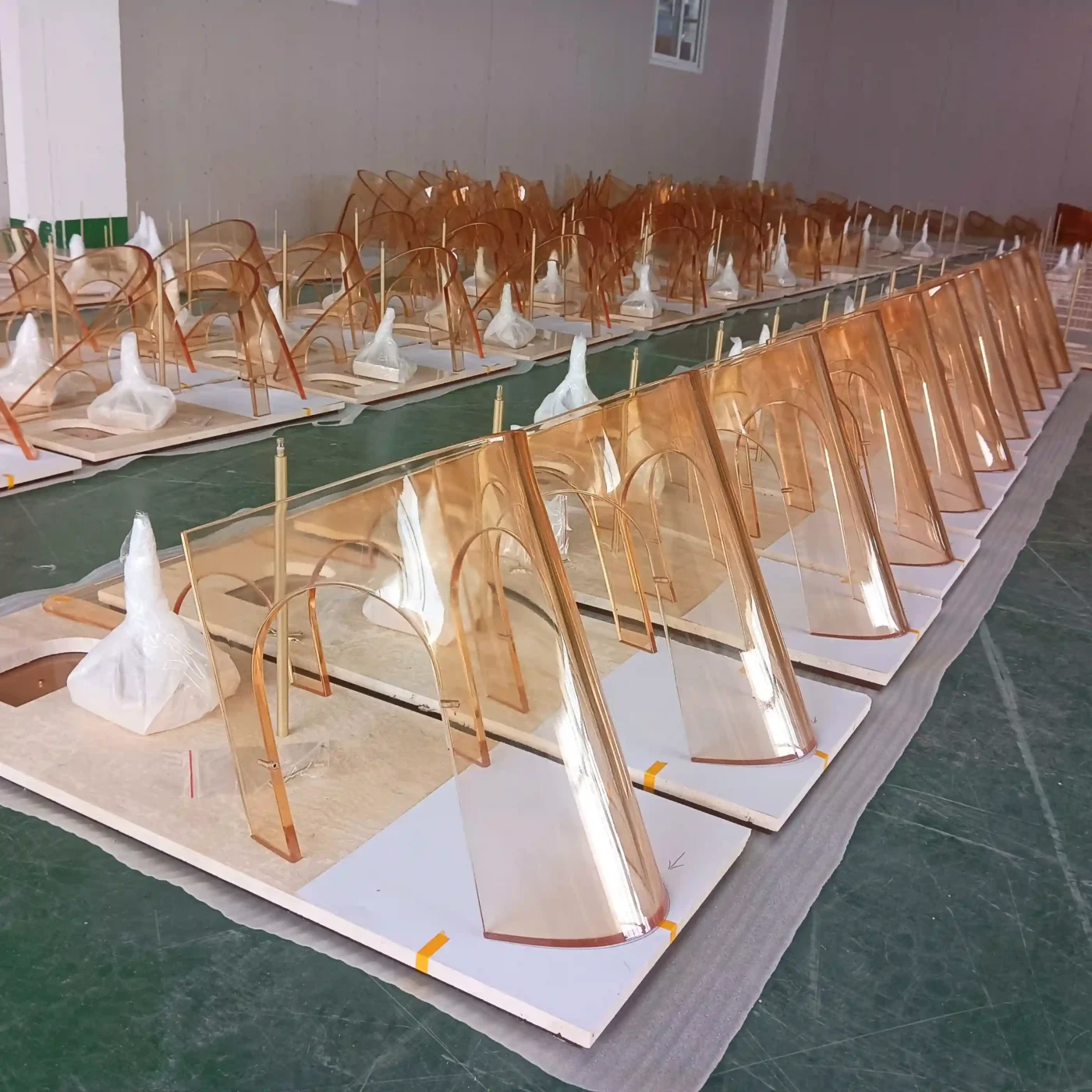
The difference shows in details a camera will find. For custom acrylic display props, we specify cast acrylic rather than extruded — cast sheet reaches 93% light transmission, higher than glass at half the weight, and stays stable through laser cutting and heat bending, while cheaper extruded sheet tends to bubble at the bend line. Visible edges get diamond polishing instead of flame polishing to avoid a wavy surface, and every bonded seam is inspected under side lighting for bubbles and glue overflow. Small decisions like these change the perceived quality of the entire window.
5. Repetition Creates Memory
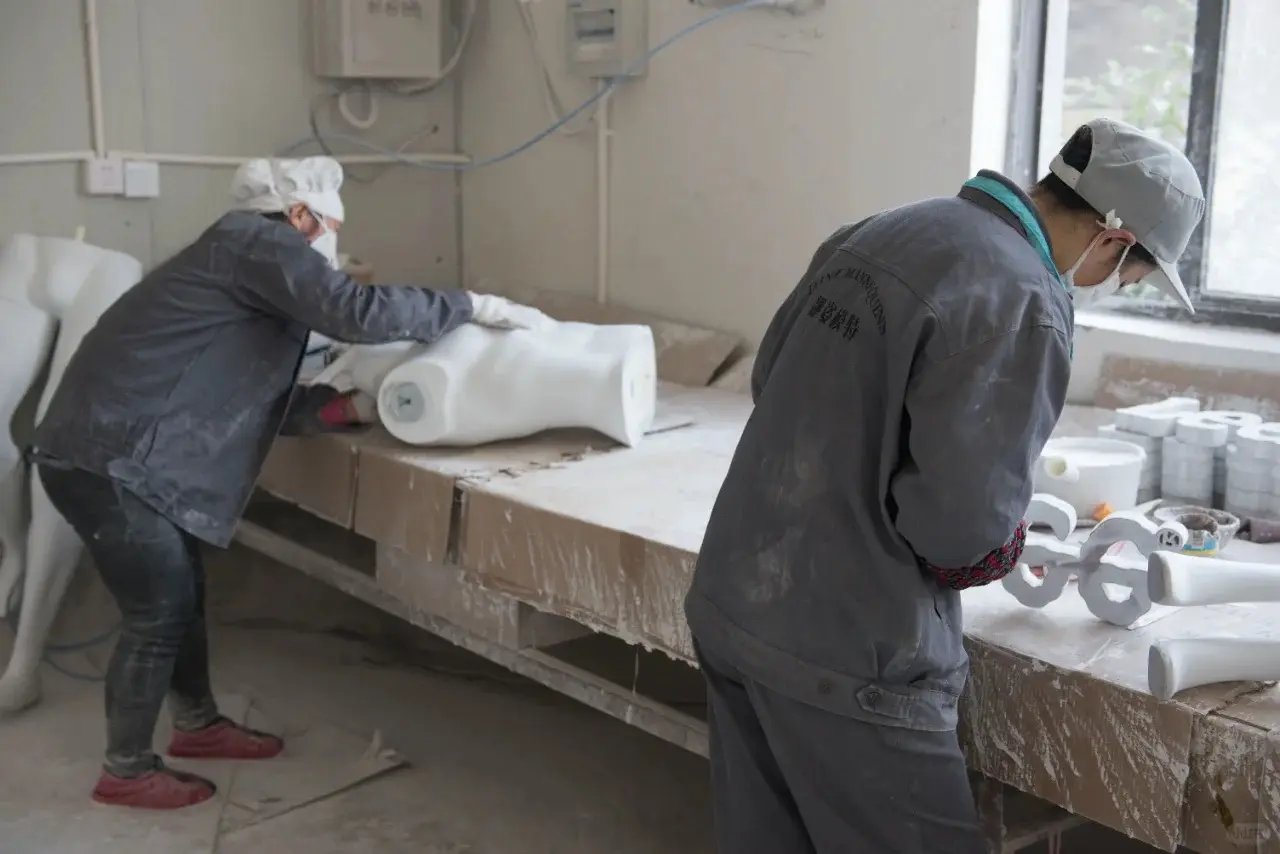
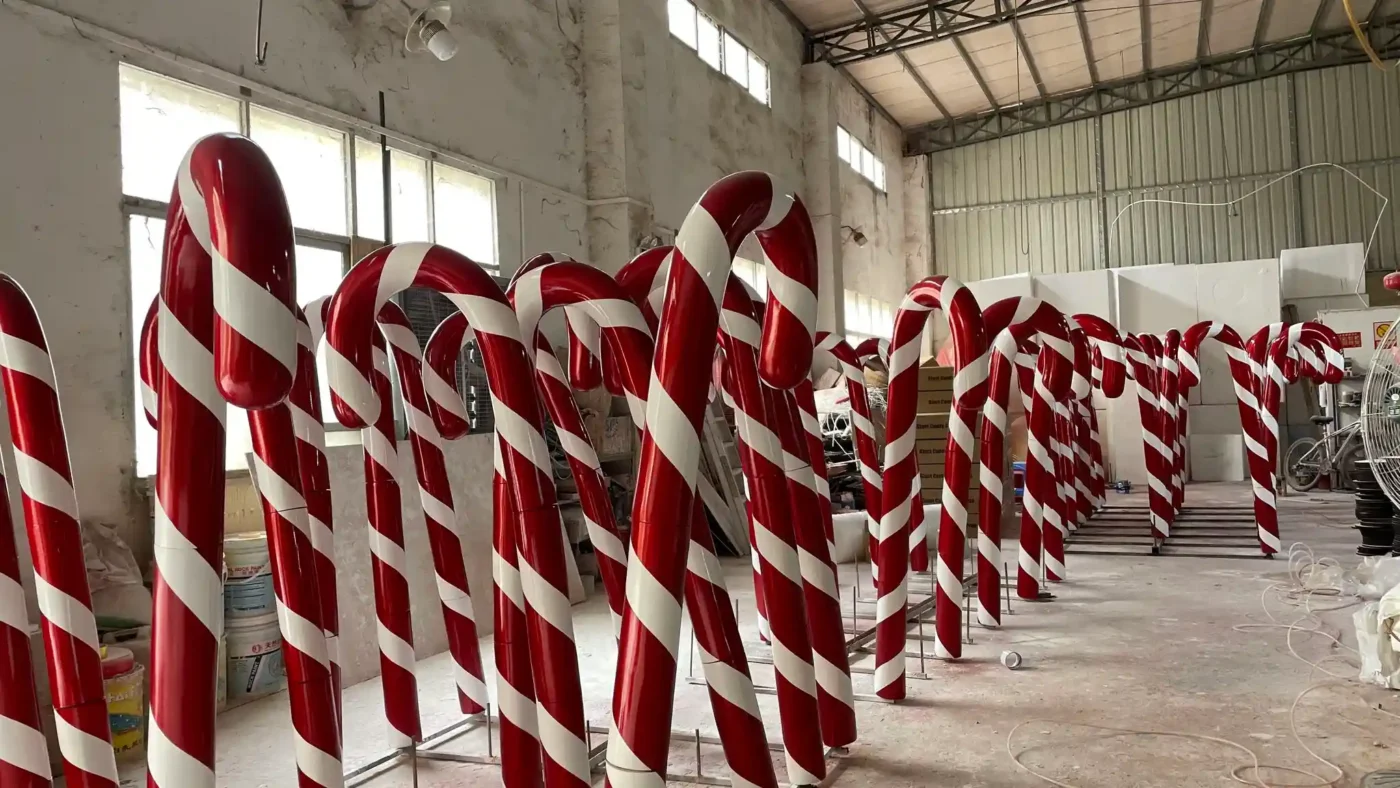
Some of the strongest window displays repeat one form many times: spheres, ribbons, stars, flowers, product silhouettes, candies, shells or graphic panels. Repetition makes a window easier to read and more memorable — but it also means manufacturing consistency becomes the whole job.
Consistency starts before production does. A well-made silicone mold reproduces 15–25 consistent FRP pieces before it starts to deform, so batch quantity determines mold count on day one. Colors on repeated custom retail display props are approved against Pantone references under natural daylight or a D65 light source — never under workshop fluorescent lighting, which shifts color badly — and the full batch is sprayed from one mixed batch of the approved color, because even a correct formula can drift visibly between spray sessions. A signed-off pre-production sample stays on the bench as the reference every later piece is compared against.
6. Award-Winning Displays Are Often Built for Photography
Modern retail windows live both on the street and online. A display is judged by pedestrians, shoppers, editors, social media users and internal brand teams. Architectural Digest has reported on retail spaces becoming more emotional and camera-ready.
For manufacturers, this changes the acceptance standard. Where standard retail work is inspected from one meter away with a ±2–3 mm tolerance, luxury shop front display props are checked at a 30 cm viewing distance with dimensional tolerances of ±1 mm — roughly the distance of a close-up photo. Our surface QC reflects that: seams filled and sanded through progressively finer grits up to 600, then inspected under raking side light from a torch, which exposes the waviness and orange peel that store spotlights and camera flash will otherwise find first.
7. Installation Logic Decides Whether the Design Survives
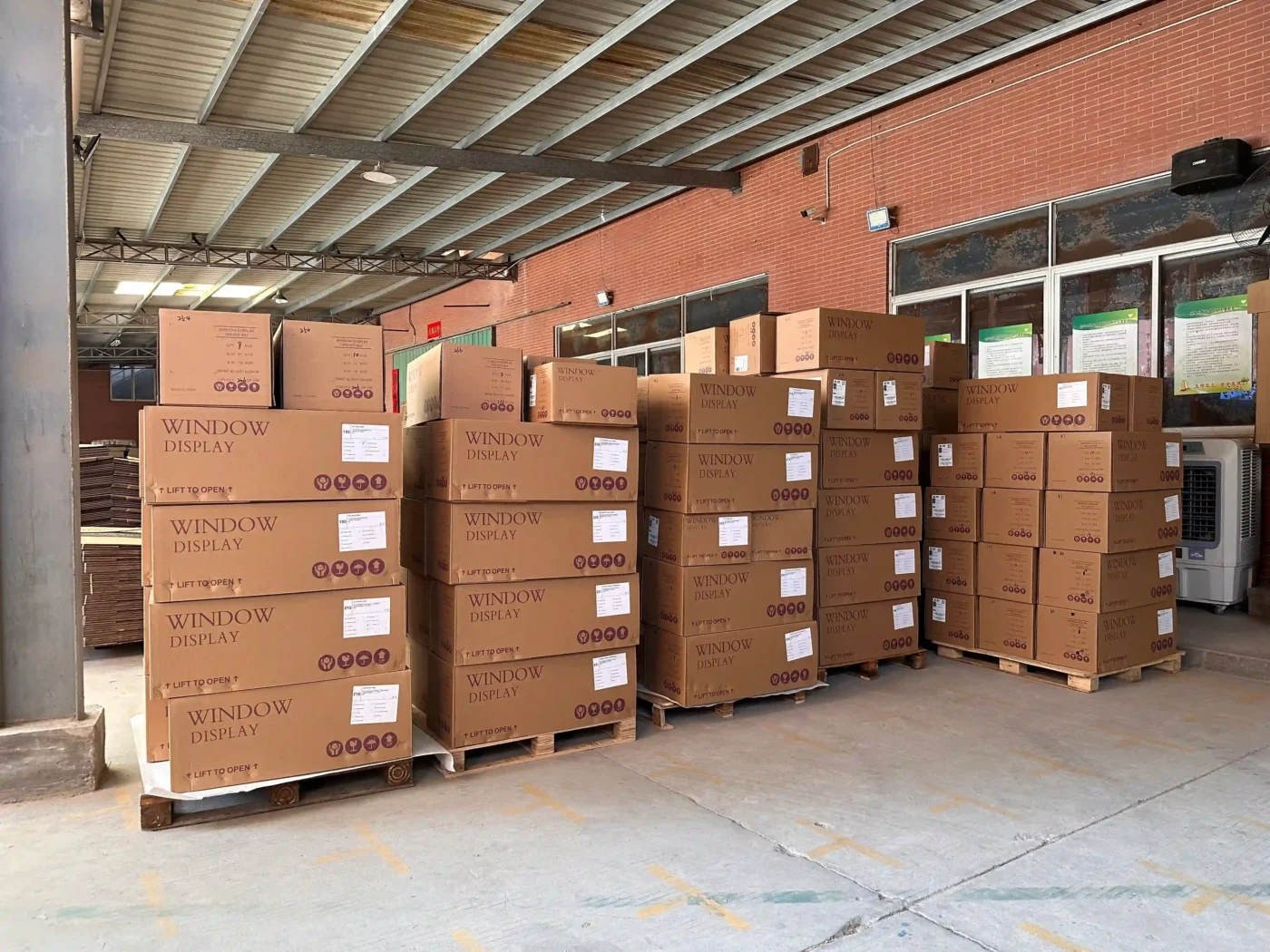
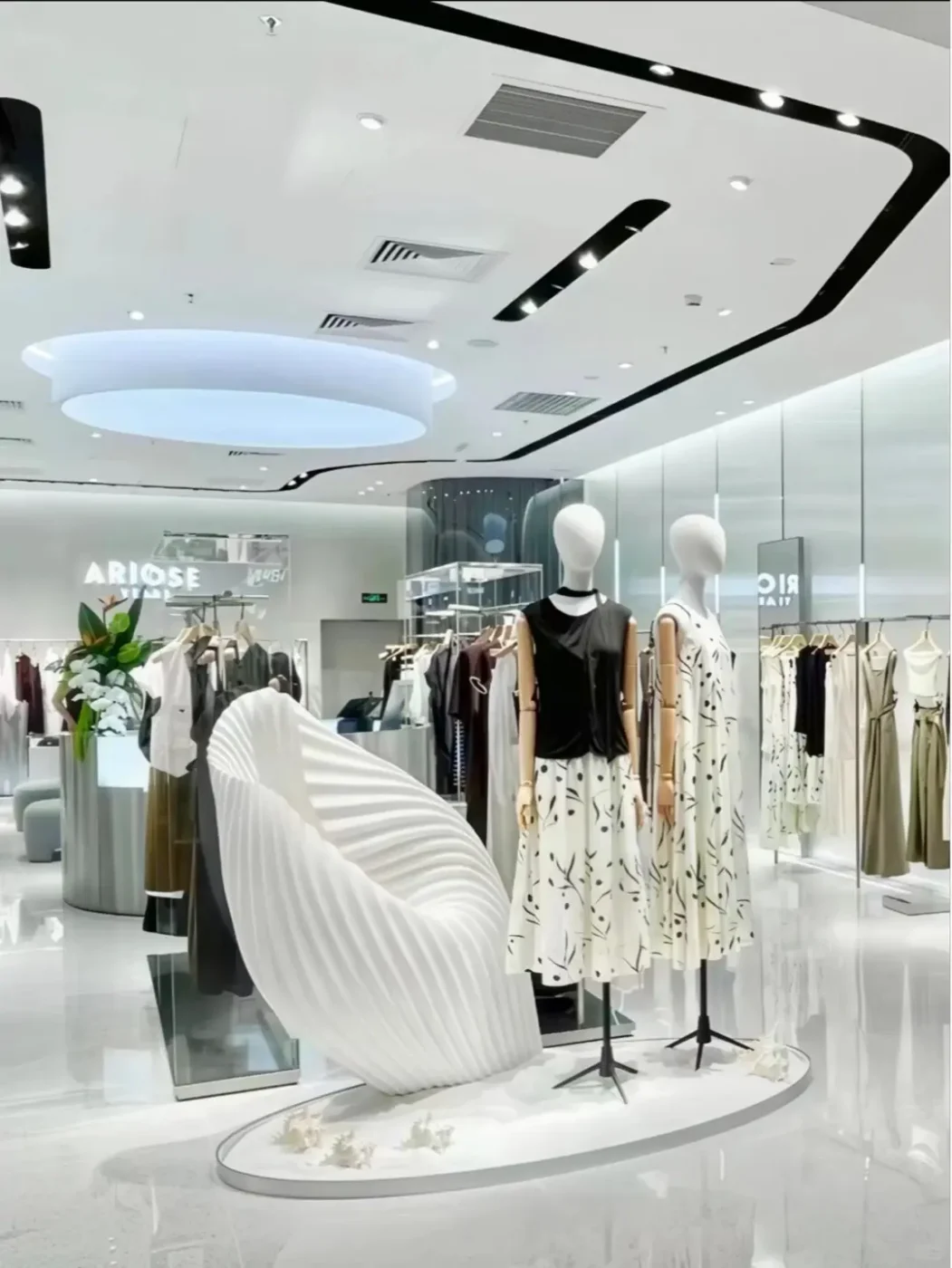
A beautiful window design can fail if it is difficult to install. Award-winning displays may look effortless, but behind them are clear connection points, modular sections, labels, fixing hardware, protective packing and sometimes on-site adjustment plans. Selfridges’ flagship store is widely known for windows that attract tourists, designers and fashion visitors.
For pop-up store display props, the same principle applies with tighter constraints: store install windows are often overnight, so we number every component, design keyed connections that only fit one way, and aim for assembly with a single tool — or no tools at all. Each shipment includes a printed installation sheet with photos, because the installers are rarely the people who built the props.
8. Seasonal Displays Need Speed and Durability
Holiday windows, summer windows and campaign windows run on tight timelines. Media coverage of New York holiday windows regularly shows how department stores use theatrical seasonal displays to attract crowds and extend retail storytelling.
From the production side, seasonal work compresses every decision — including ones that look invisible. Resin selection is a good example: a six-week indoor holiday window can run on standard unsaturated polyester resin, but anything facing sunlight or intended for reuse next season needs epoxy resin, which resists UV yellowing at roughly double the material cost. As a seasonal custom display props manufacturer, we ask about display duration and location in the first call, because that answer locks material, finish and freight decisions within the first 48 hours of the project. The display may be temporary, but quality cannot be temporary.
9. Craft Details Create Luxury Credibility
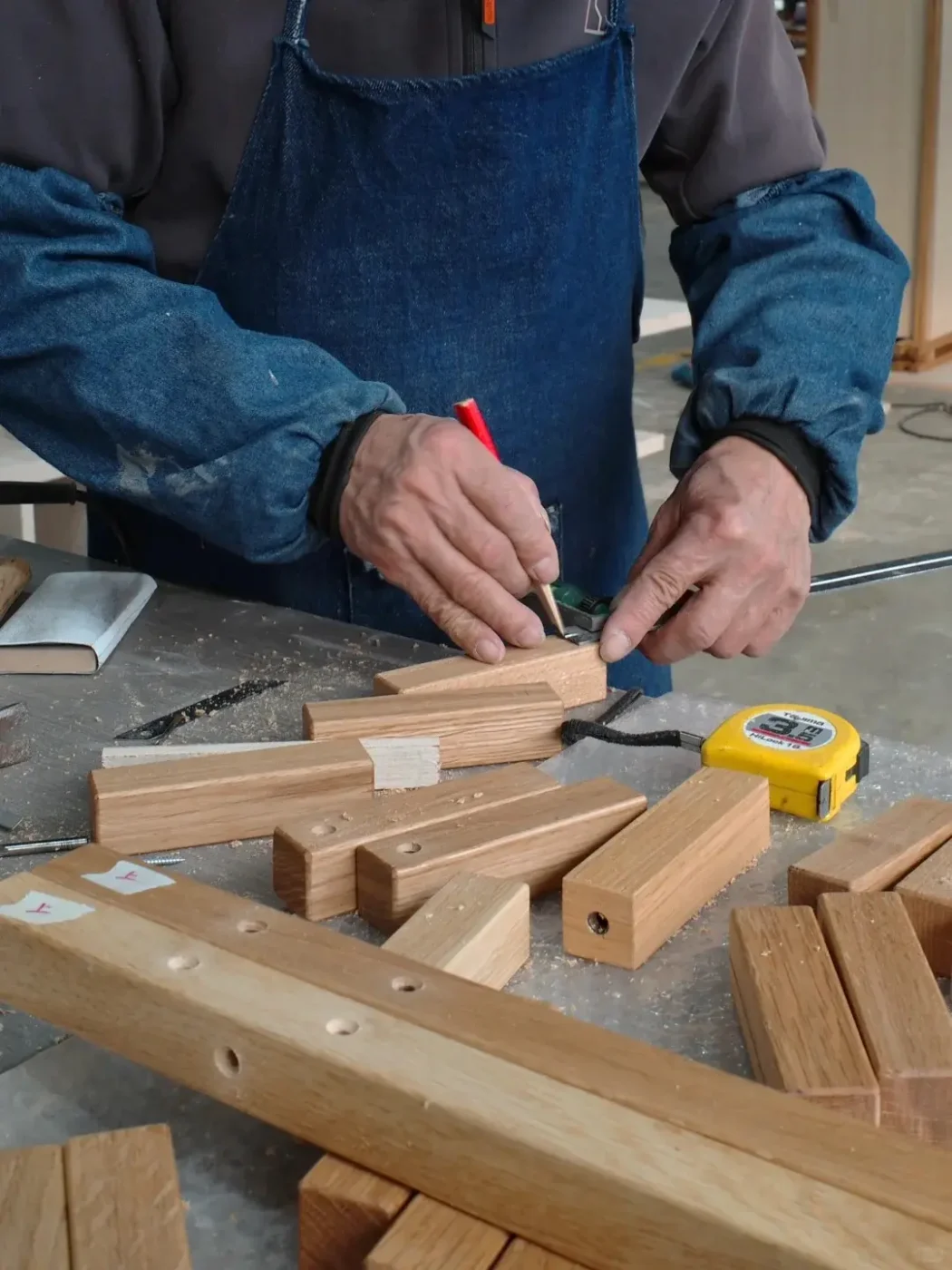
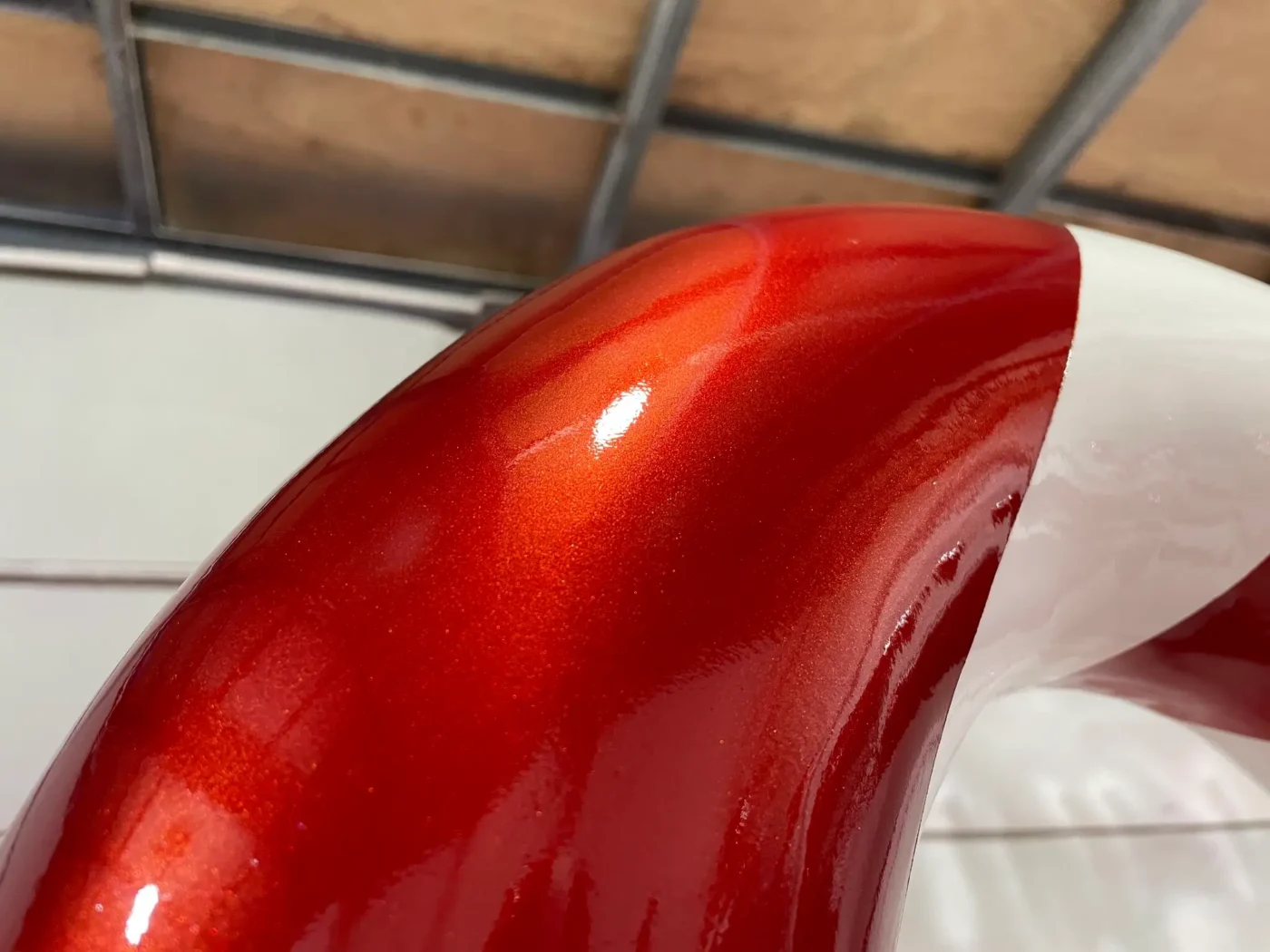
Luxury windows often depend on craft: hand-painted surfaces, flocking, electroplating, fabric wrapping, paper sculpture, carved wood, polished acrylic or metal bending. These details create depth that digital renders cannot fully show.
For VM Display, craft is where production experience matters most, because most of these processes — flocking, gold leaf, hand painting, woodwork and paint finishing — run in-house, while specialized plating goes to long-term partner workshops under our QC. The invisible steps carry the quality: a painted MDF fixture receives 2–3 coats of primer and 2–3 coats of topcoat, sanded between every coat, which is why the paint stage alone takes 5–8 days. Vacuum-metalized custom metal display fixtures carry a coating well under one micron thick, so every piece is sealed with UV protective lacquer and rub-tested on the same spot twenty times before we accept the batch. The final result must feel premium — and still survive export packing, transit vibration and installation handling.
10. The Best Displays Are Designed as Systems
The strongest window displays are not individual props. They are systems: hero objects, product supports, lighting, graphics, backdrops, hanging structures, packaging and installation documents. This is why award-winning visual merchandising requires cooperation between creative teams, fabricators, installers and VM managers.
When brands plan custom visual merchandising services, the most useful thing they can prepare is a production-ready brief: size, quantity, material, finish, installation site, deadline and shipping route. In our experience, projects that arrive with these seven data points move from quotation to approved sample far faster than projects that arrive as mood boards alone.
Production Takeaway for VM Teams
Award-winning window displays are inspiring because they make retail feel public, emotional and memorable. But from a manufacturing perspective, the real achievement is turning imagination into physical reliability. Scale needs structure. Lighting needs access. Mirror finishes need protection. Repetition needs consistency. Seasonal deadlines need planning.
If your team is developing a luxury window campaign, seasonal retail display or multi-store visual merchandising rollout, an early conversation with our production team can help protect the creative idea before production begins.
FAQ
What makes a window display award-winning?
Award-winning window displays usually combine one clear visual idea with strong storytelling, controlled scale, integrated lighting, brand-aligned materials and precise installation. From a production standpoint, the common factor is that every visual decision — size, finish, repetition — was engineered to be buildable, shippable and installable without compromising the original concept.
Which materials are commonly used in luxury window display production?
Common materials include FRP (fiberglass), acrylic, metal, wood, resin, textile, mirror finishes, printed graphics and LED lighting. FRP is preferred for oversized sculptural forms because a hollow hand-laid shell keeps large props light; for transparent elements, cast acrylic is specified over extruded for its 93% light transmission and stability during heat bending.
How long does custom window display production take?
For sculptural FRP props, mid-size pieces (0.5–1.5 m) typically take 15–22 days including mold-making, and large pieces above 1.5 m take 22–35 days; repeat production from existing molds runs roughly half that. Metal fixtures range from 5–8 days for simple structures to 18–25 days for multi-process pieces with plating. Seasonal projects should be briefed 2–3 months before install to allow sampling and freight.
Why should manufacturers join the window display process early?
Early manufacturing input verifies structure, material feasibility, weight, packing, safety, installation method and production timing before the design is locked. Changes cost far less at the drawing stage than after molds are made — once a silicone mold is cast, every detail of the master, including its flaws, is reproduced in the final props.
Can temporary seasonal window displays still be high quality?
Yes. Temporary displays still need professional materials, stable structure, clean finishing, careful packing and clear installation instructions. Display duration changes material selection — a short indoor campaign and a sunlit or reusable display call for different resins — but it never lowers finish quality requirements, because a six-week window is photographed and re-lit daily.
Disclaimer
This article is based on publicly available award platforms, retail media and industry information. VM Display is not claiming partnership, sponsorship, endorsement, award participation or direct involvement with any brands, retailers, award bodies or media outlets mentioned.