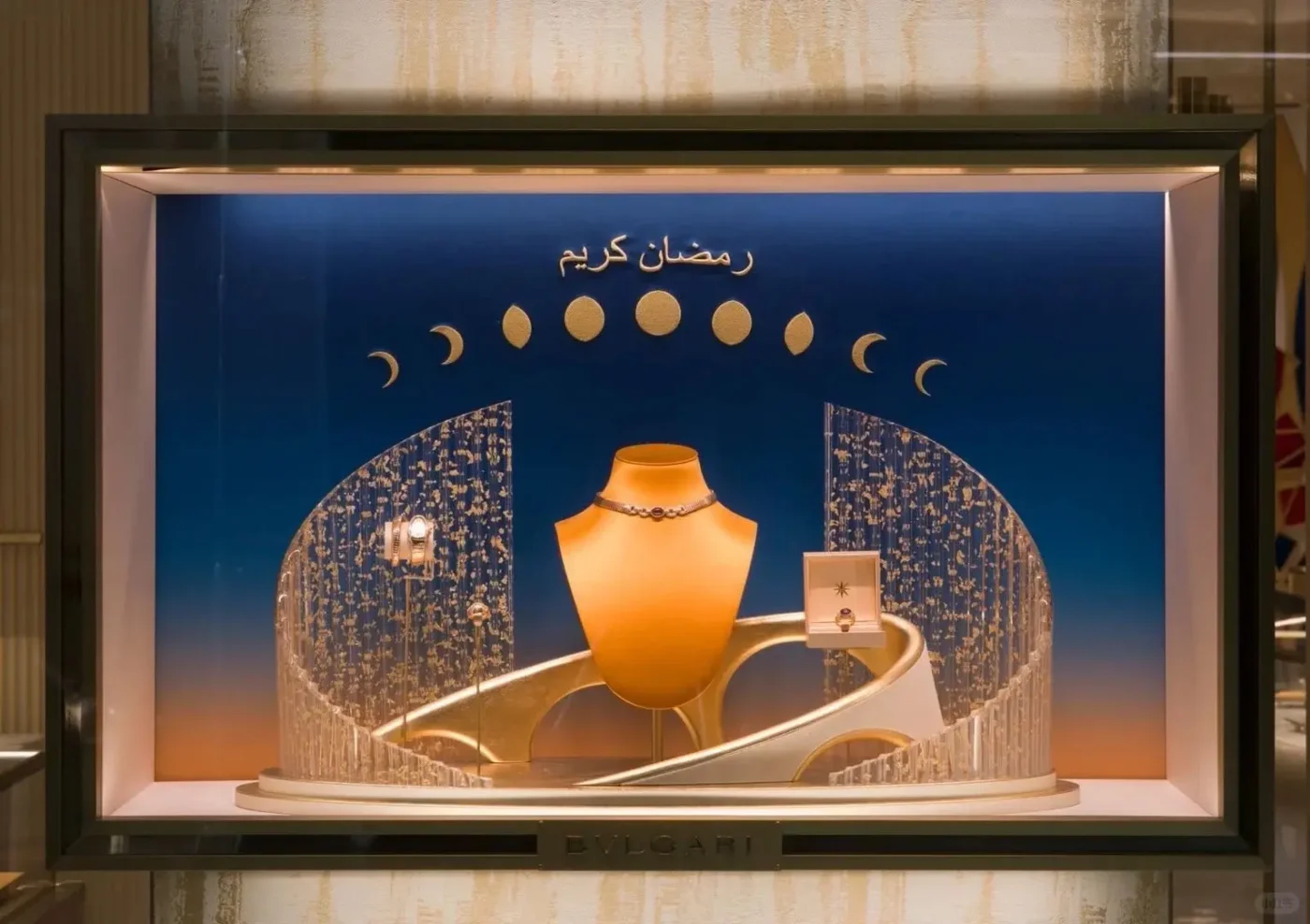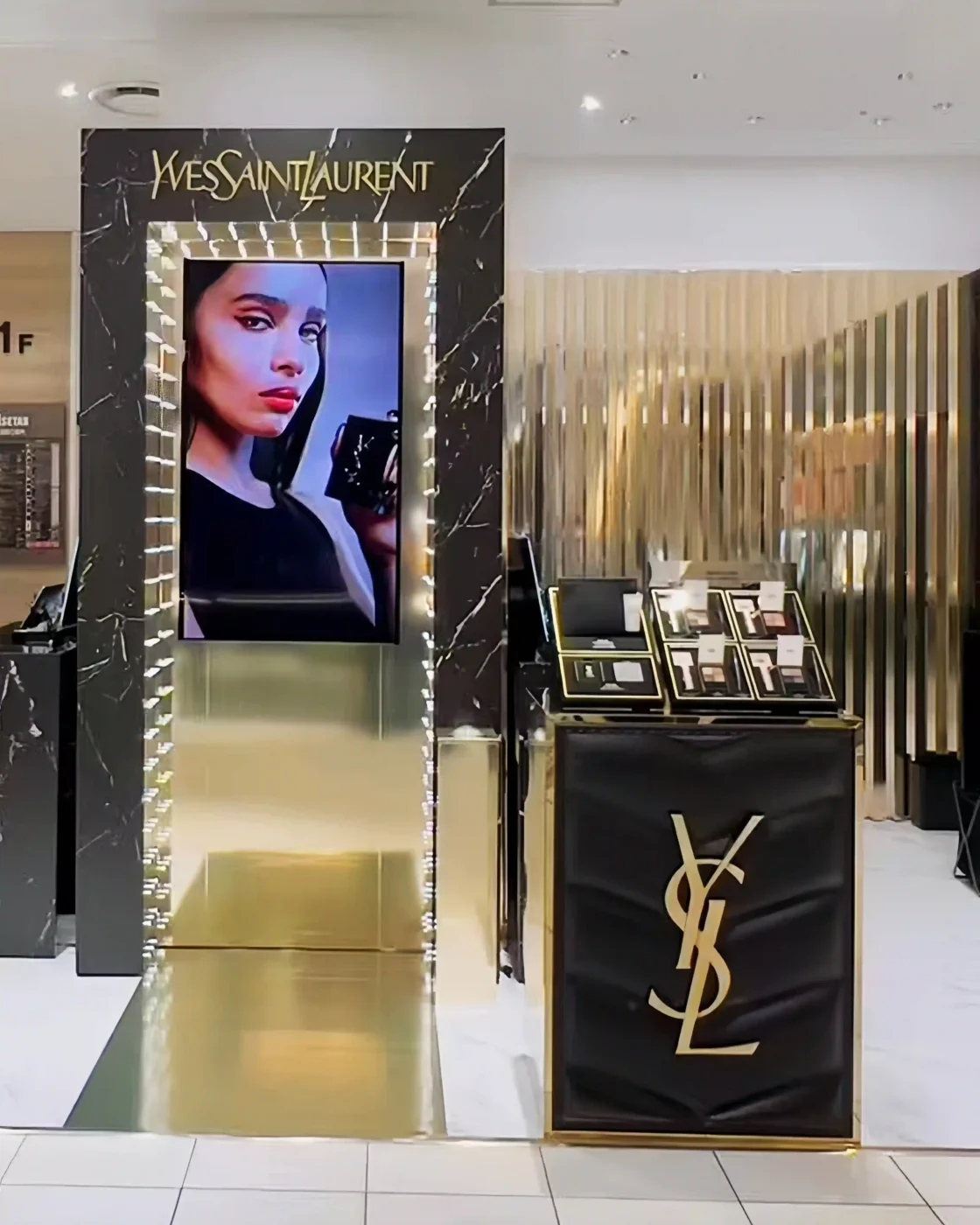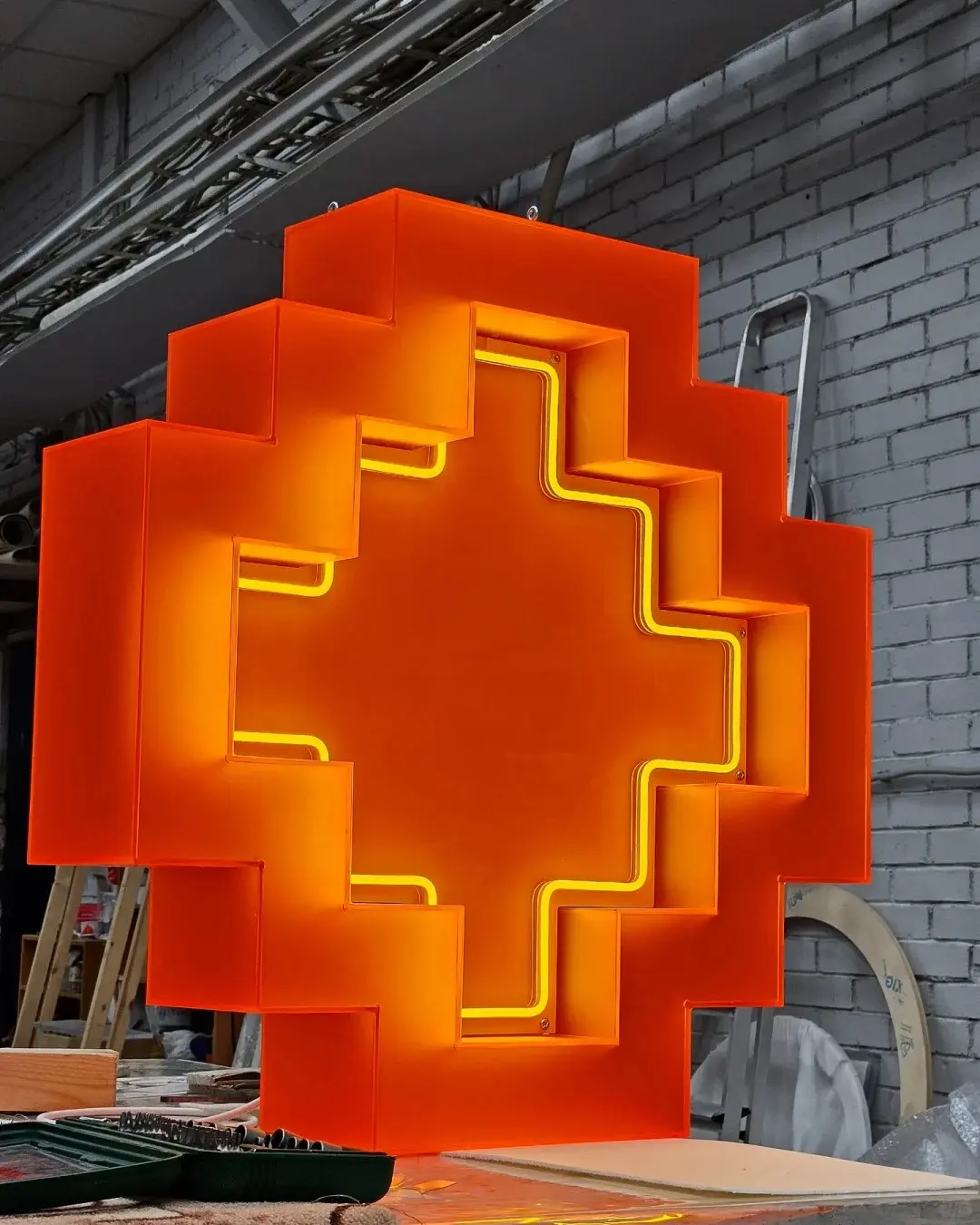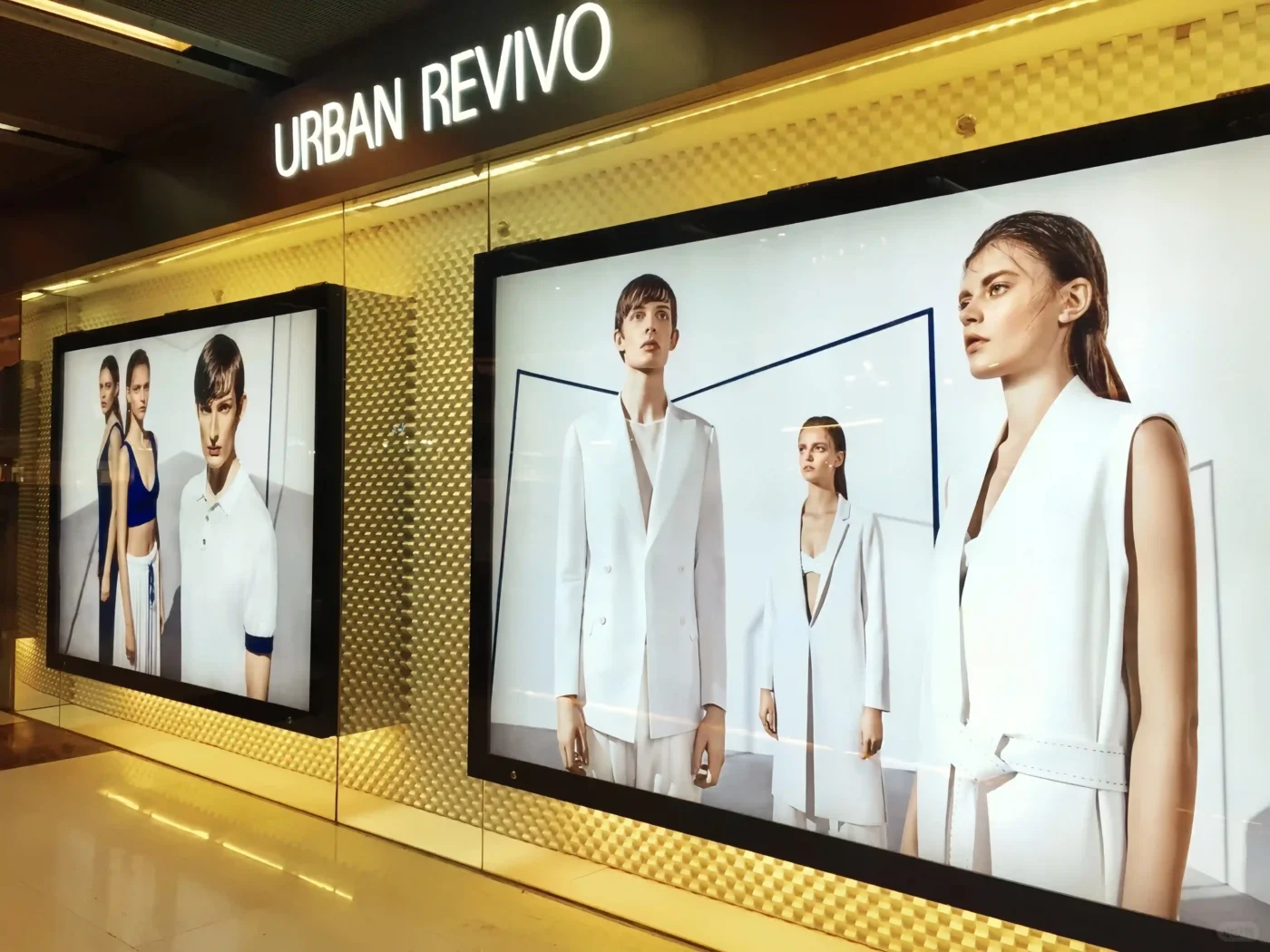
A brand sends over an AI render. The image shows a pair of oversized golden flowers flanking a perfume bottle inside a storefront window. The flowers are 1.8 metres tall, metallic, glowing slightly from within. Beautiful concept. Clear campaign story.
Then the questions start.
What material can hold that shape at that size without visible seams? What finish will give a convincing gold without the weight and cost of real metal? How will the store team in Milan install it? How will the same prop survive a sea freight container to New York? And what happens when the surface gets scratched during unpacking?
This is where window display props stop being a creative exercise and become a production problem.
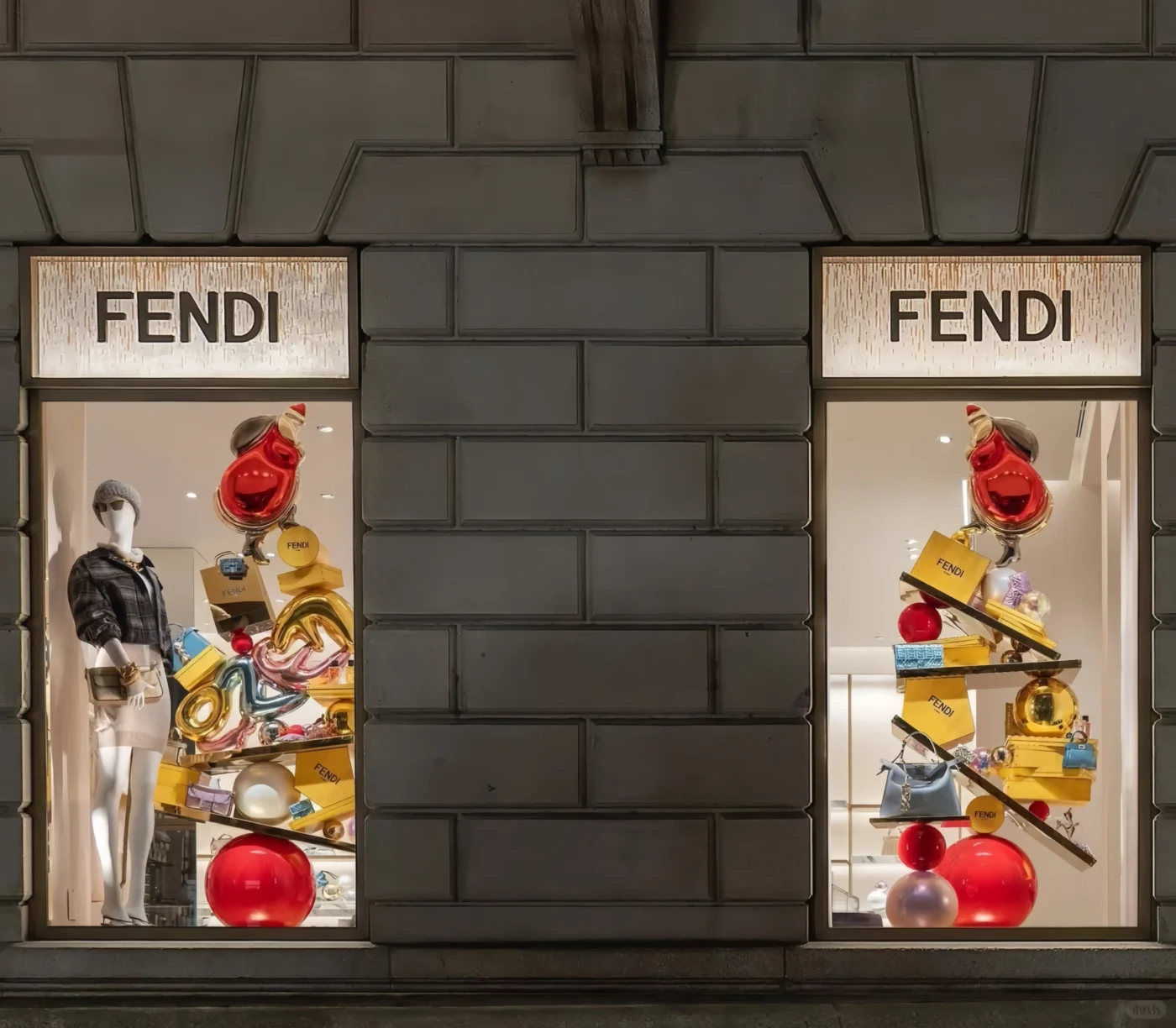
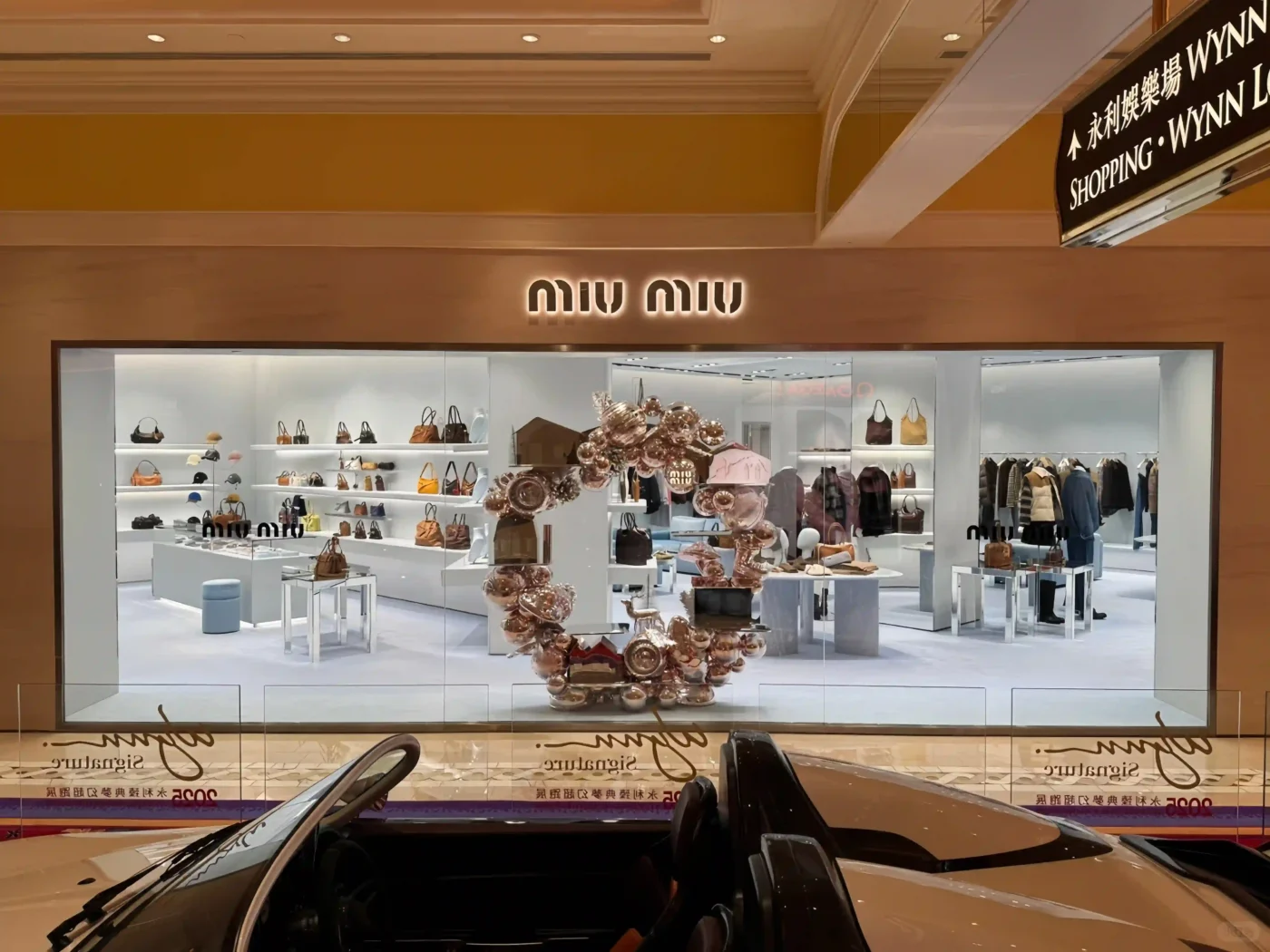
Window display props are custom objects, structures and decorative elements placed inside a retail store window to support the product story. They range from oversized product replicas and fiberglass sculptures to acrylic plinths, metal arches, MDF platforms and illuminated elements. They are used in many types of retail window displays — open back, closed, semi-open, island and seasonal storefront campaigns.
But the prop itself is only half the story. The other half — the half that determines whether the window actually works — is material selection, surface finish, structural engineering, packing and installation planning.
This guide is for the people who already know what window display props do. The focus is on the decisions that separate a prop that holds up across a 30-store rollout from one that arrives damaged, looks wrong under store lighting, or sits in a crate because nobody at the store knows how to set it up.
A Prop Is Not a Decoration. That Difference Costs Money.
There is a practical difference between a window decoration and a window display prop, and it affects budget, production method and campaign impact.
A decoration adds atmosphere. A prop supports the retail message.
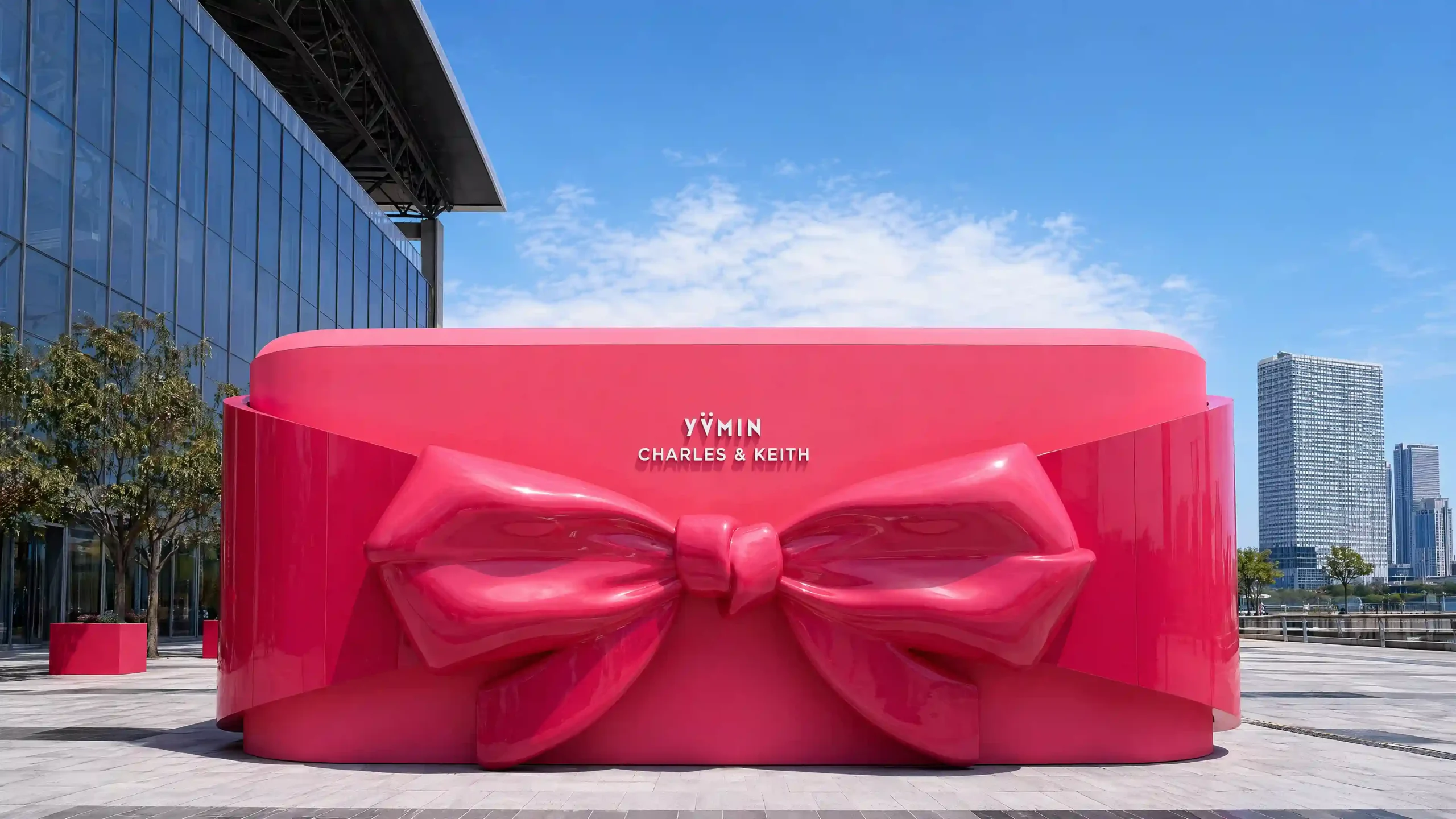
A generic flower arrangement may look pleasant in a window. But a custom oversized flower built in the brand’s Pantone color, scaled to the storefront proportions, and structurally engineered to frame a hero product — that is campaign architecture. One can be sourced from a decor supplier in a week. The other needs custom production, quality control, and a packing plan.
A standard mirror ball is a decoration. A custom mirrored display sphere — sized for a luxury window, finished with controlled surface quality, fitted with an internal steel frame for freestanding installation — is a visual merchandising tool.
The difference matters commercially. Custom window display props can be repeated across store networks, adapted for different window sizes, and engineered for reuse across seasons. Off-the-shelf decorations cannot.
Why Good Concepts Still Fail as Finished Props
Not every custom window display prop delivers what the render promised.
A mirrored chrome moon looks spectacular in a 3D visual. But if the fabrication team selects the wrong base material, skips proper surface preparation, or underestimates packing requirements, that same moon arrives with visible dents, uneven reflection and fingerprint marks the store team cannot remove.
The gap between concept and finished window is where most problems appear. The reasons are usually practical, not creative:
The material cannot hold the desired finish at full scale. The structure is too heavy for the store team to position. The surface scratches during transit. The color shifts under the store’s actual lighting. The prop fits the render but not the real window dimensions.
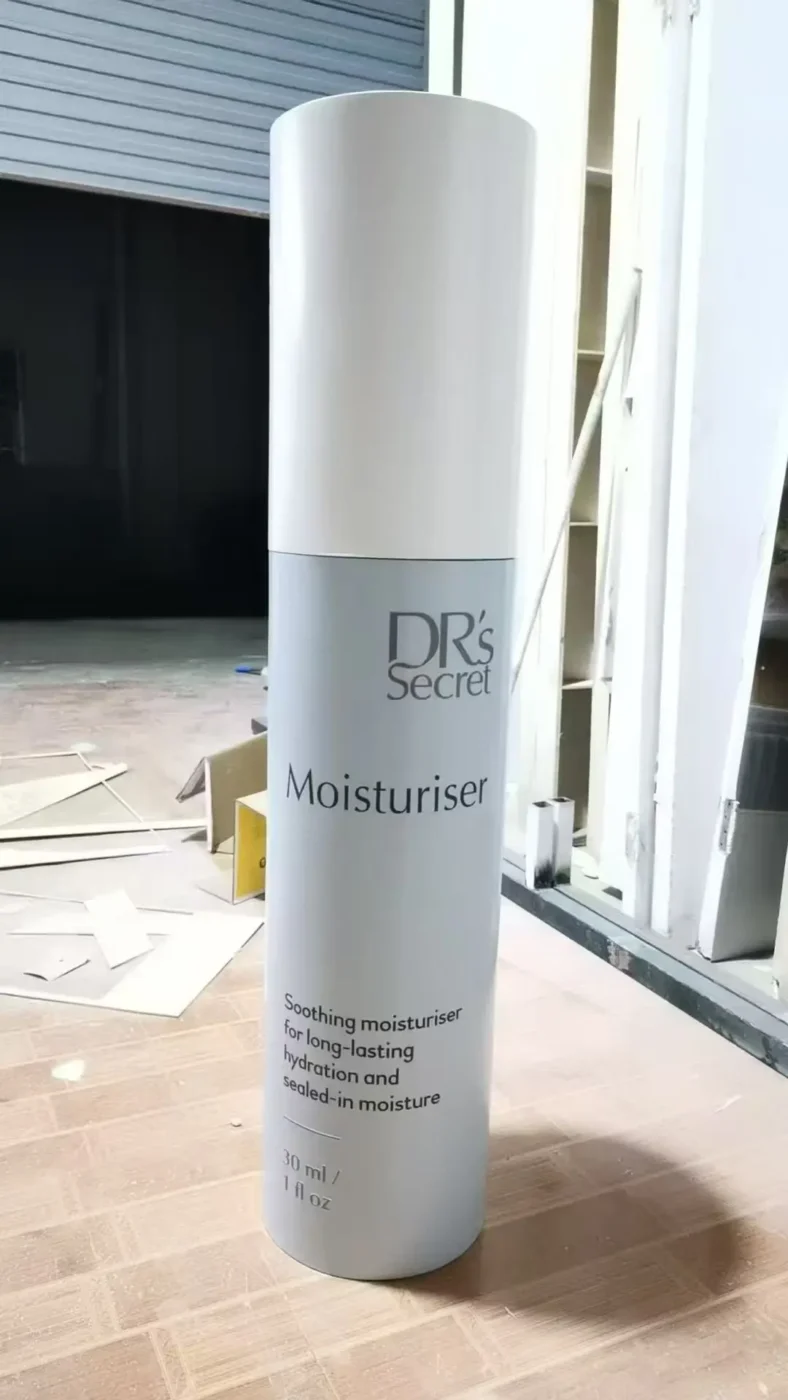
A luxury fragrance house once needed 40 sets of oversized bottle replicas across Asia-Pacific stores. Every replica had to match the exact color of the glass bottle. Every metallic cap had to look identical across all units. And each piece had to weigh under 4 kg so counter staff could reposition it without help. That is not a design challenge. That is a material engineering and production control challenge.
The brands that consistently produce strong retail windows are not always the ones with the best creative ideas. They are the ones that know how to translate a visual concept into a production specification — or work with a manufacturing partner that does.
The Material Decision That Makes or Breaks a Window Display
Material selection is the single most consequential production decision for window display props. It determines the visual effect, the structural capability, the weight, the cost, the timeline and the shipping risk.
But here is the part that matters more than any material spec sheet:
The right material is not the most expensive one. It is the one that gives the correct look, survives the campaign, fits the production schedule and arrives safely.
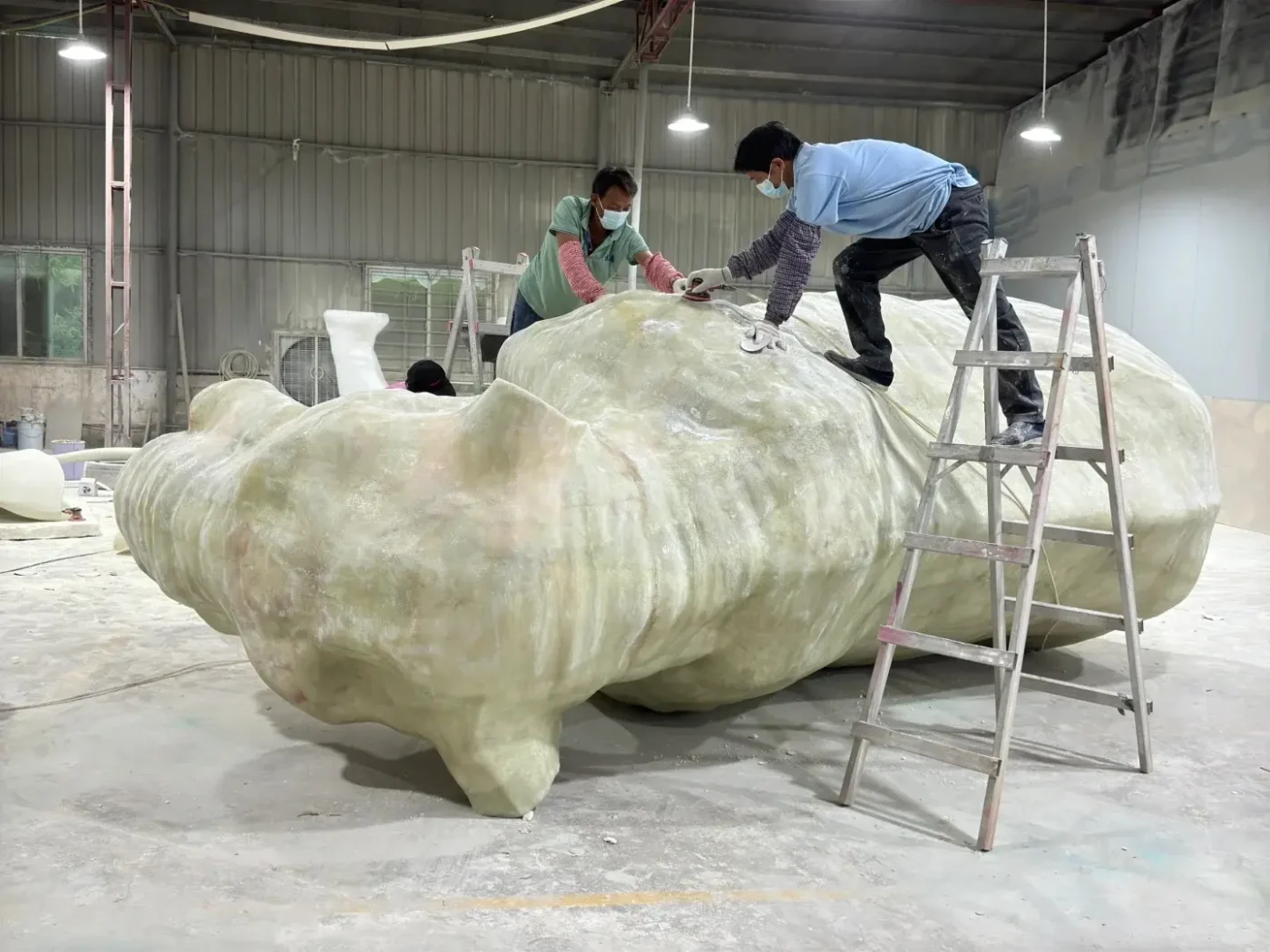
Your concept is sculptural, oversized or organic → Fiberglass (FRP)
Giant flowers. Bottle replicas. Character figures. Candy shapes. Shells. Animals. Anything that needs complex curves, large scale and light weight.
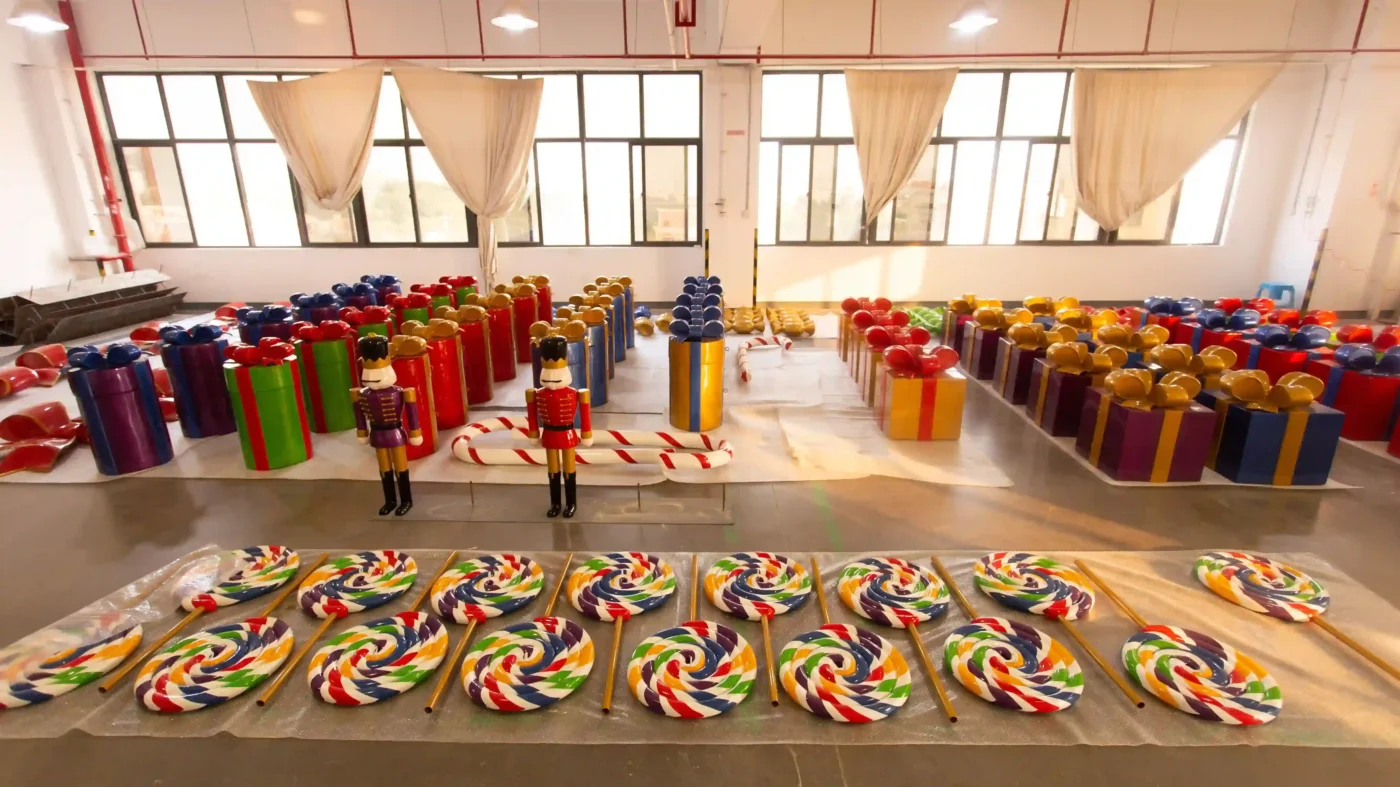
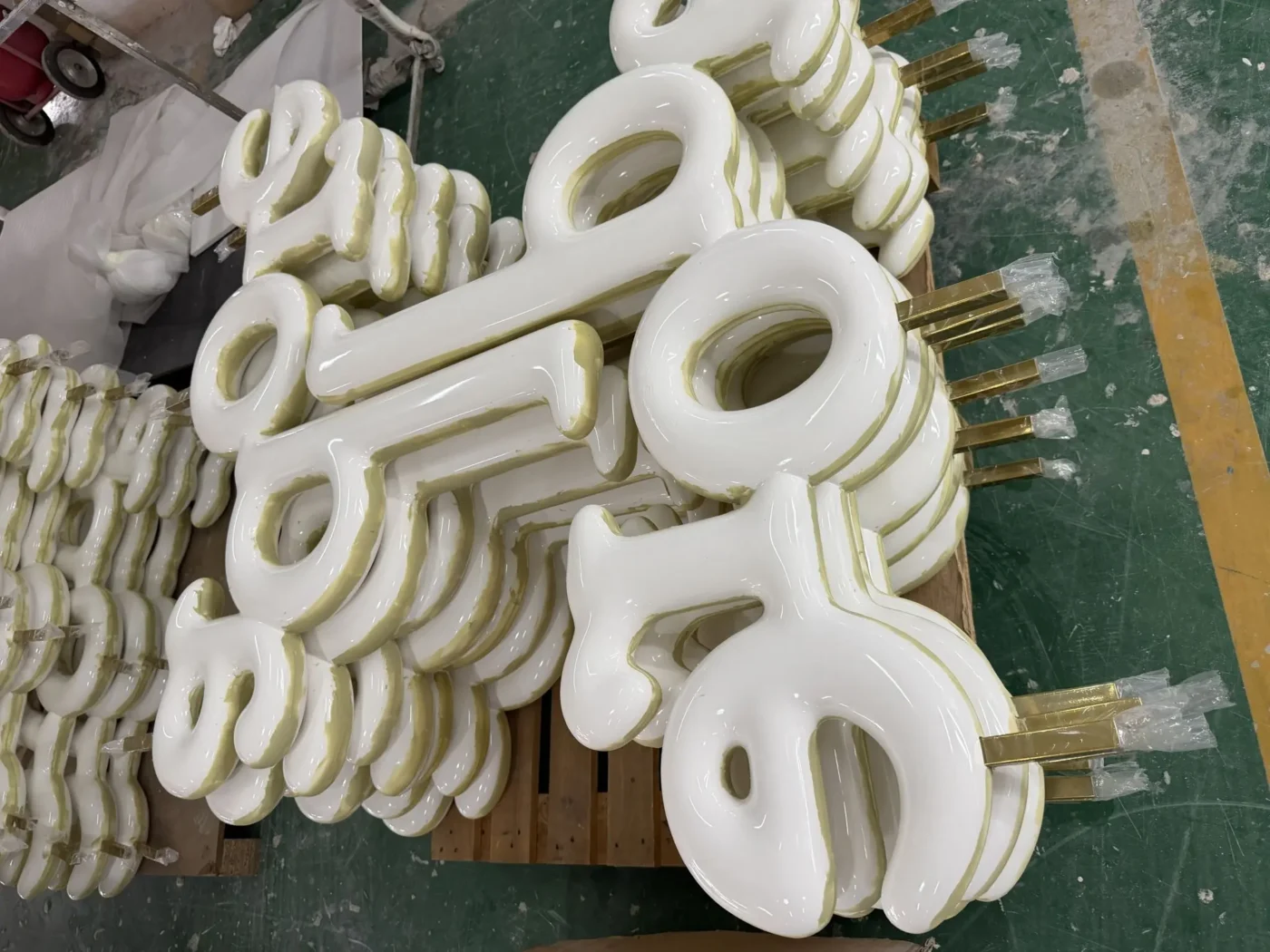
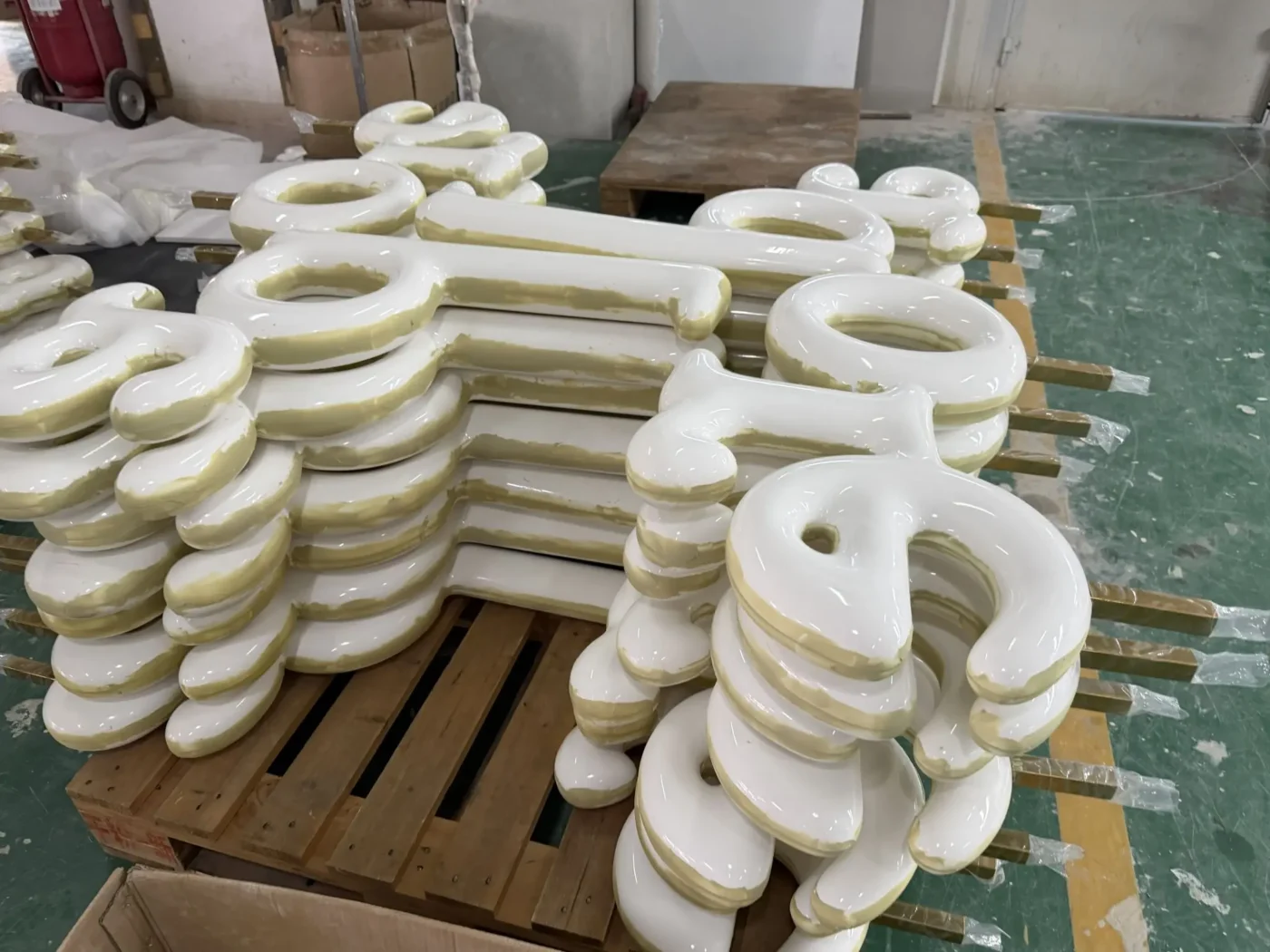
Fiberglass can be molded into virtually any form and accepts finishes from high-gloss paint to metallic electroplating, flocking and UV vacuum metalizing. It is light relative to its size — which matters when the store team in Tokyo needs to move it, and when 35 crates need to fit in a container.
The cost consideration: mold development adds to the first production run. But once the mold exists, subsequent batches are faster and cheaper. Typical cycle: approximately 15 days from mold to finished piece.
A fashion brand commissioned sculptural candy props, oversized gift boxes and metallic stars for a Christmas window across 8 European flagships. The candy props were fiberglass with multi-layer lacquer. The gift boxes were MDF with flocked surfaces. The stars were stainless steel. Seven different prop types. Eight different window dimensions. One delivery per store, with assembly instructions clear enough for a local VM team working without the manufacturer present. That project started in May and delivered by mid-November.
Your concept is clean, transparent or illuminated → Acrylic (PMMA)
Product risers. Light boxes. Backlit panels. Transparent frames. Floating structures. Color blocks.
Acrylic is the default for beauty, fragrance, jewelry and eyewear windows — anywhere product visibility and light transmission matter. It can be laser-cut, CNC-routed, thermoformed, polished, frosted, edge-lit or backlit. Production runs approximately 12 days for standard fabrication. Learn more about acrylic display fabrication.
The handling concern: acrylic scratches. Every piece needs protective film, custom foam inserts and careful packing. This is not optional — it is the difference between a prop that arrives ready to display and one that needs re-polishing on site.
A beauty brand’s pop-up used oversized acrylic product shapes with LED-backlit panels and a mirrored floor platform. Because it was a single location with a 3-week run, the background shapes were foam-core with paint (cheaper, faster) while acrylic was reserved for the front-facing hero elements where light quality and surface precision were non-negotiable.
Your concept is structural, architectural or premium-metal → Metal
Arches. Frames. Suspended structures. Product stands. Mirror-finish objects.
Stainless steel for mirror polish and PVD coating. Aluminum for lighter suspended and ceiling-hung installations. Iron for cost-effective painted structural frames. Metal supports the heaviest loads and achieves finishes that other materials can only imitate. Learn more about metal fabrication for display props.
The weight consideration: metal props need stronger crating and may significantly affect shipping cost. Plan for it.
Your concept needs platforms, backdrops or painted geometry → MDF and Woodwork
Plinths. Display bases. Geometric stages. Painted backdrops.
MDF provides clean, consistent surfaces at controlled cost. But for premium retail, the finish — edge treatment, paint surface, joint detail — has to meet the same standard as the rest of the window. Rough edges or visible fasteners will undermine a display that cost thousands to produce. Learn more about MDF woodwork retail display.
Your concept is lightweight, temporary or large-scale background → Foam
CNC-carved forms. Seasonal shapes. High-volume decorative elements.
Foam is fast and affordable for large-scale shapes, but limited in durability and surface hardness. Best for short campaigns (2–4 weeks) where the prop is viewed from a distance and will not be handled after installation.
Your concept needs texture, drape or softness → Fabric
Wrapped forms. Draped backdrops. Organic textures.
Fabric works for romantic, seasonal and fashion campaigns. Usually combined with rigid internal frames. The key considerations: wrinkle resistance and fire rating — retail environments may require FR-certified materials.
Surface Finish Changes Everything
Two props made from the same material can look completely different.
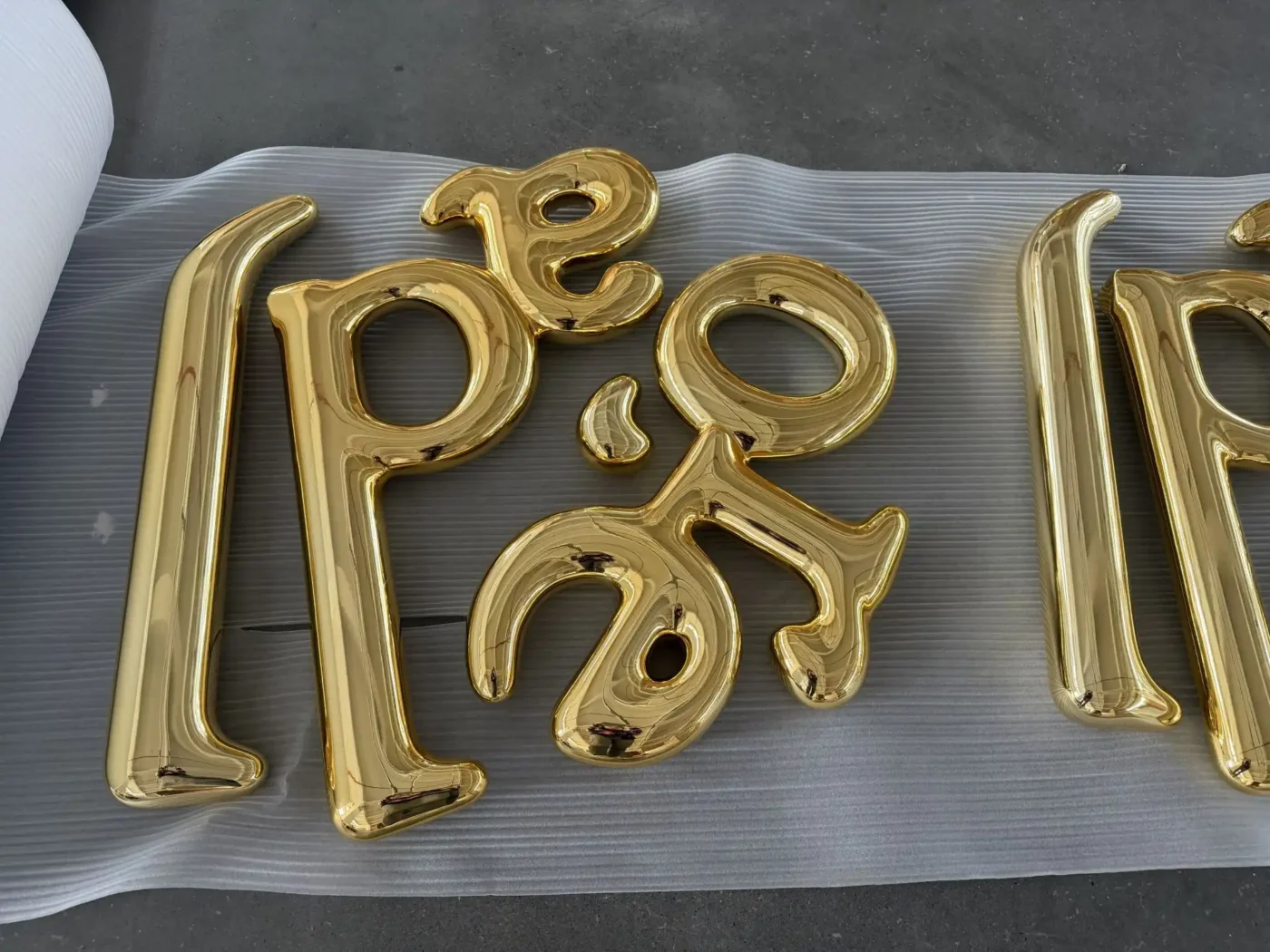
A fiberglass sculpture in matte white paint feels architectural and restrained. The same sculpture in mirror-gold electroplating feels luxurious and theatrical. In soft flocking, it feels tactile and intimate. In high-gloss candy red, it feels playful and seasonal.
Surface finish deserves the same attention as material selection. It is a brand decision as much as a production decision.
Common finishes for retail window display props: high-gloss spray paint (any RAL or Pantone), matte and satin lacquer, mirror-polish stainless steel, electroplating (chrome, gold, rose gold, black nickel), UV vacuum metalizing for lightweight metallic effects, flocking for velvet textures, powder coating for durable colored metal, and leather or fabric wrapping.
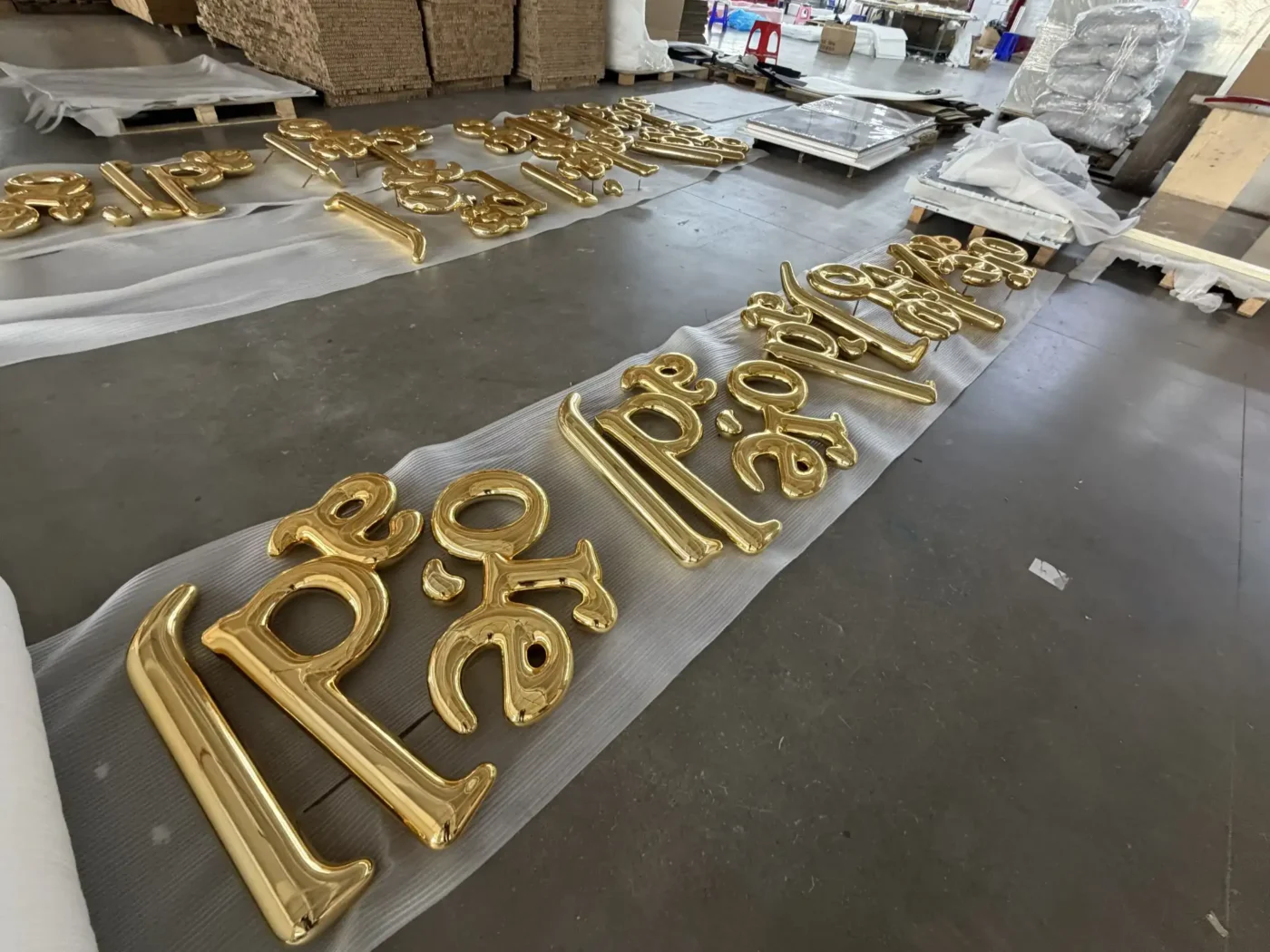
One thing worth knowing: electroplating and vacuum metalizing are not simple coatings. They require surface preparation — body filler, sanding, primer, base coat — that adds days to the production schedule. Skipping this step is one of the most common reasons metallic-finish props arrive with visible bumps, uneven sheen and surface defects that cannot be corrected without stripping and restarting.
Six Production Questions to Settle Before Manufacturing Starts
These are the questions that prevent expensive surprises.
1. What is the viewing distance?
A prop seen through a storefront window from the street needs bolder scale and simpler surface detail than one seen at arm’s length inside a boutique. Over-detailing a window prop wastes budget. Under-scaling a street-facing prop wastes the campaign.
2. Will the back be visible?
Open-back window displays expose the rear of every prop to shoppers inside the store. The back must be finished to the same standard as the front. This changes cost.
3. Does the prop need lighting?
Illuminated props need wiring, heat management, power access, brightness control and diffusion planned from the structural design stage. Not after the prop is built. Learn more about retail window display lighting.
4. How will it stand, hang or mount?
Large props need hidden bases, internal steel frames, counterweights or suspension systems. The installation method determines the internal engineering, and that must be resolved before fabrication.
5. How will it be packed and shipped?
This is where projects most often get underestimated. Painted, mirrored, acrylic and irregular-shaped props need custom packaging — foam-lined crates, edge guards, surface film. Sea freight to Europe or North America takes approximately 40–50 days. Air freight can deliver in 8–12 days for urgent timelines.
6. How many stores need the same display?
Multi-store rollouts need props designed for batch consistency, efficient packing and installation guides that work without the manufacturer being on site.
Different Retail Categories, Different Prop Logic
The materials are the same. The way they are used is not.
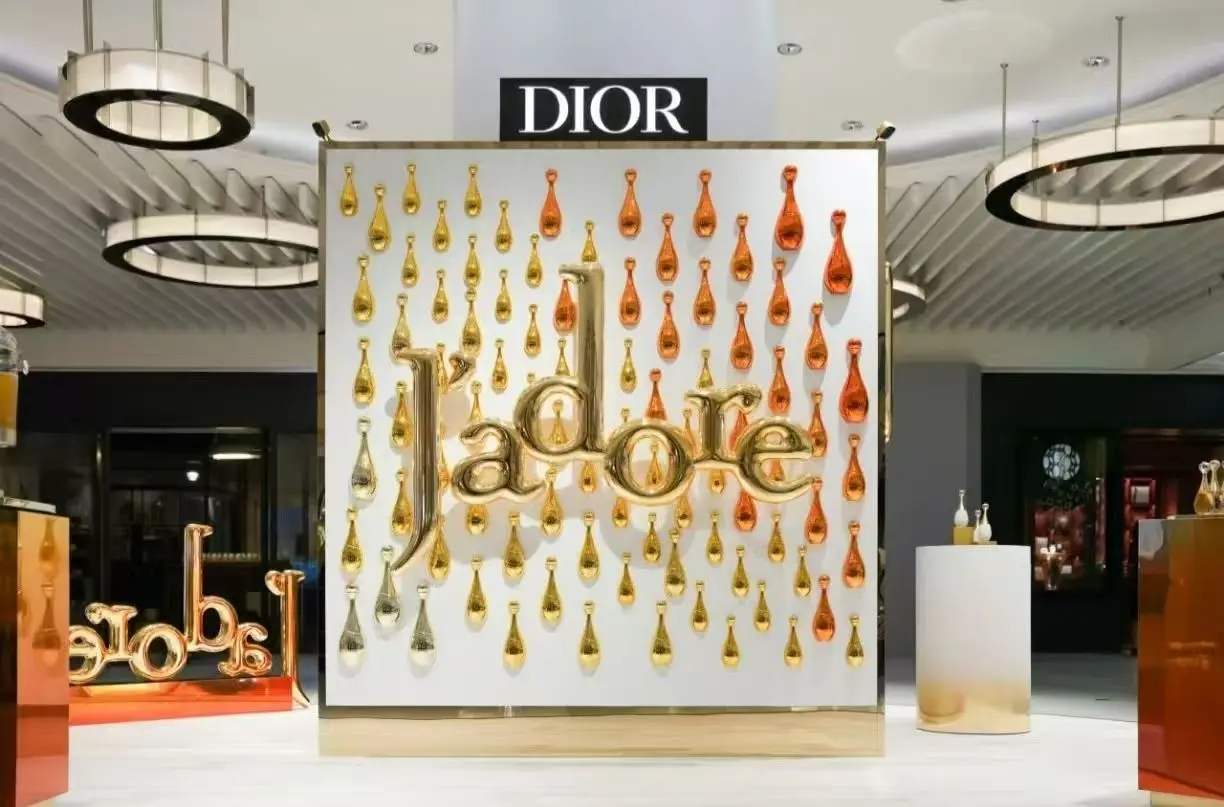
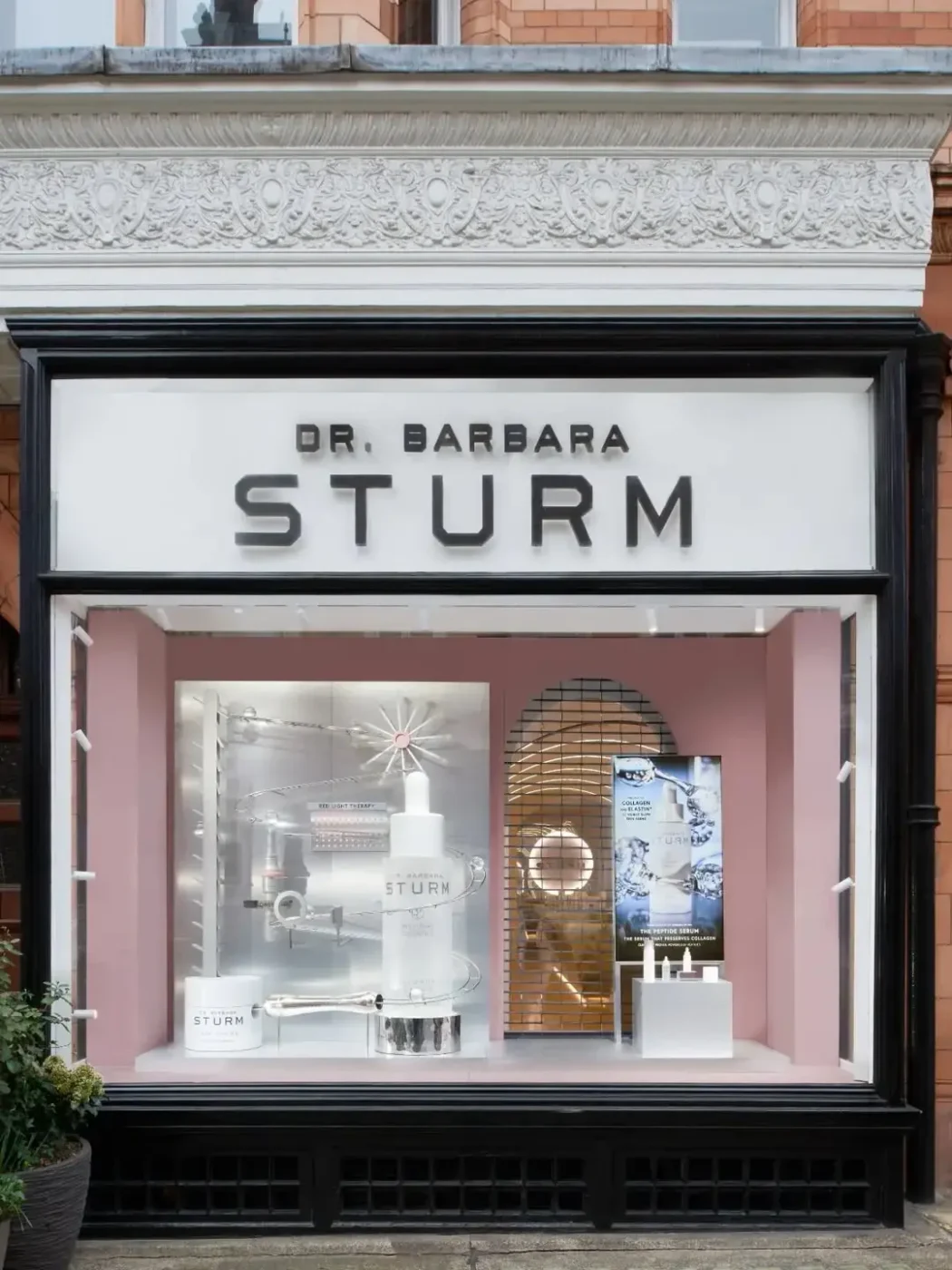
Beauty and fragrance — Products are small. The window has to compensate. Acrylic, illumination and oversized replicas dominate. Surface finish precision is critical because viewing distances in beauty retail are short. Every imperfection shows.
Jewelry — Refined, controlled environments. Metallic surfaces, mirrored elements, velvet flocking, precise lighting. Props are smaller in scale but higher in finish quality than almost any other category.
Fashion — Larger sculptural elements. Metal arches. Oversized flowers. Fabric structures. The prop frames the clothing and extends the campaign mood beyond what the mannequin alone can carry.
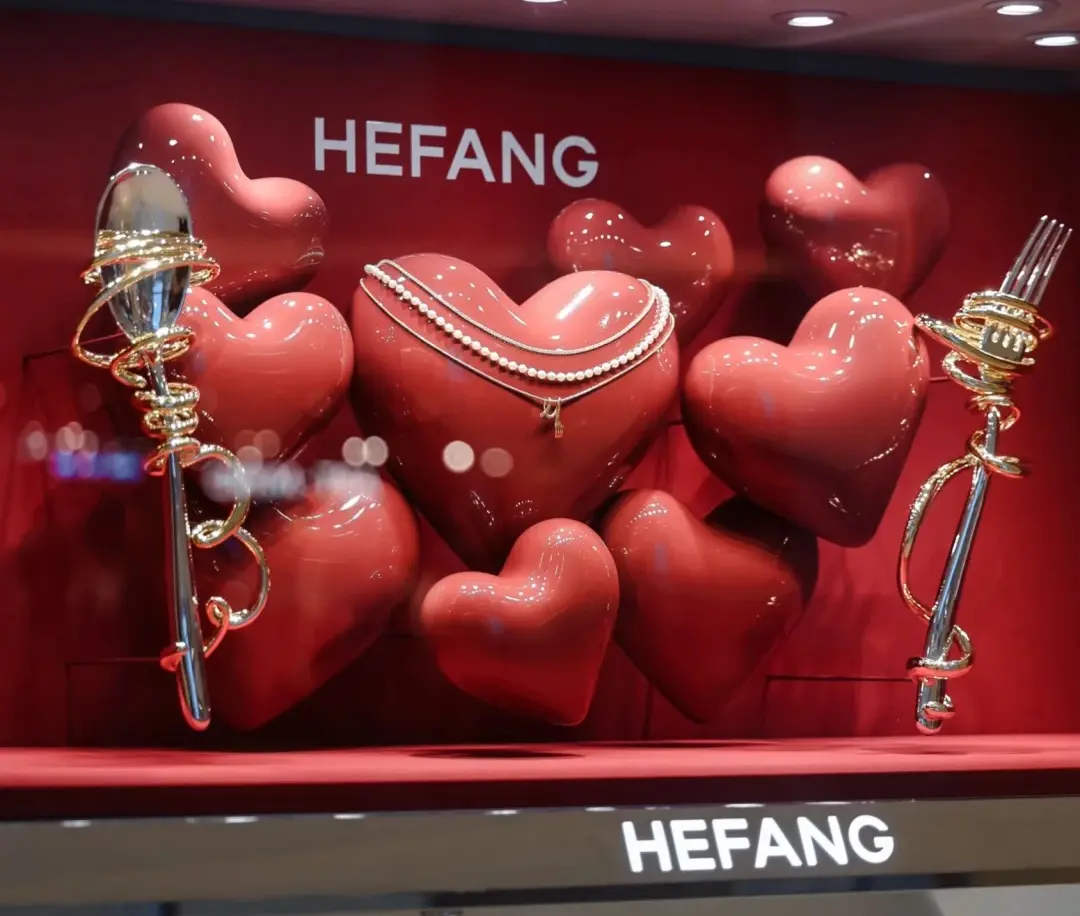
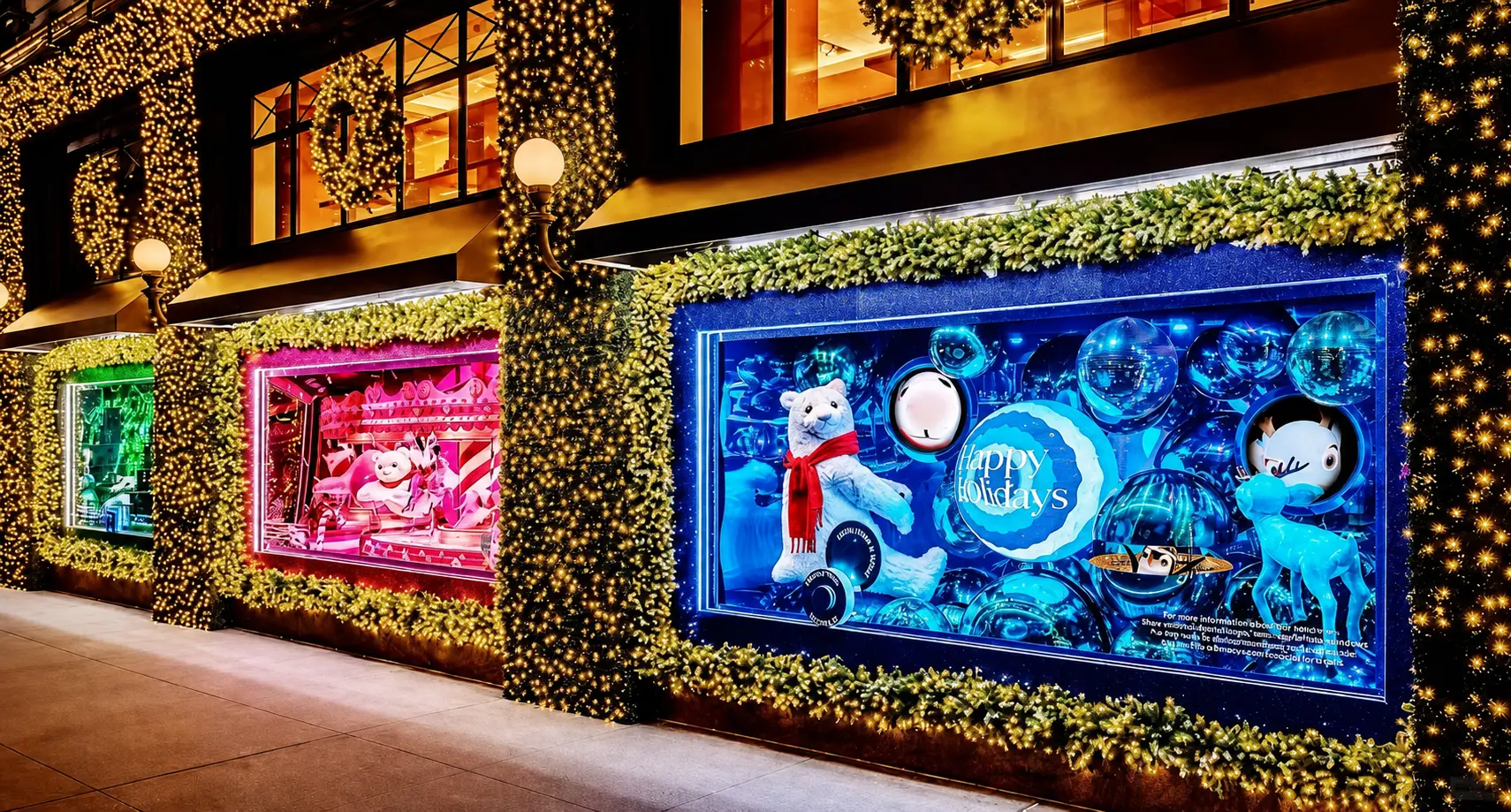
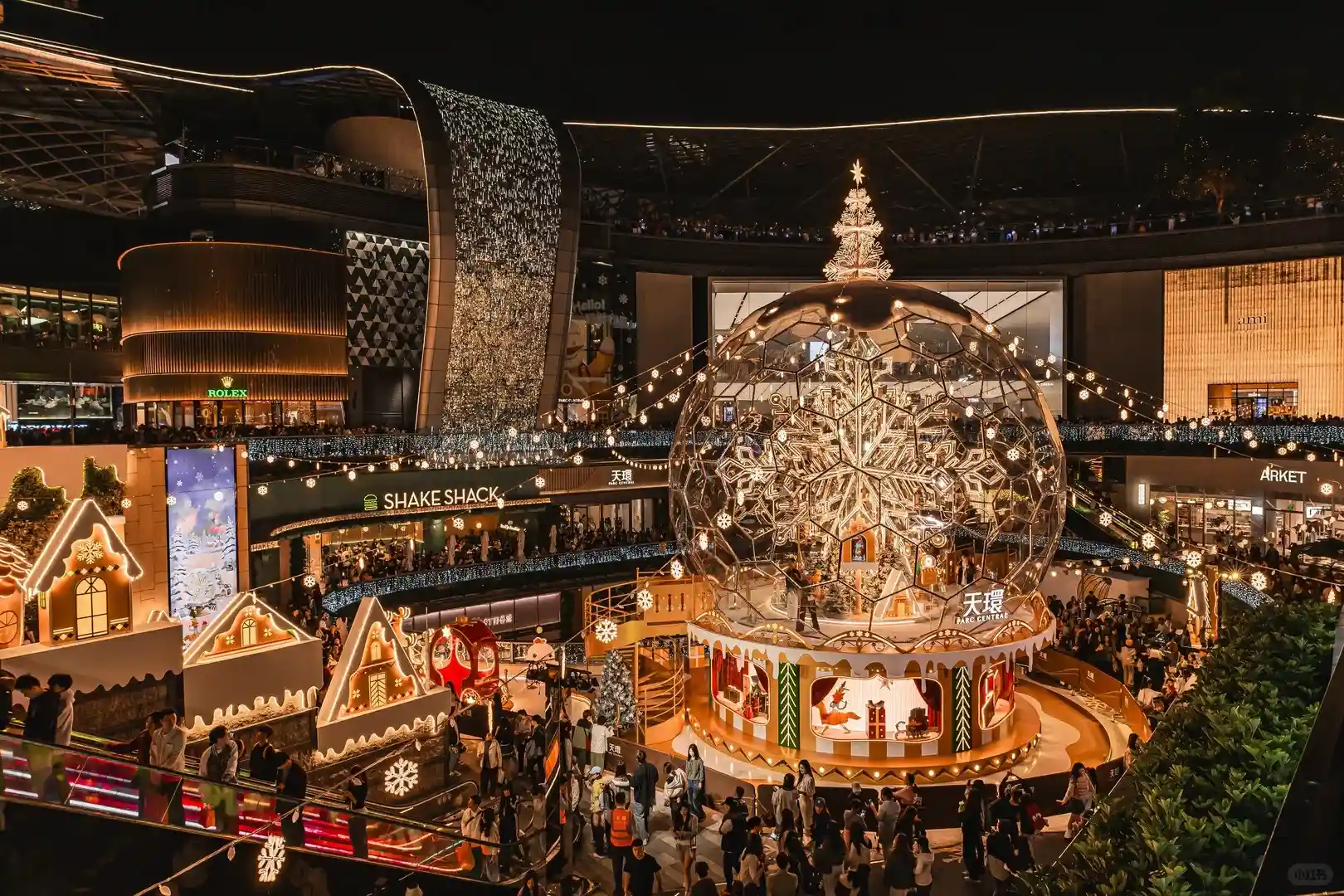
Seasonal windows — The strongest visual symbols. Flowers for spring. Shells for summer. Candy, gifts and illuminated trees for Christmas. Hearts for Valentine’s Day. The production challenge is timeline: seasonal campaigns need to start months before the in-store date. Large-scale Christmas projects typically begin in April–May. Starting sampling in June–July is the rush window. Starting in August is usually too late for sea freight delivery by mid-November.
Five Mistakes That Turn Good Props Into Expensive Problems
Choosing materials by price alone. A cheaper material may save on the invoice but cost more in finish defects, structural failures or replacement orders that miss the launch date.
Ignoring real window dimensions. A prop that fits the render may not fit the actual window. Or the store entrance. Or the elevator. Always confirm physical measurements and access routes before finalizing dimensions.
Skipping surface prep on metallic finishes. Electroplated and vacuum-metalized surfaces need body filler, sanding and primer to achieve a clean reflection. Rushing this creates visible bumps and uneven sheen that cannot be fixed without stripping the finish entirely.
Treating packing as an afterthought. A custom prop is only useful if it arrives undamaged. Packing should be designed alongside the prop, not after it is finished. Especially for mirrored, painted or acrylic surfaces. Especially for international shipping.
Starting production too late. For multi-store seasonal rollouts with sea freight, the production timeline works backwards from the install date. A November installation in Europe means props shipping by late September, which means batch production finishing in August, which means sampling in June–July, which means the project should start in April–May. Every month of delay compresses quality control, limits material options and increases air freight dependency.
How to Brief a Manufacturer for Custom Window Display Props
You do not need a complete technical specification. You need enough for the manufacturer to assess feasibility, recommend materials and give you an honest cost estimate.
A useful brief includes: product images and sizes, store window dimensions, the campaign concept (AI render, sketch, moodboard or reference photo), the number of stores, preferred materials if known, color and finish references, lighting requirements, whether the display is indoor or semi-outdoor, the delivery country, the launch date, and a budget range if possible.
The clearer the product story and the deadline, the faster and more accurate the production advice will be. An experienced manufacturer can handle structural engineering, material specification and packing design — but they need to understand the concept and the constraints.
Send us your concept and launch date →
Frequently Asked Questions
What materials are most commonly used for custom window display props?
The most common materials are fiberglass (FRP) for sculptural and oversized forms, acrylic for transparent and illuminated elements, metal (stainless steel, aluminum, iron) for structural and premium-finish pieces, and MDF for plinths, platforms and painted surfaces. Material selection depends on the visual effect, structural requirements, campaign duration, installation method and shipping destination.
How long does it take to produce custom window display props?
Timelines vary by complexity, material and quantity. Fiberglass props typically need approximately 15 days for sampling and another 15 days for batch production. Acrylic fabrication runs approximately 12 days. Sea freight to Europe or North America adds 40–50 days. Air freight delivers in 8–12 days. Large seasonal campaigns should begin production planning 4–6 months before the in-store date.
Can window display props be developed from AI-generated images or concept renders?
Yes. Many projects now start with AI-generated visuals, 3D renders or mood boards rather than technical drawings. A manufacturer with retail display experience can interpret the visual intent, recommend materials and finishes, develop the structural engineering, and produce technical drawings for approval before production begins.
What is the difference between window display props and display fixtures?
Props primarily support storytelling, visual impact and campaign atmosphere. Fixtures primarily hold, organize or present products. In practice, the two often overlap — a product plinth may be both functional and decorative. The production methods are similar, but the design intent is different.
How should custom window display props be packed for international shipping?
Standard cartons are not sufficient for painted, mirrored, acrylic or irregularly shaped props. Best practice includes custom foam inserts shaped to the prop, protective surface film for glossy finishes, edge protection for acrylic, and reinforced crating for heavy or fragile items. Packing design should be part of the production plan from the start.
Can the same props work across stores with different window sizes?
Yes, if designed for it. The approach is to design for the smallest window first and build adaptability into the system — modular sizing, adjustable configurations or a core prop set with optional extensions — rather than scaling a fixed design up or down after production.
Need Custom Window Display Props?
If you are planning a window campaign, product launch, seasonal display or multi-store rollout, VM Display can help turn your concept into production-ready props.
We work with fiberglass, metal, acrylic, MDF and mixed materials. We handle sampling, finishing, QC, custom packing and international delivery — from single installations to global retail display rollouts.
Send us your concept — AI render, sketch or reference image — with your window dimensions, store count and launch date. We will come back with a material recommendation and production plan.