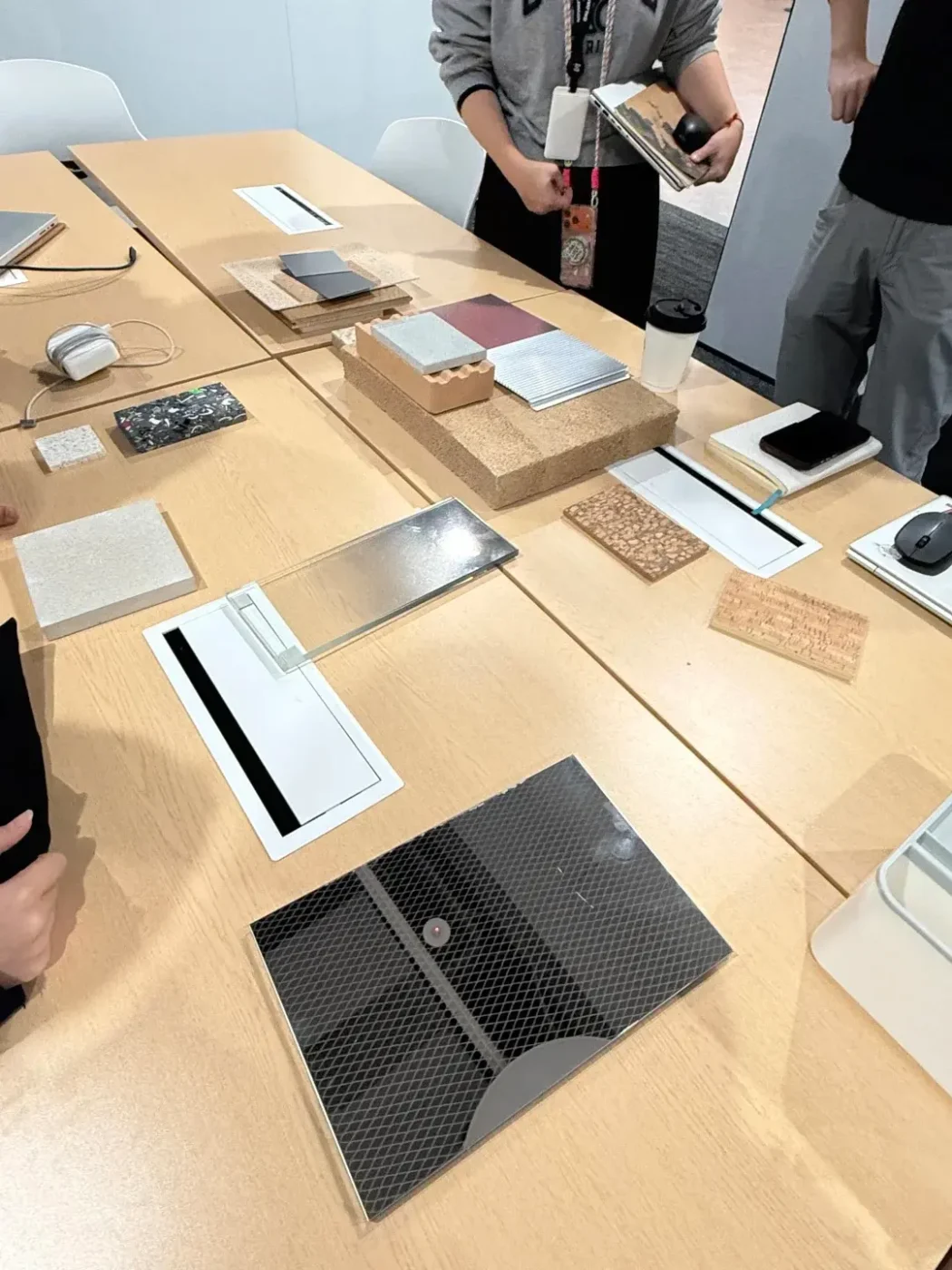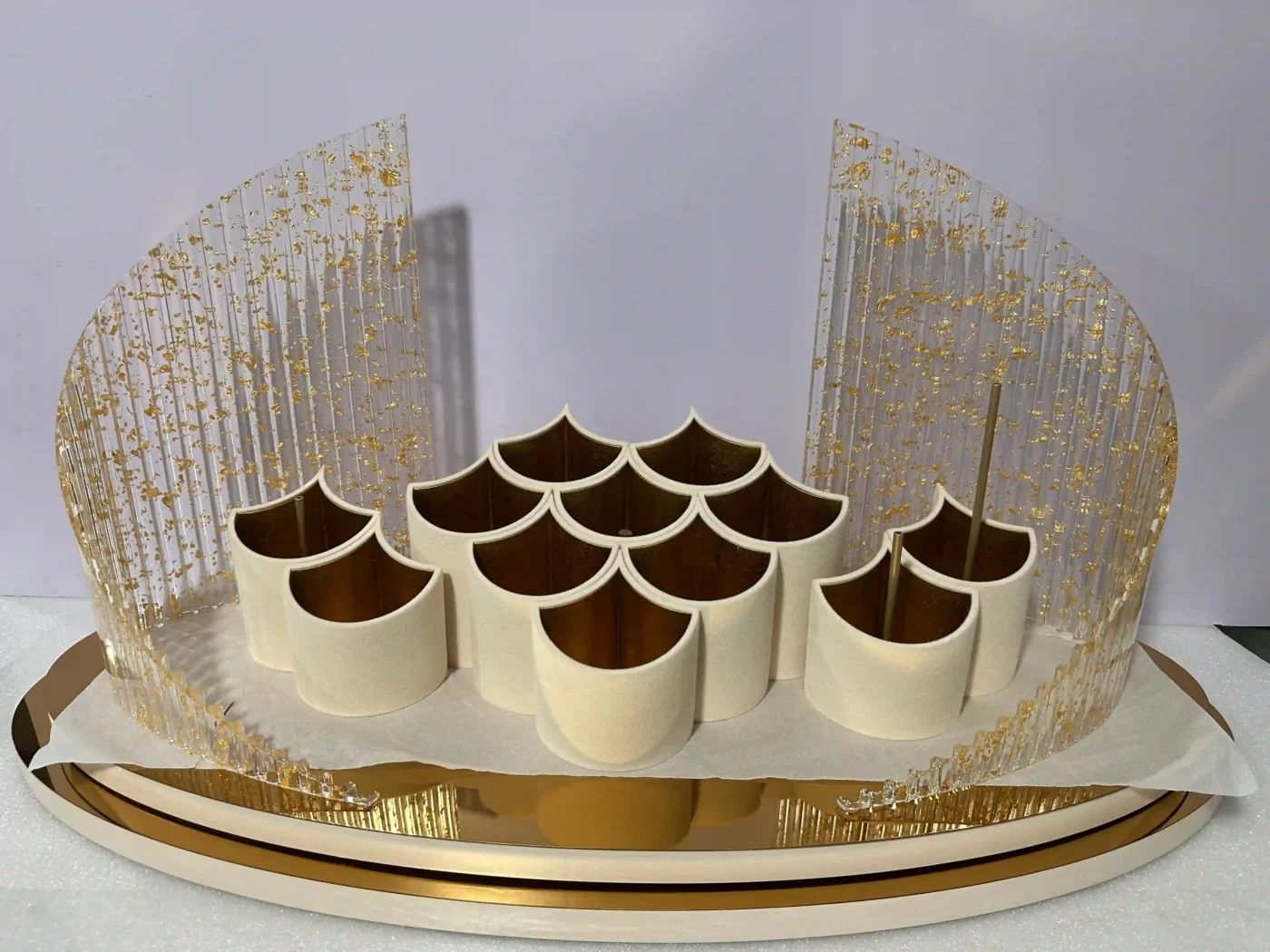
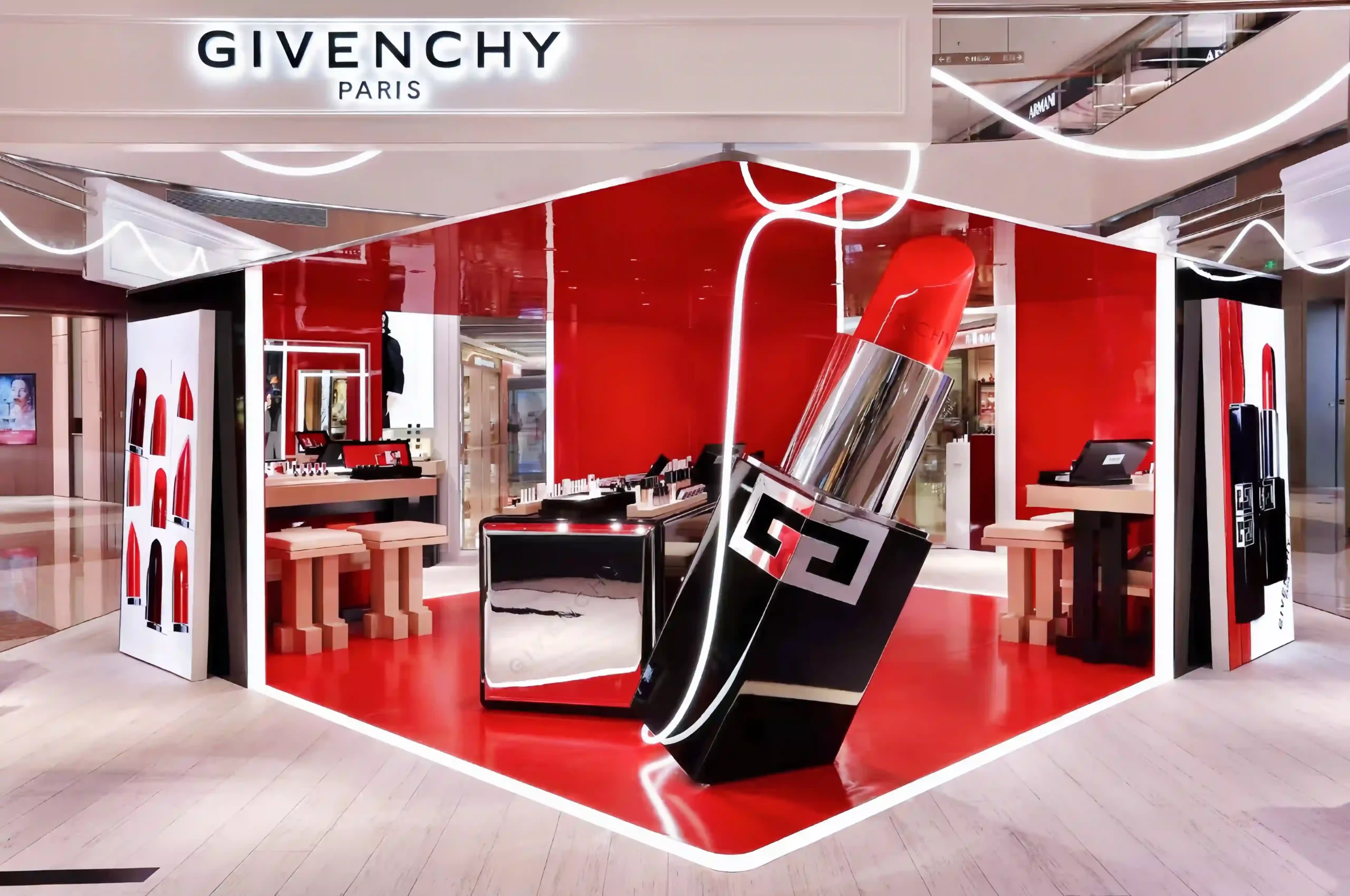
FRP, acrylic and metal are the three most common materials in custom display props manufacturing, and each solves a different problem. In short: FRP is best for sculptural shapes, acrylic for clean and illuminated details, and metal for structural support, slim frames and premium fixtures.
Choosing the right material early in a project controls cost, weight, finish quality and installation risk. In our production work for luxury retail campaigns, the material decision is usually the first conversation we have with a client — often before the design is even finalized.
New to prop materials? Start with our overview of display props materials or see how custom display props manufacturing works across all three.
When to Use FRP Display Props
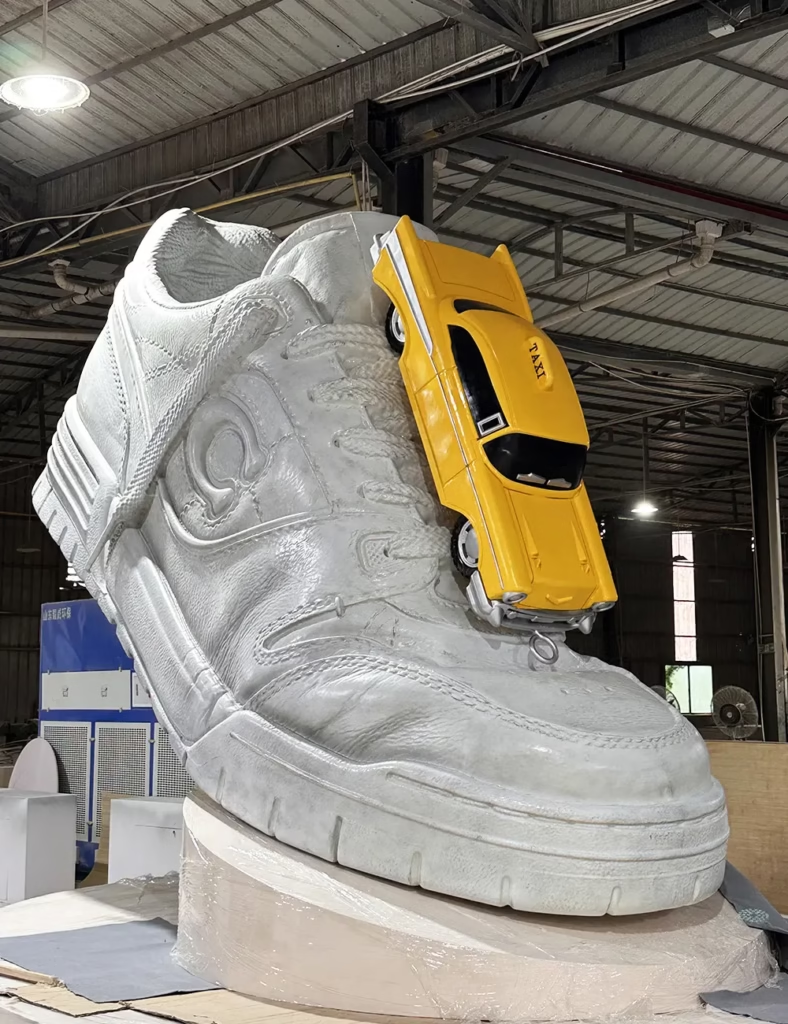
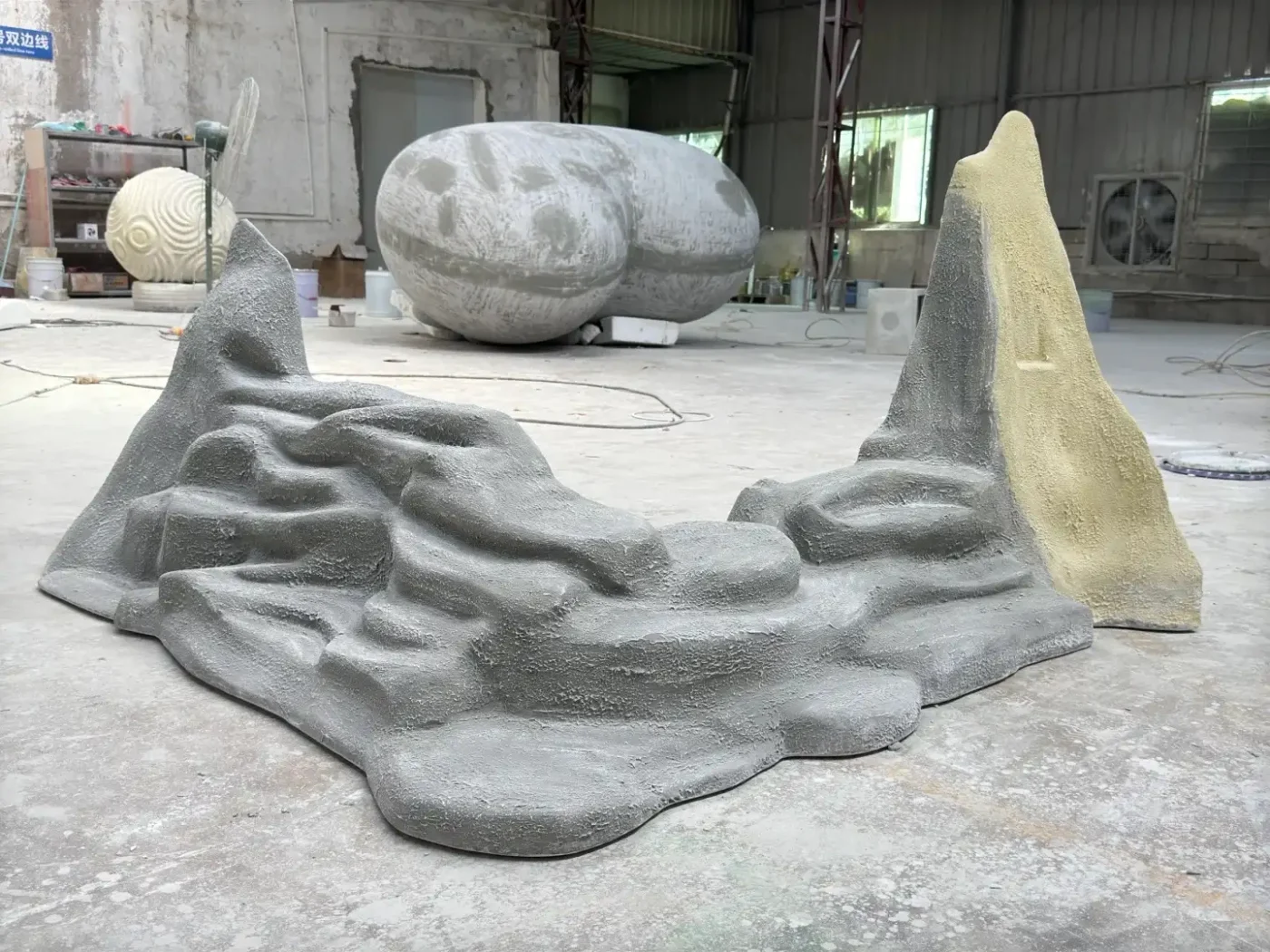
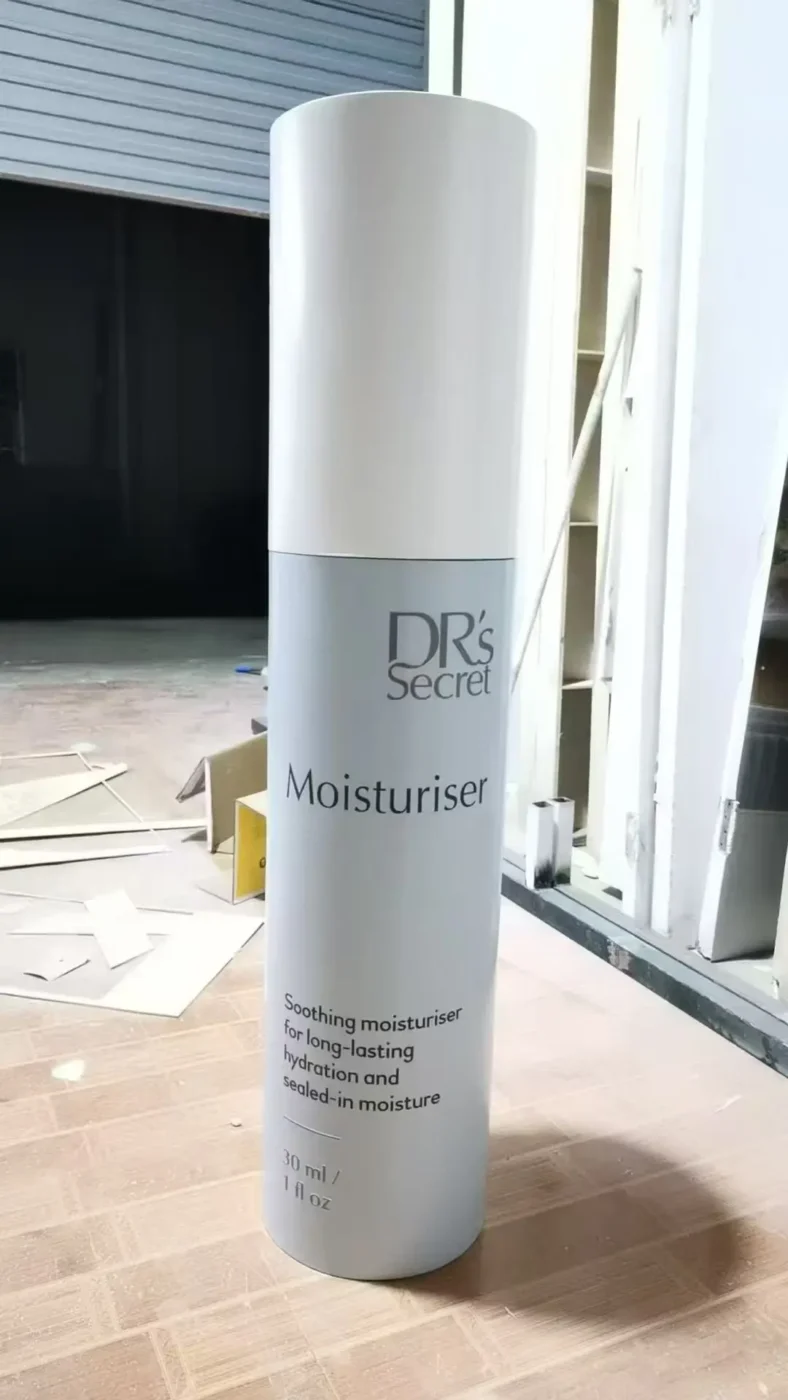
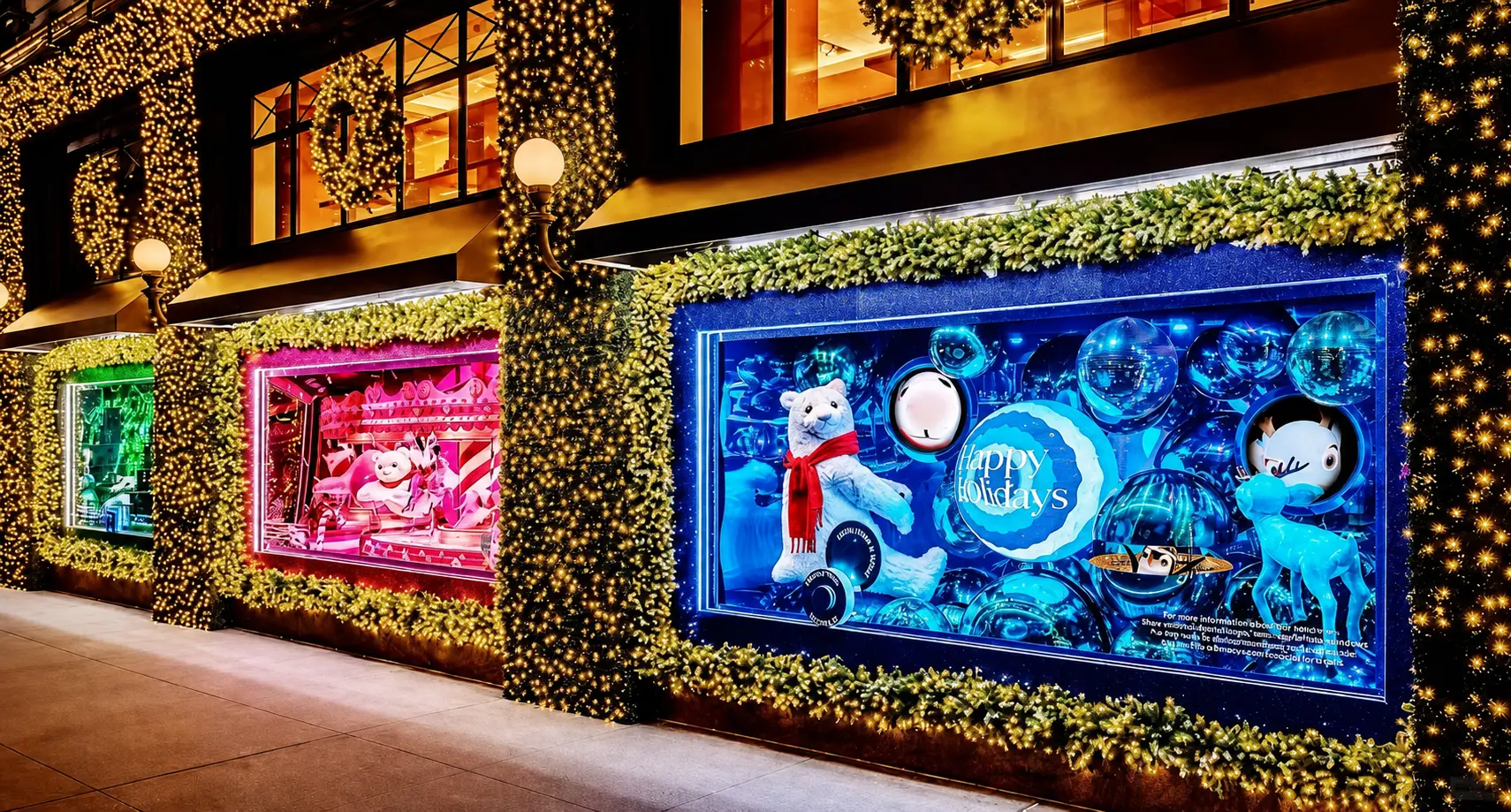
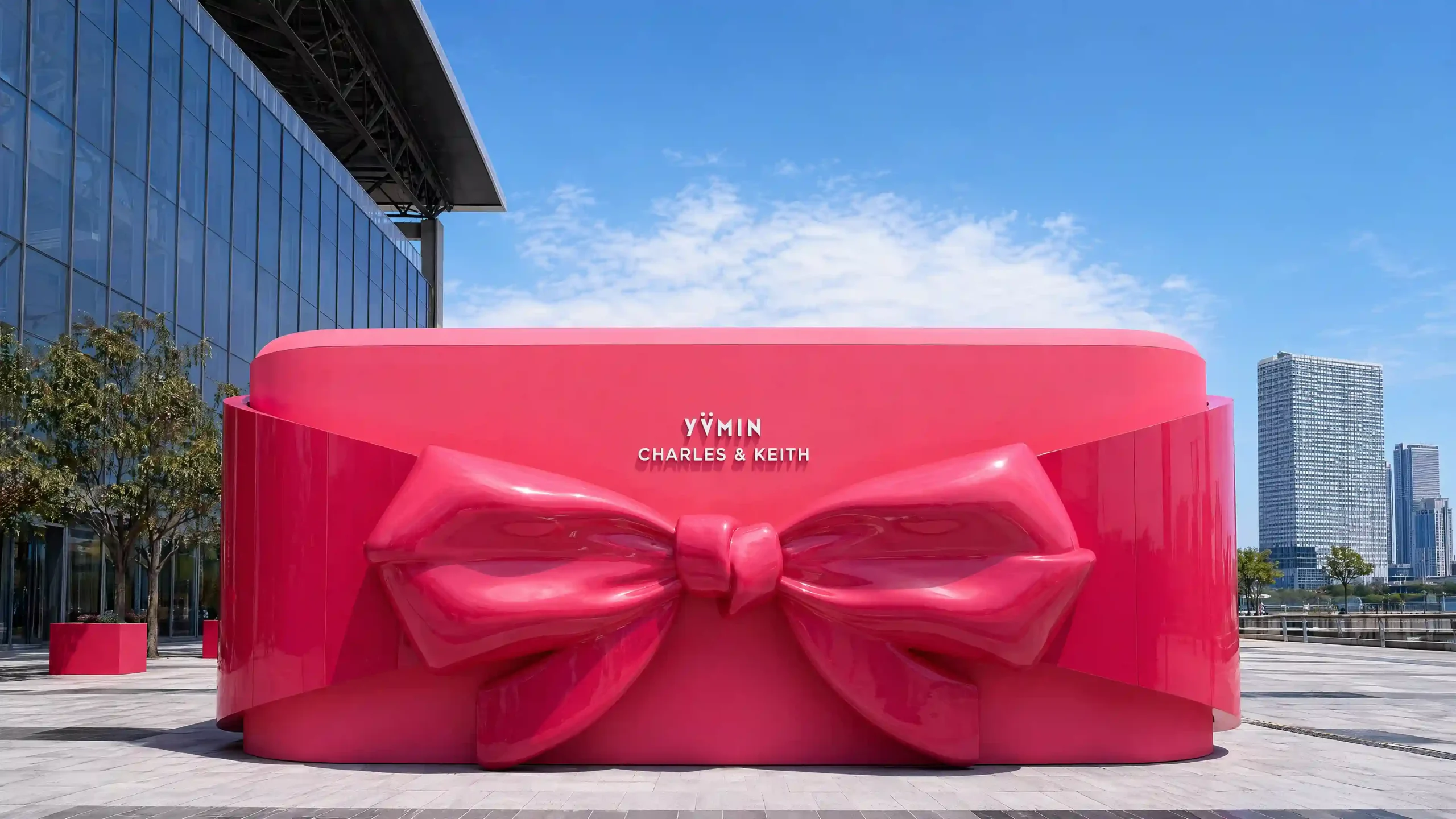
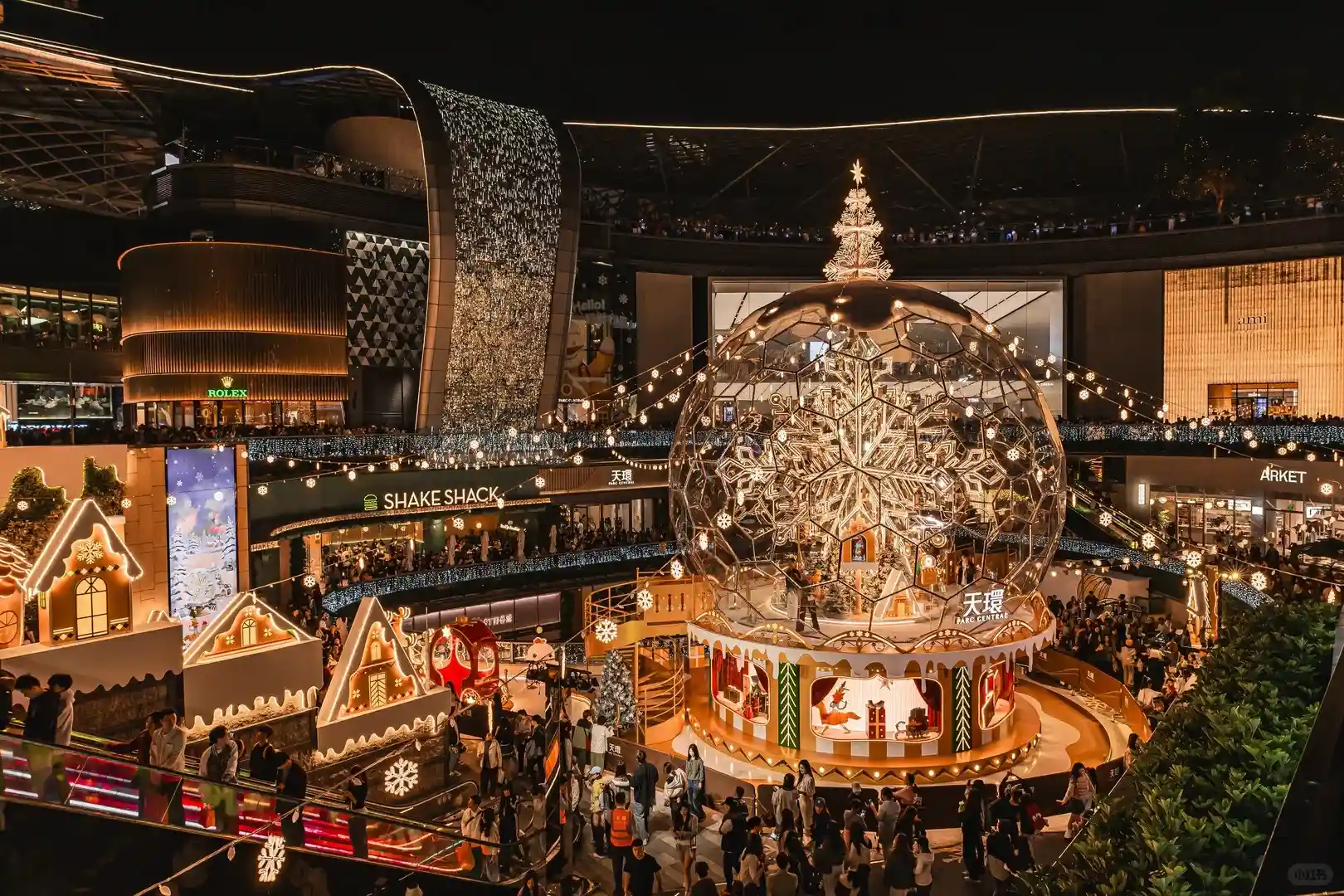
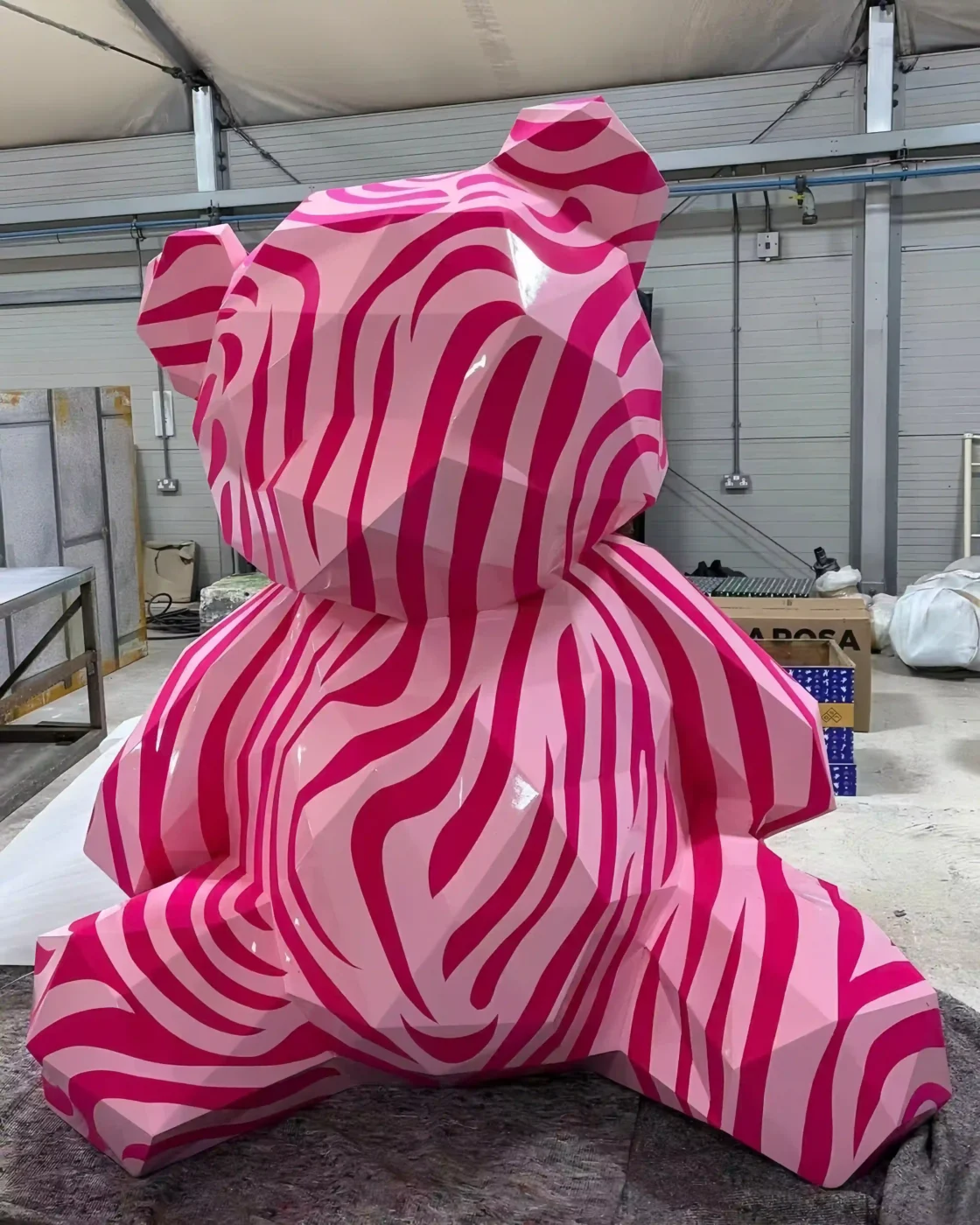
FRP is the right choice for large, curved, sculptural or organic shapes. It is the standard material for oversized product replicas, animal statues, character props, flowers, shells, giant baubles and decorative retail sculptures.
The reason is simple: FRP is molded, not machined. Once a mold exists, complex organic forms come out lightweight, strong and repeatable — which is why most oversized window sculptures in flagship stores are FRP underneath the paint. FRP also works well for multi-store rollouts: a good silicone mold typically yields around 15–25 consistent pulls, so for larger programs we plan multiple molds from the same master to keep every unit identical.
Read more about FRP display props or the closely related fiberglass display props.
When to Use Acrylic Display Props
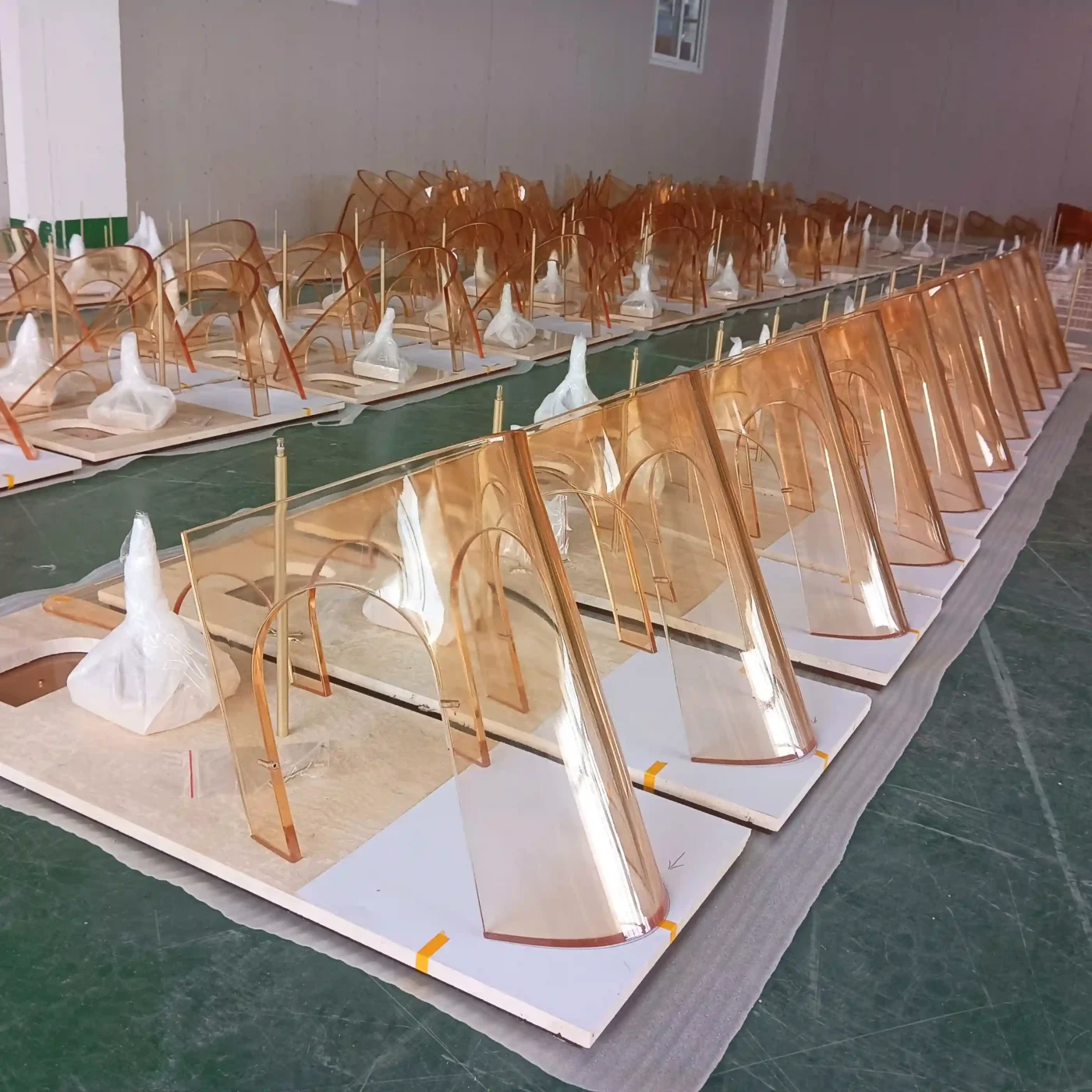
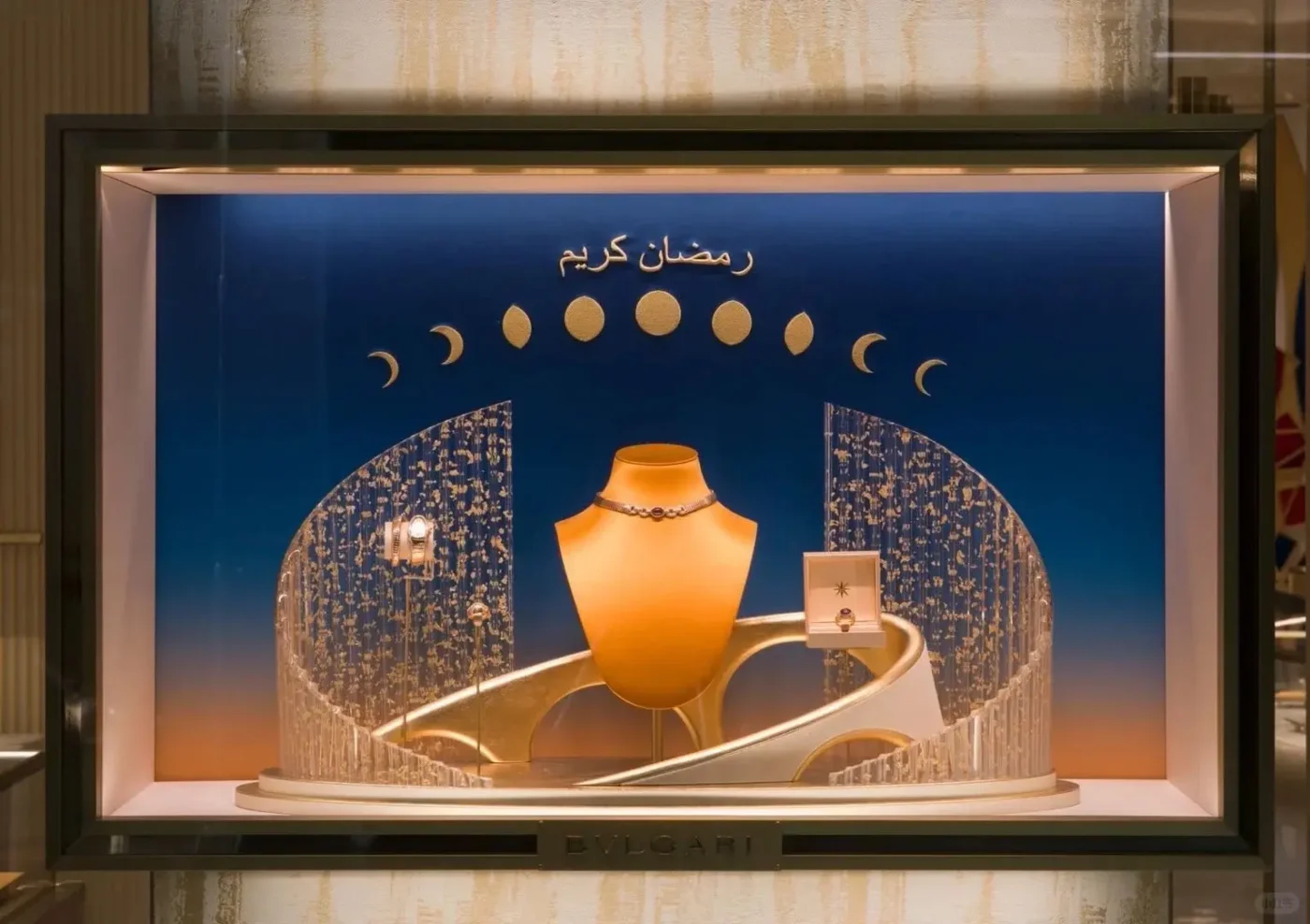
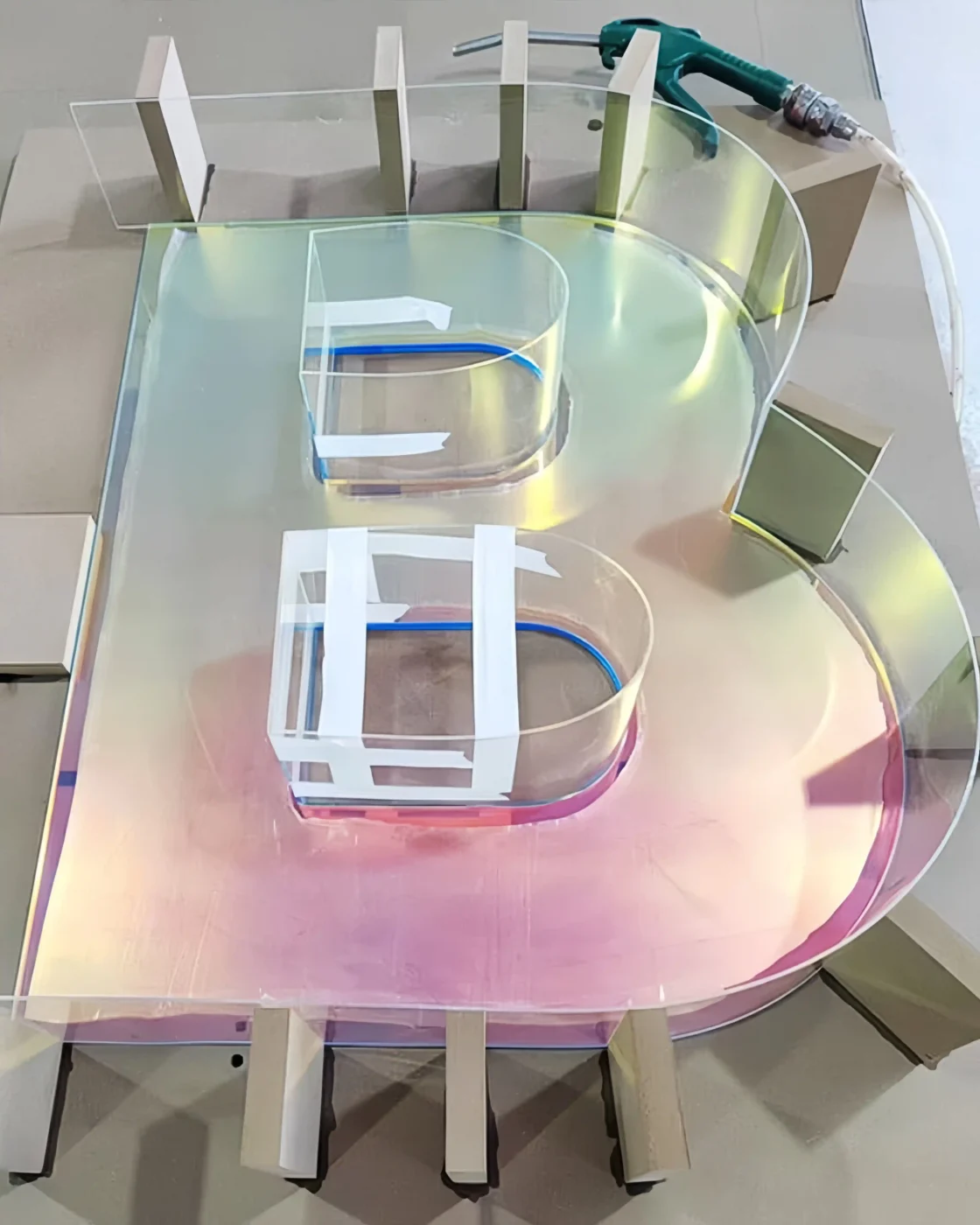
Acrylic works best for transparent, glossy, colored, illuminated or logo-based display elements. Typical applications include signage, product holders, light boxes, display shelves, acrylic letters and clean luxury retail details.
Acrylic is usually fabricated — laser-cut, thermoformed, bonded and polished from sheet — so it excels at precise geometry and crystal-clear edges: the crisp, jewelry-case look luxury brands expect at counter level. One detail we always specify for brand work is cast acrylic sheet rather than cheaper extruded sheet, which tends to bubble during heat-bending and yellows faster. Acrylic also pairs naturally with LED lighting: laser-cut letters with edge lighting remain one of the most requested items in our workshop. See an example of a custom acrylic logo sign with integrated LED.
When to Use Metal Display Fixtures
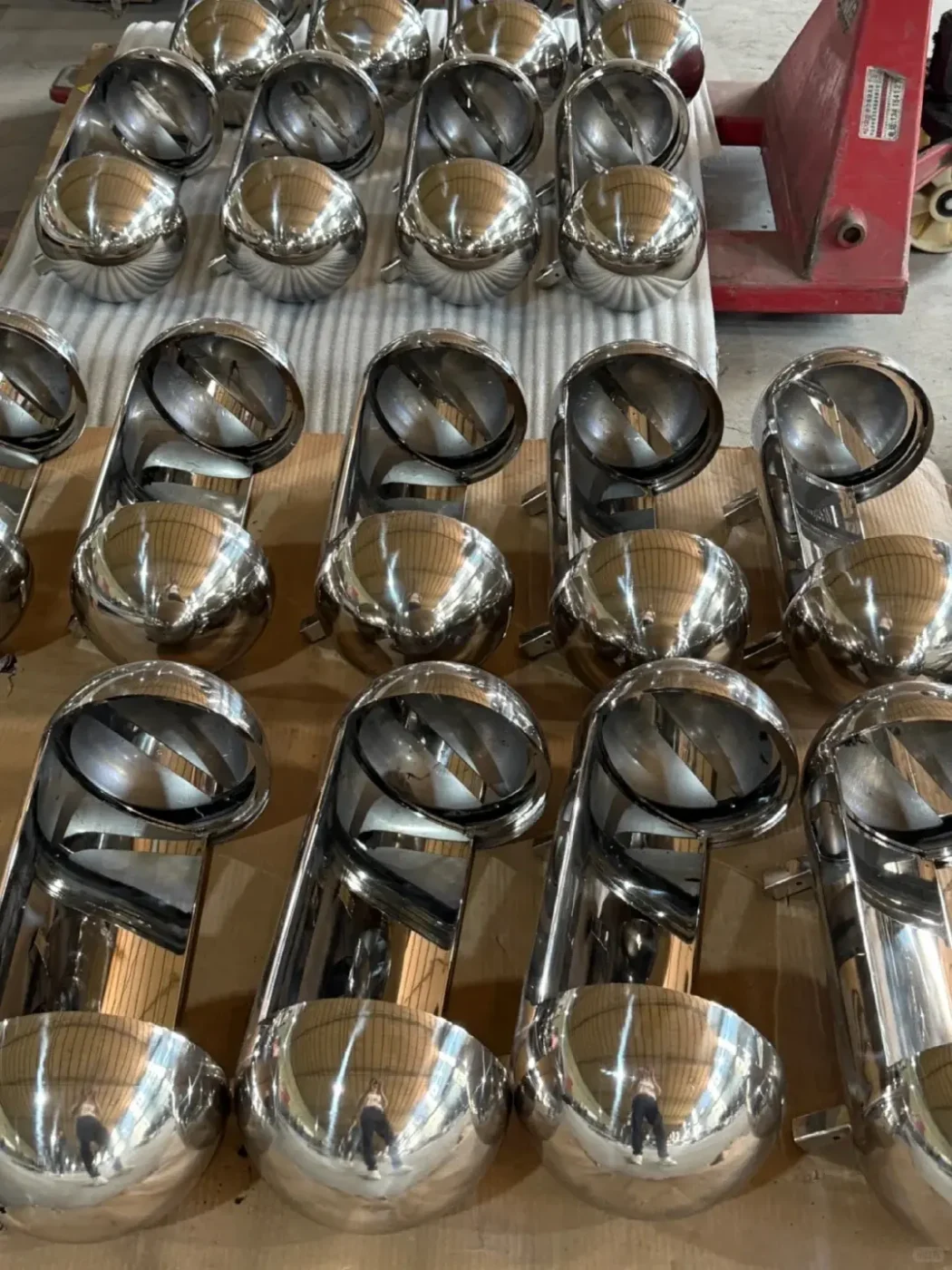
Metal is the material to choose when a display needs structural strength, slim frames, load-bearing support, polished surfaces or premium metallic finishes. It appears in two roles: hidden inside props as internal reinforcement, or fully visible as luxury fixtures, stands and frames.
A practical detail from production: many props that look like pure FRP or acrylic actually have a welded steel skeleton inside. Whenever a piece is tall, cantilevered, or holds real product weight, we add metal reinforcement — it is cheaper than an installation failure. For visible work, stainless steel and brass with brushed, mirror or PVD finishes deliver the fixture quality luxury brands specify; for stainless we use grade 304, since the cheaper 201 grade is prone to rusting in retail environments. Learn about our custom metal display fixtures capabilities.
Material Comparison Table
| FRP | Acrylic | Metal | |
|---|---|---|---|
| Best for | Sculptural volume, organic shapes | Clean visual details, illumination | Structure, strength, slim frames |
| Typical use | Oversized replicas, statues, seasonal props | Signage, light boxes, holders, letters | Fixtures, stands, hidden reinforcement |
| Weight | Light for its size | Light to medium | Heavy |
| Finish | Paint, flocking, metalizing, wrapping | Transparent, colored, glossy | Brushed, mirror, powder coat, PVD |
| Process | Mold + lamination | Cut, bend, polish | Weld, machine, finish |
| Repeatability | High — one mold yields a consistent batch; large runs use multiple molds | Excellent | Good |
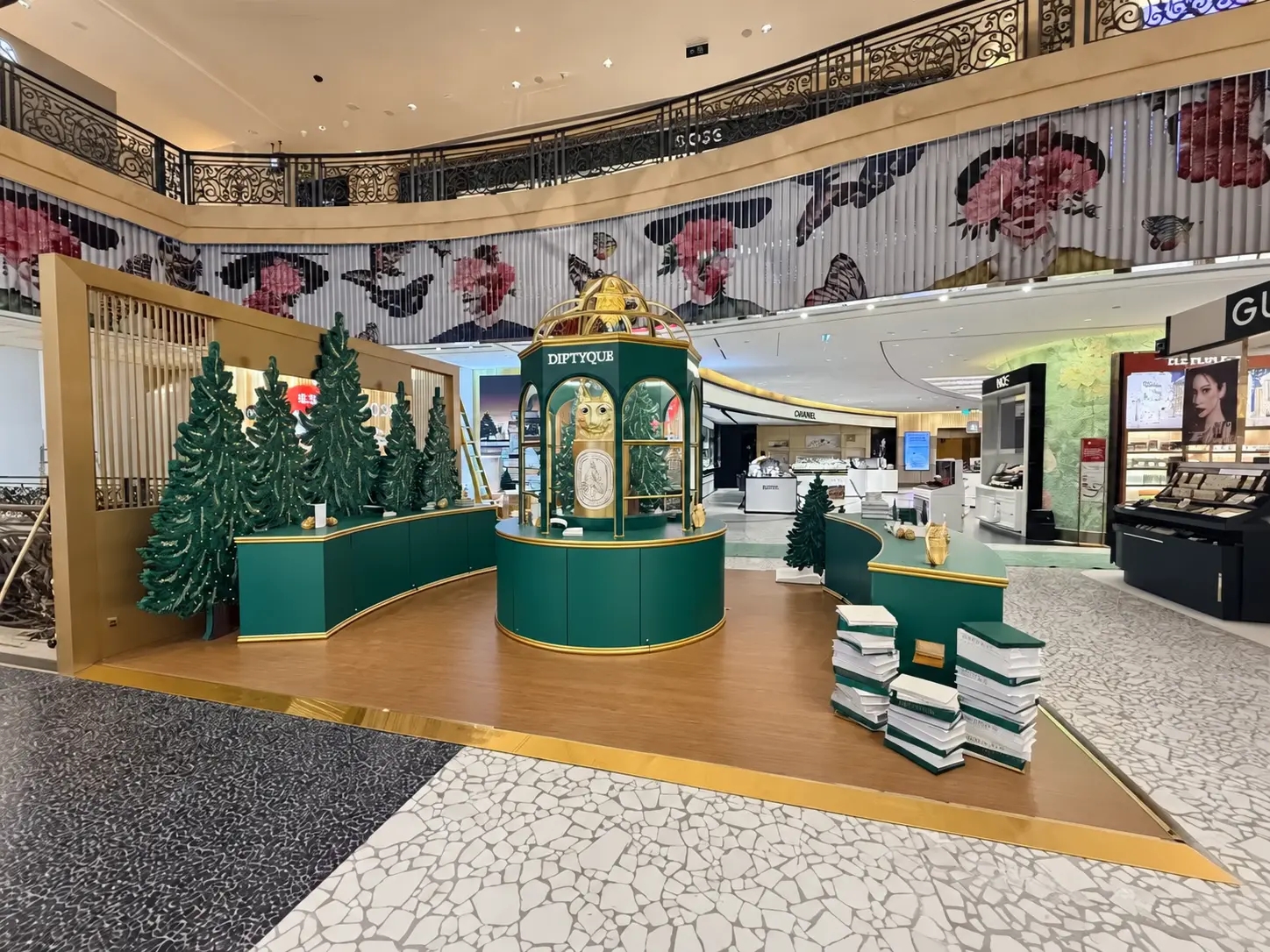
Many high-end retail displays use all three together: FRP for the main sculptural form, metal for hidden support, and acrylic for logo or lighting details. This hybrid approach is standard practice for us as a retail display props manufacturer — the best displays are rarely single-material.
How to Choose the Right Material
The right material depends on shape, size, weight limits, finish requirements, budget, installation method, shipping distance and campaign duration. Two extra factors matter in real projects:
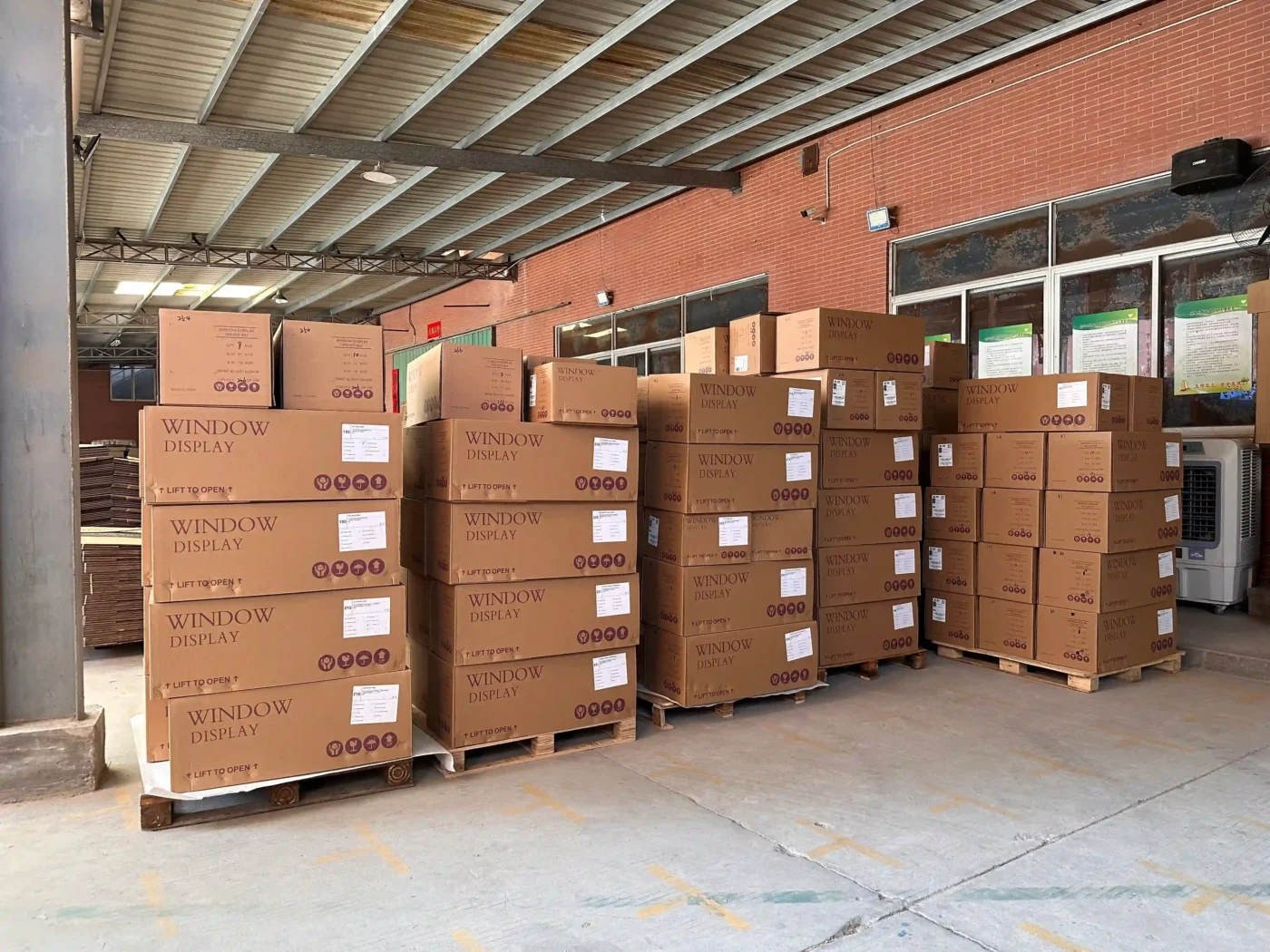
For multi-store programs, durability and repeatability drive the decision — a prop that survives one window may not survive shipping to 100 stores. For one-off artistic displays, visual effect can take priority over longevity, which opens up finishes and constructions we would not normally recommend for a rollout. Duration and environment matter too: for outdoor or long-running FRP installations, we recommend epoxy resin over standard polyester resin, which yellows and ages faster under UV exposure.
If your reference image shows curves and volume, think FRP. If it shows transparency, light or crisp lettering, think acrylic. If it needs to hold weight or read as premium hardware, think metal. Request a custom display props quote with your reference and target quantity.
Need Help Choosing a Display Props Material?
If you are not sure whether your project should use FRP, acrylic, metal or a combination, VM Display can review your reference image and suggest a practical production solution based on shape, budget and rollout scale.
Request a material recommendation or see display props manufacturing capabilities across all three materials.