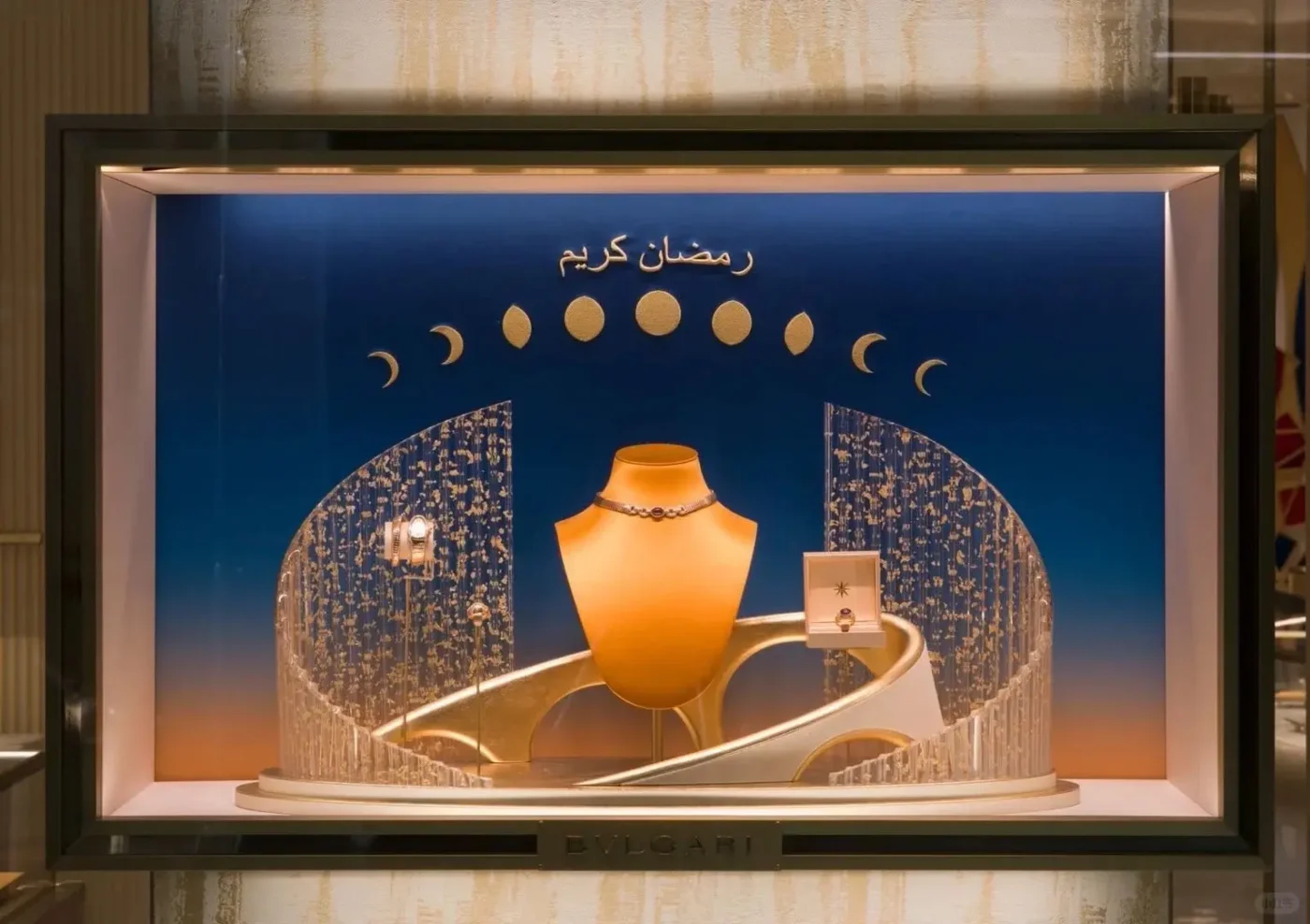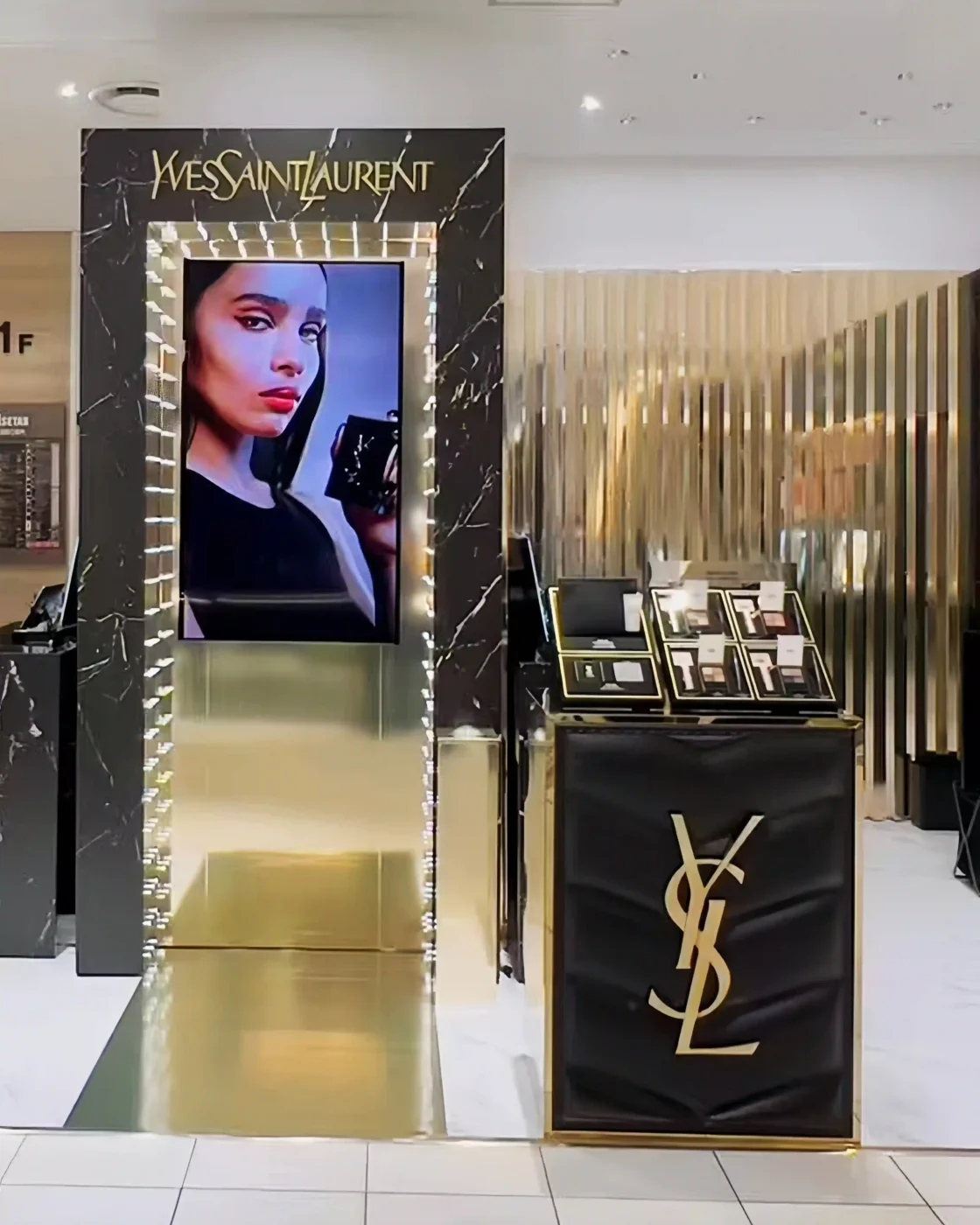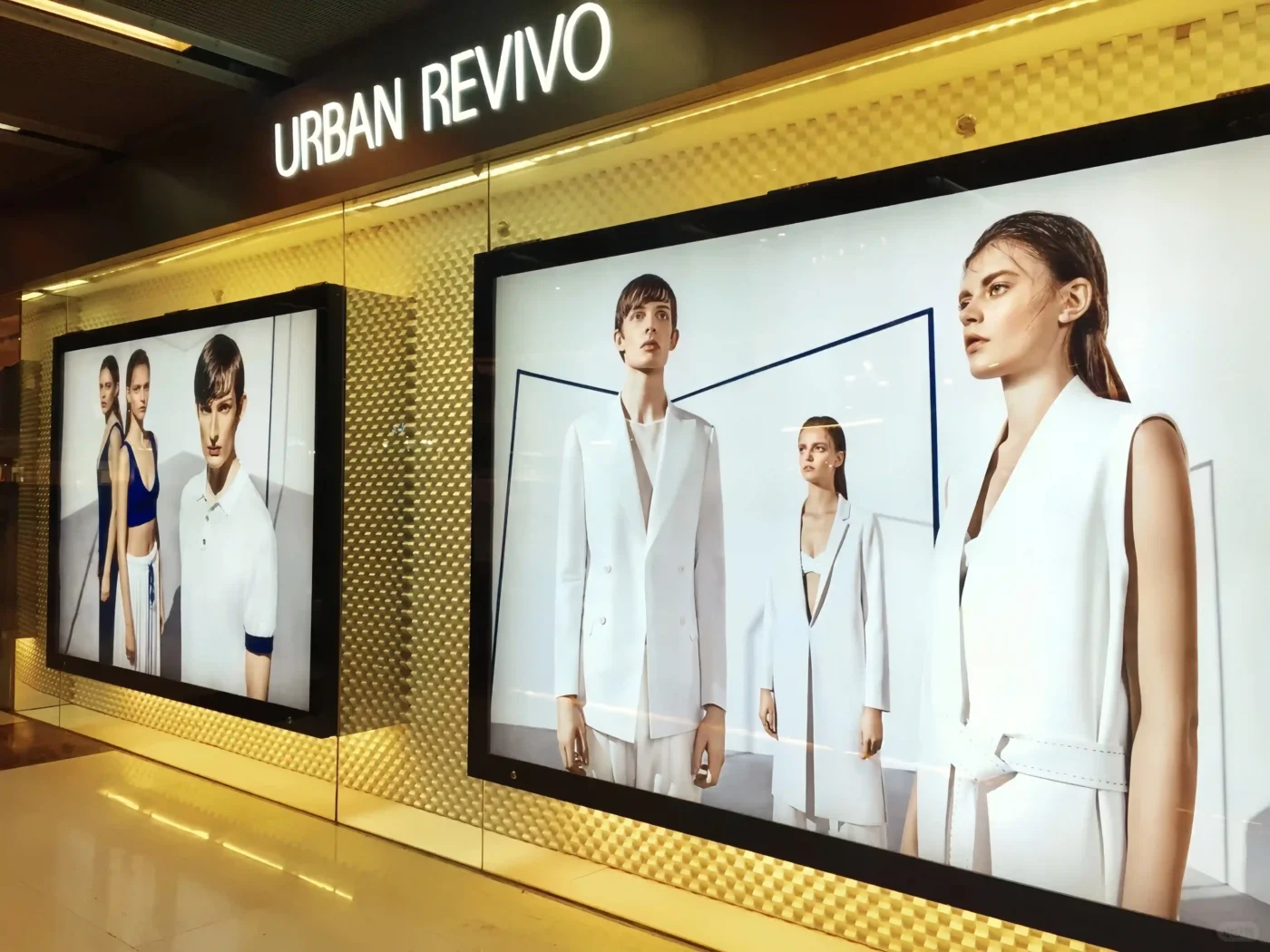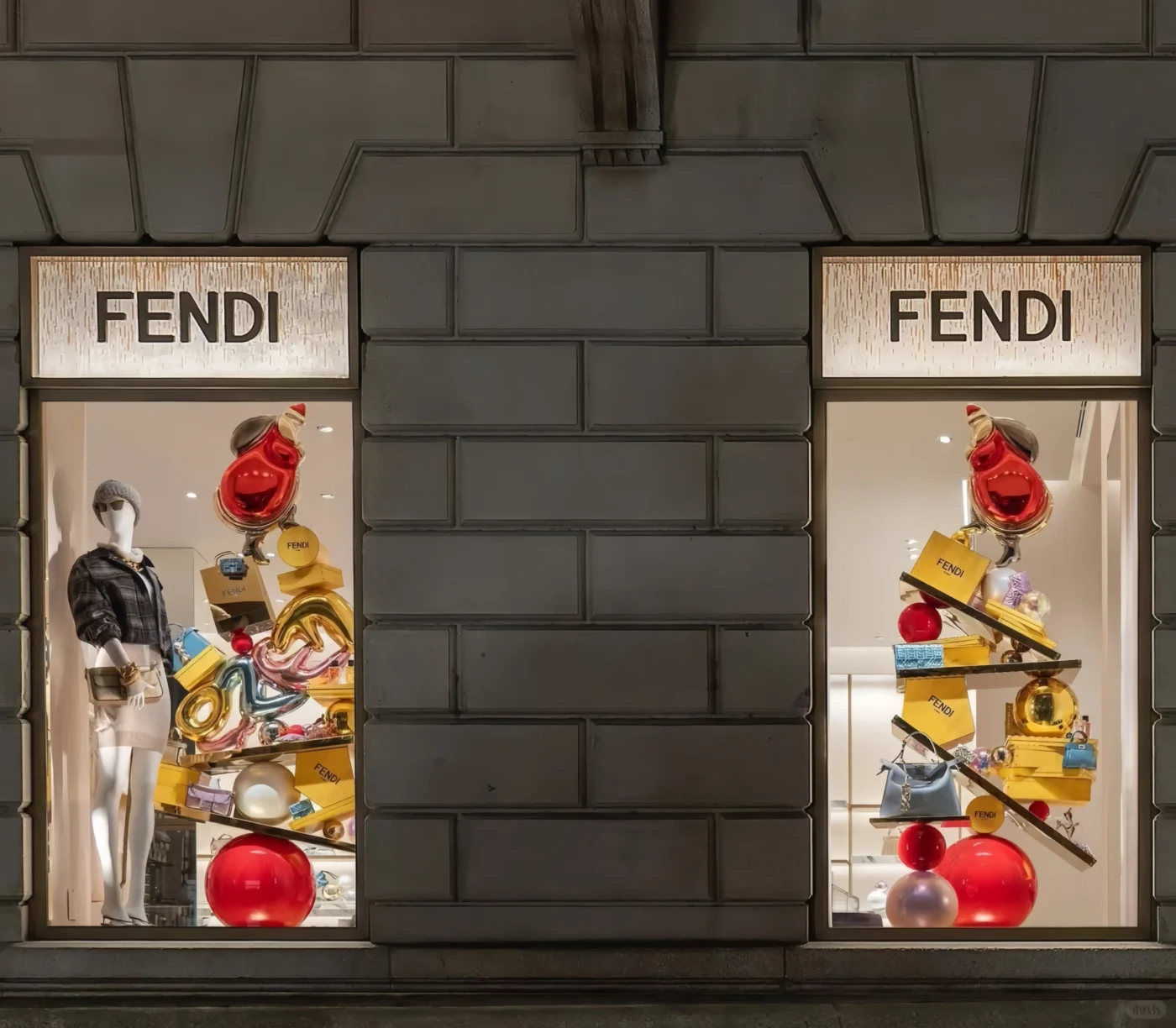
A retail light box may look like a simple glowing panel from the outside. But the difference between a display that looks premium and one that looks cheap usually comes down to a few material decisions that happen early in the project: acrylic type, frame depth, LED spacing and diffuser selection.
This guide covers how those decisions connect, what to watch for during production, and what to prepare before requesting a quote — based on how these displays are actually built in a custom display manufacturing environment.
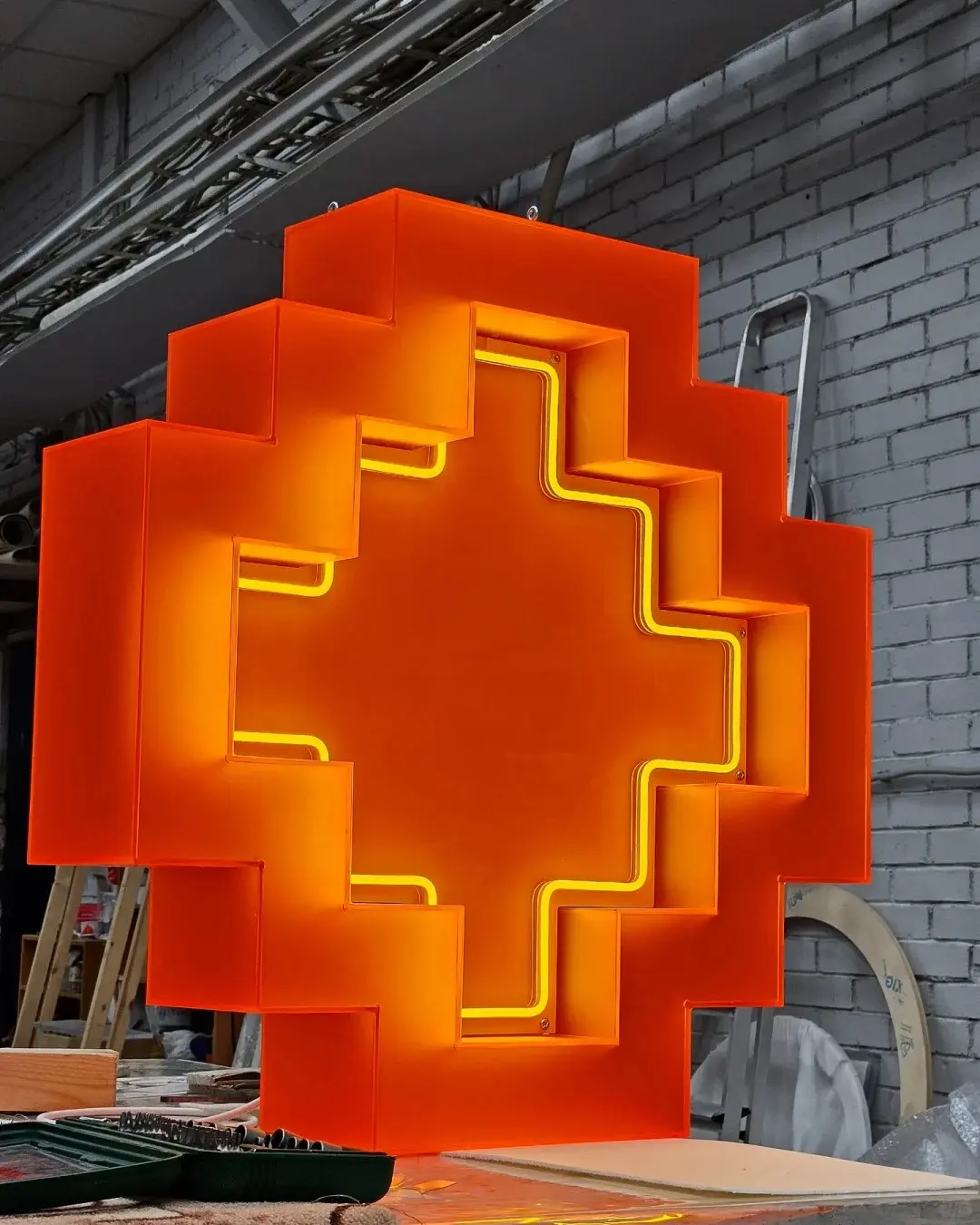
Why Material Choices Define the Final Look
An acrylic light box display is an illuminated structure that uses acrylic as the front panel, diffuser layer or logo element. The light source is typically LED, and the body is supported by an aluminum frame, metal bracket or custom mounting system.
What makes acrylic a preferred material for retail light boxes is its ability to transmit, diffuse and shape light. It can be clear, frosted, milky white, colored, printed, engraved, laser-cut or thermoformed. That range of finishes is why two light boxes built to similar dimensions can look completely different depending on the acrylic specification.
Compared with glass, acrylic is lighter and far easier to fabricate into custom shapes. Compared with thin plastic sheets, quality acrylic delivers better clarity, edge finish and structural rigidity — all of which show up under illumination.
For brands planning custom light box displays, the acrylic selection is often the single decision that has the most visible impact on the final result.
How to Choose the Right Acrylic Panel
The acrylic panel is the most visible part of any light box. Choosing the wrong type is also the most common reason a finished display looks flat, washed out or cheap. Here is how to decide.
Diffusion vs. Transparency: What Does Your Light Box Need to Do?
The first question is whether the light box needs to glow evenly across the surface (diffusion) or show internal structure, layers or transparency effects.
If the answer is even illumination — for backlit graphics, campaign panels or logo signs — a diffuser acrylic is the right starting point. If the design requires visible depth, layered elements or a see-through effect, clear acrylic should be considered, often combined with a separate diffuser layer behind it.
Milky White vs. Frosted Acrylic: Choosing the Right Diffuser
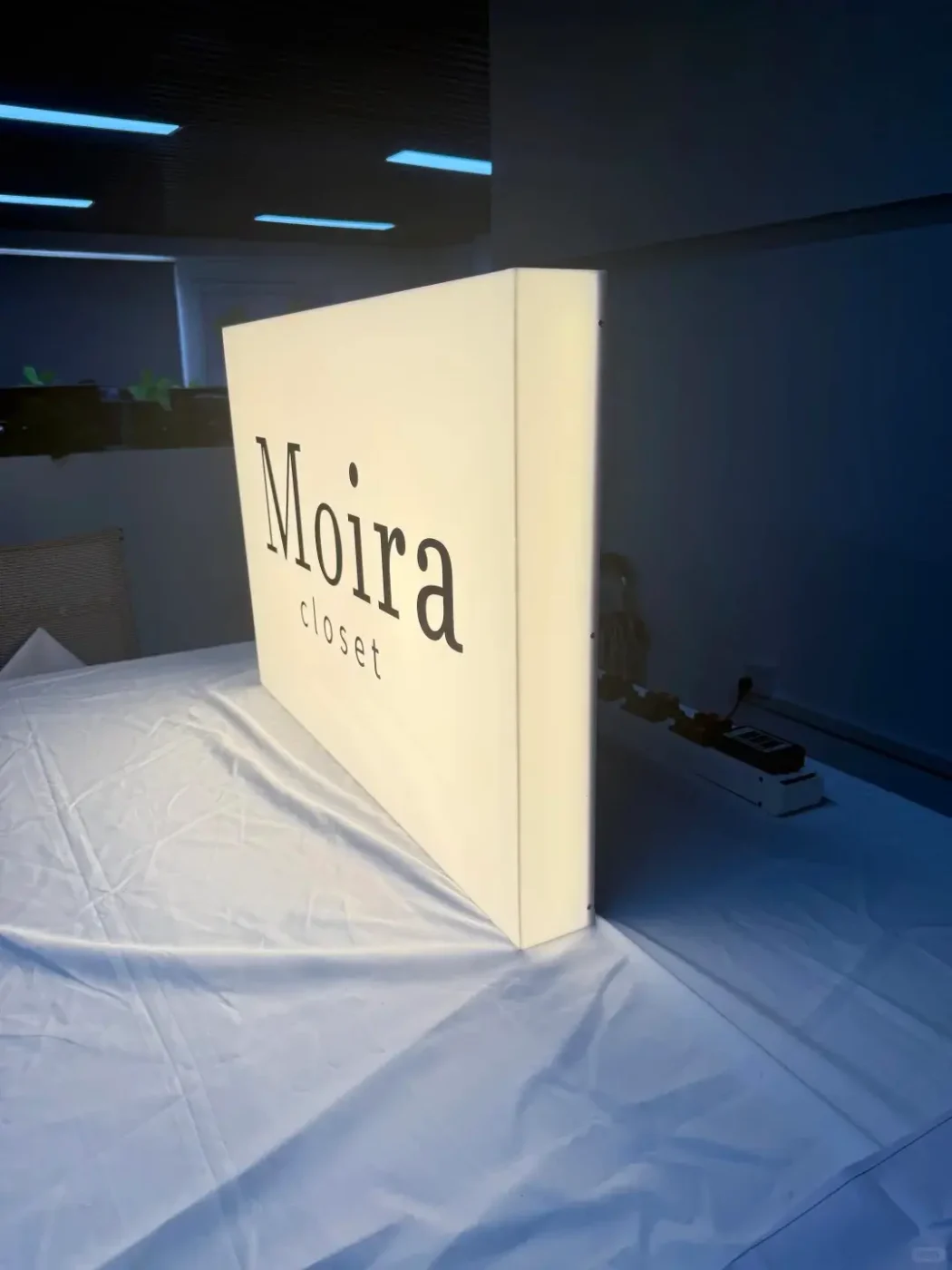
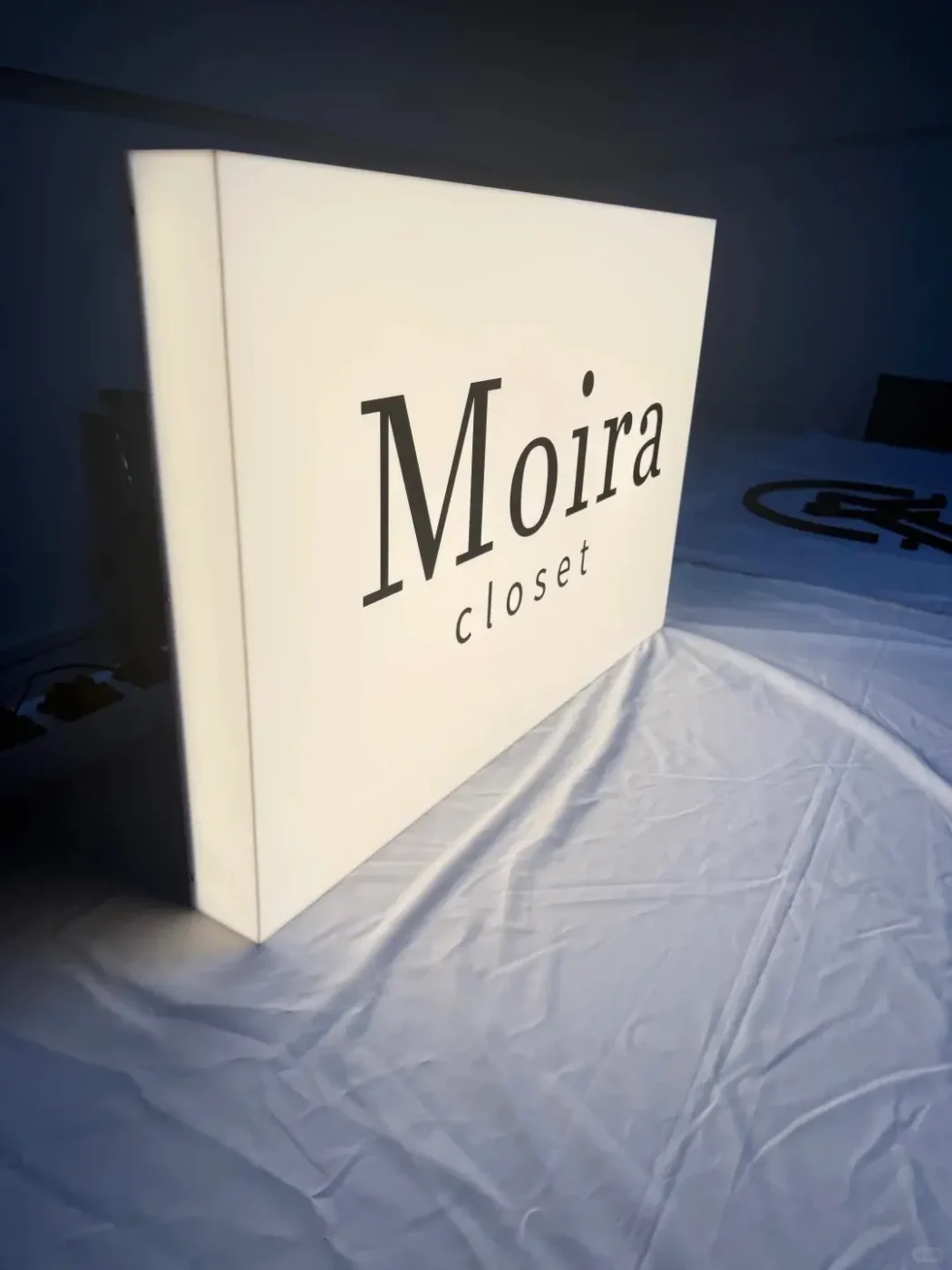
Milky white acrylic is the most commonly used diffuser in retail light boxes. It provides strong, even light transmission and effectively reduces visible LED hot spots. It works well for large backlit panels where uniform brightness matters most.
Frosted acrylic creates a softer, matte surface appearance. It diffuses less aggressively than milky white, which can give the display a more refined, textured quality. Frosted panels are often used in luxury cosmetic displays, premium retail signage and boutique store interiors where the visual tone needs to feel understated rather than bright.
| Acrylic Type | Light Effect | Best Used For |
|---|---|---|
| Milky white | Strong even diffusion | Backlit graphics, large panels, campaign signage |
| Frosted | Soft matte glow | Luxury signage, cosmetic displays, boutique interiors |
| Clear | Full transparency | Logo covers, layered displays, protective panels |
| UV-printed | Custom graphics on surface | Campaign-specific displays, seasonal promotions |
When to Use UV-Printed or Laser-Cut Acrylic
UV printing allows brand graphics, product visuals, patterns and campaign colors to be printed directly onto acrylic. This is useful for seasonal or promotional light boxes that need to be produced quickly and may not be reused.
Laser-cut acrylic logos can be polished, edge-lit and combined with LED backlighting to create three-dimensional illuminated signage. This approach is more common in permanent or semi-permanent store fixtures where the brand logo needs a high-quality dimensional finish.
Why Acrylic Thickness Matters
Acrylic thickness affects both structural integrity and light performance. In production, selecting the wrong thickness is a frequent source of problems — especially warping on larger panels.
| Panel Width | Recommended Thickness | Notes |
|---|---|---|
| Under 400 mm | 3 mm | Suitable for small counter or POS light boxes |
| 400–800 mm | 5 mm | Standard for mid-sized wall panels and signs |
| 800–1200 mm | 5–8 mm | May need internal support ribs depending on orientation |
| Over 1200 mm | 8 mm+ | Internal structural support recommended to prevent bowing |
Thicker acrylic also affects light diffusion: a 3 mm milky white panel will transmit light differently from an 8 mm panel of the same material. For larger displays, the diffuser thickness needs to be tested against the LED spacing and frame depth before final production.
For a deeper look at acrylic properties and fabrication methods, see the guide on acrylic display fabrication.
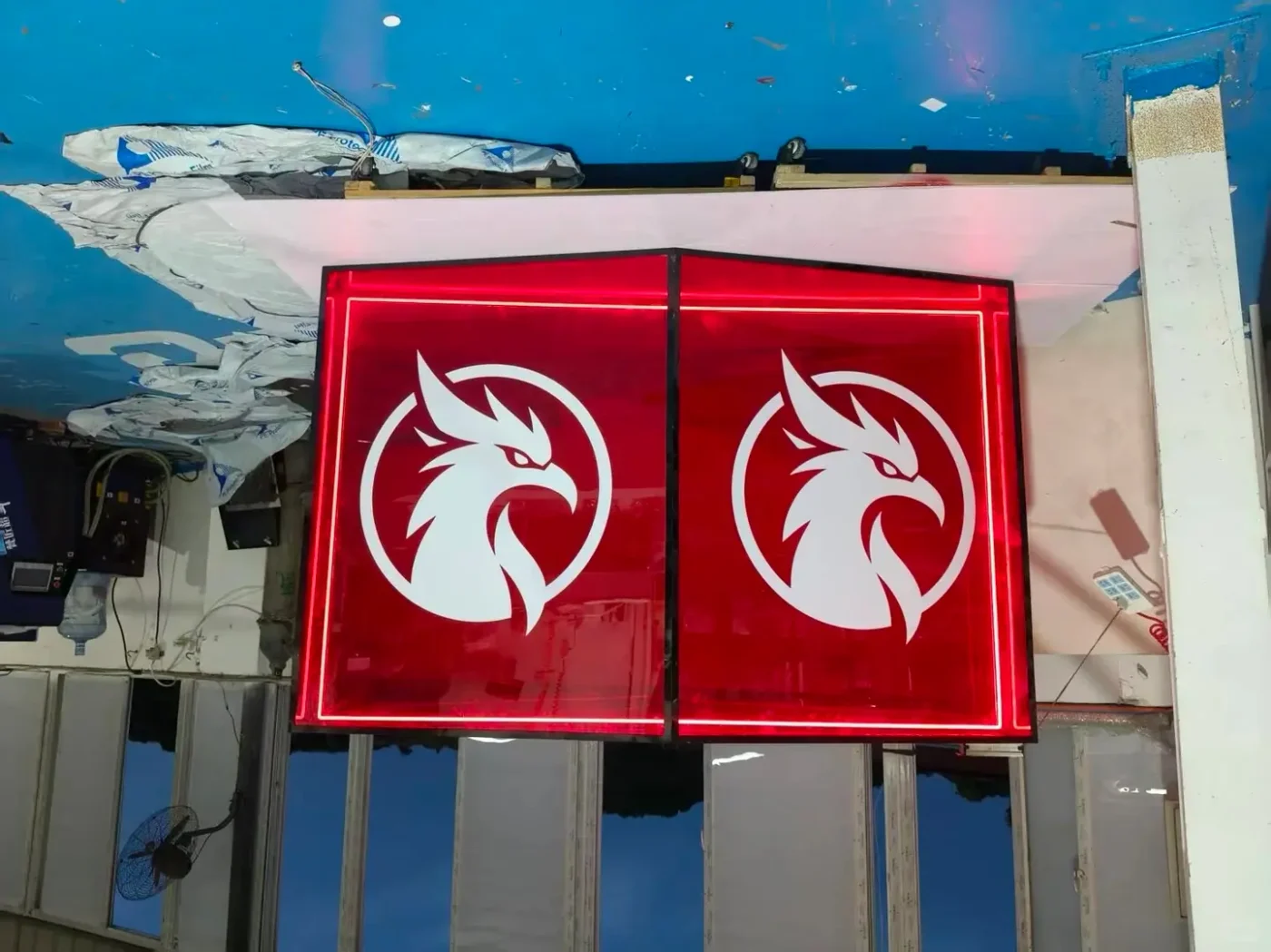
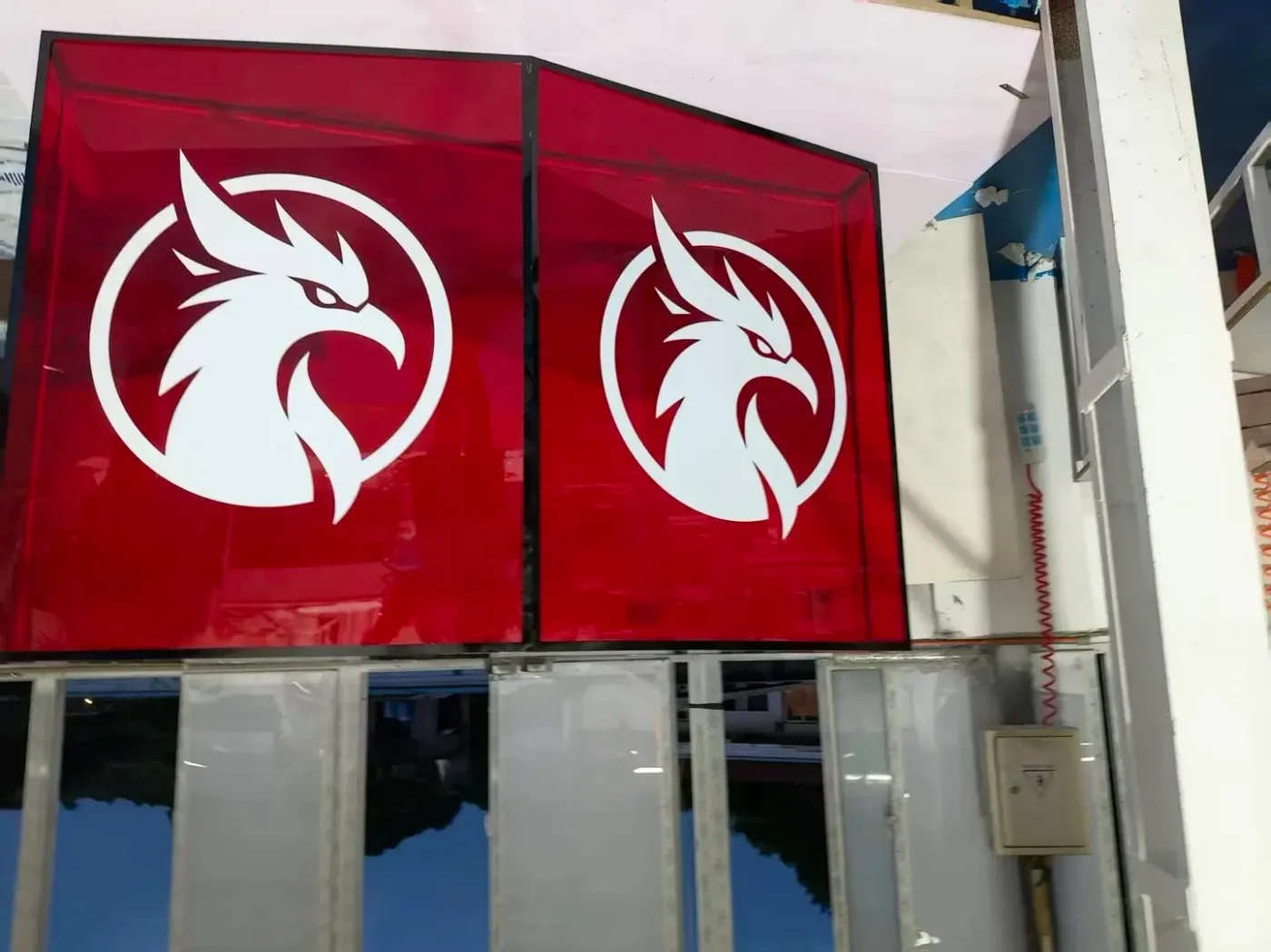
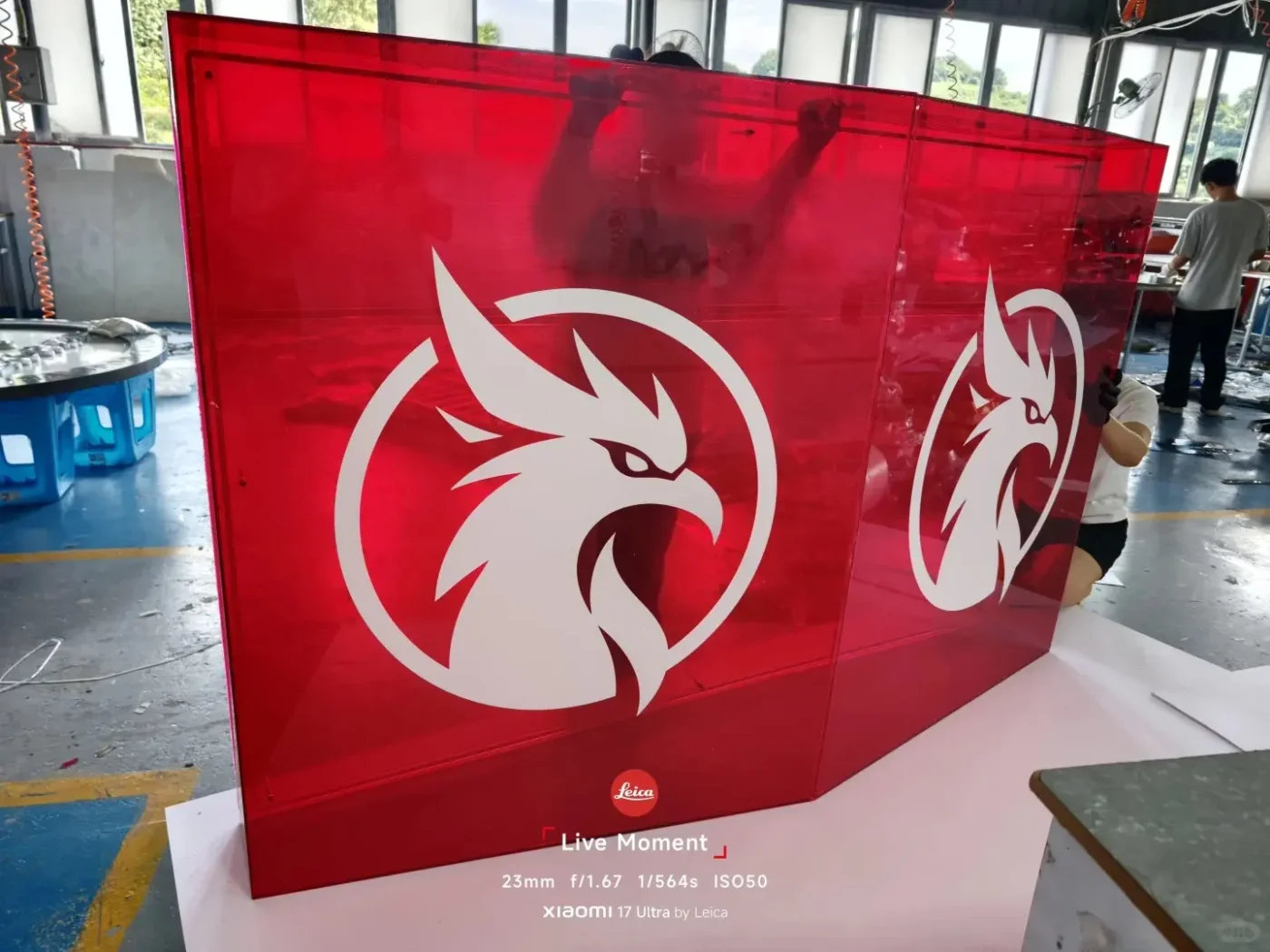
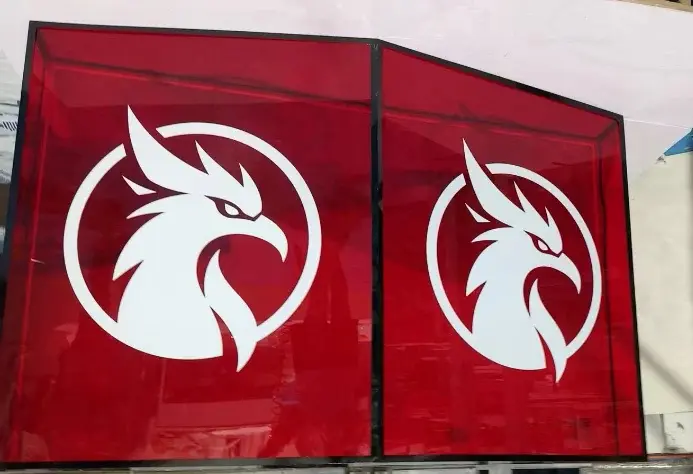
Frame Depth and Aluminum Structure: Getting the Proportions Right
Most acrylic light box displays are not made from acrylic alone. The aluminum frame holds the panel, houses the LED system and gives the display its structural stability. In practice, frame depth is one of the most important — and most overlooked — production decisions.
If the frame is too shallow, LED modules sit too close to the acrylic, and individual LED dots become visible on the surface. If the frame is too deep, the light box becomes bulky, heavier and harder to install.
The right frame depth depends on the panel size, LED type and viewing distance. Here is a general reference based on typical retail light box production:
| Display Size | Recommended Frame Depth | Typical LED Type |
|---|---|---|
| Small (under 600 mm) | 40–50 mm | Side-lit LED strip |
| Medium (600–1200 mm) | 60–80 mm | Backlit LED modules |
| Large (over 1200 mm) | 80–120 mm+ | Backlit LED modules with reflector |
In our production experience, insufficient frame depth is the most common cause of visible LED dot patterns on the acrylic surface. This issue is especially noticeable on milky white diffuser panels viewed at close range, which is typical for in-store and counter displays.
For more detail on frame construction and material options, see the guide on aluminum frame light boxes.
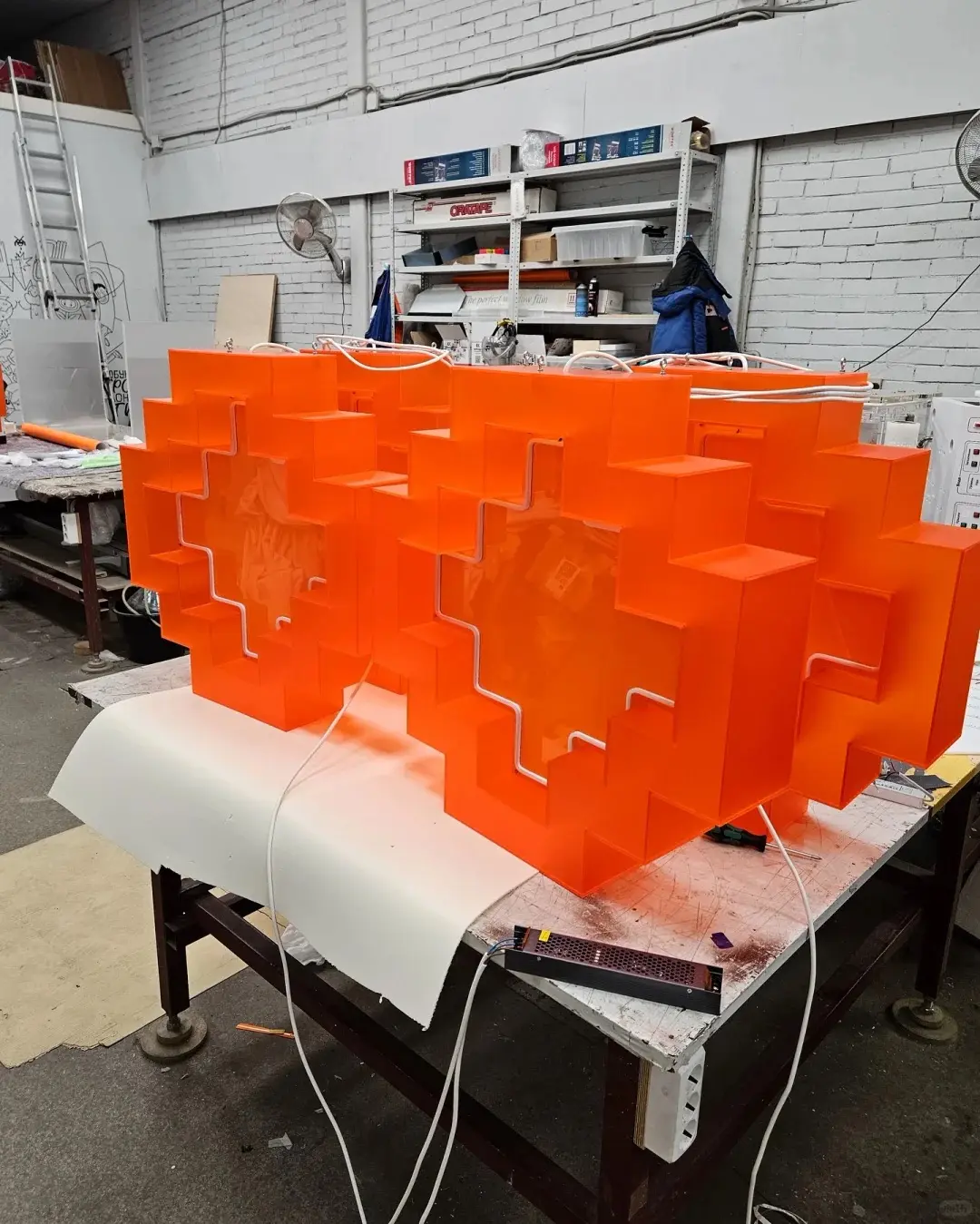
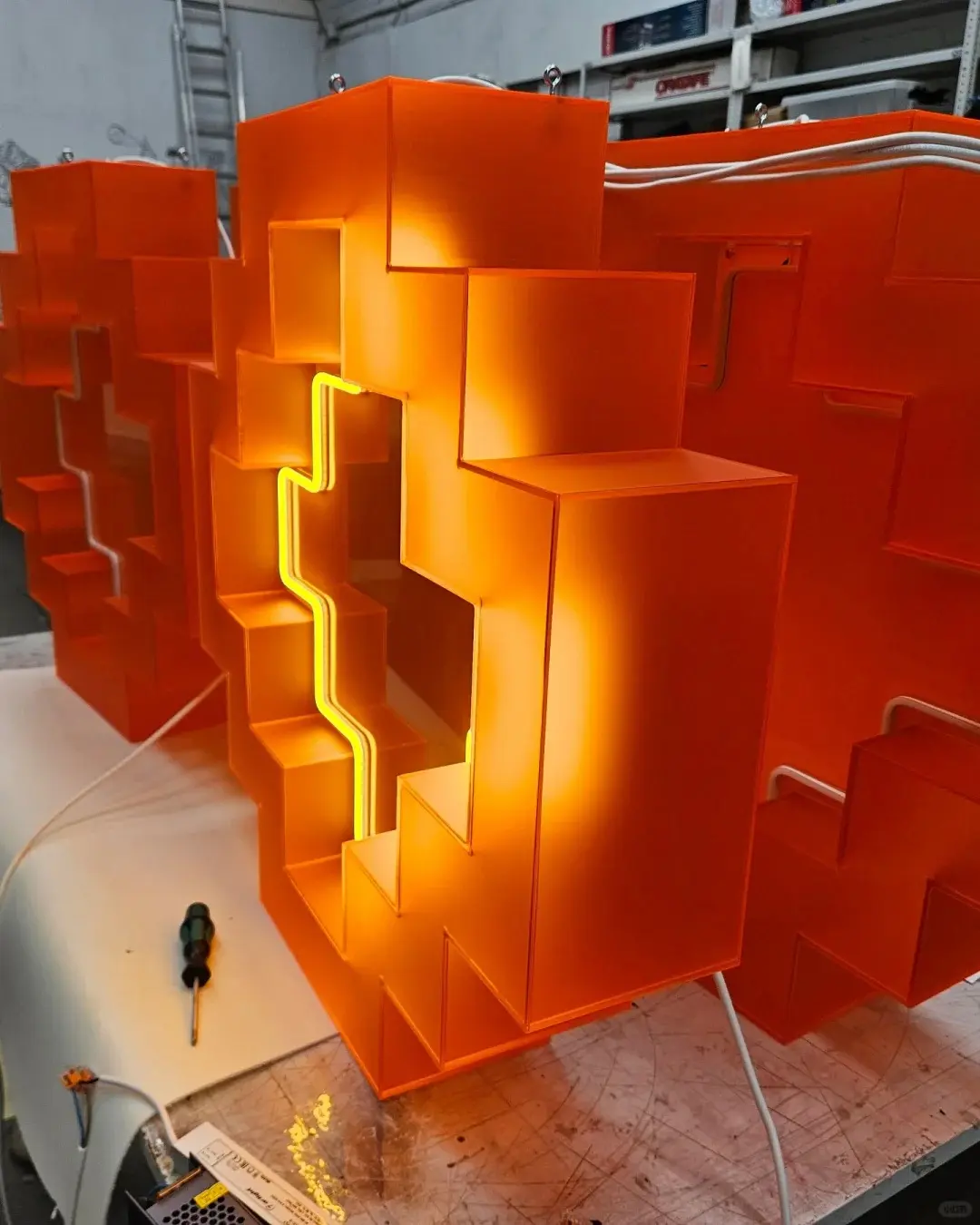
[图片 3] Cross-section view or assembly image showing aluminum frame depth relative to LED placement and acrylic panel. Alt text: aluminum frame and acrylic panel assembly showing LED spacing and frame depth
LED Layout: Matching Lighting to the Display Purpose
LED placement affects brightness, color quality and overall visual balance. The three main approaches — backlit, side-lit and edge-lit — suit different display sizes and visual goals.
Backlit LED modules are placed behind the acrylic panel and are the most common choice for medium-to-large light boxes. They provide strong, even illumination when properly spaced. The spacing between LED modules must be coordinated with the frame depth and diffuser type to avoid hot spots.
Side-lit LED strips are mounted along the inside edges of the frame. They work well for thinner signs and smaller panels where a slim profile is important. Side-lit designs are limited in maximum panel size because light intensity drops toward the center on larger panels.
Edge-lit acrylic uses the acrylic panel itself as a light guide. LEDs are mounted along the edge of the panel, and the light travels through the acrylic. When the acrylic surface is engraved or laser-etched, the light escapes at the engraved points, creating a glowing line effect. This is commonly used for illuminated logo signs and decorative display accents.
Choosing the Right Color Temperature
Color temperature selection should support the product and brand environment, not compete with it:
- Neutral white (4000–4500K): Suitable for beauty, cosmetic and skincare displays where accurate color rendering matters
- Warm white (2700–3000K): Works well for festive, luxury fashion and lifestyle brand displays
- Cool white (5000–6500K): Useful for tech, sportswear and high-energy campaign signage
- RGB or tunable white: Used for seasonal campaign displays that change color themes
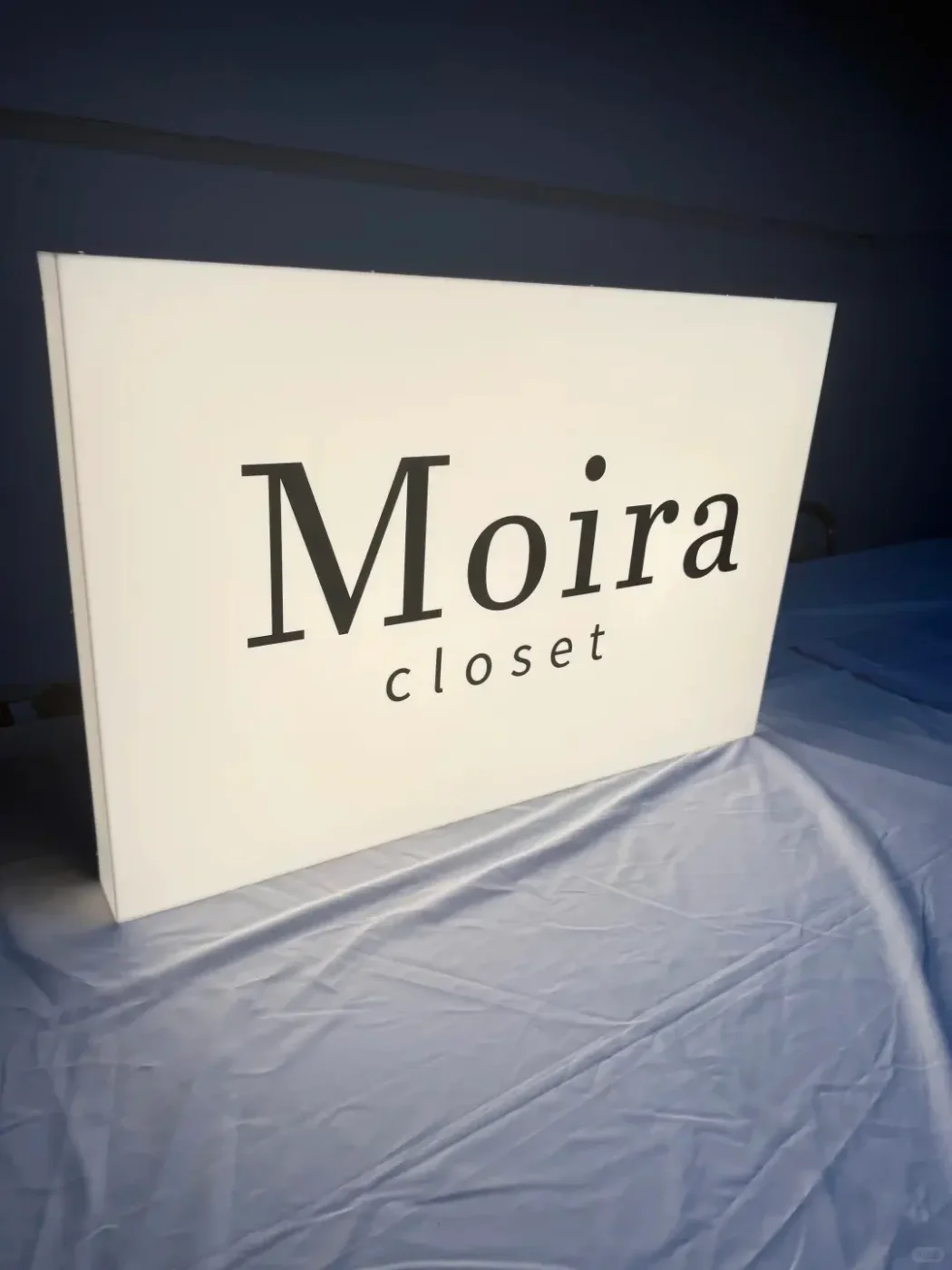
Where Acrylic Light Boxes Work in Retail Environments
Acrylic light box displays appear across most retail formats: as window display backgrounds and campaign panels, pop-up store signage that needs to be lightweight and modular, in-store product zone markers and category signs, and counter or point-of-sale features integrated into cosmetic, jewelry or perfume displays.
Each application has different structural requirements. Pop-up store light boxes prioritize portability and fast installation. Counter displays need compact profiles with hidden cable management. Large window panels may require deeper frames, heavier-duty brackets and more robust packing for transport.
For broader display project planning, see retail display solutions.
Common Production Issues and How to Prevent Them
Acrylic light boxes only look simple when the production is handled well. Below are the issues that appear most frequently in manufacturing — and how to prevent them.
Visible LED dots on the acrylic surface. This happens when the frame depth, LED spacing or acrylic diffuser are not properly coordinated. Prevention: increase the frame depth, use a higher-haze diffuser panel or adjust the LED module spacing before final production.
Scratched acrylic panels. Acrylic scratches more easily than metal or glass. Prevention: keep the protective film on the acrylic through every production stage, and remove it only after final installation. Use foam-lined packing for shipping.
Light leakage around the edges. Poor frame sealing allows unwanted light to escape at the panel-frame junction. Prevention: add gasket strips or silicone sealing at the frame joints during assembly.
Warped or bowed panels. Large acrylic panels can bend if the material is too thin or the support structure is insufficient. Prevention: use thicker acrylic for large panels (8 mm+ for panels over 1200 mm) and add internal support ribs or mid-span brackets.
Rough logo edges. Laser-cut acrylic logos look unfinished without post-cutting treatment. Prevention: polish all exposed edges and use clean adhesive bonding with accurate positioning jigs.
These issues are why a light box project should be treated as a full display product — not simply as an illuminated graphic sign. Internal link: custom display props manufacturing
What to Prepare Before Ordering Custom Acrylic Light Boxes
A well-prepared brief reduces revision rounds and shortens the overall timeline. Before requesting a quotation, prepare the following:
- Display size (width × height × depth)
- Quantity
- Indoor or outdoor use
- Installation method (wall-mounted, hanging, freestanding or counter)
- Logo or artwork file (vector format preferred: AI, EPS or PDF)
- Preferred acrylic type and color
- LED color temperature preference
- Delivery deadline
- Shipping destination
If you have store photos, a design render or reference images from other projects, include them. They help the manufacturer assess whether the light box needs a deeper frame, stronger base, hidden mounting bracket, replaceable graphic panel or export-grade packing.
The more detail provided upfront, the fewer rounds of revision later — and the faster the project moves from sampling to production.
Ready to start a project? Request a custom light box display quote
Frequently Asked Questions
How thick should acrylic be for a retail light box?
For small counter displays under 400 mm, 3 mm acrylic is usually sufficient. Mid-sized wall panels between 400–1200 mm typically use 5 mm acrylic. Panels larger than 1200 mm should use 8 mm or thicker acrylic, often with internal support ribs to prevent bowing.
What is the typical lead time for custom acrylic light boxes?
For a standard acrylic light box project, sampling typically takes around 12 working days. Batch production adds another 12–15 working days depending on quantity and complexity. Sea freight to Europe or North America takes approximately 40–50 days; air freight takes 8–12 days.
Can acrylic light boxes be shipped flat-packed for international projects?
It depends on the design. Some light boxes can be designed with detachable frames and panels for flat-pack shipping, which reduces freight costs and damage risk. However, fully assembled units are more common for smaller quantities or designs with bonded logo elements that cannot be separated.
What file format is needed for printed acrylic panels?
Vector files (AI, EPS or high-resolution PDF) are preferred for logo and graphic elements. For full-panel UV printing, high-resolution raster files (300 DPI minimum at actual print size, TIFF or PNG format) are recommended. CMYK color mode is standard for production printing.
How do you prevent LED hot spots on acrylic light boxes?
LED hot spots are prevented through the correct combination of three factors: sufficient frame depth to create distance between the LEDs and the diffuser panel, appropriate LED module spacing, and the right acrylic diffuser type. Milky white acrylic with higher haze levels provides stronger diffusion for close-range viewing.
What is the difference between acrylic and polycarbonate for light boxes?
Acrylic offers better optical clarity, higher light transmission and superior surface finish. Polycarbonate is more impact-resistant and performs better in outdoor or high-traffic environments. For most indoor retail light box displays, acrylic is preferred for its visual quality. Polycarbonate is typically chosen only when impact resistance is the primary concern.
Final Note
An acrylic light box display sits between signage, display props and visual merchandising fixtures. That is why it should be planned as a custom retail display product — not treated as a simple illuminated graphic.
The final result depends on how well the acrylic panel, frame structure, LED system, wiring layout and packing method work together. When these details are coordinated from the start, the display can deliver the clean, bright, brand-ready look that retail environments require.
For made-to-order retail projects, VM Display supports custom retail lightboxes from design review and material planning through production, quality control and export packaging.