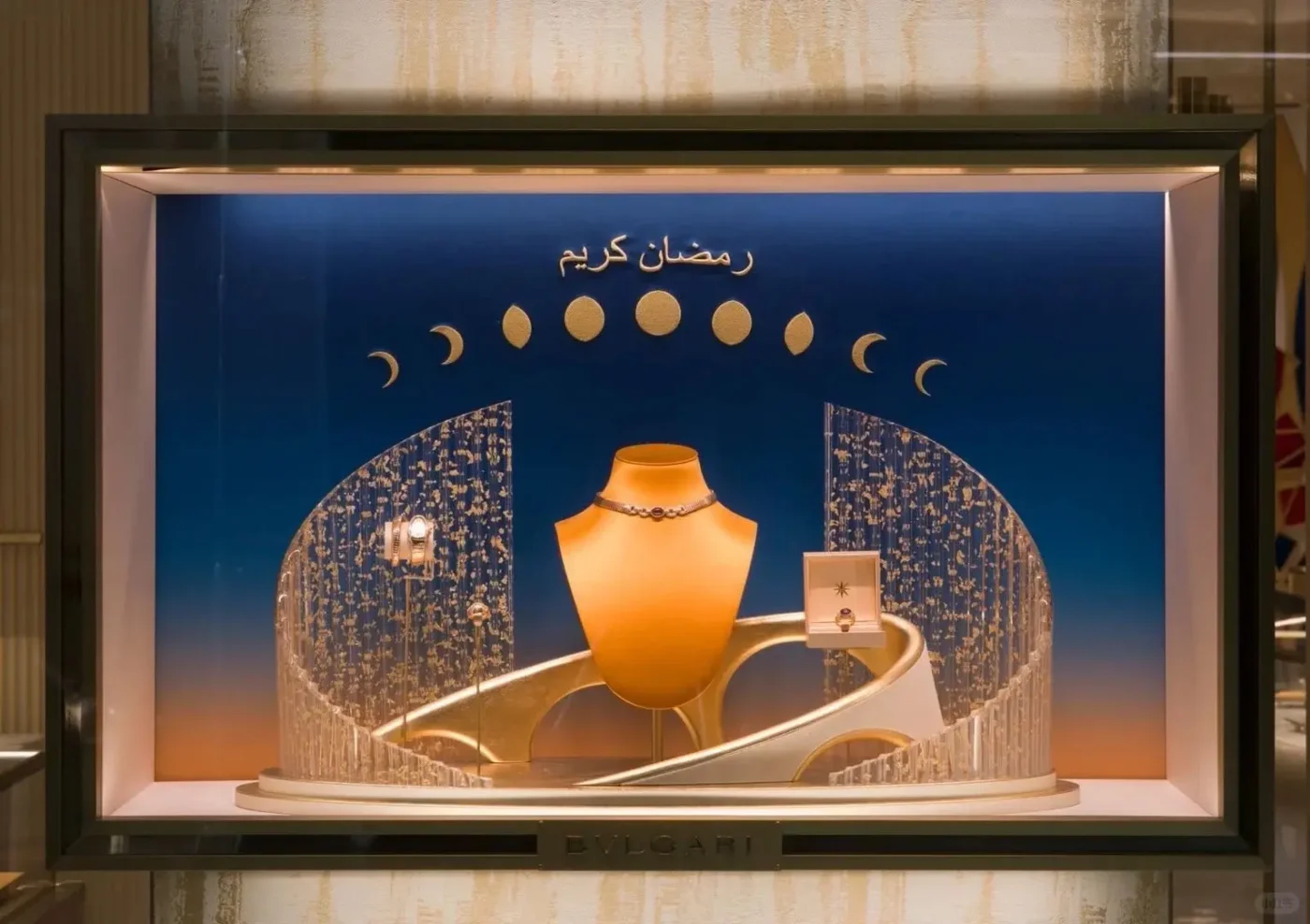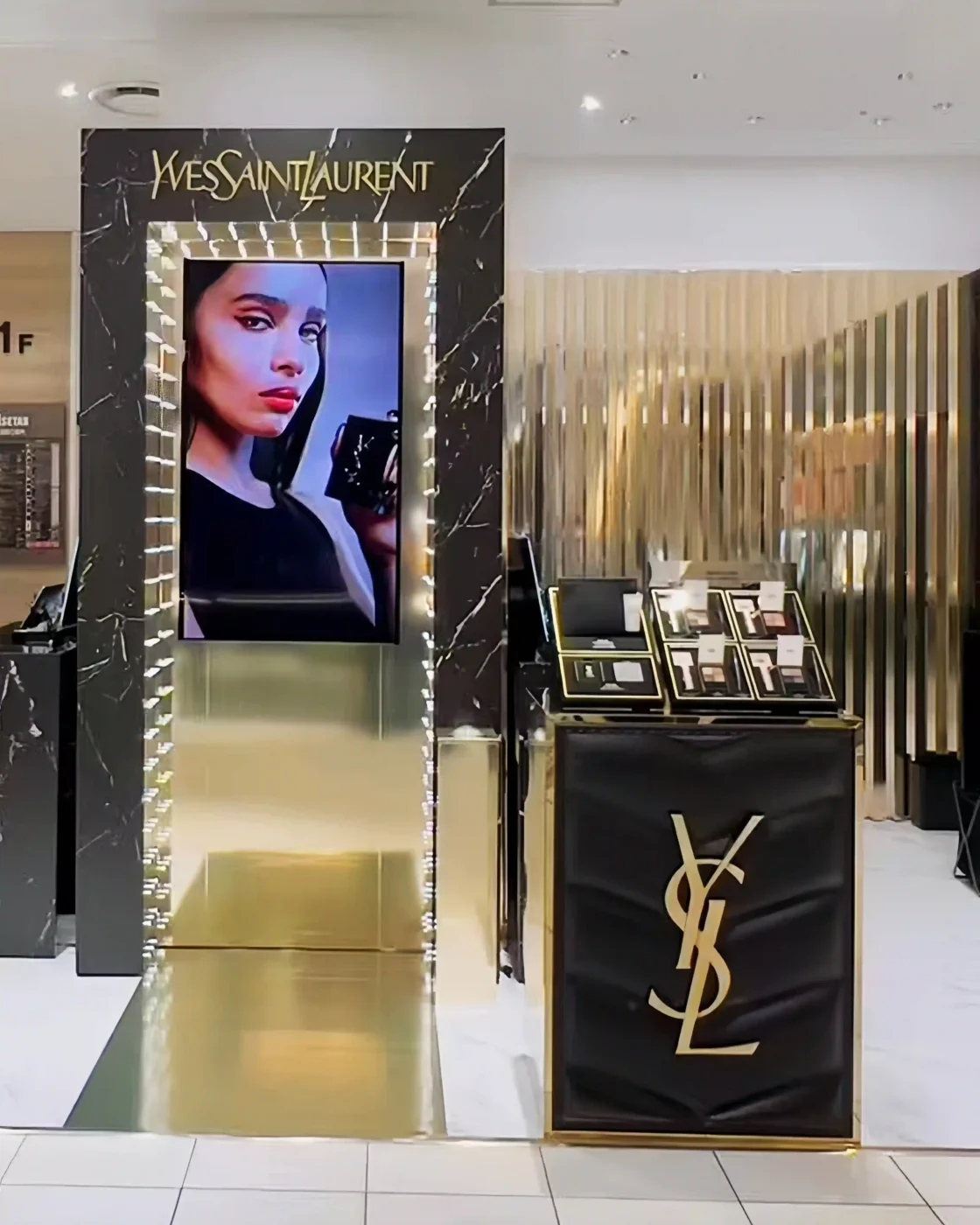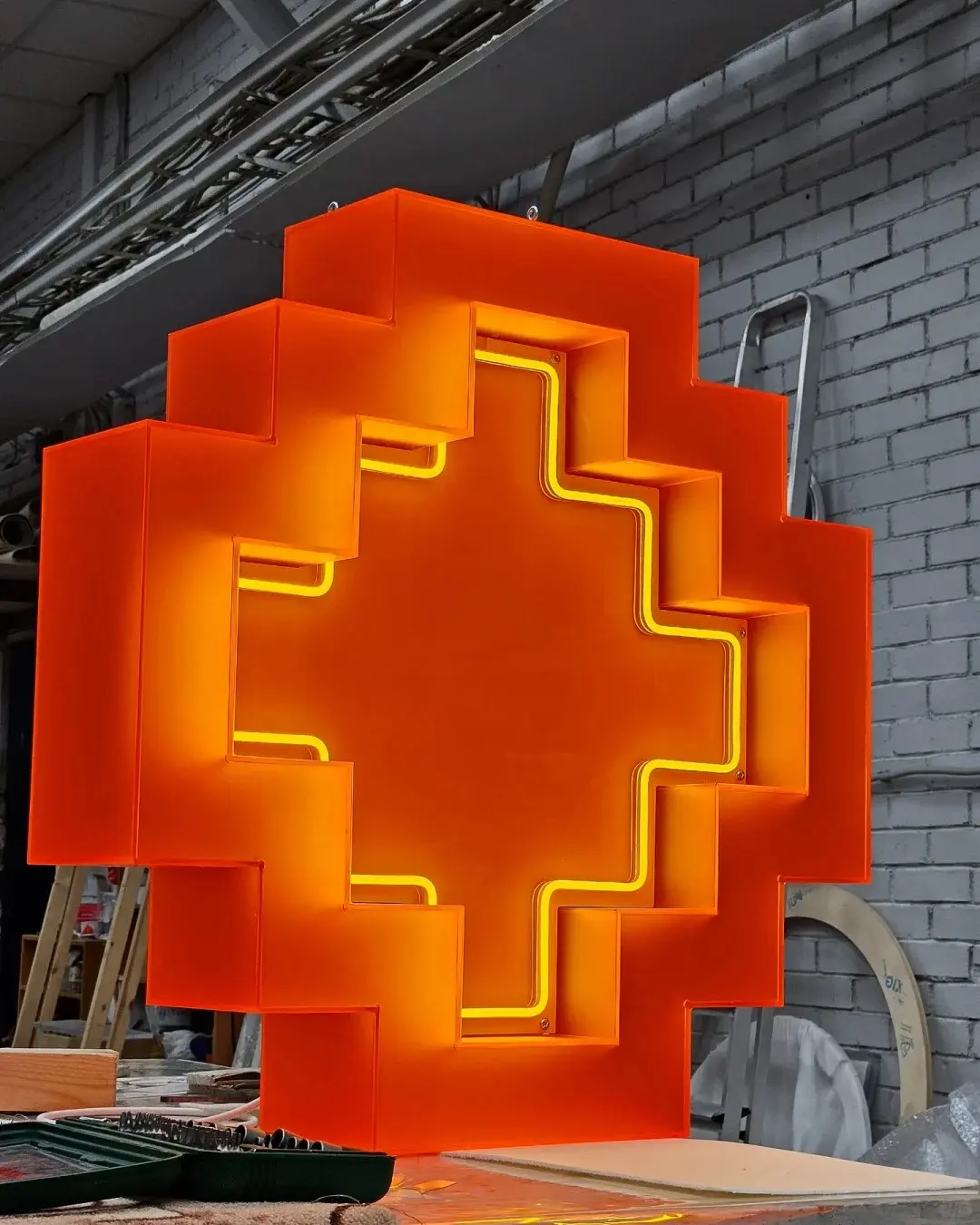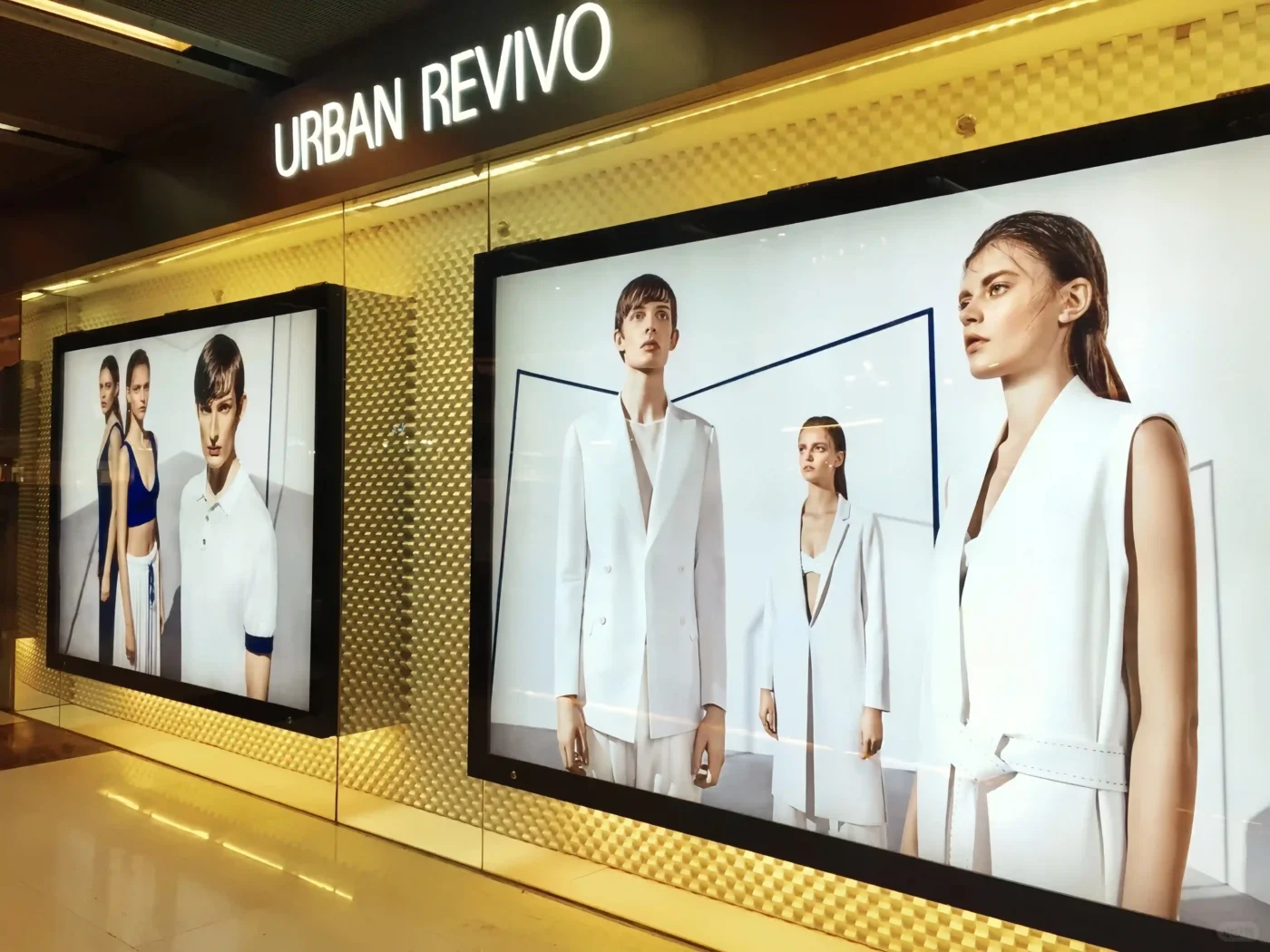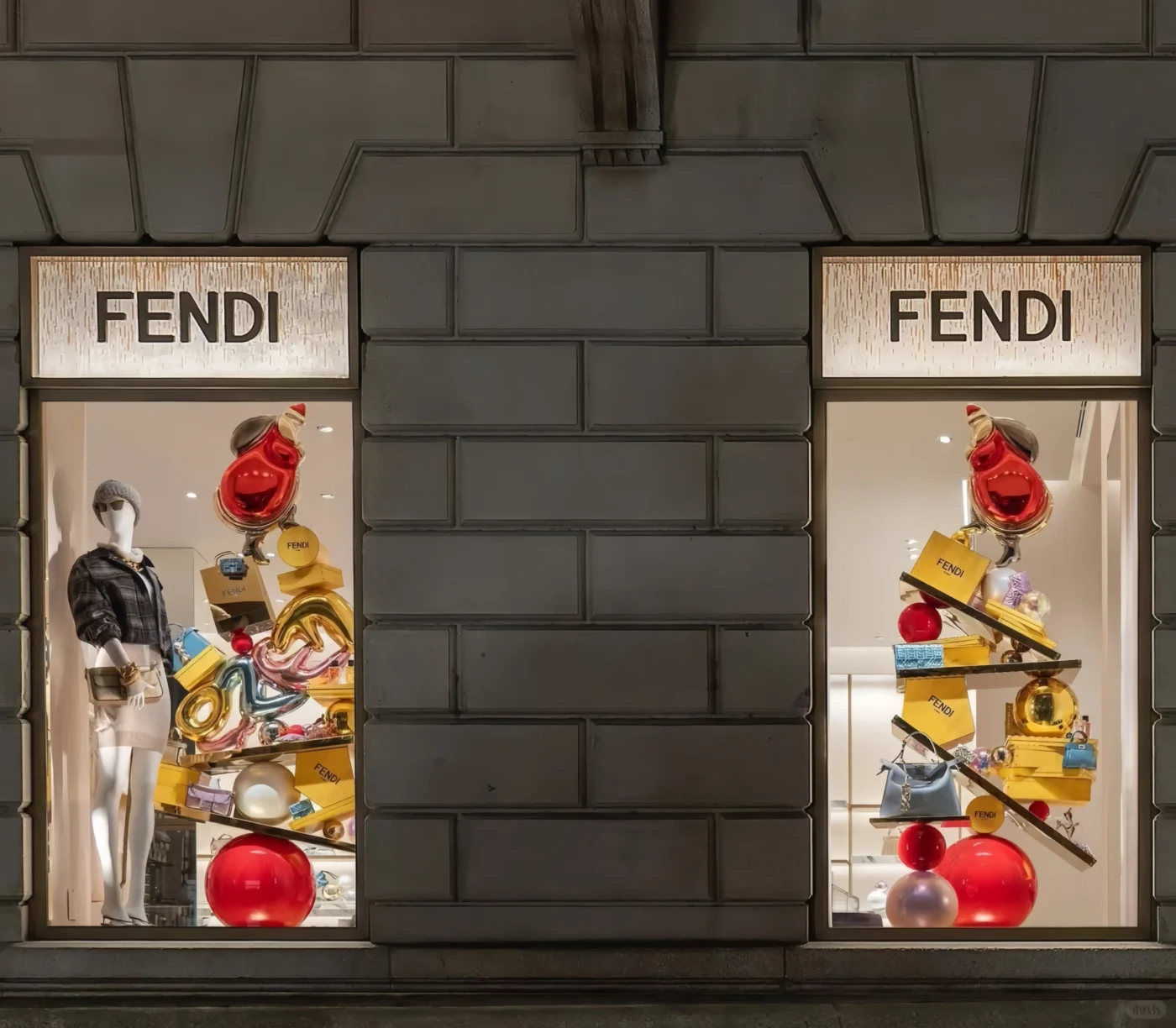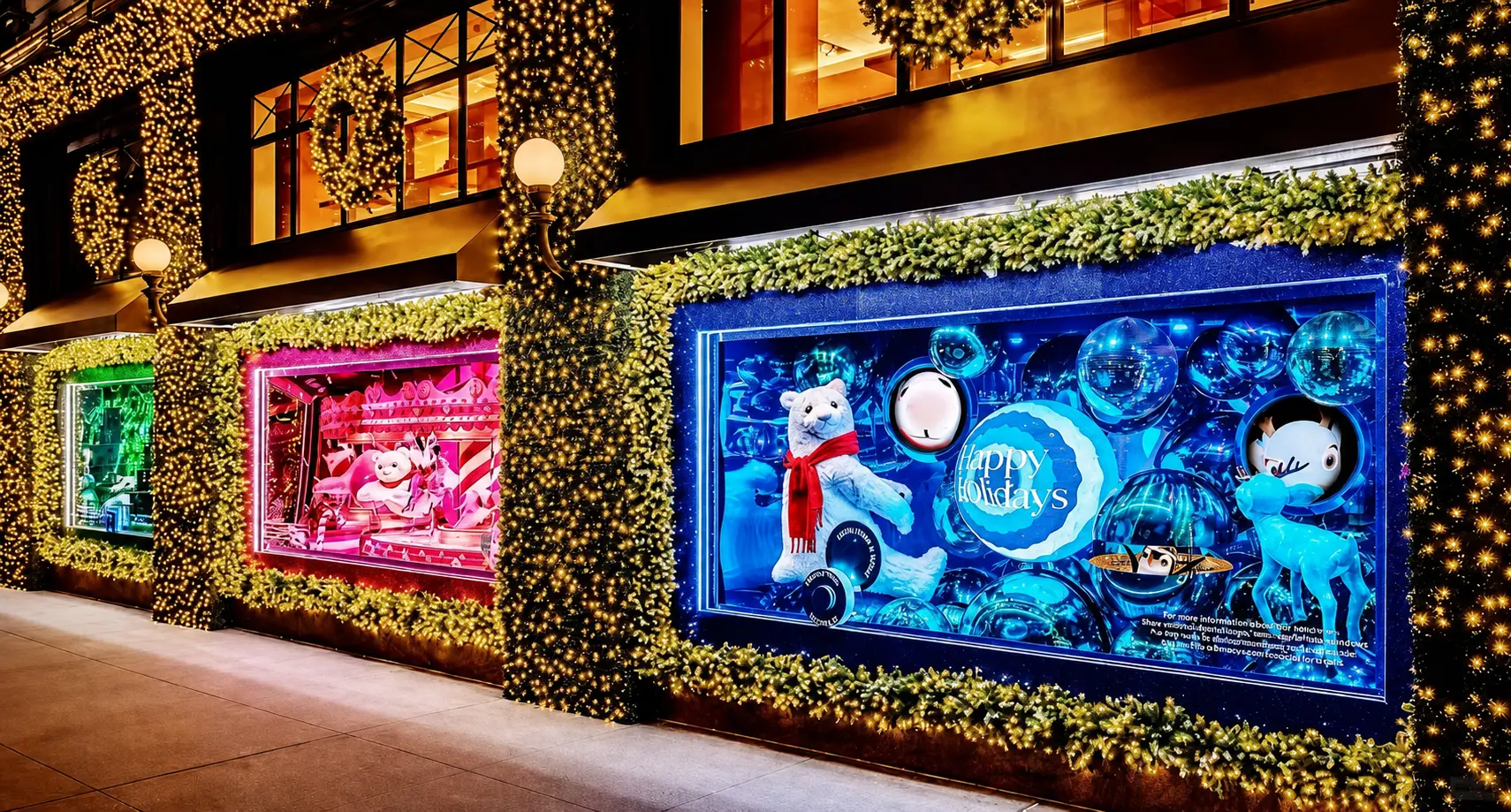
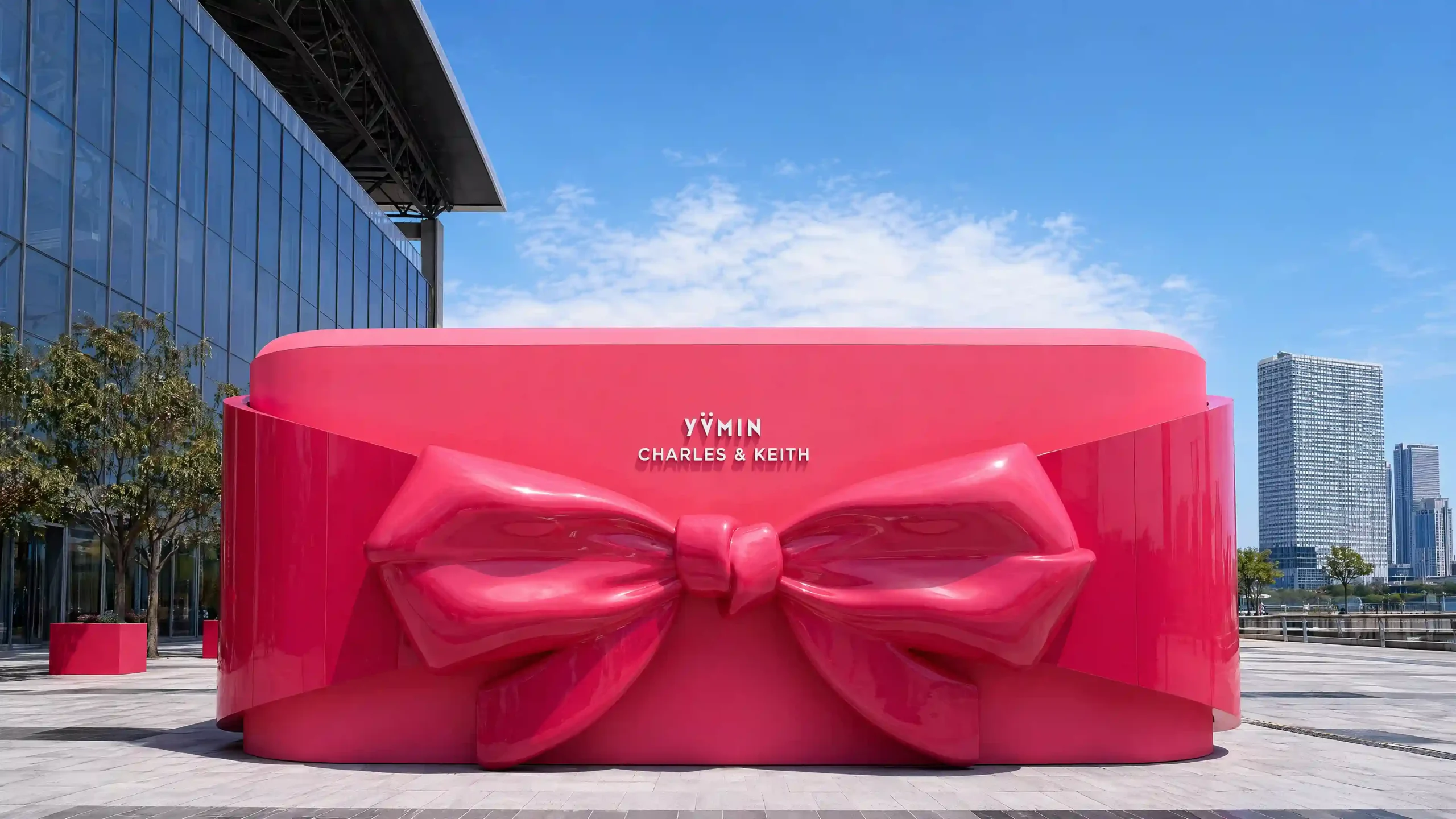
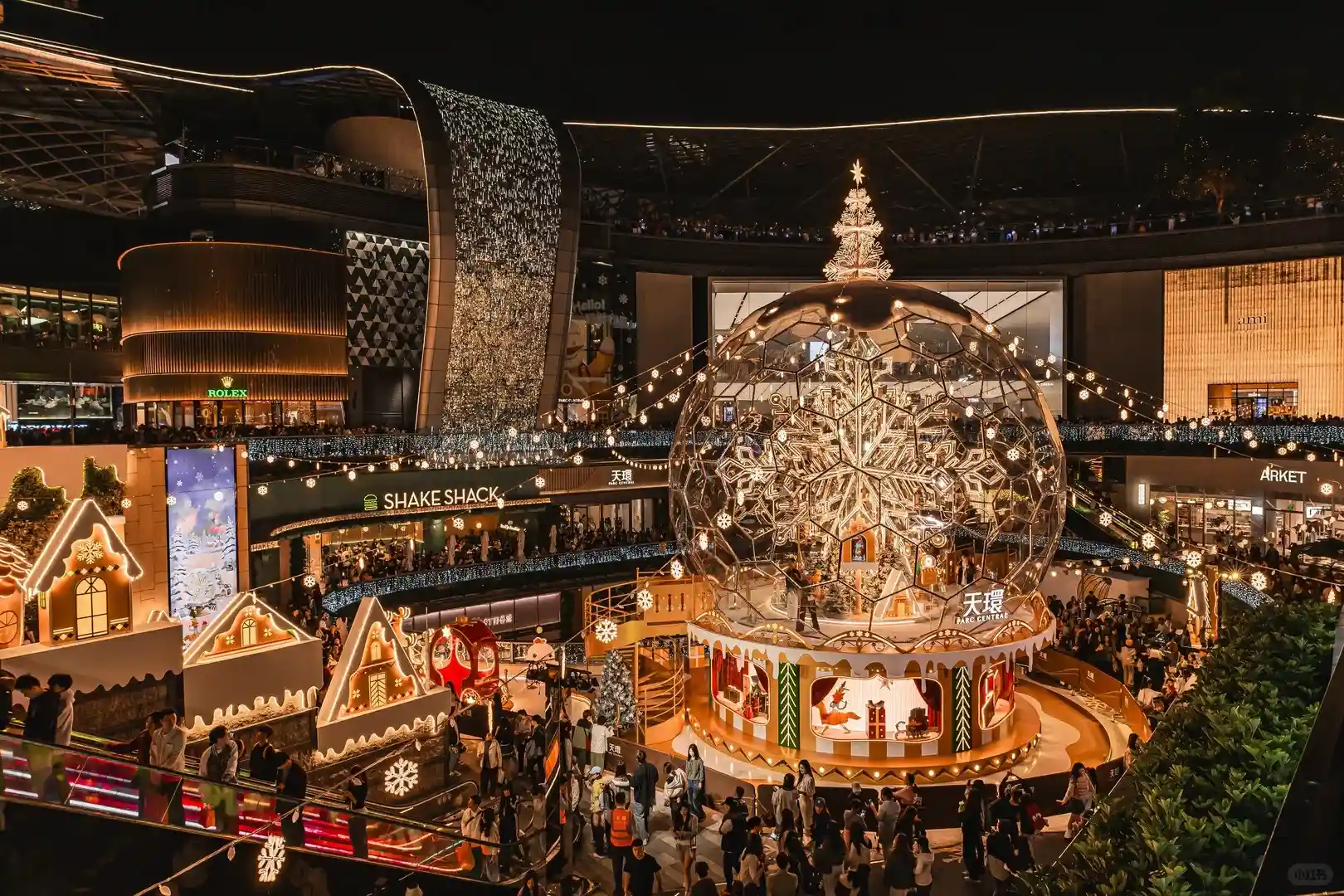
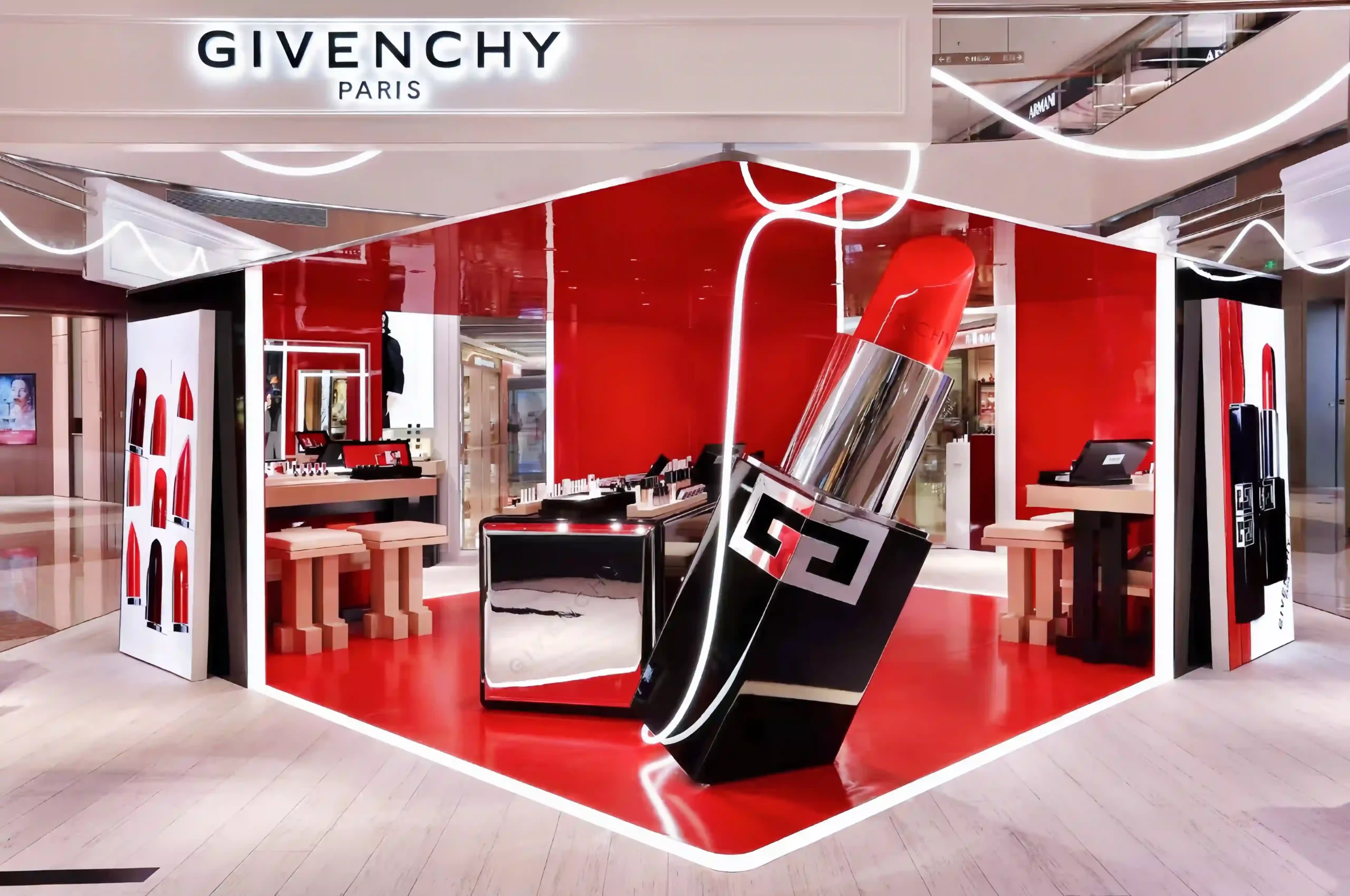
Display props manufacturing is the process of turning a retail concept — a sketch, render or reference image — into a finished physical prop for visual merchandising, window displays, pop-up stores, events or exhibitions.
A complete display props manufacturing project usually moves through six stages: design interpretation, material selection, technical development, sampling, fabrication and surface finishing, then quality inspection, packaging and delivery. In our factory, most custom display props go from approved design to shipped product in three to six weeks, depending on complexity and quantity.
Here is how each step works in practice.
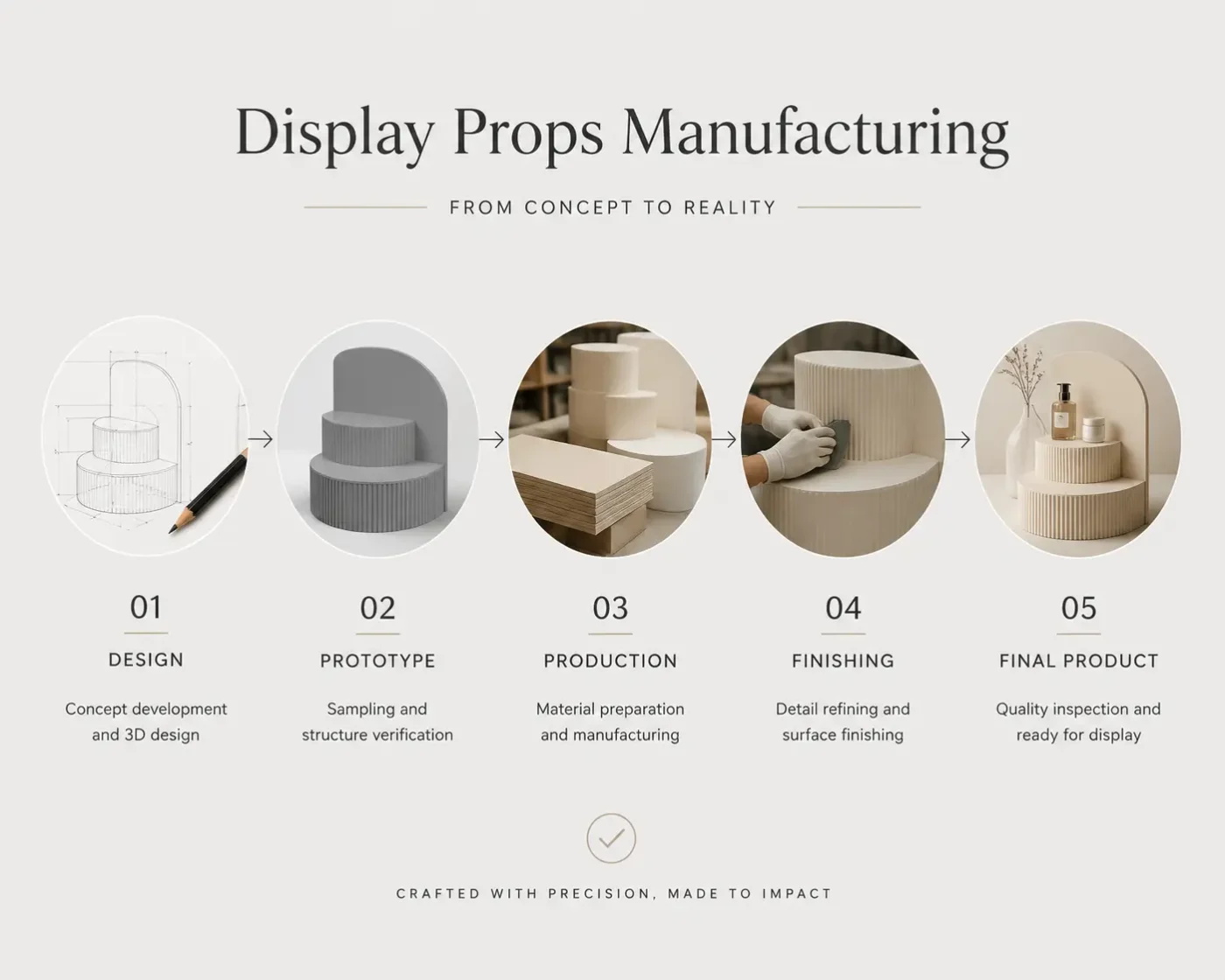
Step 1: Brief and Reference Review
Every project starts with a brief. This can be as detailed as a full technical package or as simple as a mood board and a store photo. The materials we typically review include:
Sketches or renders, product photos, target dimensions, store or window photos, installation requirements, and brand guidelines. At this stage, an experienced manufacturer will already flag structural risks, weight limits and finish feasibility — before any quotation is issued. If the brief is incomplete, we ask questions first; guessing at this stage is what causes budget surprises later.
To get an accurate custom display props quote, the more reference material provided upfront, the tighter the pricing and timeline will be.
Step 2: 3D Modeling and Engineering
For complex or organic shapes, 3D modeling confirms size, proportion, structure and production feasibility before anything is built. It is also where design intent meets manufacturing reality: a shape that looks right in a render may need internal framing, split lines or wall-thickness adjustments to survive shipping and installation.
From the approved model, technical drawings are created for CNC cutting, mold making, metal fabrication or assembly. Learn more about how 3D modeling for display props works in a factory workflow.
Step 3: Material Selection
Common materials in display props manufacturing include FRP (fiberglass), acrylic, metal, wood, MDF, foam, resin, fabric and mixed-material structures. The right choice depends on five factors: visual effect, durability, budget, weight and installation method.
As a rule of thumb from our production floor: FRP display props suit large sculptural forms that need strength at low weight; acrylic suits transparency and lit displays; metal suits precision structures and premium finishes. For a detailed comparison, see FRP vs acrylic vs metal display props.
Step 4: Fabrication and Surface Finishing
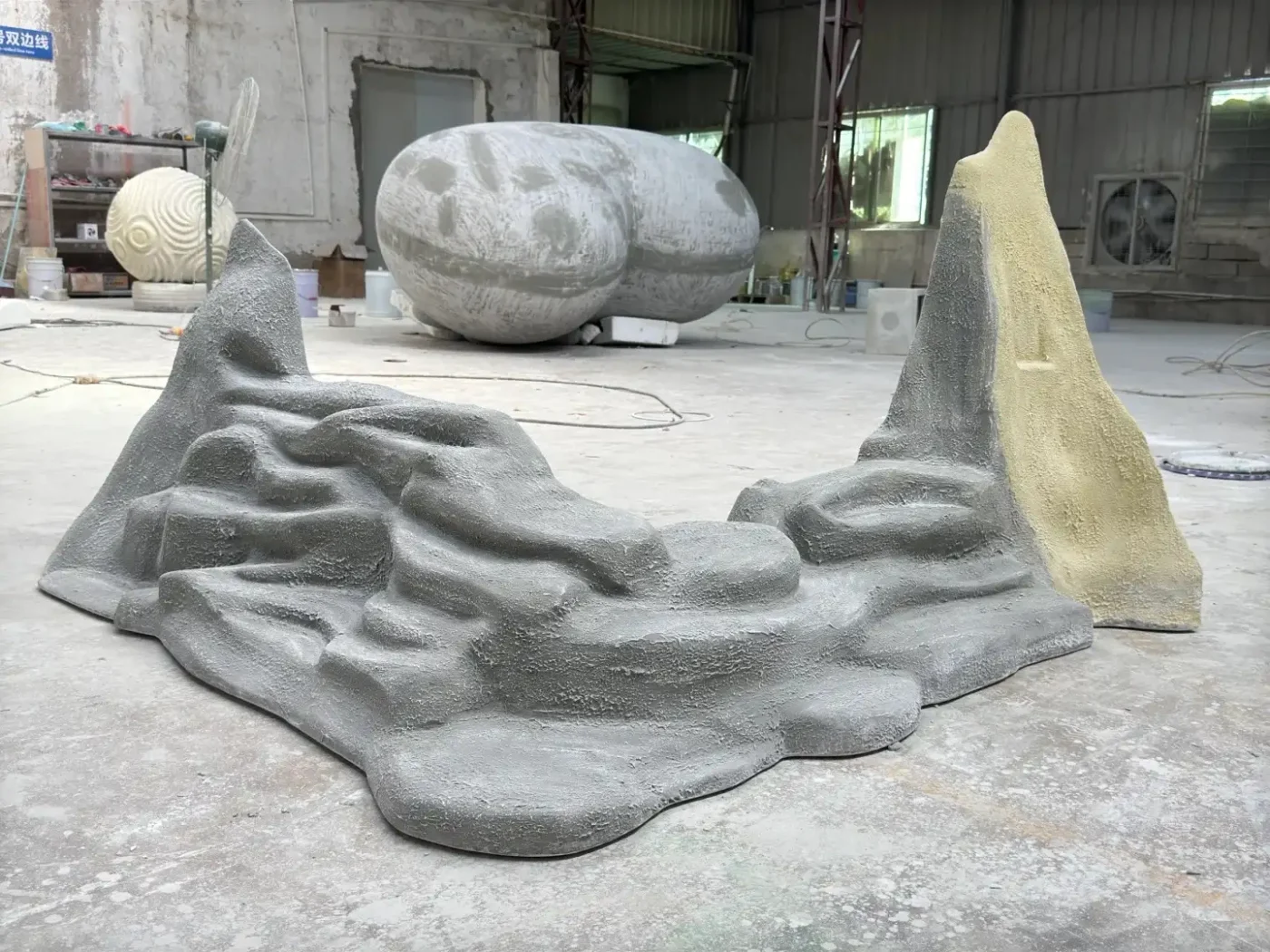
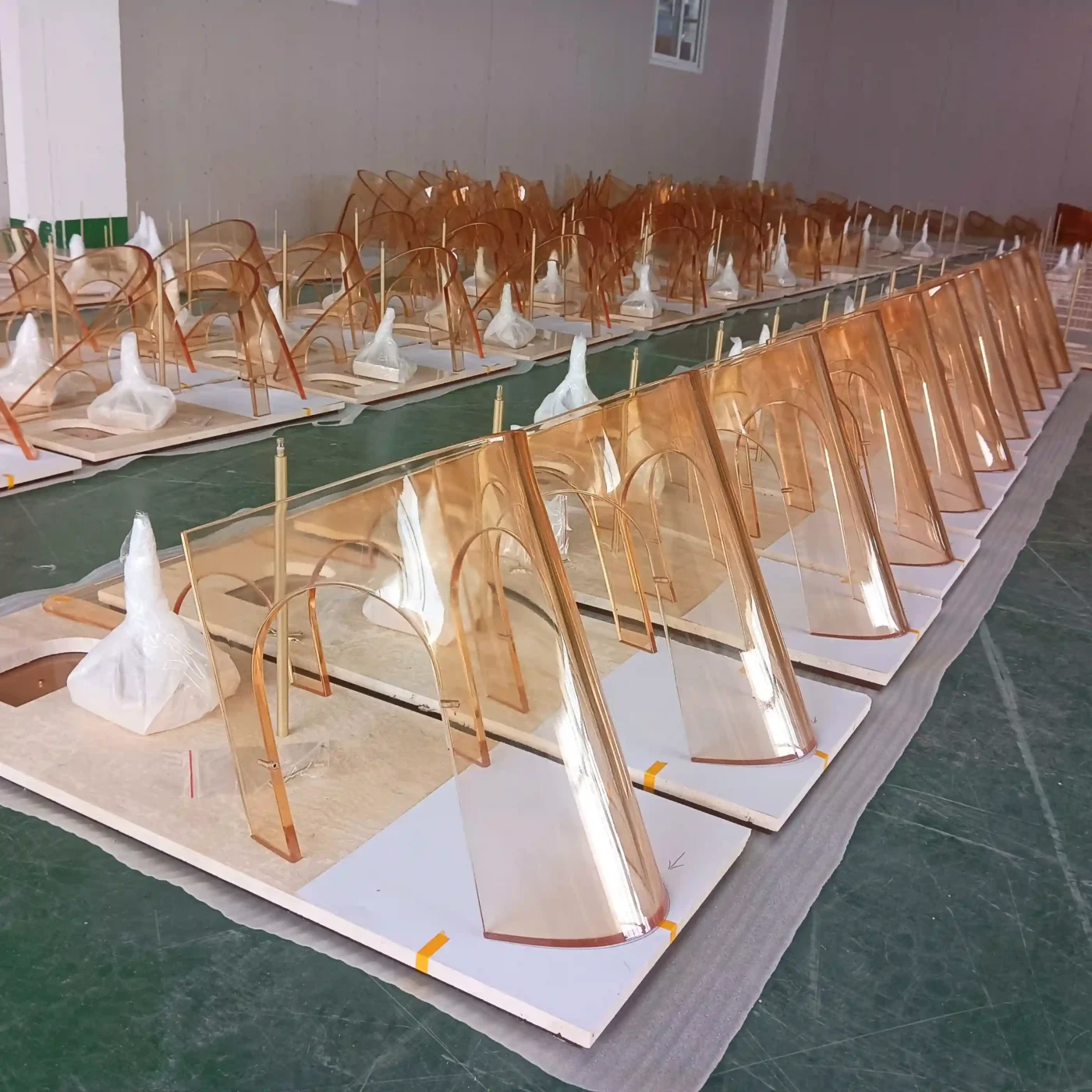
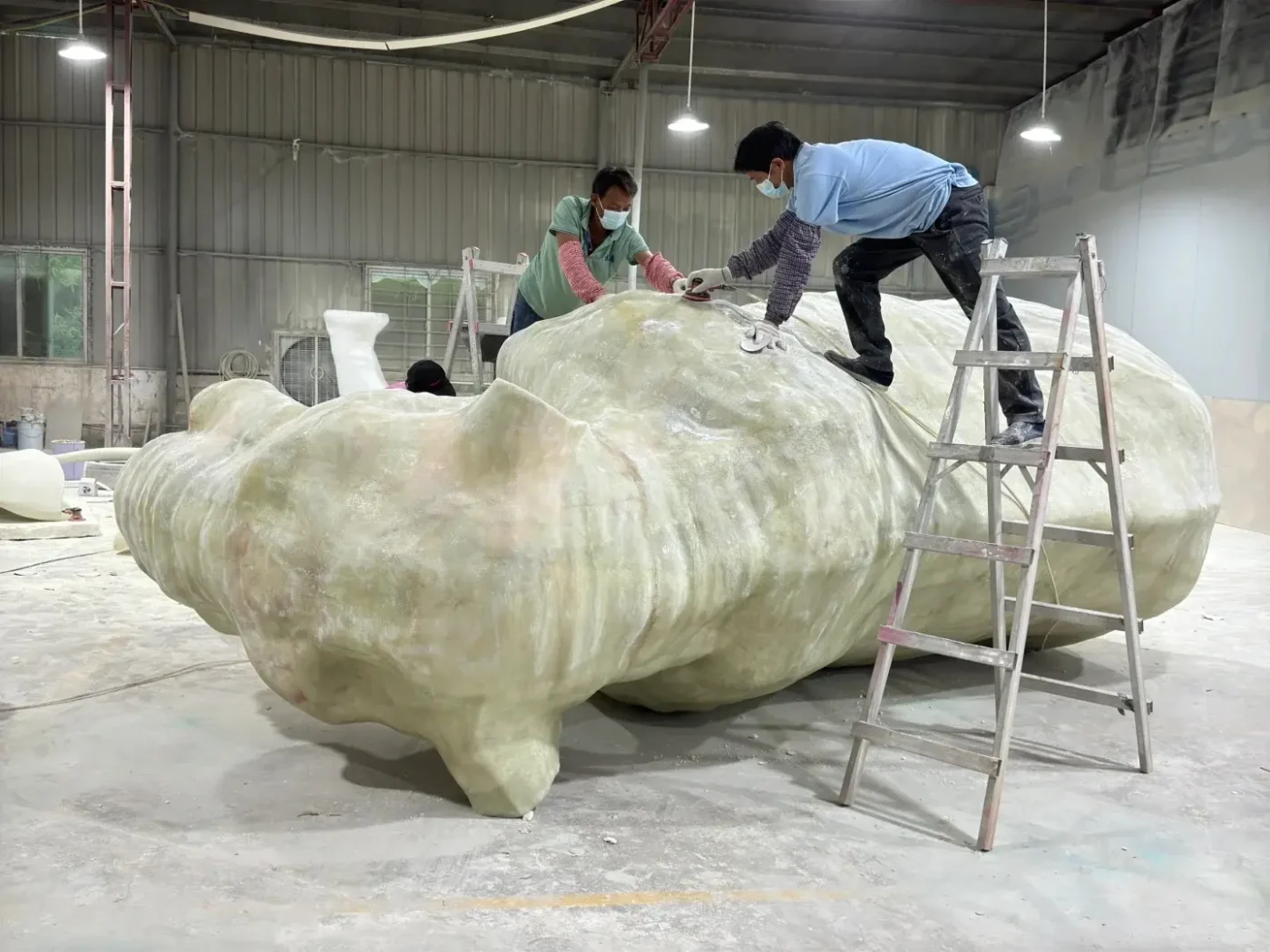
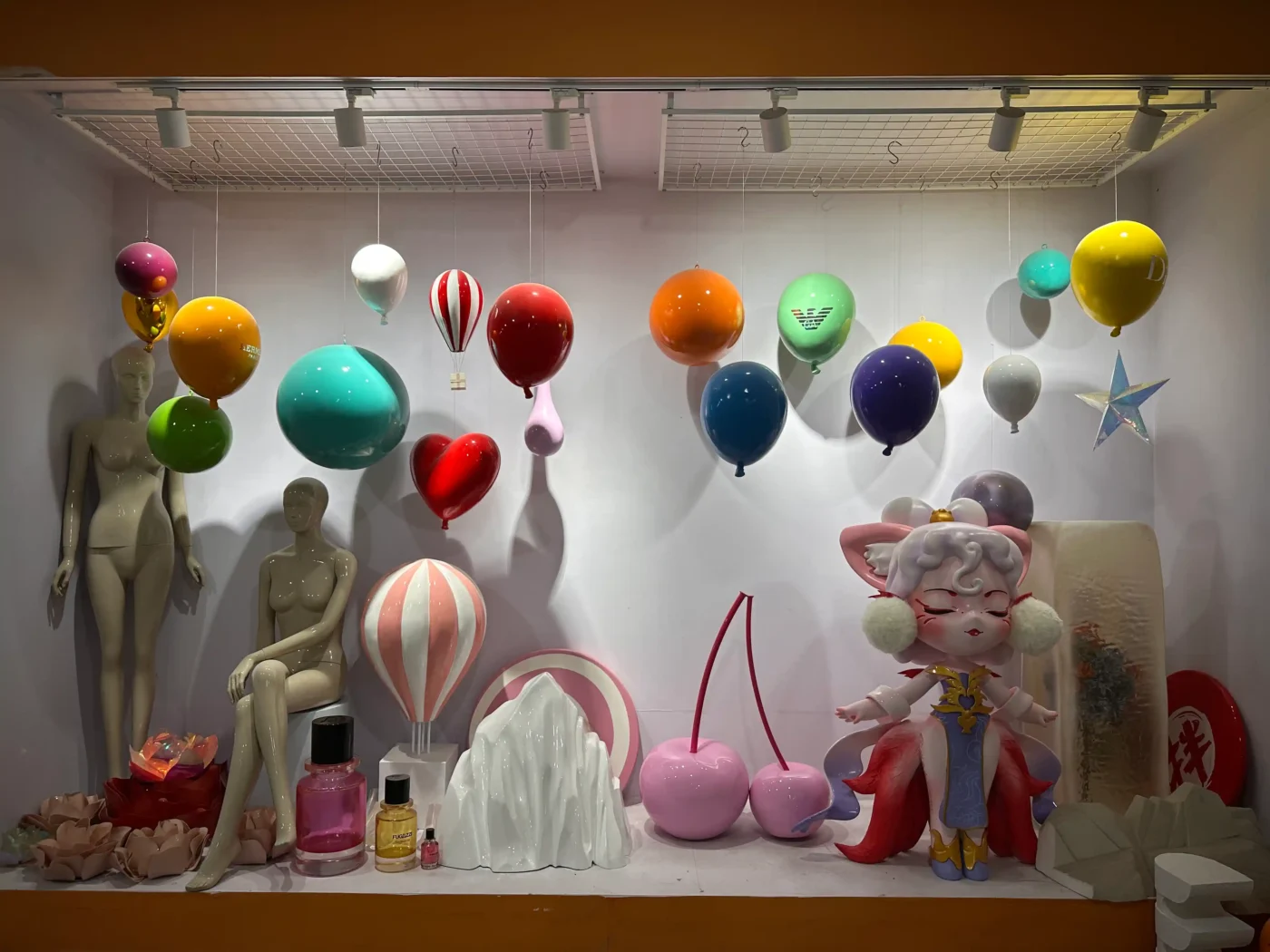
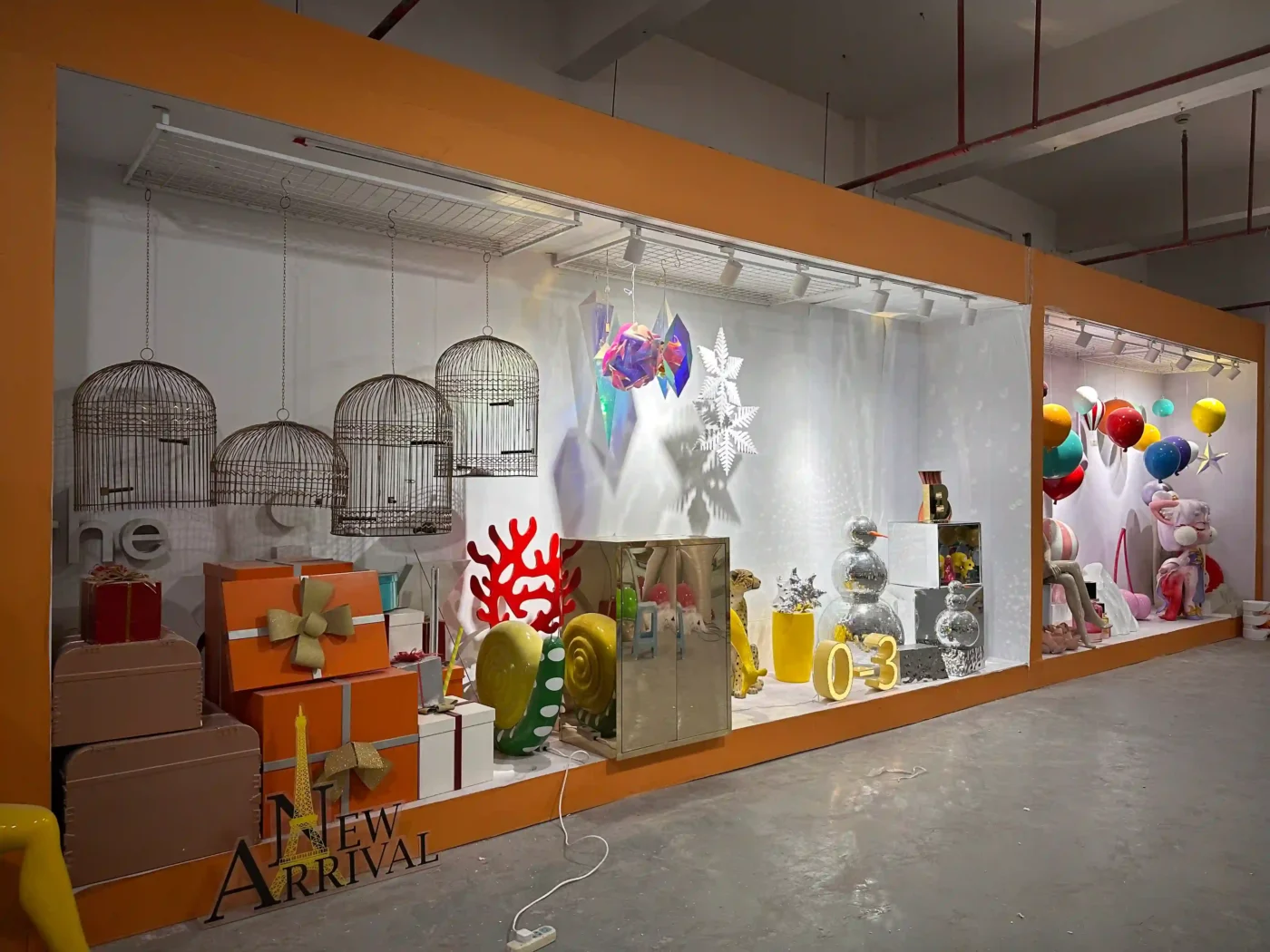
This is where most of the production time goes. Depending on the design, fabrication may involve mold making, fiberglass lay-up, CNC cutting, laser cutting, welding, acrylic bending and hand assembly.
Surface finishing is what separates a prop that looks good in a photo from one that holds up under store lighting: sanding, spray painting, UV metallizing, electroplating and flocking each require their own process control. We cover the main techniques in more depth on our retail display surface finishing page.
Step 5: Quality Control and Packaging
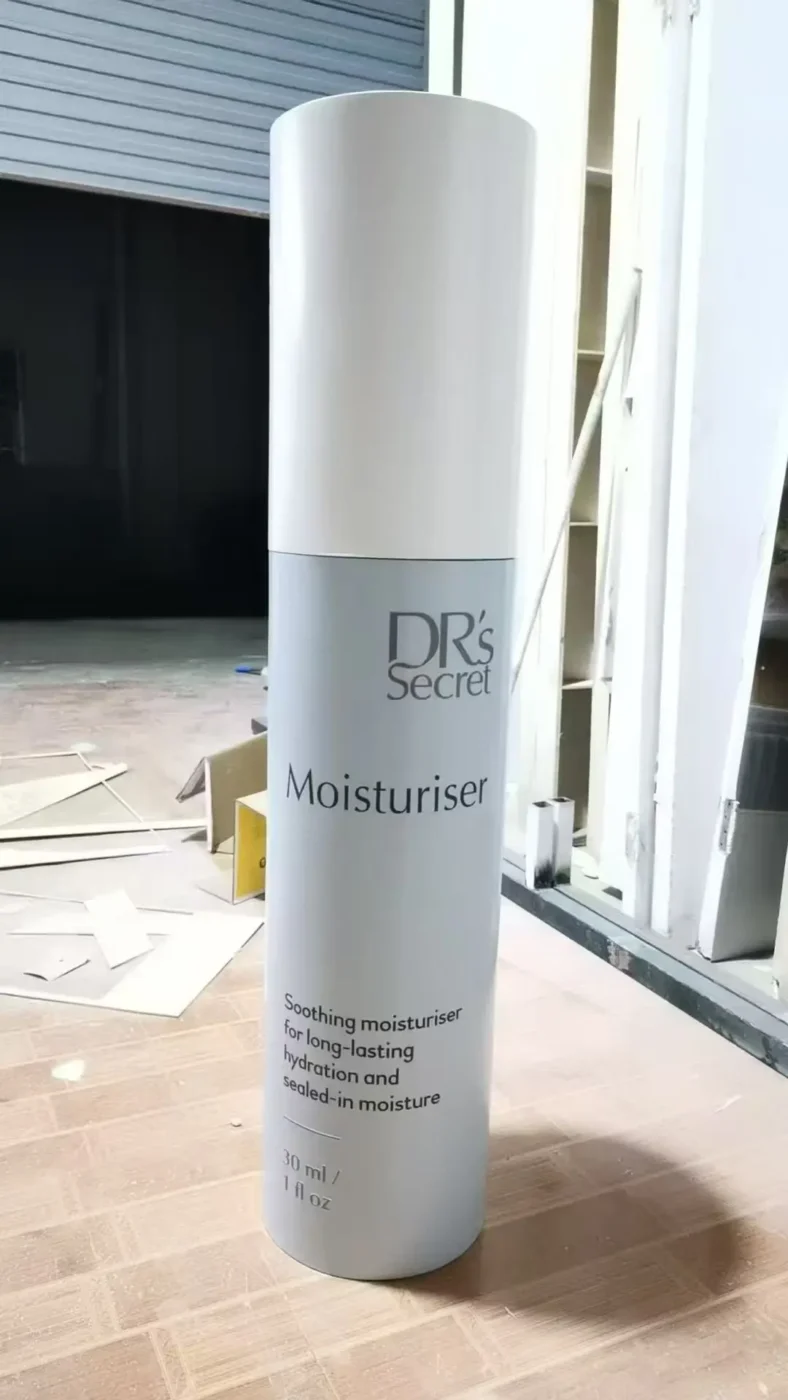
Before shipping, every prop should be checked against the approved sample for dimensions, structure, finish quality, color consistency and assembly method. Packaging is part of QC, not an afterthought: fragile props may need foam supports, reinforced cartons or wooden crates, and props shipping to multiple stores need consistent, labeled packing so installation teams on site are not left guessing.
For multi-store rollouts, this stage also includes per-store allocation and shipping documentation — a standard part of visual merchandising production for retail campaigns.
FAQ
How long does display props manufacturing take?
Most custom projects take three to six weeks from design approval to shipping. Simple acrylic or MDF pieces can be faster; large FRP sculptures with metallized finishes or multi-store quantities take longer.
What is the minimum order quantity for custom display props?
Many display props are one-off pieces for a single window or event, so there is often no strict minimum. Unit cost drops with quantity because mold and setup costs are shared across pieces.
Can display props be manufactured from just a sketch or photo?
Yes. A sketch, render or reference photo is enough to start. The manufacturer develops the 3D model and technical drawings, and confirms proportions and finishes with the client before production begins.
How are fragile display props shipped internationally?
Fragile props are packed with custom foam supports inside reinforced cartons or wooden crates. For multi-store campaigns, packing is organized per store with clear labeling so props arrive ready for installation.
Need a Display Props Manufacturer?
VM Display supports retail brands, VM teams and agencies with custom display props manufacturing — from concept interpretation to finished production and global delivery. Contact a display props manufacturer to discuss your project, or view custom display props projects we have produced for luxury retail clients.