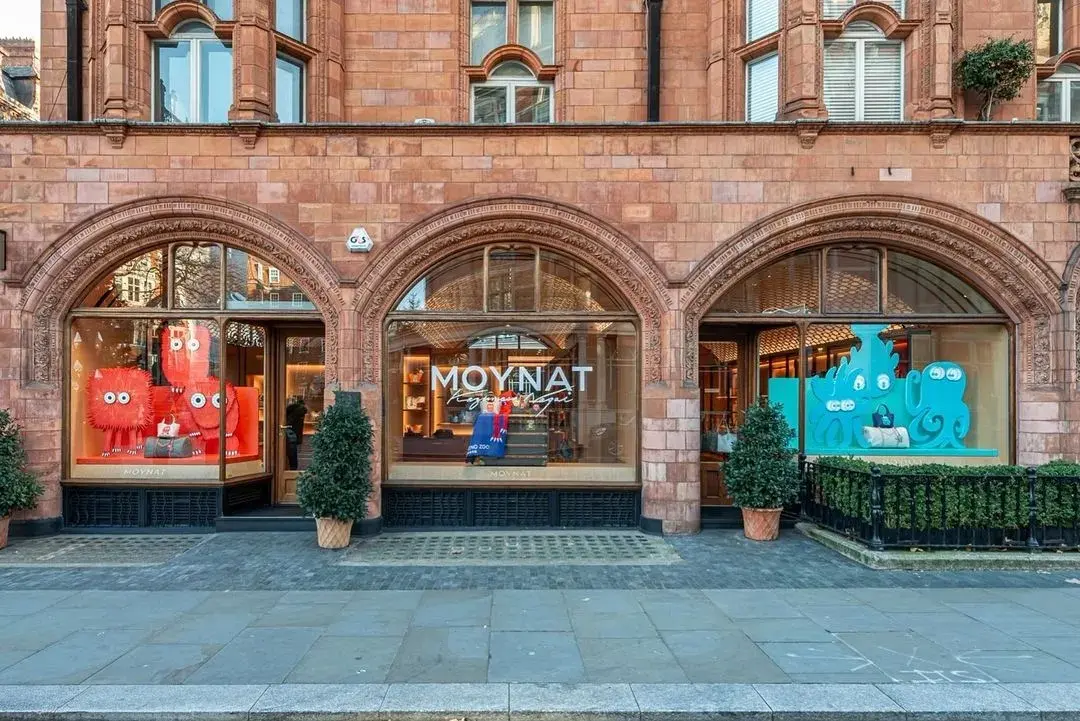
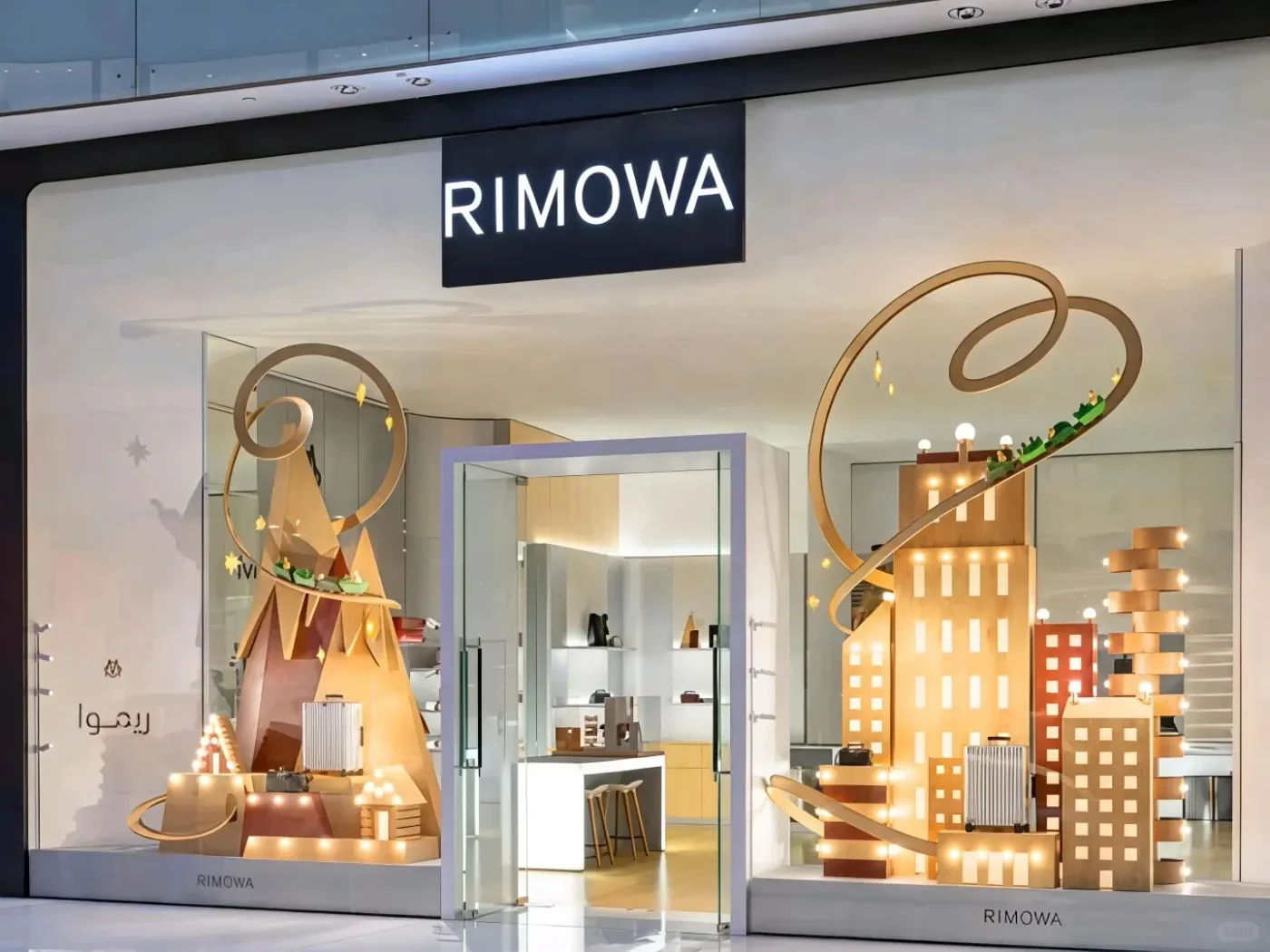
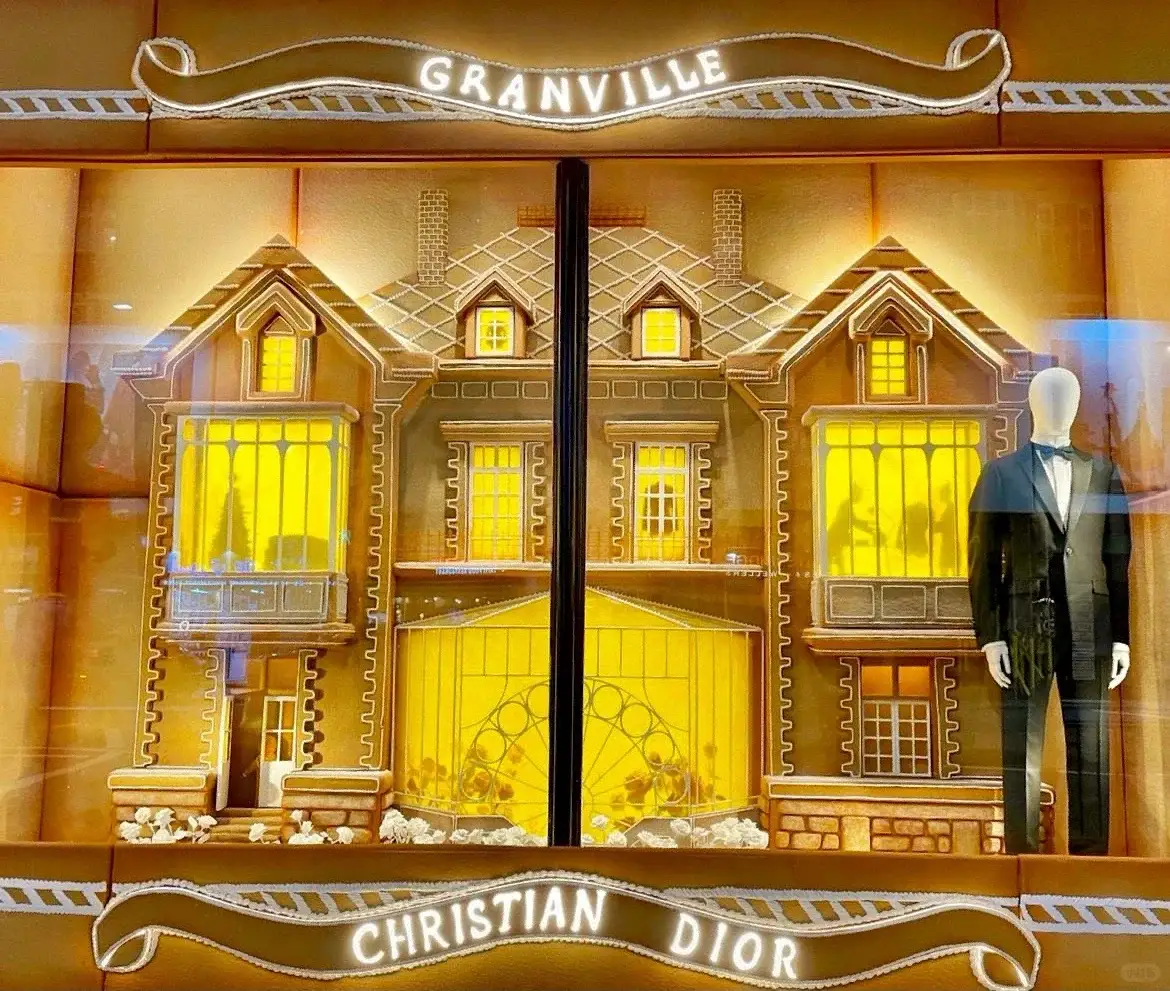
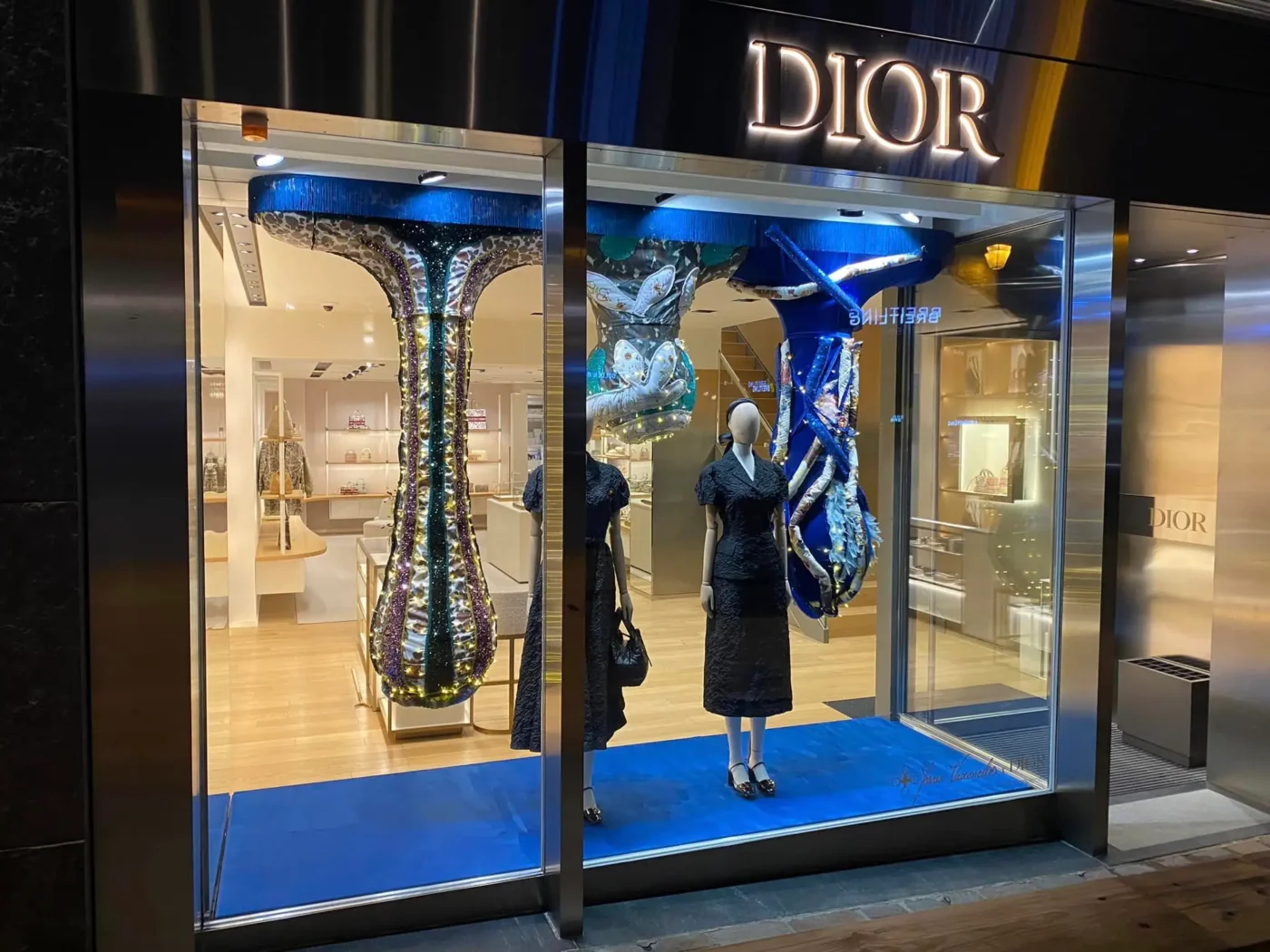
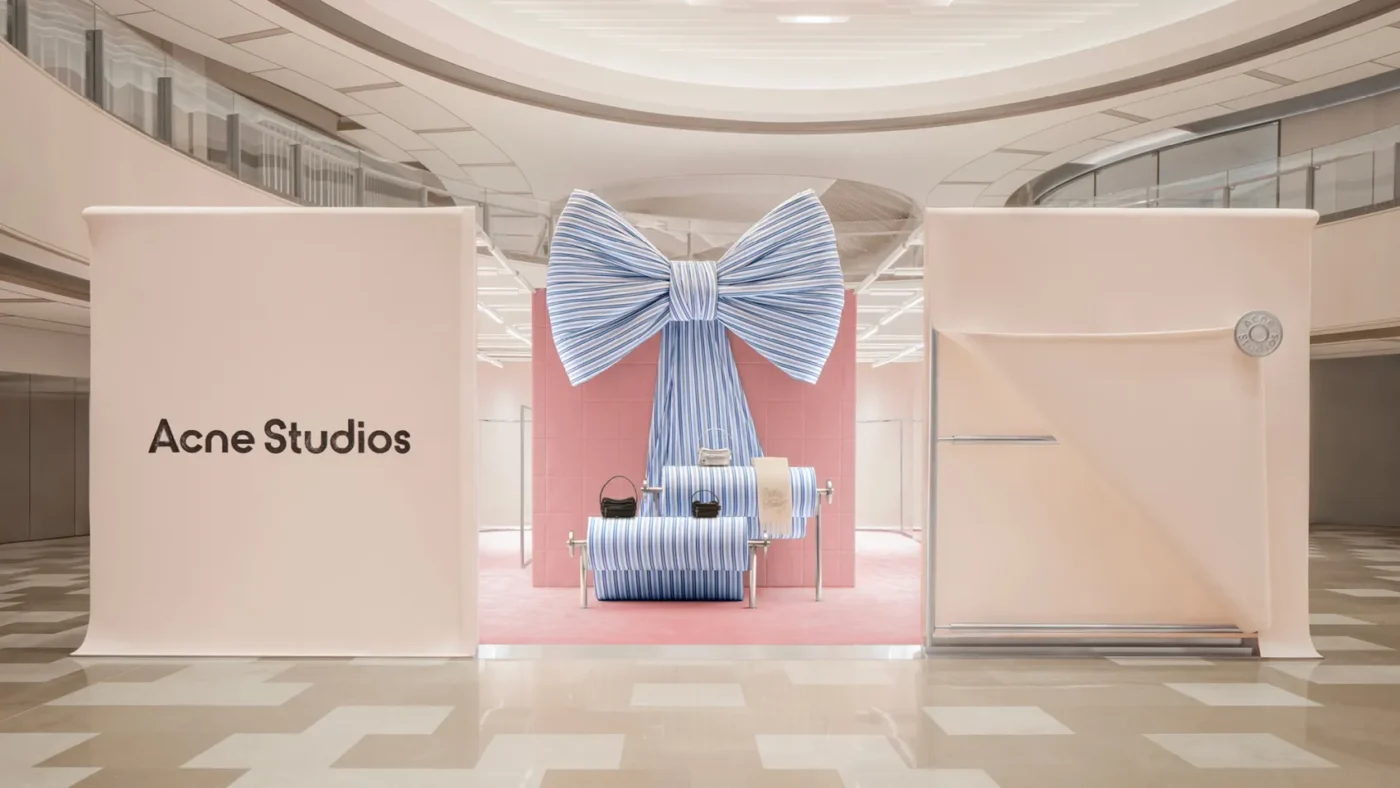
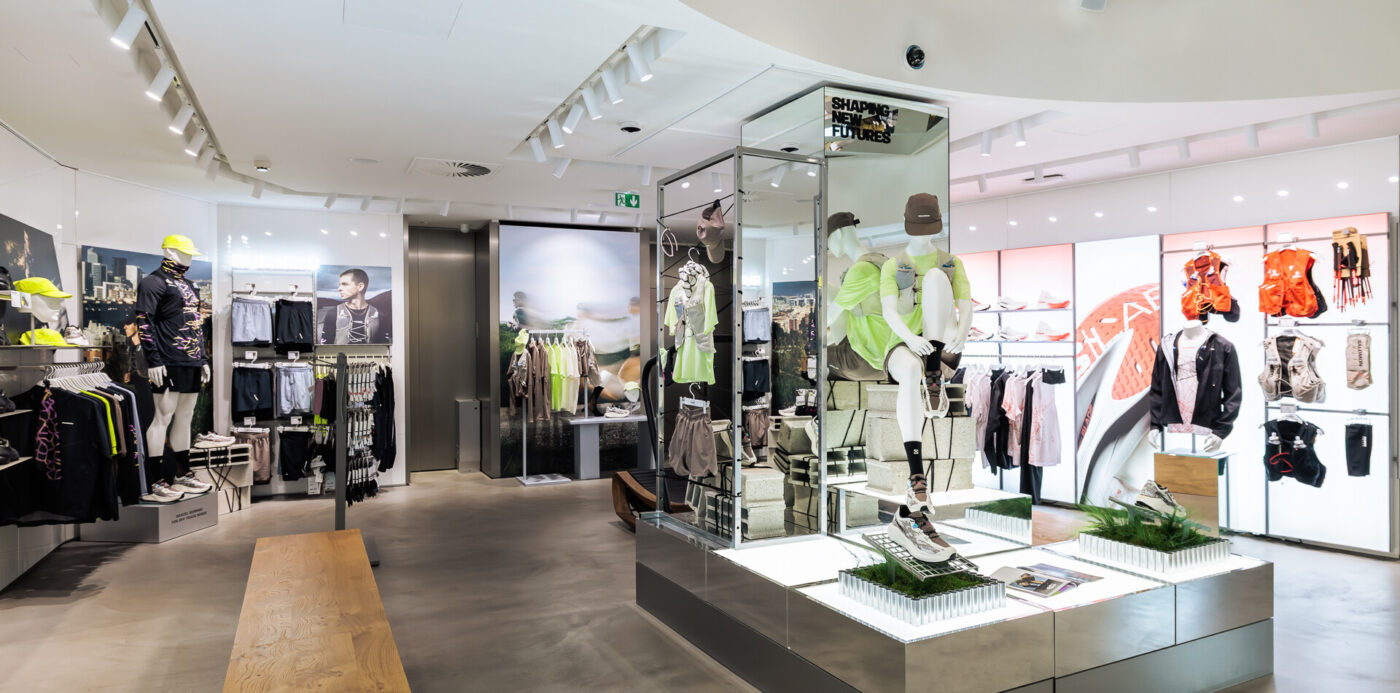
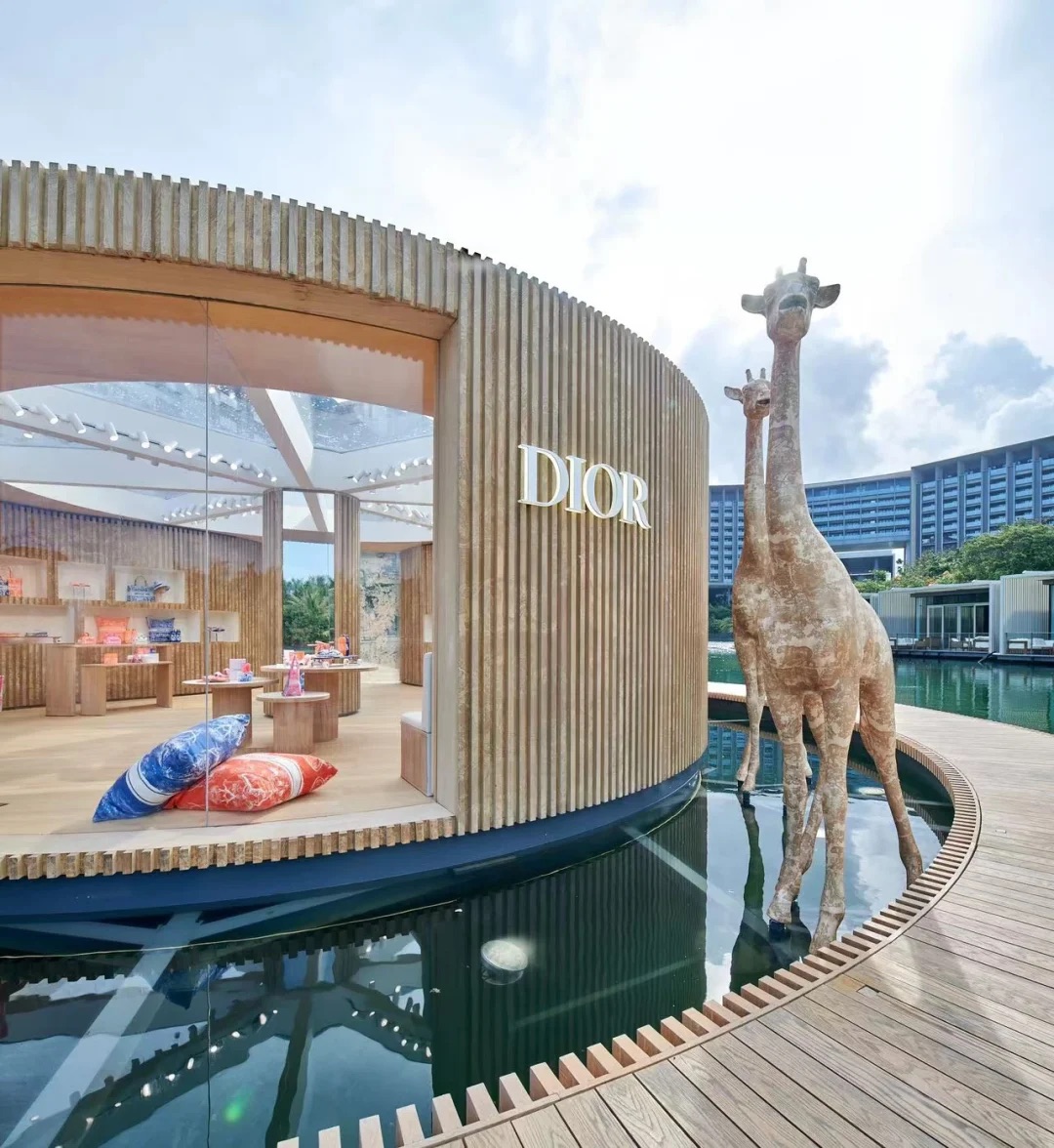
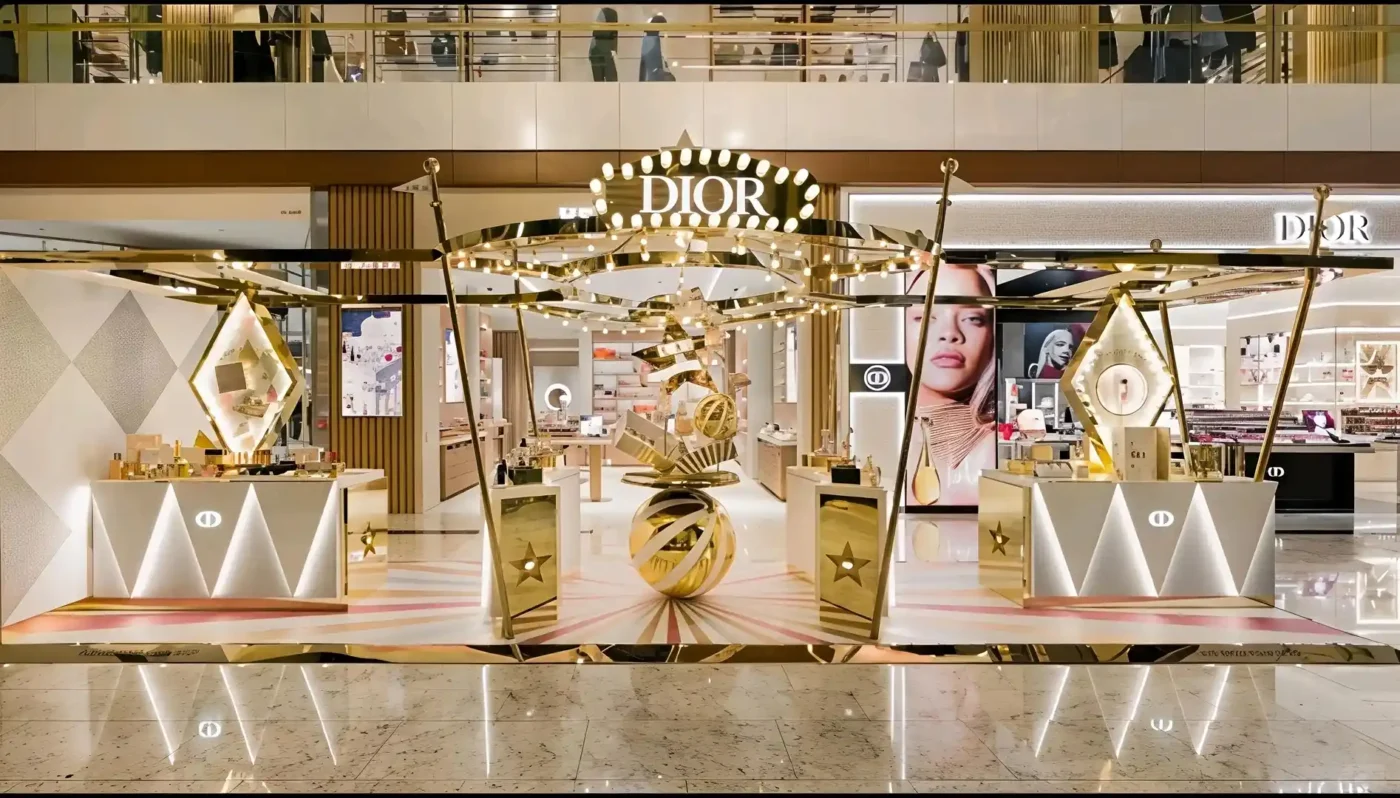
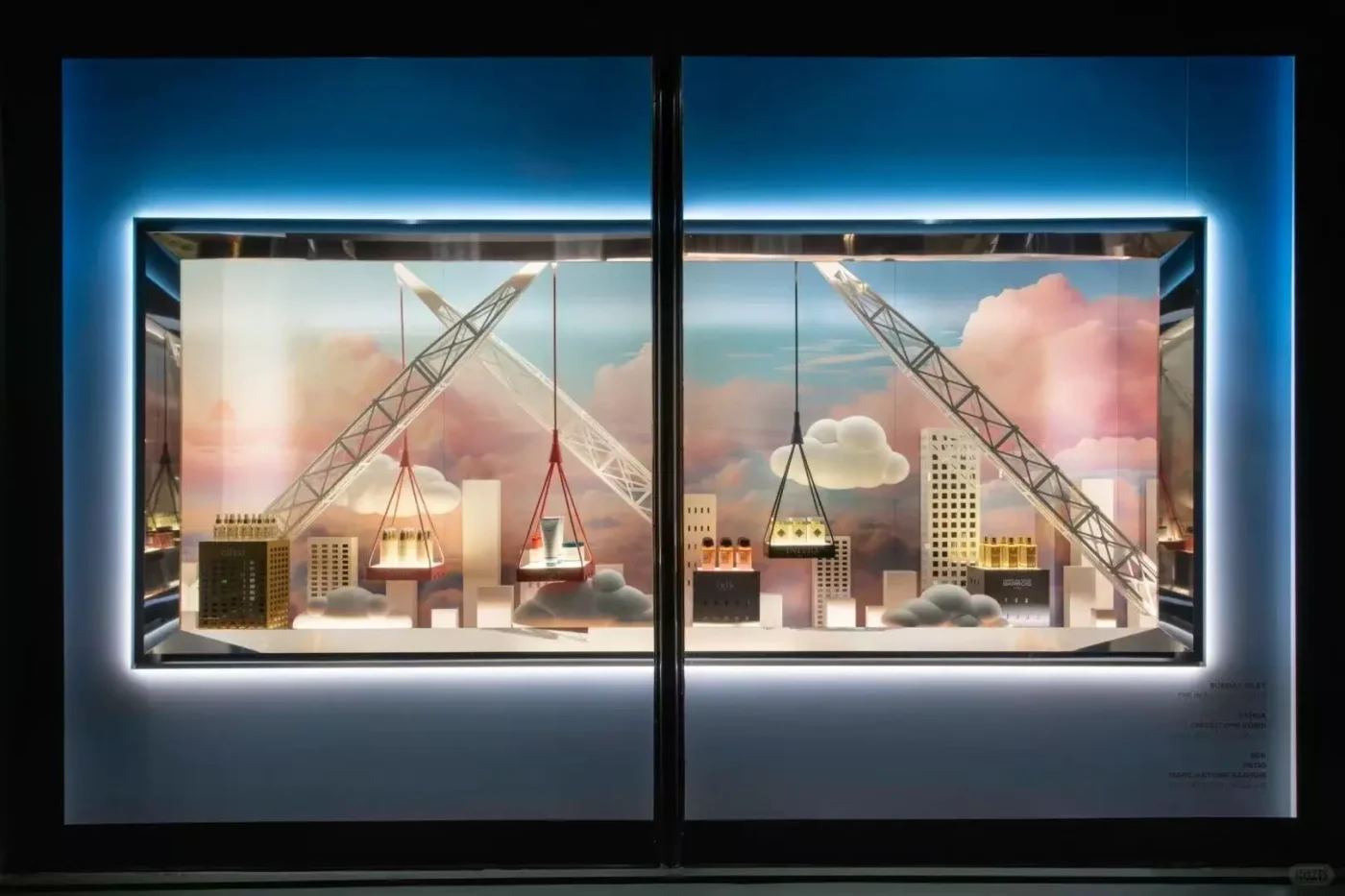
Propability is a useful service provider to study because its public website presents a wide range of retail and event display work: store development, pop-up shops, immersive experiential spaces and window displays. The company describes its work as designing, manufacturing and installing visual display solutions for clients in the retail and events industry. For a manufacturer like VM Display, this type of public portfolio is valuable because it shows how far modern visual merchandising has moved beyond simple decoration. A strong display project now needs storytelling, material knowledge, sculptural production, technical structure, finishing quality, installation planning and a clear understanding of how people move through retail spaces.
Retail Display Props Are Rarely Isolated Objects
When we look at Propability-style projects, the most important lesson is that retail display props are rarely isolated objects. They usually exist as part of a wider scene. A window display may include sculpted characters, books, lighting, fabric costumes, moving effects and scenic backdrops. A pop-up shop may combine cabinets, flooring, rails, product display furniture and brand textures. An atrium installation may need suspended forms, reflective finishes, rigging points and public safety planning. From a production point of view, every visible object has a hidden technical layer behind it.
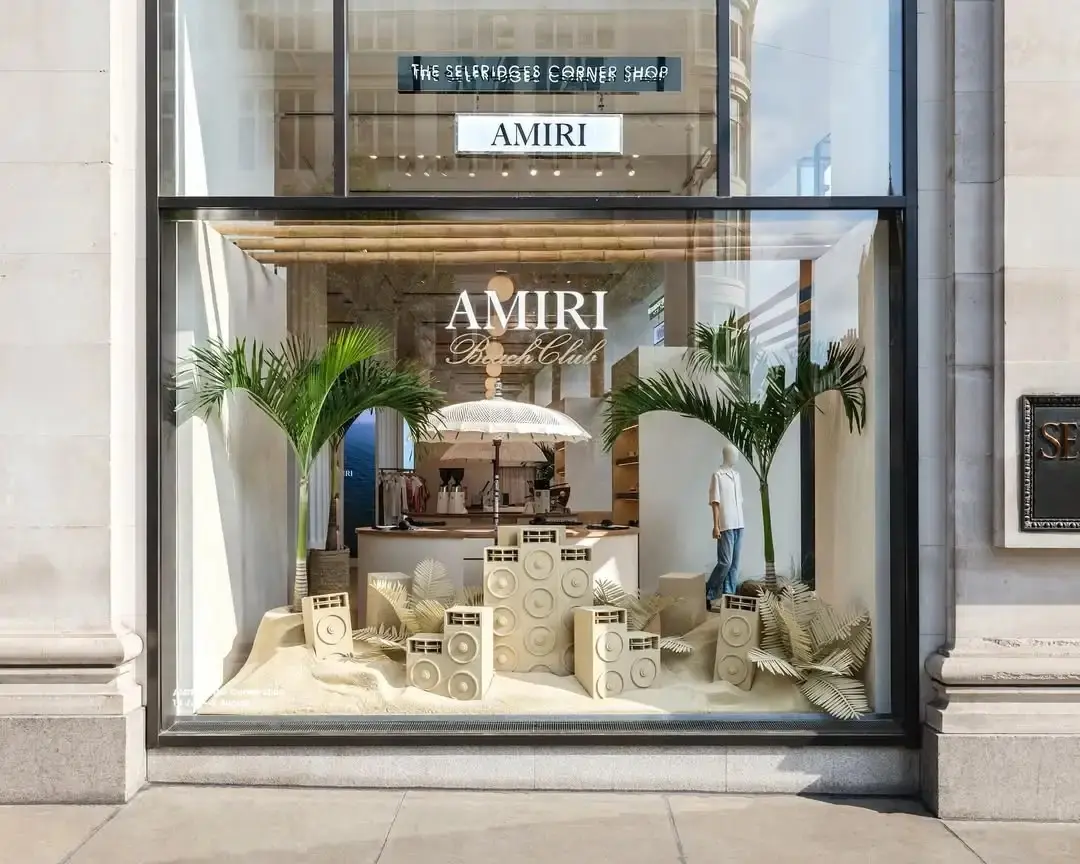
Disney Christmas at Selfridges: Engineering a Festive Spectacle
One of Propability’s public projects, Disney Christmas In Store & Atriums at Selfridges, is a strong example of how large-scale festive retail displays require both visual impact and engineering control. Their project page describes 2-metre spheres with mirror ball-style Mickey ears, suspended from rigging to create a disco lighting effect, together with rotating Christmas trees and reflective backdrops. For VM teams, this kind of project shows why holiday retail displays need more than seasonal styling. Large suspended props need weight control, surface durability, rigging compatibility, balance, reflective finish testing and on-site coordination.
From our manufacturing side, a project like this immediately raises practical questions. What material can create a large sphere without becoming too heavy? How should the reflective finish be protected during shipping? Can the object be split into sections for transport? How will the hanging point be reinforced? Will the surface reflect store lighting evenly? These are the same questions we ask when producing Christmas display props or oversized decorative props for shopping malls and luxury retail spaces. A finished display may look playful, but the production process must be controlled.
CHE Pop-Up at Galeries Lafayette: Fixtures That Fit Real Spaces
Another useful public project is Propability’s CHE Pop Up Shop at Galeries Lafayette. The project page describes cabinets fitted into existing alcoves, a smaller cabinet for boxed underwear, a central sofa re-upholstered in the brand’s own fabric, a lino floor, brass rails and a drawer function for merchandise storage. This is a good reminder that pop-up retail production is not only about eye-catching props. It is also about adapting to existing site conditions and building display elements that support real merchandising needs.
For brands planning pop-up shop display props, this type of project highlights three practical requirements. First, pop-up fixtures must fit the space accurately. Second, they must carry products safely and support staff operations. Third, they must still express the brand through material, color, texture and proportion. A sofa, cabinet or rail may appear simple, but if it uses the wrong material, poor hardware or weak finishing, the whole space feels less premium. This is why we usually recommend early coordination between the design team, site team and display manufacturer.

Claridge’s Fountain: Mixed-Material Structure in Practice
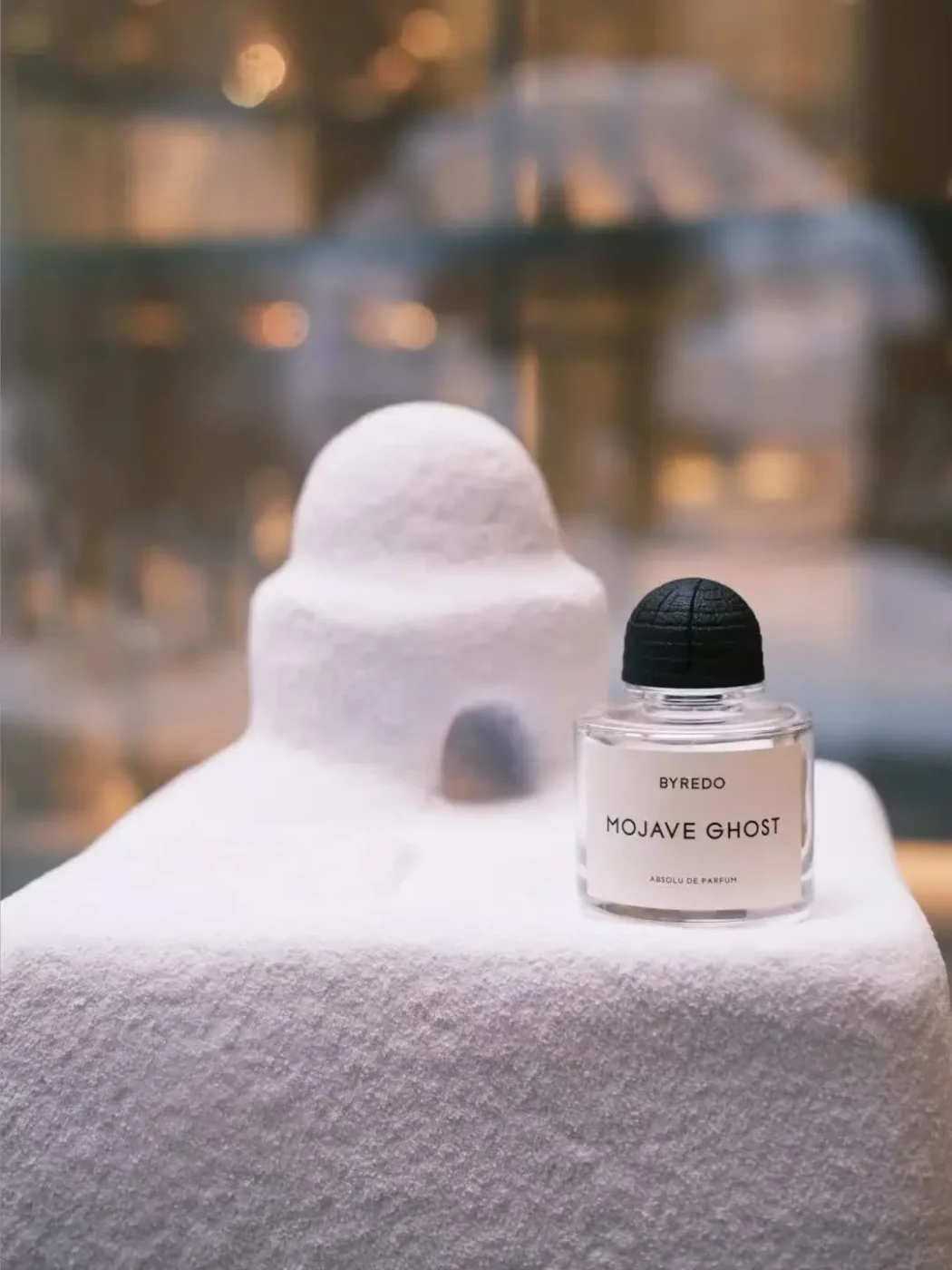
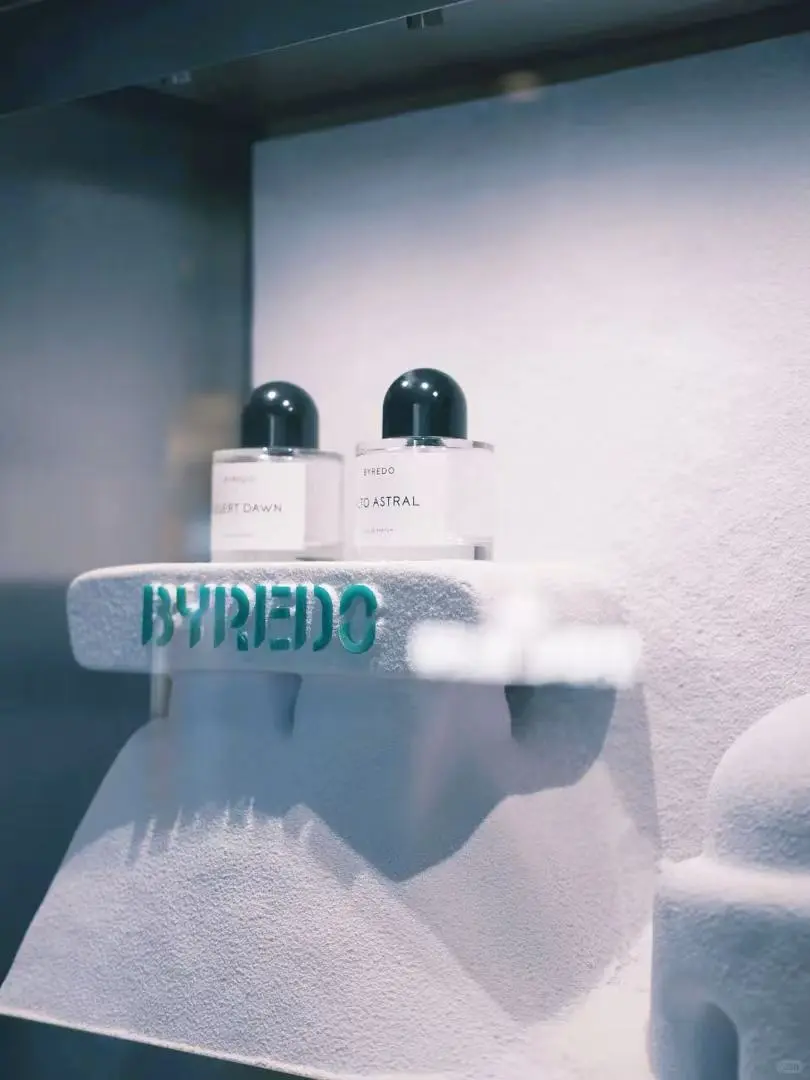
Propability’s Claridge’s Fountain project is especially relevant to display props manufacturing. Their public page describes a bespoke fountain created for Chelsea Flower Show, built to display flowers in different layers. It mentions timber, MDF and fiberglass, scenic painting to look like stone, and a sculpted Roman Goddess positioned on top. It also notes that the feature needed to hold multiple pots of water while staying light enough for its existing location. This is exactly the kind of balance that manufacturers face when producing fiberglass display props for hotels, retail environments, events and seasonal installations.
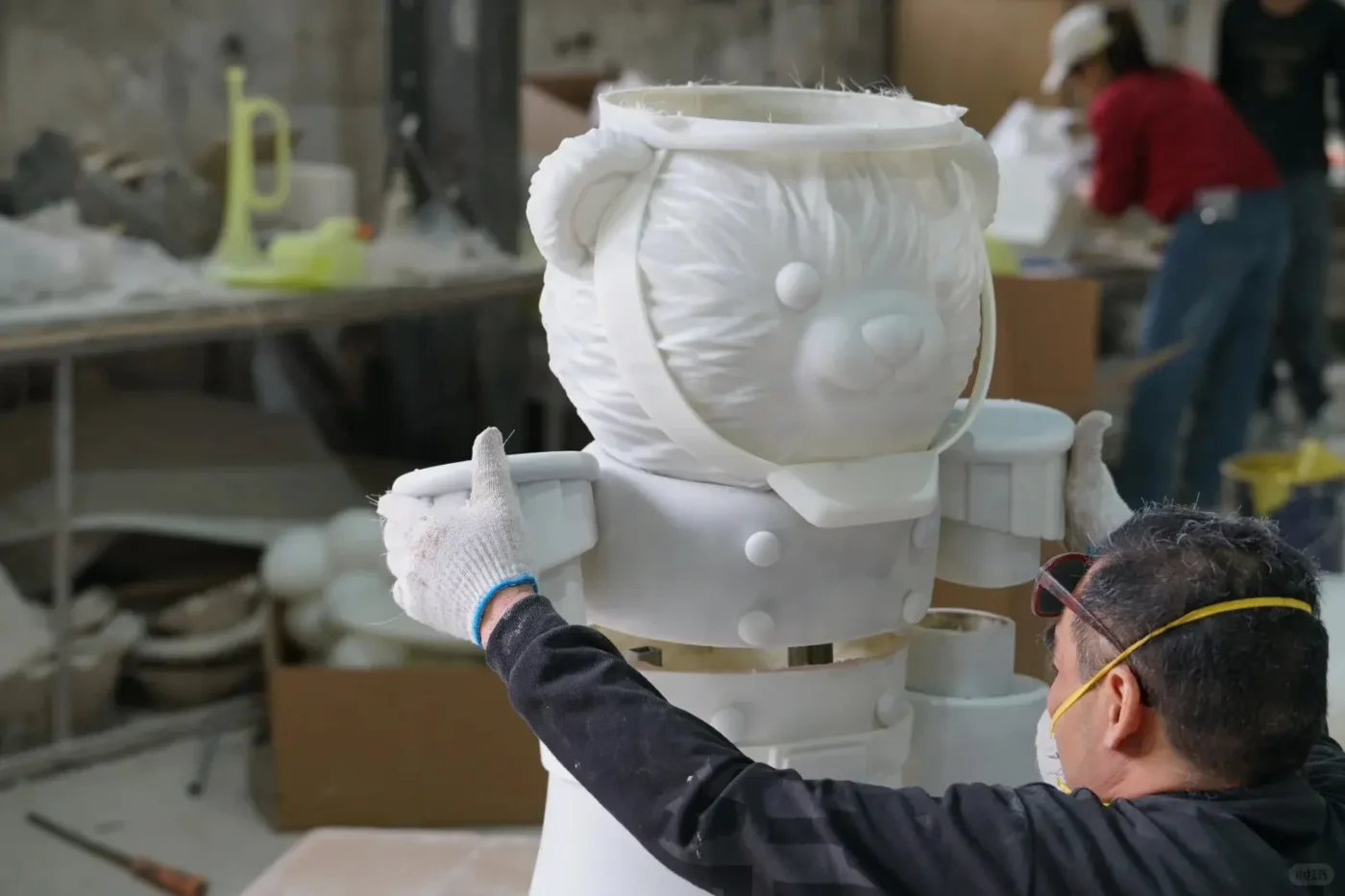
The fountain example shows why material choice should always respond to function. If a prop needs to look like stone, solid stone may be too heavy. If it needs to support flowers and water, foam alone may be too weak. If it needs sculptural detail, flat sheet material may not be enough. A mixed-material structure can solve these conflicts: fiberglass for sculptural form, MDF or timber for base structure, metal reinforcement where needed, and scenic painting for the final visual effect. At VM Display, we often approach large display props in the same way: separate the visible finish from the hidden structure, then make sure both work together.
A Christmas Carol at Fenwick: Producing a Multi-Window Sequence
Another strong Propability project is A Christmas Carol at Fenwick Newcastle. Their project page describes seven window scenes, a combination of projection technology and old-fashioned theatrical techniques, stacks of books, moving story text, bespoke costumes and 34 sculpted figures in different scales. For VM teams, this is a useful case because it shows how a window display can become a sequence, not just a single composition. Each window needs to stand alone, but the full route needs to feel connected.
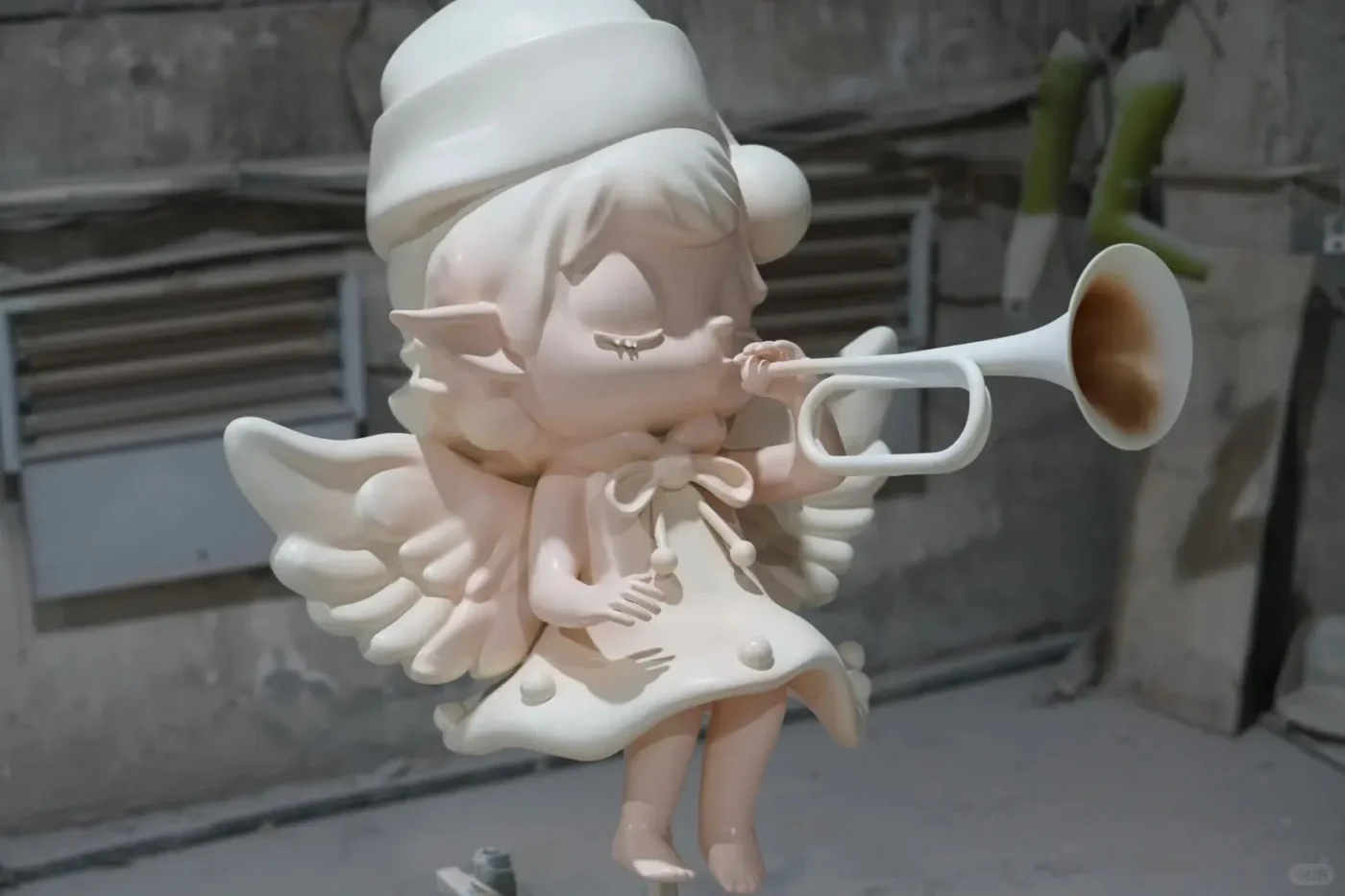
For manufacturers, multi-scene window projects require serious planning. Sculpted figures must stay consistent in style. Scenic props must match the story world. Fabrics must be selected, cut and fixed carefully. Lighting and projection must not expose rough edges. If there are moving or interactive elements, maintenance access must be considered. The more theatrical the window becomes, the more important it is to control the production sequence. For similar window display production, pre-assembly and photo documentation can prevent many installation problems.
Four Display Formats, Four Production Logics
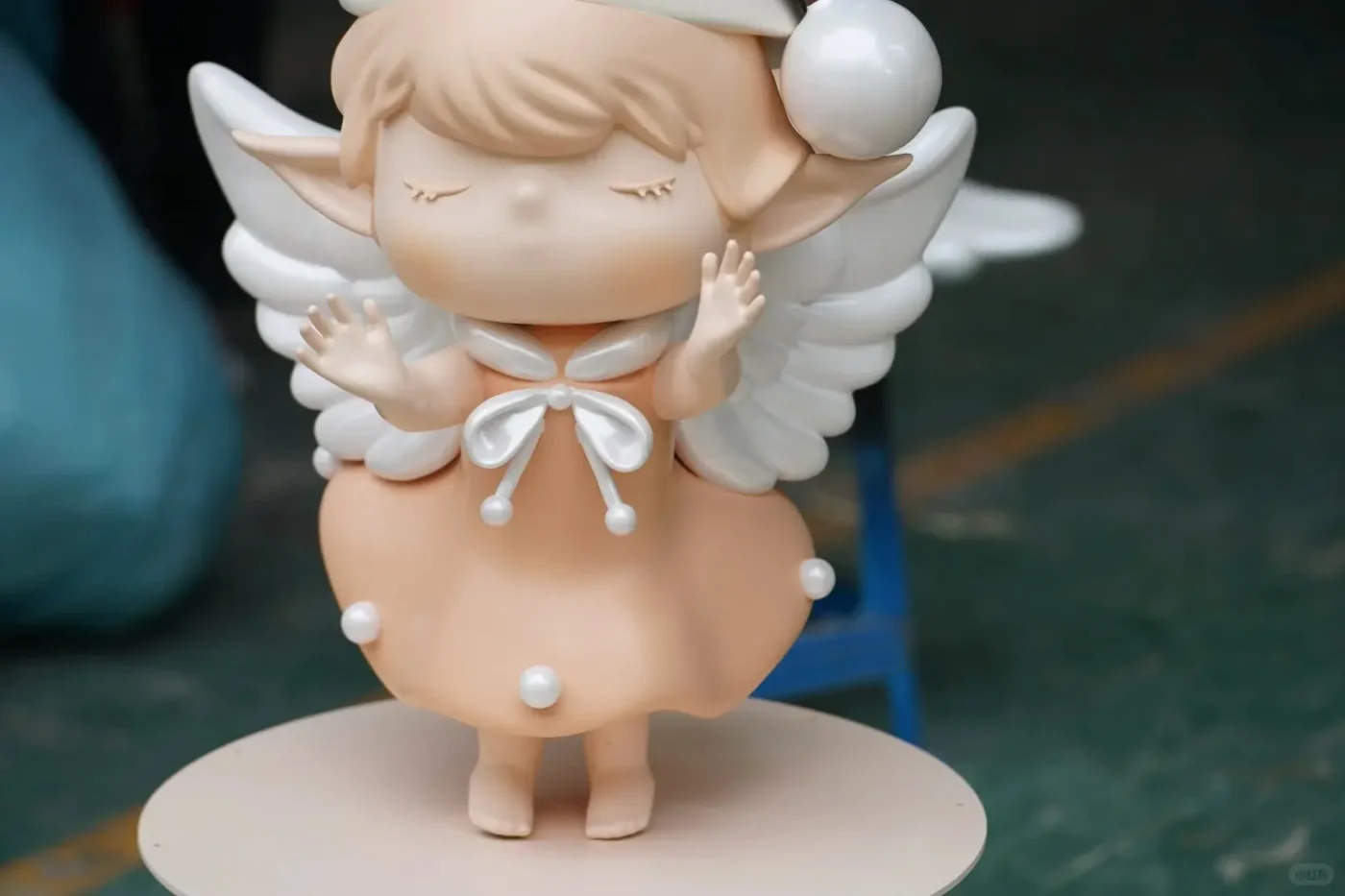
Propability’s website also separates work into categories such as store development, pop-up shops, immersive experiential spaces and window displays. This category structure itself gives a useful lesson for buyers: different retail display formats need different production logic. Store development often requires durability, product access and long-term usability. Pop-up shops need speed, modularity and transport planning. Immersive experiential spaces need sensory impact, structure and safety. Window displays need visual clarity, lighting control and strong finishing. A good custom display props manufacturer should understand which format the project belongs to before quoting.
For example, a prop made for a short window campaign can prioritize visual impact and fast installation, while a fixture for store development may need stronger wear resistance and easier maintenance. A suspended atrium display needs rigging logic and weight documentation. A pop-up display needs flat packing or modular assembly.
Finishing and Packaging: Where Quality Is Won or Lost
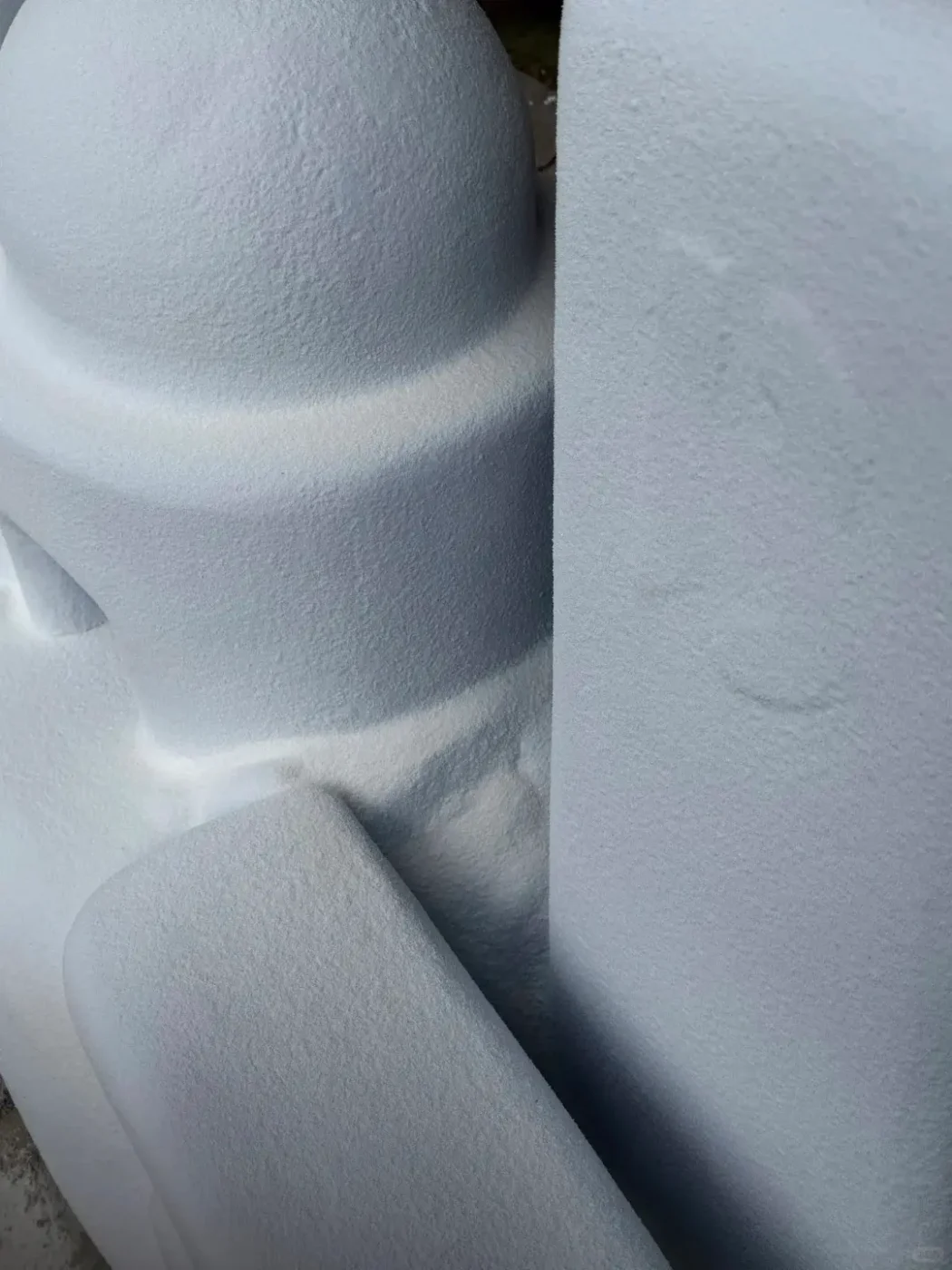
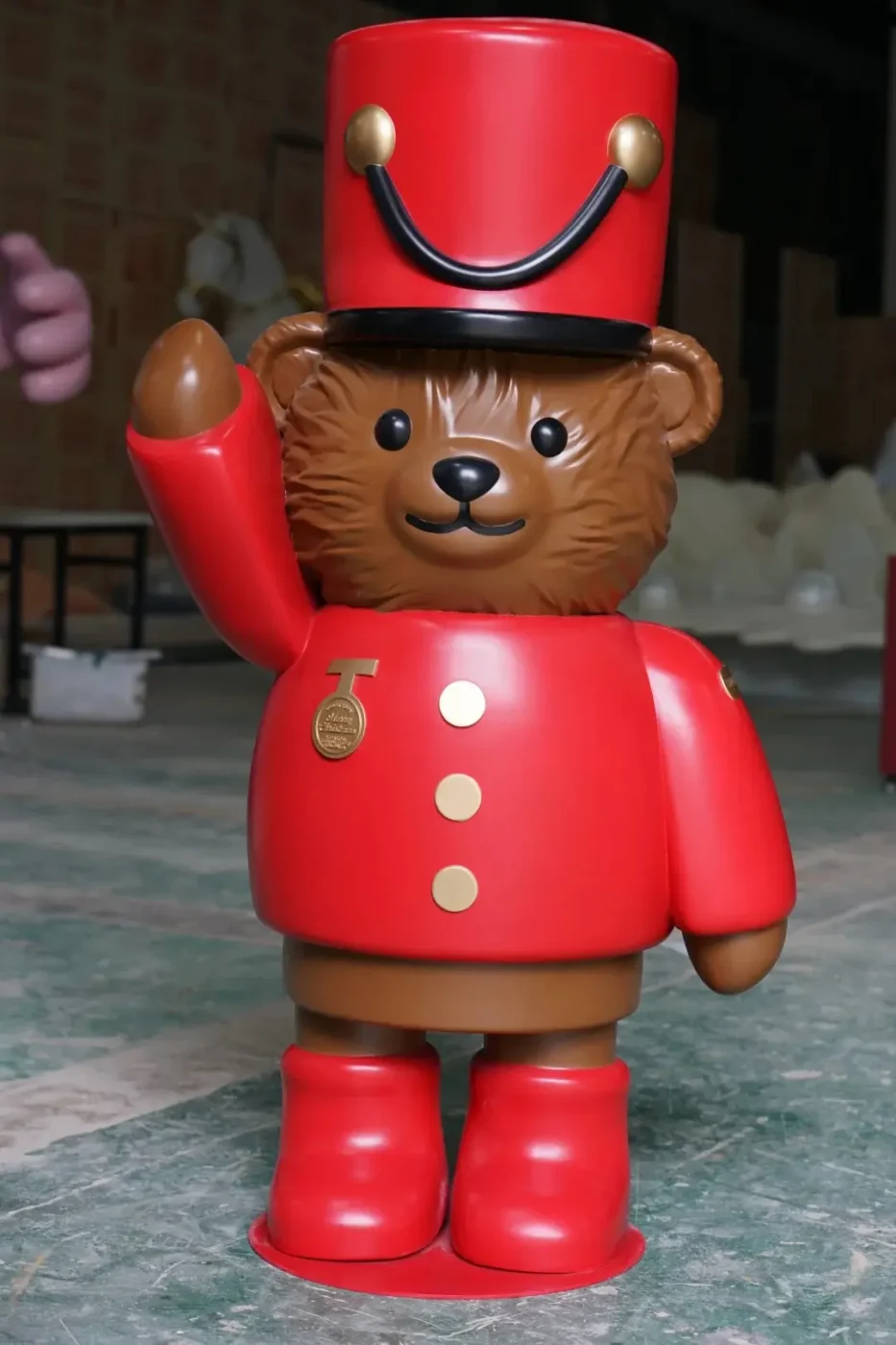
Another important point is finishing. Many of the projects shown publicly by Propability involve theatrical textures, reflective surfaces, scenic painting, fabric dressing or sculptural detail. These finishes are not interchangeable. A mirror-ball finish needs different handling from painted fiberglass. A stone-effect scenic finish needs layering and protection. A fabric-covered prop needs wrinkle control and fastening methods. A glossy retail display needs sanding and polishing. When VM Display produces retail display surface finishing, we try to confirm not only the color but also the viewing distance, lighting angle and expected handling conditions.
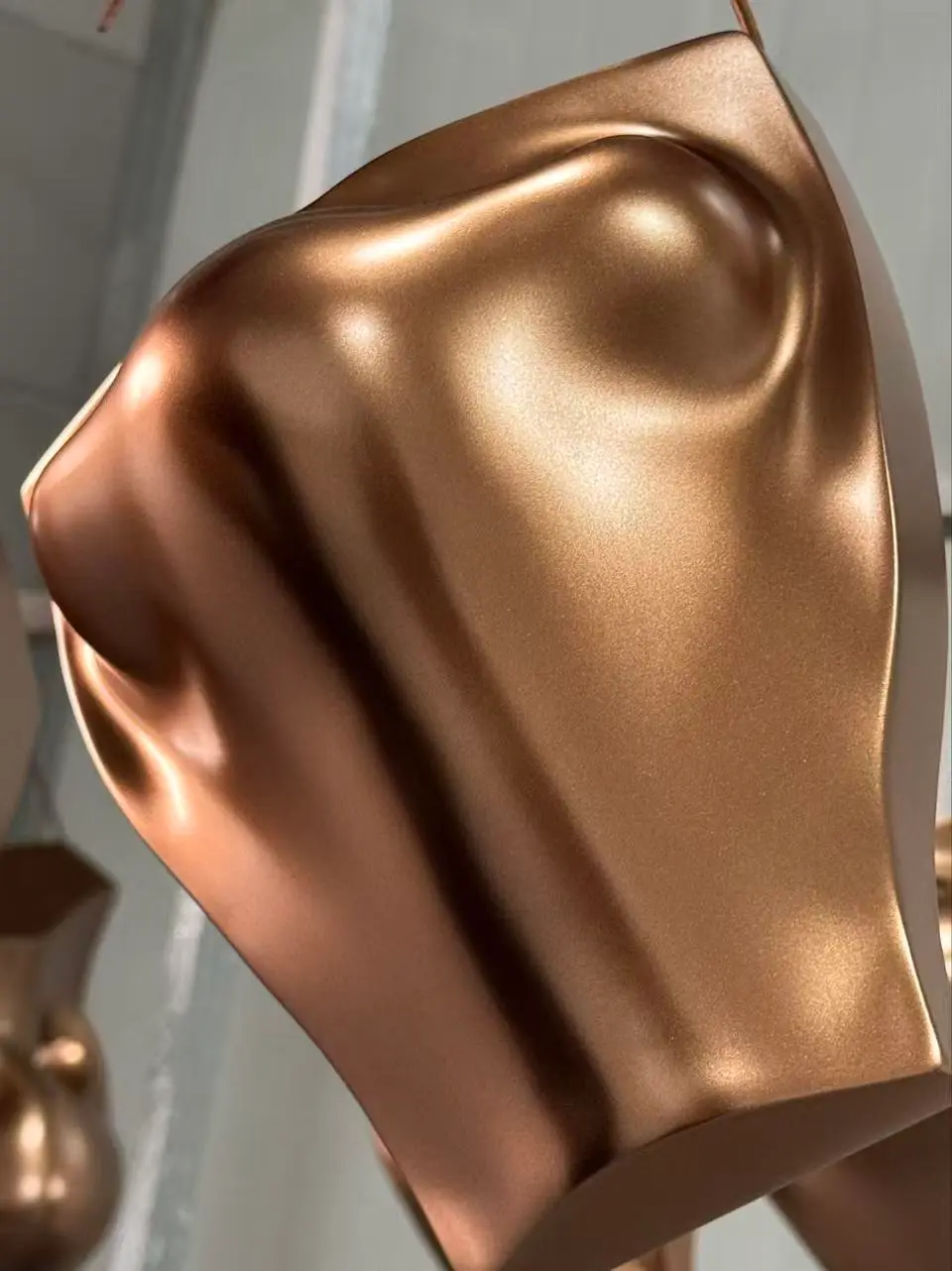
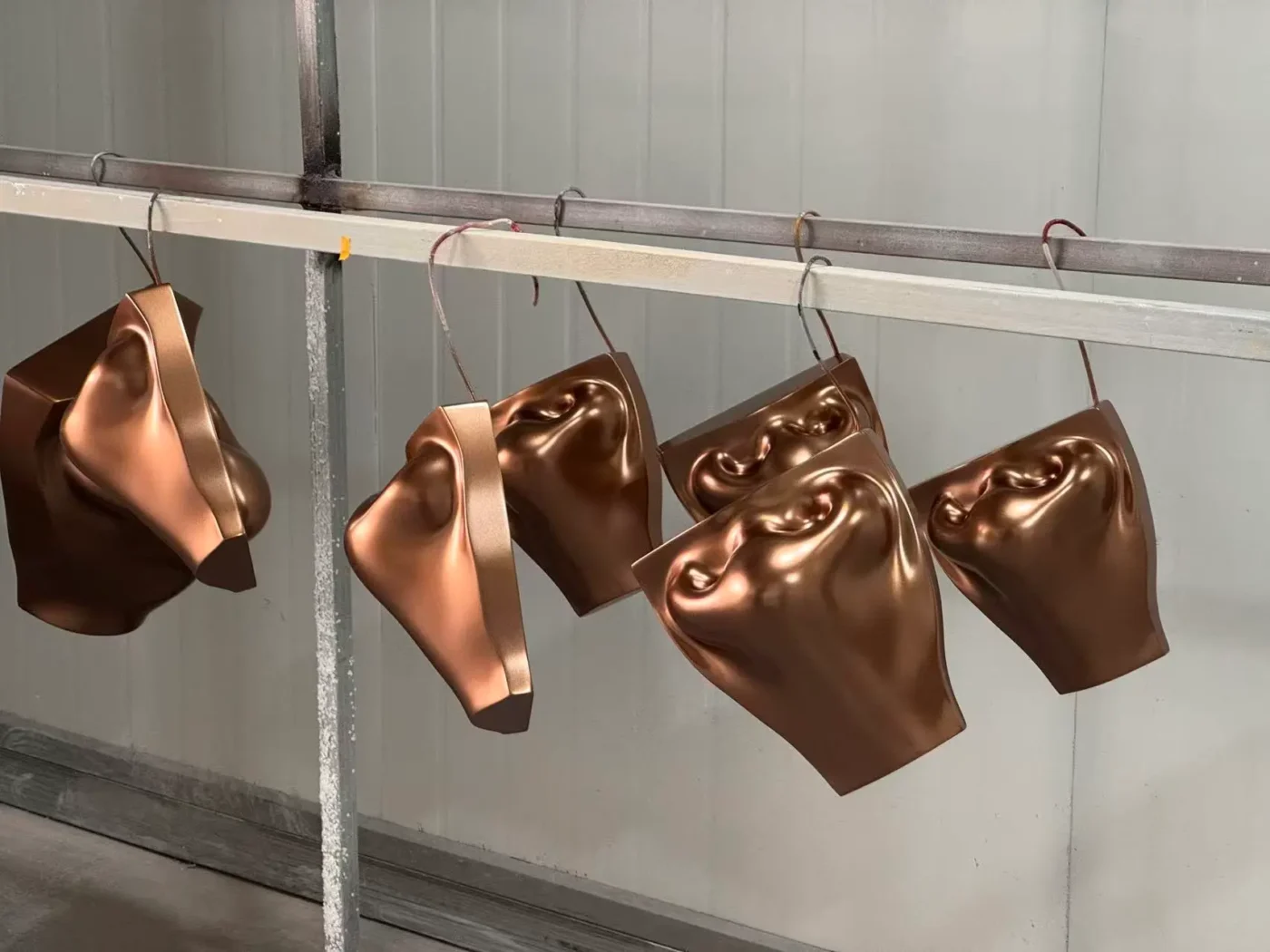
For international VM projects, packaging is just as important as production. Props may leave the factory in perfect condition but arrive damaged if the packaging does not match the finish and shape. Mirror surfaces need anti-scratch protection. Sculpted figures need shaped supports. Acrylic elements need edge protection. Painted props need soft wrapping and rigid outer cartons. Large pieces may need wooden crates and clear handling marks. This is why we treat packaging as part of visual merchandising production, not as a final warehouse task.
From Concept to Finished Prop
For brands and agencies, the practical takeaway from Propability’s public projects is that strong retail display work depends on both imagination and buildability. A Disney-themed atrium, a Galeries Lafayette pop-up, a Claridge’s floral fountain and a Fenwick Christmas window all look very different, but they share the same production questions: What is the structure? What is the material? How is the finish protected? How is it installed?
At VM Display, our role is to support this kind of transformation from concept to finished prop. We can work from sketches, mood boards, 3D renders, reference images or technical drawings. Depending on the project, we may recommend FRP, acrylic, metal, wood, foam, fabric, LED components or mixed-material construction. For large or complex projects, we also help with samples, pre-production testing, structural reinforcement, surface finishing, export packing and delivery planning. If you are preparing a retail display, pop-up shop, festive window or immersive brand installation, you can request a custom display props quote with your design references, dimensions, quantity, finish requirements and timeline.
FAQ
What can VM teams learn from Propability’s public retail display projects?
They show that successful retail displays need more than creative styling. Large props, pop-up fixtures, theatrical windows and immersive installations all require structure, material planning, finishing control and installation logic.
Which materials are commonly used for sculptural retail display props?
FRP, fiberglass, MDF, timber, foam, acrylic, metal, fabric and mixed-material structures are commonly used. The right choice depends on size, weight, finish and installation conditions.
Why are pop-up shop display props difficult to produce?
Pop-up props need to fit existing spaces, install quickly, carry products safely and express the brand clearly. They often need modular construction and careful packing.
Can VM Display manufacture props from an agency’s concept?
Yes. VM Display can manufacture from approved sketches, renders, technical drawings or reference images while respecting the agency’s creative ownership.
What information is needed before asking for a quote?
A useful brief should include reference images, dimensions, quantity, material preference, finish requirements, installation location, campaign duration, deadline and shipping destination.
Disclaimer
This article is based on publicly available information from Propability’s website and VM Display’s general manufacturing experience. VM Display is not claiming partnership, sponsorship, endorsement or direct involvement with Propability, Selfridges, Galeries Lafayette, Claridge’s, Fenwick Newcastle or any brands mentioned. All third-party names are used only for industry observation and reference.