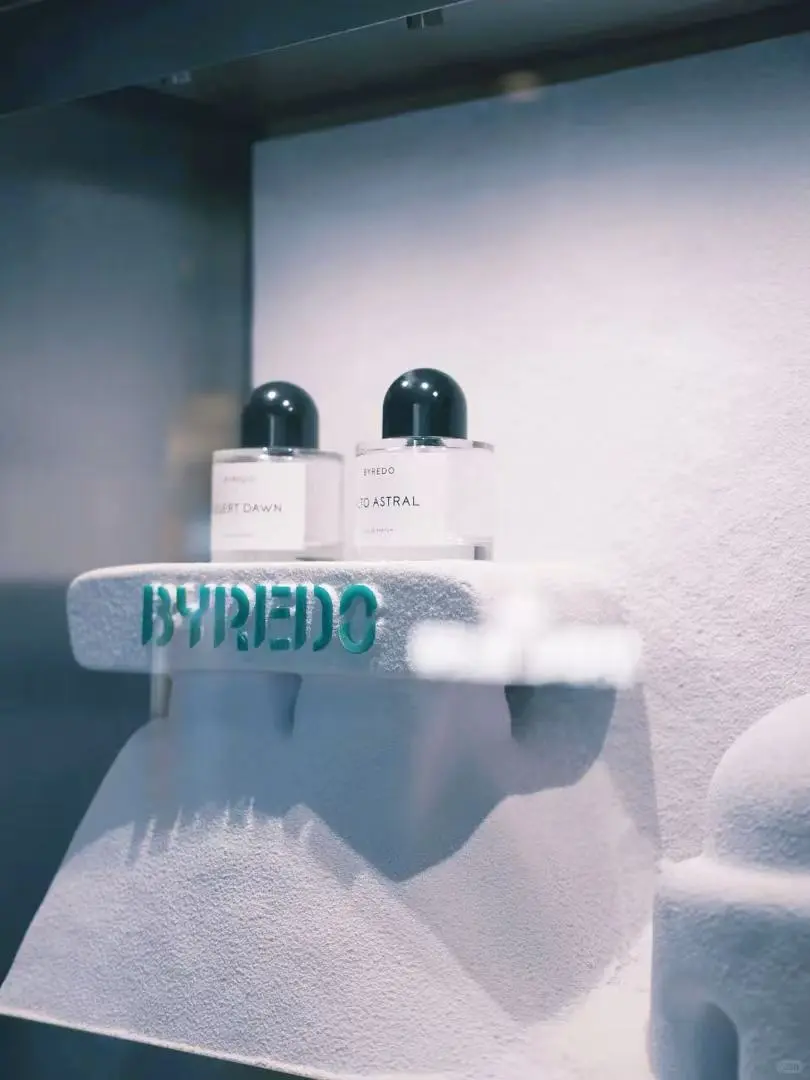
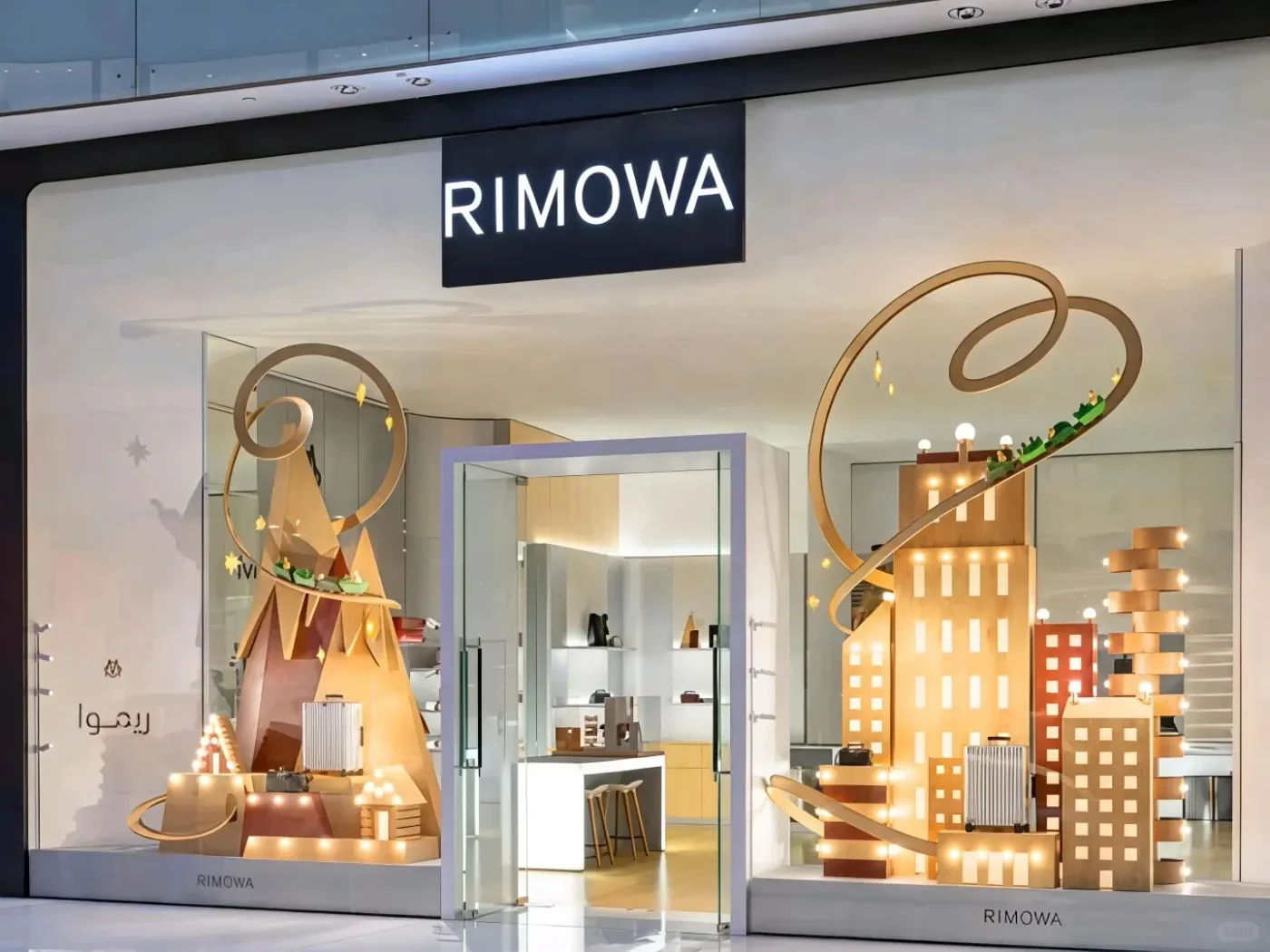
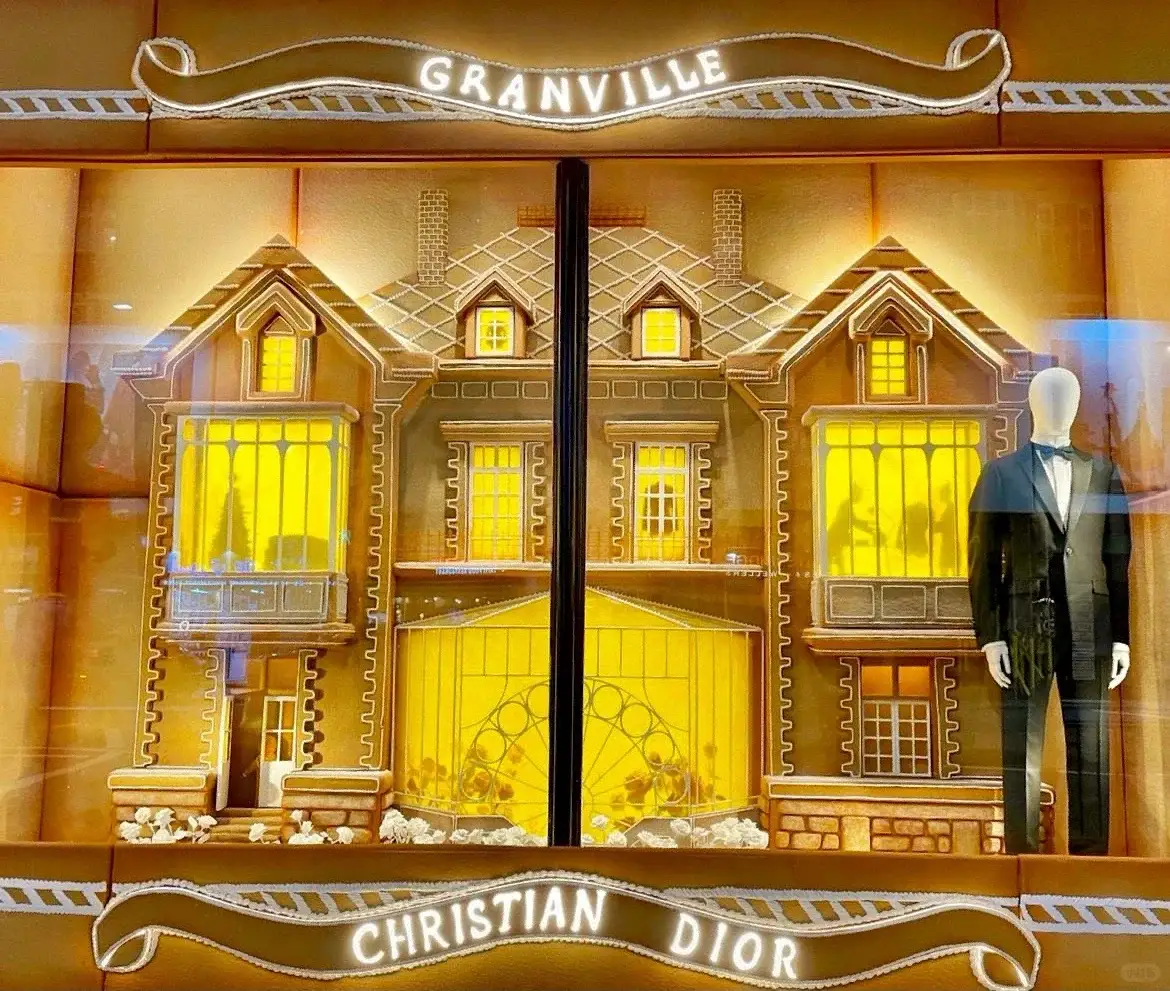
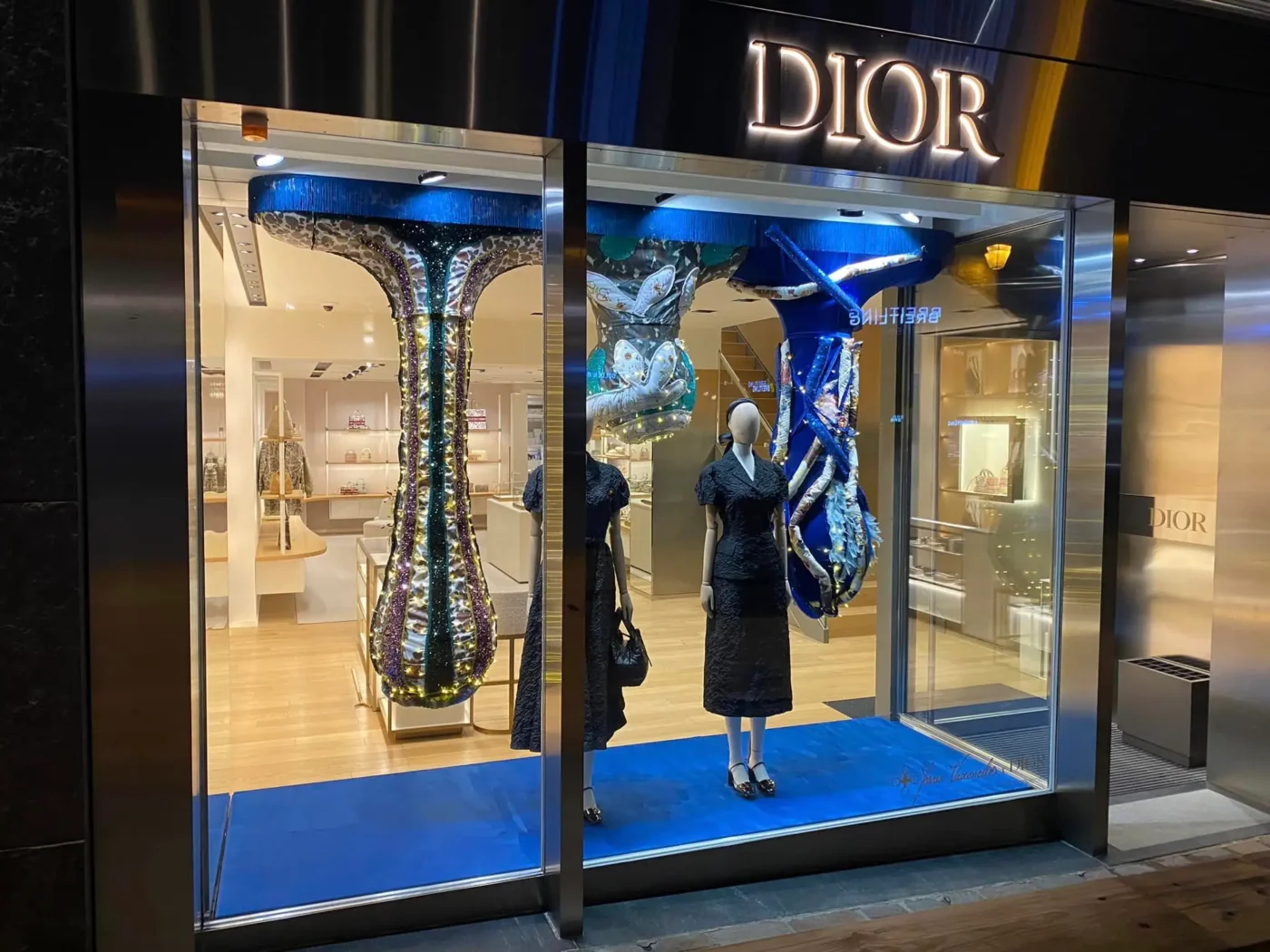
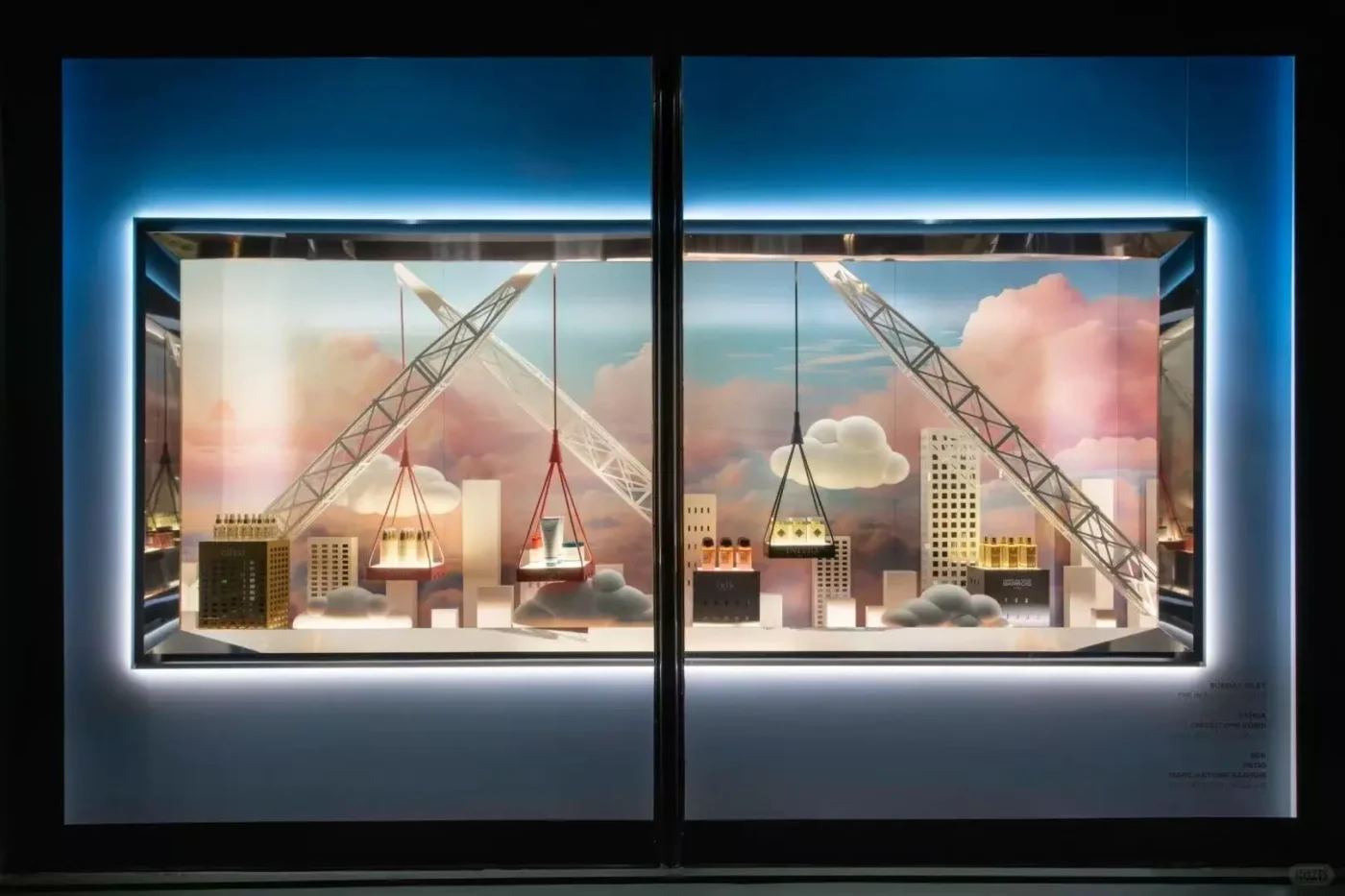
Northbanks recently published an analysis of Chelsea in Bloom 2026 and its role in experiential retail, looking at how the annual floral festival turns London retail streets into immersive brand experiences. The article is worth reading for any visual merchandising team, because it captures a clear retail trend: physical stores are no longer just places to display products. They are becoming public-facing brand stages, where storefronts, façades, windows, flowers, lighting, texture and sculpture work together to create attention, emotion and social sharing.
We read it from a different seat. As a factory that has built floral windows, oversized botanical props and seasonal storefront installations for luxury retail programs across Europe, the Middle East and Asia, we know the strongest floral retail moments are rarely only about flowers. Behind the finished scene there is structure, base engineering, weather planning, hidden support, modular assembly, transportation and fast installation. A floral storefront may look soft and natural from the street, but the production logic behind it is often closer to custom retail display props than ordinary decoration. These are our production notes on what Chelsea in Bloom-style projects actually demand from a manufacturer.
Why Chelsea in Bloom Matters to Visual Merchandising Teams
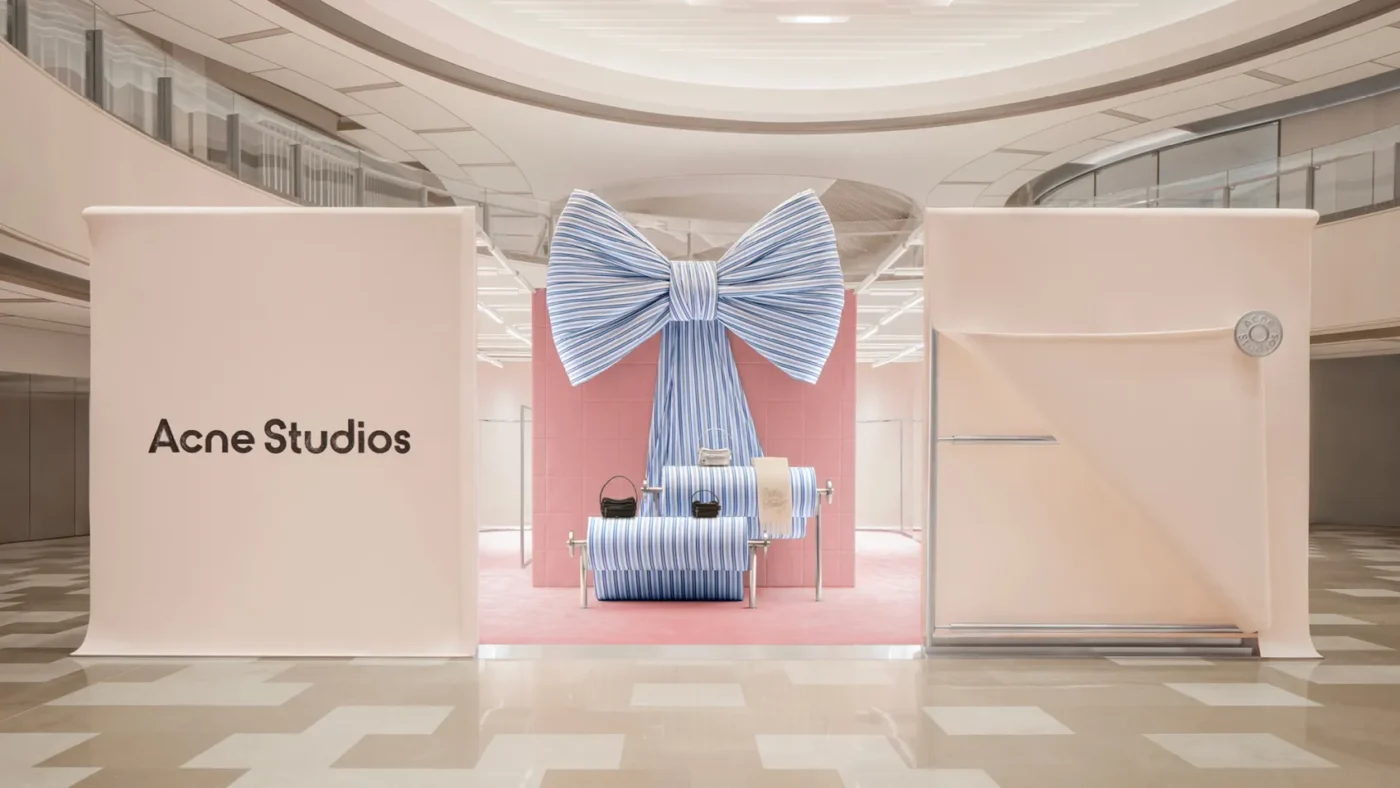
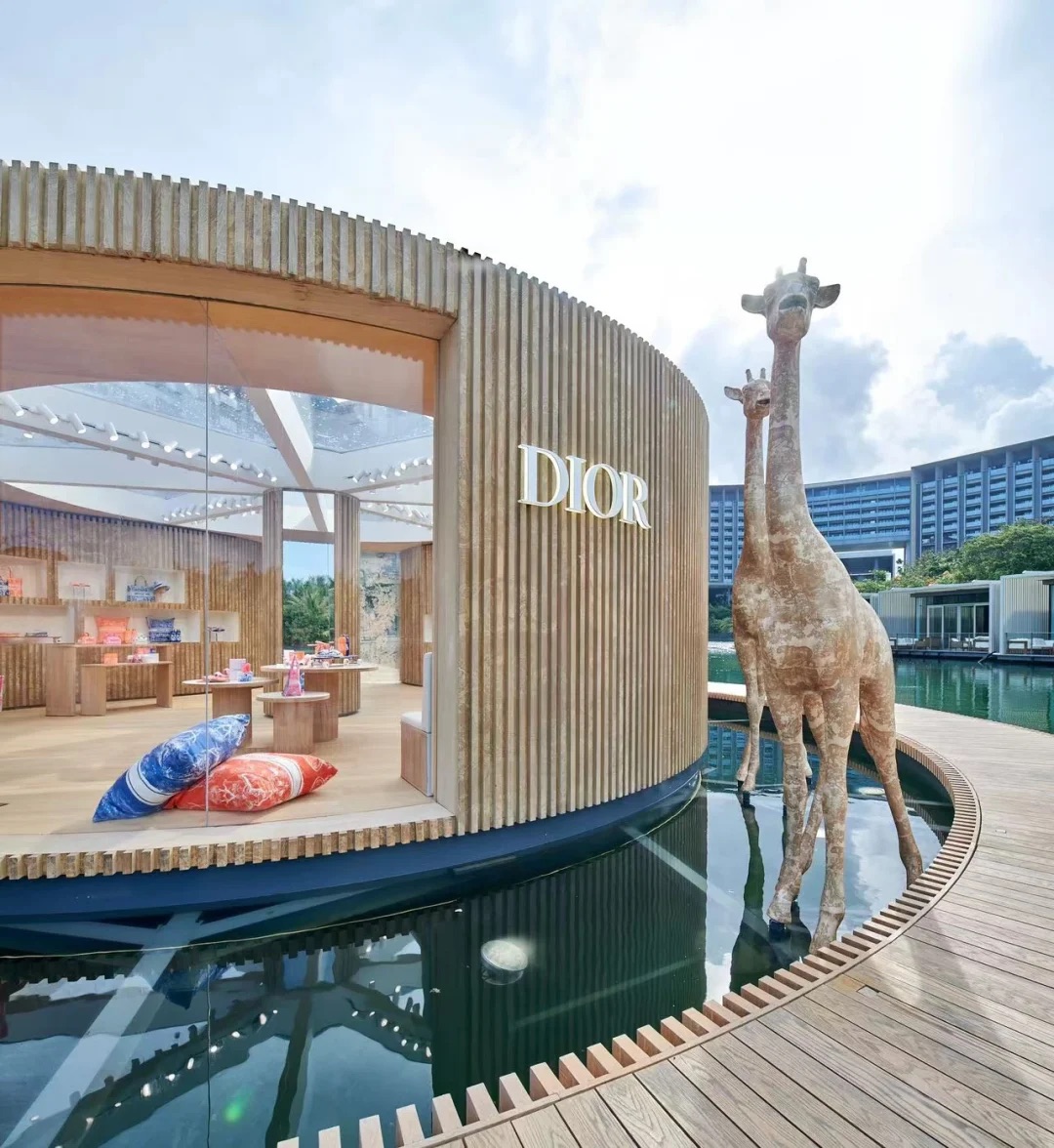
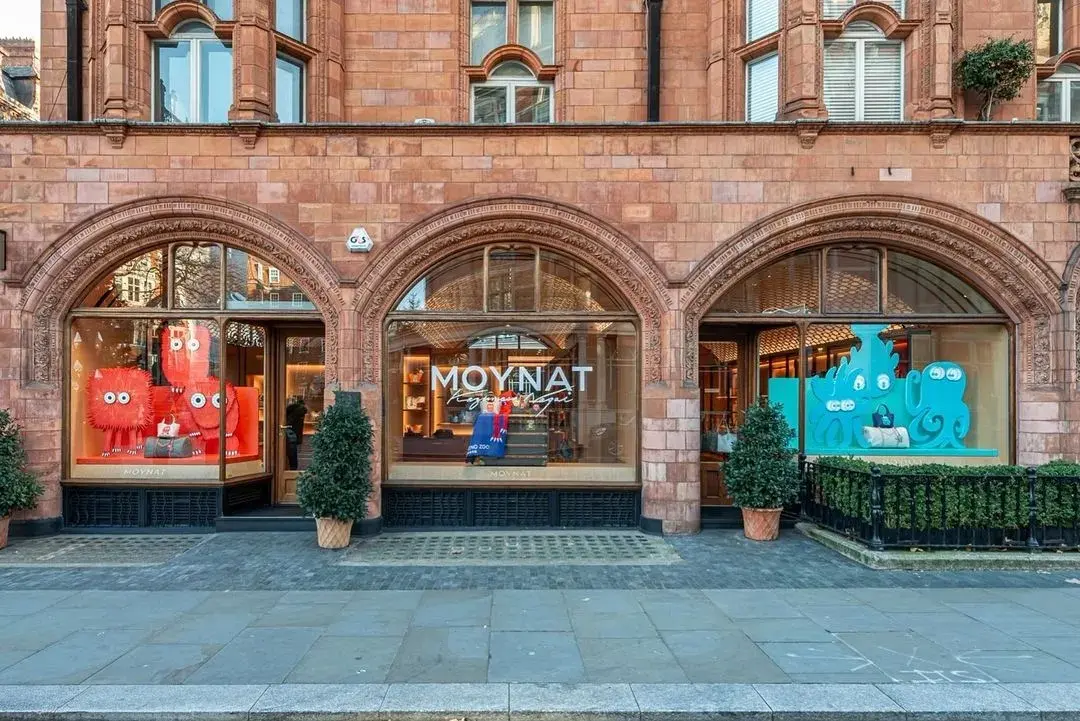
Chelsea in Bloom shows that the strongest retail activations now often live outside the traditional store interior. Northbanks describes it as an event where retailers, restaurants, hotels and luxury brands create elaborate flower installations and window displays alongside the wider Chelsea Flower Show period. The brand experience begins before a customer enters the shop: a passerby sees a floral arch, sculptural façade, oversized creature, fantasy scene or immersive shopfront — and the store becomes part of the street experience.
From the production side, that means shopfront display props need to solve more problems than an indoor display. Outdoor or semi-outdoor installations face wind, rain, sunlight, uneven ground, public touch, limited fixing points and strict installation windows. Even when the visible design is floral, the hidden structure usually needs metal frames, weighted bases, FRP forms, foam carving, acrylic signage, cable management or modular support systems.
Scale Creates Memory — and Engineering Makes Scale Possible
In experiential retail, scale is what gives people a reason to stop. Northbanks points to large-scale floral installations, immersive storefronts and highly creative storytelling. A small bouquet decorates a store; a large floral dragon, giant flower arch or oversized botanical object turns the storefront into a destination. For brands, that destination effect drives footfall, photography and social visibility.
For manufacturers, it means the object must be light, strong and installable at the same time. In our own workshop, a three-metre floral arch typically starts life as a welded steel skeleton, gets skinned with FRP or carved foam sections, and only then receives its artificial flower surface — usually in detachable panels so the site team can assemble it within a single overnight window. None of that is visible in the final photo, and that is exactly the point. This is where professional display props manufacturing becomes essential.
Hidden Structure: What Sits Behind a Floral Surface
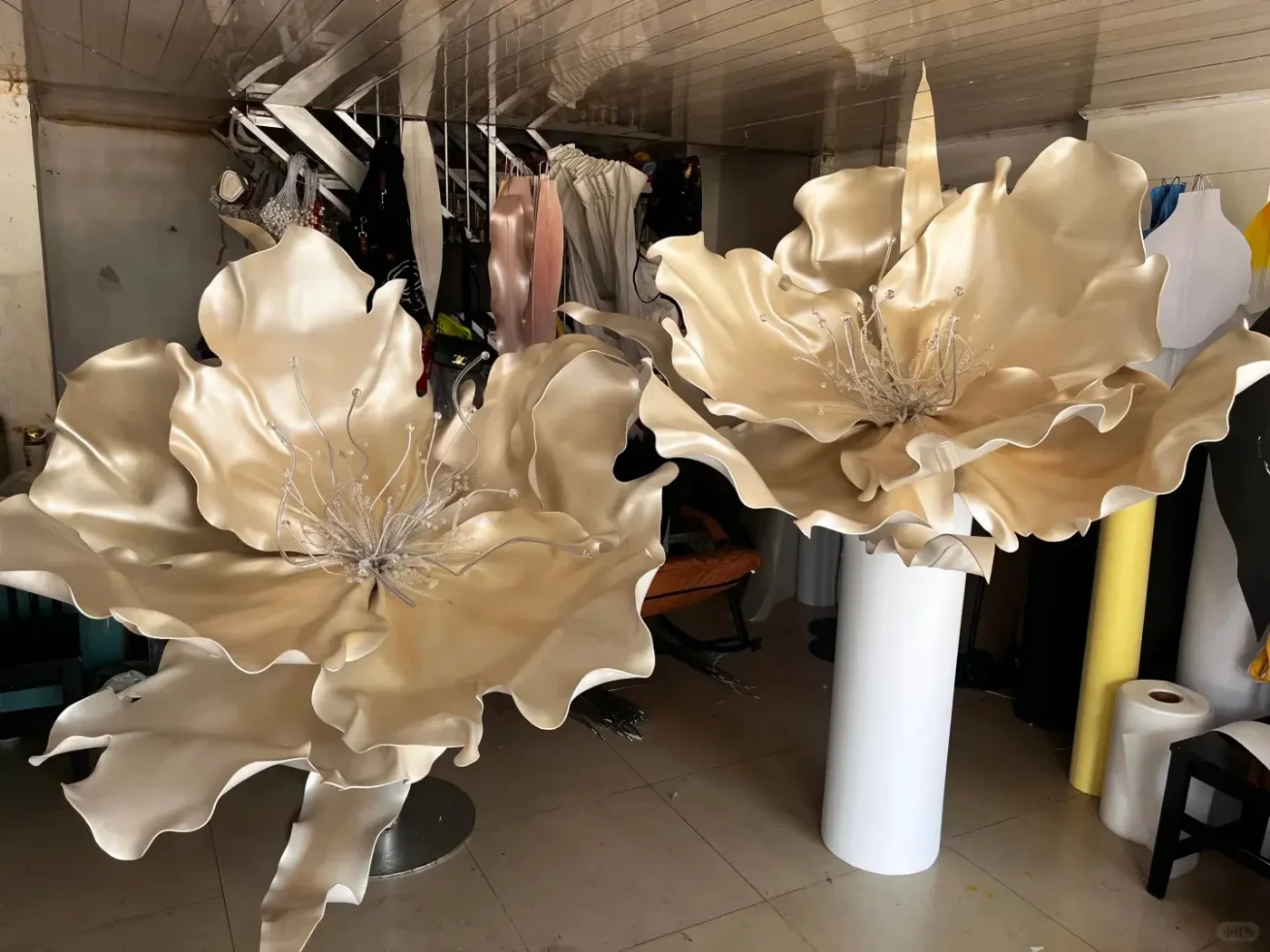
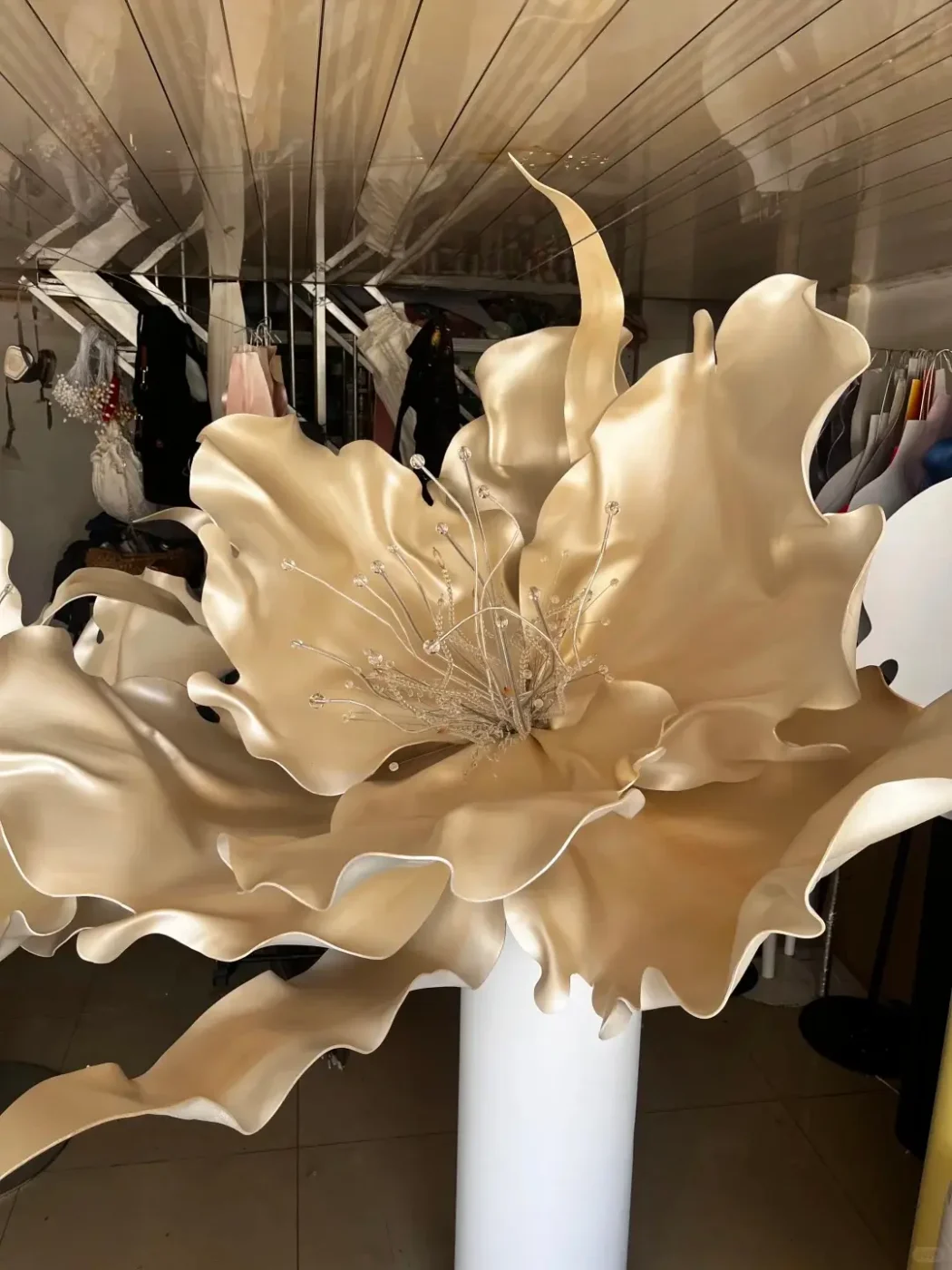
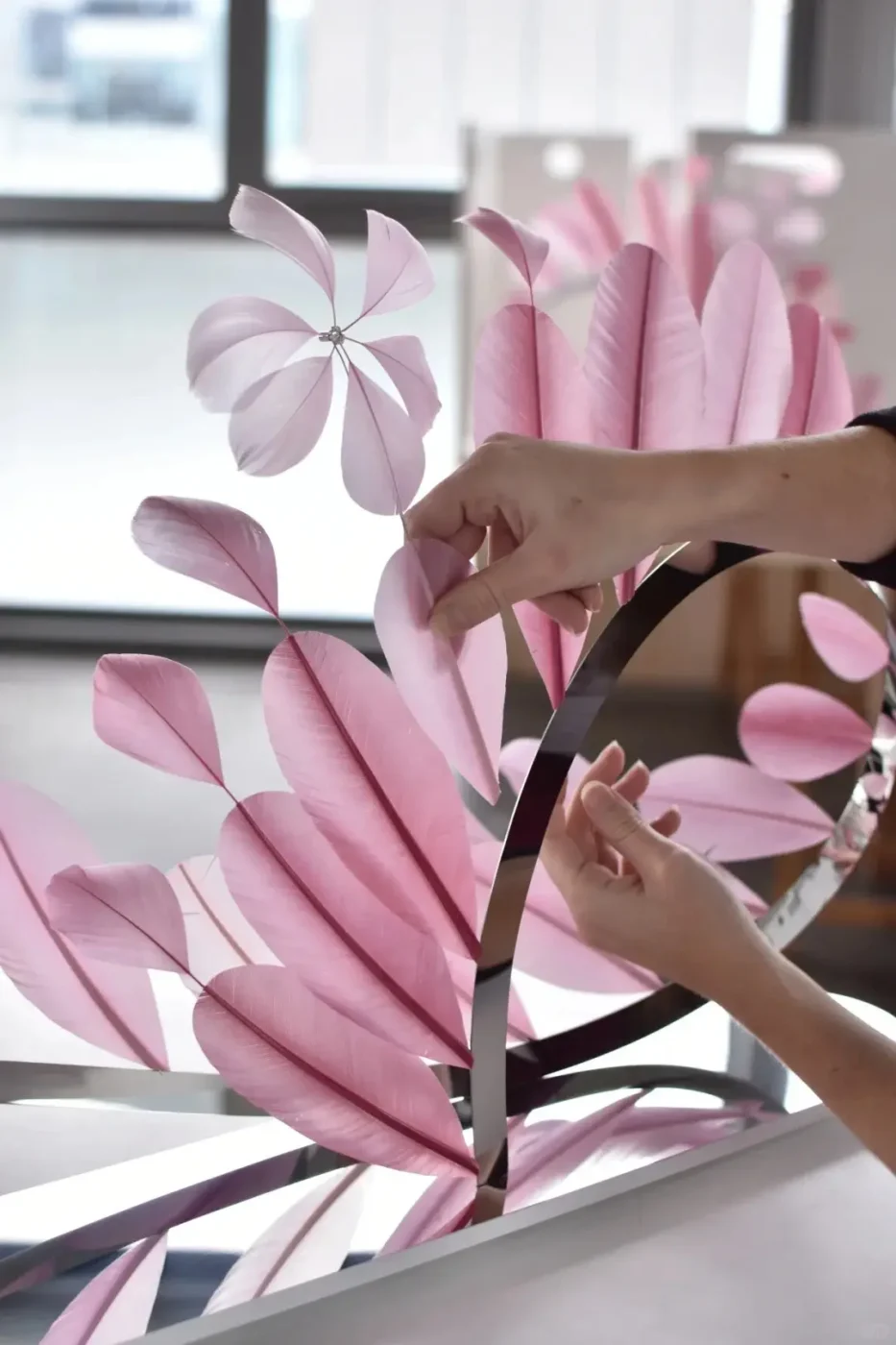
The most successful floral retail displays combine natural softness with engineered control. Fresh or artificial flowers create color, texture and seasonal emotion, but the main form needs a reliable base. A floral wall may require a steel or aluminum frame. A hanging flower cloud may need a lightweight core and safety suspension. A large animal or fantasy character may need an FRP or foam structure under the floral surface. A shopfront arch may need detachable sections so the installation team can assemble it quickly. These details are not always visible, but they decide whether a floral storefront display can survive the full campaign period.
Color Consistency Across Mixed Materials
Floral color is one of the most underestimated production risks in Chelsea in Bloom-type activations. These campaigns rely on strong seasonal color stories: bright florals, fantasy palettes, garden greens, pastel tones or high-contrast sculptural forms. But artificial flowers, painted FRP, printed panels, fabric wrapping and acrylic signs all reflect light differently. If these parts are not sampled together, the final display can feel inconsistent. In our visual merchandising production workflow, we recommend approving physical color samples under lighting conditions close to the final retail site — daylight for street-facing installations, store lighting for windows — before full production begins.
Built for Close-Ups: Social Media Raises the Finish Standard
Modern retail displays are designed to be photographed, shared and discussed — and that changes the quality standard. Northbanks highlights the social media value of experiential retail. A prop is no longer only viewed from a distance; it appears in close-up videos, selfies, press images and social content. Surface texture, visible joints, flower density, edge finishing and logo placement all matter. A beautiful storefront moment loses impact if construction details look rough in close-up. This is why surface finishing should be planned before production starts — specified in drawings and approved in samples — not corrected at the end.

Temporary Installations Still Need Production Discipline
Chelsea in Bloom installations are temporary, but their marketing value can last much longer through photos, press coverage and social sharing. This is similar to luxury retail windows, pop-up stores and seasonal campaigns. The installation may only run for a few weeks, but it has to look polished from day one — there is rarely time for major on-site corrections. This is why our factory process includes pre-assembly and trial fitting before shipment, numbered packing labels, step-by-step installation instructions and final quality inspection under our ISO 9001 system. A temporary display still needs permanent production standards.
Choosing Materials for Flower-Led Storefronts
For flower-led storefronts, material choice should balance visual effect against installation risk. A good retail display props manufacturer should recommend a mixed-material solution rather than forcing every idea into one material. Based on the floral and botanical projects we have produced, this is how the common materials compare:
| Material | Best for | Production notes |
|---|---|---|
| Artificial flowers | Durability, repeatable color, long campaigns | Sample flower density and colorfastness for outdoor use |
| FRP (fiberglass) | Large sculptural forms, animals, oversized blossoms | Strong but light; needs mold planning lead time |
| Carved foam | Organic shapes, fast sculpting | Usually needs hard-coating and reinforcement for public spaces |
| Metal frames | Arches, façades, hanging elements | Carries the structural load; plan fixing points early |
| Acrylic | Illuminated logos, transparent signage, clean details | Combine with LED channels for night visibility |
| Wood / MDF | Plinths, bases, scenic supports | Cost-effective; seal edges for semi-outdoor use |
From Mood Board to Production Brief
The broader shift Northbanks identifies — brands using streets, windows and façades as part of the customer experience — is especially important for luxury, beauty, fashion, hospitality and lifestyle brands, because their physical spaces need to create emotion before conversion. A flower installation can express freshness, romance, celebration or local culture. But the brand message only works if the physical execution is stable and refined. That is why agencies, VM teams and manufacturers need to align early.
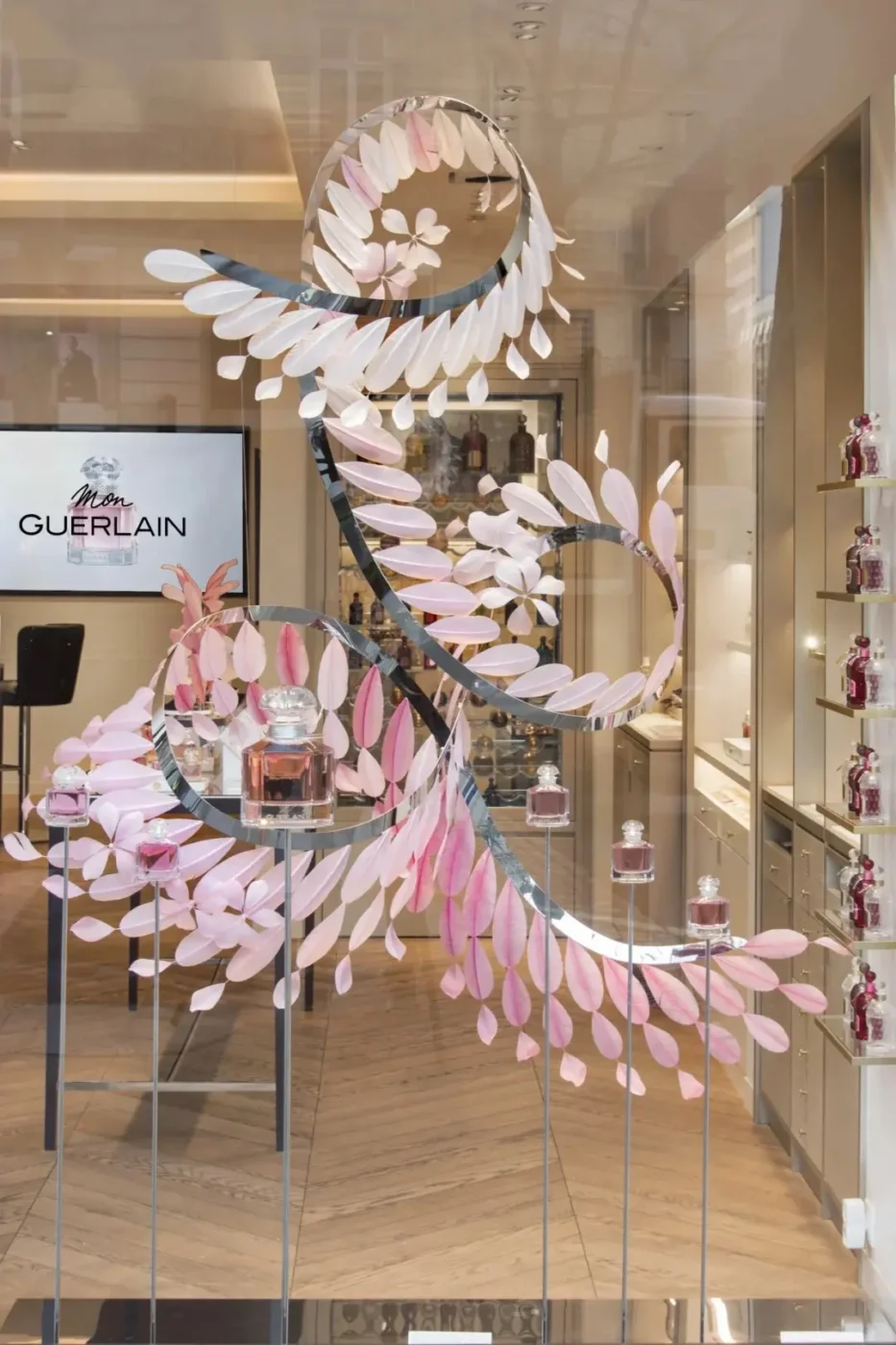
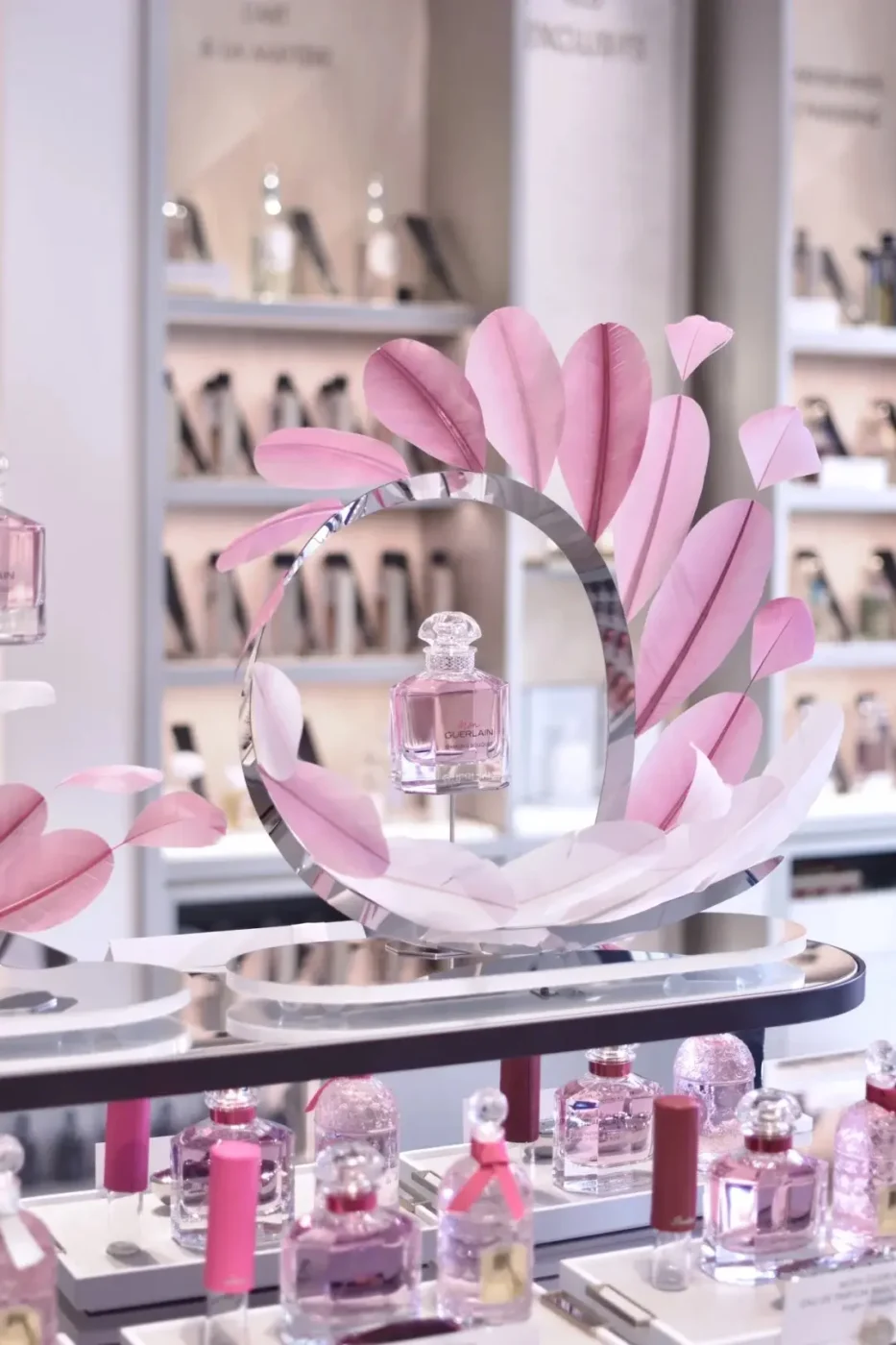
If a brand wants to create a Chelsea in Bloom-style floral activation, the production brief should include more than a mood board. From the briefs that have run most smoothly in our experience, it should cover: storefront dimensions, fixing restrictions, campaign duration, weather exposure, floral style and color reference, logo requirements, night lighting, installation date, dismantling plan, storage needs and shipping destination. If the installation involves public interaction, safety and stability should be discussed from the beginning. For multi-location campaigns, modular construction and repeatable packing are especially important. These details turn a creative floral idea into a reliable custom visual merchandising project.
How We Would Build a Chelsea in Bloom-Style Project
At VM Display, we approach this type of project by separating the visible story from the hidden structure. The visible story might be a floral garden, fantasy animal, oversized blossom, seasonal arch or immersive shopfront. The hidden structure might include FRP shells, metal support, weighted bases, foam cores, acrylic logo details, detachable frames, lighting channels and export packaging. When these layers are planned together, the finished display feels effortless while still being practical to produce, ship and install.
For brands, agencies and VM teams, the main takeaway from Northbanks’ Chelsea in Bloom 2026 article is clear: experiential retail is becoming more public, more photographic and more craft-driven. Floral displays are not only decoration — they can become brand storytelling tools, street-level attractions and social media assets. But to achieve that effect, creativity needs production support. If you are planning a floral storefront, seasonal window or immersive retail display, you can request a custom display props quote with your reference images, dimensions, quantity, finish requirements and delivery schedule.
FAQ
What makes Chelsea in Bloom-style retail displays different from ordinary flower decoration?
Chelsea in Bloom-style displays combine floral design, storefront storytelling, public interaction and brand identity at architectural scale. Unlike ordinary decoration, they usually require hidden structural framing, weather planning, installation engineering and professional display production.
Can floral retail displays be made with artificial flowers?
Yes. Artificial flowers are often preferred for durability, color consistency, repeatability and longer campaign periods. They can be combined with FRP, metal, foam, acrylic and wood structures to build large-scale floral storefronts.
What materials are suitable for large floral storefront displays?
Common materials include FRP (fiberglass), metal frames, carved foam, acrylic, MDF, artificial flowers, fabric and printed panels. The final choice depends on size, weather exposure, structural load and installation method.
How early should a brand plan a floral storefront activation?
For a one-off display, planning should start as soon as the creative direction is clear. For large storefronts, outdoor exposure or multi-store rollouts, earlier planning helps control color sampling, structural engineering and shipping risk.
Can VM Display manufacture floral display props from a design agency’s concept?
Yes. VM Display can produce floral display props from approved sketches, renders, technical drawings or reference images, while fully respecting the agency’s creative ownership of the design.
Disclaimer
This article is based on publicly available information from Northbanks’ Chelsea in Bloom 2026 article and VM Display’s general manufacturing experience. VM Display is not claiming partnership, sponsorship, endorsement or direct involvement with Northbanks, Chelsea in Bloom or any brands mentioned. All third-party names are used only for industry observation and reference.