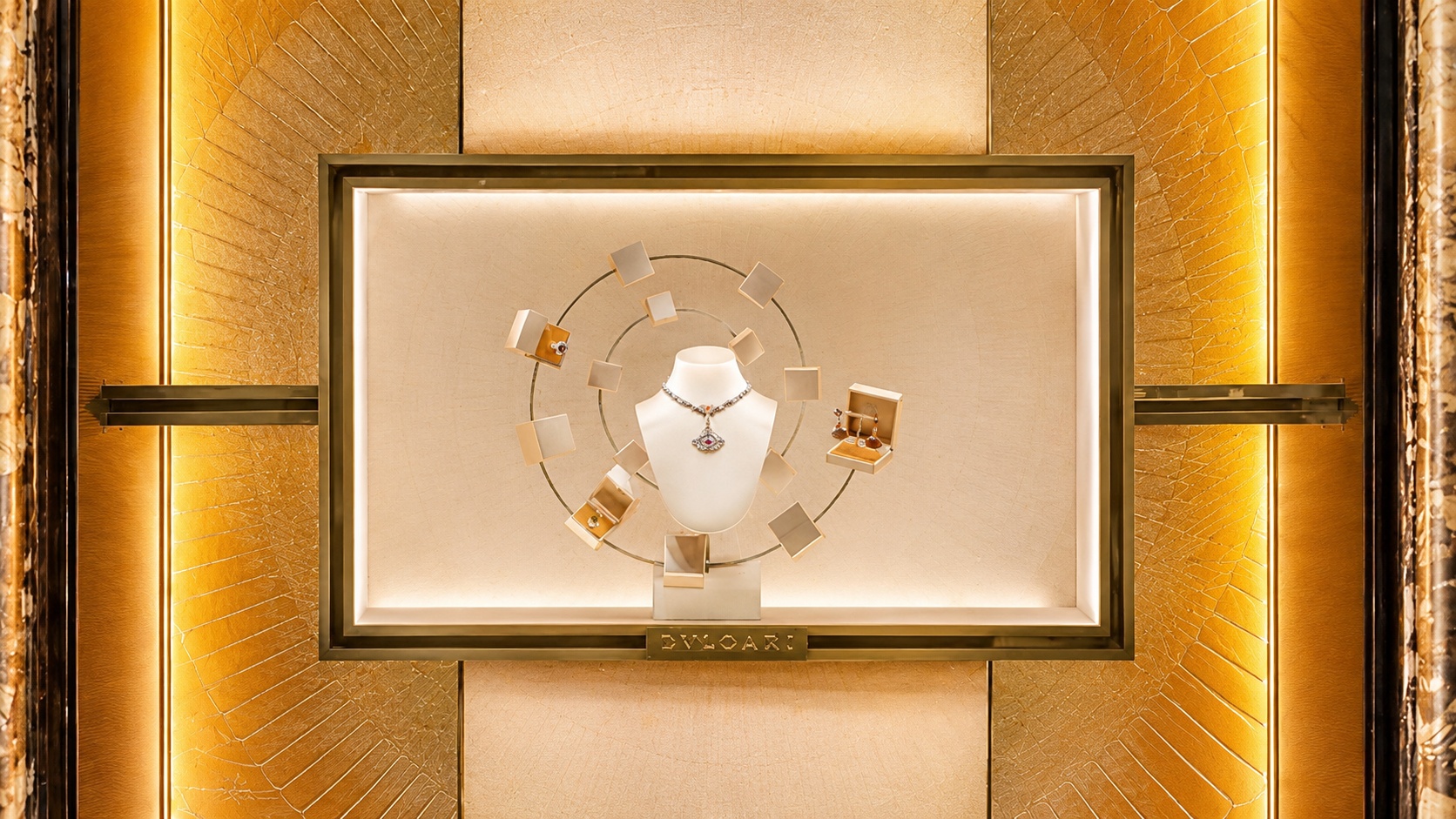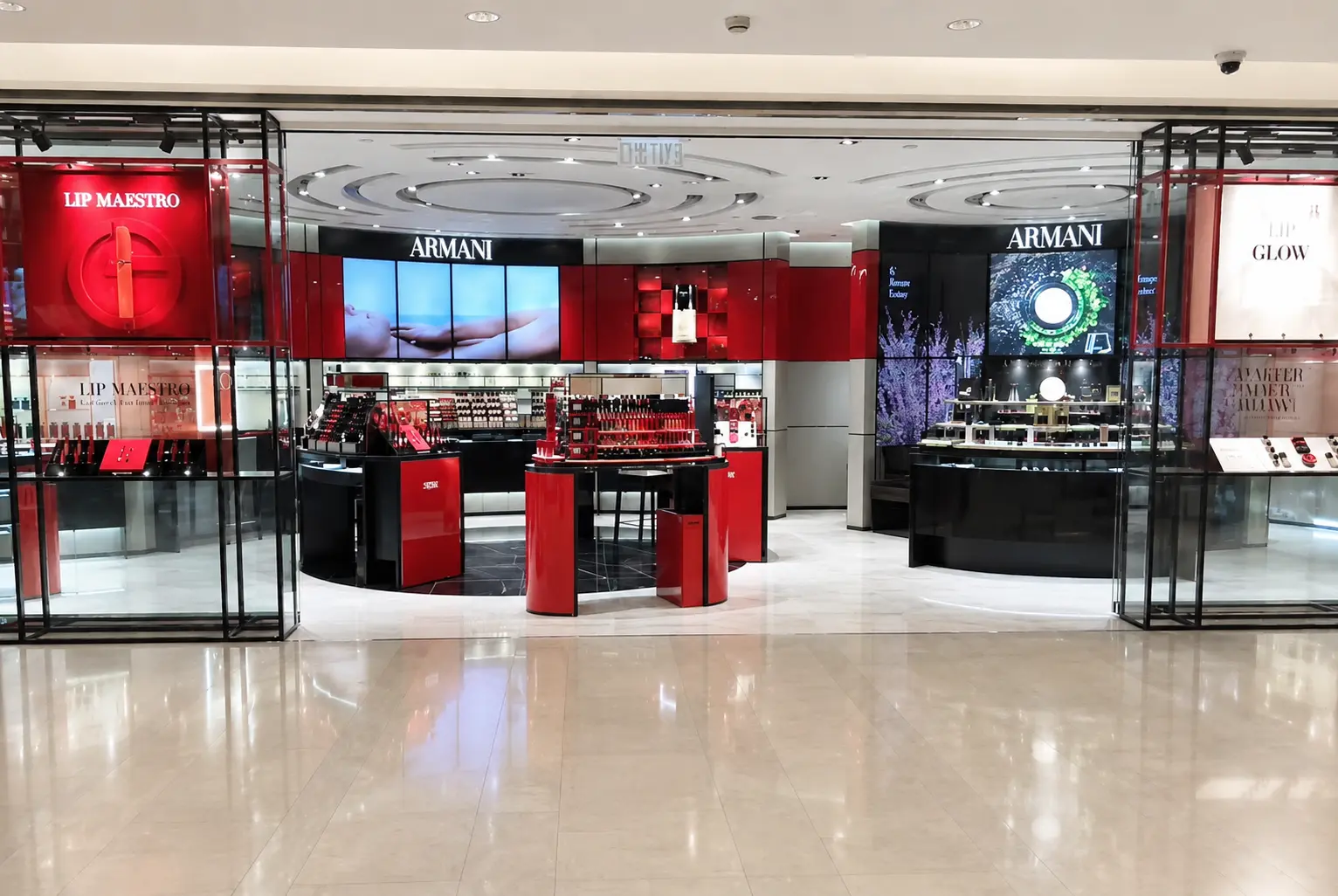
A VM manager has an approved render, a launch date and twelve stores to dress. The next decision is less obvious than it looks: brief a visual merchandising agency, or go straight to a manufacturer?
Both answers can be right. They solve different problems. An agency protects the idea. A manufacturer protects the physical result. The useful question is not which title sounds more complete, but which capability your project is still missing.
This guide sets out what each partner actually owns, the three ways brands structure window display projects, and what you need in place if you work with a manufacturer directly.
Quick Answer
A VM agency defines what a window should communicate. A window display manufacturer determines how that idea becomes a physical set that can be engineered, sampled, produced, packed and installed.
Work directly with a window display manufacturer when your creative direction is approved and your team can make decisions quickly. Bring in an agency when the story is still undefined, or when the window is one part of a wider campaign across stores, digital channels and events. For creatively ambitious projects that roll out across many stores, the two usually work best as one team, with the manufacturer involved before the design is frozen.
What a VM Agency Does, and What a Manufacturer Does
The two roles meet in the middle of a project, so it is easy to blur them. The distinction is clearer when you look at where each one begins.
An agency begins with the brand: the campaign message, the product hierarchy, the customer, the seasonal narrative. Its work follows the logic the Design Council describes in its Double Diamond model of the design process, where the problem is discovered and defined before a solution is developed. If a brand has not yet decided what the window should say, no material quotation can answer that.
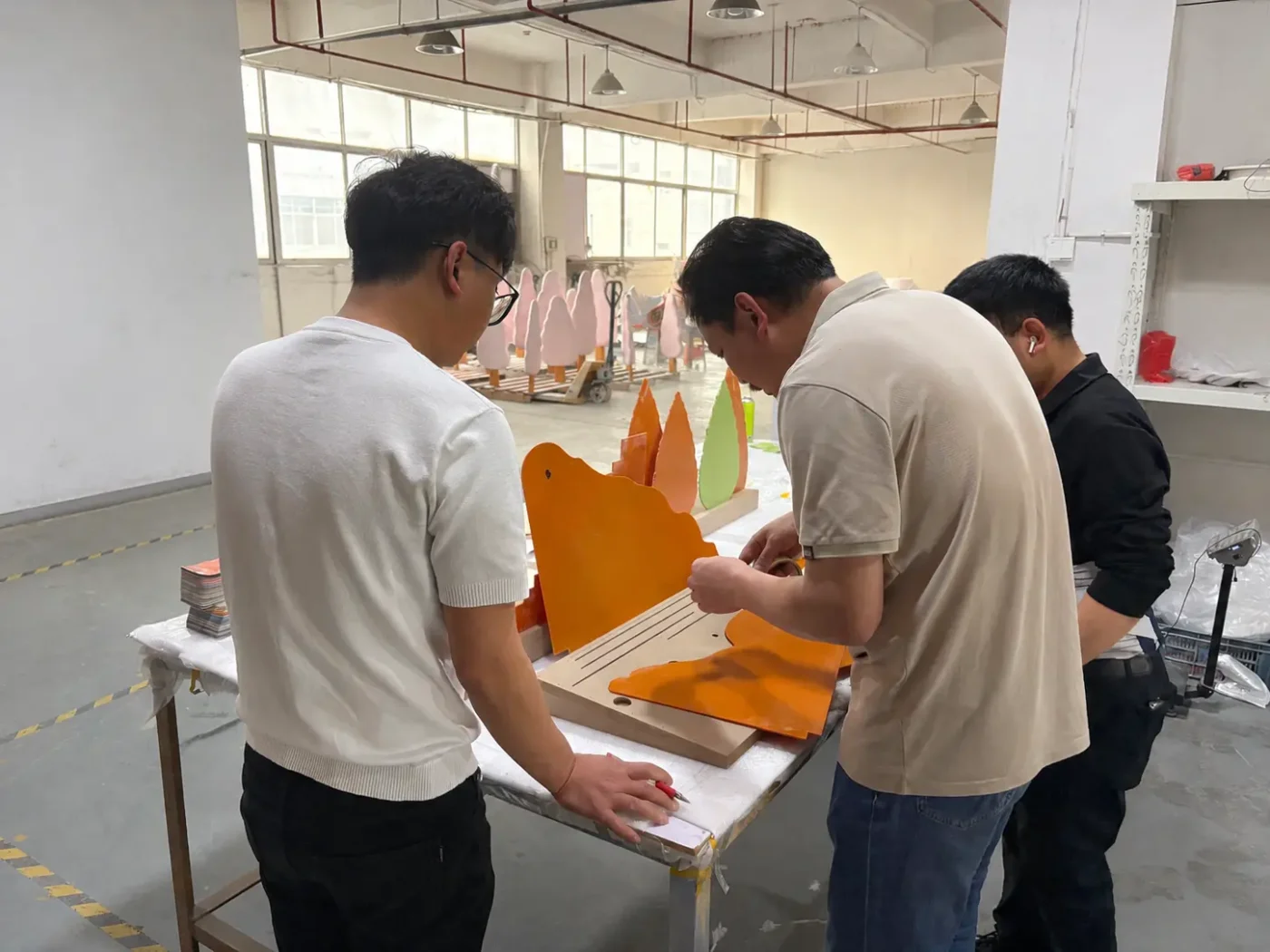
A manufacturer begins with the render and asks physical questions. What carries the weight? Where does the prop split for packing? Will this finish hold on this substrate? Can a store team install it overnight without specialist tools? Will the twelfth set match the first?
| Project stage | VM agency | Window display manufacturer |
|---|---|---|
| Campaign idea and creative concept | Leads | Develops from a brief or reference |
| Structure and production drawings | Reviews visual impact | Leads |
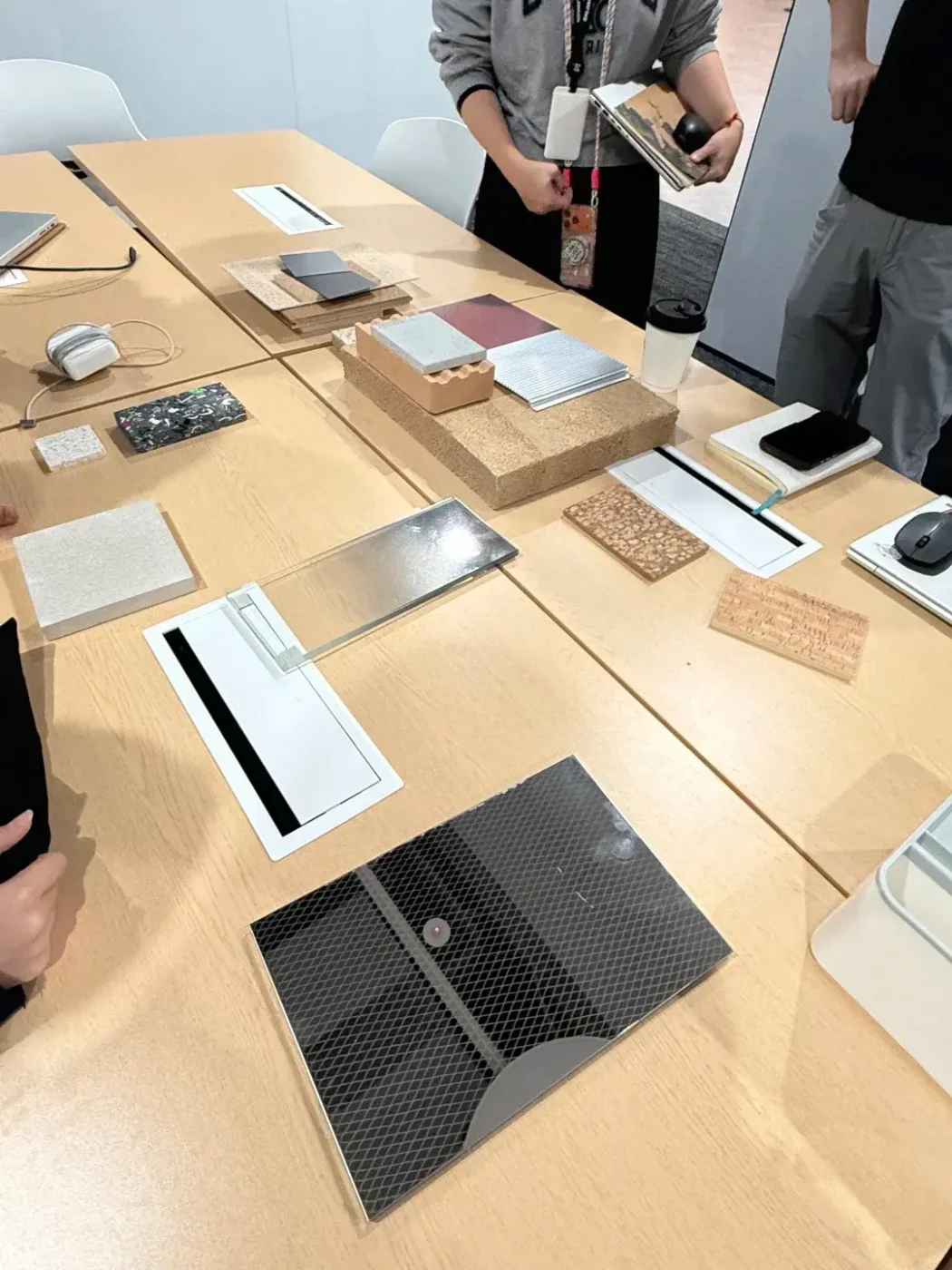
| Materials and finishes | Sets the visual intent | Confirms a buildable specification and samples it |
| Sampling, production and QC | Reviews and approves | Produces and inspects |
| Packing, delivery and installation | Coordinates stores and local teams | Packs per store, documents and supports remotely |
Titles alone do not define scope. Some agencies run production departments; some manufacturers offer design development. The quotation and an agreed list of responsibilities tell you more than the name on the door.
To be specific about our own scope: at VM Display we develop production drawings, samples and finished sets from a client’s concept or reference design. We do not create campaign concepts from scratch. That boundary is deliberate, and it is the same boundary this guide asks you to look for in any partner.
Three Ways to Structure a Window Display Project
1. Working directly with a manufacturer
This model fits when the brand already knows what it wants to make. The render does not need to be technically resolved, but the creative direction should be stable.
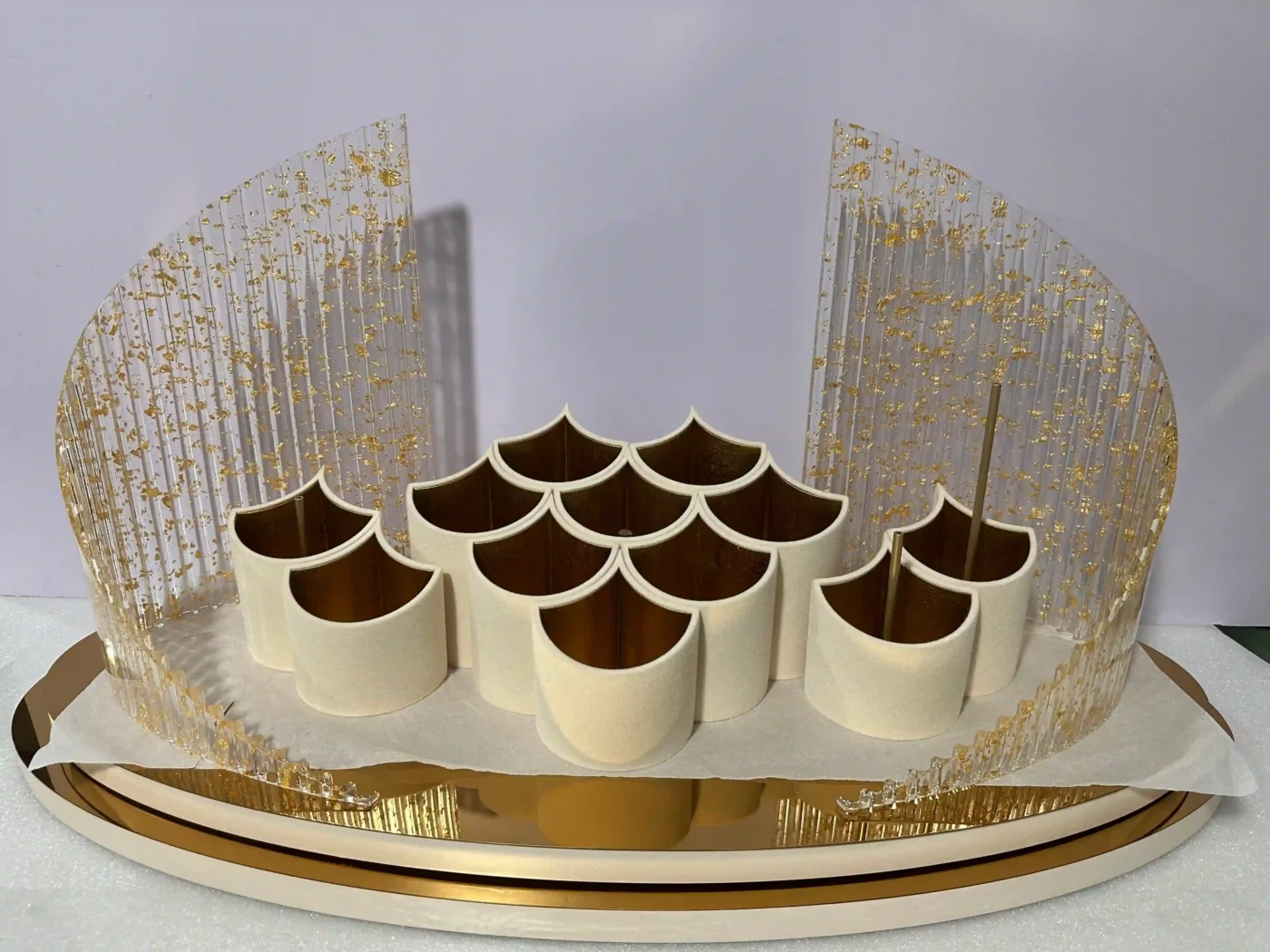
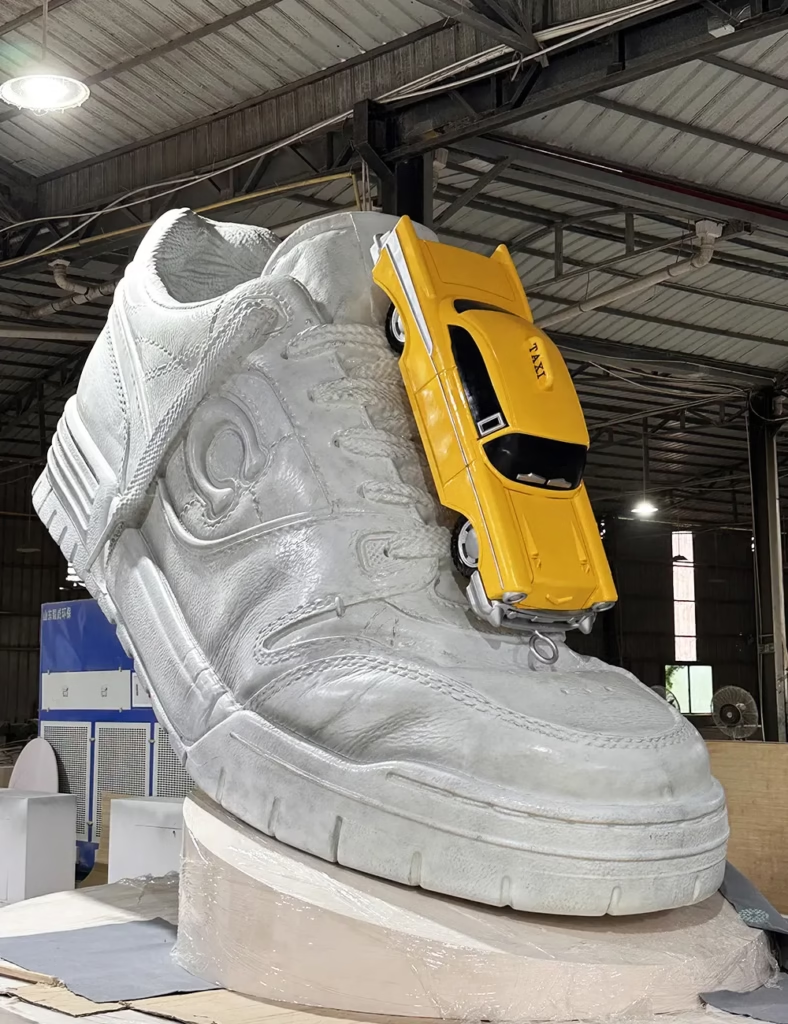
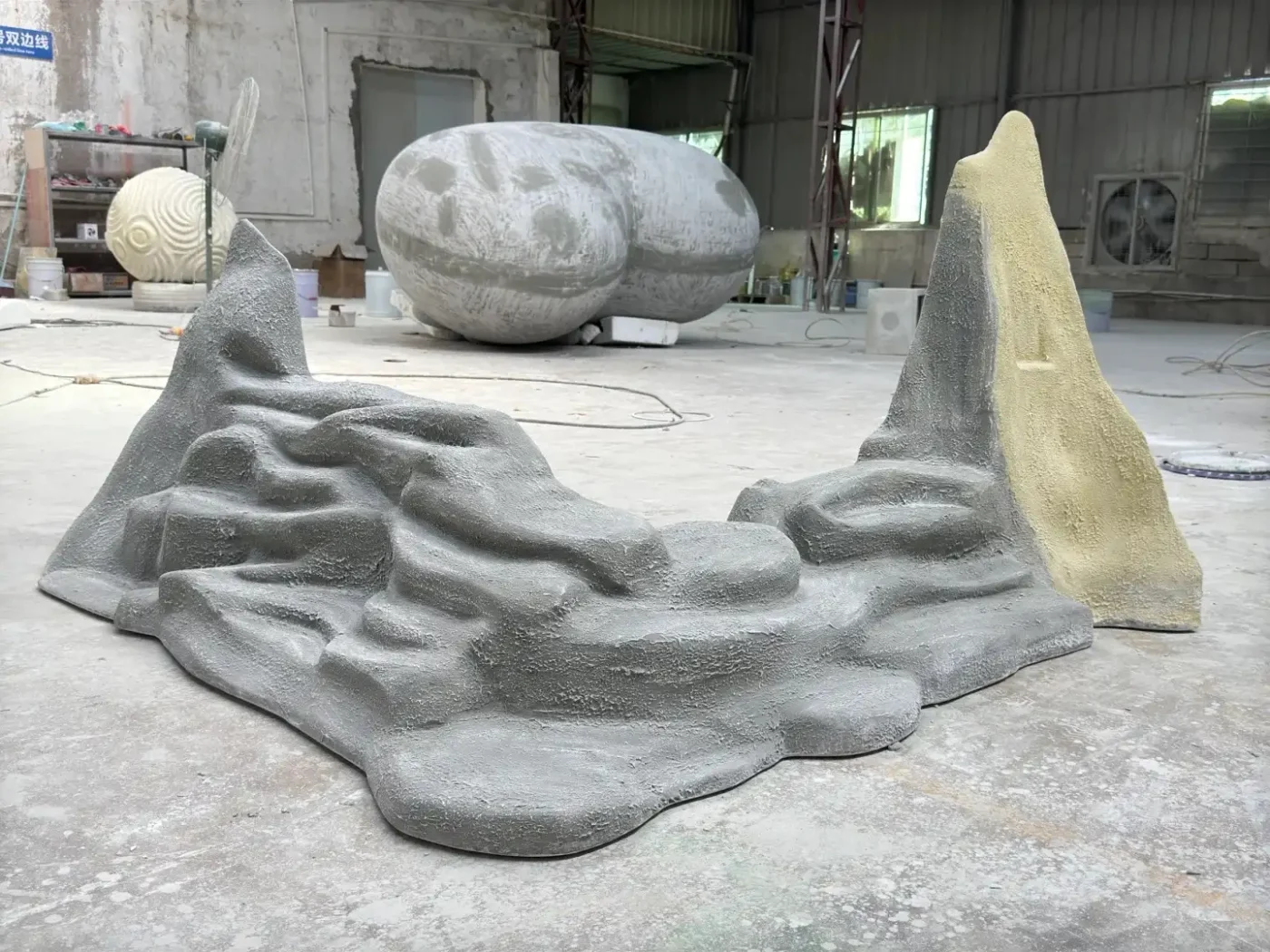
A direct relationship removes a communication layer. The VM manager can discuss a finish with the people producing it, and an engineer can explain why a joint needs to move before the change becomes expensive. On a typical project, a fibreglass prop can move from mould to an electroplated sample in around 15 days, and batch production usually takes 25 to 35 days from confirmation to dispatch, depending on complexity and finish.
Direct does not automatically mean faster. If the brief keeps changing, or several stakeholders send instructions separately, the factory ends up interpreting revisions that someone on the brand side should have resolved.
2. Agency-led, with a production partner
This model fits when the project is still a communication problem rather than a manufacturing one. A fragrance launch, for example, may need one story across flagship windows, department store counters, a pop-up and travel retail, plus social content and a press event. An agency builds that creative system first, then separates it into production packages.
Agencies also handle what an overseas manufacturer should not claim to control: store surveys, landlord approvals, night installations and local contractors.
3. Agency and manufacturer as one team
For projects that are both creatively ambitious and technically complex, the strongest arrangement is usually brand, agency and manufacturer working together, with the manufacturer joining before the design is frozen.
This avoids two costly mistakes. When the manufacturer joins too late, the concept is approved before anyone checks whether it can be built, packed or installed, and every production comment feels like a creative compromise. When production leads too early, the project moves into materials and pricing before the story is defined, and the result is easy to build but generic.
The agency does not need to become a factory. The factory does not need to become the creative director. Each protects its own half of the result.
Can You Work Directly With a Window Display Manufacturer Without an Agency?
Yes, and many mid-sized brands do. It works when your team can cover the coordination an agency would otherwise provide. In practice, that means five things.
One decision-maker. A named person who approves samples and changes. When the regional team, the brand director and the store designer all send comments, production stalls.
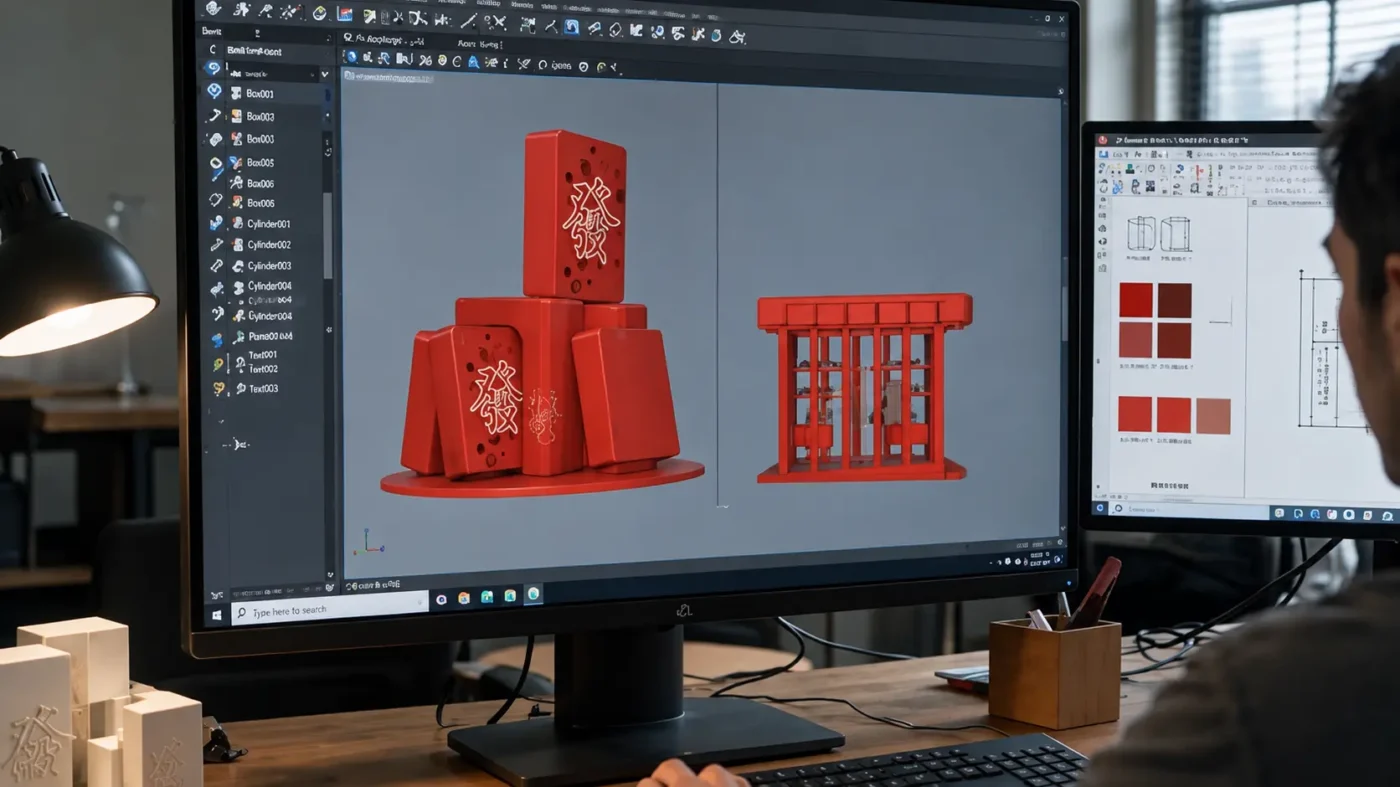
A stable creative reference. Many briefs now arrive as AI-generated renders. That is a workable starting point, as long as someone on the brand side can say which details are fixed and which are open to engineering. A good manufacturer will then recommend materials that achieve the look within your budget.
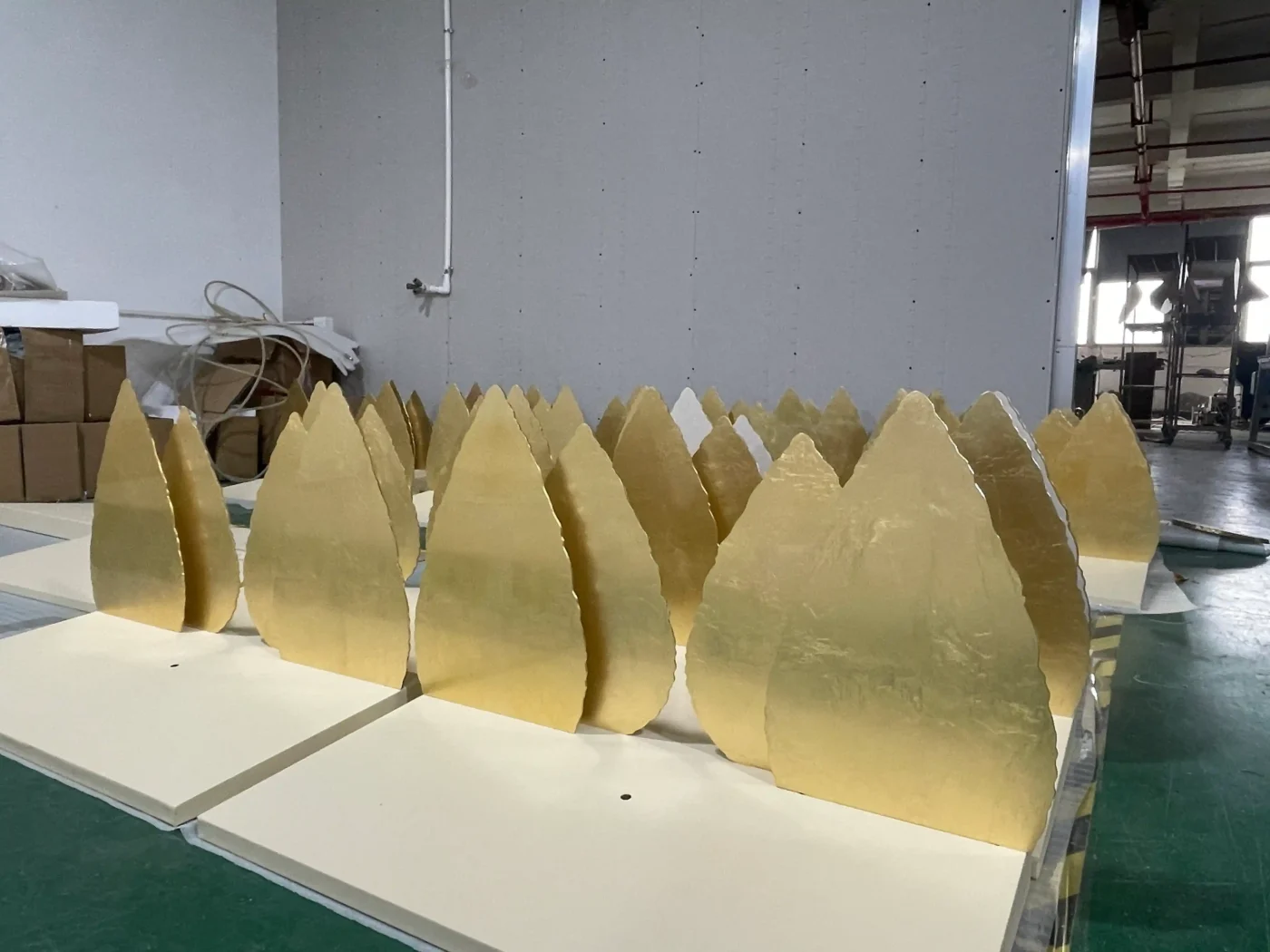
Physical finish references. Colour and gloss shift between cameras, screens and showroom lighting. Approve finishes against a physical sample or a controlled reference panel, never a photograph.
Store and installation facts. Window dimensions, access routes, ceiling height, fixing restrictions and who will install. These belong in the first feasibility review, not after production.
Clear delivery terms. “Include shipping” does not tell anyone who handles freight, customs clearance or duties. The International Chamber of Commerce’s Incoterms rules exist to define exactly that. Many of our sea freight projects ship on DDP terms, with clearance and duties handled before delivery, but the term should always be written into the quotation.
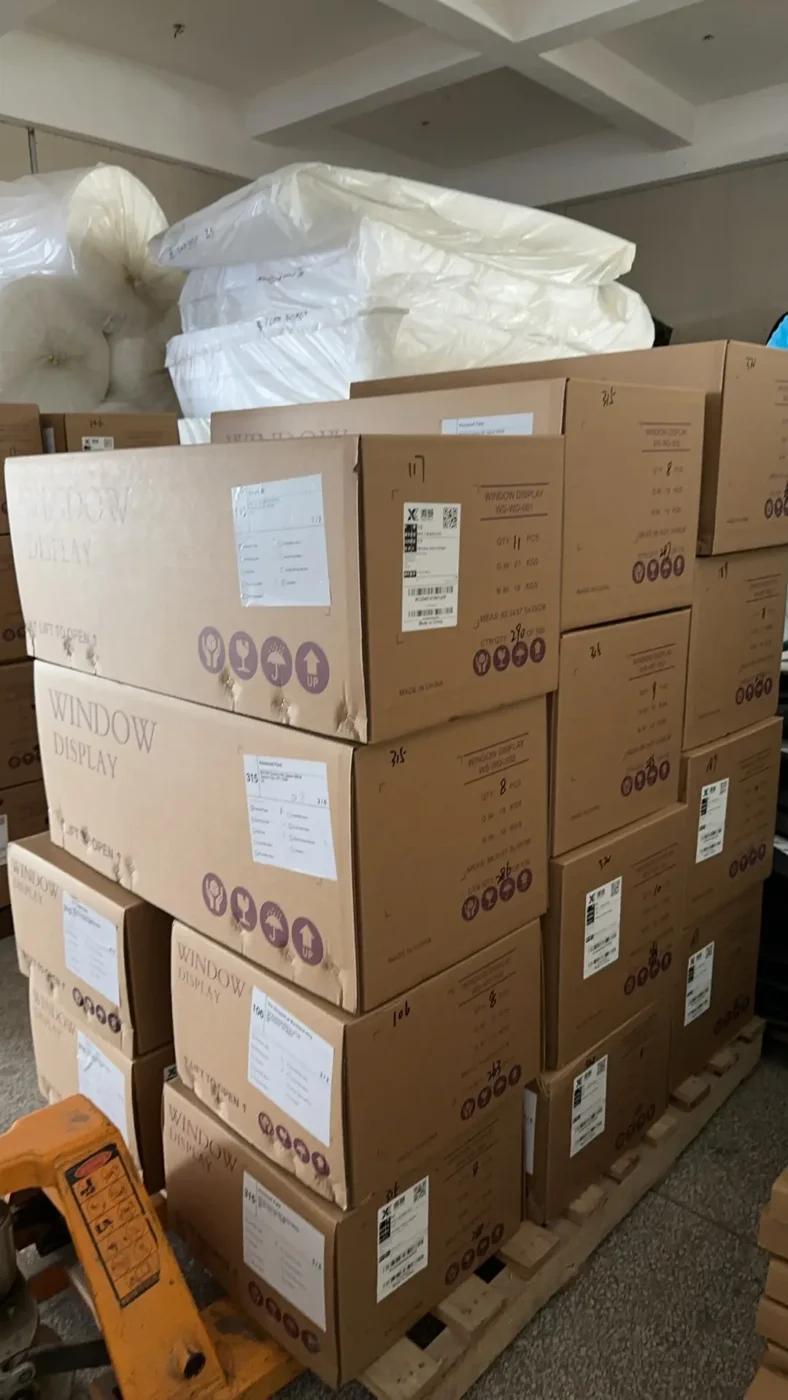
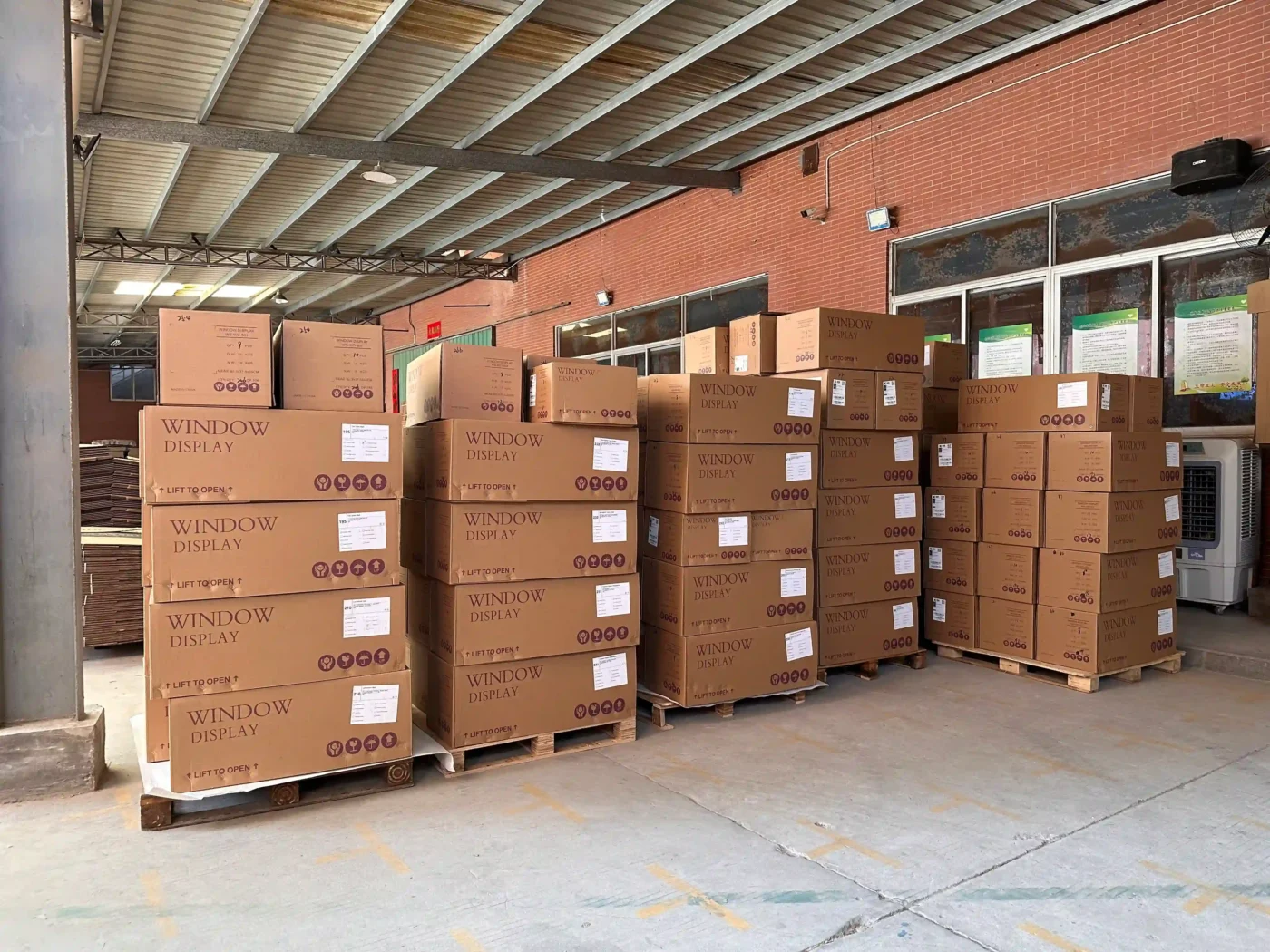
In return, the manufacturer should take on the technical work: material recommendations, production drawings, samples, set-level quality control, packing by store and installation instructions. For the full list of information to send before requesting a price, see our guide to what to prepare before requesting a custom display props quote.
Questions to Ask Before Appointing a Window Display Manufacturer
These questions separate a production partner from a supplier that only quotes. They apply equally when an agency appoints the manufacturer on your behalf, and a good agency will be able to answer them.
- Can you show production evidence for the processes this design needs? A capabilities list is not evidence. Finished projects in the same materials are. Our manufacturing capabilities set out the processes we work in, from fibreglass and metal to acrylic and 3D printing.
- What engineering input do you give before the quotation is final? Structure, split lines and packing should be considered before the price is fixed, not after.
- How are finishes approved? Look for physical samples or reference panels and a written record of the approved version.
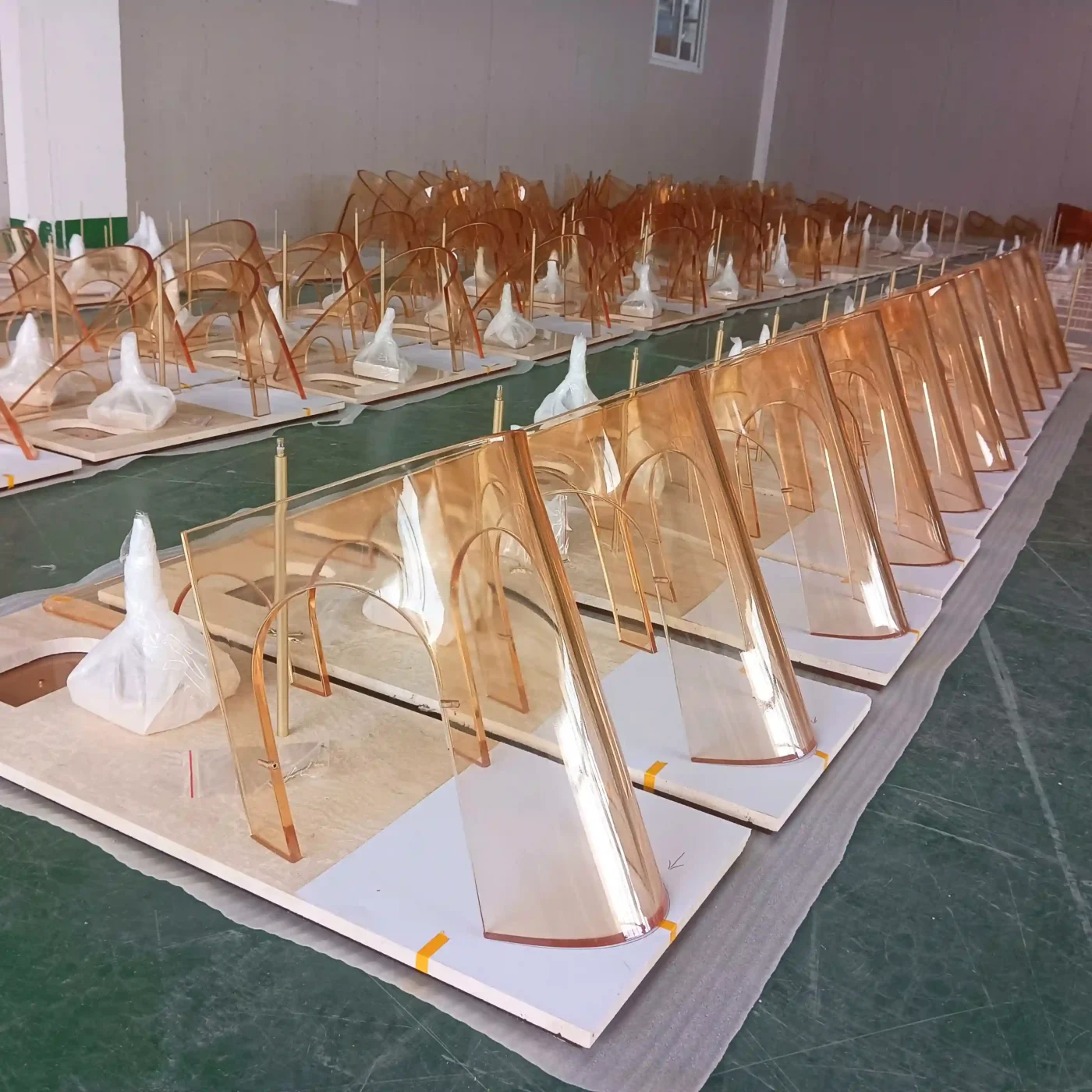
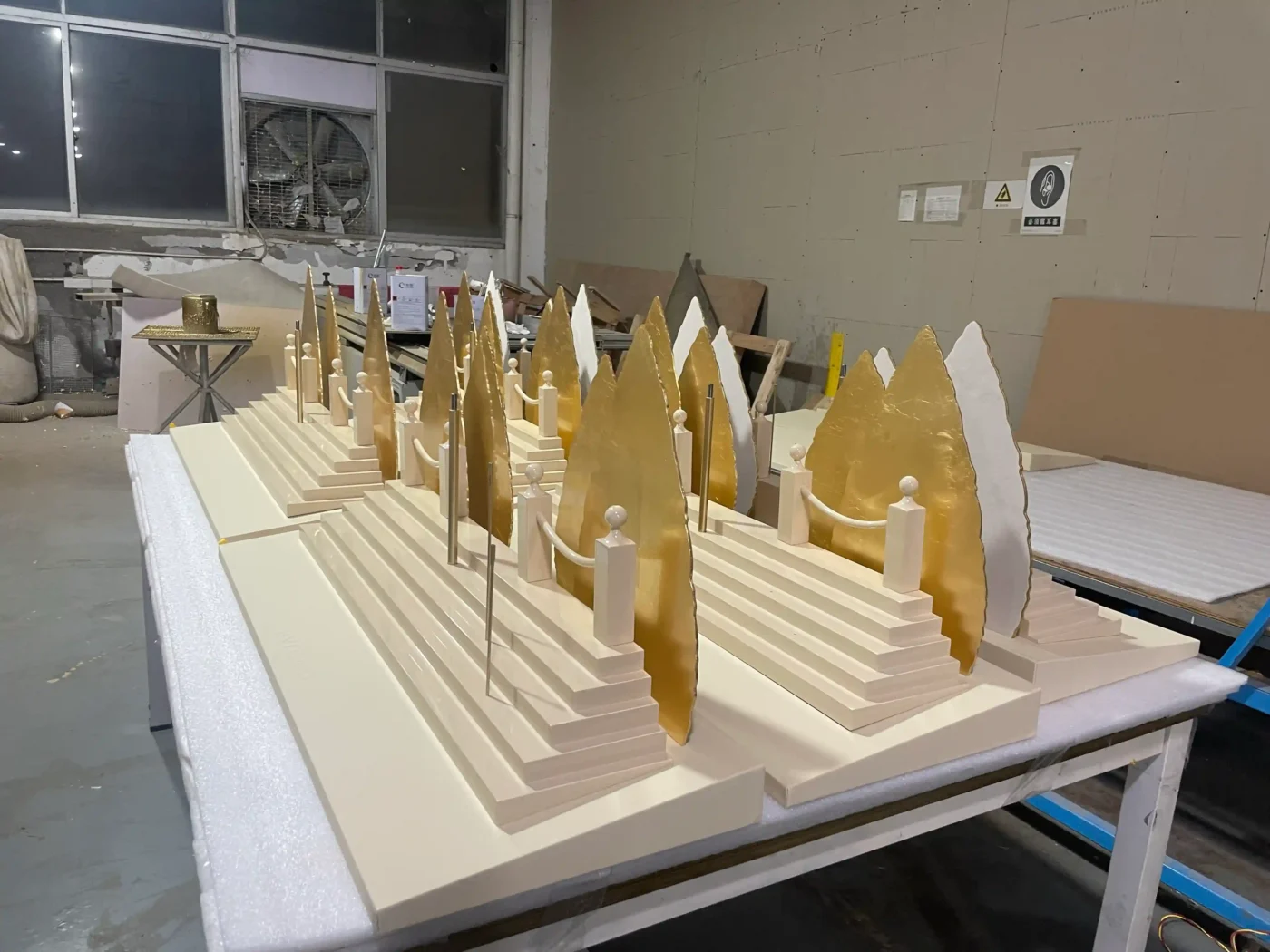
- Is a complete set assembled and checked before packing? A full mock-up is the only way to review the window as a whole before it ships to every store.
Certification is a baseline, not a guarantee. We hold ISO 9001 and Sedex, but approved samples and inspection records for your specific project matter more than any certificate.
Who Owns Which Decision?
Responsibility should be agreed before sampling begins, because every approval needs an owner.
- The brand approves the campaign objective, the concept, key finishes, the master sample and the release to mass production.
- The agency, where there is one, leads the concept, protects creative intent during sample review and coordinates stores and local installation.
- The manufacturer leads structure and technical material choices, produces the samples, inspects production, and designs and executes packing.
One rule holds in every model: one change channel and one current production file. If the brand sends instructions to the agency and the factory separately, the two will soon be working from different revisions.
Where Projects Go Wrong Between Design and Production
Most failures between design and production come from three handover gaps.
Finishes approved from photographs. The sample looked right on screen and arrives too warm, too glossy or too flat. Approve physically.
Materials substituted without creative review. A substitute can be structurally sound and visually wrong. Agree in advance which changes need brand or agency sign-off.
Installation discussed after production. Finished pieces that do not fit the service corridor, or that need fixings the landlord prohibits, are the most expensive problem to solve late.
The handover itself, from approved render to dimensioned drawings, is where most of these gaps are closed. We cover that step in our guide to turning renders into production drawings.
Is Working Directly With a Manufacturer Cheaper?
Sometimes. Removing a project management layer reduces fees only if your team can absorb the work it replaces: creative approvals, revisions, store information, installation coordination and logistics.
The useful comparison is not agency price against factory price. It is the total cost of getting the approved concept installed correctly in every store. A lower production quote becomes expensive if you later pay for remade parts, emergency packing or installation fixes in each market. The design decisions that move a manufacturer’s price are covered in our guide to window display production cost.
Which Model Fits Your Project?
| Your situation | Recommended model |
|---|---|
| One flagship window, approved render, one internal decision-maker | Work directly with a manufacturer |
| Campaign story still in development, many channels to align | Agency-led, with the manufacturer consulted before design freeze |
| Approved concept rolling out to many stores | Brand or agency keeps creative approval; the manufacturer runs engineering, master sample, production, set-level QC and packing |
| Ambitious concept, complex materials, different installation conditions by market | Agency and manufacturer as one team from early concept |
For multi-store projects, our guide to window display rollouts explains how one concept is produced consistently for every store.
Final Answer: Choose the Capability Your Project Is Missing
If you have an objective but no creative direction, you probably need an agency.
If you have an approved concept but no engineered, producible solution, you need a manufacturer.
If you have an ambitious campaign that needs both creative development and controlled production across many stores, you need the two working together, with responsibilities written down.
Whichever model you choose, the brand should always know who protects the idea, who protects the physical result, who approves changes and who is accountable when something does not match.
Frequently Asked Questions
What is the difference between a VM agency and a window display manufacturer?
A VM agency develops the campaign idea, creative concept and storytelling for a window. A window display manufacturer turns an approved concept into physical props and structures, covering engineering, materials, sampling, production, quality control and packing. Agencies usually also coordinate stores and local installation.
Can a brand work directly with a window display manufacturer?
Yes. Direct engagement works well when the creative direction is approved, one person on the brand side makes decisions, finishes are approved against physical samples, and store dimensions, installation conditions and delivery terms are confirmed early.
Does a window display manufacturer provide design?
Most manufacturers provide design development rather than creative concepts: production drawings, structural engineering and material recommendations based on a render or reference. Campaign concepts and storytelling are usually developed by the brand’s own team or a VM agency.
Is it cheaper to work directly with a window display manufacturer?
It can be, if your team can manage approvals, store information and installation coordination internally. The better comparison is the total cost of installing the approved concept correctly in every store, including remakes, packing and on-site fixes.
How long does custom window display production take?
For custom props, a first sample typically takes around two to three weeks, and batch production usually takes 25 to 35 days from confirmation to dispatch, depending on complexity and finish. Sea freight to Europe or North America adds roughly 40 to 50 days, so most projects should start three to four months before installation.
Planning a Window Display Project?
If your concept is already approved, a production review can identify material, structure, sampling, packing and installation questions before you commit to a price. Send the render, dimensions, store count, destination markets and target installation date, and we will start with feasibility rather than a rushed quotation.