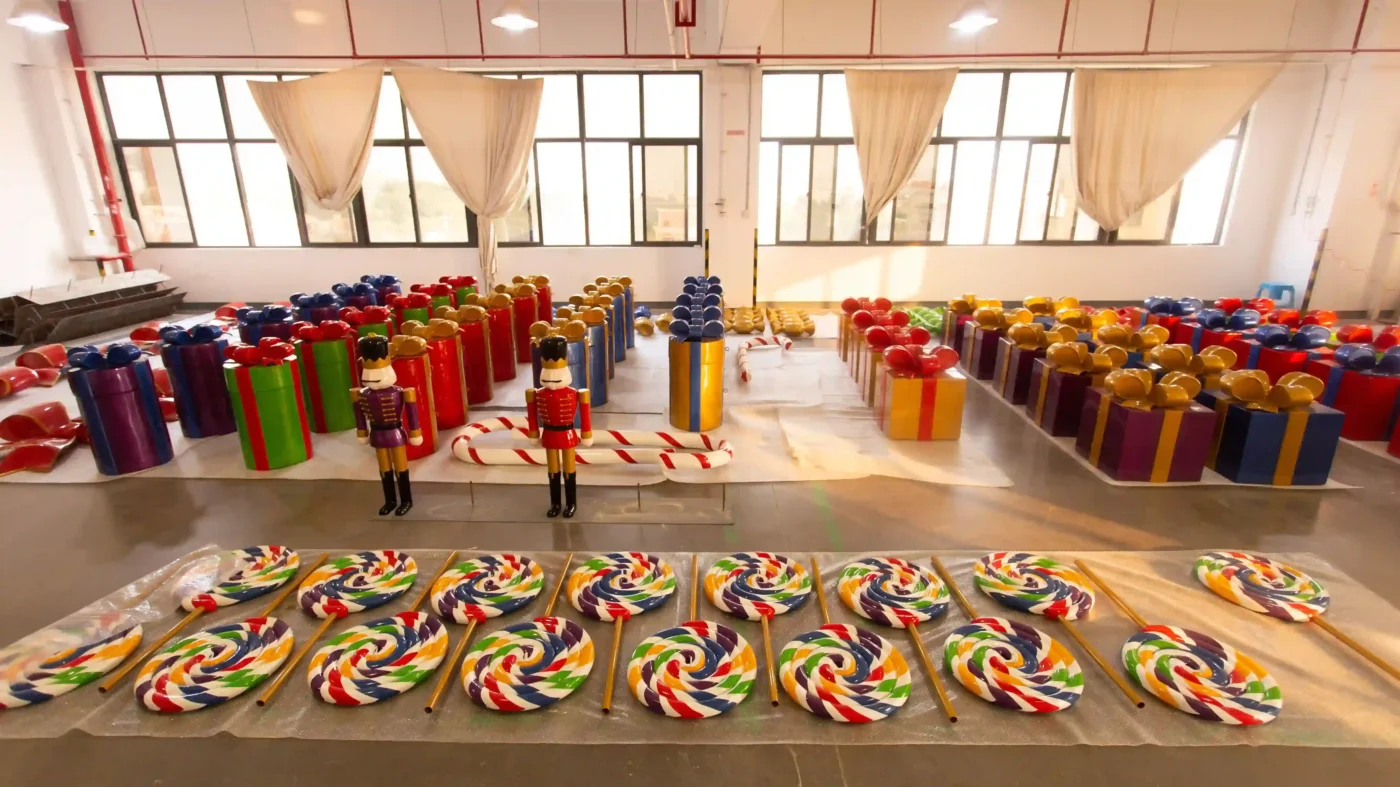
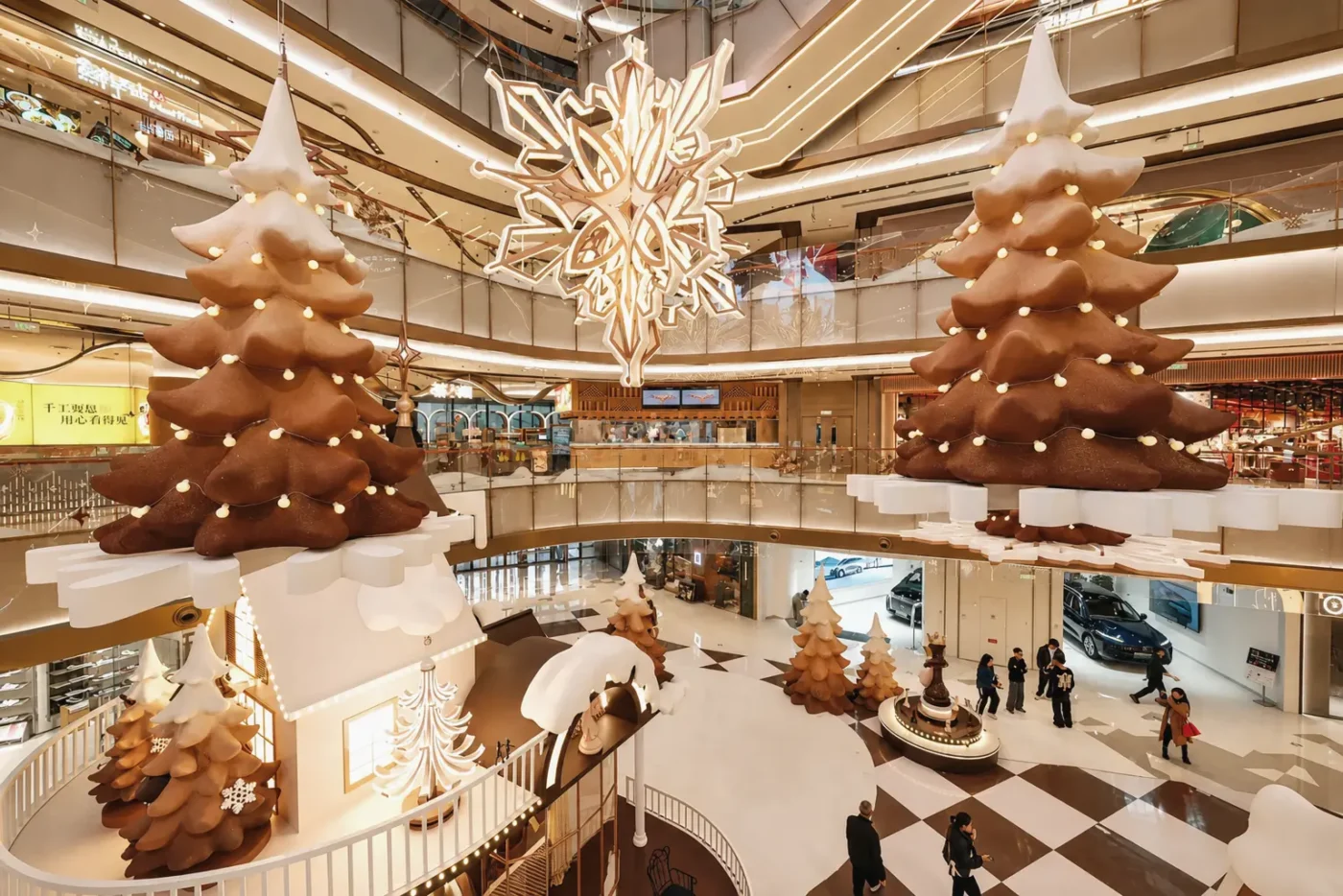
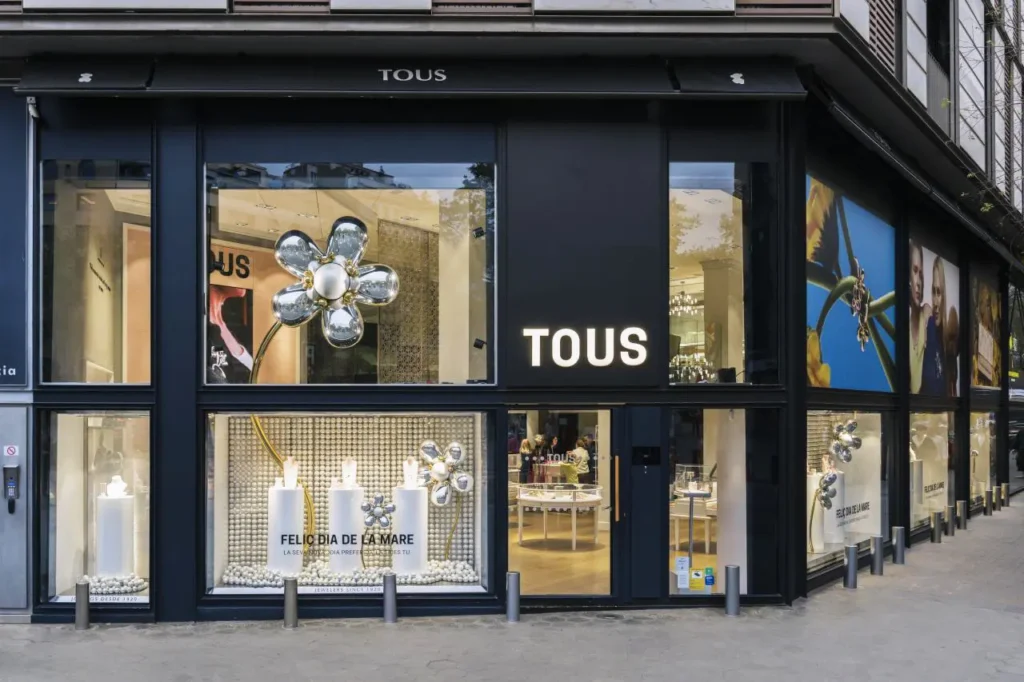
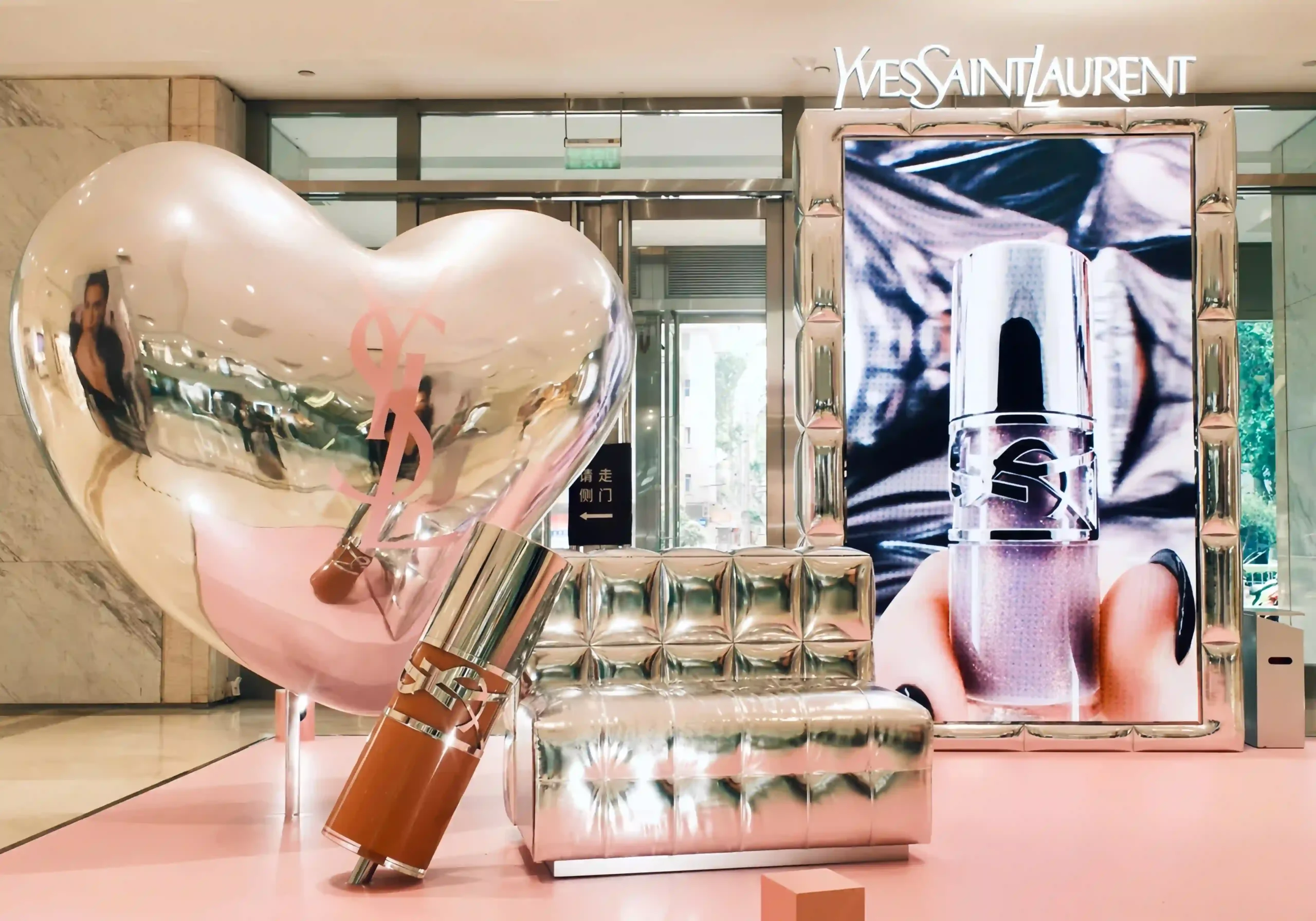
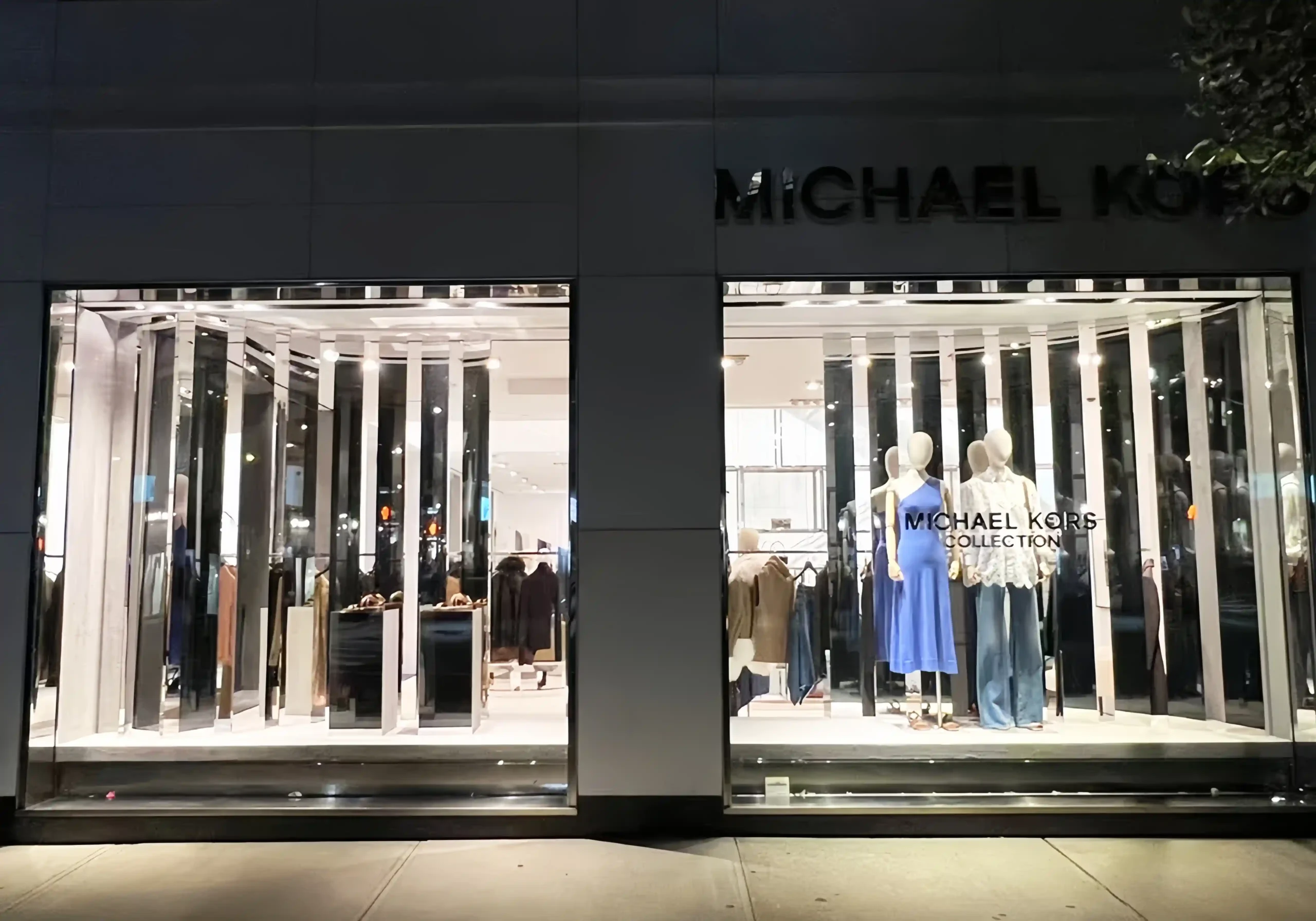
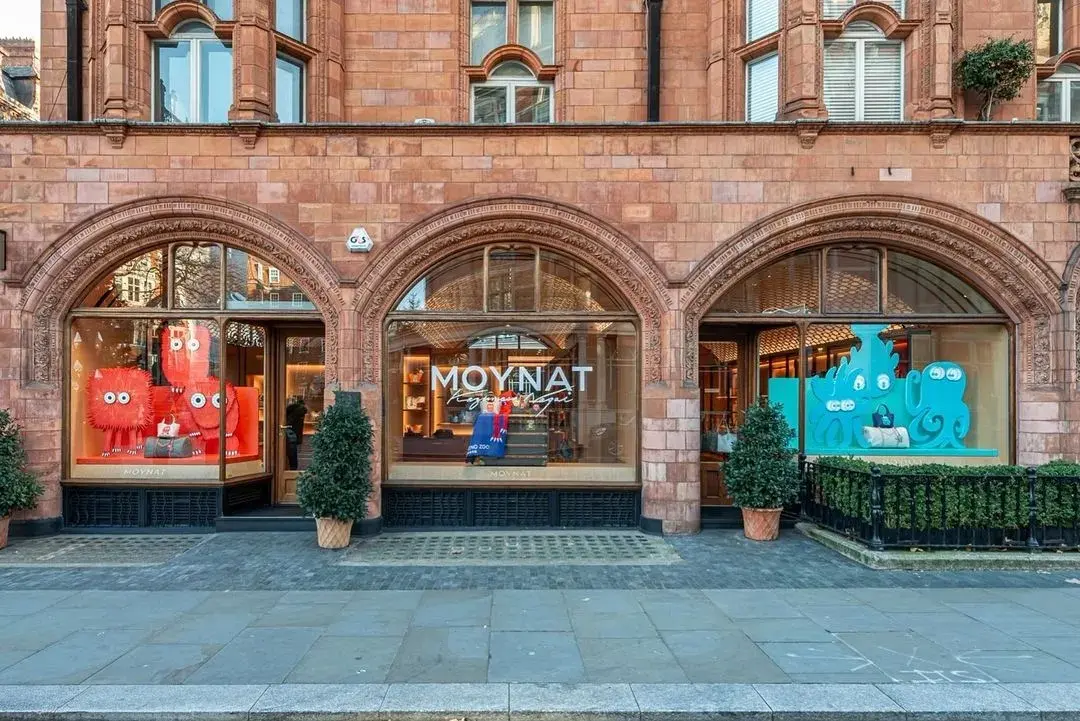
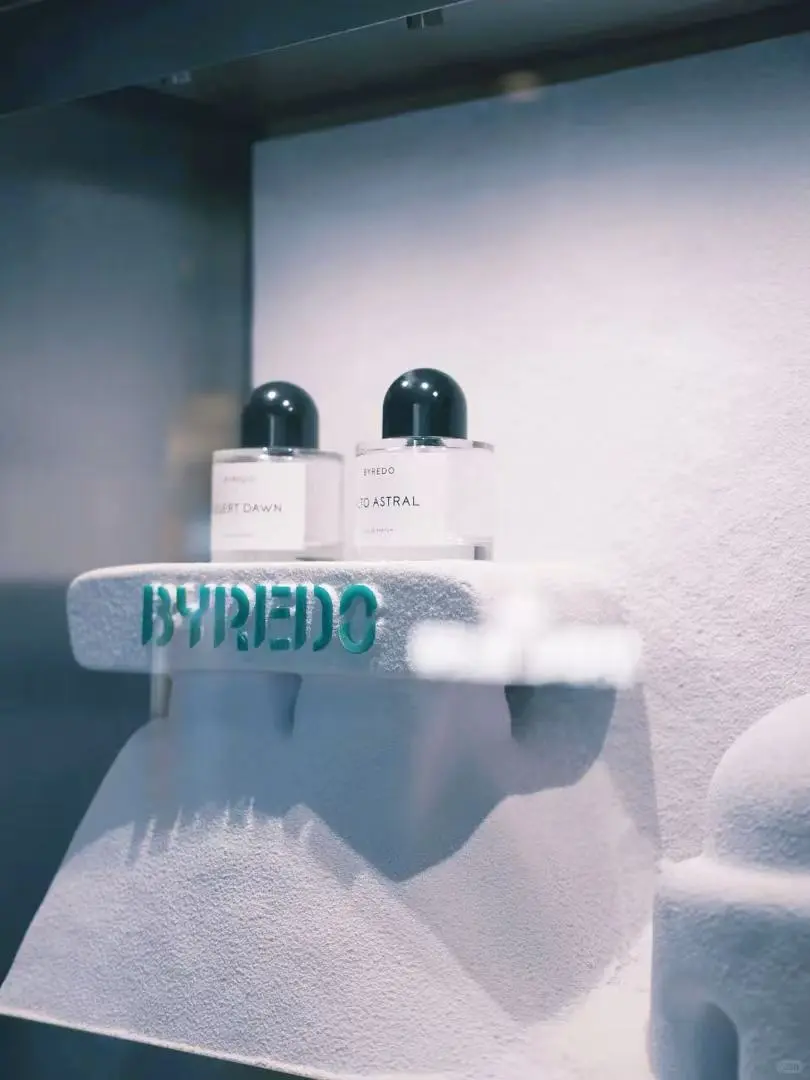
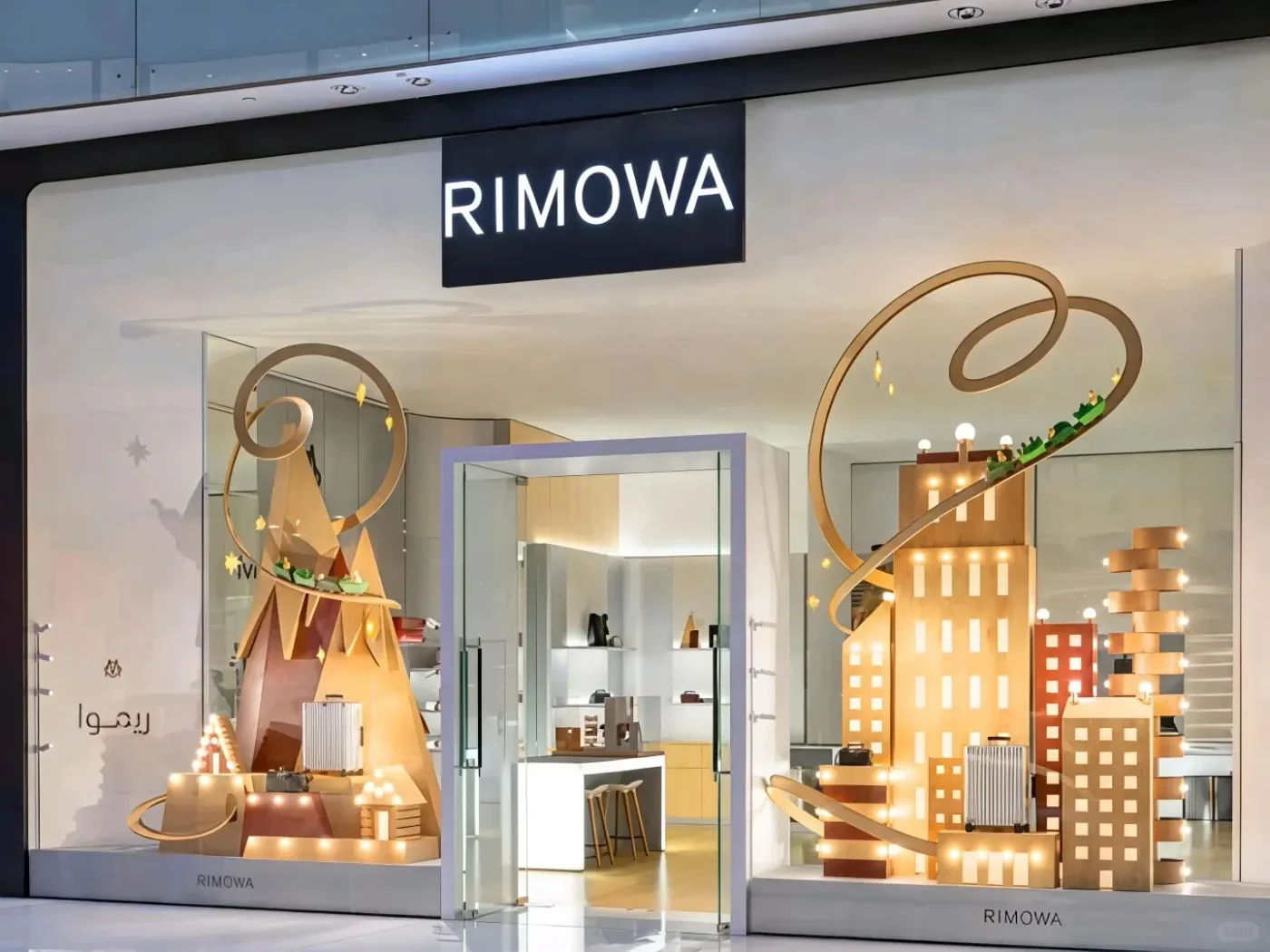
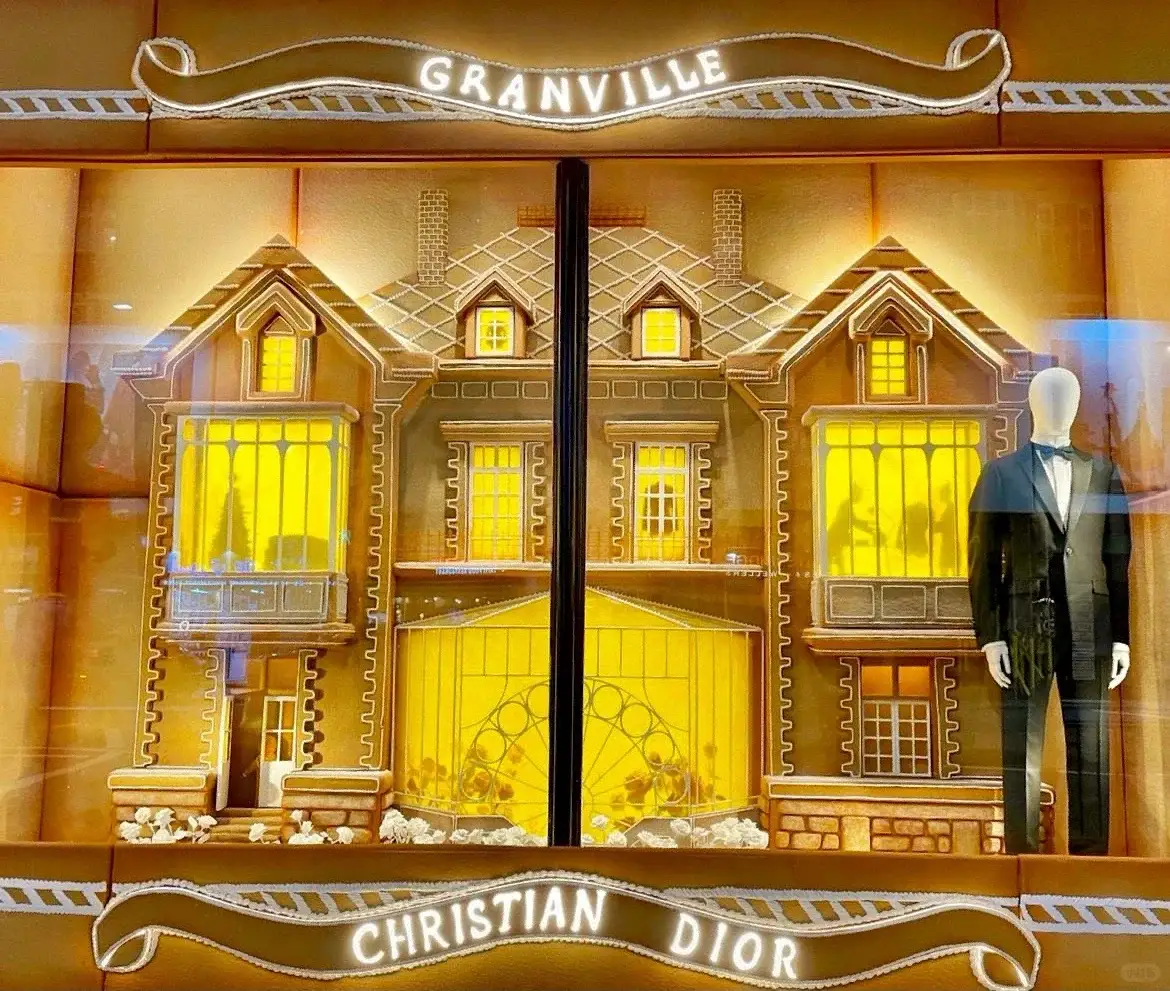
A custom display props quote is an estimated production proposal for made-to-order retail display elements — covering material, fabrication method, surface finishing, structural reinforcement, packaging and shipping. Unlike standard catalogue products, each quote is shaped by the specific combination of size, material, quantity, finish, installation method and delivery deadline.
This is the first thing I would tell any retail brand, visual merchandising agency or project contractor preparing a custom display props enquiry. If a supplier gives a price too quickly — without asking about size, material, quantity, deadline, packing or installation — that quote may look convenient, but it is usually not reliable.
In custom visual merchandising work, the final cost is shaped by many small decisions. How large the prop is. What material is used. How the surface is finished. Whether lighting is included. Whether the structure needs internal reinforcement. How many pieces are required. Where the goods need to be shipped. How much time is left before installation.
A good quote starts with good information.
For buyers preparing a custom display props quote request, the goal is not to submit a perfect technical file from the beginning. The goal is to give the manufacturer enough useful information to judge feasibility, cost range, production route and timeline — so the first quotation is close to reality rather than a rough guess that changes three times before production starts.
What Is a Custom Display Props Quote?
A custom display props quote is an estimated cost and production proposal for made-to-order retail display props, window display elements, pop-up store fixtures, event props, brand activation structures or seasonal visual merchandising objects. Because every project may require different materials, molds, surface finishes, structures, packaging and shipping methods, there is no fixed price list.
For example, two props may look similar in a render, but one may be made from FRP with internal steel reinforcement, while the other may be made from acrylic with LED lighting. One may be used indoors for two weeks, while the other may need to survive outdoor conditions for several months. These two projects cannot be quoted in the same way.
A realistic quotation normally includes material suggestion, size and quantity confirmation, sample cost and lead time, production timeline, surface finish specification, packaging method, shipping option, compliance or certification notes if required, and payment and approval terms.
For buyers comparing suppliers, the most important point is this: do not only compare the final number. Compare what is included in that number.
The 10 Pieces of Information a Manufacturer Needs
In our experience, most enquiries that lead to smooth production share one thing in common — the buyer provided at least four or five of the following details upfront. When only a single image arrives with no size, no quantity and no deadline, the first quotation can only be a rough range, and both sides spend extra rounds clarifying before real pricing begins.
The items below are listed roughly in the order a manufacturer reads them. The first four — reference images, dimensions, quantity and material — are usually enough to begin a feasibility review. The remaining six refine the quotation from a range into a reliable number.
| Priority | Information | What It Tells the Manufacturer |
|---|---|---|
| Must-have | Reference images | Shape, complexity, production method |
| Must-have | Approximate dimensions | Structure, weight, packing, freight mode |
| Must-have | Quantity | Mold cost allocation, batch planning, unit price |
| Must-have | Material preference or visual effect | Production route, cost range |
| Refining | Surface finish requirements | Cost, QC method, packing protection |
| Refining | Lighting or electrical needs | Wiring, certification, heat management |
| Refining | Installation method | Base design, hardware, reinforcement |
| Refining | Deadline and project timeline | Urgency pricing, freight method |
| Refining | Shipping destination and packing | Freight cost, crate vs carton, labelling |
| Refining | Budget range or target cost | Production route options, value engineering |
Why Do Reference Images Matter Most?
The fastest way to explain a custom display prop is through images.
A reference image, sketch, 3D rendering, moodboard or previous display photo helps the manufacturer understand the visual direction immediately. Text descriptions are useful, but images reduce misunderstanding at the first stage more than any other single piece of information.
If you have a render, send it. If you only have a screenshot from another retail window, send that too. If you have several references showing the style you want and the style you do not want, even better.
From a manufacturer’s point of view, the image tells us the first layer of information: shape, mood, surface, complexity and possible production method. For example, if the prop is sculptural and irregular, we are likely to think about FRP. If it is transparent or light-based, acrylic may be more suitable. If it carries weight or needs slim structural frames, metal support may be needed. This initial material direction connects directly to our custom display props manufacturing capabilities.
How Do Dimensions Change a Display Props Quote?
Size changes everything in custom display production.
A 30 cm decorative object and a 200 cm sculptural prop may share the same design outline, but they are completely different manufacturing problems. Once a prop exceeds roughly 120 cm in any dimension, internal structural reinforcement typically becomes necessary — without it, the piece may deform during shipping or installation. The larger the prop, the more important structure, weight, packaging and shipping method become.
When sending a quote request, provide approximate dimensions:
- height, width, depth
- diameter or thickness where relevant
- window space limits or ceiling height if hanging is required
Even rough dimensions are useful. A manufacturer can estimate whether the prop needs internal reinforcement, whether it fits in a standard carton or requires a wooden crate, and whether it can be shipped by air or must go by sea.
This is especially important for oversized retail display props, where size affects almost every part of the quote — from raw material volume to freight cost.
How Does Quantity Affect Custom Props Pricing?
Quantity affects mold cost allocation, labour planning, finishing method and unit price. The difference can be significant: a one-off flagship prop concentrates all setup and mold costs in a single piece, while a 50-store rollout spreads those costs across the batch. In practice, the unit price difference between 1 piece and 30 pieces of the same design can be 30–50%, depending on material and complexity.
When possible, provide:
- total quantity
- quantity by design (if the project has multiple prop types)
- quantity by store (if different stores receive different sets)
- spare parts requirement
- whether future reorders are possible
If the quantity is not fixed yet, give a range. “We may need 20–30 sets” is much more useful than giving no quantity at all, because it tells the manufacturer which production planning route to consider.
For agencies preparing proposals before final client confirmation, a quantity range helps the manufacturer provide a realistic budget direction rather than a single number that may change completely when the order is confirmed.
How to Choose the Right Material for Display Props?
Some buyers already know the material they want. Others only know the visual effect they want. Both are fine — a good manufacturer should be able to work from either starting point.
If you know the material, say it clearly: FRP or fiberglass, acrylic, metal, MDF or wood, foam, fabric, resin or mixed materials.
If you do not know the material, describe the effect instead: glossy, matte, mirror-like, soft, transparent, lightweight, durable, outdoor-safe or premium. The manufacturer can then suggest materials based on the visual goal, budget, installation method and shipping distance.
| Material | Best For | Typical Production Cycle |
|---|---|---|
| FRP / fiberglass | Sculptural shapes, oversized props, organic forms | ~15 working days per batch |
| Acrylic (PMMA) | Transparent elements, illuminated signs, clean edges | ~12 working days per batch |
| Metal (stainless steel, aluminium) | Structural frames, slim fixtures, premium hardware | Varies by process |
| MDF / wood | Flat display elements, furniture-style pieces | ~10–15 working days |
| Foam | Lightweight event props, temporary displays | ~7–10 working days |
For example, a large decorative flower may look delicate, but it typically needs FRP for volume and structural stability. A luxury logo sign may look like glass, but acrylic is safer and lighter for shipping. A reflective prop may look like polished metal, but mirrored foam or metallised FRP can reduce weight by more than half.
The buyer does not need to solve every material question alone. The manufacturer should help translate visual intent into production logic. Our material comparison guides are built to support that decision process.
Why Surface Finish Is a Cost Factor, Not Just Decoration?
Surface finish is where a display prop becomes premium or disappointing — and it is one of the most underestimated cost factors in a quotation.
The same shape can feel luxury or cheap depending on the finish. In our experience, surface finishing typically accounts for 15–30% of total production cost, depending on complexity. A mirror-chrome finish requires UV vacuum metalizing equipment and multiple coating layers. A flocked surface needs adhesive application, electrostatic flocking and careful quality control. A high-gloss lacquer needs multiple spray passes, curing time and scratch-resistant packing.
For retail displays, common finish requirements include spray painting, UV metalizing, chrome or gold effect, glitter coating, flocking, leather wrapping, silk screen printing, printed graphics, high-gloss lacquer and matte coating.
If the project has brand color requirements, send Pantone, RAL, CMYK or physical color references where possible. Colour matching affects both cost (custom mixing vs standard palette) and quality control process.
A mirror finish needs more protection during packing than a matte finish. A flocked surface needs a different handling method from a painted surface. A glossy acrylic sign needs edge polishing and scratch-proof wrapping. These finish-driven requirements ripple through the entire quotation — from production time to packaging cost.
Does the Prop Include Lighting or Electrical Elements?
If the prop includes lighting, mention it early. Lighting affects internal structure, wiring layout, heat management, power supply specification, assembly sequence and testing protocol. It can also affect certification requirements depending on the destination market.
Useful information includes LED colour temperature, RGB or single-colour mode, plug type and voltage, dimming requirement, battery or wired power, hidden cable routing, and whether the prop is for indoor or outdoor use.
A custom acrylic logo sign with LED light requires more than cutting acrylic letters. It needs lighting layout planning, diffusion control, wiring space inside the structure, an assembly method that allows maintenance access, and packing that protects both the acrylic surface and the electrical components.
If lighting is added after the prop structure has already been designed and quoted, the project may need to be partially redesigned. That is why lighting should be mentioned at the first quotation stage, even if the exact specification is not finalised.
How Does Installation Method Affect the Quote?
A prop is not finished when it leaves the factory. It needs to work in the store — and the installation method affects how the prop is engineered from the beginning.
The manufacturer should know whether the prop will be freestanding, wall-mounted, suspended from ceiling, placed on a plinth, fixed to a window frame, assembled by store staff or installed by a professional team, and whether it is for indoor or outdoor use.
This information affects weight limits, base design, reinforcement level, hardware selection and packing method. A suspended prop needs safe hanging points and load documentation. A freestanding prop may need a weighted base or anti-tip hardware. A display for a shopping mall atrium needs stronger internal support than a store window prop. If store staff will install the display without professional help, the assembly must be simpler and the instructions clearer.
For retail buyers managing multi-store rollouts, installation complexity is not just a technical detail — it directly affects whether every store can set up the display correctly and on time.
How Deadline Affects Price in Custom Display Production?
Deadline is not just the final delivery date. A manufacturer needs to understand the full timeline:
- when the sample is needed
- when production approval is expected
- when goods must leave the factory
- when goods must arrive at the destination warehouse
- when the display will be installed in store
- whether the timeline has any flexibility
A display props quote should always connect price with time. Urgent projects may require faster material sourcing, overtime production, air freight instead of sea freight, or simplified structures — all of which affect cost.
For seasonal campaigns, timing is especially critical. Large-scale Christmas display projects typically begin sampling around April–May. Projects starting in June–July are considered rush work and usually only viable for lower-quantity orders that can catch up via air freight. Starting sample development in August is generally too late for a November–December in-store installation in Europe or North America, given that sea freight alone takes approximately 40–50 days.
If the project is tied to a specific campaign — Christmas, Lunar New Year, Valentine’s Day, spring launch, summer pop-up or a product release — mention the campaign date clearly, not just the delivery date.
Shipping terms also matter at this stage. The International Chamber of Commerce’s Incoterms rules define how responsibilities and costs are divided between buyer and seller in global trade. For custom display props, terms such as EXW, FOB, CIF, DAP or DDP can change what is included in the quote — a CIF price includes freight and insurance, while an EXW price does not.
What Shipping and Packing Information Should Be Included?
Shipping destination affects freight cost, packing method and delivery timeline. A quote should include the destination country, city or warehouse address if available. If goods need to be delivered to multiple stores in different locations, say that too — it changes the packing, labelling and logistics planning.
Packing is especially important for custom display props because many items are oversized, glossy, fragile or irregular in shape. A chrome-finish sphere, a high-gloss acrylic sign, an oversized decorative flower or an FRP sculpture cannot be packed like a standard product.
Useful packing information includes carton or wooden crate preference, store-by-store labelling requirements, fragile surface protection needs, pallet specifications, export packing standards, whether the client needs packing progress photos, and whether spare parts should be included.
Transport packaging test procedures from organisations such as ISTA provide guidance for evaluating packaging performance during distribution. For retail display props with delicate finishes, the same principle applies — packaging should be engineered to prevent damage before the goods enter the supply chain, not treated as an afterthought.
In our experience, packaging cost for display props with mirror, chrome or high-gloss finishes can be two to three times higher than for matte or textured surfaces, because each piece needs individual wrapping, foam cushioning and rigid separation inside the crate.
Should Buyers Share a Budget Range?
Some buyers hesitate to share a budget. The concern is understandable — they may worry the supplier will simply quote to the ceiling of whatever number is provided.
But in custom display production, a budget range saves time on both sides.
A manufacturer can often suggest different production routes for different investment levels:
- a premium version with complex multi-layer finish
- a simplified version with fewer components
- a modular version designed for multi-store rollout efficiency
- a lightweight version optimised for air shipping
- a reusable version engineered for longer campaign life or multi-season use
If no budget is shared, the supplier may quote the ideal version — which may exceed the available budget — or quote a simplified version that does not meet the brand’s visual expectation. Neither outcome is efficient.
Budget direction does not mean lowering quality. It means choosing the right production logic for the project’s priorities — whether that priority is visual impact, speed, cost control, reusability or logistics simplicity.
For buyers ready to move from concept to cost, the most efficient step is to send a project enquiry with reference images, rough dimensions, quantity and deadline. Budget range, if available, helps us return a quotation that fits rather than one that needs to be reworked.
Quick Quote Checklist
Before requesting a custom display props quote, prepare as many of these details as possible:
- Reference images, sketches or renderings
- Rough dimensions (height, width, depth)
- Quantity (total and by design or store)
- Material preference or desired visual effect
- Surface finish requirements and brand colour references
- Lighting or electrical requirements
- Installation method (freestanding, wall-mounted, suspended, etc.)
- Deadline and campaign date
- Shipping destination (country, city, warehouse)
- Packing requirements (carton, crate, store-by-store labelling)
- Budget range if available
- Brand colour files (Pantone, RAL) or logo files
- Indoor or outdoor use
- Multi-store rollout plan if applicable
You do not need every detail to start a conversation. But the difference in quotation accuracy between a brief with four key details and a brief with eight or more is significant — the more information provided upfront, the fewer revision rounds needed before a reliable price is reached.
What Happens After You Send a Quote Request?
A typical quotation process follows six stages. The timeline from first enquiry to confirmed quotation varies, but most straightforward projects can reach a reliable price within one to two weeks if the initial brief is reasonably complete.
1. Feasibility review The manufacturer checks shape, size, material, finish, structure and timeline to confirm whether the project is producible within the stated constraints.
2. Material recommendation Based on the reference images, dimensions and usage scenario, the factory recommends FRP, acrylic, metal, MDF, foam or mixed materials — explaining why each option suits or does not suit the project.
3. Rough quotation A cost range or itemised quotation is prepared based on available information. If key details are missing, the quotation may include assumptions that need confirmation.
4. Sample discussion If physical approval is needed before production, the sample cost and sample lead time are confirmed. For FRP-based projects, sample production typically takes around 15 working days from mold to finished surface.
5. Technical clarification Details such as lighting layout, installation hardware, packing specification and shipping arrangement are refined between buyer and manufacturer.
6. Production planning After approval, the production schedule, quality control checkpoints, packing method and shipping timeline are confirmed.
For projects requiring end-to-end support from concept interpretation through to production and delivery, this process connects with our full custom visual merchandising services.
Common Mistakes When Requesting a Quote
Sending only one image with no size indication. A single image shows the style, but without dimensions the manufacturer cannot estimate material volume, structural needs, packing method or freight cost. Even a rough measurement — “approximately 150 cm tall” — changes the quotation significantly.
Asking for the cheapest material before explaining the use case. The cheapest material may not be safe, durable or suitable for the installation environment. It is more effective to explain where and how the prop will be used, then let the manufacturer suggest material options across different cost levels.
Treating packaging as an afterthought. For display props with delicate finishes, packaging is a major cost factor — not an add-on. Oversized or fragile props often need custom foam inserts, rigid crates and individual surface protection. Asking about packaging after the quote is finalised usually means the final cost will increase.
Not mentioning the deadline early enough. If the deadline is tight, say it at the first enquiry stage. A manufacturer needs to know whether the project allows normal production planning or requires overtime, expedited material sourcing and air freight — all of which affect cost and feasibility.
Comparing quotes without comparing scope. One quotation may include sample production, custom packaging, surface protection and shipping coordination. Another may include only the manufacturing cost. Buyers should compare what is included in each quotation before comparing the final number.
FAQ
How long does it take to receive a custom display props quote?
For a well-prepared enquiry with reference images, dimensions, quantity and deadline, most manufacturers can return an initial quotation within two to five working days. Complex projects with multiple prop types, special finishes or multi-store logistics may take longer because they require internal engineering review before pricing.
Can I get a quote without sharing a budget?
Yes. A manufacturer can quote based on the ideal production approach for the design. However, sharing a budget range — even a broad one — allows the manufacturer to suggest alternative production routes that balance visual quality with cost efficiency, which often saves revision time.
What is the minimum order quantity for custom display props?
Most custom display manufacturers accept single-piece orders for flagship or event projects. However, unit costs are higher for single pieces because mold, setup and finishing costs are not spread across a batch. There is usually no fixed minimum — it depends on complexity and material.
Do I need to visit the factory before placing an order?
It is not required. Most international display projects are managed remotely through reference images, technical drawings, sample approval photos, video calls and production progress updates. Factory visits are welcome but not a prerequisite for starting a project.
What payment terms are standard for custom display props?
Payment structures vary by supplier and project size. A common arrangement for international custom production is a deposit (typically 30–50%) upon order confirmation, with the balance paid before shipping. Sample costs are usually paid separately and may be partially credited against the production order.
Why does the same prop design have different prices from different suppliers?
Different suppliers may use different materials, thicknesses, internal structures, surface finishes, packing methods and service scopes. A lower price may reflect thinner material, simpler structure, less protective packaging or a narrower service scope. Always compare what is included in the quotation, not just the total number.
Ready to Request a Custom Display Props Quote?
If you are preparing a retail window display, pop-up store, seasonal campaign, brand activation or custom visual merchandising project, send us your brief with reference images, rough dimensions, quantity and deadline.
We review every enquiry for material direction, production method, sample requirements, packing plan and delivery options — and return an initial response within two working days.