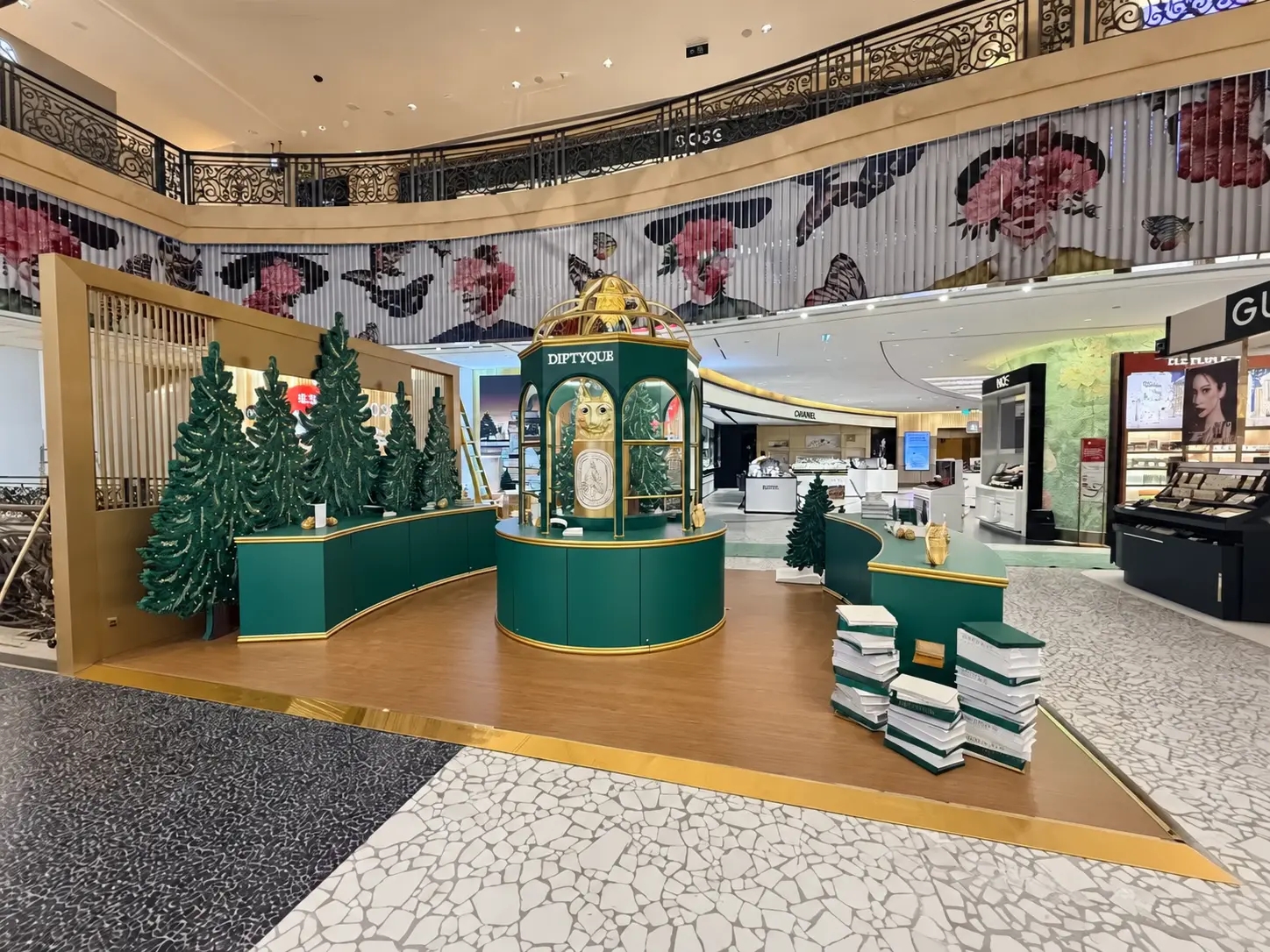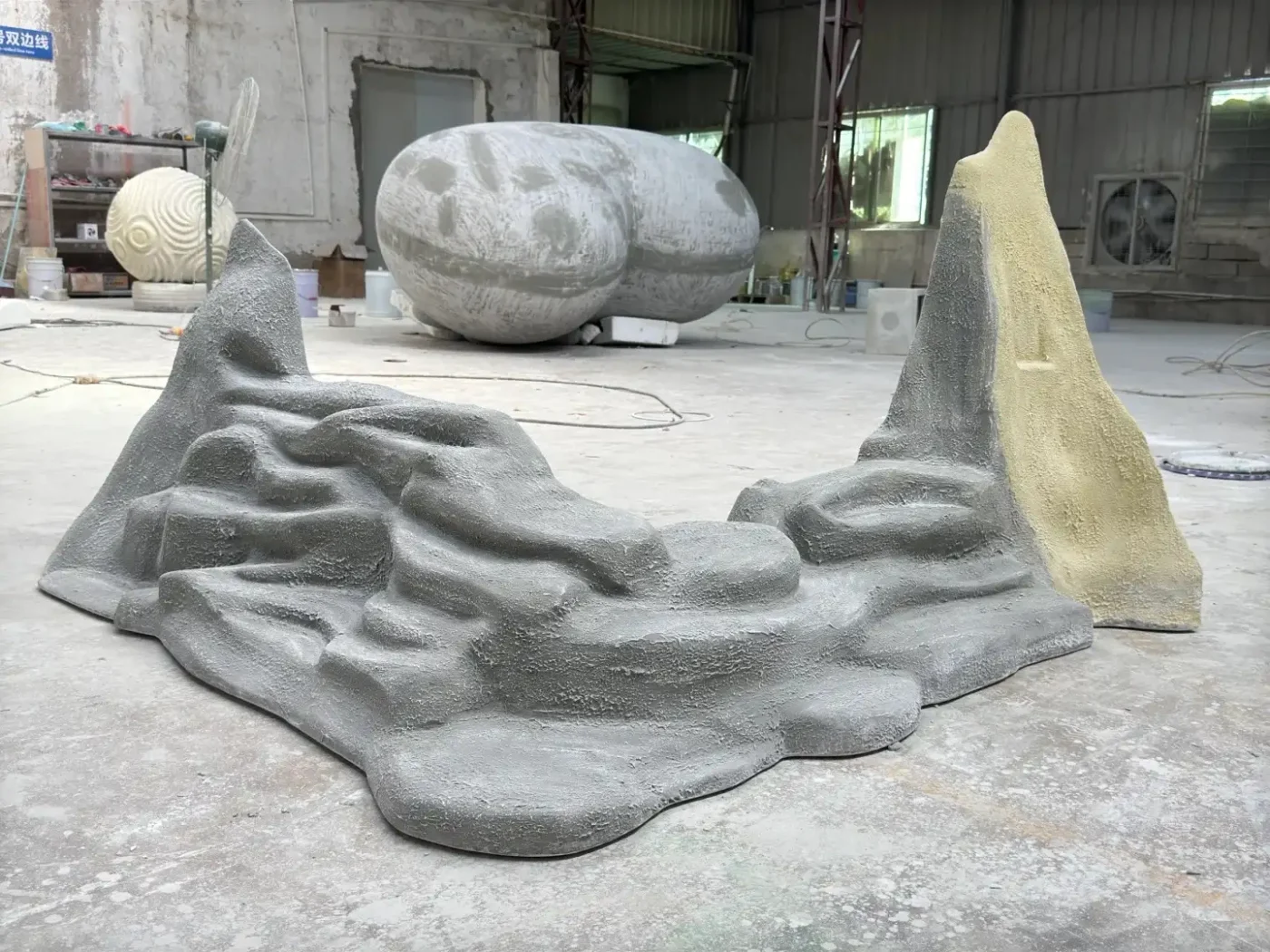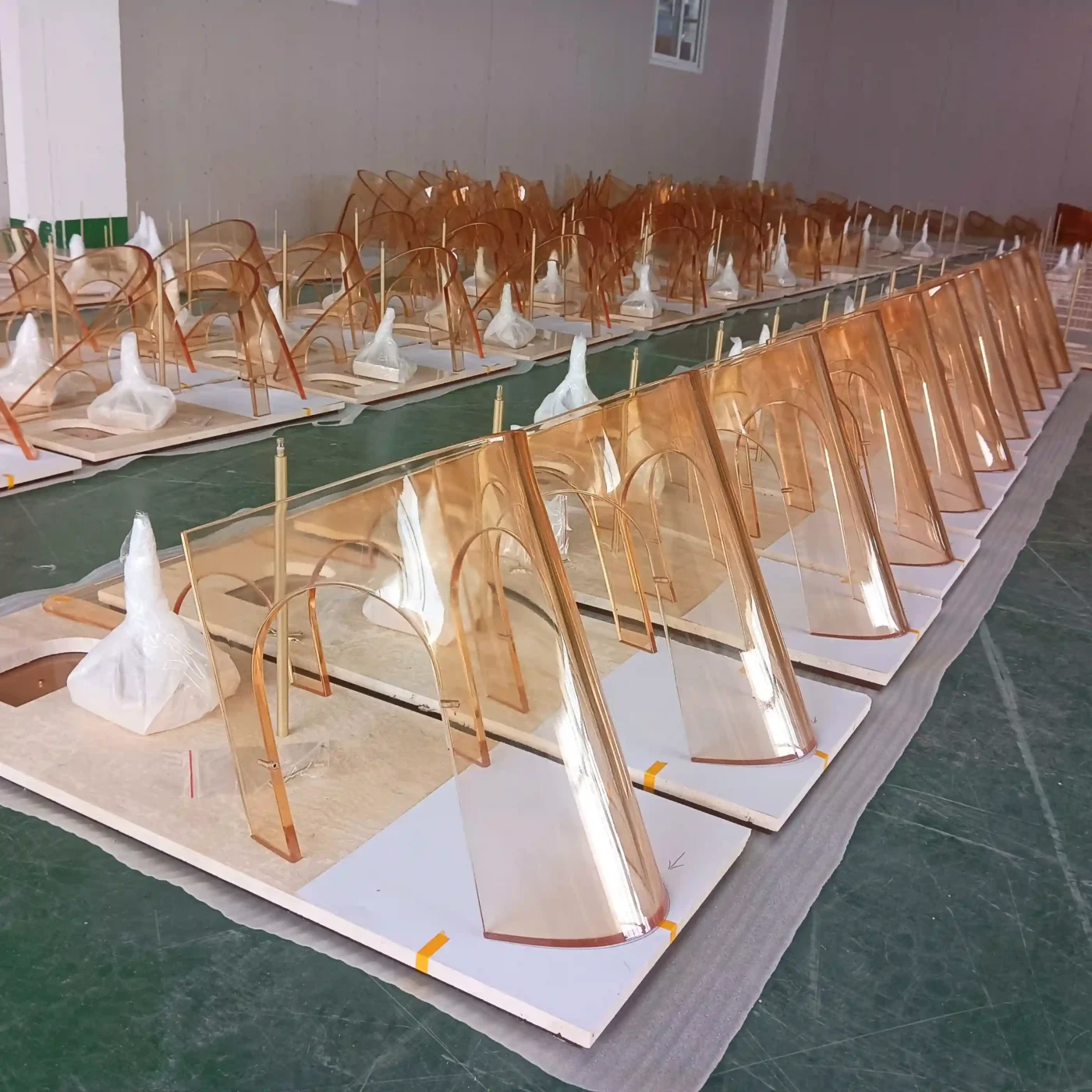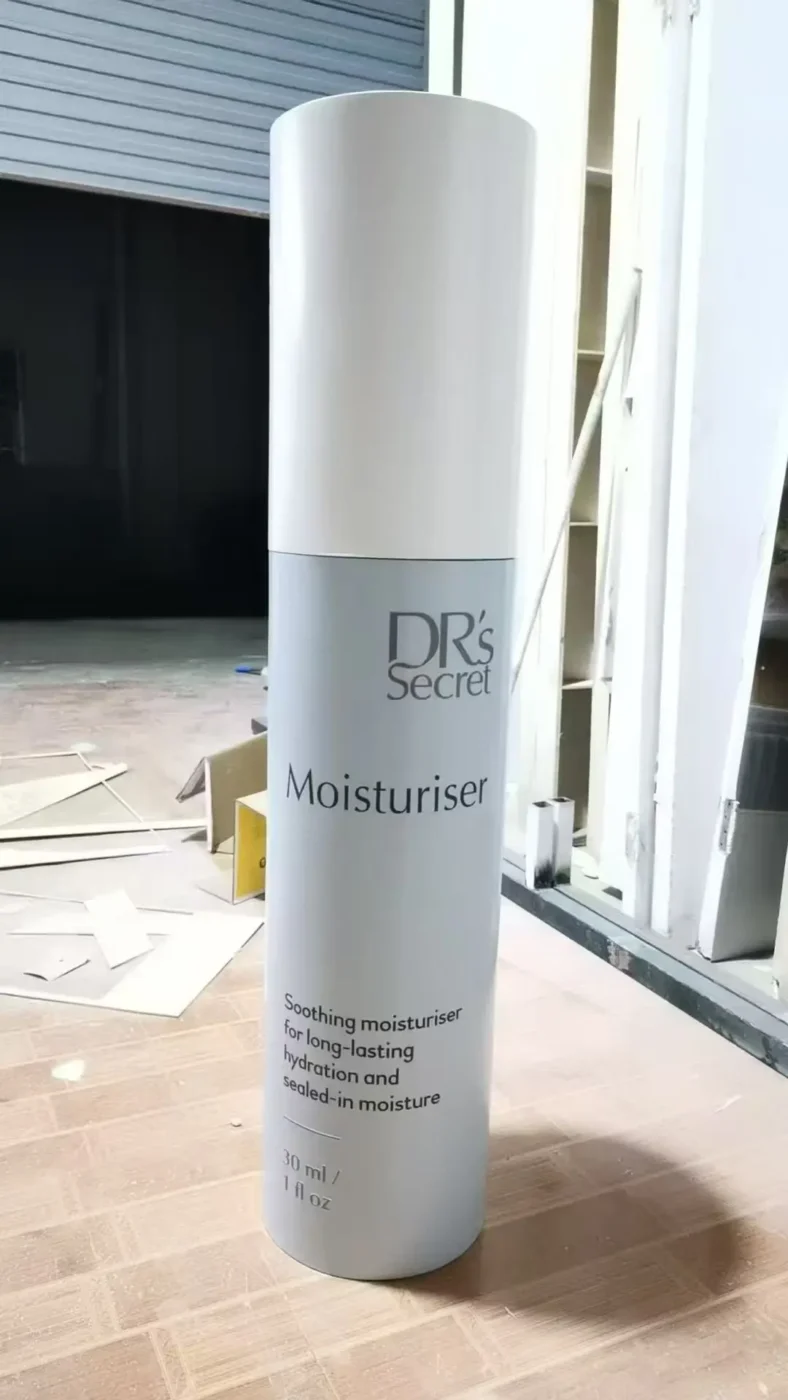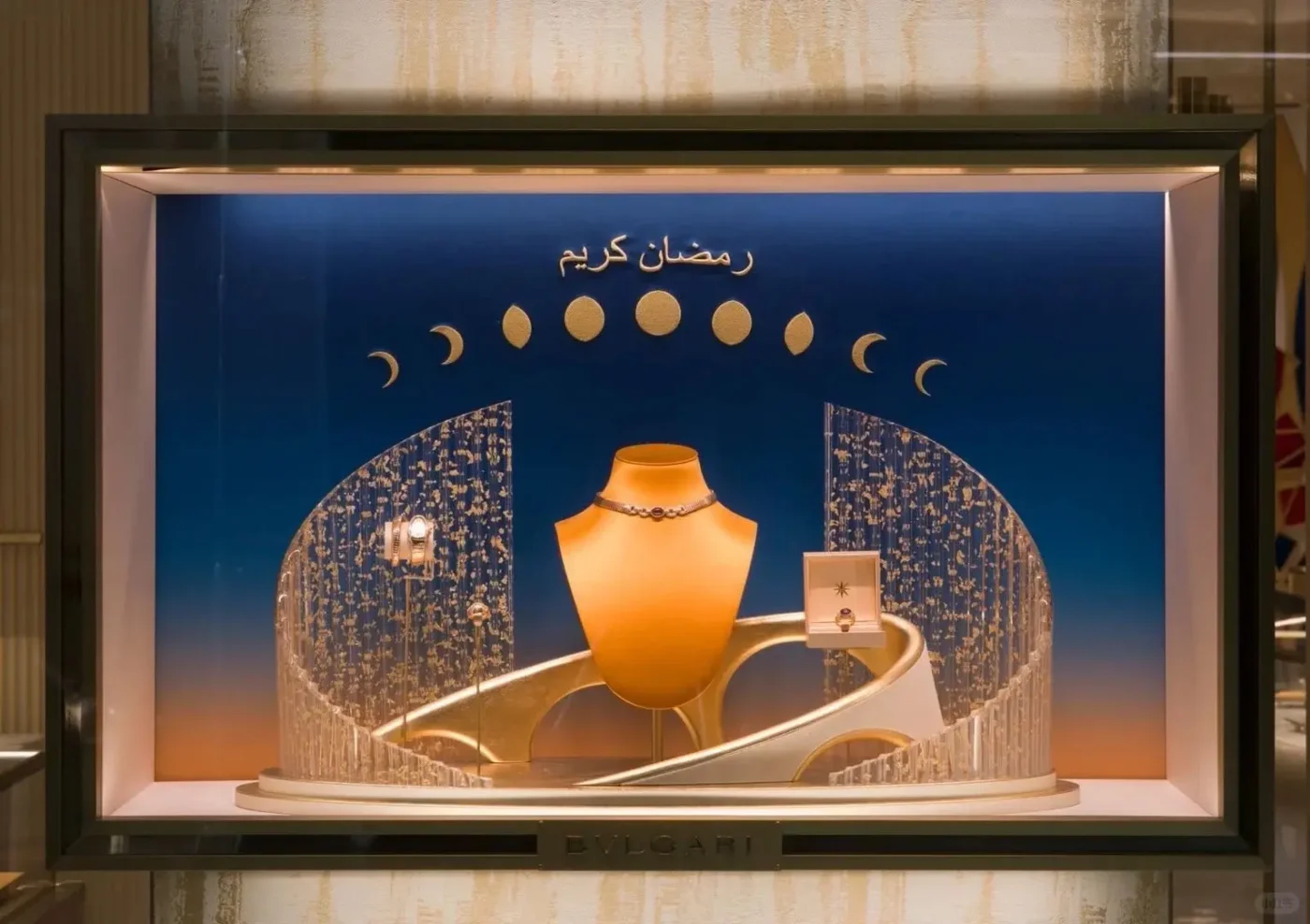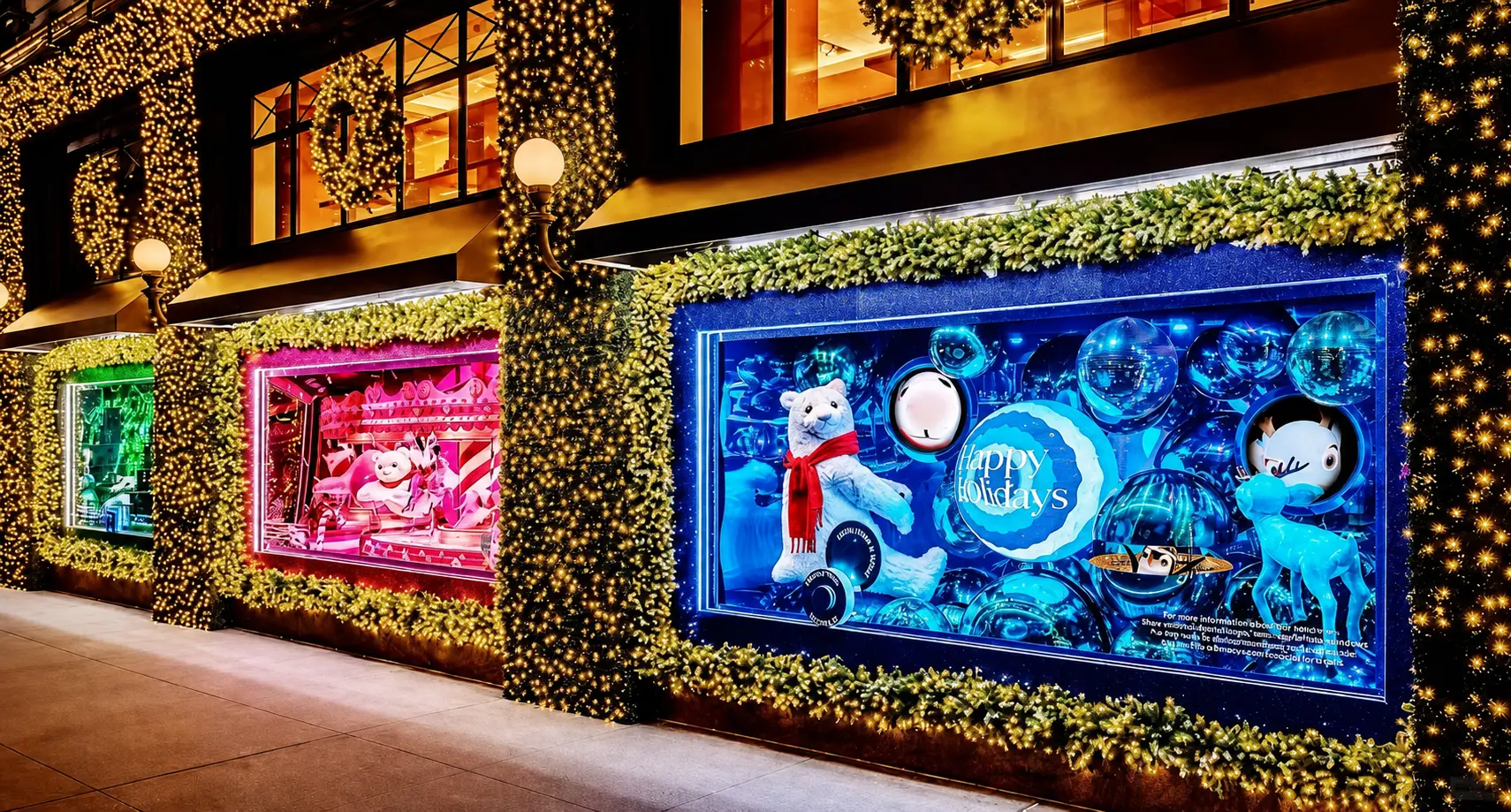
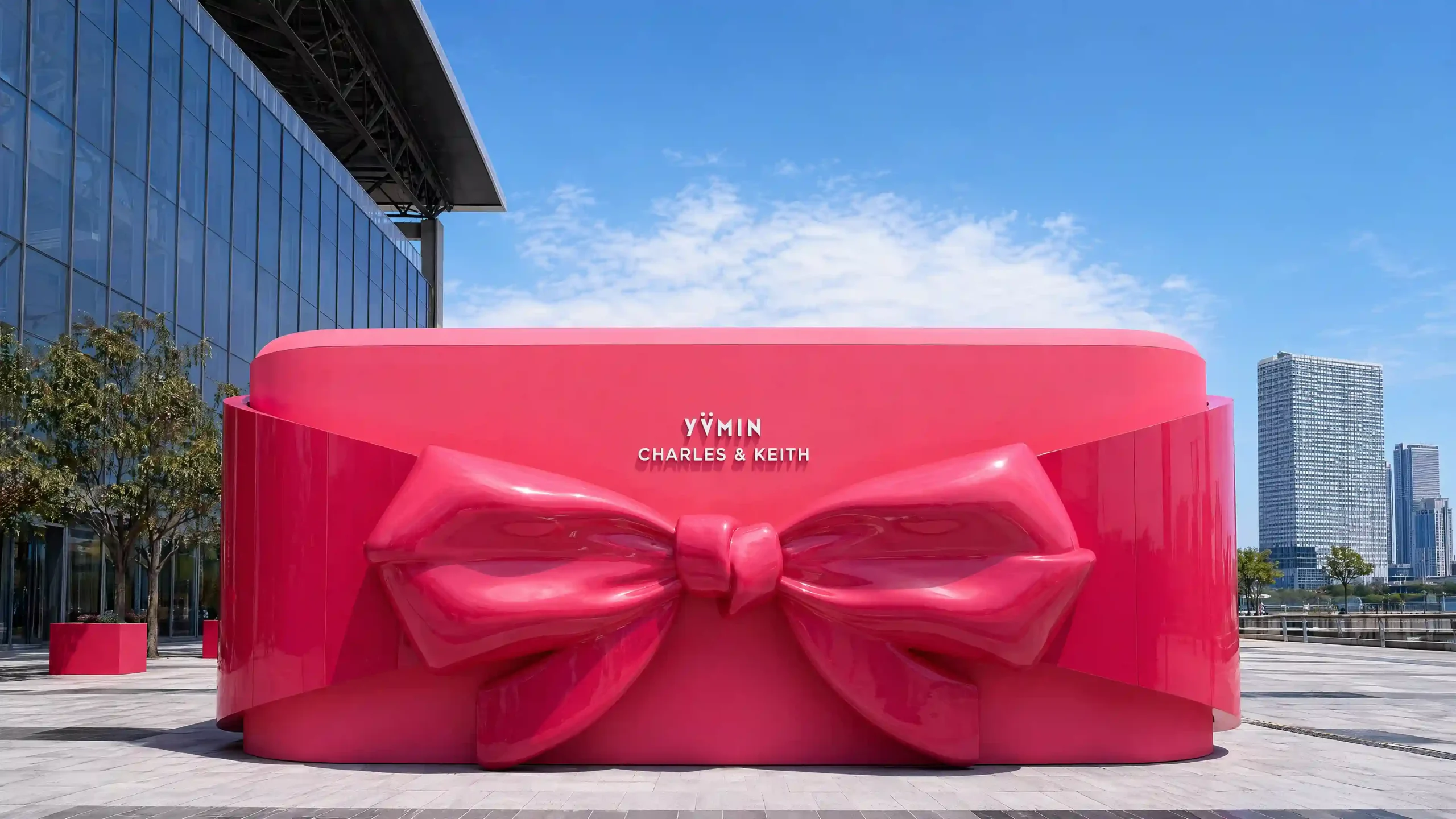
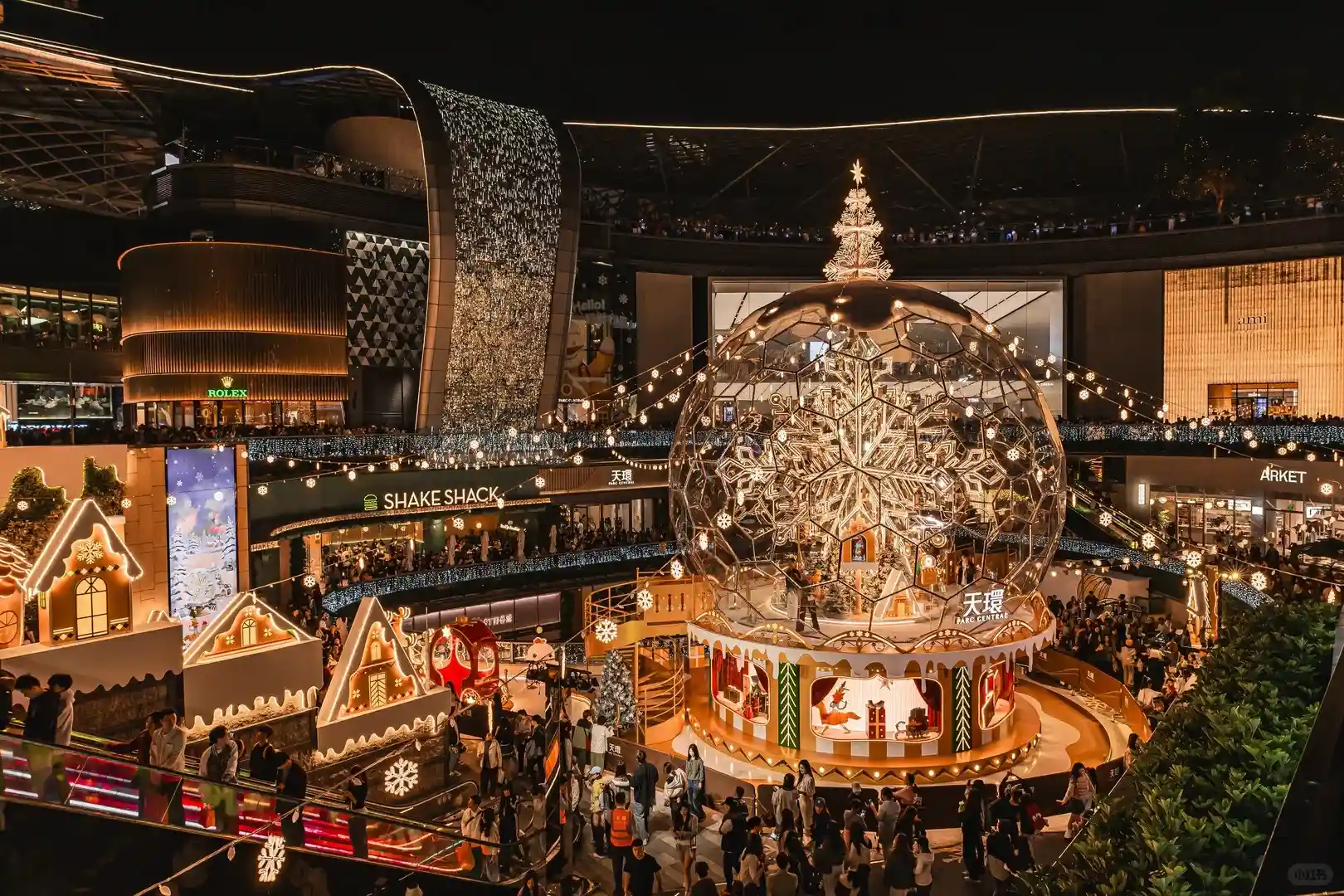
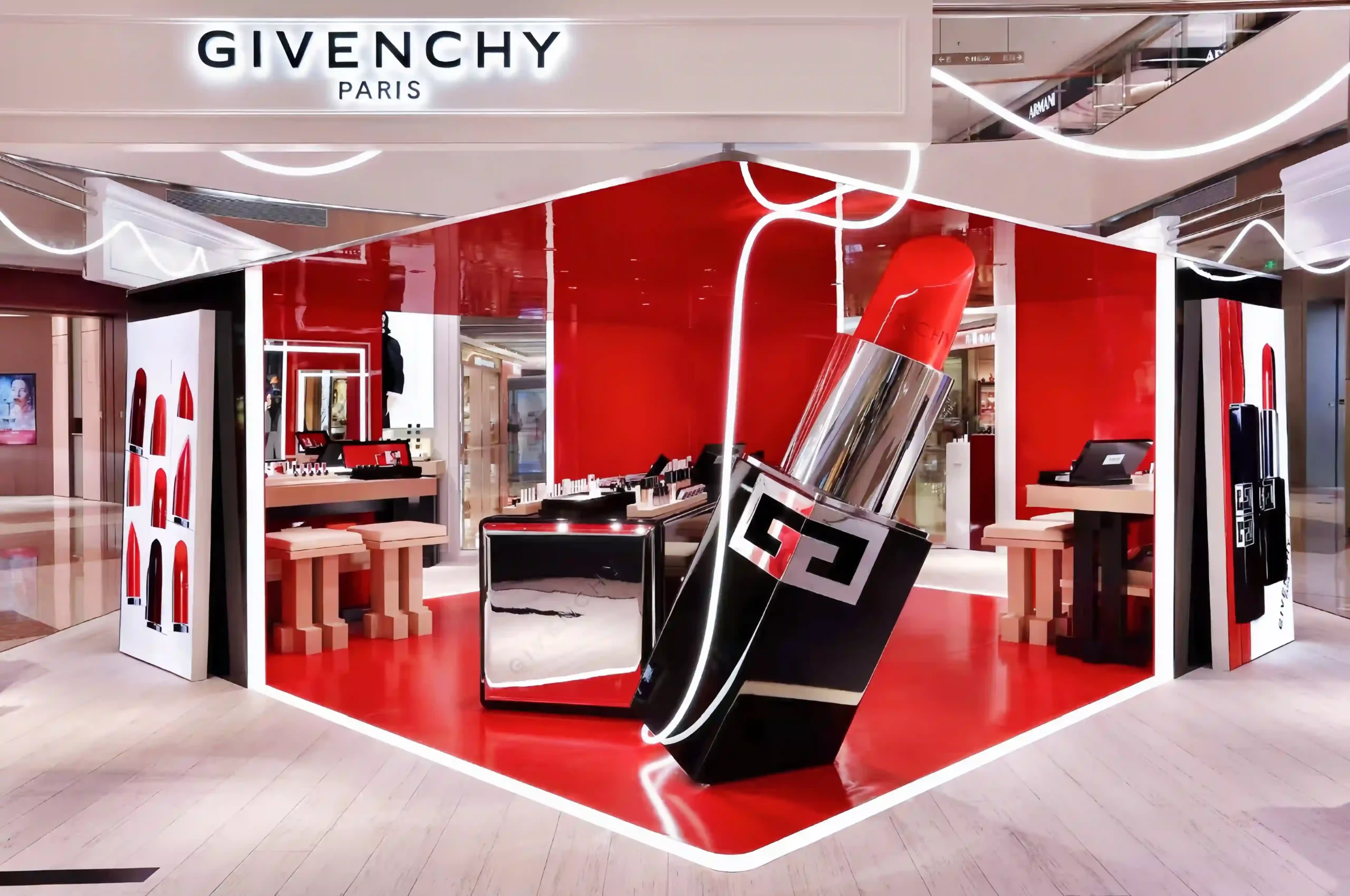
FRP stands for fiberglass reinforced plastic — a composite material made by combining glass fibers with resin. In display props manufacturing, FRP is one of the most widely used materials for creating large-scale sculptures, oversized product replicas and custom retail installations. It offers the sculptural freedom of hand-modeled forms with a fraction of the weight of solid materials, which is why it appears in luxury retail windows, shopping malls and exhibition spaces around the world.
At VM Display, FRP display props are among the most frequently requested formats in our production program, particularly for custom display props that need to be large, lightweight and shipped internationally.
Why Is FRP Used for Display Props?
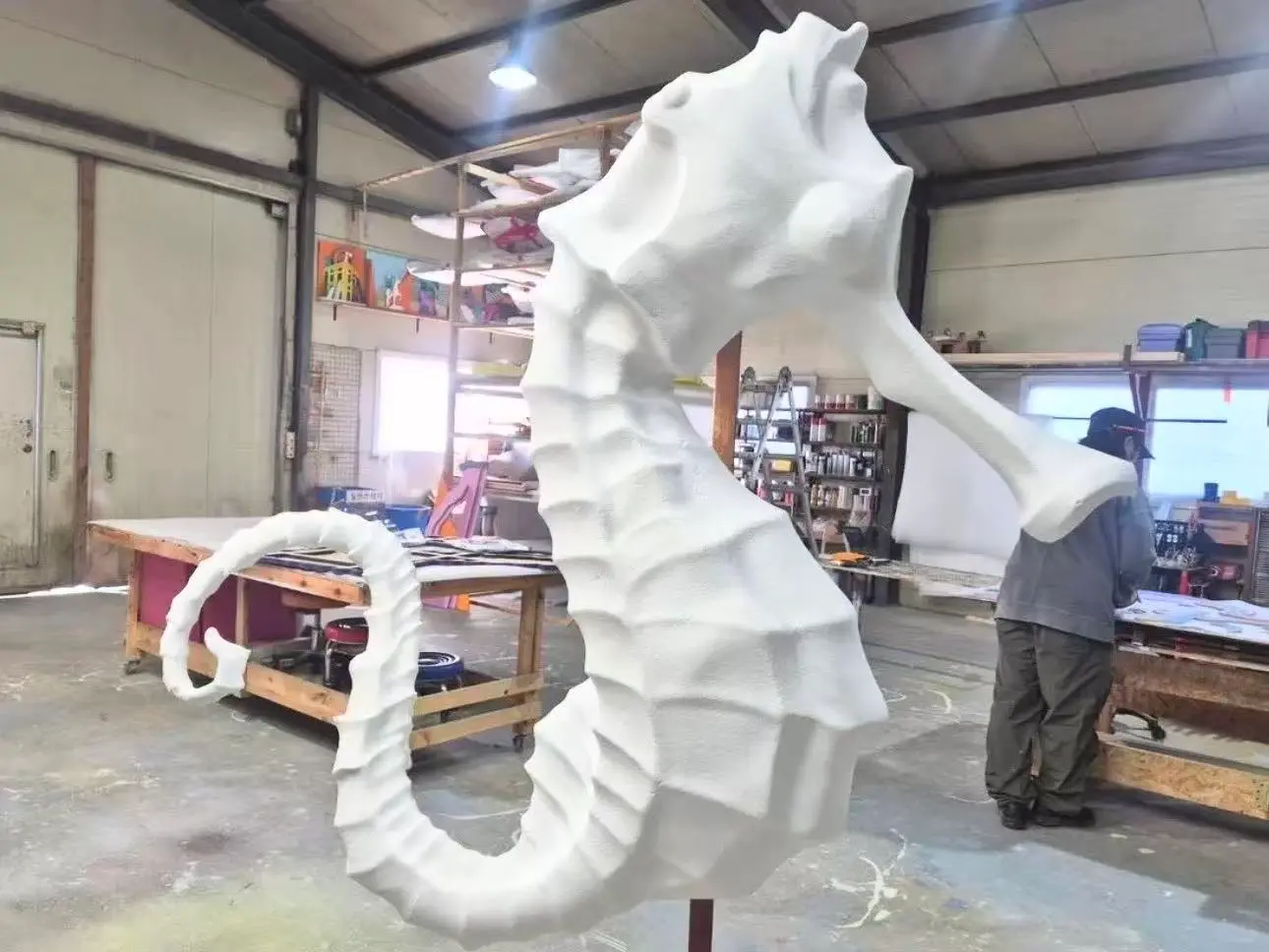
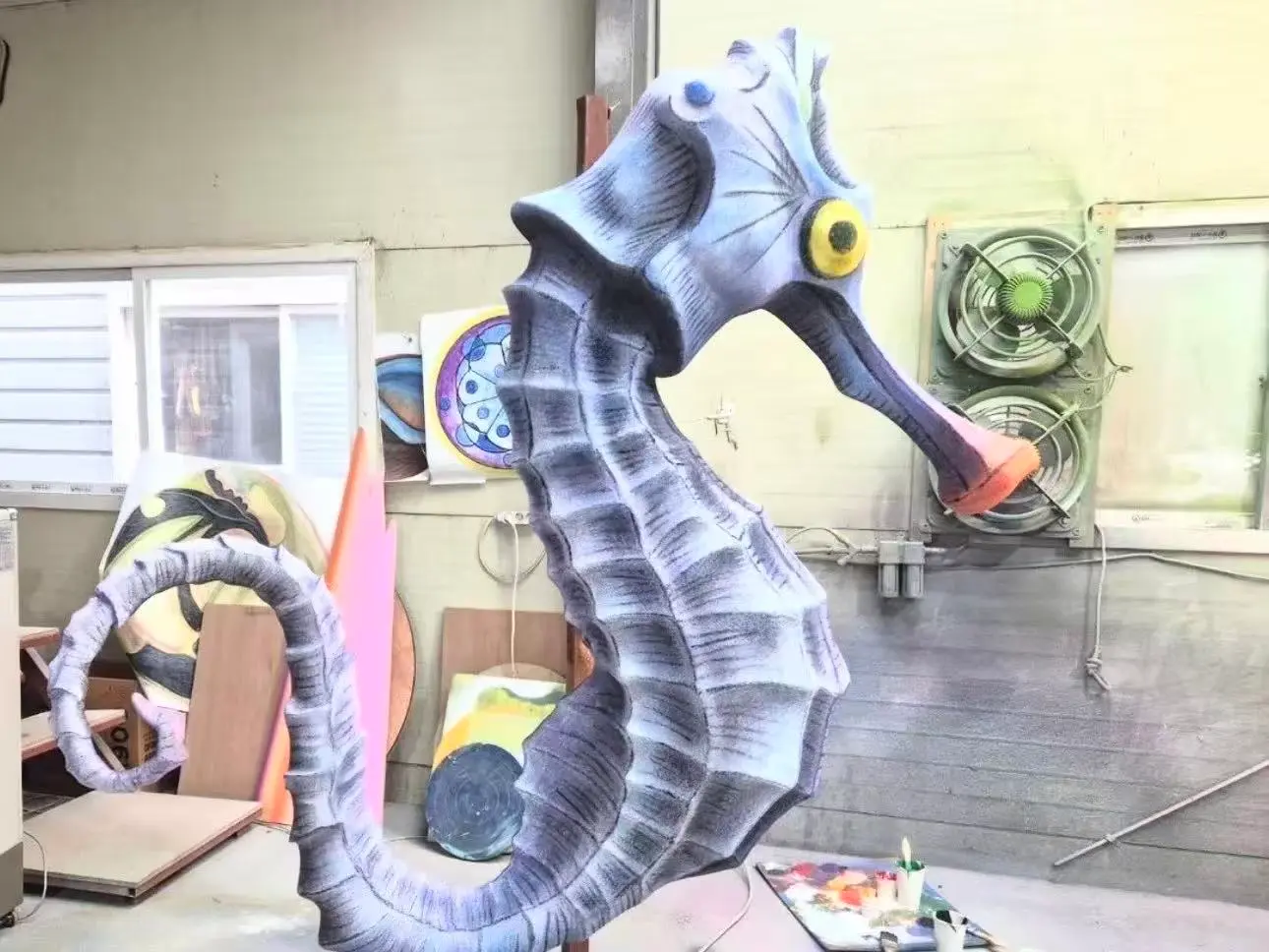
FRP is widely used because it can form complex curves, large sculptural shapes and lightweight display structures. The material is built up in layers inside a mold, which means almost any organic or geometric form can be reproduced — from a three-meter flower to an oversized handbag replica.
Compared with solid wood, stone or metal, FRP reduces weight dramatically while keeping enough structural strength for retail windows, shopping malls, pop-up stores and exhibition spaces. A sculptural form that would weigh several hundred kilograms in solid material can often be produced in FRP at a weight that two installers can handle safely.
FRP is especially useful when a prop needs to be:
- Large in scale but light enough for window installation
- Smooth-surfaced and ready for high-gloss paint, metallic or chrome-effect finishes
- Decorative and sculptural rather than structural
- Transported internationally without excessive freight cost
In practice, weight is often the deciding factor. Many of the oversized retail props we produce are destined for multi-store rollouts, where every kilogram saved is multiplied across dozens of shipments. For retail window display props in particular, FRP’s low weight also simplifies rigging, suspension and floor-loading considerations on site.
Common FRP Display Prop Applications
Oversized Product Replicas
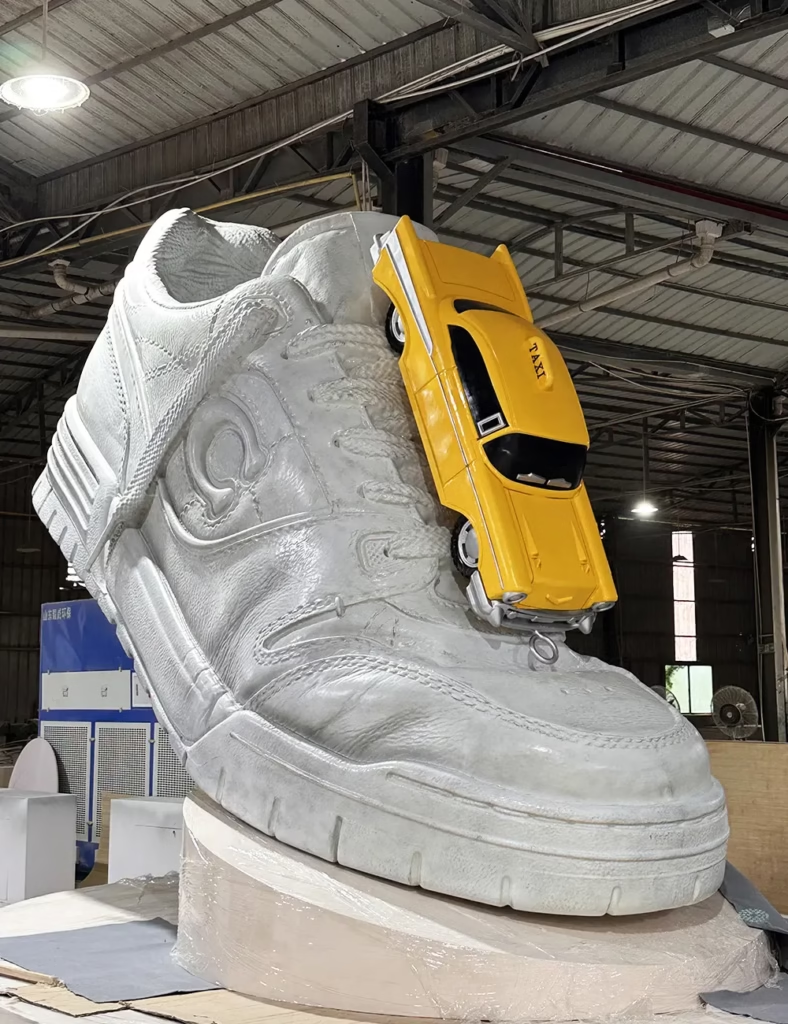
FRP can be used to create large-scale bottles, shoes, food replicas, ornaments, flowers, shells and brand symbols. Because the material starts from a mold, the same oversized product replicas can be reproduced consistently across an entire store network — a key requirement for global retail campaigns.
Sculptural Window Props
For storefront displays, FRP helps create dramatic shapes that are visible from the street while remaining light enough for installation. Curved, flowing and organic forms that would be difficult to achieve in wood or metal are straightforward in FRP, which is why sculptural window props in this material appear so often in flagship windows.
Festive and Seasonal Props
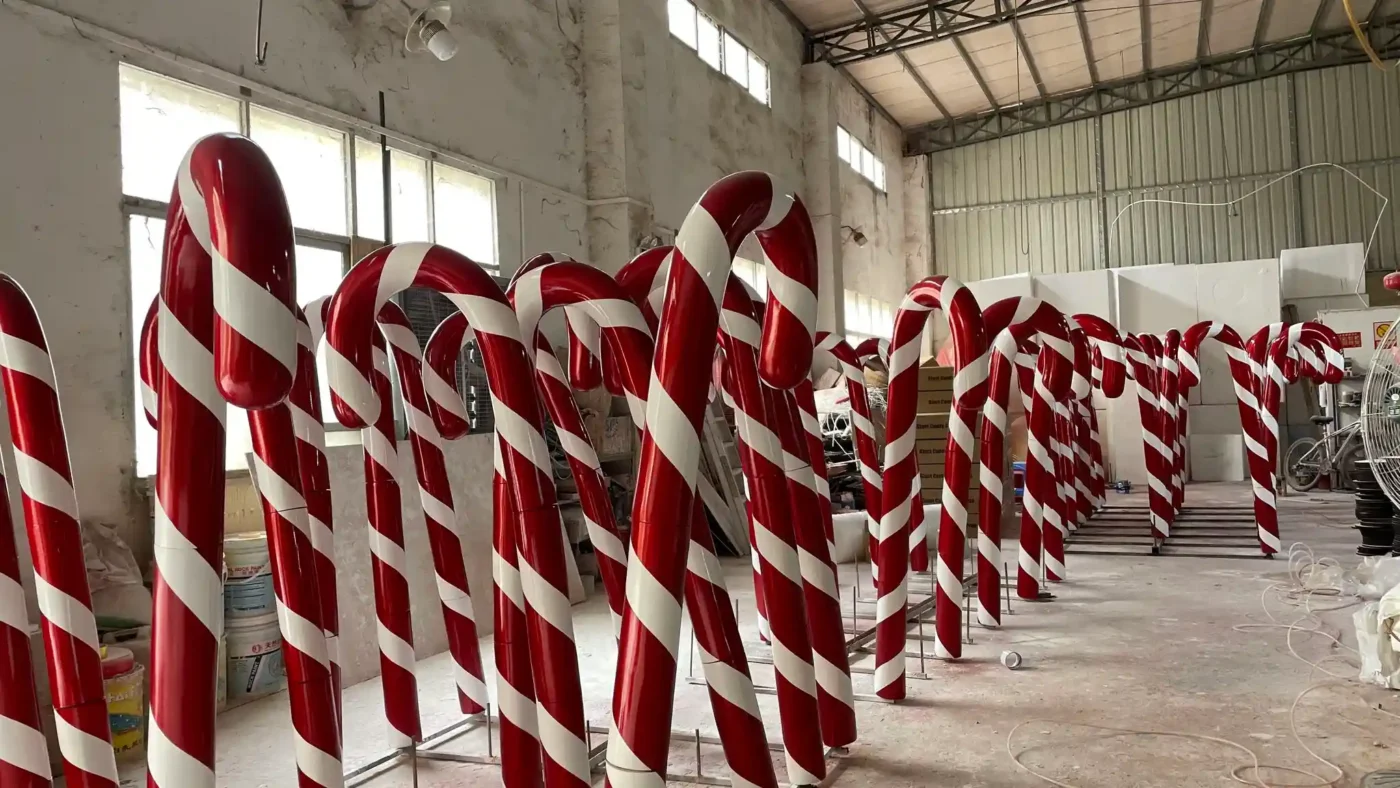
FRP is well suited to Christmas ornaments, holiday characters, giant baubles, themed figures and mall decorations. Seasonal programs benefit from FRP’s durability: Christmas display props made in FRP can be stored and reused across multiple seasons without losing their finish.
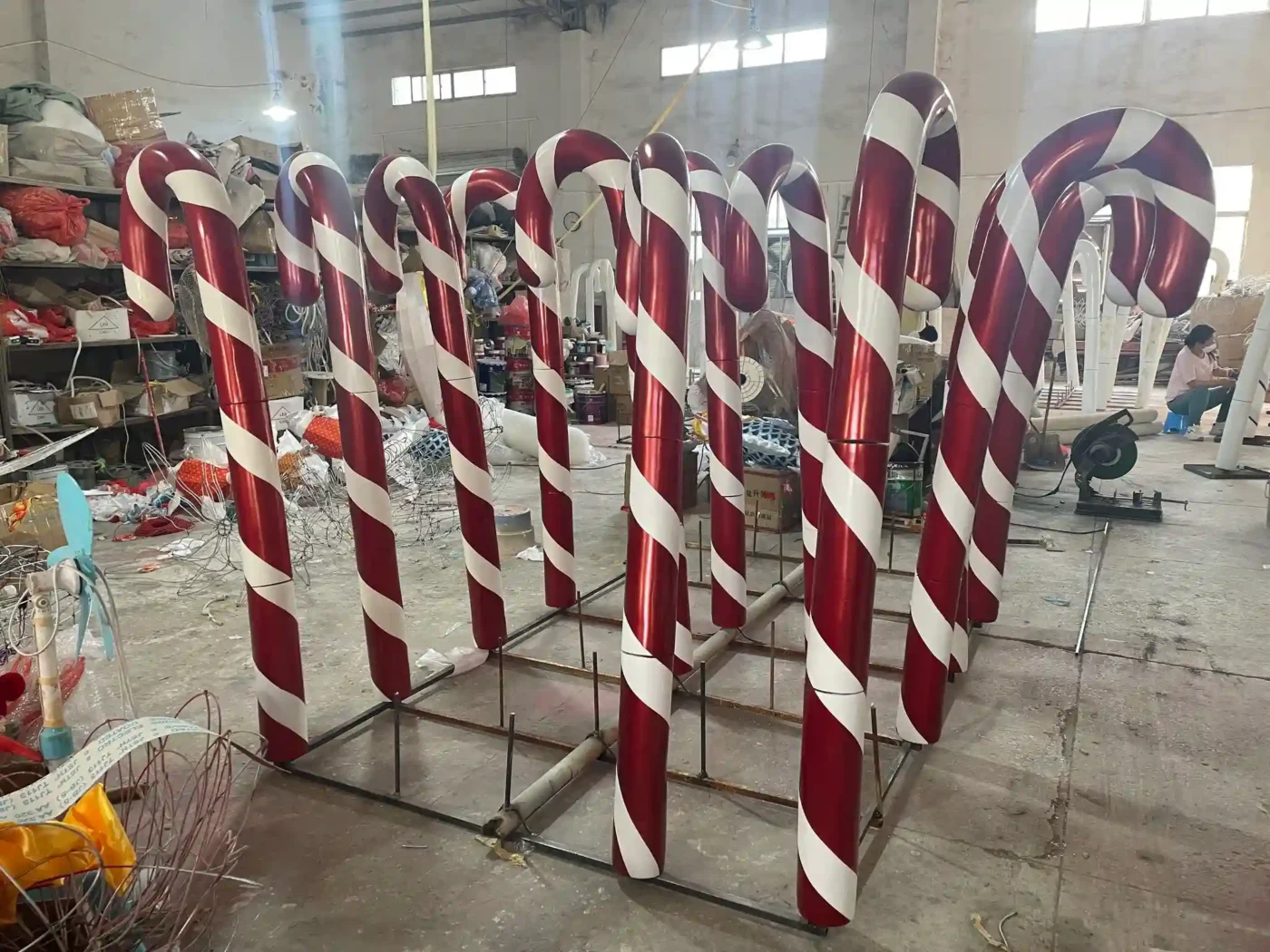
How Are FRP Display Props Made?
The process usually begins with a 3D model, clay model, foam master or CNC-carved form. This master defines the final shape, so surface quality at this stage directly determines the quality of the finished prop.
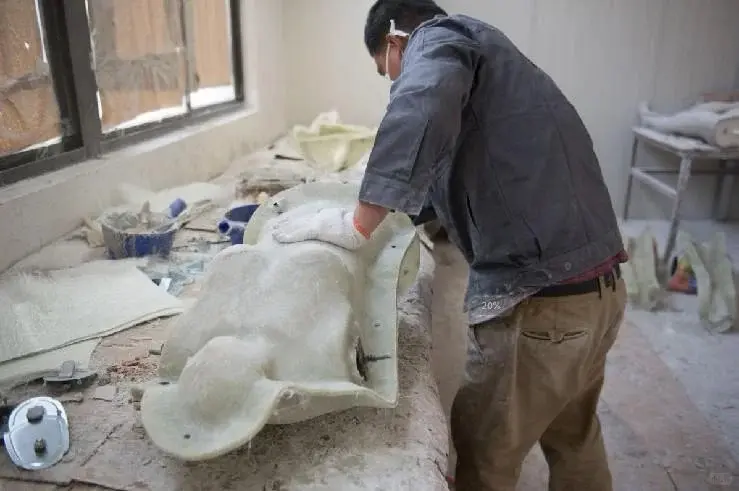
A mold is then created from the master, and fiberglass layers are combined with resin inside the mold. Each layer is laminated by hand, allowing the fabricator to add thickness and reinforcement exactly where the form needs strength — around mounting points, thin edges or load-bearing sections.
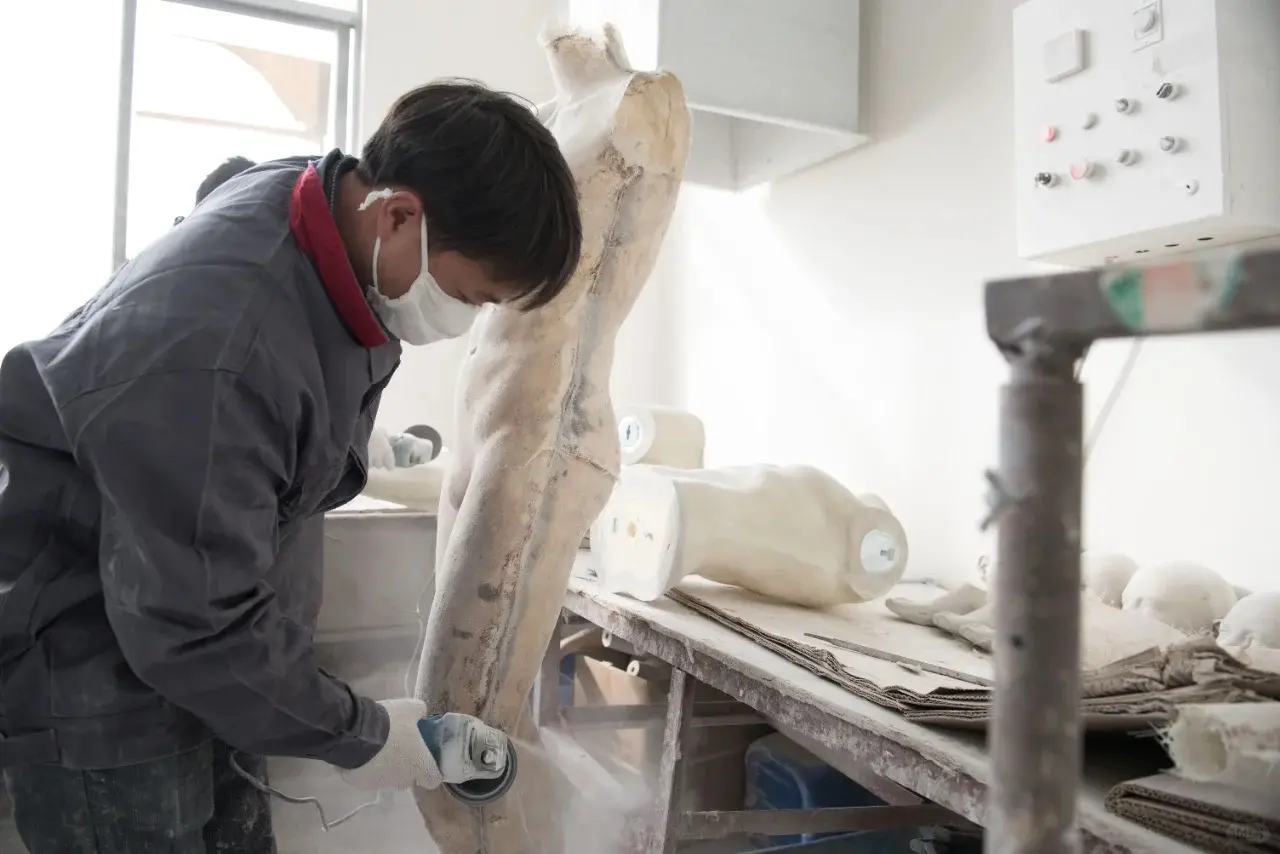
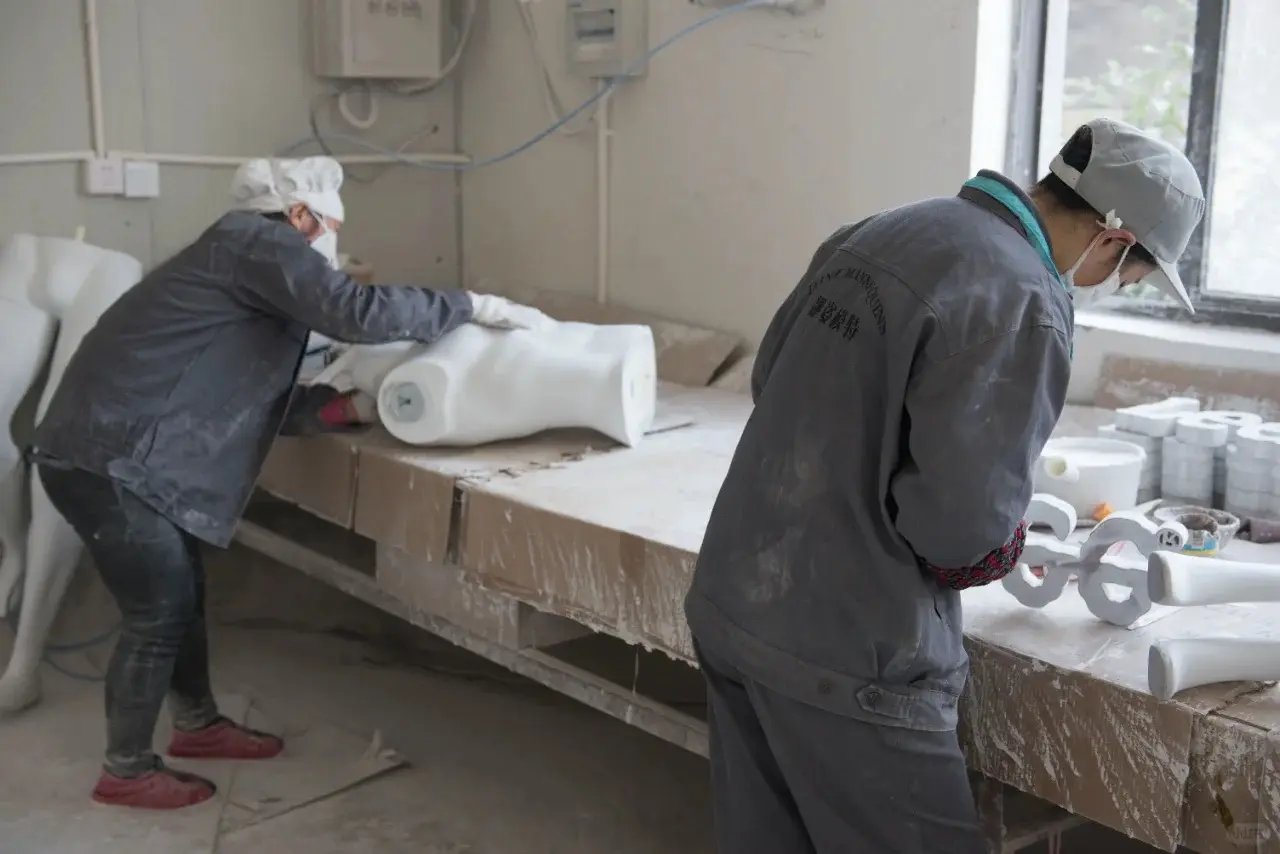
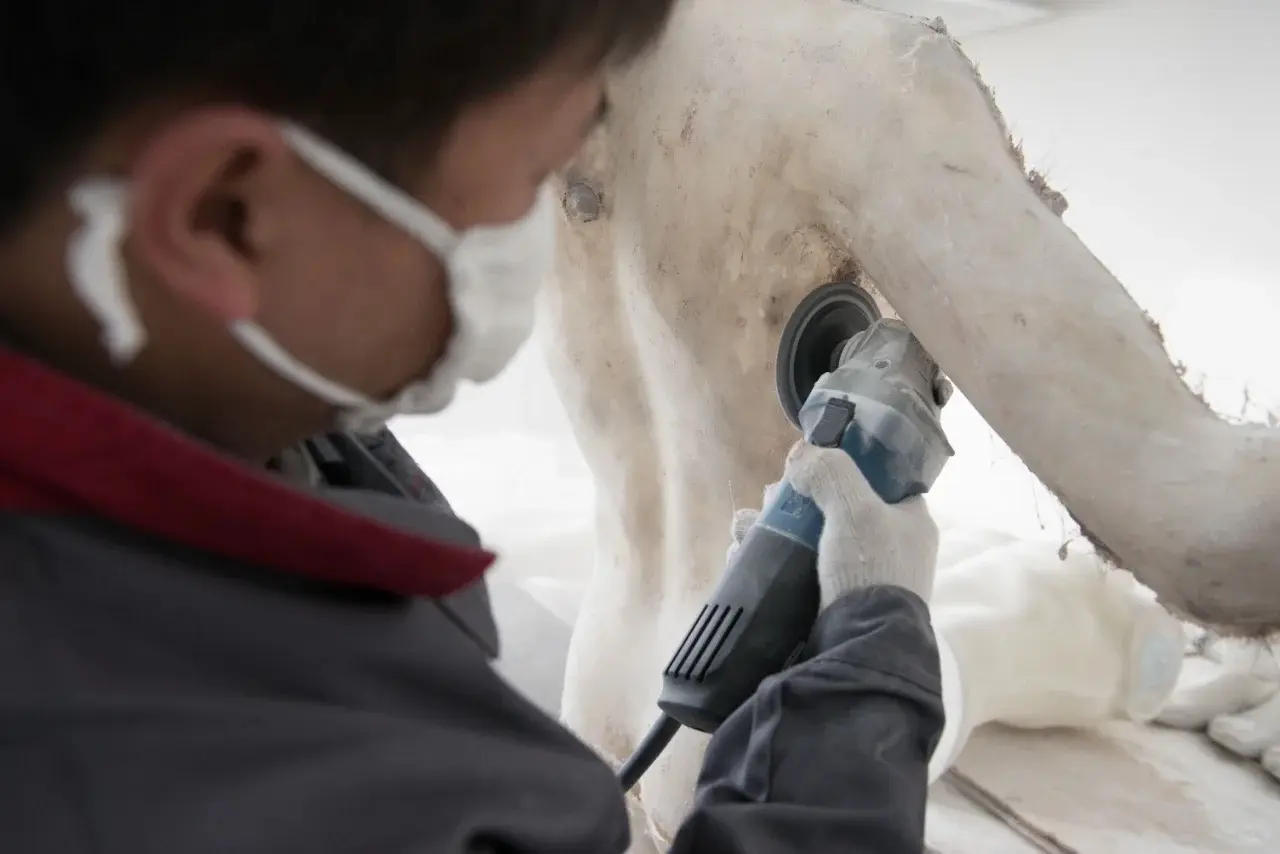
After curing, the FRP shell is removed from the mold, trimmed, sanded, reinforced and prepared for finishing. Finishing typically involves multiple rounds of filling and sanding before primer and paint, since retail-grade props are inspected at close range and any surface imperfection will show under store lighting.
For projects that begin as sketches or renders, 3D modeling for display props is usually the first production step, translating the design into a millable or printable master. FRP is one of several routes within display props manufacturing, and it is often combined with metal armatures, acrylic elements or printed graphics in a single installation.
Advantages and Limitations of FRP
FRP is strong, lightweight, moldable and suitable for large decorative forms. It supports smooth surfaces and premium finishes, including high-gloss lacquer, metallic paint and chrome-effect coatings. Once a mold exists, repeat units can be produced efficiently, which favors multi-store programs.
However, FRP has limits. It requires skilled mold making, sanding and finishing — the labor in an FRP prop is largely in surface preparation, not the lamination itself. For very small transparent parts, acrylic may be the better choice. For thin structural frames or load-bearing elements, metal is usually more suitable.
A practical comparison of these three materials, including cost and lead-time considerations, is covered in our guide to FRP vs acrylic vs metal display props.
Frequently Asked Questions
What does FRP stand for in display props?
FRP stands for fiberglass reinforced plastic, a composite of glass fibers and resin. In visual merchandising it is the standard material for large sculptural props, oversized replicas and lightweight decorative forms.
How long do FRP display props last?
With proper handling and storage, FRP props typically last several years and multiple campaign cycles. The gelcoat or painted surface protects the laminate, and damaged finishes can usually be repaired and repainted rather than replaced.
Can FRP props be shipped internationally?
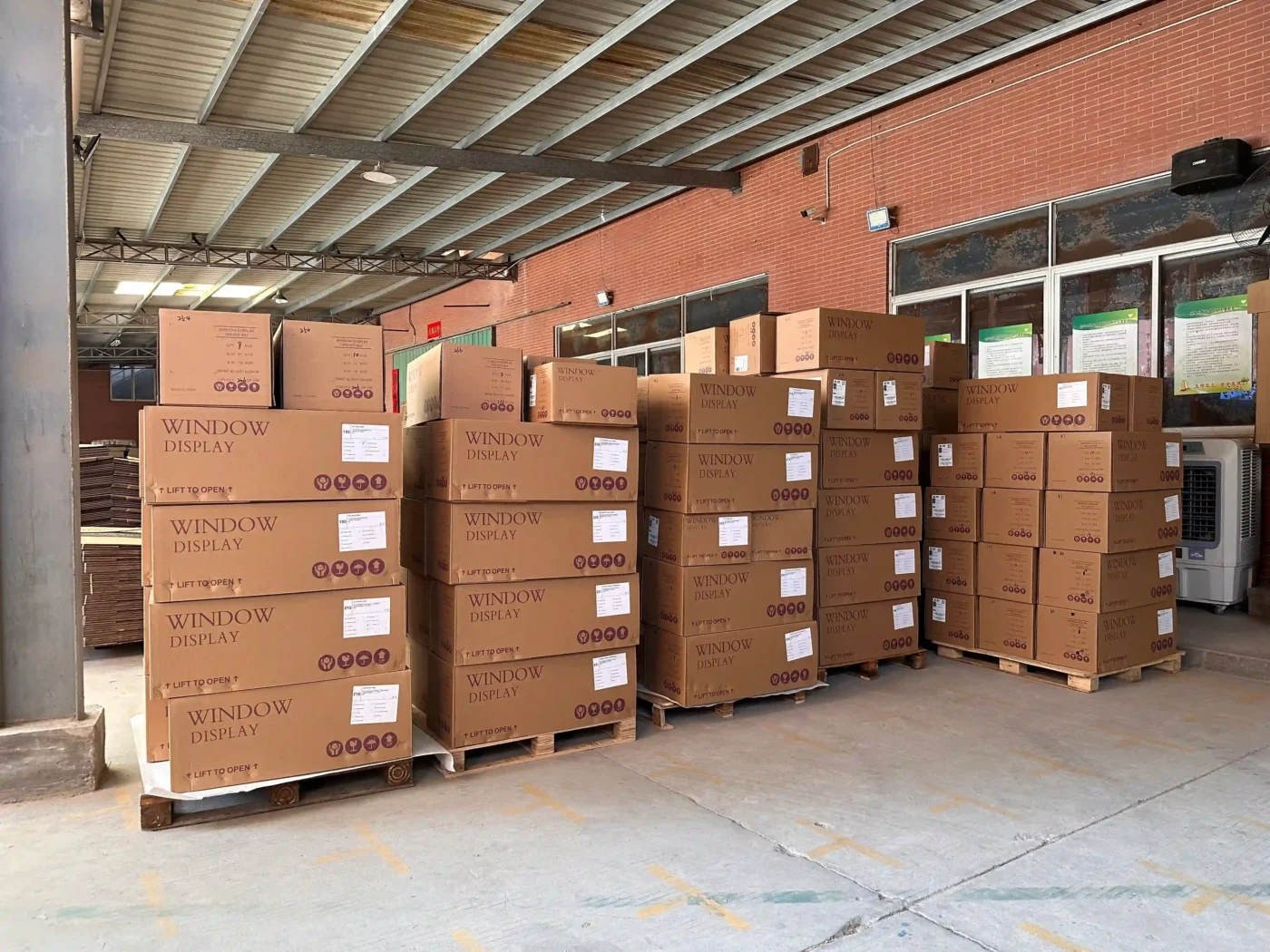
Yes. Low weight is one of FRP’s main advantages for international freight. Large props are often designed in sections with internal fixing points so they can be crated efficiently and assembled on site.
What finishes can be applied to FRP props?
FRP accepts almost any paint system, including matte and high-gloss lacquer, metallic and pearlescent paint, chrome-effect coatings, flocking and faux-stone textures. The smooth molded surface makes it a strong base for premium finishes.
Need Custom FRP Display Props?
If your retail campaign needs oversized sculptures, product replicas or lightweight sculptural forms, VM Display can help develop FRP props from sketches, renders or reference images — from mold making through finishing and international delivery.
You can request a custom display props quote with your design references, or see custom VM projects we have produced for retail brands worldwide.