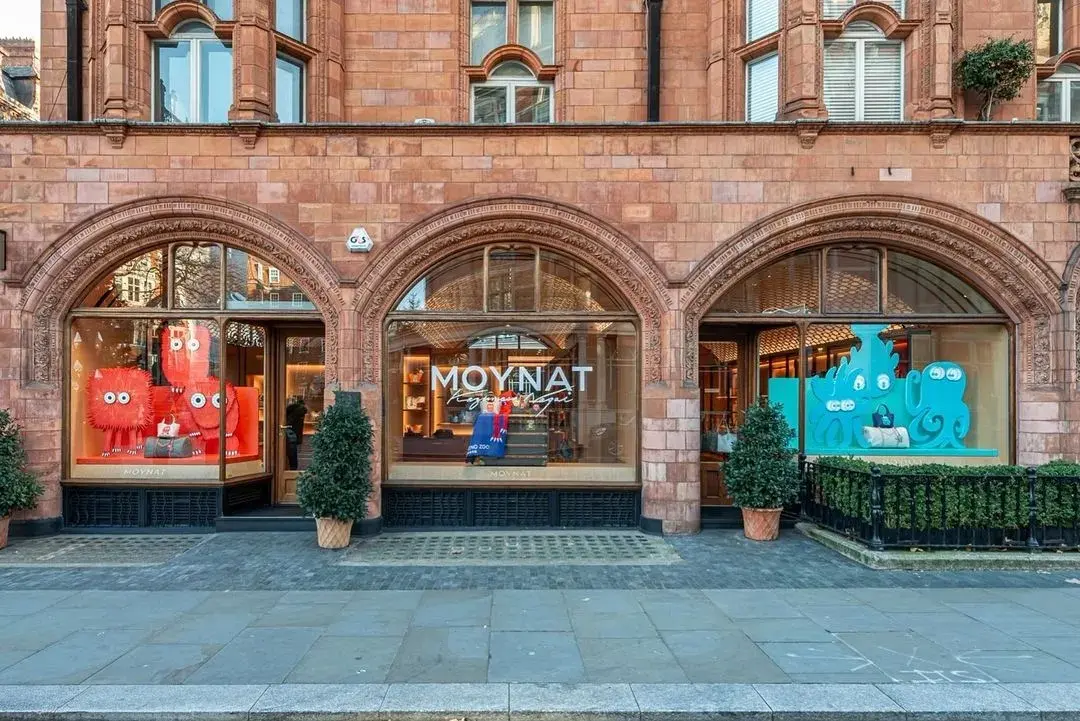
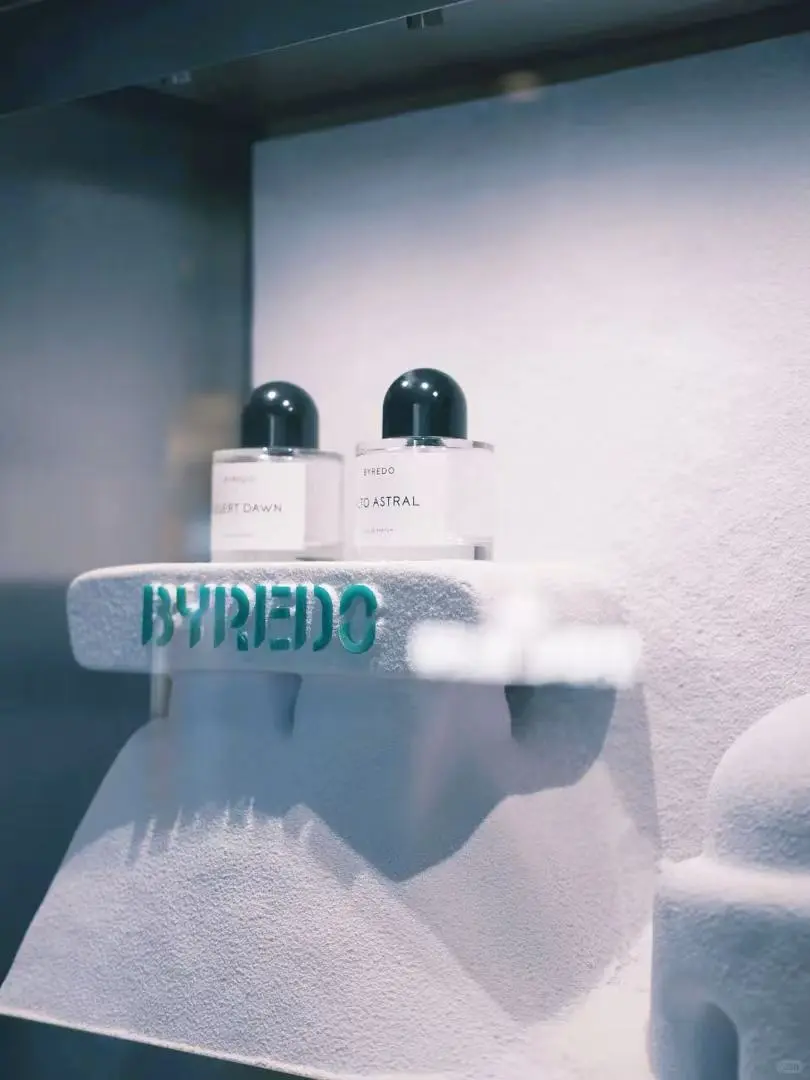
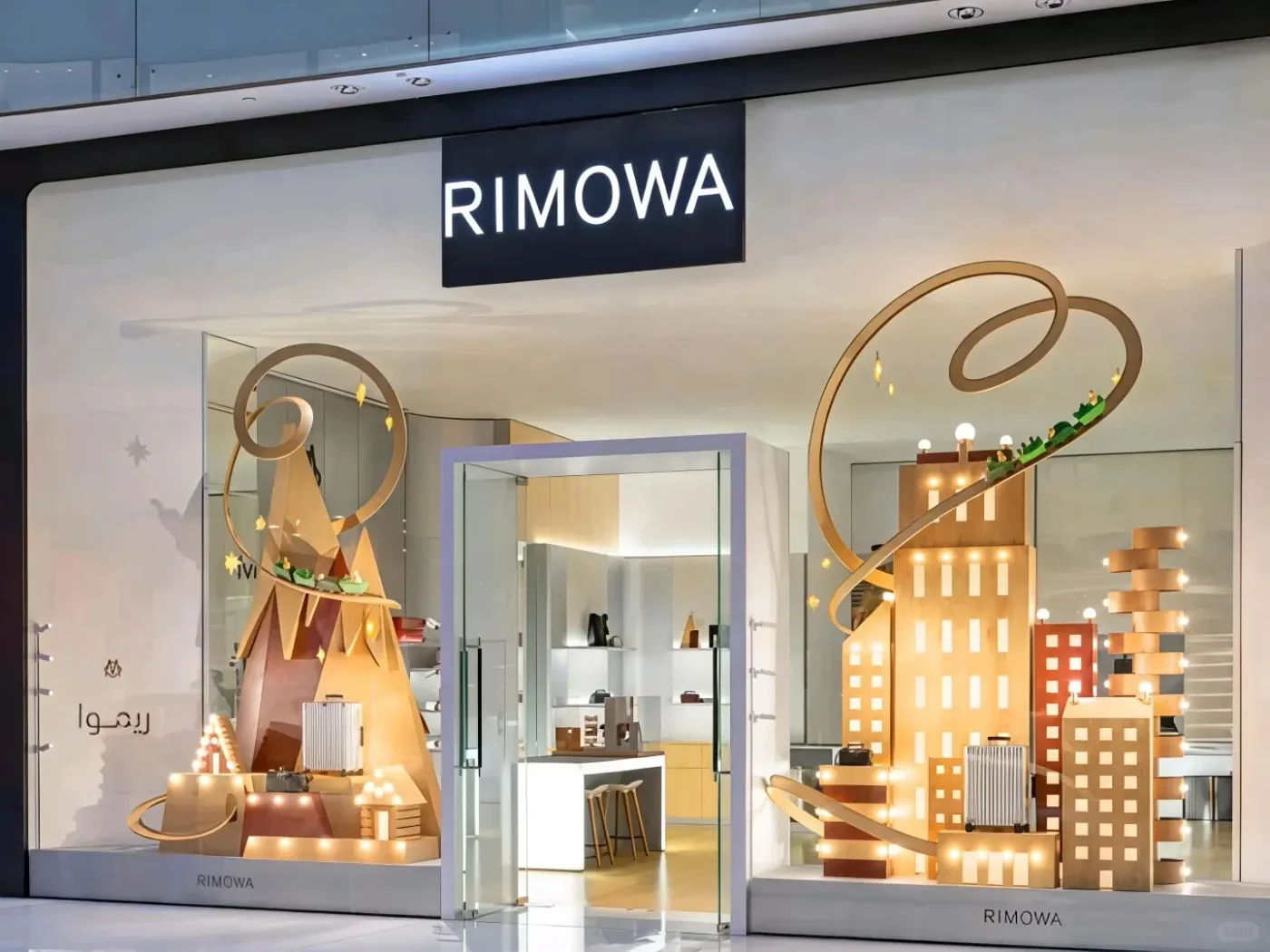
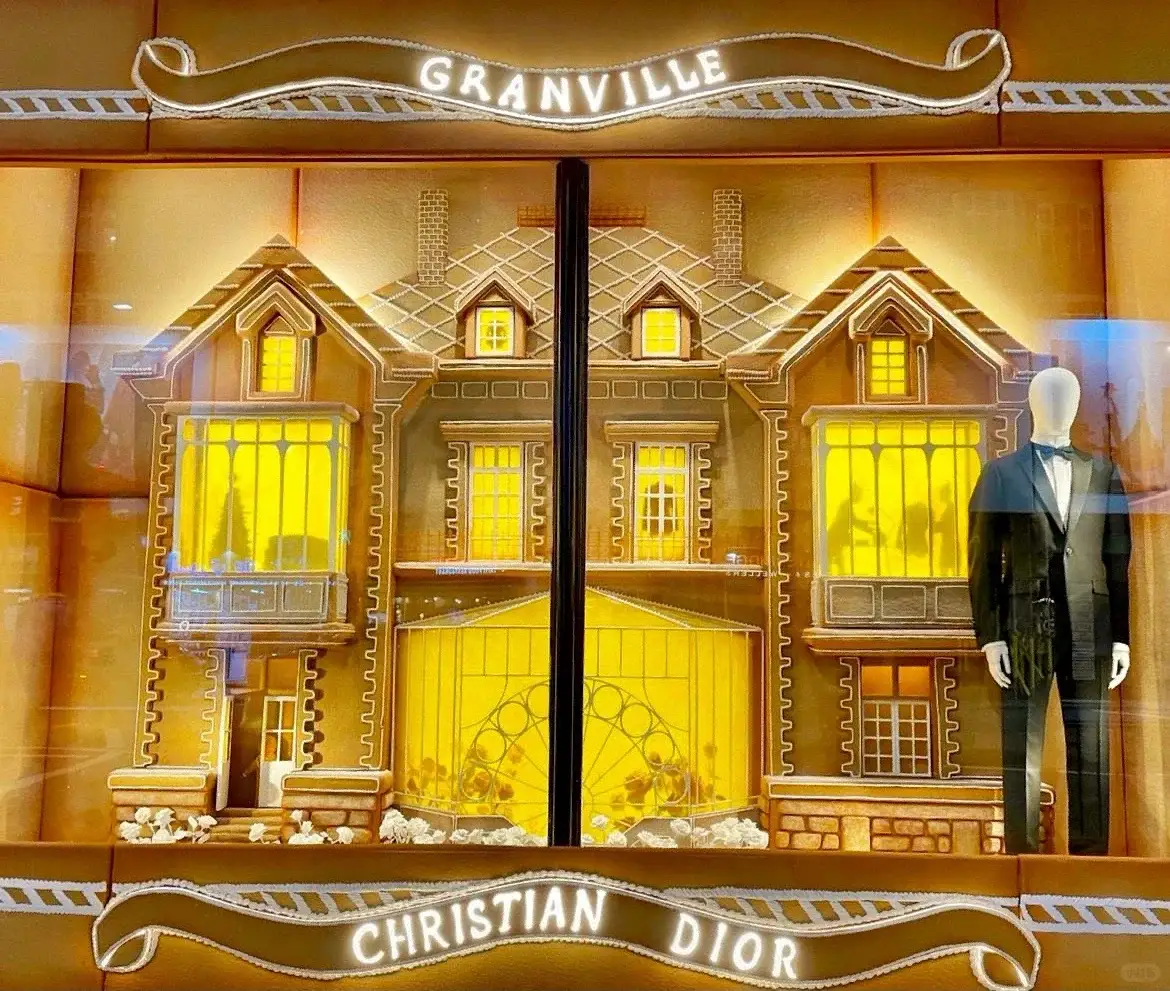
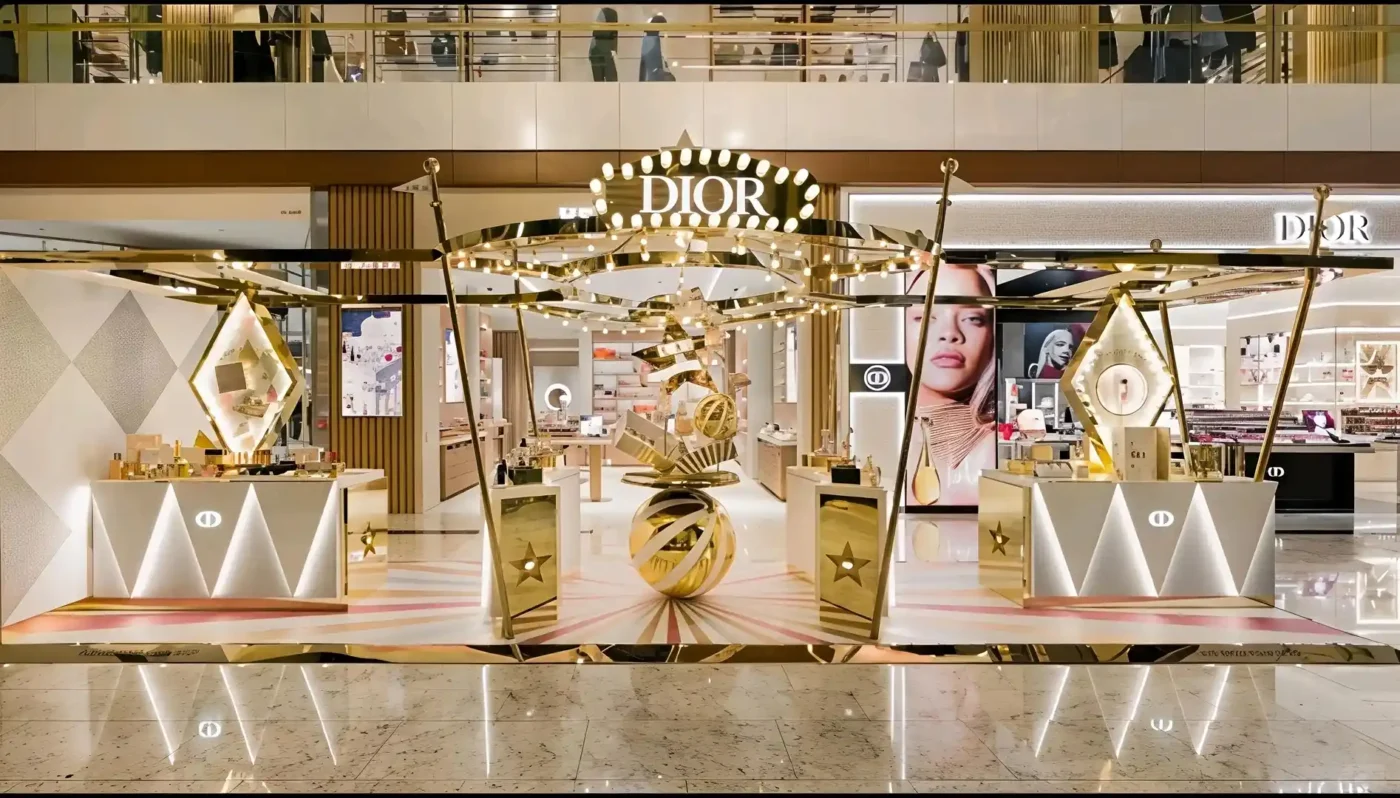
Display props are custom-made physical objects used in retail spaces, store windows, pop-up displays, events and brand installations to support visual merchandising. They help present a product story, create seasonal atmosphere, guide customer attention and make a retail campaign easier to remember.
For luxury and premium retail brands, display props are usually produced as bespoke pieces rather than standard decorations. A single prop may be a fiberglass sculpture, an acrylic logo sign, a metal fixture, a wooden plinth, a holiday ornament, an oversized product replica or a complete visual merchandising installation.
What Are Display Props Used For?
Display props are used to make retail spaces more expressive and easier to understand. In a store window, they create the first visual impression before a customer enters the shop. In a pop-up store, they help build a temporary but memorable brand environment. In product launch areas, they highlight a hero product, campaign theme or seasonal message.
Common uses include window displays, in-store product storytelling, pop-up retail spaces, holiday campaigns, mall installations, exhibition booths and branded photo moments.
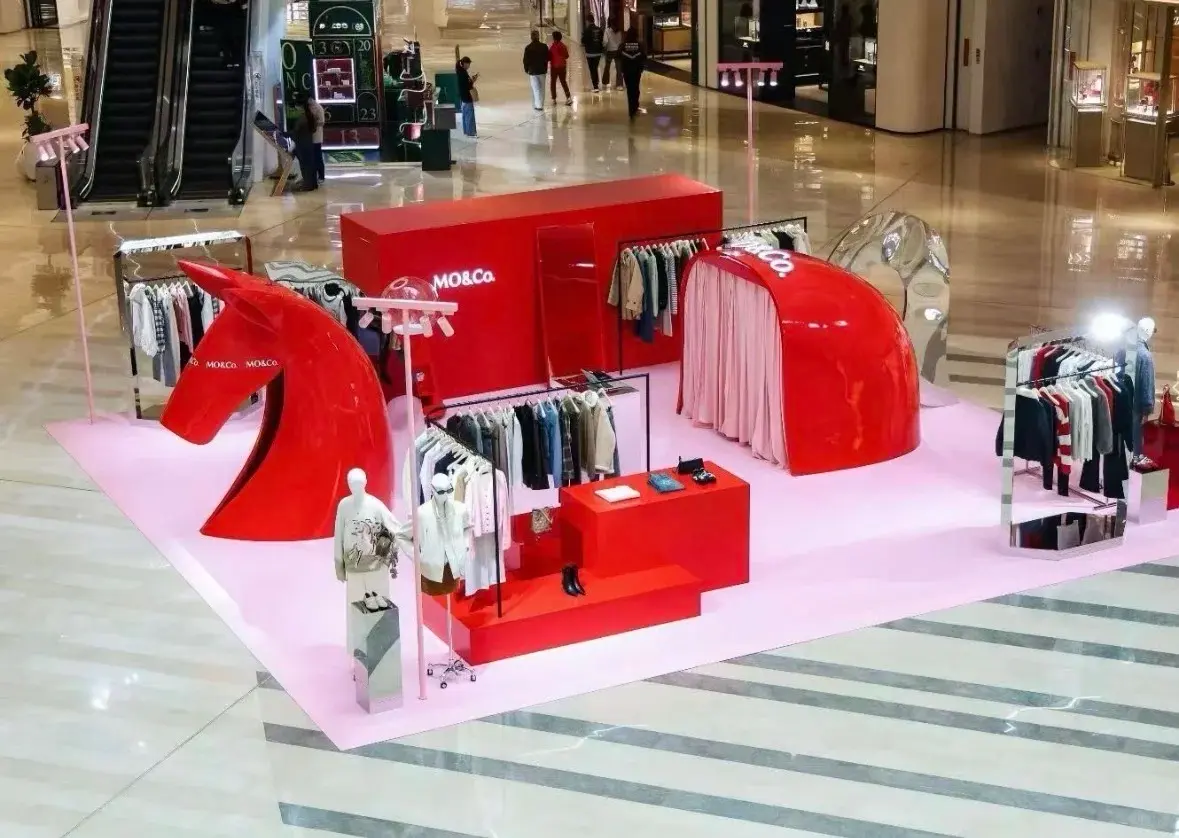
Main Types of Display Props
Display props can be grouped by function, material or retail scenario. The most common types include:
Window Display Props
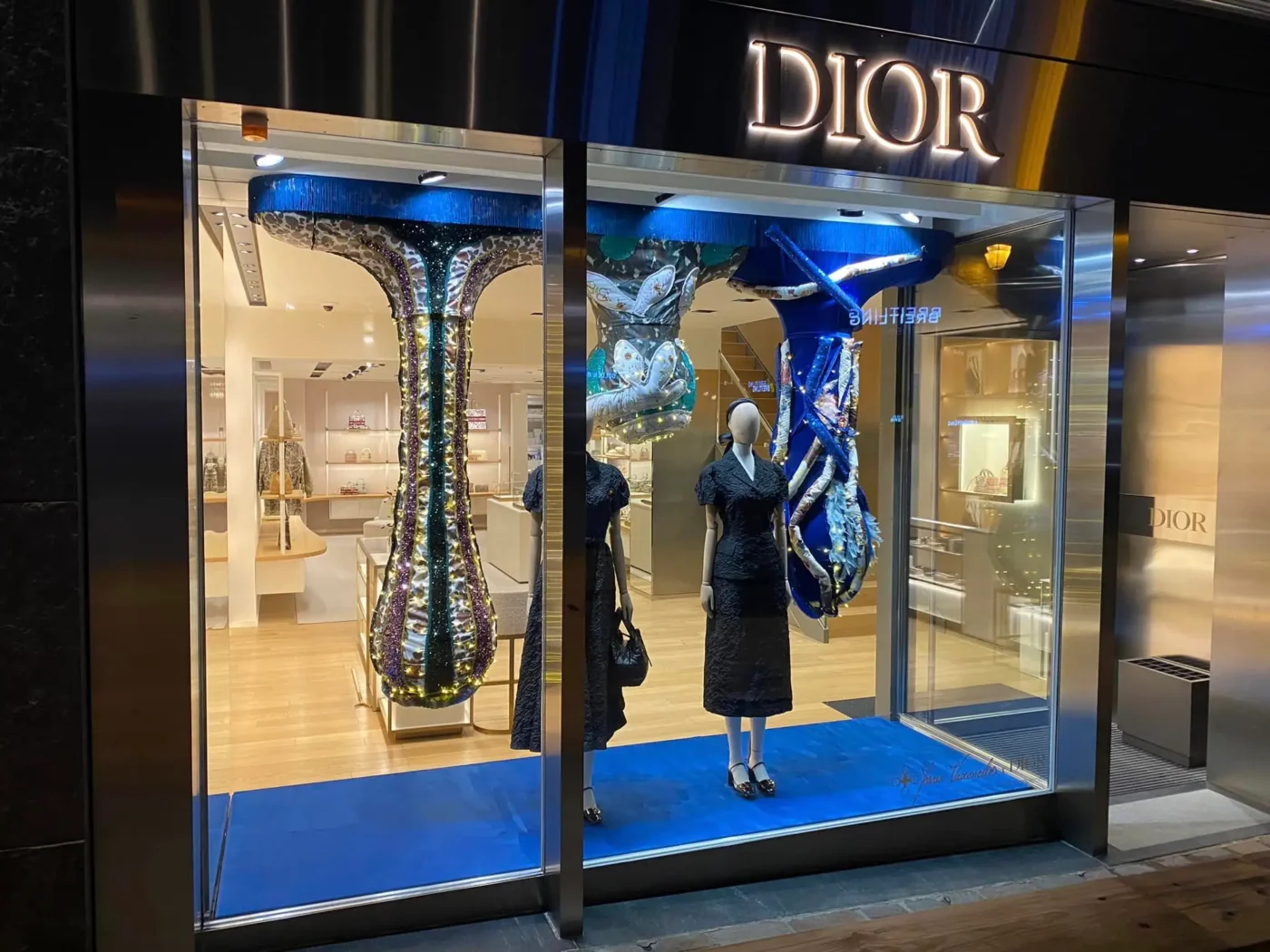
Window display props are designed for storefront windows and are created to read clearly from a distance — often from across a street. They may include oversized shapes, seasonal objects, brand symbols, sculptural forms and illuminated elements. Because window schemes rotate frequently, these props are usually engineered to be lightweight, quick to install and safe to suspend or mount inside a window bay.
Product Replica Props
These are enlarged or stylized versions of real products, such as perfume bottles, shoes, bags, candies, flowers or jewelry motifs. They make a product instantly recognizable from a distance. Scale is the key decision: a replica enlarged 5–10 times is typical for window use, while oversized retail props for atriums and photo moments can go far larger.
Seasonal Display Props
Seasonal props are built for Christmas, Valentine’s Day, Mother’s Day, spring launches, summer campaigns and other retail moments. Christmas display props are the largest category by volume, and many brands re-use core seasonal pieces across multiple years with refreshed styling.
Brand Installation Props
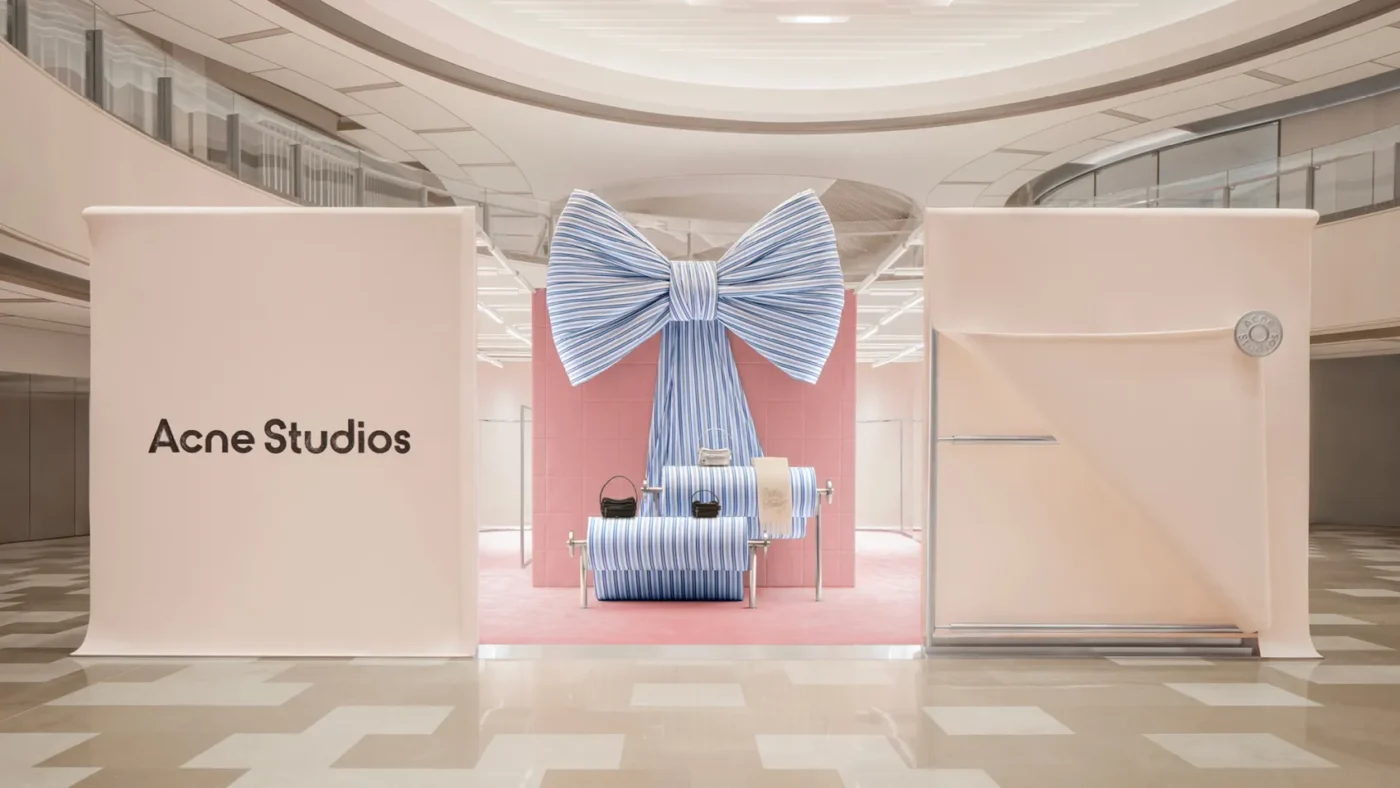
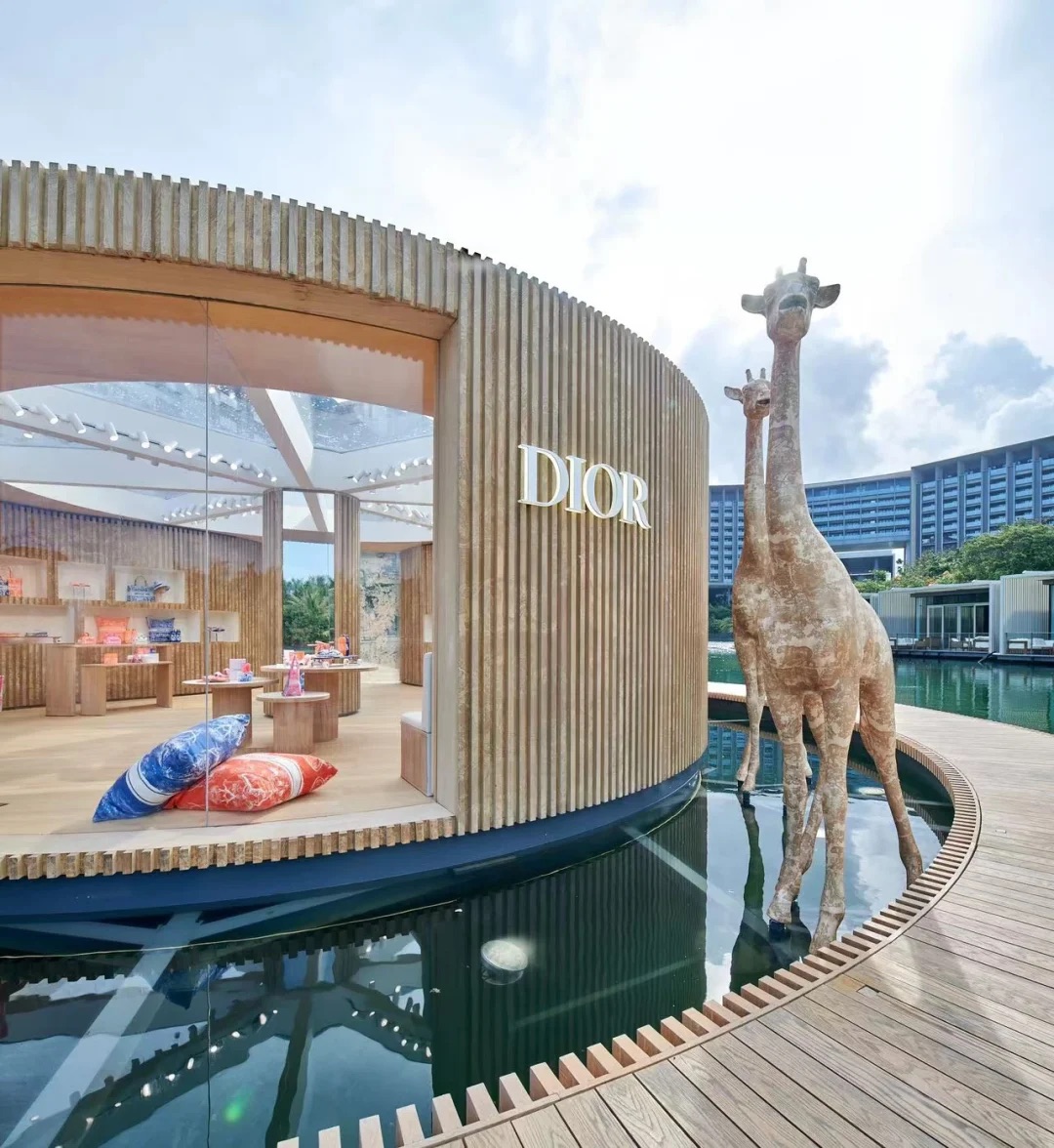
These are larger, more immersive pieces used in pop-up stores, mall atriums, flagship launches and campaign installations. They often combine several materials and trades — sculpture, metalwork, lighting and print — within one structure, which is why they are typically handled as managed visual merchandising projects rather than single-item orders.
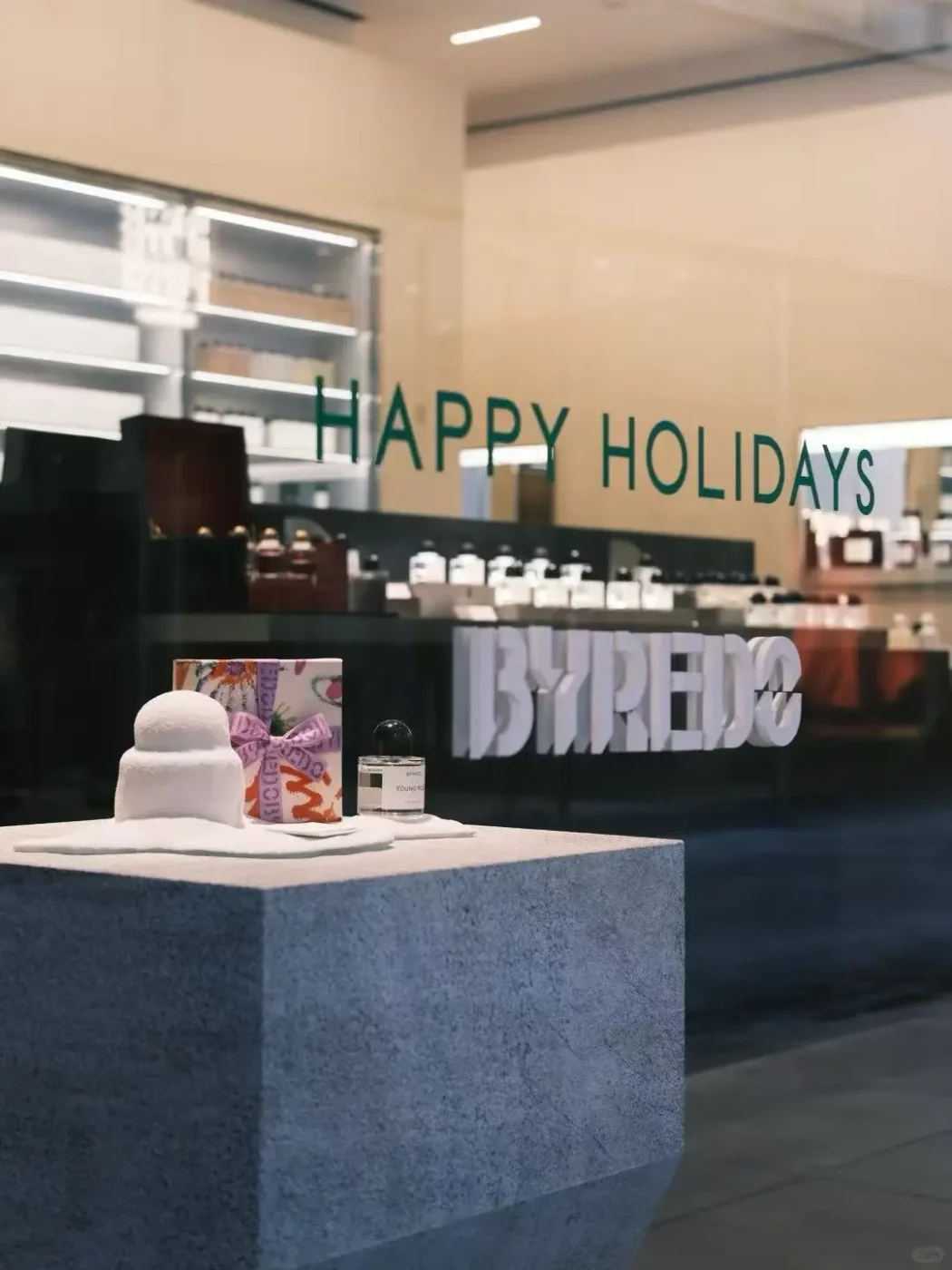
Common Materials Used for Display Props
Display props can be made from many materials depending on size, weight, finish, durability and installation requirements. Common materials include FRP (fiberglass), acrylic, metal, wood, foam, resin, fabric and mixed-material structures.
| Material | Best For | Key Properties |
|---|---|---|
| FRP / Fiberglass | Oversized sculptural props, organic forms | Lightweight for its strength, mold-based, paintable to any finish |
| Acrylic (PMMA) | Clear, glossy, illuminated or logo props | Optical clarity, laser-cut precision, bondable |
| Metal | Structural frames, premium fixtures, plated finishes | High strength, supports PVD and electroplated finishes |
| Wood / MDF | Plinths, backdrops, bases, modular fixtures | Cost-efficient, easy to machine and paint |
| Foam / EPS | Large lightweight forms, carved shapes | Very light, fast to shape, usually hard-coated |
| Resin | Small detailed props, translucent effects | Fine detail reproduction, casting-friendly |
FRP and fiberglass dominate oversized sculptural work because they are lightweight compared with solid materials and can support complex organic forms. Acrylic suits clear, glossy, illuminated or logo-based props. Metal provides structural support, premium fixtures and reflective finishes such as PVD coating. Wood and MDF are the workhorses for plinths, backdrops and modular fixtures. A detailed breakdown of each process is available in our manufacturing capabilities overview.
How Are Custom Display Props Manufactured?
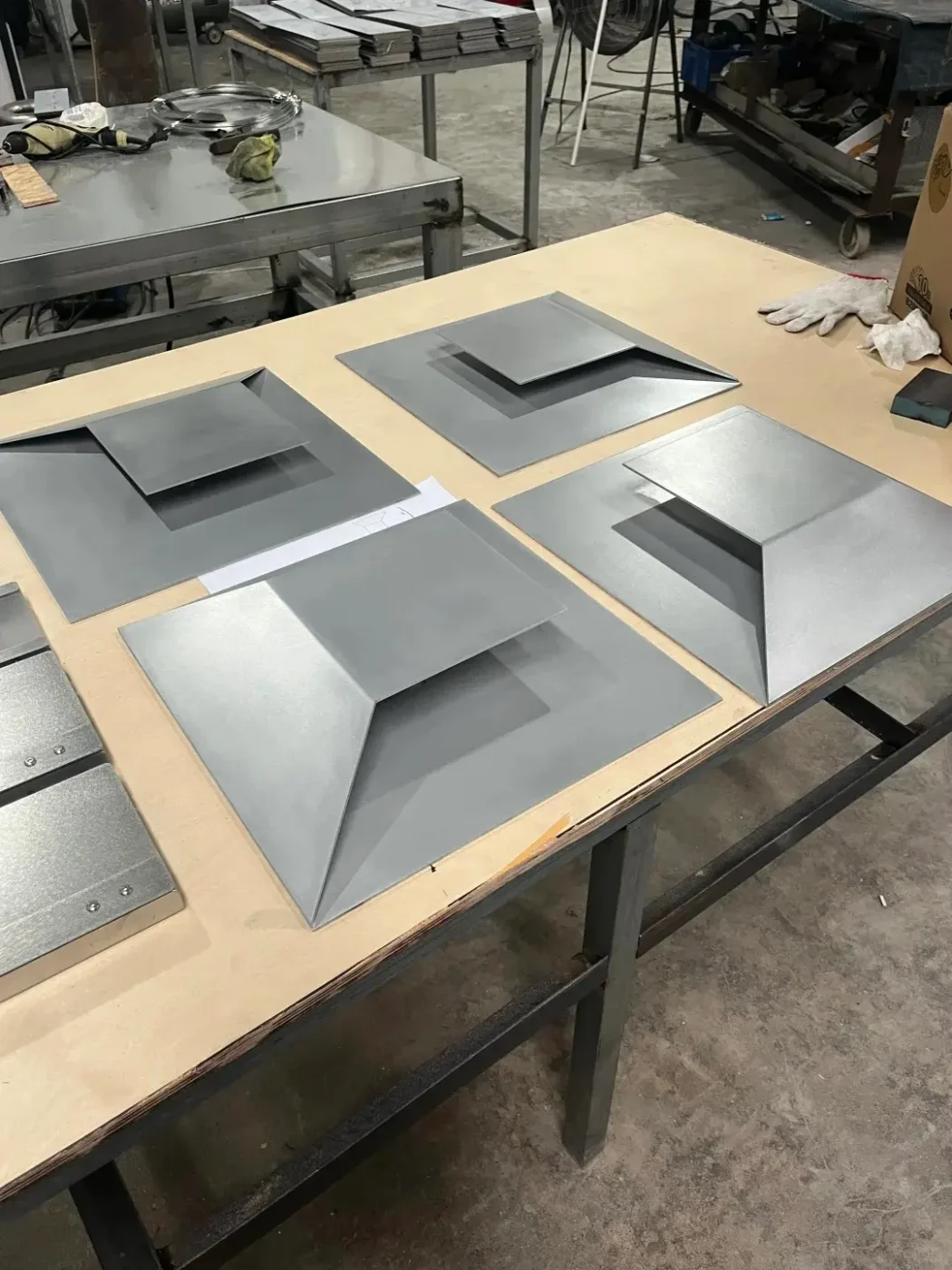
The production process usually begins with a brief, reference image, sketch or campaign concept. The manufacturer then develops technical drawings, 3D models or physical samples to confirm size, structure, finish and installation method before any tooling starts — this approval stage is where most cost and schedule risk is removed.
After approval, production may include mold making, fiberglass lay-up, CNC cutting, laser cutting, welding, acrylic bending, spray painting, UV metallizing, electroplating, flocking, leather wrapping or hand assembly, depending on the design. Before shipping, each prop should be checked for structure, surface finish, color consistency, packaging safety and installation readiness — for international programs, packaging is engineered around volumetric freight and repeat handling, not just protection.
How to Choose the Right Display Props
The right display props depend on campaign purpose, installation location, expected viewing distance, product weight, timeline, quantity and budget. A small in-store shelf prop may need fine details and close-up finishing, while a large window prop must be strong, lightweight and legible from the street.
Before requesting a custom display props quote, brands should prepare reference images, dimensions, quantity, deadline, installation method, preferred materials, finish requirements and shipping destination. The more of these that are fixed at briefing, the more accurate the first quotation will be.
Display Props vs. Related Terms
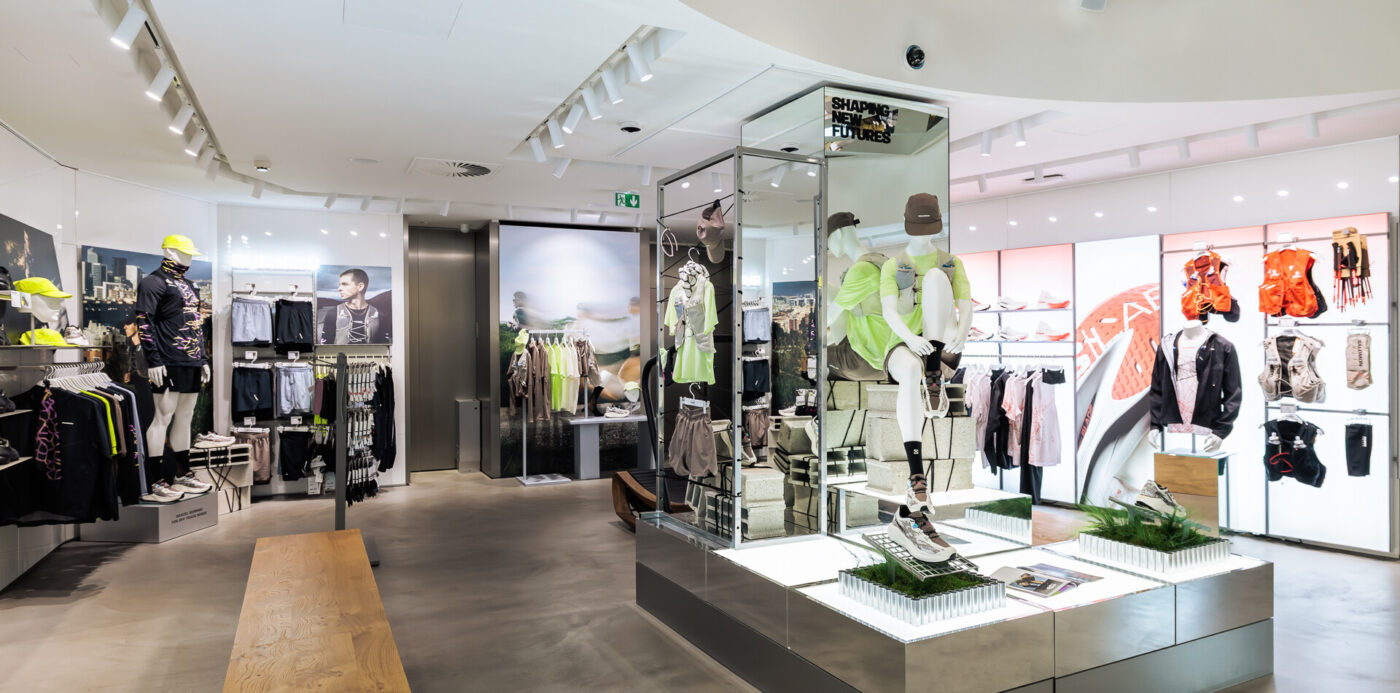
Display props are closely related to retail display props, VM props, store display fixtures, window display props, product display stands, visual merchandising props and brand activation displays. These terms overlap, but “display props” usually refers to custom decorative or storytelling objects, while “fixtures” refers to the functional shelving, rails and stands that hold merchandise. In most retail projects the two work together: fixtures carry the product, props carry the story.
Frequently Asked Questions
What is the difference between display props and store fixtures?
Store fixtures are functional units — shelving, rails, tables and stands that hold and organize merchandise. Display props are decorative or storytelling objects that create atmosphere and draw attention. Fixtures are usually standardized and long-term; props are usually custom-made and campaign-based.
What materials are display props most commonly made from?
The most common materials are FRP (fiberglass) for large sculptural forms, acrylic for clear or illuminated pieces, metal for structure and premium finishes, wood and MDF for plinths and backdrops, and foam or resin for lightweight or highly detailed shapes. Most large props combine two or more materials.
Are display props reusable?
Many are. Seasonal props in FRP, metal or acrylic are often designed for multi-year reuse with refreshed paint or styling, which lowers cost per campaign. Reusability depends on material choice, packaging quality and how the prop is handled during installation and storage.
How do brands order custom display props?
The typical process is: share a brief or reference image, confirm dimensions, quantity, deadline and installation method, review a quotation, approve technical drawings or a sample, then move into production and shipping. Working from a complete brief at the start is the single biggest factor in keeping cost and lead time predictable.
Need Custom Display Props for a Retail Campaign?
If you are planning a window display, pop-up store, holiday campaign or multi-store rollout, VM Display works as a custom display props manufacturer turning sketches, references and campaign ideas into production-ready pieces. Send your brief through the contact page to start a quotation.