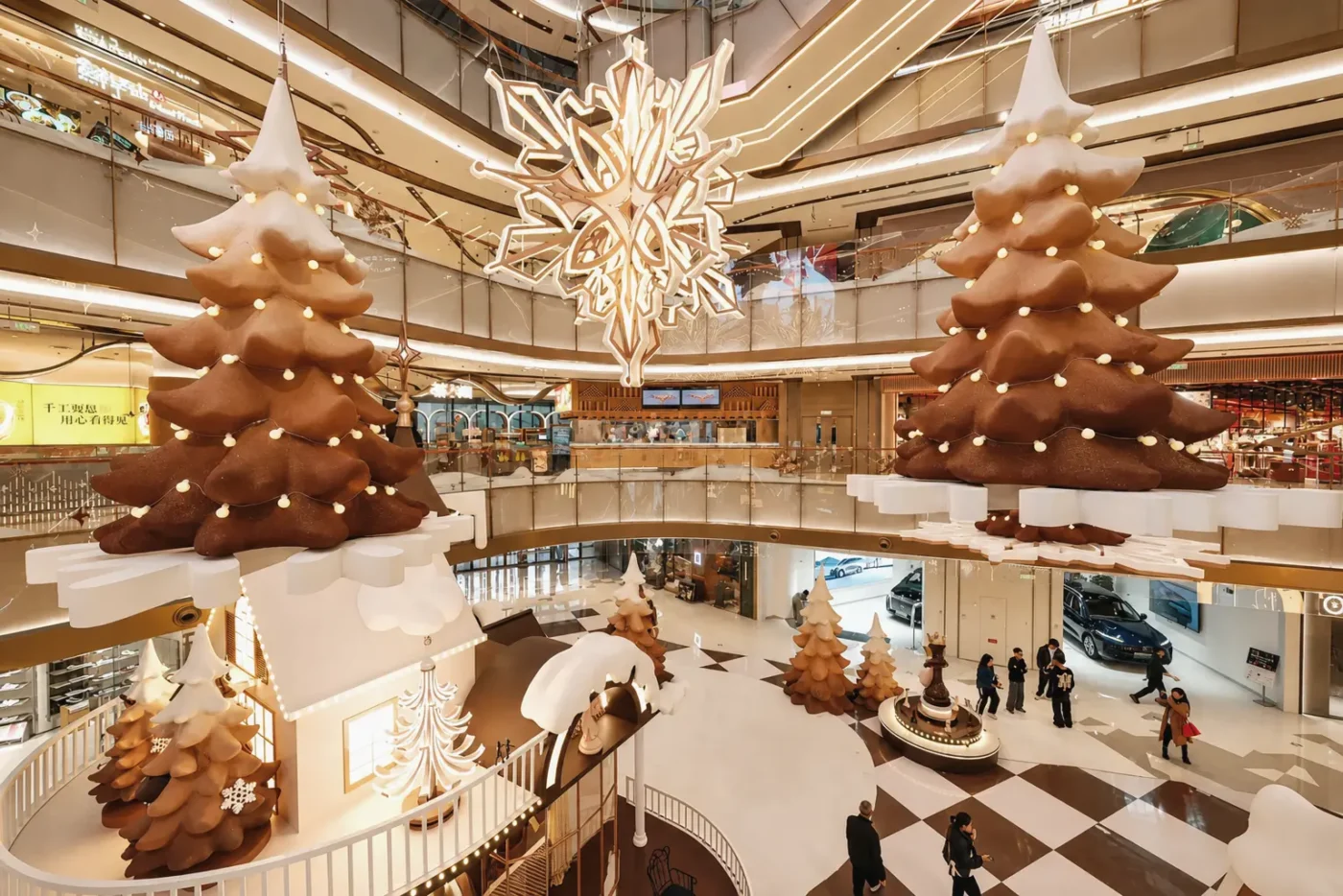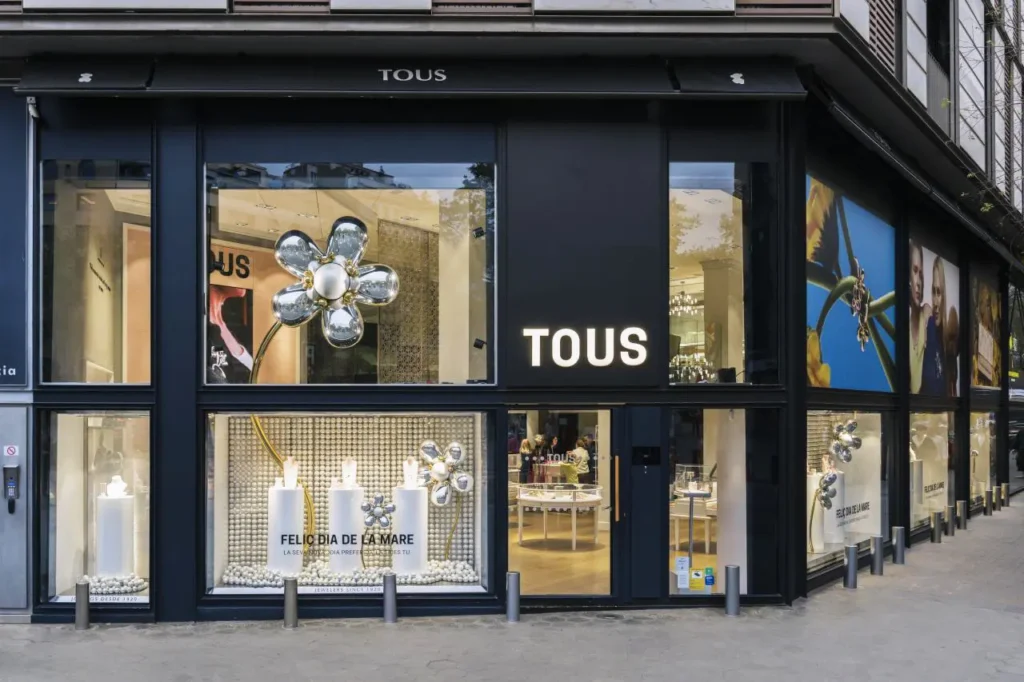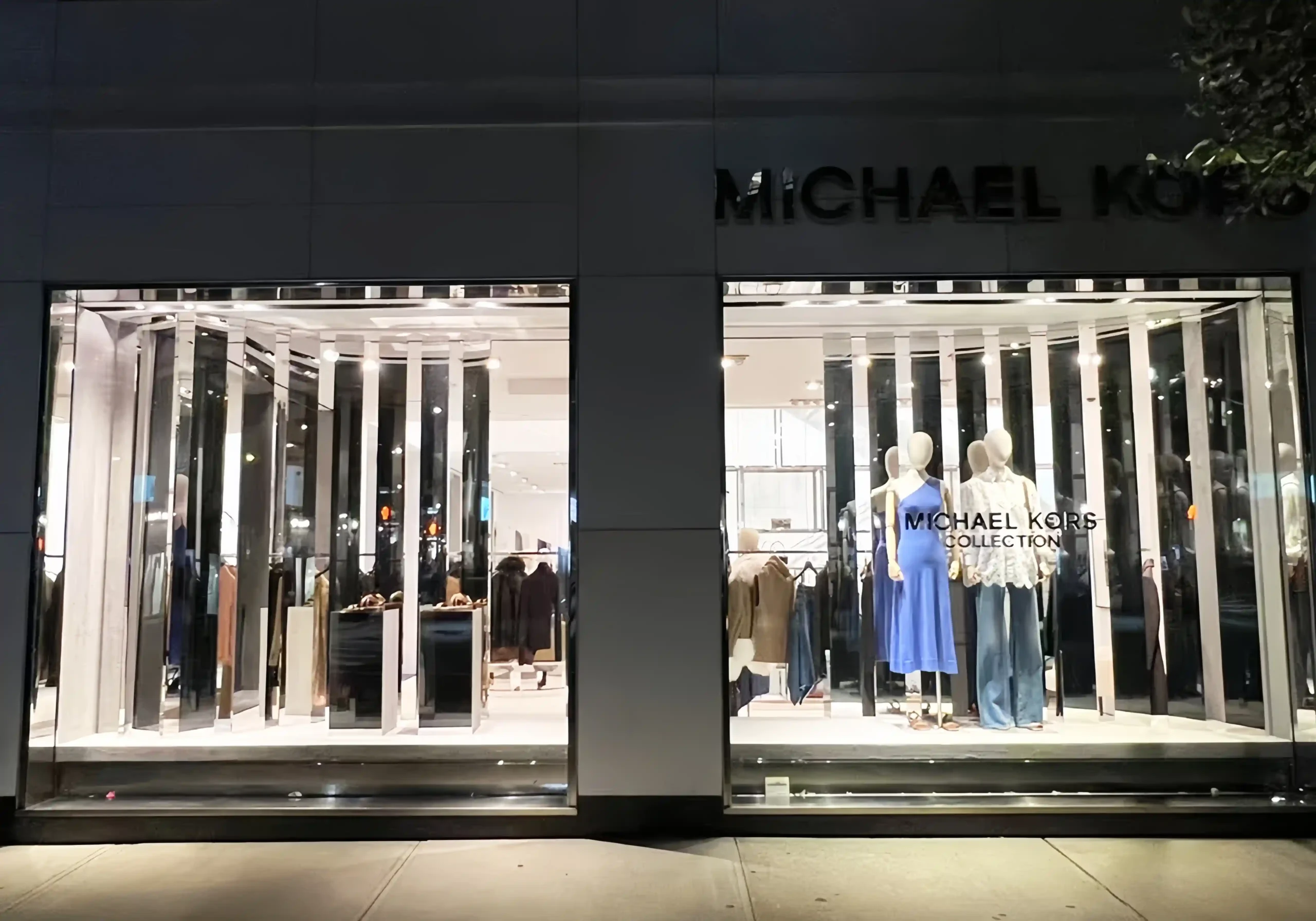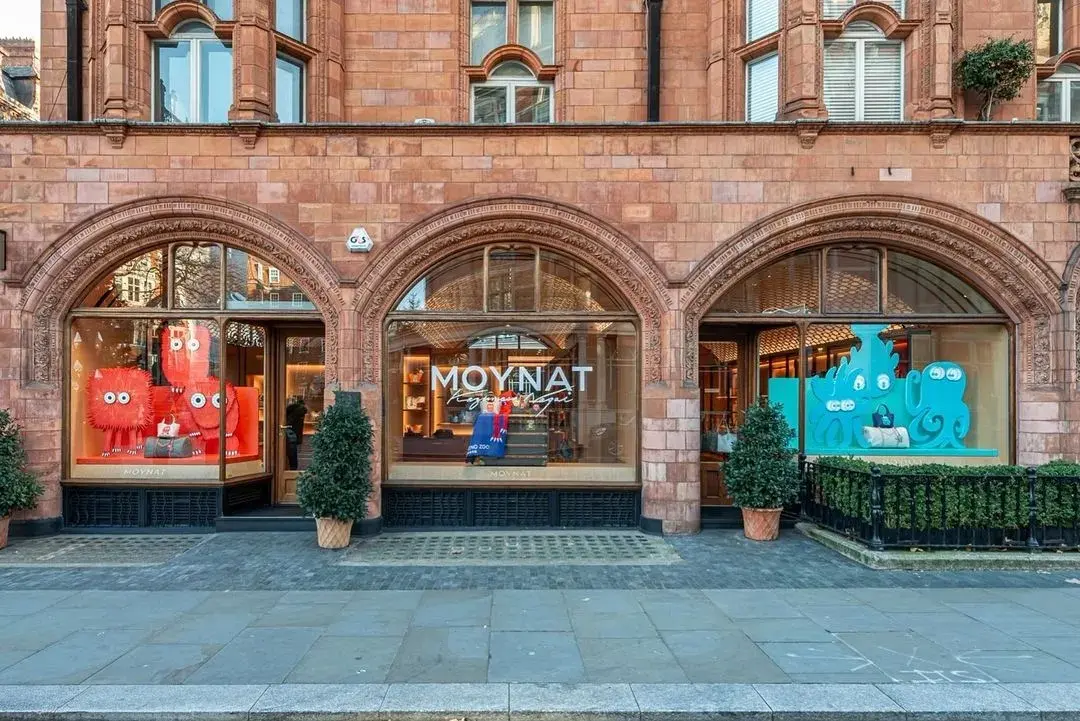
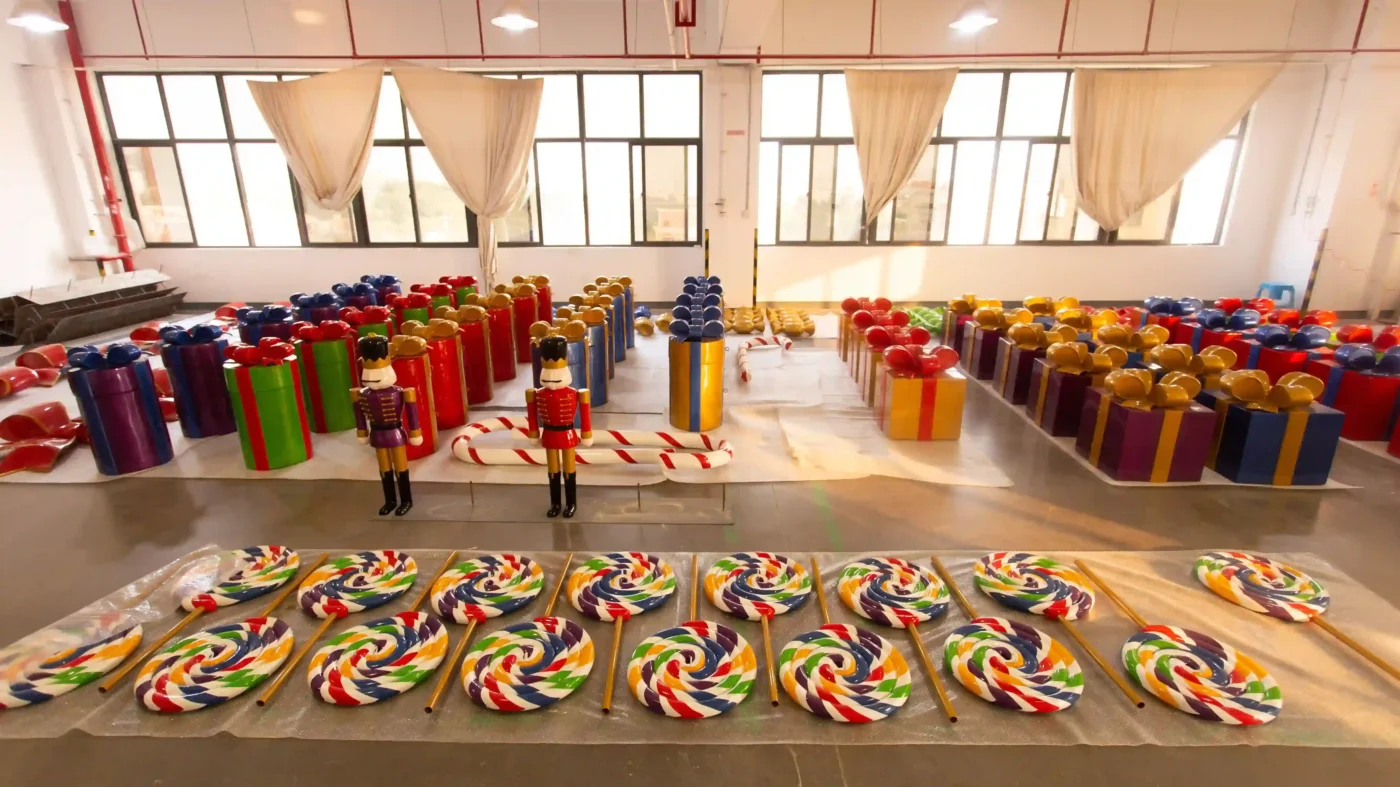
Most large Christmas retail campaigns were decided months ago. Concept work and supplier selection usually run from March to May, tender sampling from April to June, and by the time July closes, the major multi-store rollouts are already in batch production.
That is not the whole market. Every year, a second wave of Christmas projects appears in late July and August: a brand adds twenty stores, an approval slips, a supplier fails a finish test, or a boutique programme was always small enough not to need a five-month runway. These projects are not late by mistake. They are simply working inside a narrower window, and the only question that matters is which route still fits.
This article sets out the real backward schedule from a store install date, where the hard stops sit, and what can still be produced depending on how many weeks remain.
Working Backwards From a Mid-November Store Install
Most European and North American retailers bring Christmas displays onto the floor from mid-November through to the end of November, with December installs still common for later campaigns and secondary sites.
Taking mid-November as the tighter case, the sea freight route works backwards like this:
| Milestone | Approximate date | Notes |
|---|---|---|
| Store on-shelf / window live | 15 November | |
| Distribution and install complete | 1–10 November | Store-by-store delivery, install scheduling |
| Arrival at destination, customs cleared | 25 October – 1 November | |
| Vessel departure | 10–15 September | 40–50 days transit to Europe or North America |
| Booking and port cut-off | 5–8 September | |
| Production complete, QC and packing done | 1–5 September | |
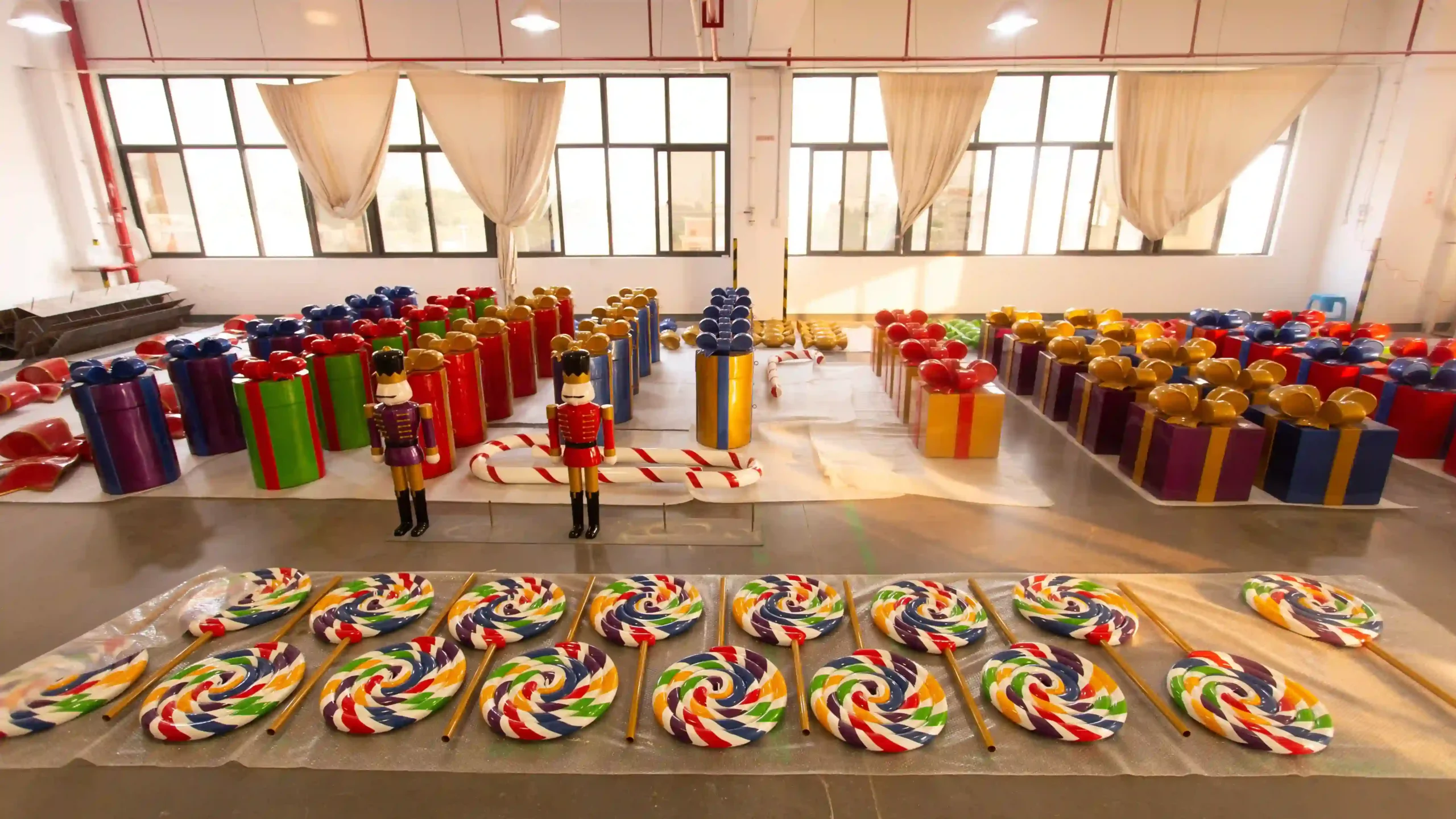
| Batch production runs | 15 August – 1 September | FRP approx. 15 days; acrylic approx. 12 days |
| Confirmation sample approved, order released | 10–15 August | |
| Sampling window | Late July – 10 August | Mould, finish, electroplating or coating |
Read from the bottom up, the conclusion is specific: for a mid-November install shipped by sea, late July is the last comfortable point to begin sampling. Past mid-August, the sea freight route closes and the project moves to air.
The Holiday That Closes the Window
The single most underestimated factor in Christmas display scheduling is the Chinese National Day holiday, 1–7 October. Factories stop, and the restart is rarely instant — capacity in the week following is usually committed to backlog.
The arithmetic matters. Any production schedule that runs into late September carries no slack. A one-week slip pushes completion past 30 September, the holiday absorbs the following week, and a project that looked achievable in August arrives at the end of October with no freight option left except emergency air at cost.
This is why the safe planning rule is not “finish before the deadline.” It is finish before 20 September, and treat anything later as a live risk requiring air freight budget approval in advance.
What Is Still Possible: A Triage by Weeks Remaining
Counting back from the store on-shelf date, not from today:
| Weeks to on-shelf | Realistic route | What it supports |
|---|---|---|
| 16+ weeks | Full process, sea freight, one to two sampling rounds | Any material, oversized sculptural props, illuminated structures, full multi-store rollout |
| 12–14 weeks | Sea freight, single confirmation sample, no design changes after approval | Most props, but finishes must be selected from proven swatches rather than developed |
| 8–10 weeks | Air freight, one compressed sampling round | FRP and acrylic still viable; simplify structure, reduce part count, limit mixed materials |
| 5–7 weeks | Air freight, approval by finish swatch and production photography rather than full sample | Smaller props, simpler geometry, restrained quantities; National Day holiday becomes decisive |
| Under 4 weeks | Existing moulds, colourway changes, simplified builds, phased first wave | Flagship stores first, remaining doors in a second shipment |
Two points worth stating plainly. First, a shortened schedule reduces the number of design iterations available, not the quality of the finished piece — the compromise is on development freedom, not on standard. Second, a phased rollout is often the better answer to a tight deadline than a compromised single shipment: flagship windows arrive on time by air, secondary doors follow by sea at normal cost.
Air Freight Changes the Deadline, Not the Physics
For bulky display props, door-to-door air freight runs approximately 8 to 12 days. That is not the same as the four-day figure often assumed from small-parcel experience; volumetric weight, consolidation, and inland legs on both ends all add time.
Air freight buys roughly five to six weeks against sea. It does not shorten production. FRP still needs its mould, lay-up, curing, sanding, primer, colour and clear coat. Acrylic still needs cutting, forming, bonding and polishing. A twelve-day acrylic run is a twelve-day acrylic run in August and in September alike.
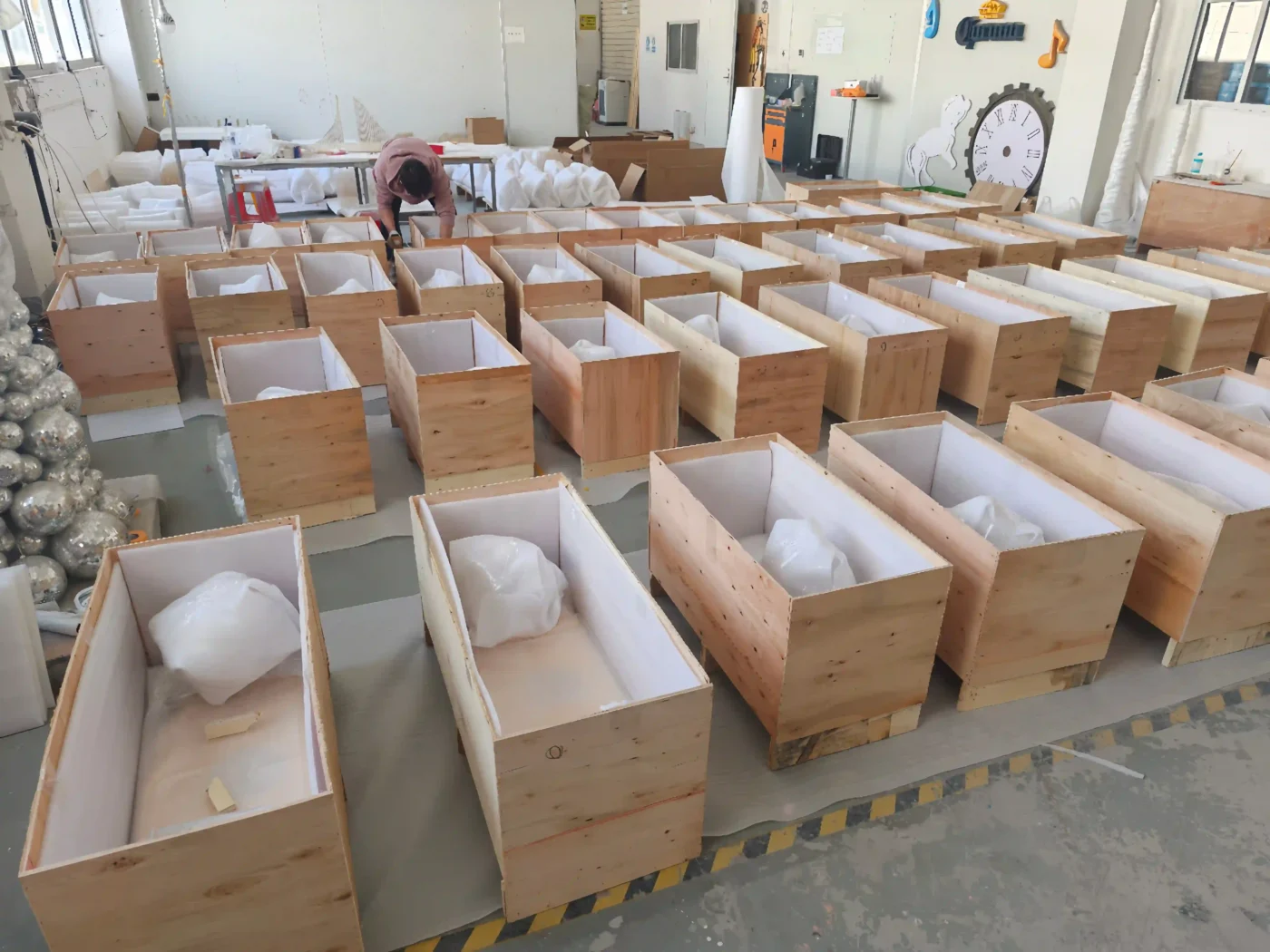
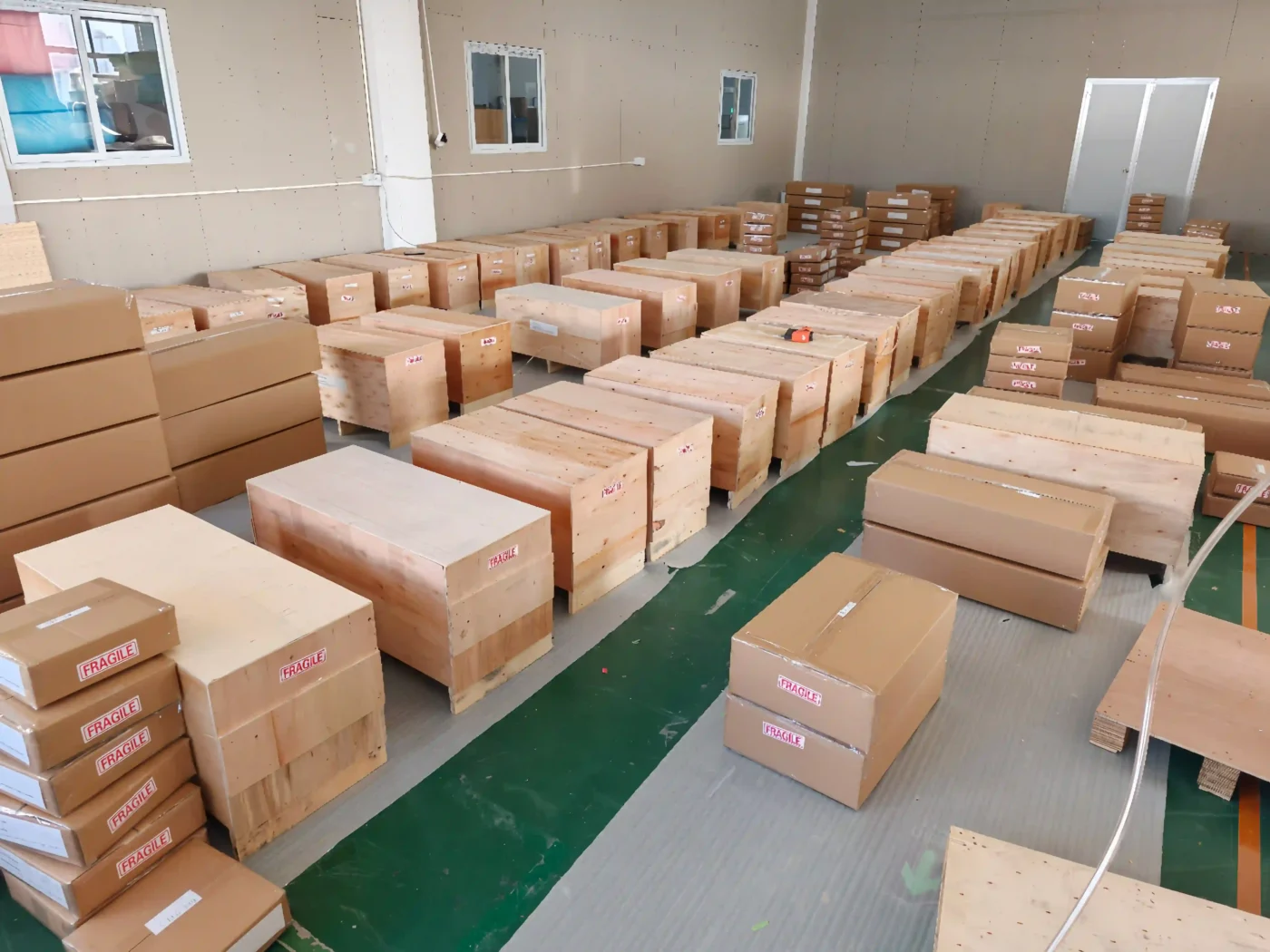
What air freight does change is the packing brief. Volumetric charging makes crate design a cost decision rather than an afterthought, and fragile or reflective finishes need protection specified before the piece is built, not after. Metallic and mirrored surfaces in particular should have their packing method agreed at the sampling stage.
Our display props manufacturing capability page sets out the material routes, surface treatments and production lines available, which is usually the fastest way to check whether a concept fits an accelerated schedule.
Why the Confirmation Sample Still Cannot Be Skipped
Under pressure, the sample is the first thing anyone offers to cut. It is almost always the wrong economy.
A render is designed to inspire; a sample is designed to answer. Metallic coatings reveal their scratch behaviour only in the hand. Glitter sheds if the wrong process is used. Acrylic reads as premium when the edge is properly polished and cheap when it is not. Flocking creates the winter surface a brand wants, then needs protecting through packing. Brand colour under store lighting is not brand colour under a studio render.
On a rush schedule the answer is not to remove the sample but to narrow it. A finish swatch and a partial structural sample can often replace a full prototype, confirming the two variables that actually carry risk — surface and structure — inside a week rather than three.
Physical sampling remains genuinely necessary for oversized props, mirror and metallic finishes, illuminated elements, suspended structures, and any item repeated across a large store network, where a small defect multiplies by the door count.
The Nine Details That Decide Whether a Rush Quote Is Accurate
On a compressed schedule, an incomplete brief costs three to five days of clarification — days that come directly out of production, not out of slack. A first quotation is reliable when it includes:
- Concept image, render or reference photograph
- Approximate dimensions, including height for oversized pieces
- Quantity and the number of store doors
- Required store on-shelf date and destination market
- Preferred or acceptable materials
- Lighting requirement, if any
- Indoor or outdoor placement
- Installation method and who installs — store team or contractor
- Packing and labelling requirement, including whether shipment is to a distribution centre or direct to store
Where several suppliers are being compared, incomplete briefs are also where quotations stop being comparable. A lower figure frequently reflects a different structure, a thinner finish specification, or packing that will not survive the route.
A structured custom display props quote request covers these fields in one pass, which on a rush project is worth more than it appears.
What to Ask a Supplier Before Placing a Rush Order
The standard supplier questions still apply, but on a late-summer project three additional ones decide the outcome:
- Can production be scheduled around the National Day holiday, and what is the committed completion date before 30 September?
- Can the order ship in phases, with flagship doors by air and the remainder by sea?
- Who carries the cost and time of a failed finish — and what is the recovery plan if the first sample is rejected?
Alongside these, confirm the ordinary ground: material justification, sample or swatch availability, comparable production history, packing method for fragile and glossy finishes, store-by-store labelling, and regular production photography. For projects entering shopping centres or department stores, also confirm what fire documentation is available — many landlords require flame-resistance testing under NFPA 701 in the United States or EN 13501 classification in Europe, and discovering this at the install stage is a costly way to learn it.
For context on how finished retail environments are judged publicly, industry platforms such as Retail Focus provide continuous retail design and visual merchandising coverage. What that coverage rarely shows is the schedule behind the result.
Small Projects Were Never Late
It is worth separating two things that get confused every year.
A forty-store rollout with oversized illuminated sculpture genuinely needed to begin in April. A six-window boutique programme with acrylic and painted props did not. For the second category, a late-July or August start is a normal schedule, not a rescue, and the whole conversation about air freight surcharges may be unnecessary.
The distinction is quantity, structural complexity and finish sensitivity — not the calendar alone. This is why an early technical conversation is worth more than an early panic. Even without a confirmed brand name or a final brief, material logic, sample scope and freight route can be assessed in a single exchange.
Our retail display production service covers this early-stage review, and the custom visual merchandising project portfolio shows how different materials and formats have been applied across festive campaigns, pop-up environments and sculptural window displays. For seasonal work specifically, our custom Christmas display props illustrate the material and finish routes most often used in holiday windows.
FAQ
Is it too late to start a Christmas display project in August?
Not necessarily, but the route changes. For a mid-November store install, sea freight requires sample approval by around 10–15 August. After that, the project needs air freight, which adds roughly five to six weeks of margin at higher cost. Small-quantity projects with simple structures can still be produced comfortably into early September.
How long does Christmas display prop production take?
Batch production runs approximately 15 days for FRP and 12 days for acrylic, excluding sampling, QC and packing. Sampling adds roughly 15 days for a moulded and coated FRP prop. A realistic total from brief to shipment-ready is six to eight weeks before freight.
How long does air freight take for large Christmas display props?
Approximately 8 to 12 days door to door for bulky items, including consolidation and inland legs. Small-parcel timings are not a useful guide for display props, where volumetric weight and crate size govern both cost and handling time.
When is the last date to ship Christmas displays by sea?
For a mid-November store install in Europe or North America, vessels should depart by 10–15 September, allowing 40–50 days transit plus customs clearance and distribution. Booking and port cut-off falls a few days earlier.
Does the Chinese National Day holiday affect Christmas display production?
Yes, significantly. Factories close from 1 to 7 October, and capacity in the following week is generally committed to backlog. Any schedule running into late September has no slack, which is why production should be planned to complete before 20 September.
Can a Christmas display prop be produced without a physical sample?
Sometimes. Simple items can be approved through drawings and finish swatches. Oversized props, mirror and metallic finishes, illuminated elements, suspended structures and items repeated across many stores should be physically sampled, because a small defect multiplies across the door count.