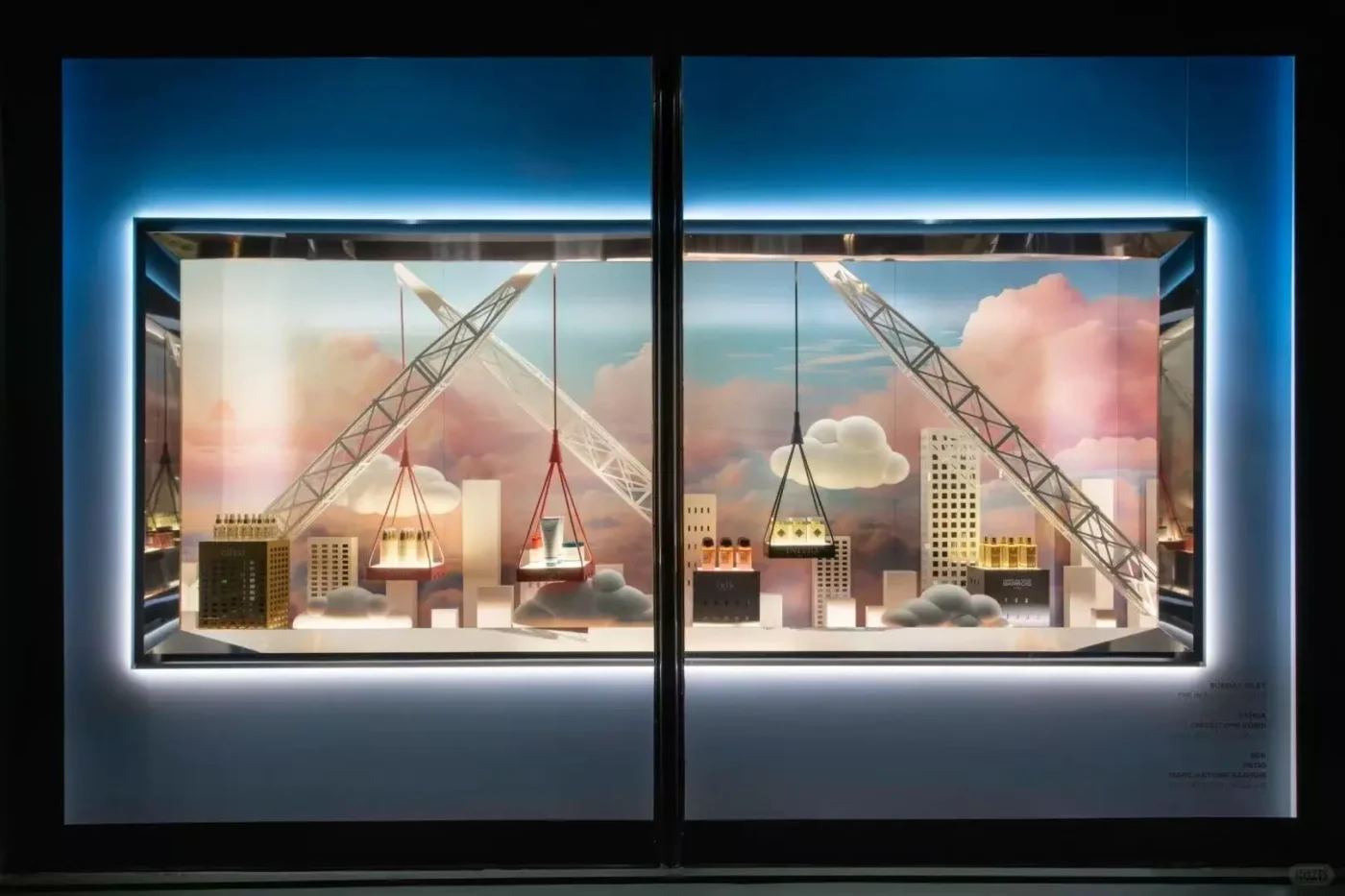
What DIAM’s Public Positioning Reveals About Modern Retail Display Systems
DIAM is a recognized name in the global retail merchandising sector, especially in beauty, luxury, travel retail and shopfitting. Based on DIAM’s public website, the company presents capabilities across merchandising, shopfitting, packaging, digital solutions, production and in-store services. For VM Display, DIAM is useful to study because its public positioning shows how modern beauty retail display work has become a complete operating system. From our perspective as a custom display props manufacturer, the visible display is only one part of the project. Behind it are materials, engineering, maintenance, logistics and store-level execution.
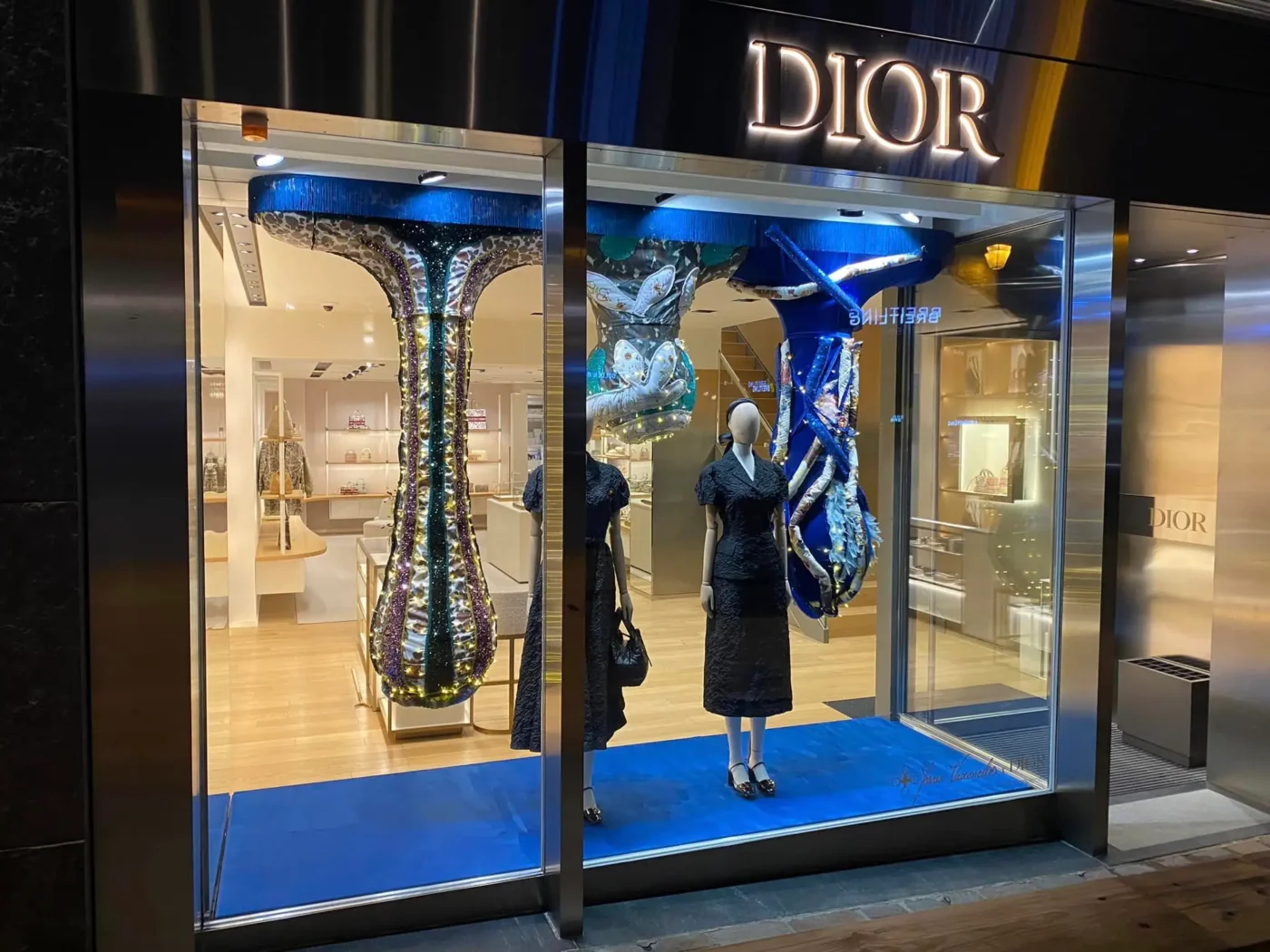
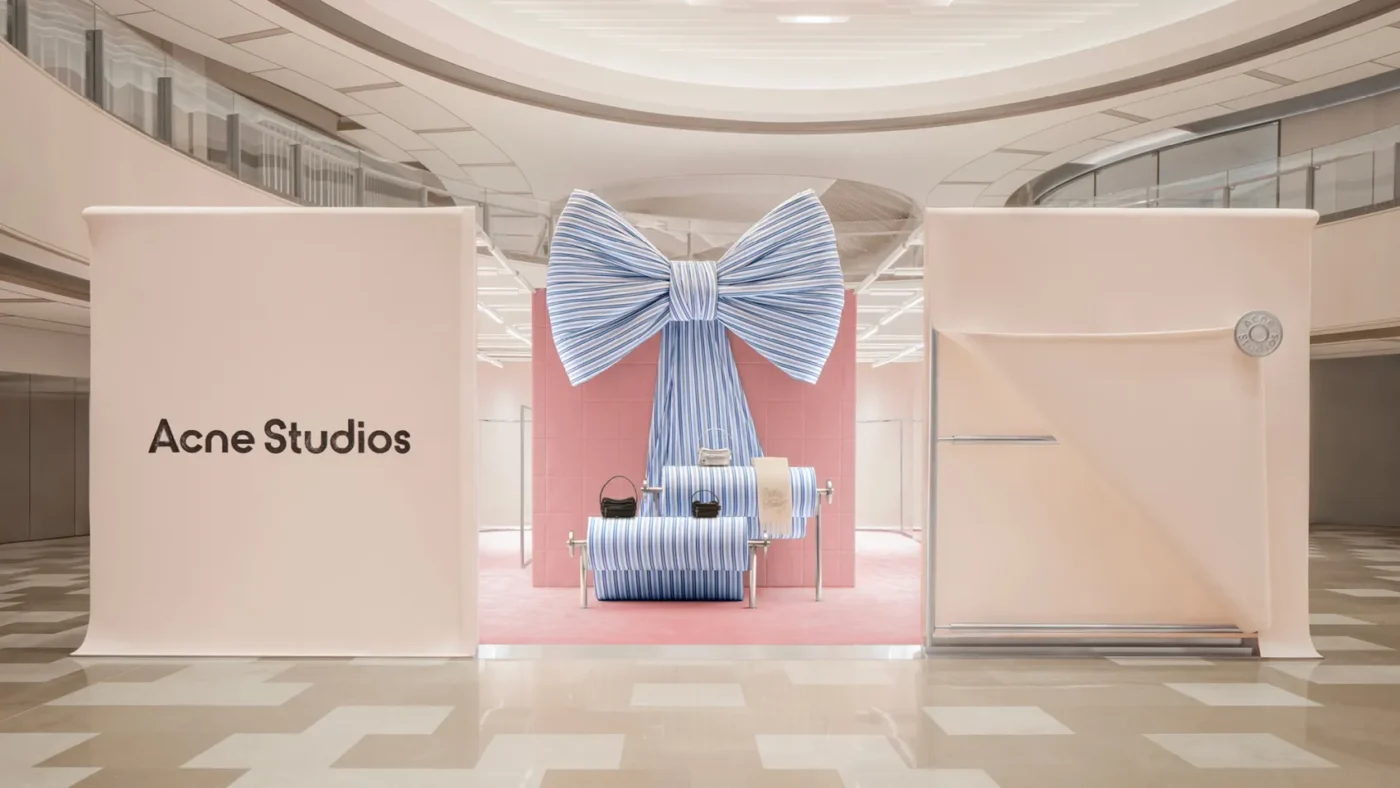
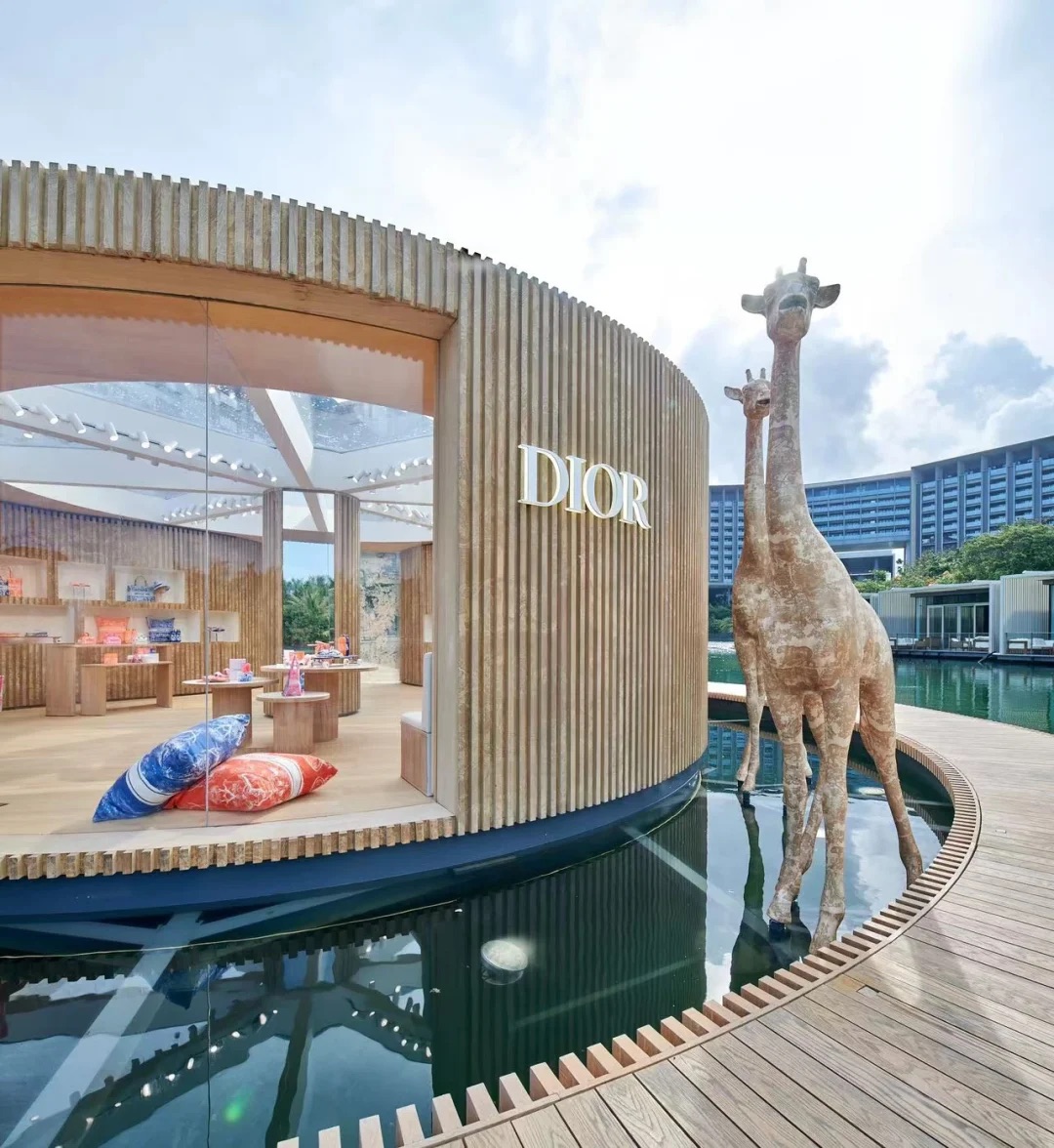
DIAM’s public portfolio includes areas such as prestige merchandising, luxury shopfitting, digital in-store, travel retail, pop-up stores and free-standing stores. This structure reflects how beauty brands now think about retail presence across many formats. A fragrance launch may need counter units, hero props, travel retail displays, window visuals and replacement parts. For teams researching retail merchandising solutions, this is a strong reminder that the display strategy should be planned as a system, not as separate objects.
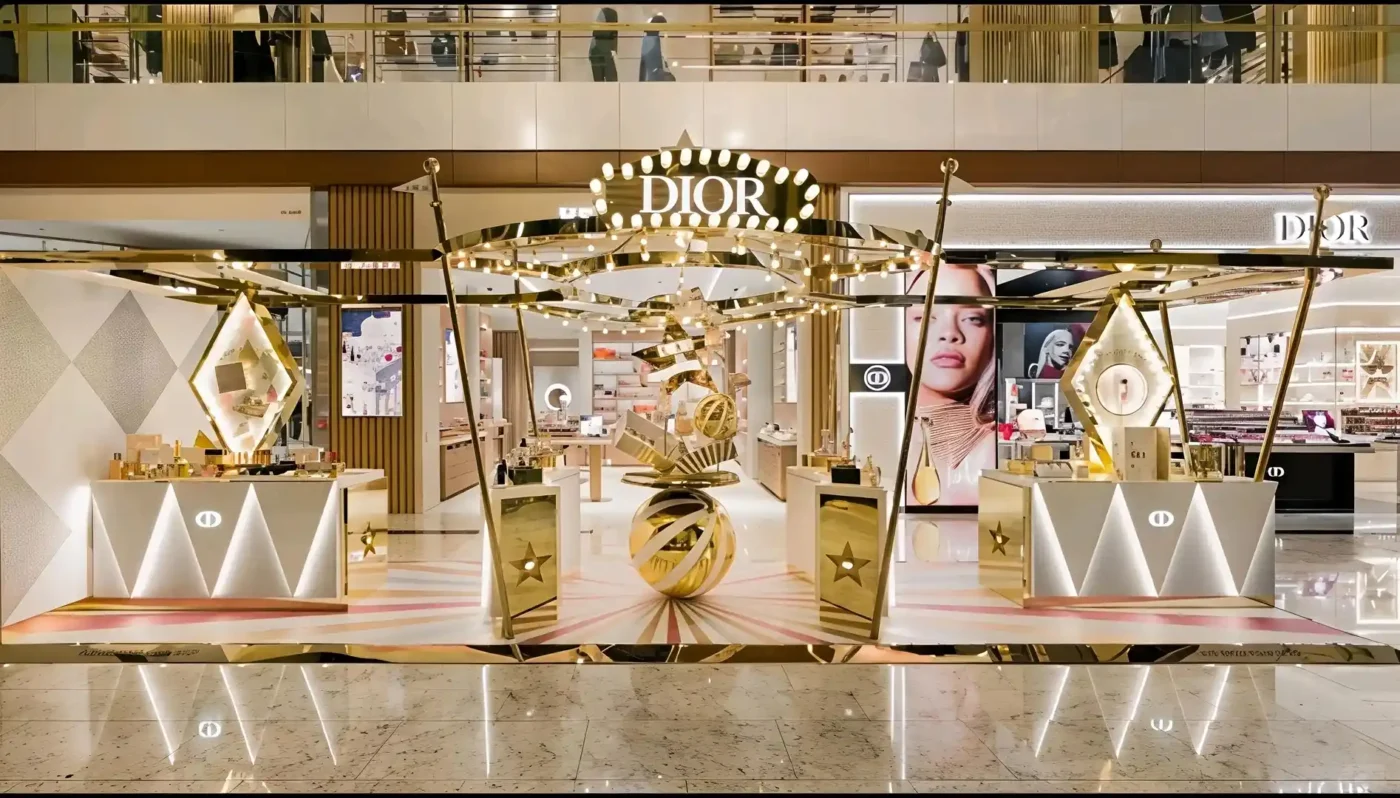
Why Beauty Retail Is One of the Most Demanding Manufacturing Categories
From our manufacturing side, beauty retail is one of the most demanding categories. Customers view the display at close range, and products are often small, glossy and premium. That means the display surface must be clean, color-accurate and stable under lighting. Acrylic, metal, glass, resin and LED elements are often combined. When we produce custom acrylic display props, we pay close attention to polishing, glue marks, light diffusion, surface protection and packing, because these details decide whether the finished unit feels premium.
In our experience producing beauty counters for international rollouts, even a 0.5 mm edge misalignment or a slight color shift under warm lighting can cause a unit to be rejected during brand QC. This level of scrutiny is unique to beauty and fragrance — categories where the display itself becomes part of the product experience.
DIAM’s public “What We Do” page also shows why retail merchandising is not only design. It includes consulting, creation, engineering, production, installation and in-store support. This is very close to the real workflow manufacturers face. A display concept must become drawings, samples, molds, finishes, approved prototypes, batch production and quality inspection. For VM Display, display props manufacturing means helping the creative idea survive real-world constraints.
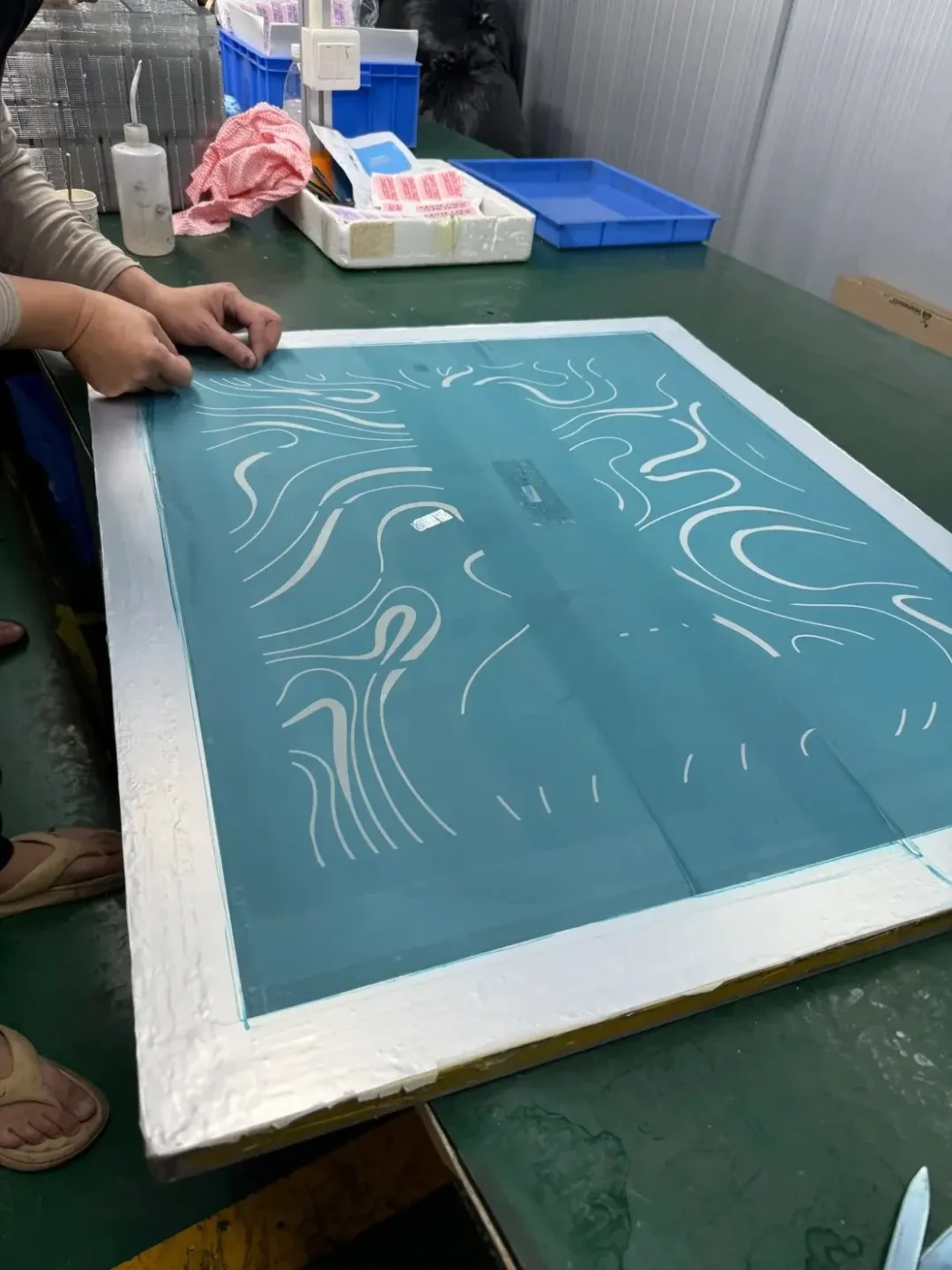
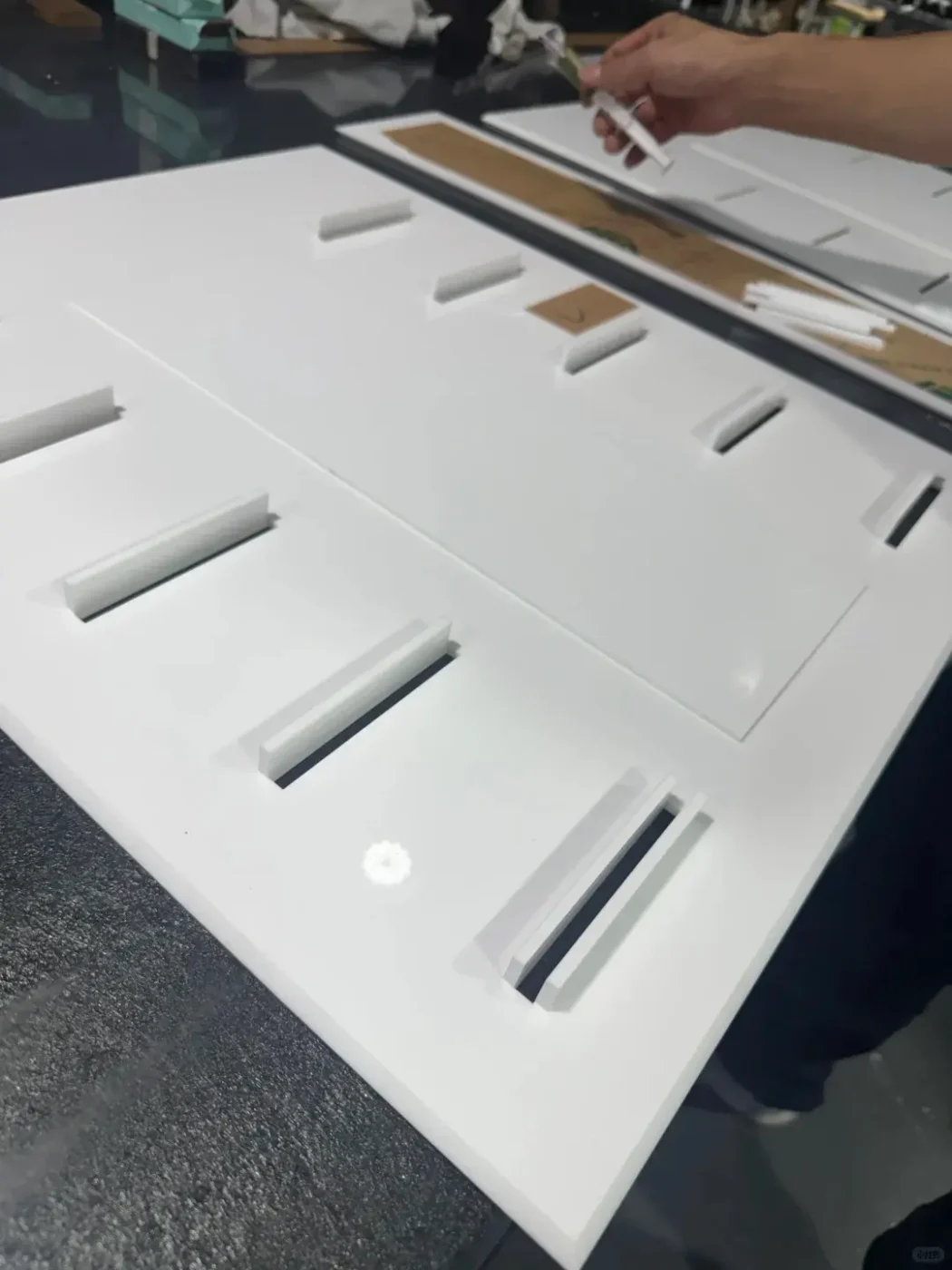
Repeatability and Modular Design in Multi-Store Rollouts
A major difference between beauty retail and ordinary retail is the importance of repeatability. A brand may need the same visual identity across department stores, airports, pop-ups and flagship counters. However, each location may have different measurements, electrical standards, installation rules and staff handling conditions. For this reason, POS display fixtures should be designed with replaceable graphics, modular shelves, protected lighting and clear assembly logic.
We have seen projects where a single counter design needed five size variations to fit different department store footprints across Asia-Pacific — same brand identity, same materials, but different structural dimensions and local electrical compliance. This is where manufacturing judgment matters more than creative design alone.
Sustainability in Retail Display Production
DIAM also publicly emphasizes responsibility, eco design and circular economy through its responsibility commitments. That matters because temporary retail displays can create waste if they are designed only for one campaign. From our own view, sustainable retail display production does not mean removing visual impact. It means choosing better materials, reducing unnecessary volume, designing reusable structures, improving packaging and making parts easier to separate or replace after the campaign.
This direction is also supported by wider discussion around circular branded events and reusable retail environments. Research on circular product-service systems for luxury branded events suggests that temporary installations can be designed with reuse, material recovery and lower environmental impact in mind — without reducing brand experience quality.
Luxury Shopfitting and Material Selection
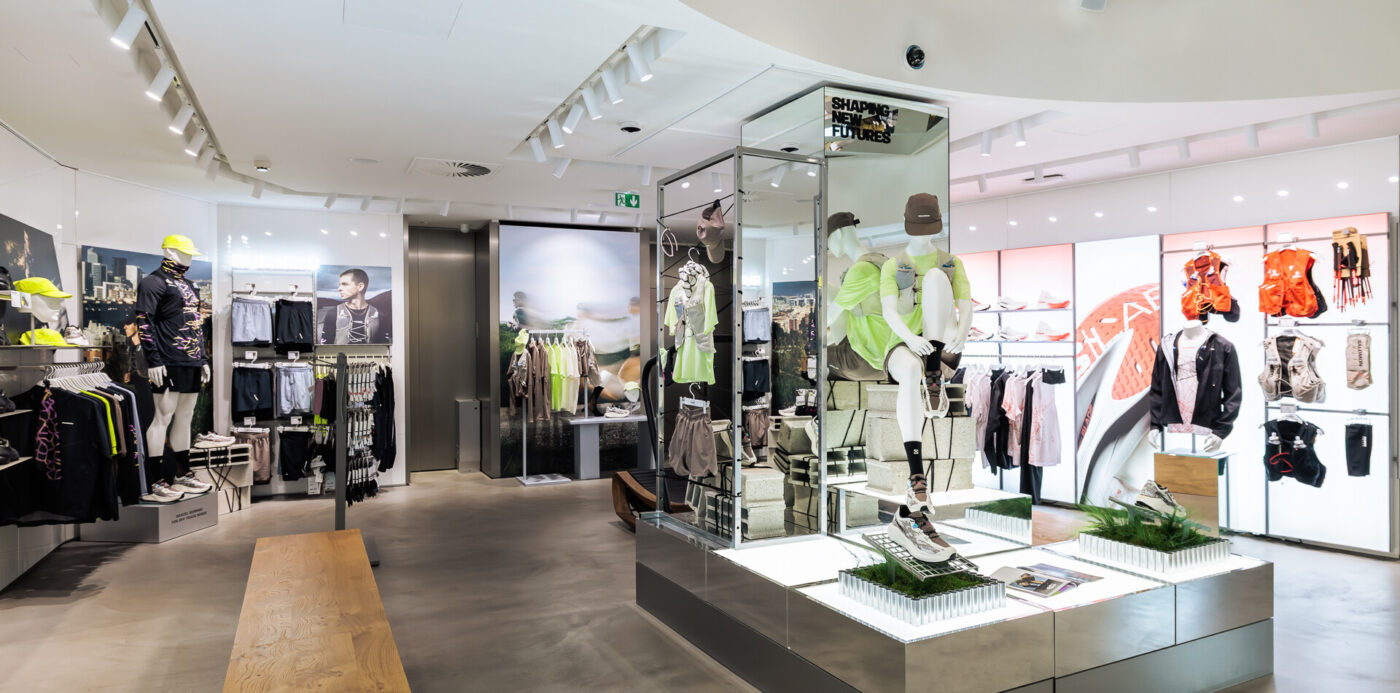
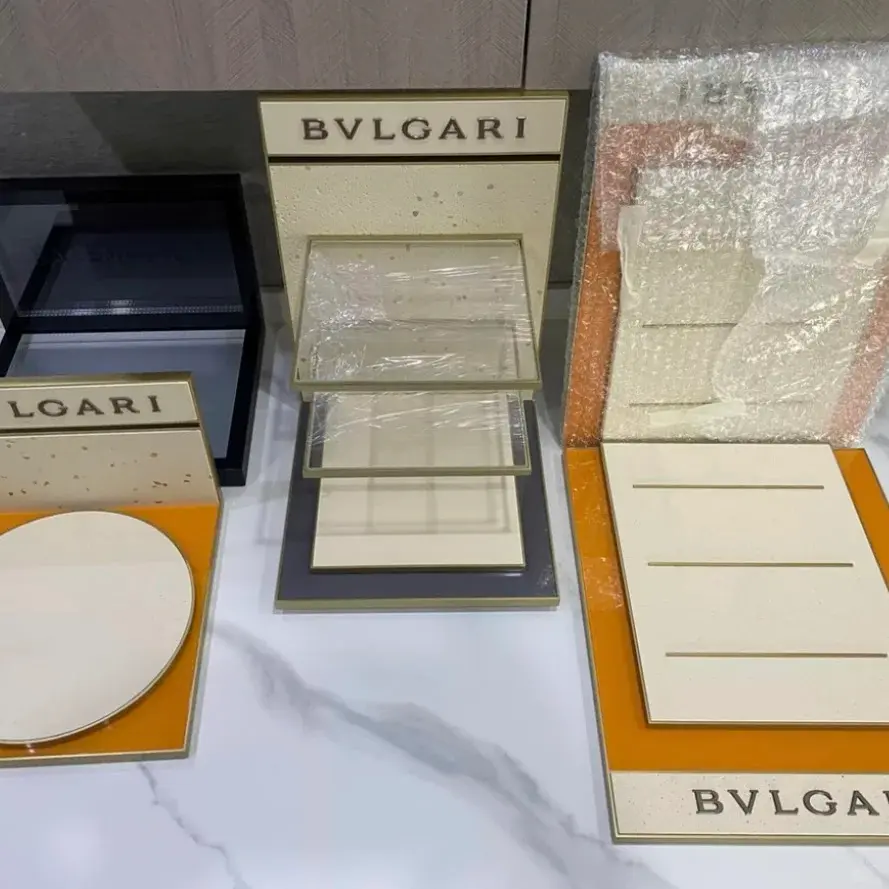
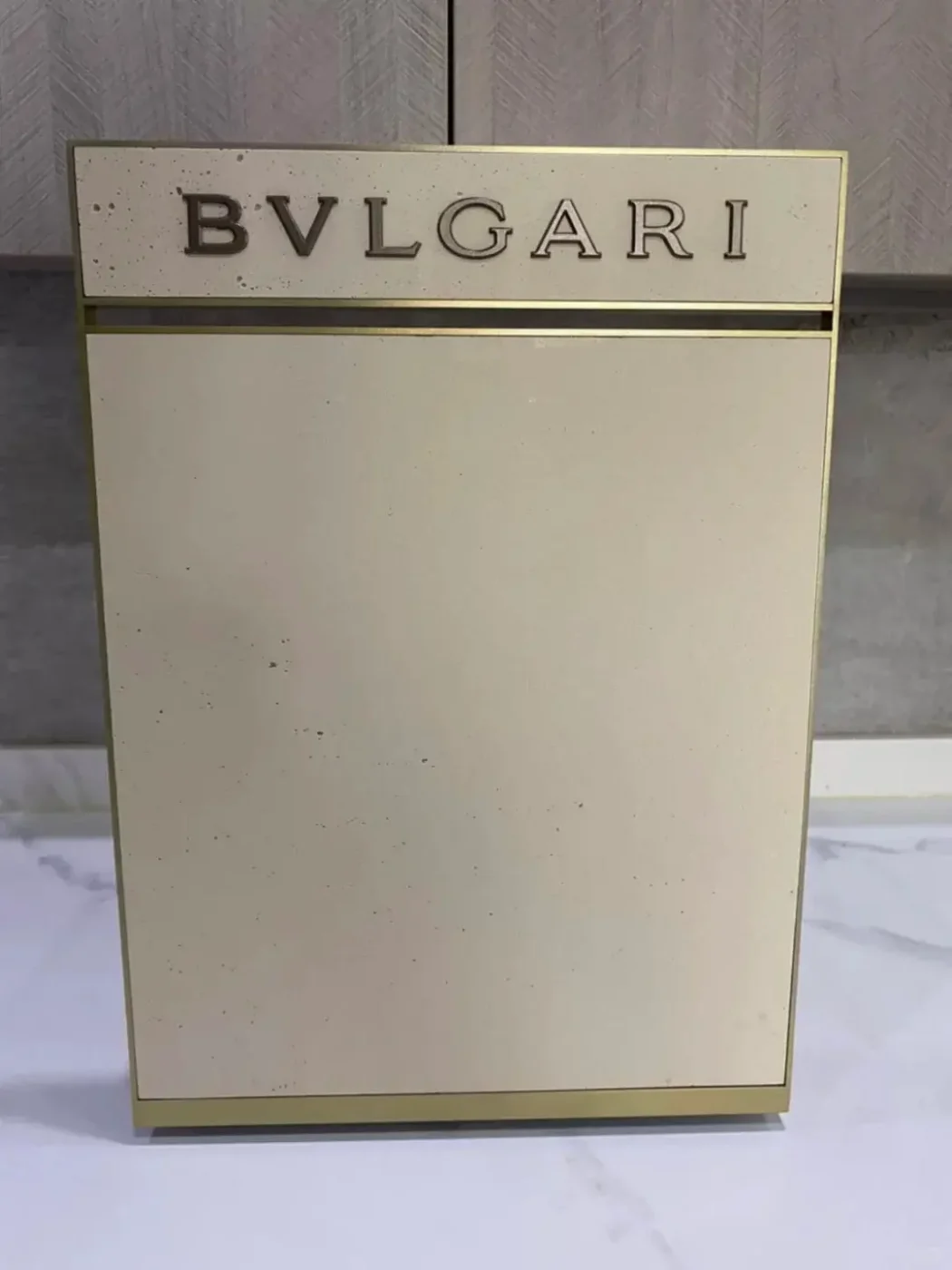
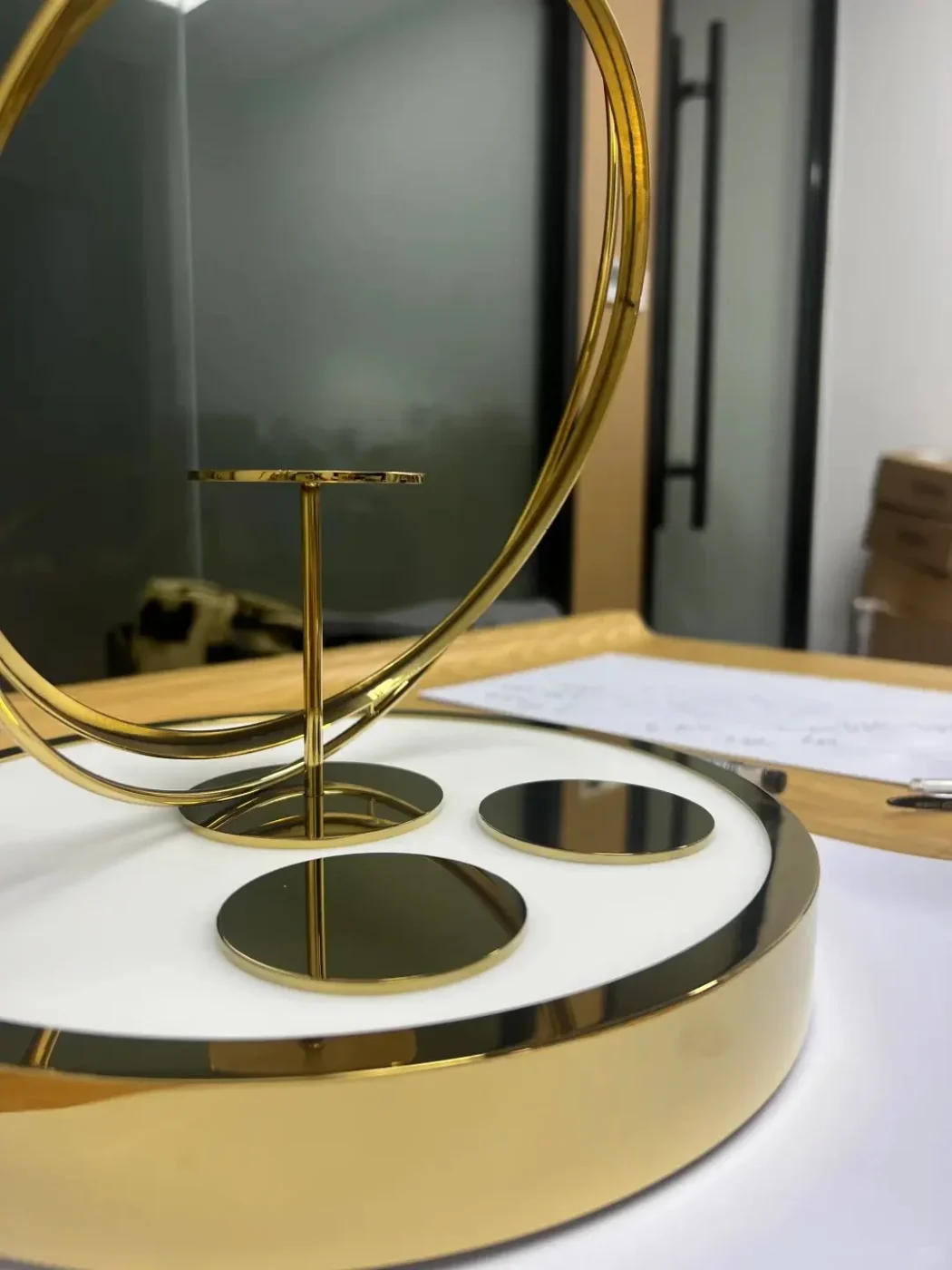
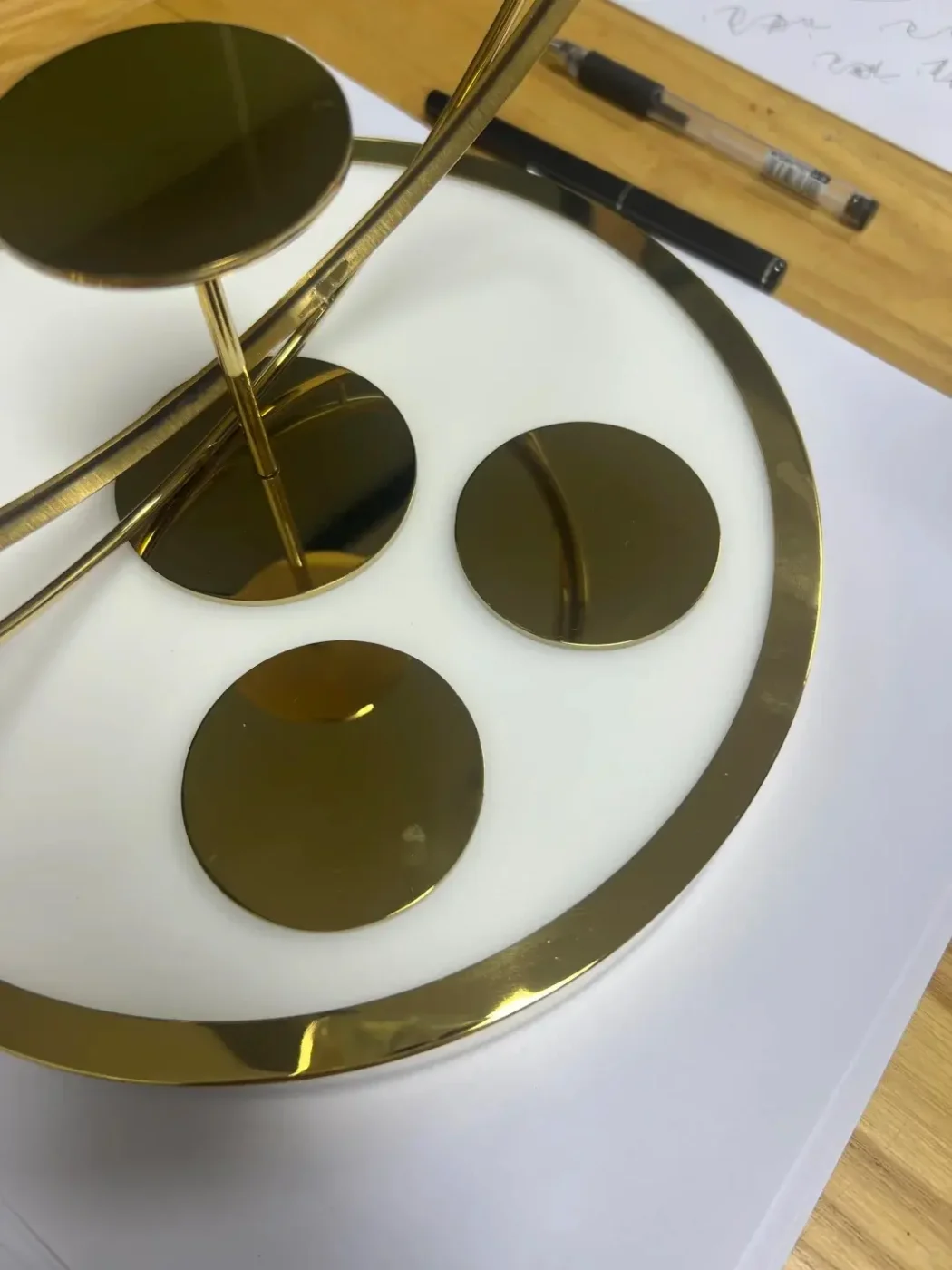
Luxury shopfitting adds another layer of difficulty. Permanent or semi-permanent displays need stronger structure, better surface protection and longer-term maintenance planning. Metal may be used for support, acrylic for lighting, wood for volume and textile for softness. In projects involving custom metal display fixtures, we usually consider not only appearance, but also weight, fixing method, surface durability and transport protection.
A common decision we help clients navigate is the choice between electroplated metal and PVD-coated finishes. Electroplating suits complex geometries and delivers a classic mirror-chrome or gold look, but it requires careful handling during shipping. PVD coating offers superior scratch resistance and is better suited to high-traffic permanent fixtures — though it only works on metal substrates. These material trade-offs are rarely visible in the finished display, but they determine how well the fixture performs over months or years of daily use.
Travel Retail and Pop-Up Store Requirements
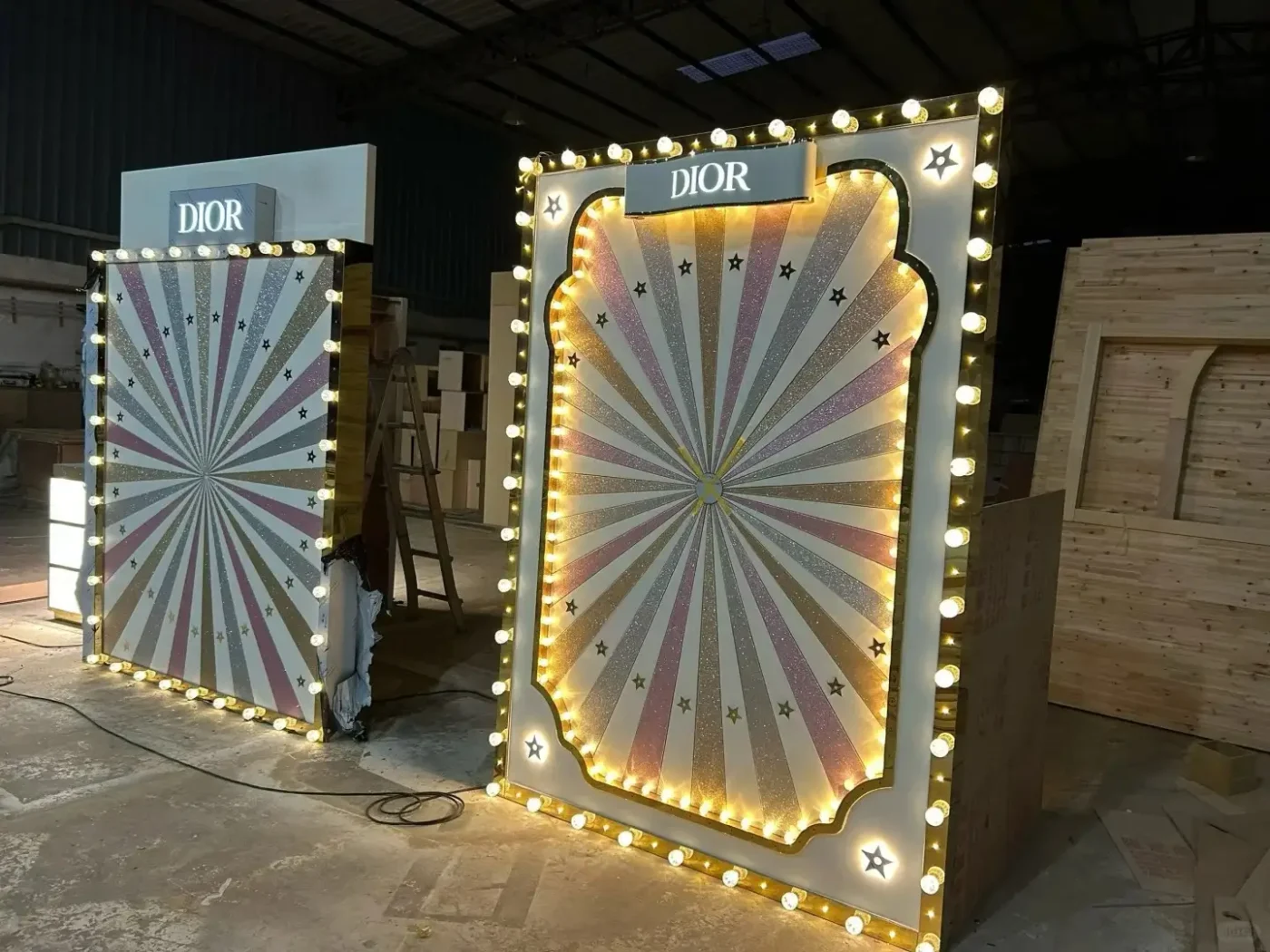
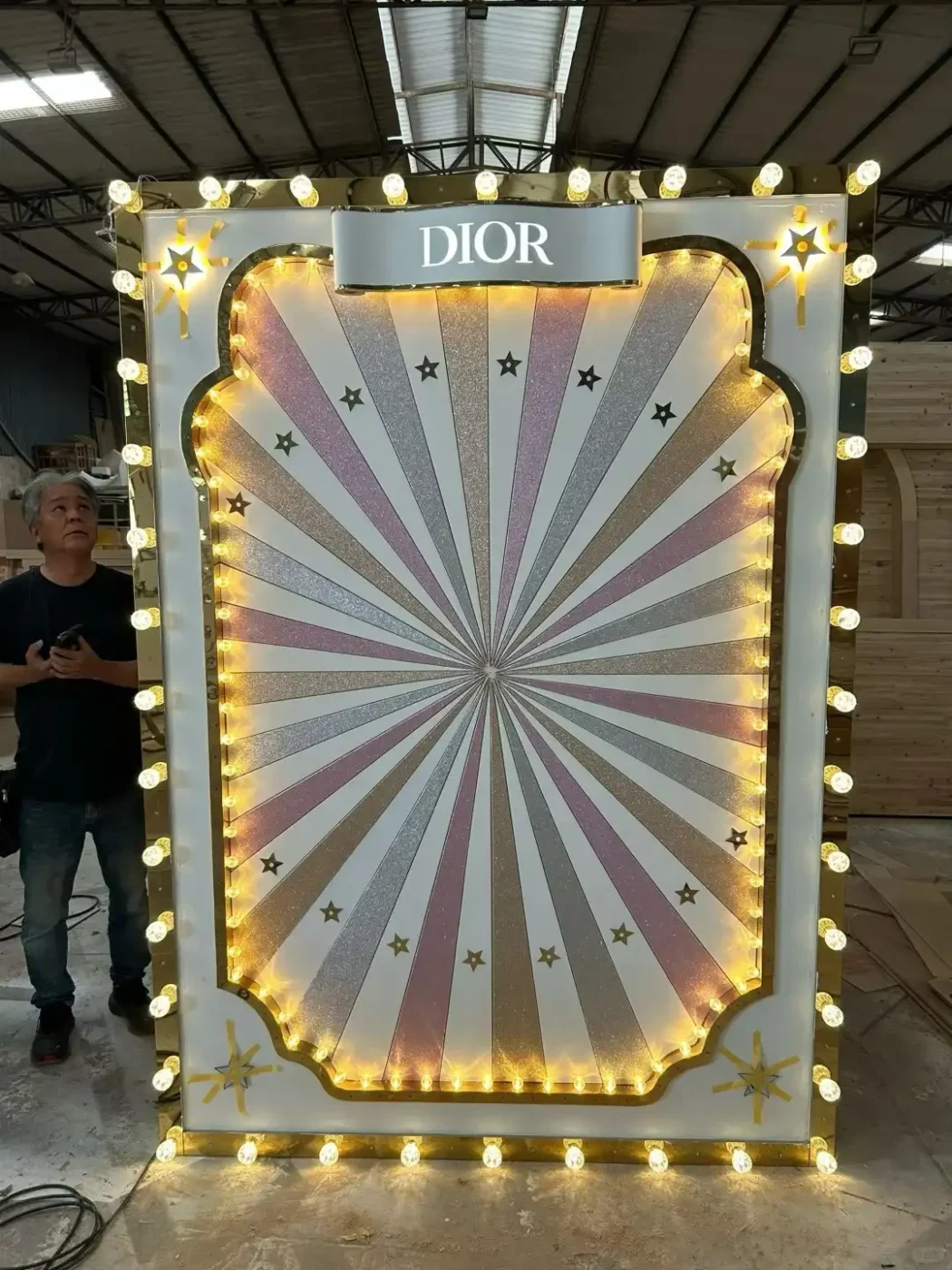
For travel retail and pop-up stores, speed becomes critical. Fixtures may need to be shipped internationally, assembled quickly and dismantled without damage. A beautiful display that takes too long to install can become a problem for the store team. That is why pop-up store display props should be designed with labeled parts, strong packaging, clear connection systems and pre-assembly checks before shipment.
In our production workflow, every pop-up fixture goes through a full trial assembly in our factory before packing. We photograph each step, number every component, and include printed assembly guides in the crate. This process adds roughly two days to the production schedule, but it eliminates the installation failures that can derail a launch event.
The broader retail conversation is moving in the same direction. Vogue Business has discussed how physical retail strategies increasingly depend on experience, differentiation and meaningful store environments. This makes beauty display production more demanding, because each fixture must support brand image, customer interaction and operational durability at the same time.
What Manufacturers Can Learn From DIAM’s Approach
From an expert manufacturing perspective, DIAM’s public positioning gives one important lesson: modern retail display work is becoming less about single products and more about long-term systems. Brands need concepts, prototypes, reliable production, installation support and sometimes maintenance. A strong retail display manufacturer should therefore ask technical questions early: What is the expected lifespan? How many stores? What material finish? What packing method? Who installs it? Can parts be replaced?
For brands, agencies and sourcing teams, this is the key takeaway. Beauty and luxury retail projects look polished because many hidden production decisions are solved before installation. If your team is planning a beauty counter, pop-up campaign, travel retail fixture or luxury shopfitting program, early discussion with a custom display props manufacturer can reduce production risk and improve final execution.
FAQ
What materials are commonly used in beauty retail displays?
Acrylic, metal, glass, resin, wood, LED lighting and printed graphics are commonly used depending on the display format. The choice depends on factors including viewing distance, lighting conditions, durability requirements and whether the fixture is permanent or temporary.
Why is beauty display production so detail-sensitive?
Beauty products are viewed closely, so edges, lighting, color, surface finish and logo quality must be controlled carefully. A misaligned edge or inconsistent surface finish can cause a unit to fail brand QC, particularly for prestige fragrance and skincare counters.
Can retail display props be made more sustainable?
Yes. Modular design, reusable structures, optimized packing and replaceable components can reduce waste. Designing fixtures with separable materials also makes end-of-campaign recycling more practical.
When should a manufacturer join a beauty retail project?
Ideally before the final design is locked, so feasibility, material choice and installation logistics can be considered early. Late manufacturer involvement often leads to material substitutions, budget overruns or compromised finishes.
What is the difference between POS display props and shopfitting fixtures?
POS display props are typically smaller, counter-level units designed for product presentation at the point of sale. Shopfitting fixtures are larger structural elements — wall units, gondolas, display walls — that define the store environment. Both require different engineering approaches, but they must work together as a coherent visual system.
Disclaimer This article is based on publicly available project and industry information. VM Display is not claiming partnership, sponsorship, endorsement, or direct involvement with DIAM or any brands mentioned.