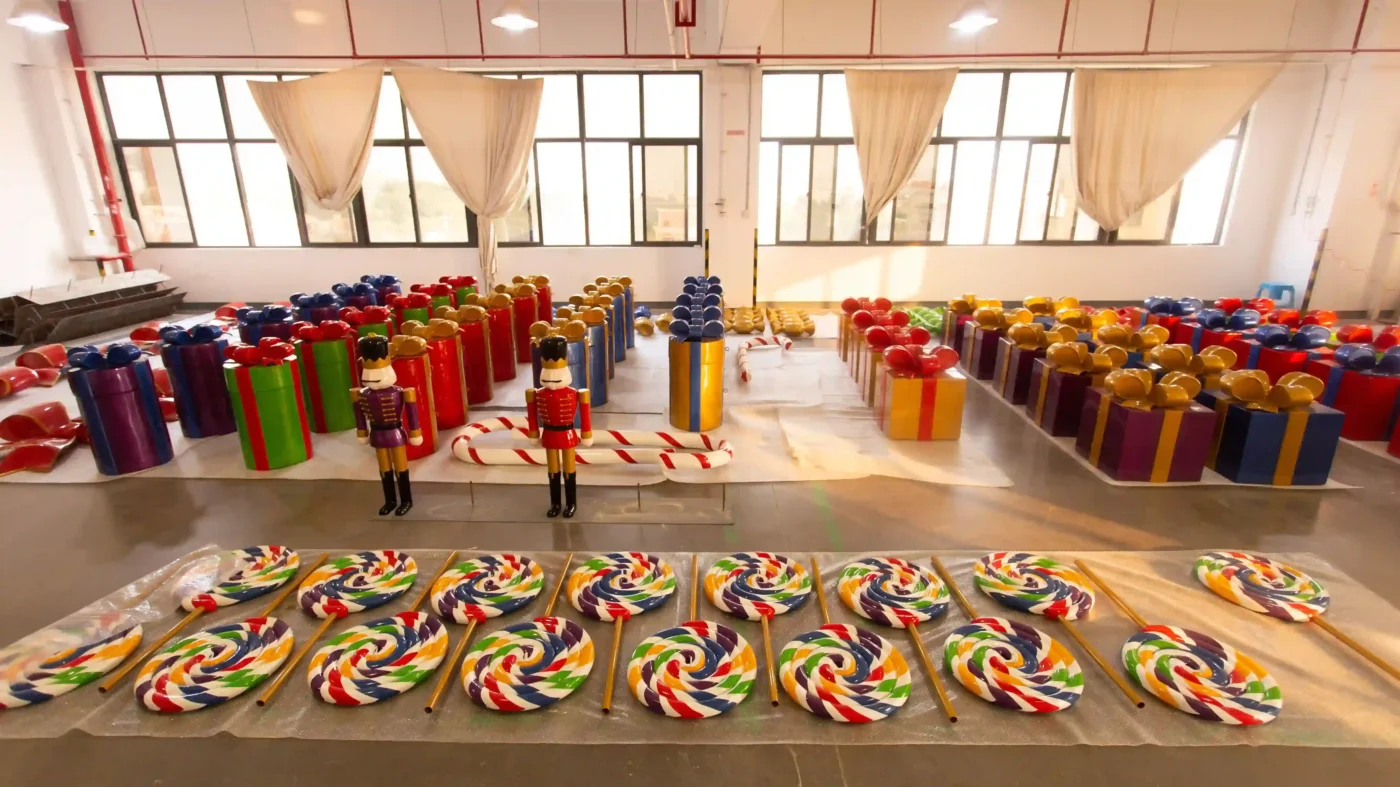
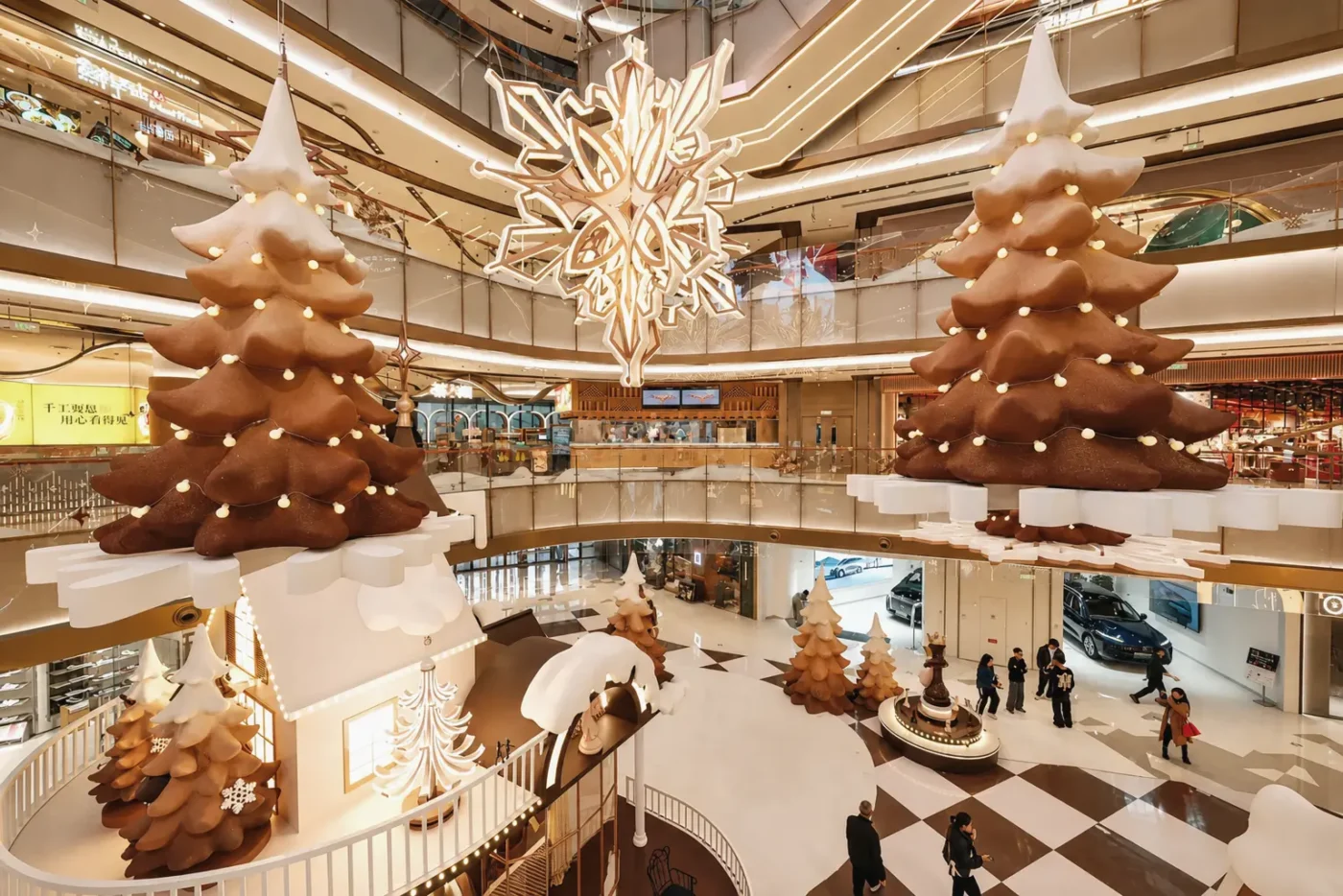
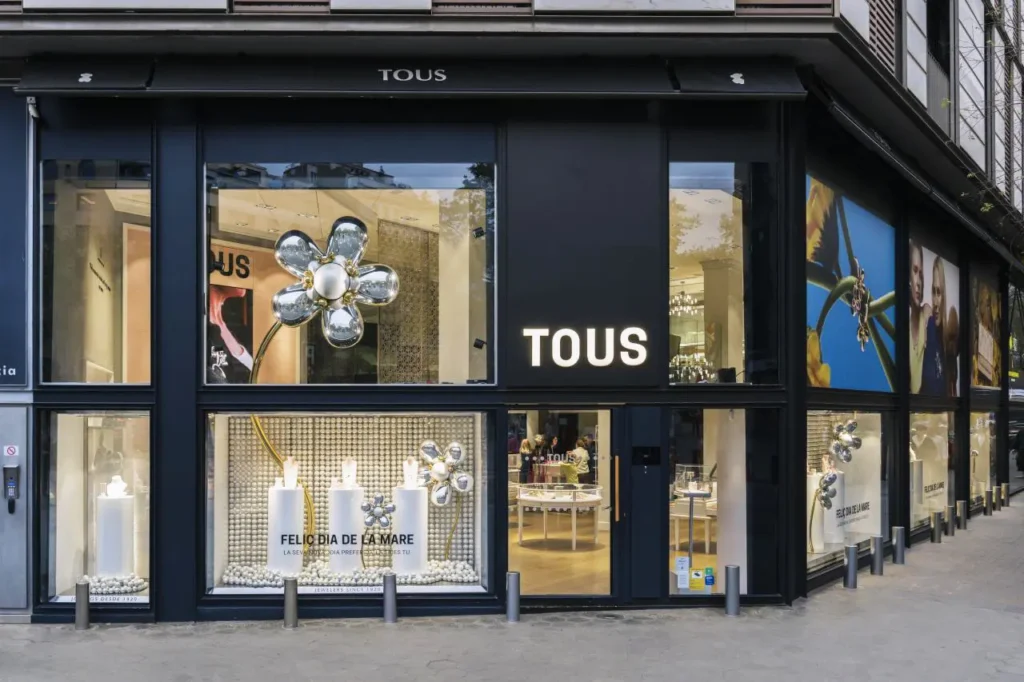
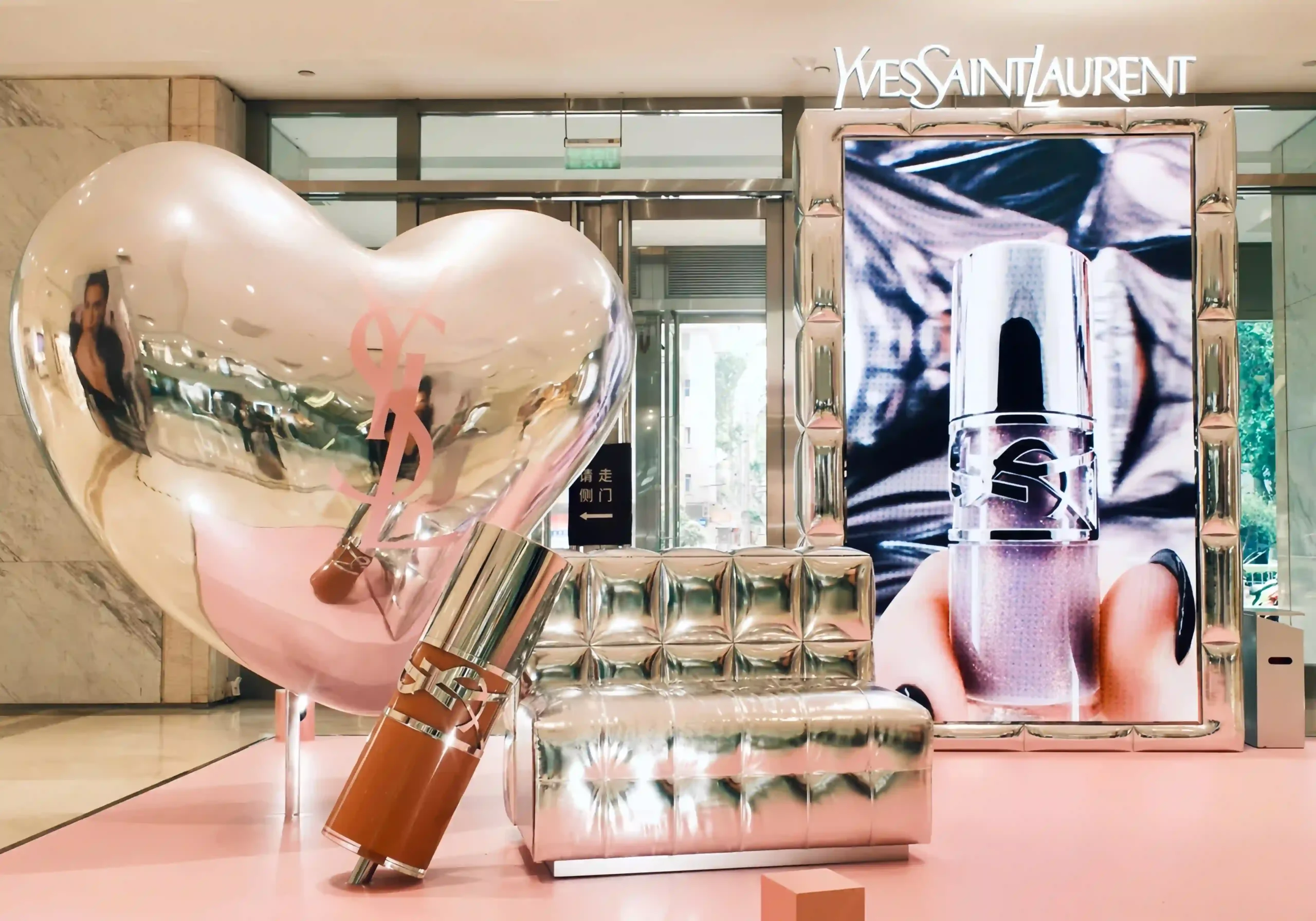
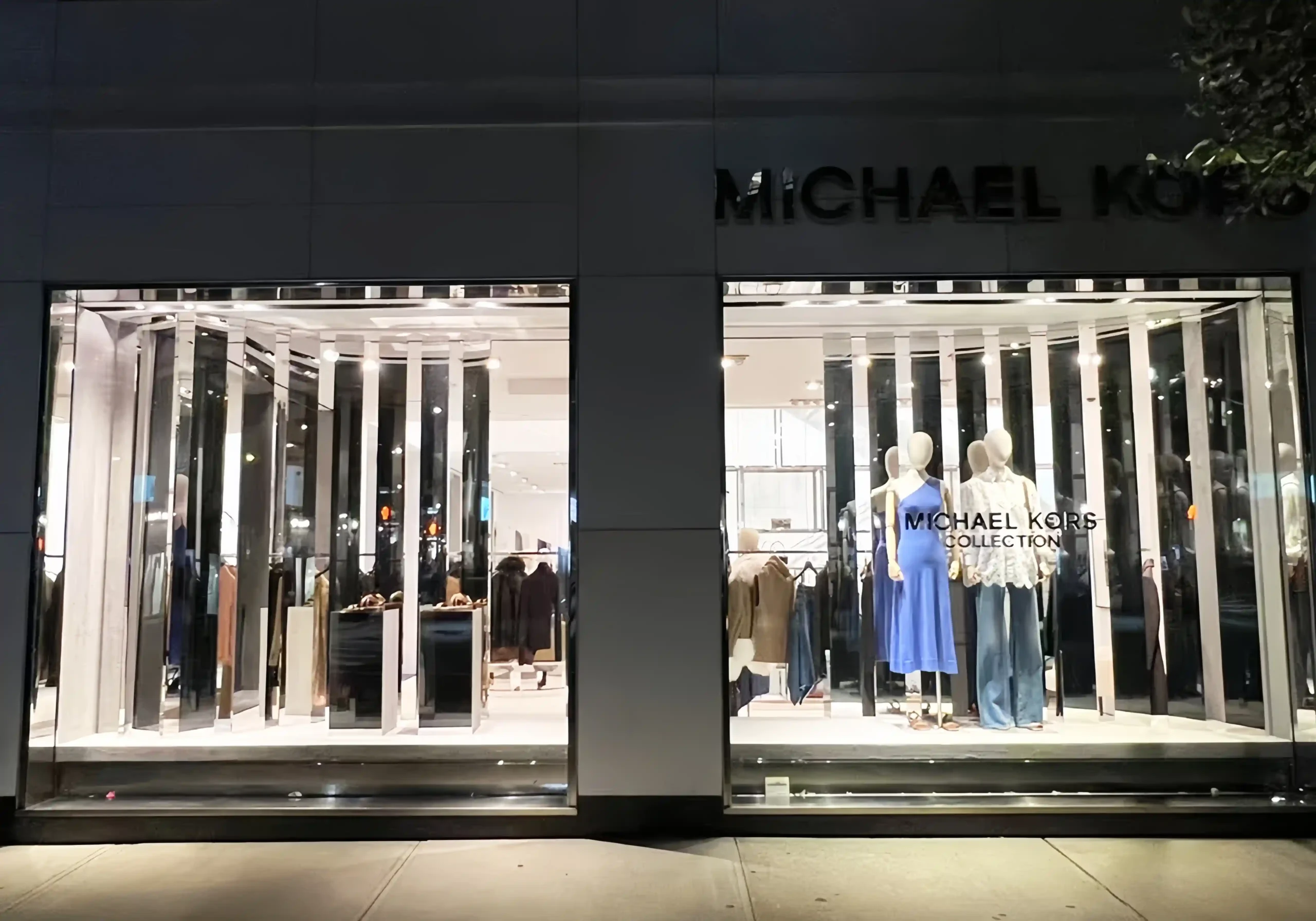
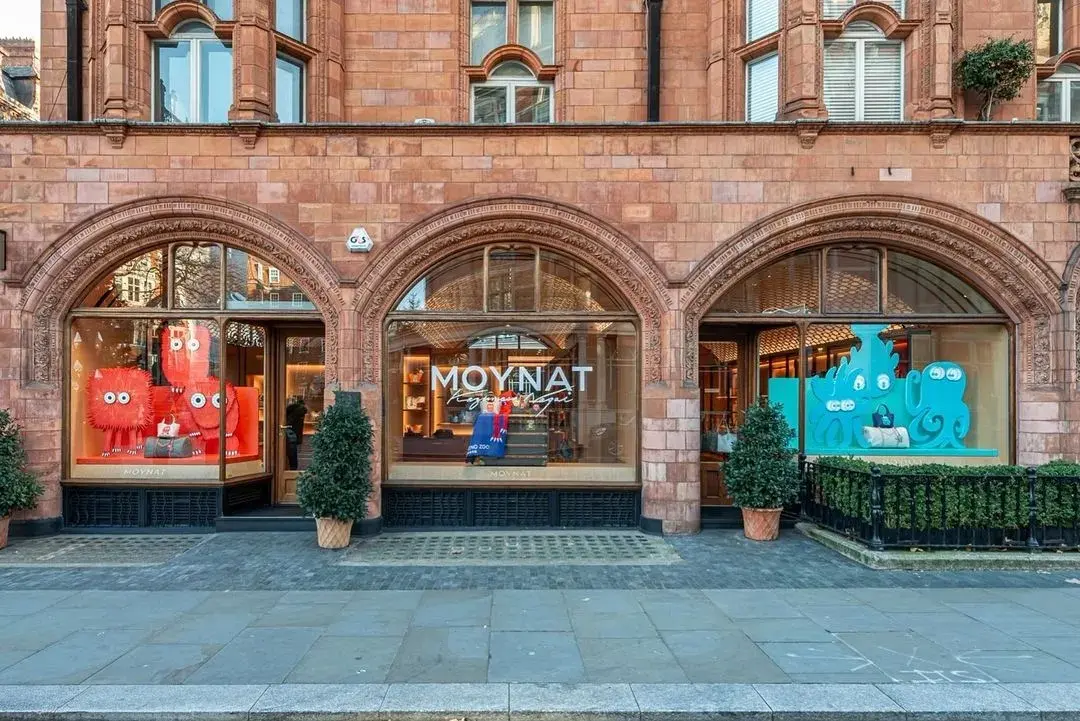
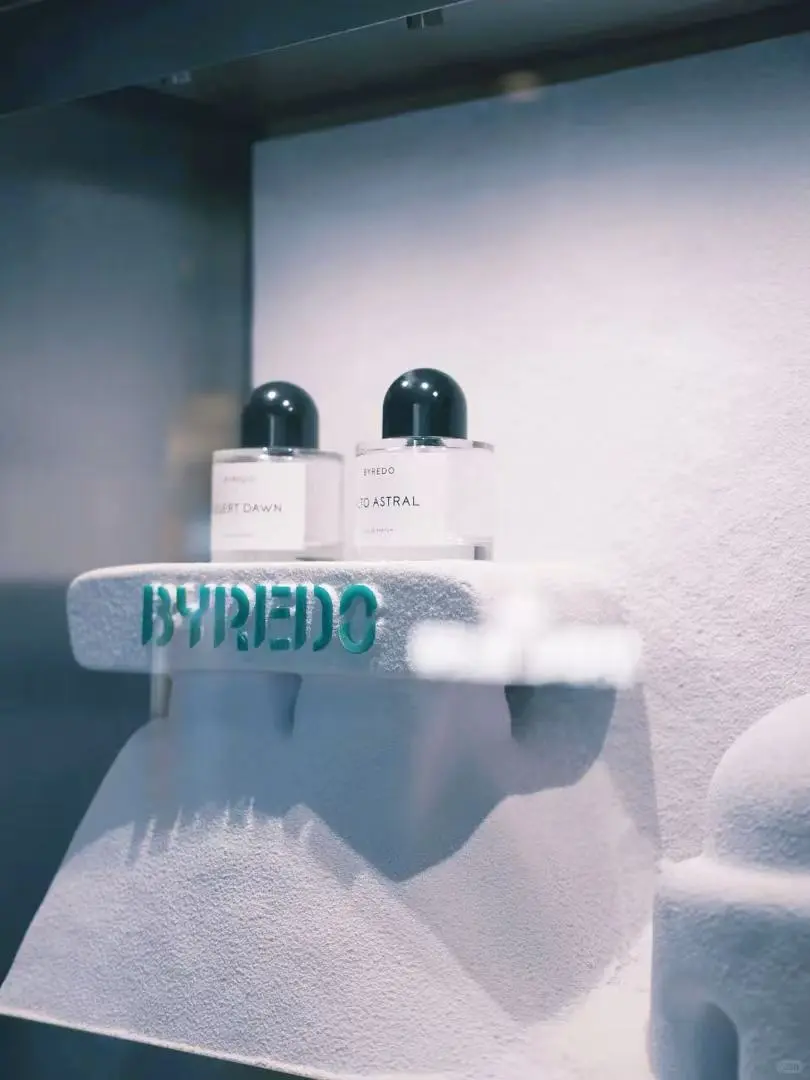
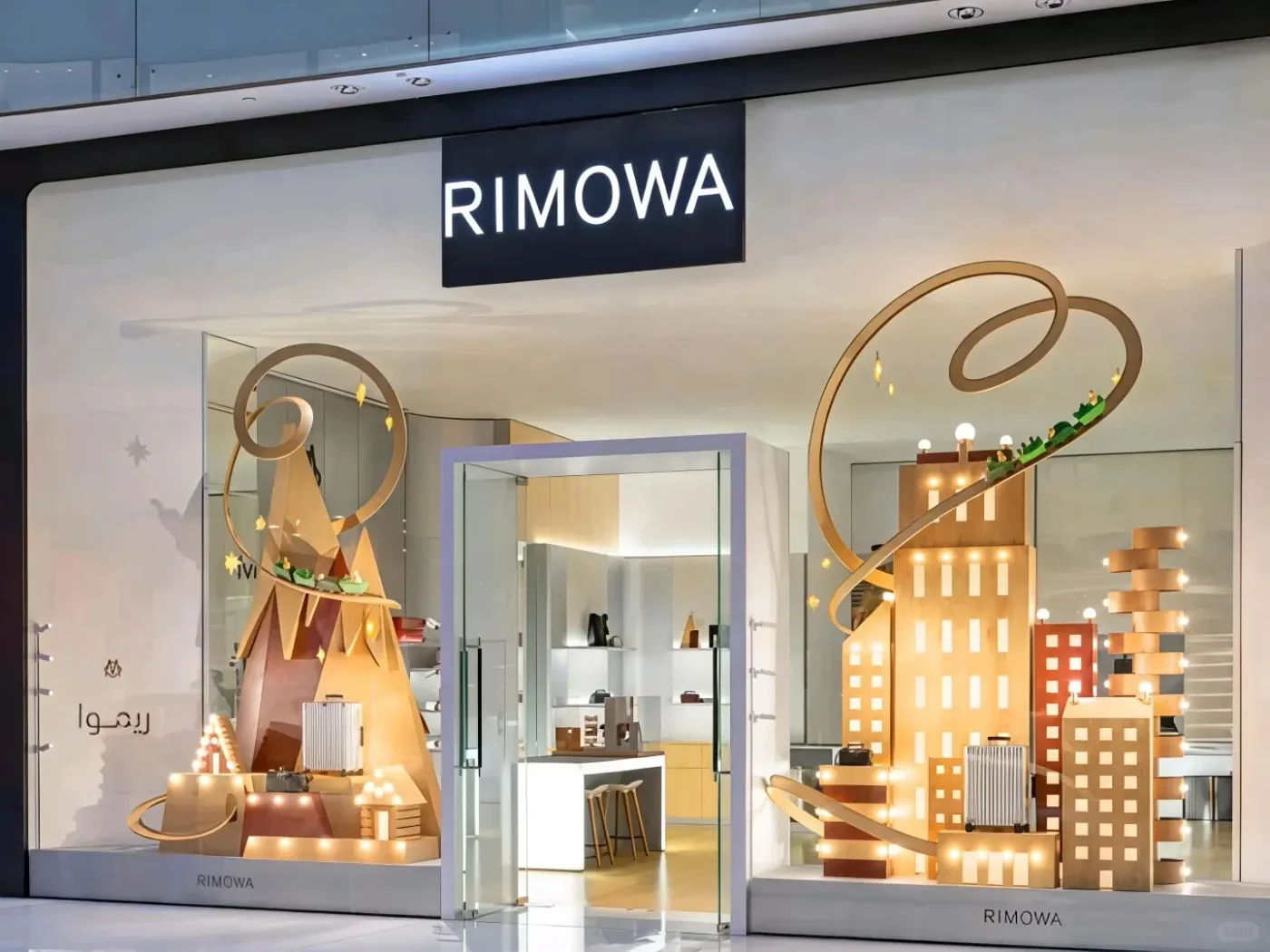
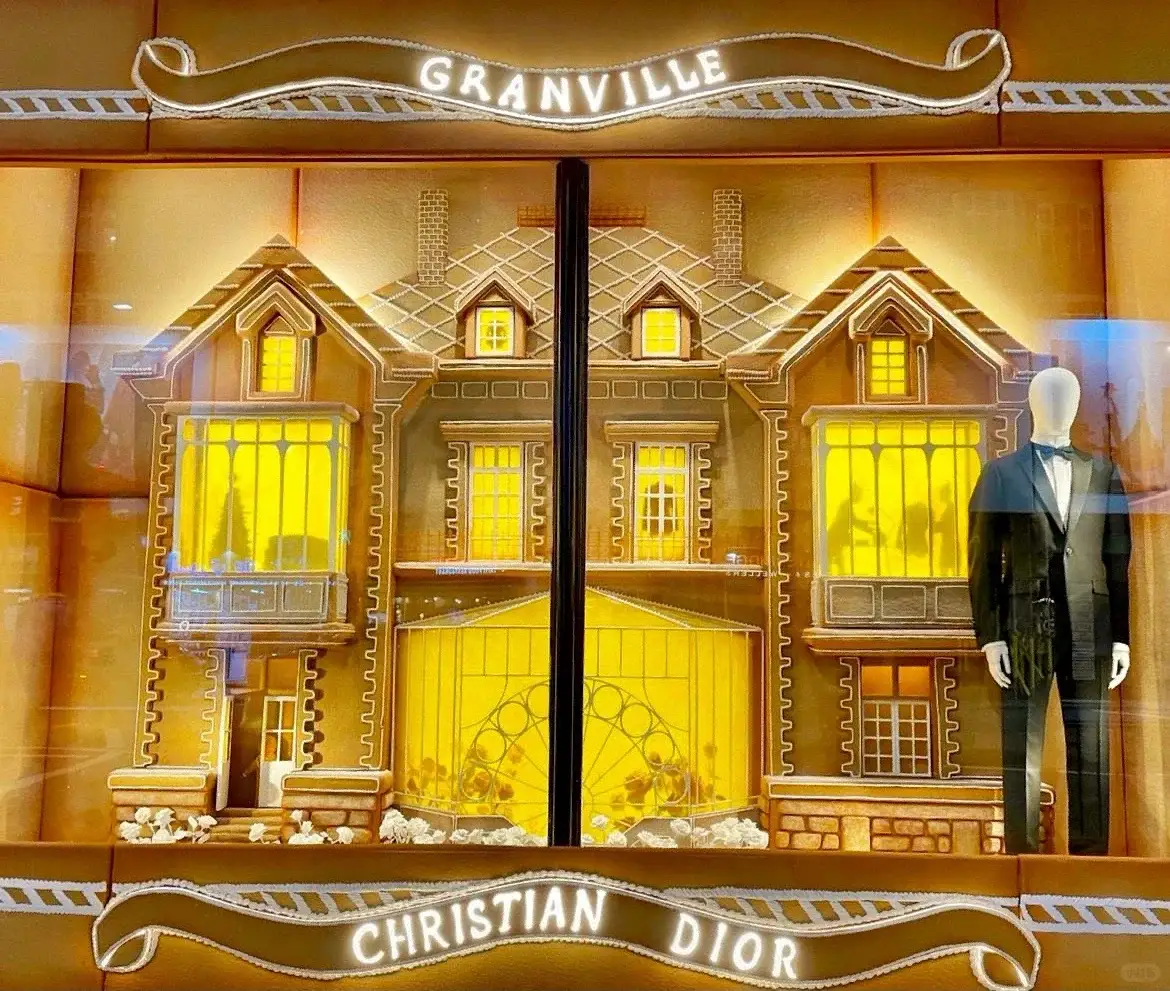
A custom display props quote requires more than a single picture. To estimate cost, lead time and production method, a manufacturer needs to understand six things: what the prop looks like, how big it is, how many are needed, what it is made of, where it will be installed, and when and where it must be delivered.
The clearer this information is at the enquiry stage, the faster the manufacturer can recommend a suitable production approach — and the more accurate the first quotation will be. Incomplete briefs are the single most common reason a custom display props quotation takes longer than expected, because every missing detail becomes a round of follow-up questions.
This checklist covers the five categories of information a manufacturer will ask for, in the order they matter.
1. Reference Images or Sketches
Reference images are the starting point of every quotation. They tell the manufacturer the shape, style, color, finish and level of detail the project demands — which in turn determines the production method and the cost bracket.
Almost anything visual works: mood boards, 3D renders, product photos, hand sketches, or images from a previous campaign. The reference does not need to be technically perfect. In practice, many of the most complex props we quote begin with nothing more than a product photo and a target height — the technical development happens afterwards, through 3D modeling for display props.
What matters is that the reference shows the intent: is this a clean geometric form or an organic sculpture? A matte single-color piece or a multi-finish branded replica? Those two answers alone can shift a quotation significantly.
2. Dimensions and Quantity
Size and quantity drive almost every line of a quotation: material consumption, mold cost, production time, packing method and shipping volume. A 3-meter prop and a 30-centimeter prop of the same design are, from a manufacturing standpoint, two different projects.
Exact dimensions are ideal but not mandatory at the enquiry stage. Approximate dimensions — “roughly 1.5 m tall, for a window of about 2.5 m” — are enough for early estimation, and can be refined before production. Quantity matters just as much: producing twenty identical pieces justifies mold-based methods that would be uneconomical for a single unit, which changes both the unit price and the recommended process. The relationship between quantity and method is explained in more detail in our guide to display props manufacturing.
3. Preferred Material and Finish
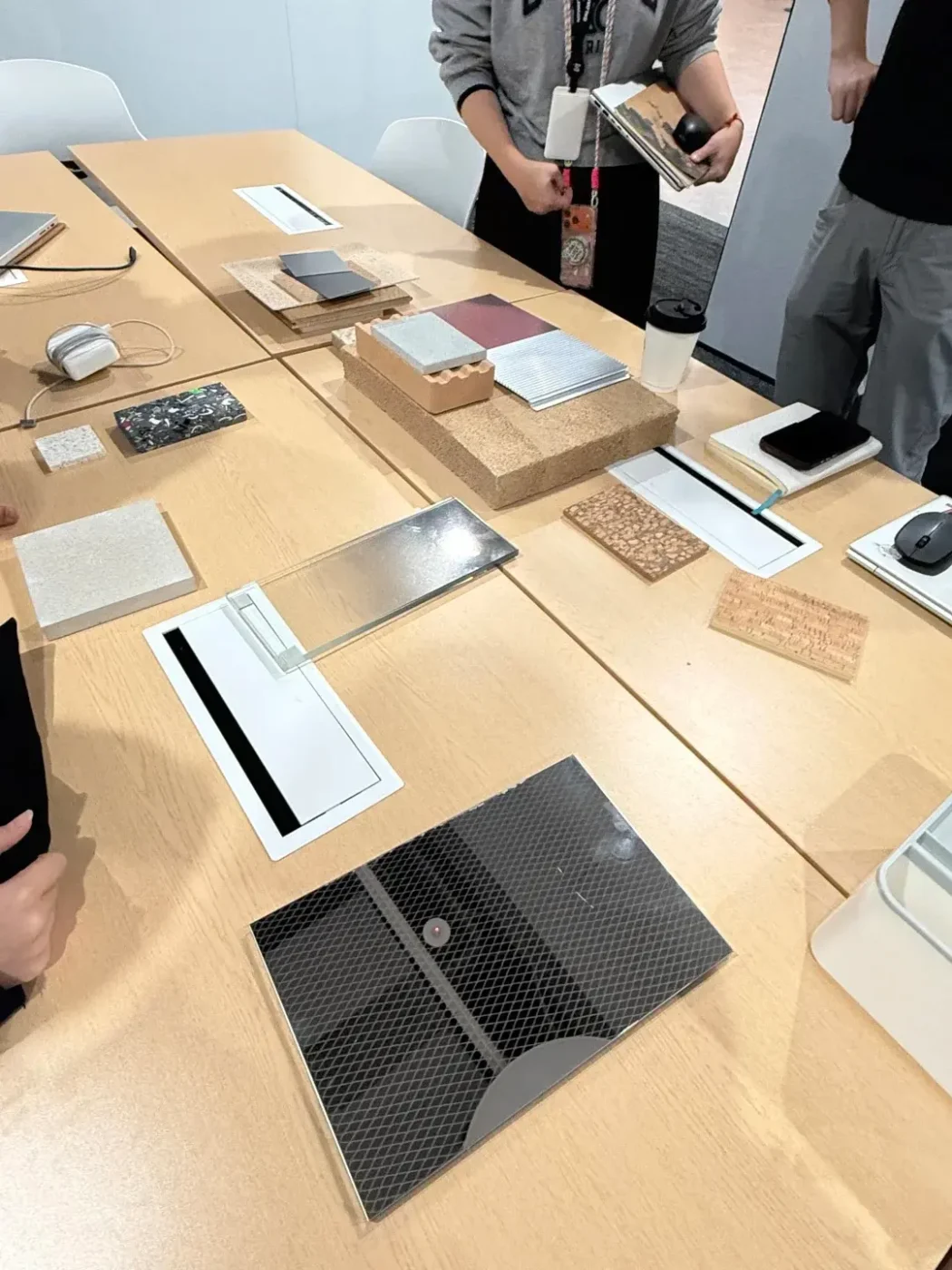
If a preferred material is already decided, state it: FRP, acrylic, metal, wood, foam, resin or fabric. Each carries its own cost structure, weight, durability and finishing options, so naming the material narrows the quotation quickly.
If the material is still open, that is equally useful information — the manufacturer can propose options based on the design, budget, installation environment and expected lifespan. A prop touring outdoor locations for six months needs a different specification from a two-week indoor window piece. For a practical comparison of the three most common choices, see FRP vs acrylic vs metal display props.
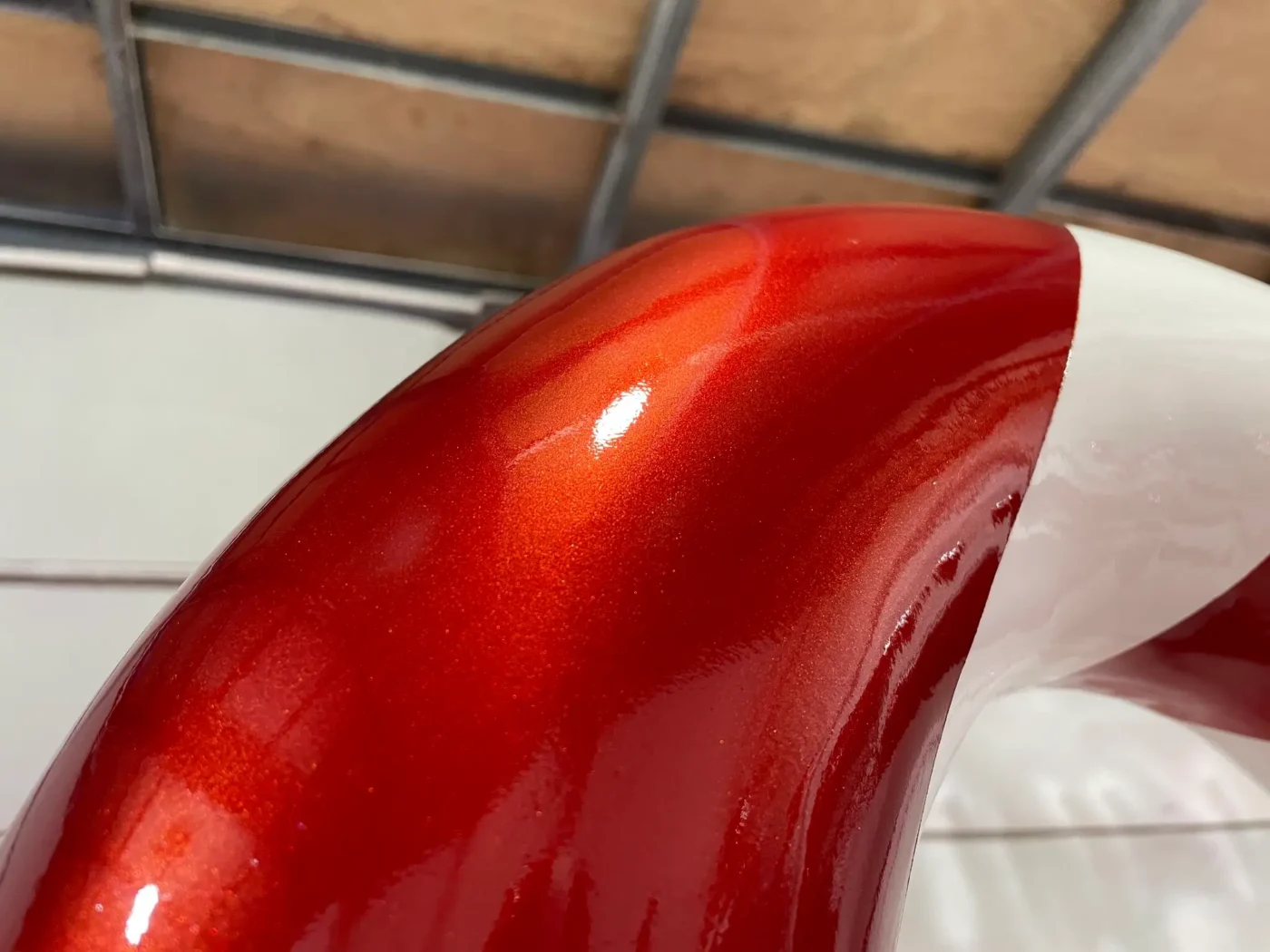
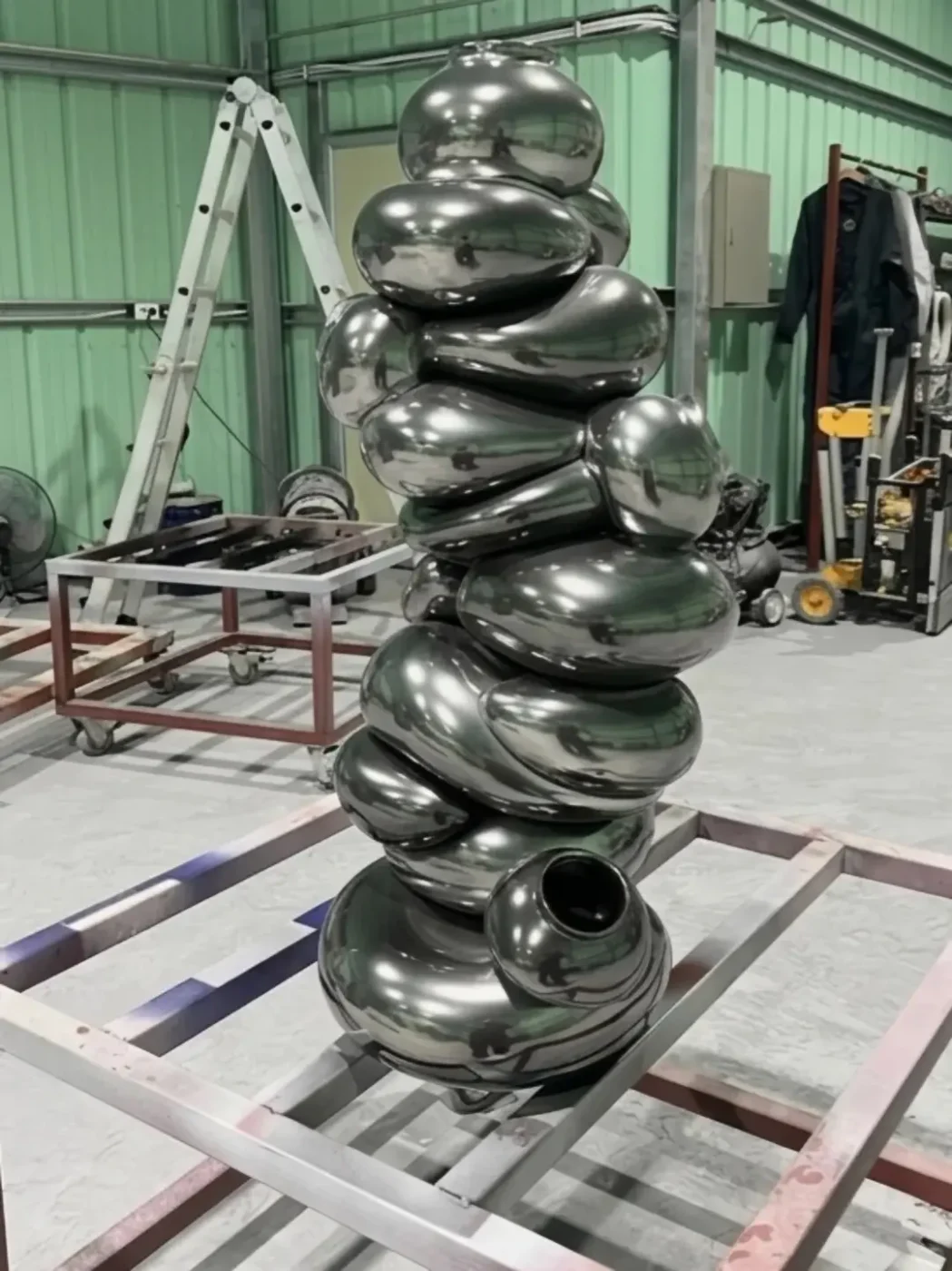
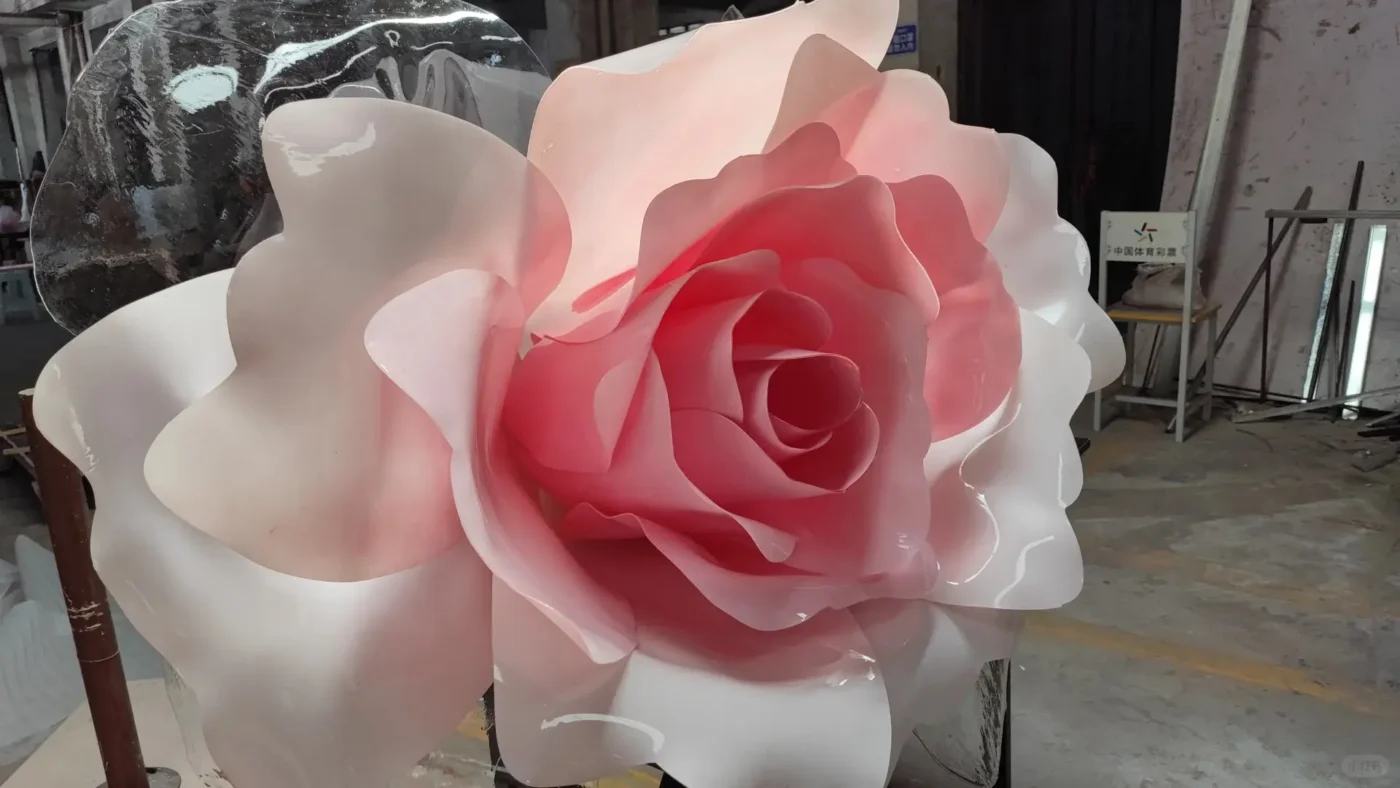
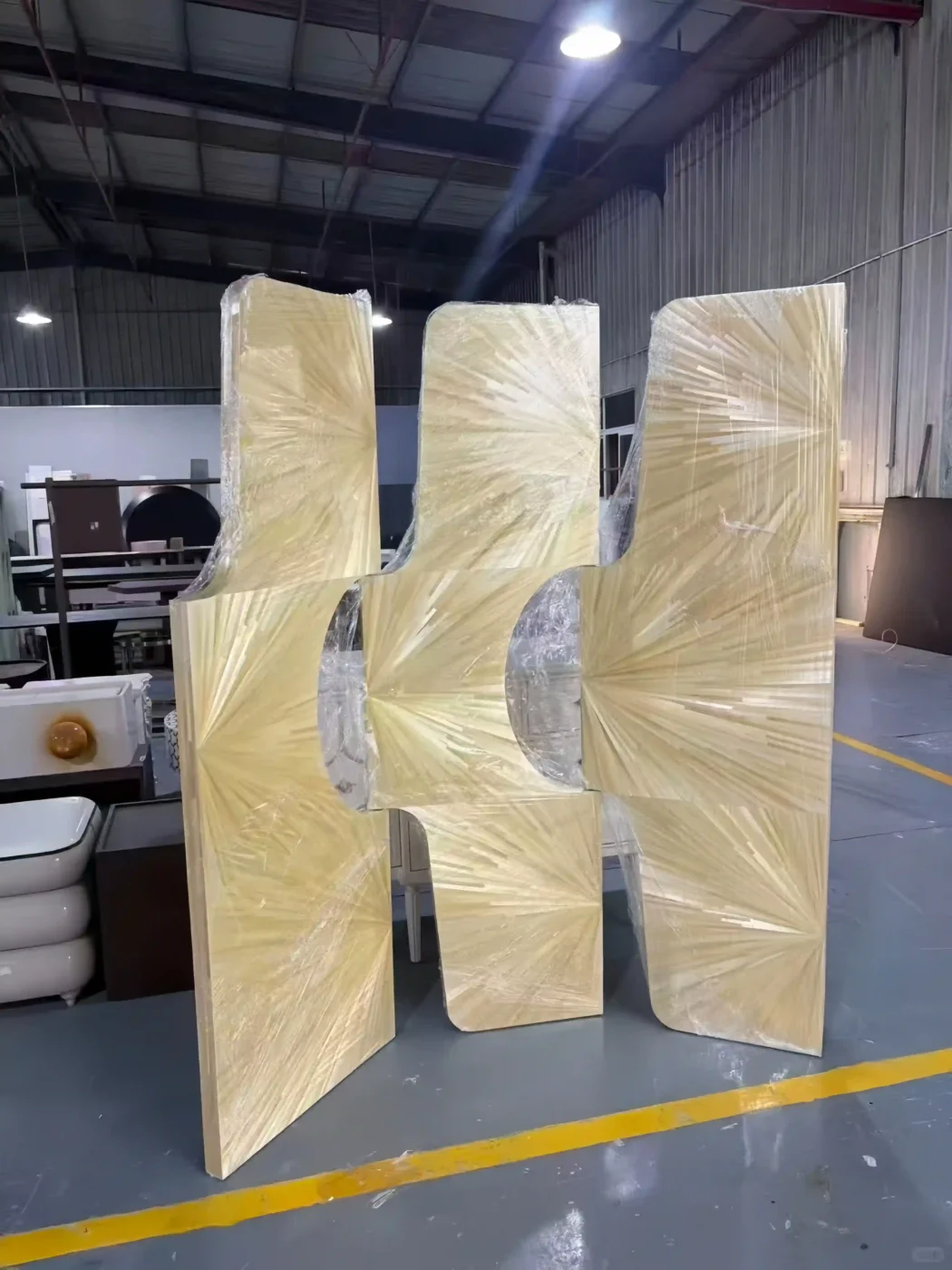
Finish deserves its own mention. Spray-painted, high-gloss, brushed-metal, flocked or hand-finished surfaces can account for a substantial share of the final cost, so any reference to the expected surface quality helps the quote reflect reality.
4. Installation Location and Use Case
Where and how the prop will be used shapes its structure. A prop standing inside a closed retail window display can be lighter and simpler than the same design placed in a mall atrium, where it must be stable, safe around foot traffic and possibly fire-rated. Pop-up displays, exhibition booths and outdoor storefronts each add their own requirements — repeated assembly, transport durability, or weather resistance.
Useful details to include: indoor or outdoor, freestanding or fixed, publicly accessible or behind glass, single location or touring. None of these change the design intent, but all of them change the engineering — and therefore the quote.
5. Timeline, Packaging and Shipping Destination
Production planning starts from the required delivery date and works backwards. A comfortable timeline allows standard production and sea freight; a compressed one may require expedited processes or air shipment, both of which affect cost. Sharing the real in-store date — not just “as soon as possible” — lets the manufacturer propose a plan that actually holds.
Packaging and destination matter more than most first-time buyers expect, especially for fragile, oversized, metallic, acrylic or hand-finished props. Export-grade crating, foam engineering and the shipping route are all quoted based on the destination country and delivery conditions. These logistics considerations are part of full-service visual merchandising production, so the earlier the destination is known, the more complete the quotation.
Quick Reference: Quote Information Checklist
| Category | Minimum needed | Ideal |
|---|---|---|
| Visual reference | One image showing shape and style | Render or photos from multiple angles, finish references |
| Dimensions | Approximate height or footprint | Exact dimensions or space measurements |
| Quantity | Estimated range | Confirmed quantity per location |
| Material & finish | Open to suggestions | Preferred material and surface finish named |
| Location & use | Indoor or outdoor | Venue type, duration, installation conditions |
| Timeline & shipping | Target month | In-store date and delivery destination |
Frequently Asked Questions
Can I request a quote without exact dimensions? Yes. Approximate dimensions are enough for an initial estimate. The manufacturer can quote a realistic range and refine the price once the final size is confirmed during design development.
How long does a custom display props quotation take? A straightforward enquiry with clear references is typically quoted within 1–3 working days. Complex sculptural pieces or multi-store rollouts may need slightly longer, as the manufacturer evaluates production methods before pricing.
Do I need to decide the material before asking for a quote? No. If the material is undecided, the manufacturer can propose suitable options based on the design, installation environment, budget and timeline — often with more than one costed alternative.
Is there a minimum order quantity for custom display props? Custom visual merchandising props are routinely produced as single pieces or small runs. Quantity mainly affects which production method is most economical, rather than whether the project is feasible.
Ready to Request a Custom Display Props Quote?
Send your reference images, dimensions, quantity, finish expectations, timeline and delivery destination. VM Display will review the project and come back with a suitable production approach and quotation — request a custom display props quote to start.