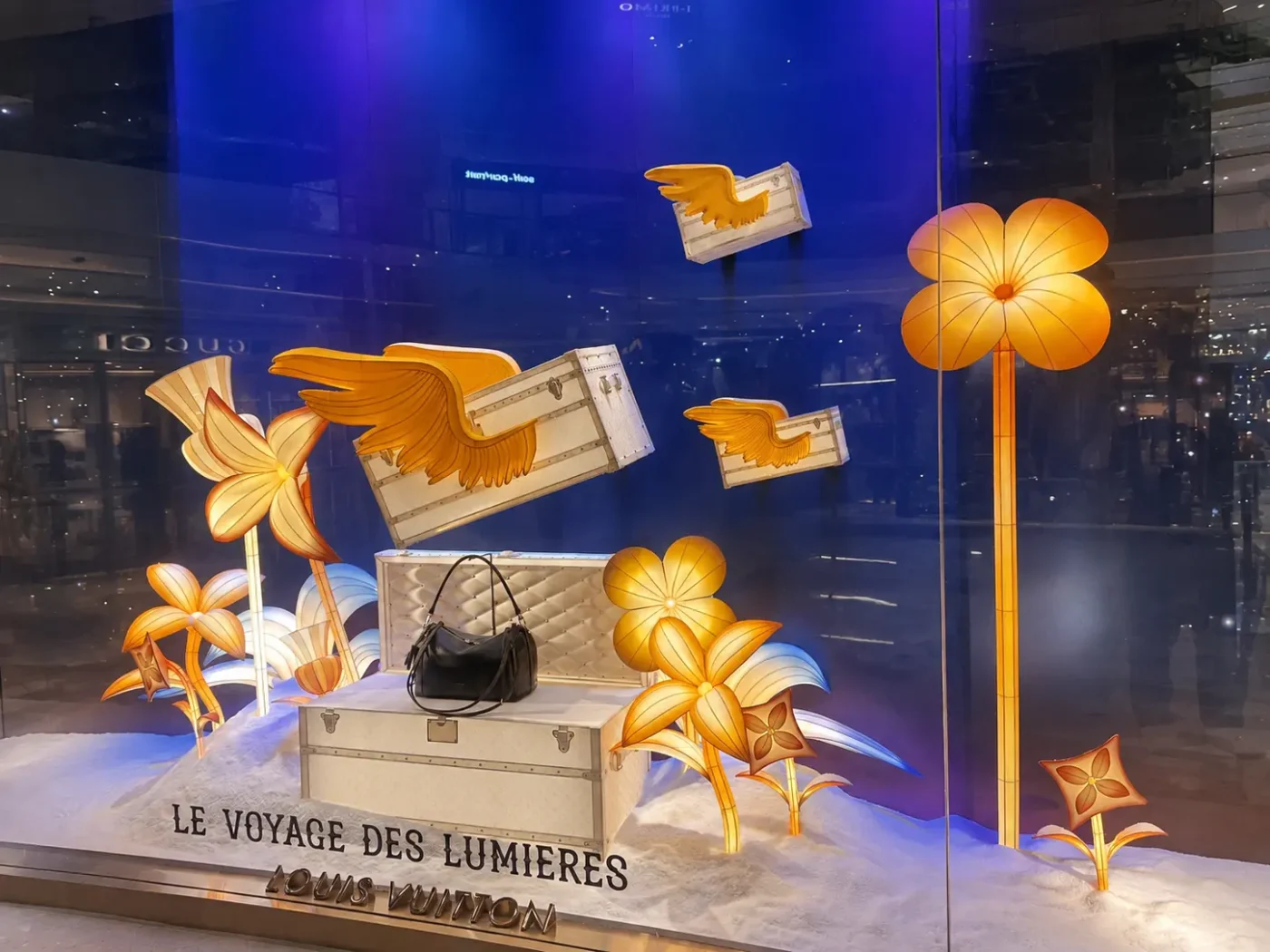
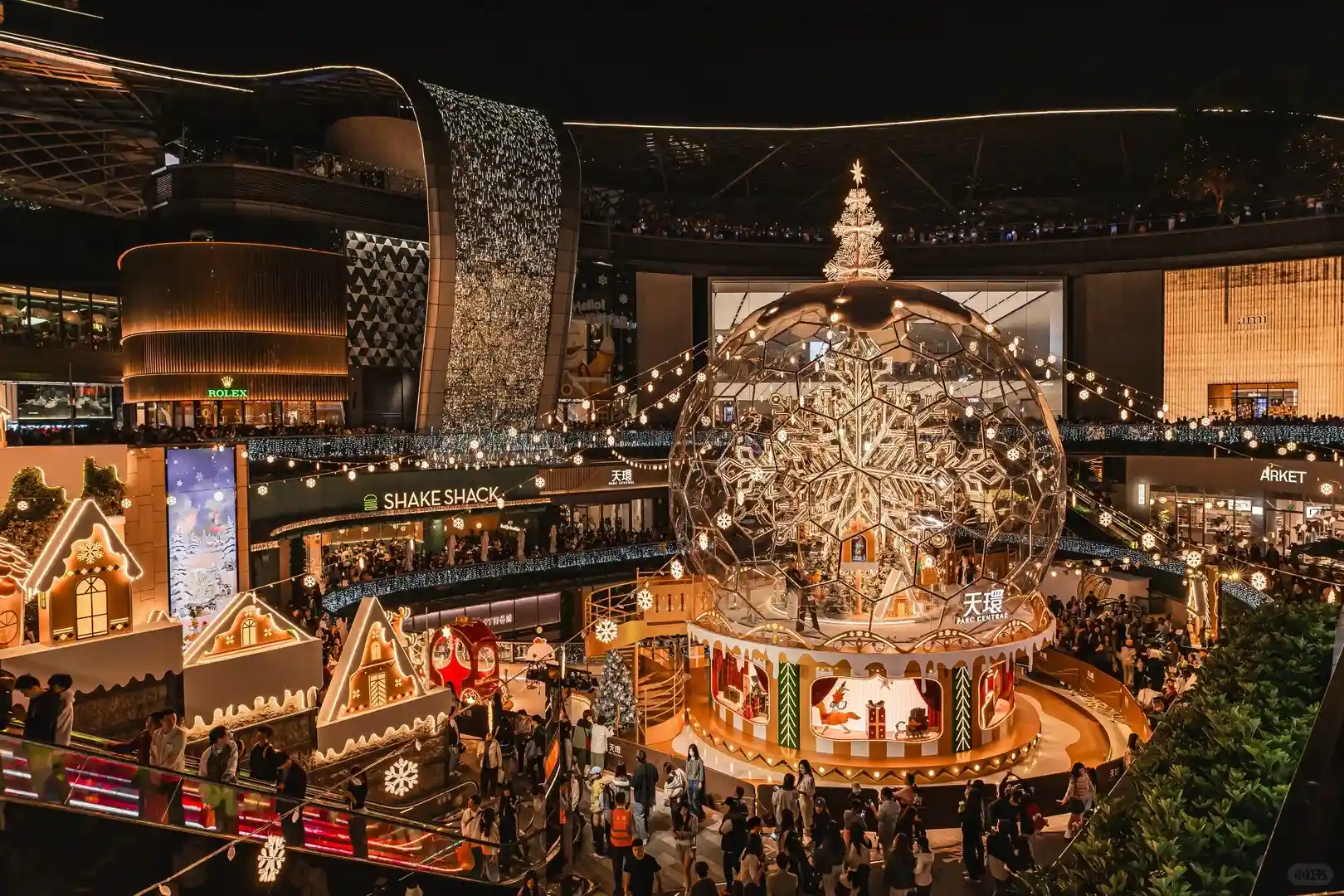

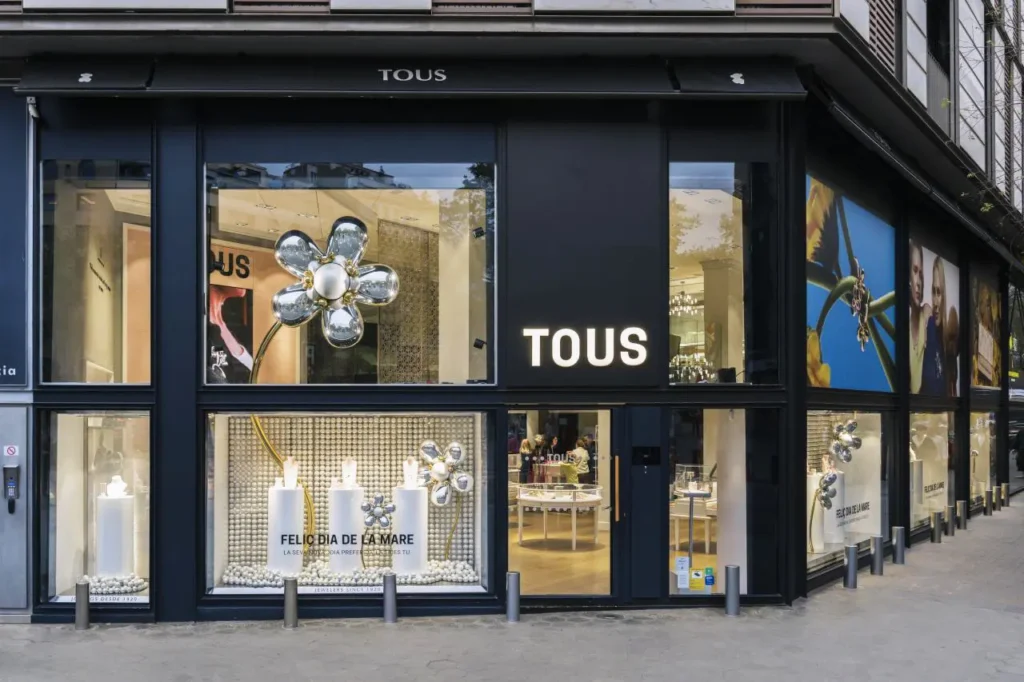
A giant flower prop is a custom-made, oversized botanical sculpture built for a store window, atrium or pop-up. It has to keep its shape, colour and finish through freight, installation and several weeks under display lighting.
Search for giant flowers and you will mostly find ready-made foam, EVA and paper blooms sold for weddings and events. They work well for a weekend. A brand window asks for more: an exact campaign colour, a metallic or velvet surface, the same flower in fifty stores, and a structure that survives being packed and rebuilt.
This guide explains how those flowers are made: which material gives which effect, how a fiberglass flower moves from render to crate, and what shapes lead time and cost.
Ready-Made or Custom: When a Giant Flower Needs to Be Made to Order
| Ready-made giant flowers | Custom giant flower props | |
|---|---|---|
| Typical materials | EVA foam, paper, fabric on wire | Fiberglass (FRP), acrylic, metal, flocked or plated finishes |
| Colour | Stock colours | Matched to the campaign palette on physical samples |
| Surface | Soft, craft-like | Matte, gloss, mirror metallic, velvet or transparent |
| Consistency across stores | Varies by batch | Moulded, so every flower matches |
| Durability | One event or short campaign | Built for transport, handling and re-use |
| Timing | In stock | Sample in about 15 days, then production and freight |
| Quantité | Any | From 50 pieces per design |
If the flower is a background accent for a one-off event, ready-made is often enough. If it carries the campaign, sits beside product, or must look identical in every window of a rollout, it should be made to order.
Common Formats for Giant Flower Displays
The format decides the structure before any material is chosen.
- Freestanding stem flowers. The most dramatic and the most demanding. A tall stem and a wide head need an internal spine and a weighted base.
- Wall-mounted blooms. A single flower head or a flower wall fixed to a back panel. Lighter structure, but the fixing plate must be planned into the rear of the flower.
- Suspended flowers. Hung from the window ceiling. Weight and hanging points matter more than base size.
- Floor clusters. Several low flowers grouped around a plinth or product. Usually the easiest to ship and install.
- Scattered petals. Individual oversized petals used as risers or as a “petal fall”. Simple parts, but finish consistency is very visible.

Materials and Finishes: Choose by the Effect You Want
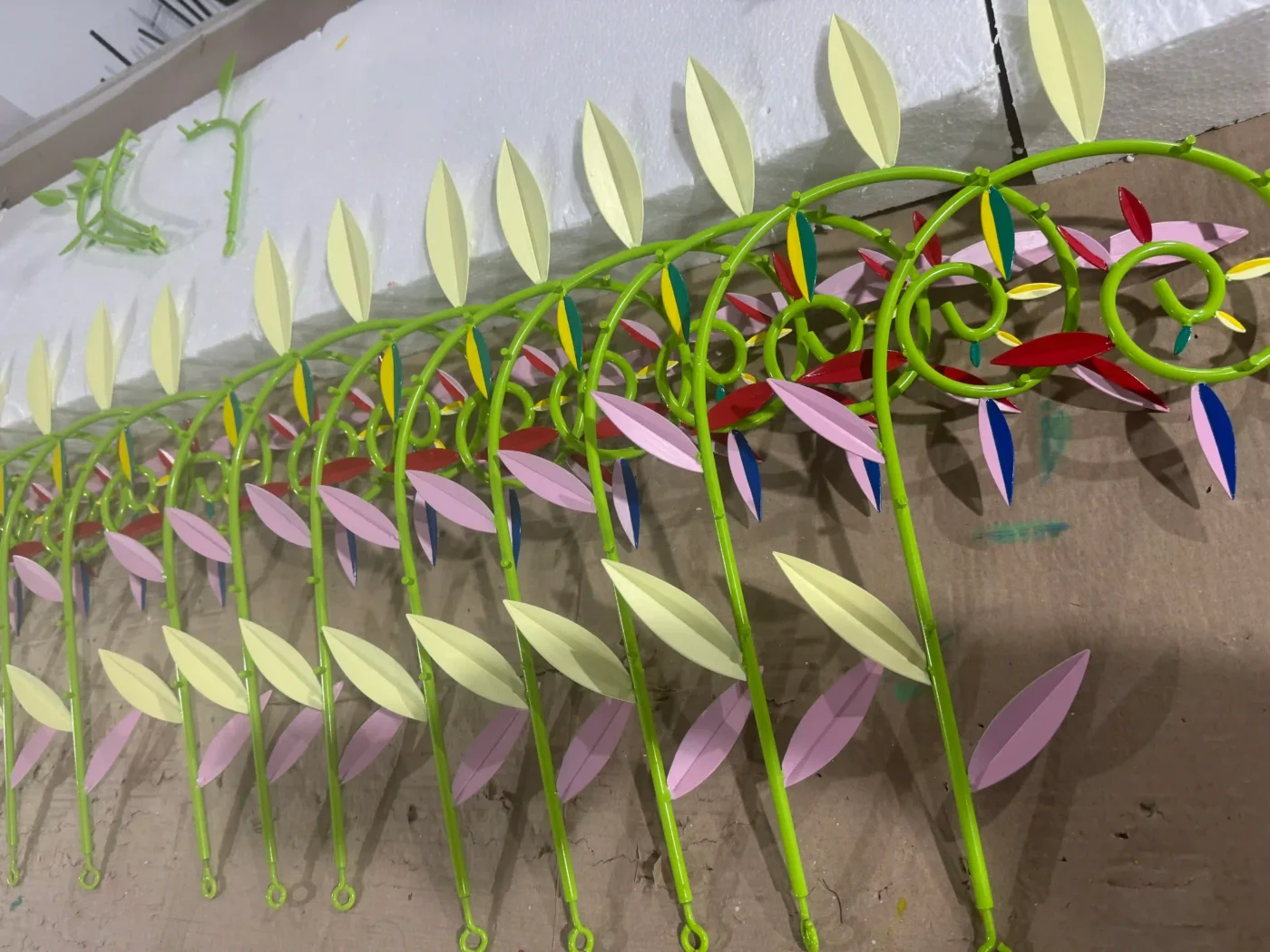
Start from the look in the render, then pick the construction that delivers it. Most finished flowers combine two or three routes.
| Desired effect | Construction route | Works best for | Watch for |
|---|---|---|---|
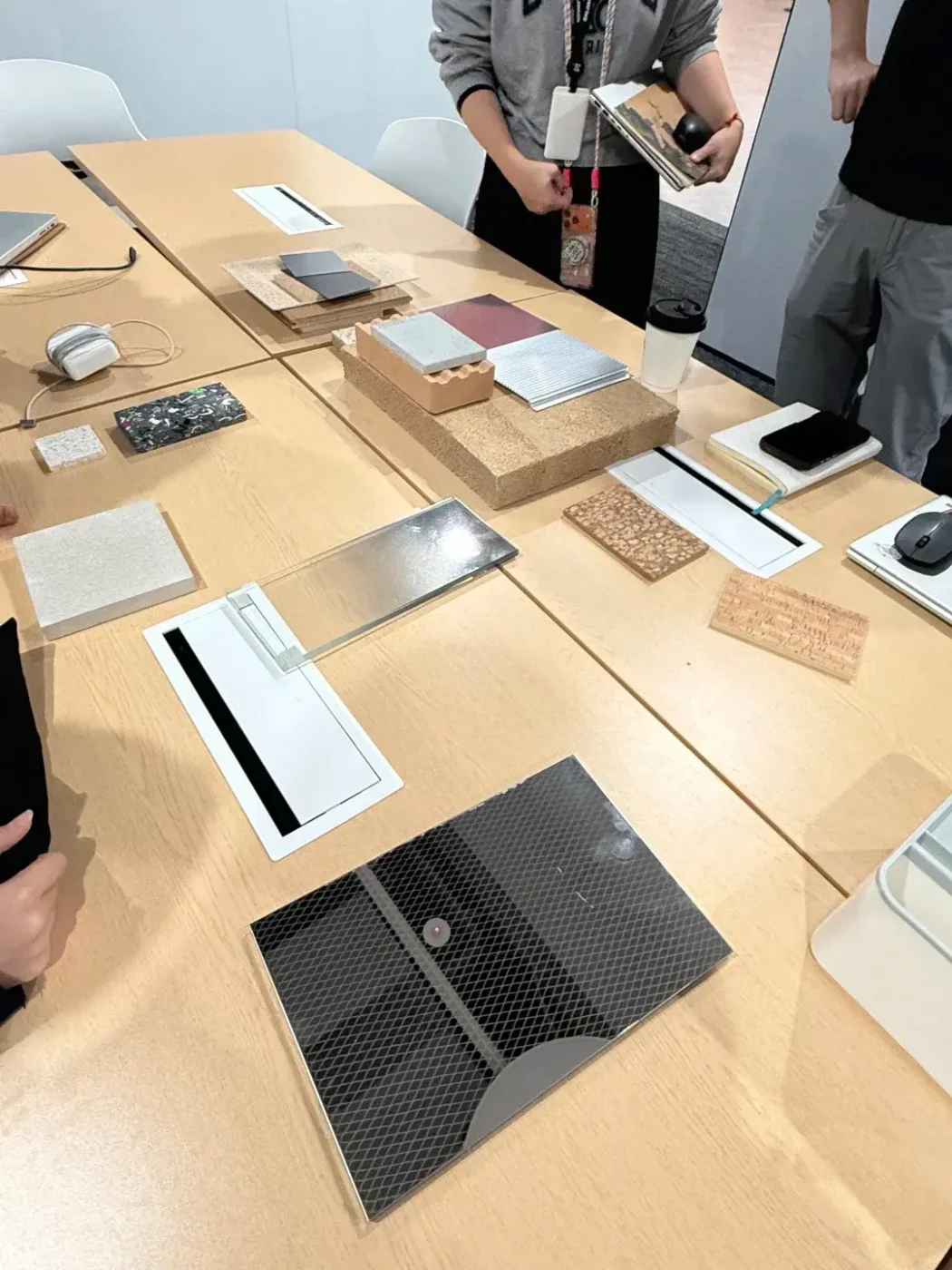
| Matte or satin colour | Fiberglass (FRP) shell, sprayed paint | Campaign palettes, multi-store rollouts | Approve colour on a physical panel under store-like lighting |
| Mirror gold, silver or rose gold | FRP with electroplating or UV vacuum metallising | Jewellery, beauty and festive windows | Mirror finishes show every sanding mark; surface prep decides the result |
| Velvet | FRP with flocked finish | Soft, tactile campaigns; warm in photographs | Flocking marks easily, so packing must avoid surface contact |
| Clear or frosted petals | Shaped acrylic (PMMA) | Light play, layering with opaque petals | Edges and fixing points are visible through the material |
| Very large, lightweight forms | PVC mirror-finish inflatable | Atriums and oversized scale with low freight volume | Softer silhouette than a moulded flower |
| Paper or fabric craft look | Flame-retardant-rated paper or fabric, or treated material | Short campaigns with a handmade feel | Fire documentation; see below |
On paper and fabric flowers. The US fire test standard NFPA 701 explicitly covers combustible artificial decorative vegetation, and many US venues ask for it. European projects are commonly assessed under EN 13501-1. Our approach is simple: use material already rated as flame retardant, or treat it with flame retardant spray when a rated version is not available.
On mixed construction. A typical luxury flower might use FRP for the opaque petals, acrylic for one translucent layer, a stainless steel stem inside a moulded sleeve, and a metallic finish only on the flower centre. Each part gets the material that suits its job. For a wider comparison across prop types, see our guide to choosing materials for window display props.
How a Fiberglass Giant Flower Is Made
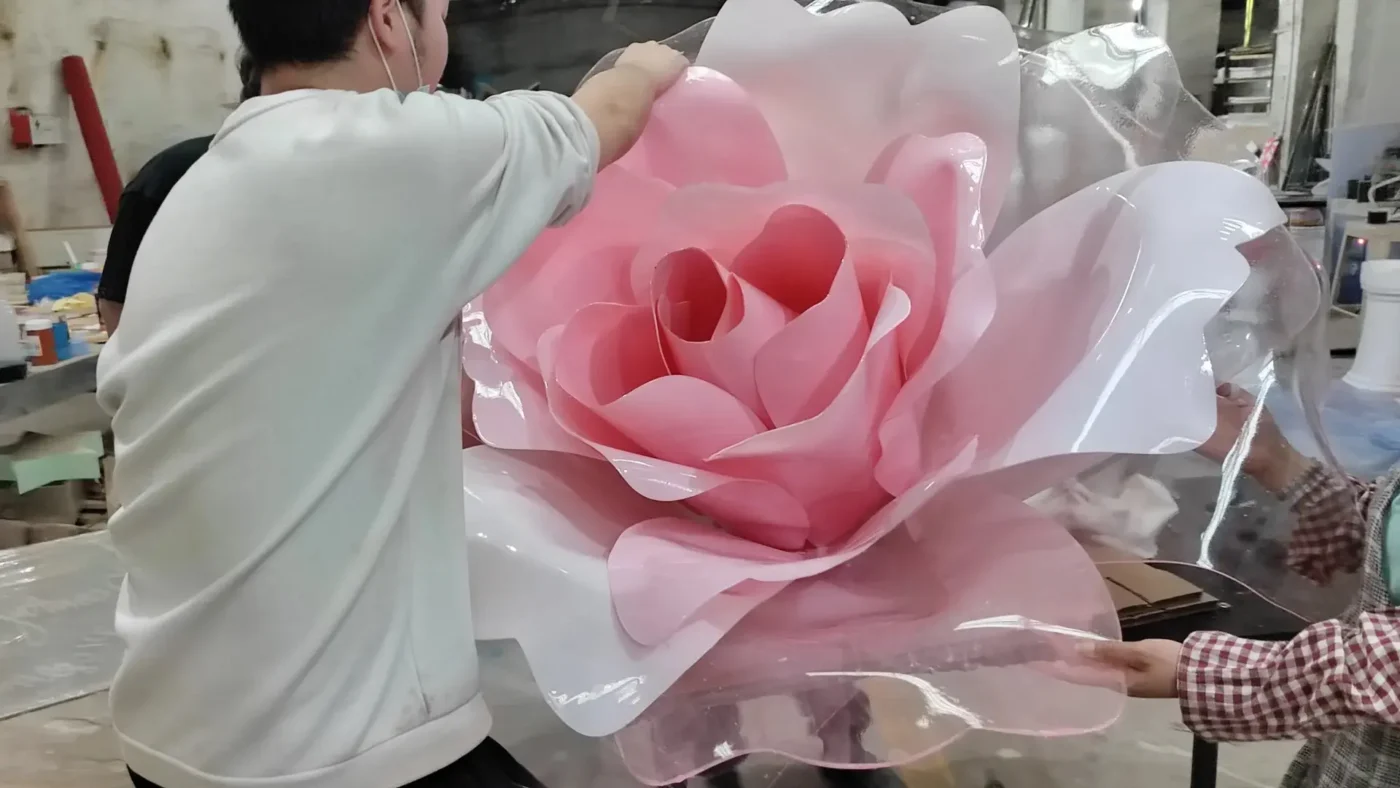
Fiberglass is the most common route for repeatable giant flowers because one mould produces identical petals for every store. The sequence:
- 3D model. The campaign render is rebuilt as a production model with real thicknesses, petal overlaps and hidden fixing points.
- Master. The petal and flower-centre forms are CNC-carved or 3D printed, then refined by hand.
- Mould. A mould is taken from each distinct master. Repeated petals share one mould.
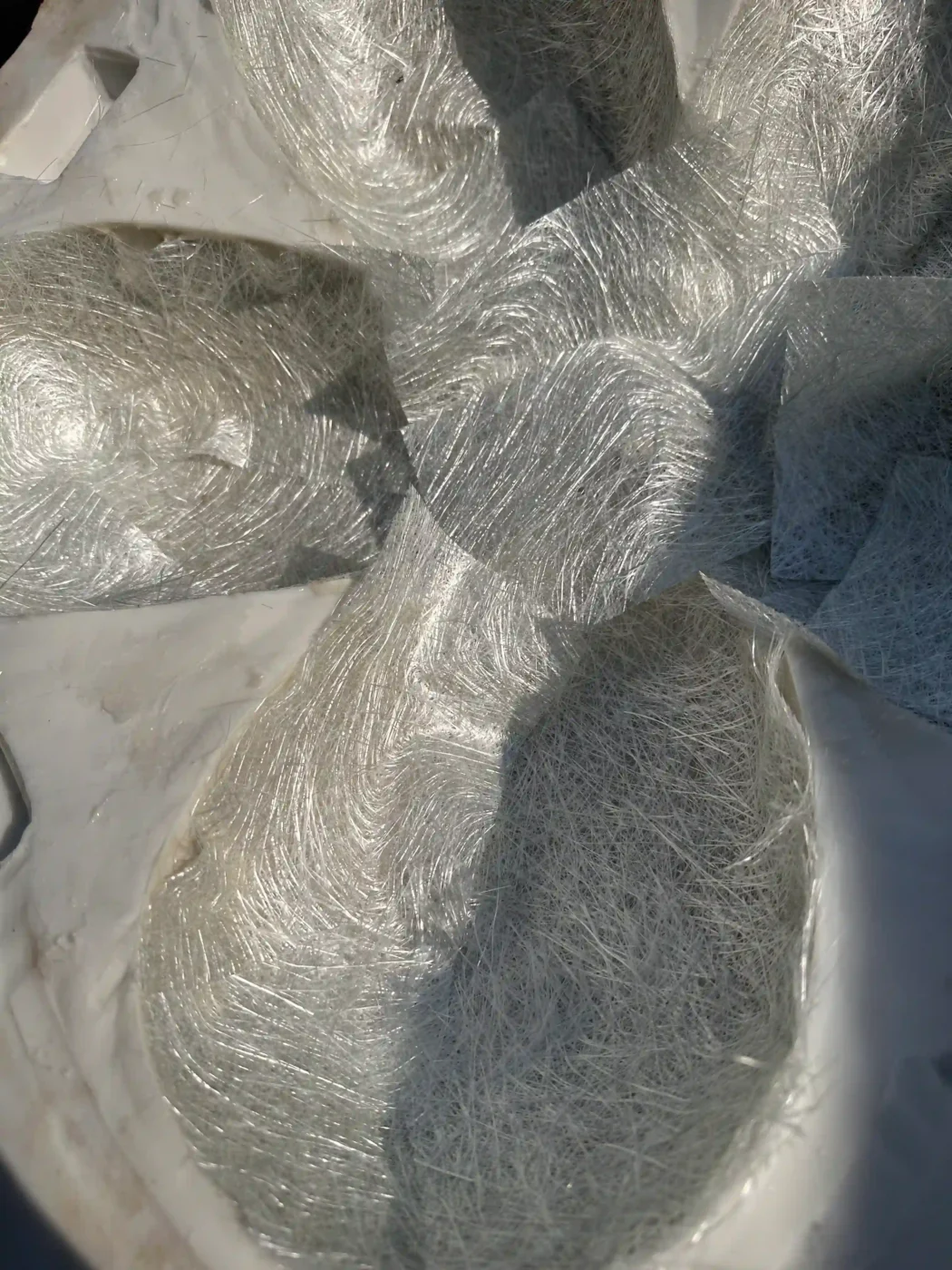
- Lay-up and trim. FRP is laid into the mould, cured, released and trimmed. Hidden areas near fixings are built thicker.
- Fill and sand. Two-component body filler levels the surface. This step decides how a gloss or mirror finish will look.
- Finish. Paint, plating, metallising or flocking, followed by a protective topcoat where the finish needs one.
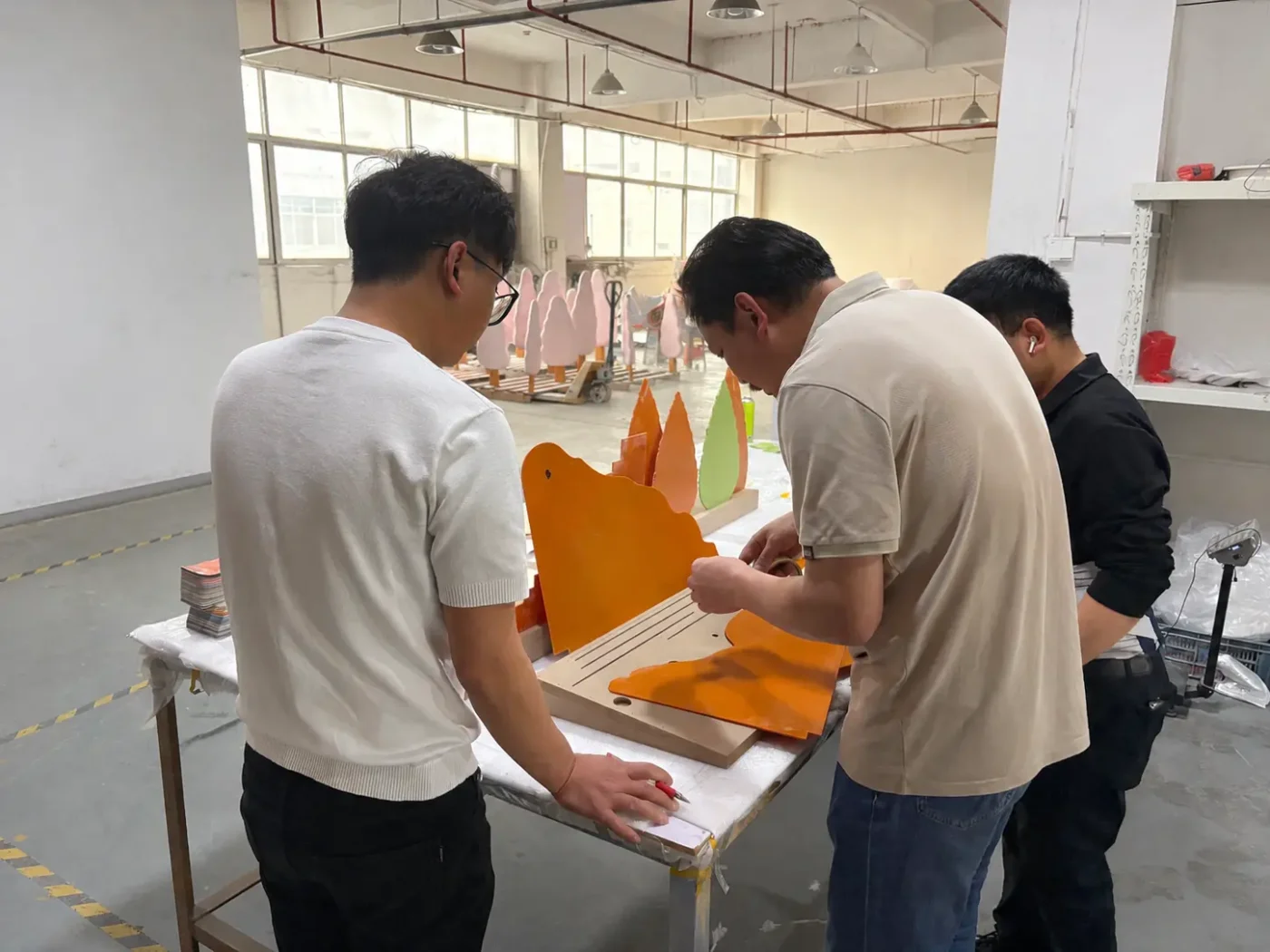
- Trial assembly. The whole flower is assembled in the workshop to check fit, joint lines and stability.
From mould to a finished electroplated sample takes about 15 days. Once the sample is approved, batch FRP production runs about 15 days.
Structure: What Keeps a Large Flower Upright and Intact
A giant flower can look weightless and still carry real load. Three points decide whether it holds up.
Petal tips. Thin, curled tips sell the illusion and are the first thing to chip. Keep the visible edge fine and add thickness where the viewer cannot see it, usually behind the petal and near its root.
Hidden connections. Joints are placed where petals overlap, so the seam disappears in the shadow of the next petal. Keyed or pinned connections stop parts going on at the wrong angle when a different team reassembles them.
Stem and base. Tall stems need a steel spine running into a weighted or fixed base. Off-centre heads need more than their height suggests. For freestanding flowers that shoppers can reach or touch, the store’s project team should confirm stability and permitted fixings for that site.
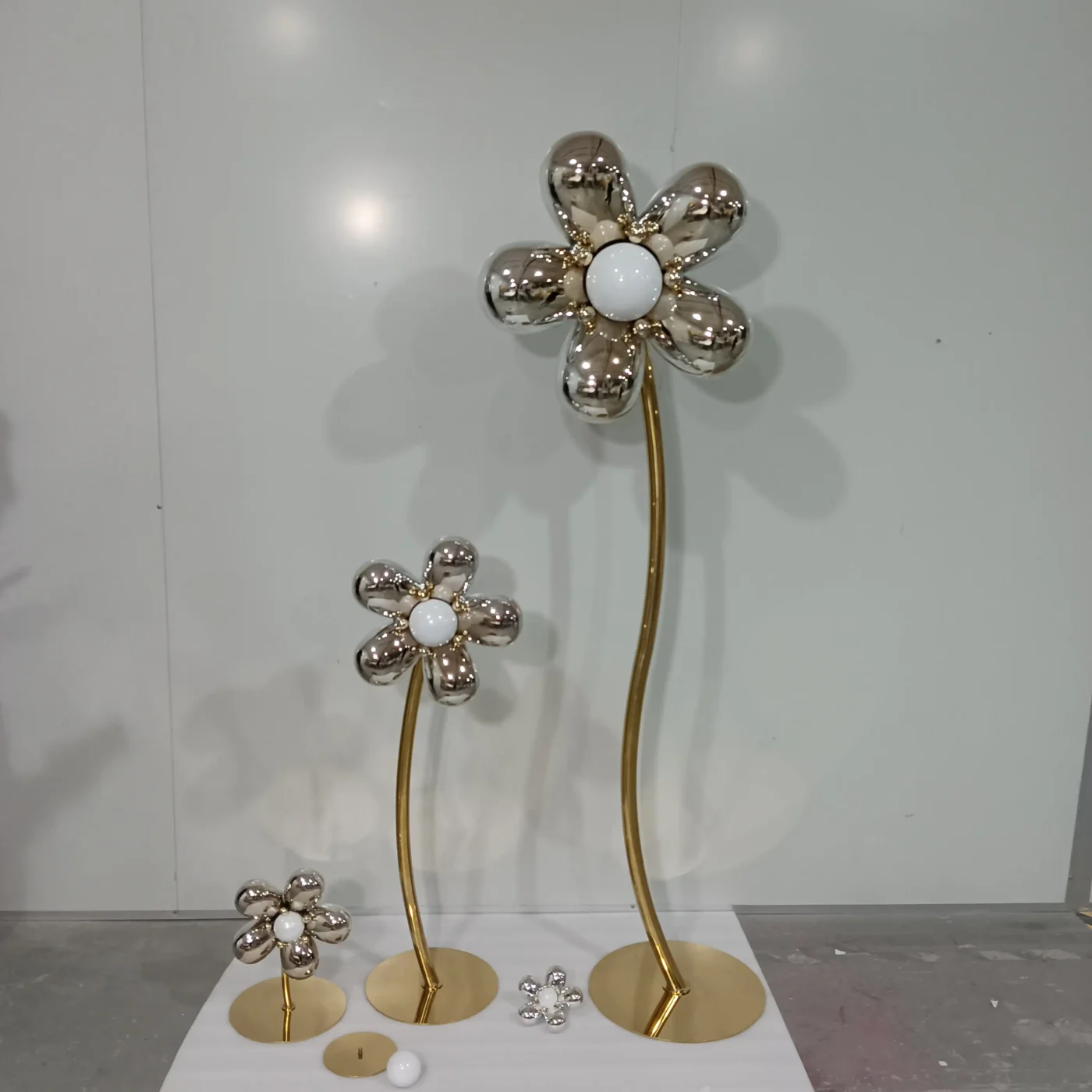
Splitting, Packing and Shipping
A two-metre flower rarely fits through a service door in one piece. Plan the split before the petals are finalised, using the smallest door, lift or loading bay on the route.
- Break the flower at petal overlaps so joints stay hidden after assembly.
- Number every part and supply an assembly sheet with photos from the trial build, so a local team can rebuild it without guesswork.
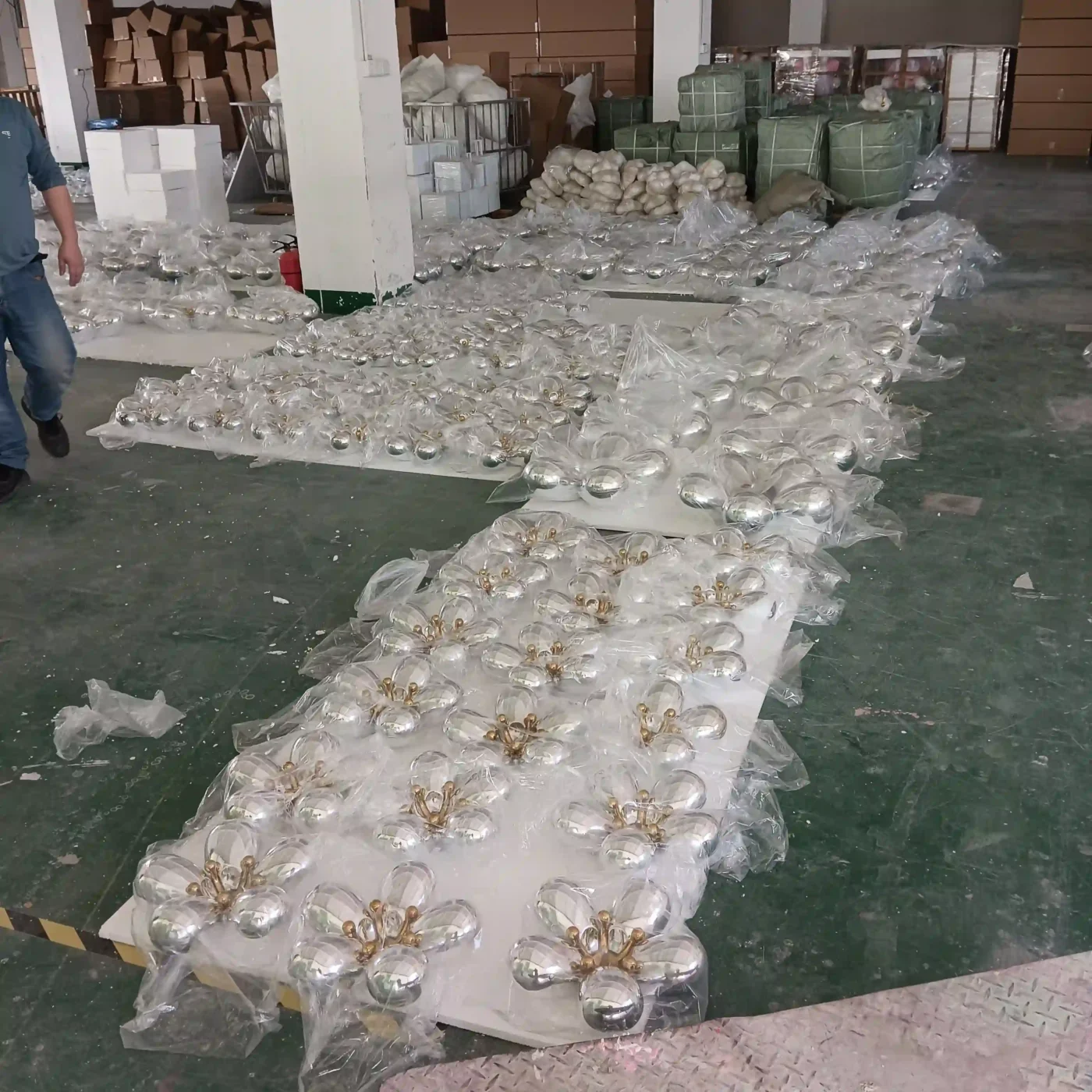
- Pack in fitted crates with shaped supports under petal tips and soft contact surfaces for flocked or mirror finishes.
- Pack in assembly order where possible: base first out, flower head last.
Sea freight to Europe or North America takes about 40 to 50 days; air freight door to door takes about 8 to 12 days for bulky items. Crating and delivery terms are covered in our guide to shipping custom displays from China to Europe.
Lead Times and What Drives Cost
| Scène | Typical time |
|---|---|
| Colour panels, first round | 3 to 5 days |
| Finished FRP flower sample | About 15 days from mould |
| Batch FRP production | Environ 15 jours |
| Confirmation to dispatch, full project | 25 to 35 days, depending on complexity and finish |
| Sea freight to Europe / North America | 40 to 50 days |
| Air freight, door to door | 8 to 12 days |
The main cost drivers are:
- Number of distinct petal shapes. Each shape needs its own master and mould. A flower built from three repeated petal forms costs far less to tool than one with twelve unique petals.
- Finish. Plating, metallising and flocking add steps beyond paint, and mirror finishes need more surface preparation.
- Size and structure. Larger flowers mean more material, a heavier spine and larger crates.
- Quantity. Moulds are shared across the order. Custom flowers start at 50 pieces per design, and unit cost falls as quantity rises.
- Light and motion. LED can be integrated into flower centres or behind acrylic petals, and rotating or opening mechanisms can be built in. Kinetic pieces are run continuously for about four hours before dispatch.
For the full picture across a window, see Quels sont les facteurs qui influencent le coût de production des vitrines ?.
What to Send for a Giant Flower Quote
A useful first brief is short:
- The render or reference image, and the effect you want to keep
- Overall size of the flower or arrangement, and the format (standing, wall, hanging)
- Preferred finish and campaign colours
- Quantity per store and number of stores
- Target in-store date and destination countries
A manufacturer can propose the construction from there. The full checklist is in our guide to quote requirements. For seasonal concepts that use flowers, see our spring window display ideas.

Foire aux questions
What are giant flower props made of?
Custom giant flower props for retail windows are usually made of fiberglass (FRP) for opaque petals, acrylic for clear or frosted petals, and steel for the internal stem and base. Ready-made event flowers are usually EVA foam, paper or fabric.
How long does it take to make custom giant flowers?
A finished fiberglass flower sample takes about 15 days from mould. A full project usually takes 25 to 35 days from confirmation to dispatch, plus about 40 to 50 days by sea or 8 to 12 days by air.
What is the minimum order for custom giant flower props?
Custom giant flower props are produced from 50 pieces per design. Moulds are shared across the order, so unit cost falls as quantity rises.
Can giant flower props have a metallic or velvet finish?
Yes. Fiberglass flowers can be electroplated or vacuum metallised for mirror gold, silver or rose gold, or flocked for a velvet surface.
Can giant flower props light up or move?
Yes. LED can be built into flower centres or behind acrylic petals, and rotating or opening mechanisms can be integrated. Kinetic pieces are run continuously for about four hours before dispatch.
Can large flower sculptures be shipped in sections?
Yes. The flower is split at petal overlaps so joints stay hidden, each part is numbered, and an assembly sheet lets a local team rebuild it.
Are paper or fabric giant flowers safe to use in stores?
They can be, if the material is flame-retardant rated or treated. US venues often ask for NFPA 701 documentation, and European projects commonly refer to EN 13501-1.